

















First trip abroad: what to check before departure
Before your first independent trip, you check tickets, visa, accommodation, money, and language. The workload feels overwhelming, so many people keep putting the trip off.
In practice, everything is handled step by step, and preparation takes a couple of evenings. Below are the rules that remove most beginner fears. You will understand what to check before departure, how to avoid overpaying, and what to put in your backpack.
Ad: this article contains affiliate links, we earn a commission if you book through them, at no extra cost to you.
Don't be afraid of the first step
💡 In short:
- Check whether you need a visa and your passport expiration date.
- Book tickets and accommodation in advance while prices are lower.
- Make copies of your documents and save them on your phone.
- Take a first aid kit and get insurance for emergencies.
- Download offline maps and learn basic phrases.
- Visas and entry rules: 09/2026, verified on the official EU website.
Fear of the unknown is stronger than real problems. You already know how to plan, you are just afraid of getting the small things wrong. A simple technique helps: imagine the worst-case scenario and write down what you would do. Missed your flight? There is another one. Booking not confirmed? The hotel will sort it out by email.
Assess your abilities honestly, but don't postpone the trip because of anxiety. Experience only comes on the road. One calm evening of preparation replaces a week of worrying. You will be surprised how quickly fear gives way to a plan.
 © WAqil (WMYS) · CC BY-SAPhoto: WAqil (WMYS), CC BY-SA (https://creativecommons.org/licenses/by-sa/4.0), Wikimedia Commons
Travel is cheaper than it seems
An independent trip rarely costs as much as a package tour. If you feel the budget won't stretch, start with the low season: in spring and autumn, tickets and accommodation are cheaper and lines are shorter. Don't schedule your vacation at the peak of school holidays.
Compare prices before buying. Airfare prices to Europe show the range by date, and the difference between adjacent weeks can be noticeable. Also look at last-minute tours from operators, but check what's included: flights, transfers, and insurance are often already covered, while excursions are not.
 © AlasdairW · CC BY-SAPhoto: AlasdairW, CC BY-SA (https://creativecommons.org/licenses/by-sa/4.0), Wikimedia Commons
Visa: what to check in advance
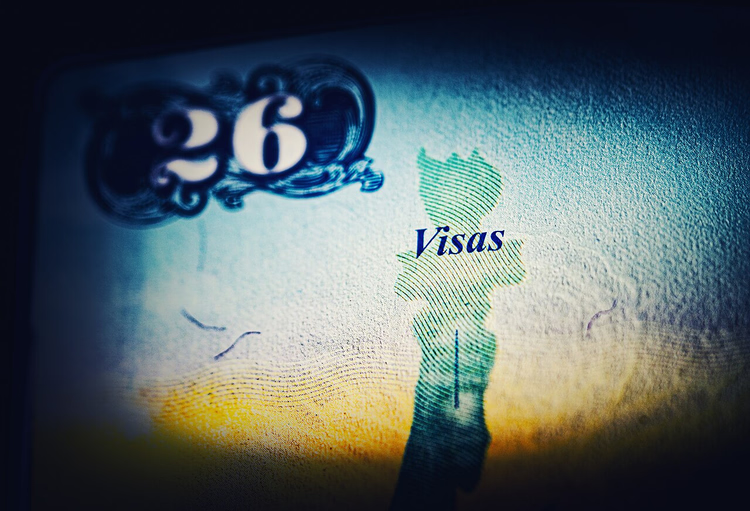
With an EU passport, you don't need a Schengen visa for travel within the Schengen area. If you are flying outside Schengen, check before buying tickets whether you need a visa and how long processing takes. If you are traveling with companions without an EU passport, a short-stay Schengen visa for them costs €90 (as of 09/2026, European Commission), and €45 for children aged 6-12. Apply early, because consulates are busy during peak season.
You can enter some countries without a visa for a limited period, and conditions change. Keep an eye on the ETIAS system for visa-free travelers: it is not launched yet, with the last quarter of 2026 as the target (official EU website). If you have little time before the trip, choose a visa-free destination.
 © Tony Webster · CC BYPhoto: Tony Webster, CC BY (https://creativecommons.org/licenses/by/2.0), Wikimedia Commons
Documents: copies and consulate contacts
Take your passport, visa, bookings, and insurance, and make copies of them. Keep one set in your carry-on, another in your checked luggage, and leave the originals in the hotel safe. Digital copies also work: photograph your documents and save them in the cloud with offline access.
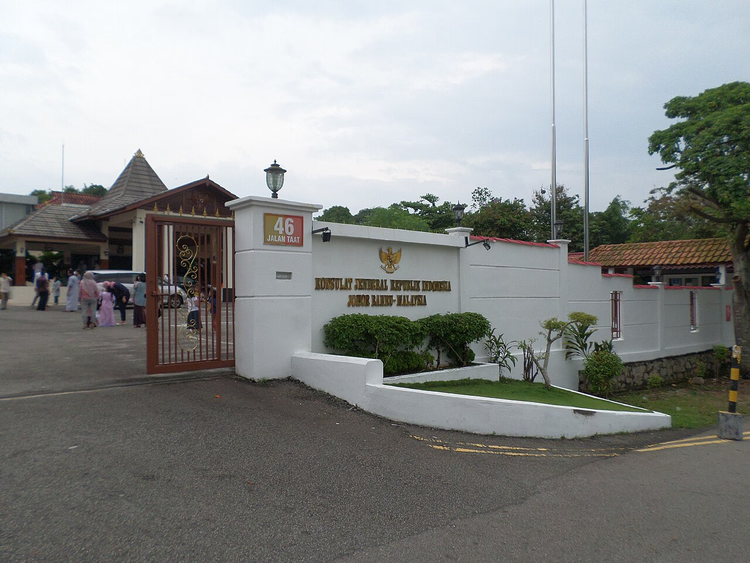
Don't keep money in your passport. You will lose both, and recovery will take longer. Write down the address and phone number of your country's consulate in advance. If your documents are stolen, first go to the police for a report, then to the consulate.
 © Chongkian · CC BY-SAPhoto: Chongkian, CC BY-SA (https://creativecommons.org/licenses/by-sa/4.0), Wikimedia Commons
English and basic phrases
Basic English is enough almost everywhere, but not in every country. In China, South Korea, and even Italy, locals often don't speak it fluently, so learn a dozen phrases in the local language. "Hello," "thank you," and "how much" open more doors than a fluent accent.
You can easily pick up the language with an app: Duolingo and Drops offer short lessons of just a few minutes. In a few days you will master greetings and numbers. On the road, an offline translator with a camera is a lifesaver: point your phone at a menu and read the translation.

Staying in touch with family and eSIM
Your family worries when you go quiet. Agree on a short daily check-in message and send them your hotel address along with a rough itinerary. It gives both you and them peace of mind.
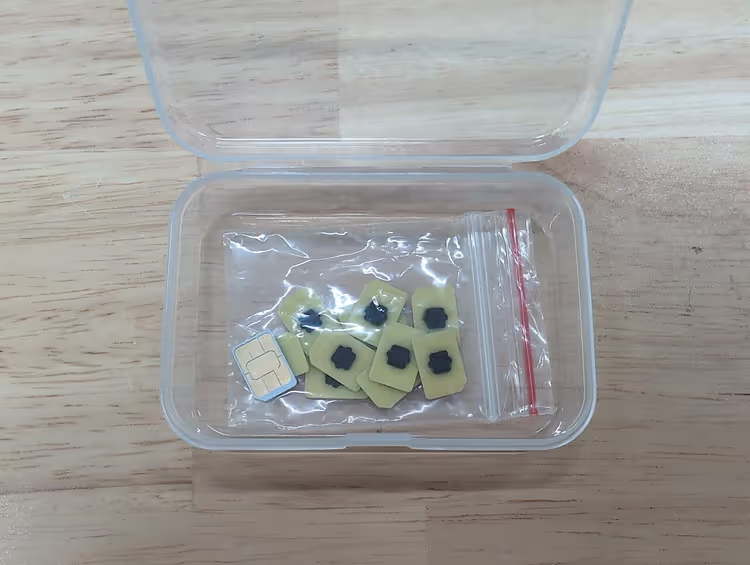
Within the EU, roaming is free, so you do not need a separate connection. For trips outside the EU, buy an eSIM before you fly so you do not have to hunt for Wi-Fi. An eSIM for travel is activated via a QR code, and the internet works as soon as you land. Roaming with your home carrier outside the EU is usually more expensive. A local SIM card means searching for one after you arrive. Check whether your phone supports eSIM before you buy.
 © Perillamint · CC BY-SAPhoto: Perillamint, CC BY-SA (https://creativecommons.org/licenses/by-sa/4.0), Wikimedia Commons
Cash and card abroad
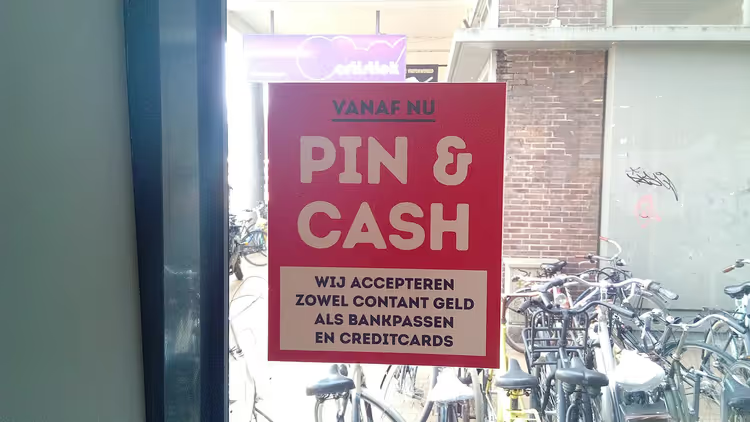
Keep both a card and some cash on you. Paying by card is more convenient, but in small cafes, markets, and taxis the terminal may not work. Withdrawing from an ATM is nothing to worry about: the amount is converted at your bank's exchange rate.
Notify your bank about your trip, otherwise a transaction may be blocked as suspicious. Choose ATMs near bank branches, not in a dark alley. Keep your card separate from your cash. If you lose your wallet, you will still have a second source of money.
 © Donald Trung Quoc Don (Chữ Hán: 徵國單) - Wikimedia Commons - © CC BY-SA 4.0 International . ( Want to use this image? ) Or · CC BY-SAPhoto: Donald Trung Quoc Don (Chữ Hán: 徵國單) - Wikimedia Commons - © CC BY-SA 4.0 International . ( Want to use this image? ) Or, CC BY-SA (https://creativecommons.org/licenses/by-sa/4.0), Wikimedia Commons
Tickets and accommodation: book in advance
The closer the travel date, the more expensive tickets and accommodation get. Book in advance: there is more choice and lower prices. You can always cancel a flexible booking, but finding a good deal the day before departure is nearly impossible.
Read reviews before paying and check the cancellation policy. With low-cost carriers, the baggage fee can cost more than the ticket itself. Hotel prices on Trip.com will help you compare options by date. Choose a hotel in the center if logistics matter; accommodation outside the city is cheaper, but it should be near public transport.

Travel first aid kit
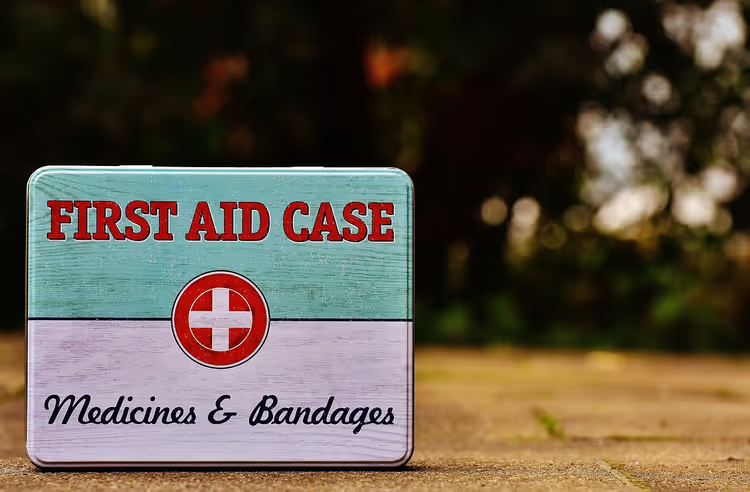
A first aid kit is for handling minor ailments on the road. Bring painkillers, stomach remedies, band-aids, and antiseptic. Bruises, colds, and food poisoning happen in any country, and the pharmacy with the right product may be closed.
Take an extra supply of your regular medications and keep them in your carry-on. When traveling with prescription drugs, bring the prescription or a doctor's note. Check import rules: some common medications are banned abroad, and they will not be allowed through.
Insurance: when it pays off
Medical care abroad is expensive. A single-trip policy costs pennies compared to the risks: treatment and repatriation can run into five figures. So get insurance that covers emergency care.
Compare insurance options can be done in one evening, and the policy is active from the moment you depart. Read the fine print: sports, toothache, and chronic conditions are often excluded. For a ski trip, get separate coverage.
Offline maps and apps
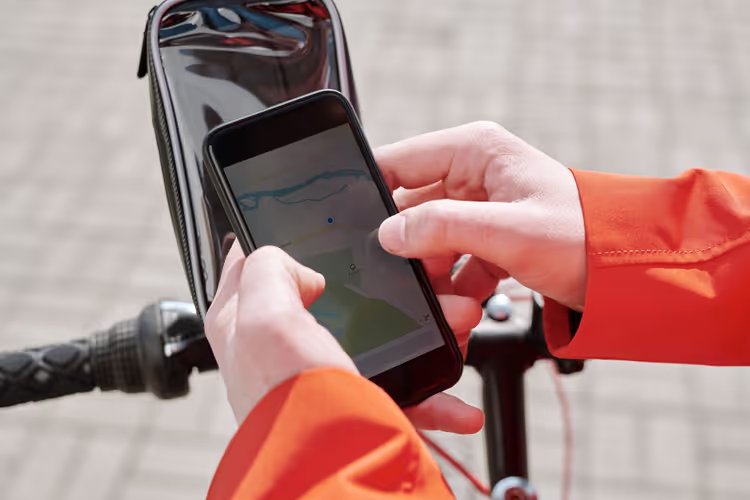
Offline maps save you when you lose signal. Download the city's offline map in advance in Google Maps: the app saves the area and builds routes even without a network. The app will show transit stops and approximate travel time.
A paper map comes in handy if your phone dies. Write down the hotel address on paper with the name in the local language so you can show it to a driver. Keep a power bank charged while traveling, otherwise you'll be left without navigation.
Realistic expectations
Before a trip, it's easy to paint an ideal picture: brighter sun, tastier food, kinder people. Reality is different, and that's normal. Weather turns bad, transit runs late, plans shift.
Don't get upset over small things, treat them as experience. A closed museum won't ruin the trip if you have a plan B. Flexibility matters more than a minute-by-minute schedule, and you'll come back with stories rather than disappointment.

Leave room for souvenirs
Don't stuff your suitcase to the brim at the start of the trip. Leave a little room: souvenirs, local products, and gifts for family will take up far more space than you think. A foldable bag solves this problem on the road.
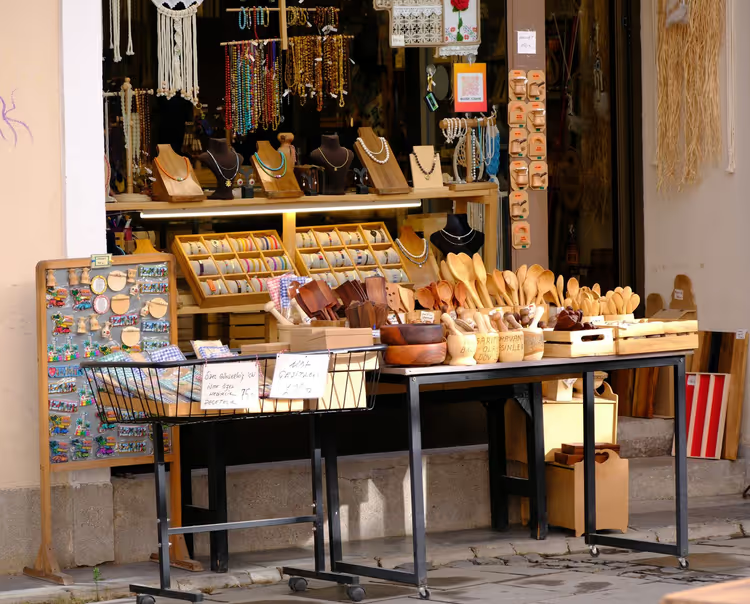
Buy souvenirs at the end, not on the first day. That way you won't have to carry them the whole trip and you'll be less likely to make a bad choice. Check liquids and delicacies against carry-on rules so you don't have to hand them over at airport security.
Traveling within your own country
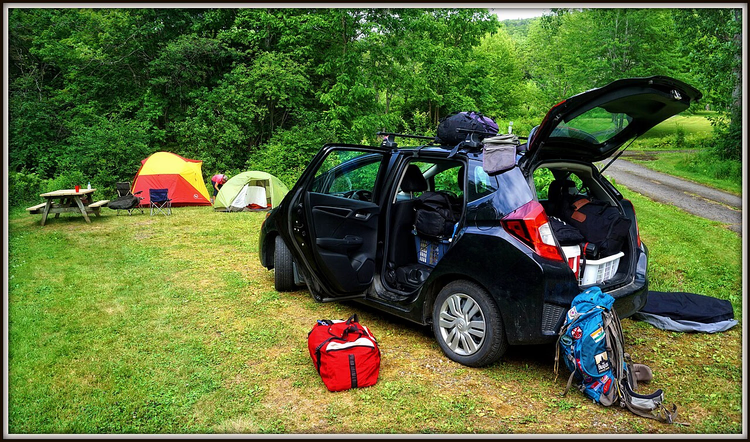
If an international trip isn't working out, start with your own region. A neighboring city you haven't seen will give you the same experience of the road on a smaller budget. Exploring something new is easier when you don't need to exchange currency or learn a language.
A weekend getaway works too. Pick one city, one goal, and spend the day without rushing. The skills you gain will come in handy on your first big trip. This is how you practice packing and navigation over a short distance.
 © Wallace Howe from Canada · CC BY-SAPhoto: Wallace Howe from Canada, CC BY-SA (https://creativecommons.org/licenses/by-sa/2.0), Wikimedia Commons
⁉️🤔 Frequently asked questions
Does a beginner need a visa for a first trip?
It depends on your citizenship and destination country. Check this before buying tickets, because processing times, document requirements, and fees vary.
How much money should I take on a first trip?
Calculate by day: accommodation, food, transport, and museum tickets. Keep part of the amount on a card and a little cash for small expenses. The exact range depends on prices in the specific city, so check them for your travel dates in advance and add a small buffer for the unexpected.
What should I do if I lose my documents abroad?
First, go to the police to get a report, then to your country's consulate for a return certificate. Copies of your documents and photos in the cloud will speed up the process. Save the consulate's phone number in your notes in advance so you don't have to search for it under stress and waste time.
Do I need insurance if I'm going for a week?
Yes, a short trip is still a risk. A weekly policy costs very little. Get coverage for emergency care and repatriation.
How can a beginner travel more cheaply?
Choose the low season and flexible fares, fly budget airlines with carry-on only. Book accommodation in advance and compare prices by date. Eat at local cafes away from the sights: it's cheaper there, and portions are often bigger.
In short: what's worth booking
Put your trip together step by step: accommodation and tickets first, then insurance and connectivity. That way you won't forget the essentials and won't overpay at the last moment.
If you're traveling for the first time: choose flexible fares and accommodation with free cancellation.
If your budget is tight: look at the low season and budget airlines.
If logistics matter: stay in the center or near a transit station.
What to book first: check hotel prices on Trip.com.

A small editorial team writing guides for independent travel. We travel ourselves, but we haven’t been everywhere, so we check prices, opening hours and how to get there against official sources.