

















How to plan a trip yourself: nine steps and a budget checklist
A self-planned trip saves money, but it takes time. Tickets, accommodation, visa, insurance, and the itinerary all fall on you. We have put together a step-by-step plan that covers everything in advance.
Starting October 12, 2025, the EES system is operational at Schengen borders, and ETIAS has not yet launched as of September 2026 (as of 09/2026, official EU portal). Both systems apply to third-country nationals, not EU citizens. For trips outside the EU, check entry rules before buying a ticket. Below are nine steps, from choosing a country to mobile connectivity.
Ad: this article contains affiliate links. We earn a commission if you book through them, at no extra cost to you.
Step 1. Decide on the country, visa, and insurance
💡 In short:
- Choose the country and city for your trip.
- For trips outside the EU, check visa requirements and processing times on official websites.
- Get medical insurance for the entire duration of the trip.
- Entry to the EU (EES and ETIAS): 09/2026, verified on the official EU portal
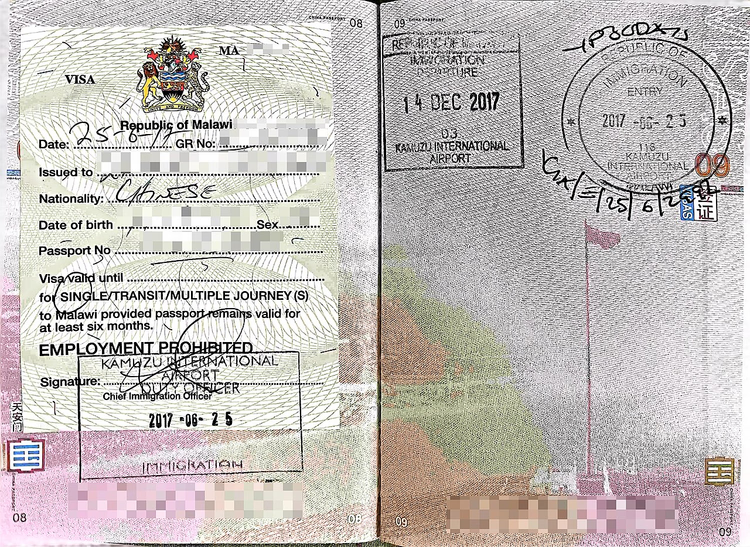
Planning always takes more time than it seems at the start. First, you decide which country or city interests you. Within the Schengen area, EU citizens do not need a visa. For a trip outside the EU, check whether you need a visa: it often involves submitting documents, biometrics, and waiting for a decision. Do not put off applying until the last month, otherwise you will have to buy tickets and book accommodation at high prices. Keep a backup route in case of a refusal. Get medical insurance for the entire duration of the trip, otherwise nobody will cover your medical expenses abroad.
 © Mr. TTG · CC BY-SAPhoto: Mr. TTG, CC BY-SA (https://creativecommons.org/licenses/by-sa/4.0), Wikimedia Commons
Step 2. Buy tickets in advance
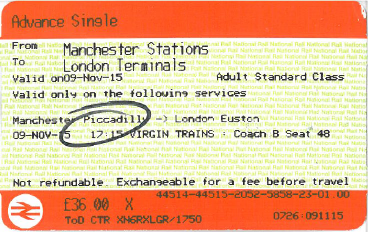
Tickets have the biggest impact on your budget if you wait until the last minute. The price rises closer to the departure date, and this is especially noticeable in peak season. Compare offers on several platforms and look at the final price including baggage. Check where your layovers are and how long they last, otherwise a connection can turn into a night at the airport. If the layover is short, find out whether your baggage is checked through automatically. Check carry-on allowances in advance: you will pay extra at the check-in desk for overweight bags. Compare flights on Trip.com.
Step 3. Book accommodation
The same rule applies to accommodation: the earlier, the cheaper and the less stressful. Hotels, apartments, and hostels get booked up before the season even starts. Read reviews and look at photos so you do not get a surprise when you arrive. Check the location separately: the neighborhood and the commute to the center change the whole experience of a trip. If you want a free place to stay, check out CouchSurfing and find a host among locals. They will recommend a neighborhood and show you the city better than any guidebook. Find hotels on Trip.com.
 © Basile Morin · CC BY-SAPhoto: Basile Morin, CC BY-SA (https://creativecommons.org/licenses/by-sa/4.0), Wikimedia Commons
Step 4. Calculate your budget and money
Accommodation and tickets eat up the bulk of it, but small expenses finish off a trip. Set aside separate money for food, souvenirs, and entrance tickets. Leave a reserve for the unexpected: it saves you when a flight is canceled or you get sick. Find out the local currency and exchange some money in advance so you have cash for the first few days. Keep an expense spreadsheet on your phone: this way you can see where your budget is running ahead of plan. Include insurance in your budget from the start and compare insurance options from different companies.

Step 5. Learn about the country and its rules
Every country has its own laws and customs, and it is worth knowing them in advance. Before you leave, look into what is allowed for tourists and what is prohibited, so you do not end up in an unpleasant situation. Ignorance of the rules can lead to fines, deportation, and more serious consequences. Watch short videos about the country and read articles: this will give you a clear picture. Separately note dress codes in temples, photography rules, and norms of behavior in public places.
Step 6. Plan your itinerary
Once you know a little about the country and the city, planning becomes easier. Put together an itinerary from online resources, guidebooks, and maps in advance. Check whether the places you are interested in are open on your dates, whether entry is paid or free, and whether there are discounts or combined tickets. This way you will not show up at a closed museum or overpay for entry. Once you are in the country, do not be afraid to ask locals: they will tell you where to go and what to see. Save your itinerary offline in a maps app: you may not have internet abroad when you need it. Tickets and tours are easy to book in advance on GetYourGuide.
Step 7. Check the weather and pack your suitcase
A forecast for your travel dates saves you from overpacking. Check what weather awaits you in the city and pack accordingly. Layers work best: a warm sweater, a rain jacket, and comfortable shoes. Travel forums will tell you how changeable the weather is during that period. But still check the official weather report before your flight. A week before departure, check your chargers and adapters so you do not have to hunt for them when you arrive. Do not take a pile of unnecessary things: you will be the one carrying that suitcase.

Step 8. Learn basic phrases
Basic English makes everyday situations noticeably easier when traveling. Learn at least "hello," "thank you," and "please," and communication becomes simpler. You can explain things with gestures, but it takes longer and is more tiring. Locals appreciate it when you try their language: the attitude becomes warmer. Write down a few phrases in your phone notes and review them on the road. Even a dozen words removes half the stress in an unfamiliar city.

Step 9. Sort out connectivity and internet
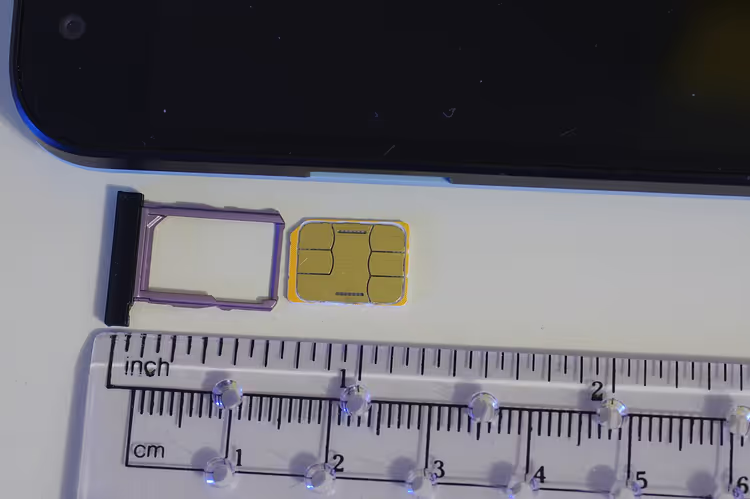
Connectivity during a trip is essential for maps, bookings, and messaging. Within the EU, roaming is free, and your SIM works just like at home. Outside the EU, you will need a local SIM card or an eSIM, as roaming there is more expensive. Compare plans and data allowances so you do not overpay. A local SIM is usually cheaper, but you have to get it at a store and verify your identity. Roaming is more convenient, but more expensive on long trips. Before buying, check whether your phone supports eSIM. If you do not want to look for a store, buy an eSIM on Yesim and activate it before your flight.
 © BwDraco · CC BY-SAPhoto: BwDraco, CC BY-SA (https://creativecommons.org/licenses/by-sa/3.0), Wikimedia Commons
⁉️🤔 Frequently asked questions
When should I start planning a self-planned trip?
The earlier, the cheaper. If you need a visa for a trip outside the EU, start several months ahead: document processing takes weeks. Without a visa, a month to six weeks is enough for tickets and accommodation. An early start leaves room for a visa refusal or a change of route, which means less stress on the road.
Is insurance mandatory if no visa is required?
Within the Schengen area, EU citizens do not need a visa. For visas outside the EU, insurance is often required when submitting documents. Without a visa, it is not formally required, but it covers medical treatment, flight cancellation, and lost baggage. Compare options and get a policy for the entire period of your trip.
How can I save on tickets and accommodation?
Buy in advance and outside peak season. Compare several platforms. For accommodation, look not only at the price but also at the location: the commute to the center changes the final cost of your trip.
Where can I find a place to stay for a self-planned trip?
On hotel aggregators, apartment rental services, and in hostels. Check the neighborhood on the map so you do not spend money on taxis every day.
What should I do about changeable weather?
Check the forecast for the entire period of your trip and pack accordingly. Layers of clothing and a rain jacket are more reliable than a heavy suitcase.
In short: what to book
Put your trip together in order: visa and insurance, tickets, accommodation, itinerary, and connectivity. If your dates are fixed, start with flights: they go up in price the fastest. If you are traveling for a long time, lock in accommodation first, then tours. Sort out connectivity and insurance before your flight so you do not spend your first day on formalities. This way you save time at the start of your trip and money on tickets. Find flights on Kiwi.com.

A small editorial team writing guides for independent travel. We travel ourselves, but we haven’t been everywhere, so we check prices, opening hours and how to get there against official sources.