

















How to save on accommodation while traveling: 7 booking schemes from hostel to camping
Accommodation eats up most of your trip budget. The same room in central Rome costs different amounts depending on whether you book it through the hotel, an aggregator, or directly.
We tested seven ways to book accommodation abroad for less and put them together in a breakdown with the catches. As of April 21, 2025, Airbnb shows the full price with fees right in search results (as of 09/2026, Airbnb Newsroom). Some services from older roundups have shut down since then, so below you'll find only working platforms.
The right choice depends on your trip length and who you're traveling with. Let's go through each one in order, from home exchange to camping.
Ad: this article contains affiliate links, we earn a commission if you book through them, at no extra cost to you.
Overview: 7 ways to save on accommodation
💡 In short:
- Home exchange and camping give you the lowest price per night, but require flexibility.
- Aggregators, hostels, and apartments book quickly and work for any trip length.
Below are seven ways, each with its price level. The table will help you figure out where to start.
Method | Who it's for | Price level | Where to book |
|---|---|---|---|
1. Home exchange | Long trip, you have your own home | Zero for accommodation | HomeExchange, Intervac |
2. Aggregators | Any trip | Mid-range | Trip.com, Booking |
3. Hostels | Solo travelers and couples | Low | Hostelworld |
4. Bed and Breakfast | Countryside, you have a car | Mid-range | On site, directly |
5. Apartments | Groups and families | Low per person | Trip.com, Nettimökki |
6. Staying with locals | Trips of a week or more | Mid-range | Airbnb |
7. Camping | Road trips | Low | Campings.com |
Below we'll break down each method separately, with price, conditions, and an honest catch. That way you'll see which option is cheapest for you specifically.
1. Home exchange
Home exchange saves almost your entire accommodation budget. You register on a platform, describe your home, and arrange a mutual exchange with a host in another country. The biggest player in this space, HomeExchange, brings together over 200,000 members and about 3.5 million exchange nights in 2025 (as of 09/2026, HomeExchange).

The main rule: make the first move. Waiting for someone to respond to your listing can take months. Search for matching options yourself and write to hosts directly. Also register on two or three platforms, because their city databases differ.
Exchanges can be simultaneous or split across dates. In the second case, you host guests in July and stay in their apartment in October. Accommodation is free in both schemes, but some platforms charge an annual fee for database access. Before agreeing, check three things: house rules, dates, and who pays for utilities. This checklist resolves most disputes.
- Who it's for: trips of two weeks or more, flexible dates, you have your own home.
- Not for: a short 3-4 day trip or a business trip, exchange won't work here.
- The catch: preparation takes time, and a suitable match isn't available in every city.
2. Aggregator sites
Aggregators search hotels and apartments worldwide and show the price right in the list. This is the fastest route when you have a specific city and date. The same room costs different amounts on different platforms, so comparison pays off.
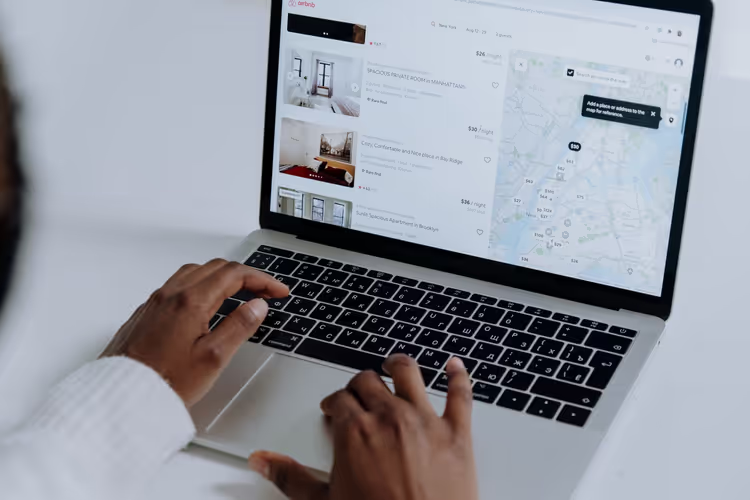
Current prices for your dates are easy to check on Trip.com and two other platforms at the same time. That way you'll see the spread for the same room in a minute.
How to compare prices without mistakes:
- Open three platforms and save the price from each.
- Check whether breakfast, city tax, and cleaning are included in the total.
- Look at the total for all nights, not just the first night's price.
Booking, Hotels.com, and Agoda
Booking and Expedia have the largest hotel databases, while Agoda often wins for Asia. Hotels.com has had the One Key loyalty program since 2023.
HRS and booking without a card
HRS doesn't require card details to confirm a booking. For late check-in, they may ask for a card, so keep it handy. A trick for a group of four: compare a quadruple room with two double rooms. The second option often comes out cheaper.
Caution: resident-only rates
Aggregators sometimes show a rate that only applies to residents of the hotel's country. In the list, such an offer looks like the cheapest, but at the front desk you're quoted a different amount. Check the rate conditions before paying, not upon arrival.
Join the platforms' loyalty programs. Accumulated points give you a discount on your next booking, and subscribing to promotions catches sales. This doesn't replace price comparison, but it gradually adds up to noticeable savings.
- The catch: platforms charge a commission, and the cheapest rates are often non-refundable.
3. Hostels
A hostel gives you the cheapest bed in the city. You take a bunk in a shared room that can house up to 24 people besides you. The bathroom and toilet are usually shared, but some rooms come with a private bathroom.
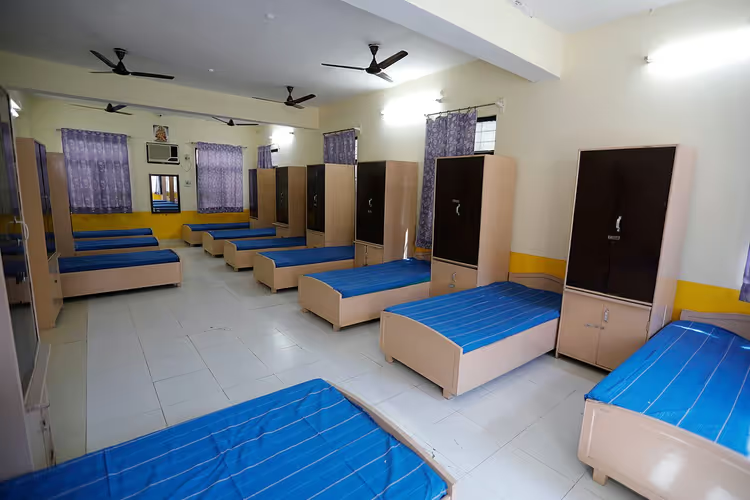 © Sanjaynegi · CC BY-SAPhoto: Sanjaynegi, CC BY-SA (https://creativecommons.org/licenses/by-sa/4.0), Wikimedia Commons
Hostel rooms are divided into dorms and private rooms. A dorm fits 4-24 bunks, while a private room accommodates one, two, or up to six people. Bed linen and towels are often not included in the price. Check this before booking, otherwise you'll pay extra on site.
Hostels are booked through Hostelworld and major aggregators. On the platform you pay a small deposit, and the rest goes to the hostel at check-in. You can also find your option through hostel prices on Trip.com.
The catch with hostels is noise and shared bathrooms. Take a room away from the bar and pack earplugs. If you see a "hostal" sign in Spain, that's not a hostel, it's a guesthouse.
4. Bed and Breakfast
Bed and Breakfasts are run by owners of family homes with just a few rooms set aside for guests. These options are almost invisible in search engines; they're usually booked on site or by phone. Typically this means the countryside and small towns you drive to.
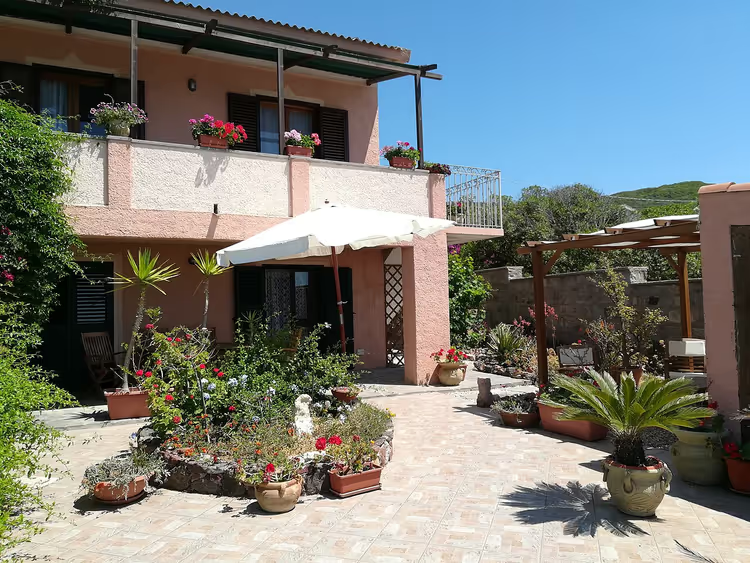 © Valentina Cotzia · CC BY-SAPhoto: Valentina Cotzia, CC BY-SA (https://creativecommons.org/licenses/by-sa/4.0), Wikimedia Commons
A Bed and Breakfast gives you a homemade breakfast, a quiet neighborhood, and a price below a hotel. Ask about late check-in and holiday dates in advance. A phone call is more reliable here than a website form.
- The catch: there are few rooms, everything is booked in high season, and nobody guarantees cancellations.
5. Apartments and cottages
If you're traveling with a group or family, apartments work out cheaper than a hotel per person. You get your own kitchen, washing machine, and several bedrooms. Search for "apartment rental" and check the neighborhood on the map before booking.
You can compare apartments and apart-hotels by date on Trip.com. Also check what's available in your city for longer stays.
Cottages and houses by region are booked on local platforms:
- Finland: Nettimökki, over 4,000 cottages (as of 09/2026, official site).
- Austria and the Alps: Tiscover.
- Ski resorts: Bergfex.
Book in advance. In high season, this type of accommodation gets snapped up, so make your decision six months ahead. Low season at Austrian ski resorts falls in the second half of January, between the holidays.
- The catch: in high season the minimum booking length increases, and popular areas get booked out months ahead.
6. Staying with locals
Airbnb and similar services give you apartments directly from hosts. You get a homey feel, a kitchen, and a neighborhood where locals live rather than tourists. Cooking for yourself is cheaper than eating out three times a day.
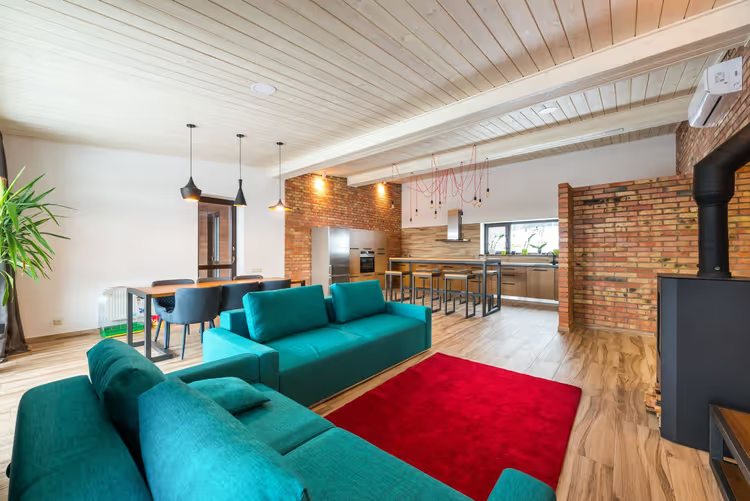
Check the house rules, the number of reviews, and recent photos. Read reviews by date, not just by average rating. The service holds payment until check-in, so in a dispute the money stays inside the system.
- The catch: the host can cancel the booking, and the cleaning fee sometimes adds more to the price than the weekly discount saves.
7. Camping
Camping often works out cheaper than a hotel if you're driving. You pay for a spot on a fenced property and get fresh air and neighbors from different countries in return. For a trip with kids, this is one of the most affordable options.
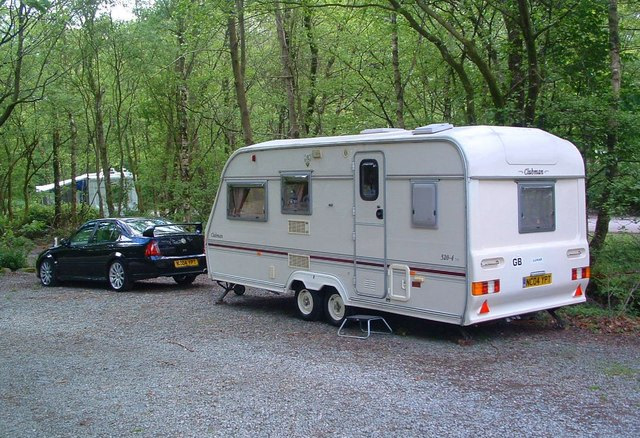 © John Carver · CC BY-SAPhoto: John Carver, CC BY-SA (https://creativecommons.org/licenses/by-sa/2.0), Wikimedia Commons
European campsites are booked through platforms. Campings.com has the largest database: over 4,500 campsites and holiday parks in 10 countries (as of 09/2026, official site). In New Zealand, the Rankers app collects options.
What you get on site: toilets, showers, dishwashing sinks, and often a kitchen. Larger campsites add a shop, pool, kids' playground, and equipment rental.
If you don't have a trailer, rent a summer cabin on the grounds or pitch a tent. The catch: there are few campsites within city limits, so you'll be heading to the outskirts or a park area.
⁉️🤔 Frequently asked questions
How much can you actually save on accommodation abroad?
It all depends on the method and length. Home exchange cuts accommodation costs to almost zero, while hostels and camping cost several times less than a hotel. If you compare three platforms before paying, you lose a few percent of the price instead of overpaying for the first search result.
What's cheaper, a hostel or an apartment from a host?
For a long trip, an apartment is better: with a monthly rental, the nightly rate drops. For 2-3 days, a hostel comes out cheaper because there's no cleaning fee or large deposit. Calculate the total for all nights, not just the first night's price.
How do you check that a booking is reliable?
Book only through platforms with booking protection or pay at check-in. Read reviews by date and keep all communication inside the service. It's best not to send a deposit to a host's card without a contract.
When is the best time to book accommodation?
For high season, book several months ahead; for apartments and cottages, six months ahead. Hostels and hotels often appear later, but the selection is smaller by then. Flexible dates give you more than a discount on a fixed check-in date.
Do you need insurance when renting an apartment?
For a short trip within the EU, medical insurance is usually enough. If you're going for weeks and bringing electronics, check the terms for booking cancellation. Compare policies and take the one that covers your trip.
In short: what to book
If you have your own home and flexible dates, go for home exchange: it's the cheapest of the seven options. Traveling with a group or family? Compare apartments and cottages, they're better value per person than a hotel. For a short trip, a hostel or a hotel through an aggregator is enough, just compare three platforms before paying.

A small editorial team writing guides for independent travel. We travel ourselves, but we haven’t been everywhere, so we check prices, opening hours and how to get there against official sources.