
















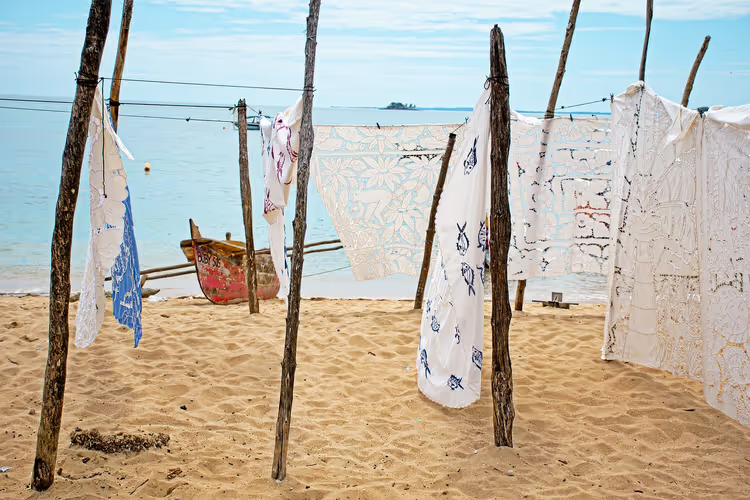
14 Resorts of Madagascar: beaches, reefs and whale season
Madagascar is the fourth largest island on the planet. There are still beaches here where you won't find a single hotel nearby. People come to this country for reefs, whales, and lemurs, not for the usual resort service.
Resorts here are trickier than they seem. The island is huge, the roads are slow, and some beaches are connected to the mainland only by boat or small plane. Choosing the wrong base turns your vacation into a series of transfers.
Below are the Madagascar resorts that actually receive tourists: how they differ, how to get to them, and when to go.
Ad: this article contains affiliate links, we earn a commission if you book through them, at no extra cost to you.
How to choose a resort and when to go
💡 In short:
- The dry season in the west and south runs from May to October; in the east, it rains year-round.
- Humpback whales can be seen off the coast from July to September, with the peak in late July and August.
- Best time to visit and whale season: verified on 09/15/2026 using data from Wikipedia.
Madagascar's resorts are conveniently divided into four groups. The north has the best beaches and diving, the east is good for whales and rainforests, the southwest offers reefs and baobabs, and the highlands are interesting for the capital and thermal resorts. Choose your base by season: during the rainy months, the east coast gets washed out, while the west is dry at that time.
Region | Resorts | Strengths |
|---|---|---|
North | Nosy Be, Nosy Komba, Antsiranana | diving, whales, islands |
East | Nosy Boraha, Nosy Nato, Toamasina | whales, forests, canals |
Southwest | Ifaty, Toliara, Morondava | reefs, baobabs, dry climate |
Highlands | Antananarivo, Antsirabe | culture, thermal springs, connections |
1. Antananarivo
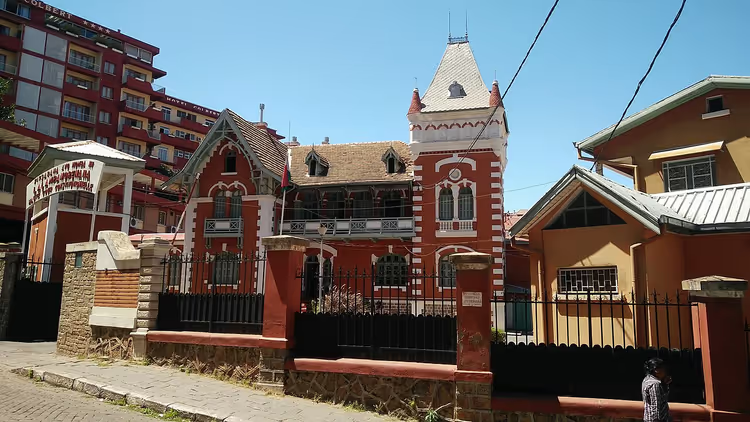
The capital sits in the central highlands, away from the ocean. Almost any trip around the country starts here, because the main international airport is also here. The city is cooler than the coast, and its streets descend along the slopes of sacred hills.
You'll see the Rova palace complex with the tombs of rulers and Lake Anosy. For rest after a flight, the thermal resort of Antsirabe, about 170 km from the capital, is a good option.
- How to get there: Ivato International Airport, then a taxi to the center.
- Who it's for: if you want to see the capital and acclimatize after a flight.
- The catch: there's no sea nearby; you'll have to fly to the coast for a beach.
- Where to stay: hotels in Antananarivo on Trip.com
2. Ifaty
 © Bernard Gagnon · CC BY-SAPhoto: Bernard Gagnon, CC BY-SA (https://creativecommons.org/licenses/by-sa/3.0), Wikimedia Commons
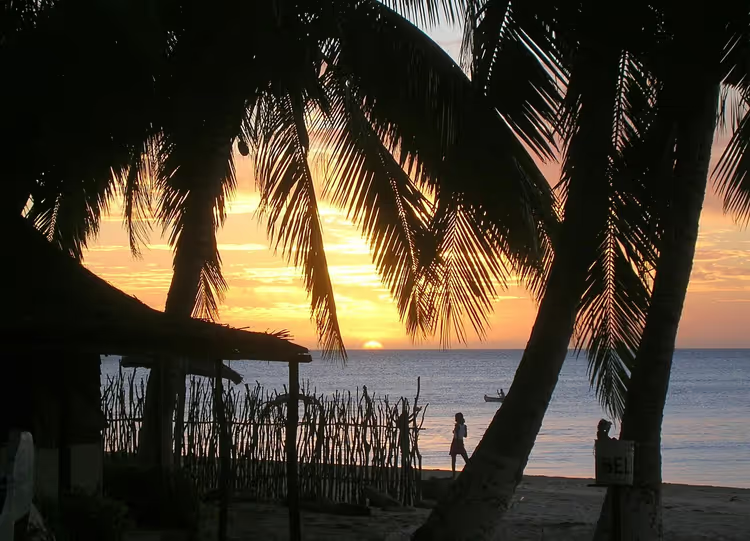
Ifaty is in the southwest, near Toliara. The fishing village sits by a long coral reef that absorbs the ocean waves. The bottom slopes gradually, so children can swim safely in the warm water.
In late summer, whales pass near the shore. You can rent umbrellas, loungers, and diving gear locally.
- How to get there: fly to Toliara, then take a taxi or transfer.
- Who it's for: couples and families who want a quiet beach and diving.
- The catch: sharks, rays, and moray eels can be found near the shore; warning signs are posted on the beaches.
- Where to stay: hotels in Ifaty on Trip.com
3. Morondava
 © Z thomas · CC BY-SAPhoto: Z thomas, CC BY-SA (https://creativecommons.org/licenses/by-sa/4.0), Wikimedia Commons
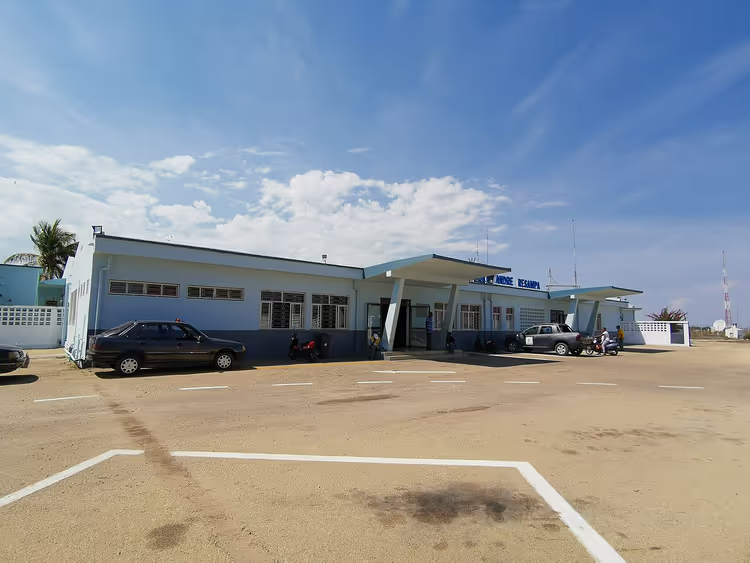
Morondava sits on the shore of the Mozambique Channel. The water at the local beaches is warm year-round. The lagoons are good for evening swims, and during the midday heat the town goes quiet.
From here you'll travel to the Stone Forest, a labyrinth of sharp rocks, and to the Avenue of the Baobabs. Baobab fruit tastes similar to ginger.
- How to get there: fly to Morondava or take a long drive on the highway from the capital.
- Who it's for: those who combine beach time with trips to the baobabs.
- The catch: at noon, locals rest, and some shops and cafes are closed.
- Where to stay: hotels in Morondava on Trip.com
4. Antsiranana
 © BelgianChocolate · CC BYPhoto: BelgianChocolate, CC BY (https://creativecommons.org/licenses/by/2.0), Wikimedia Commons
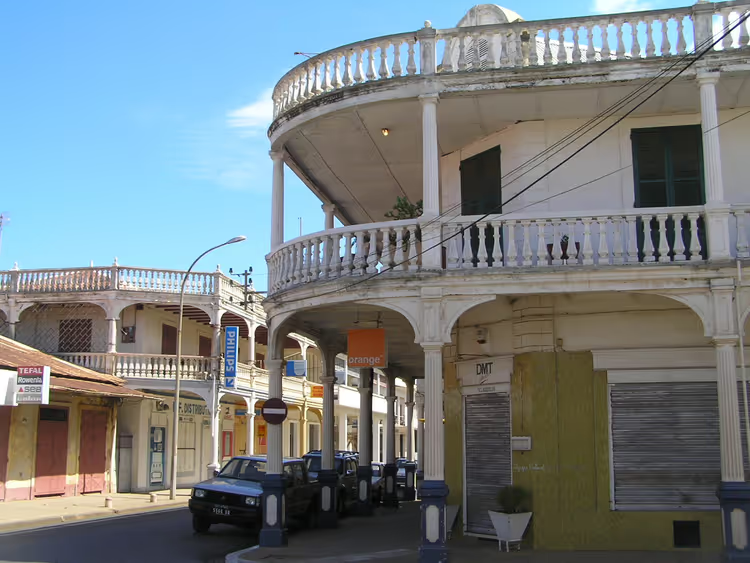
Antsiranana lies in the north; its old name is Diego Suarez. The city stands on the shore of a huge bay, the second largest in the world. Colonial architecture, night bars, and beaches with developed infrastructure all mix together here.
The Ramena Beach water sports center operates nearby. In the national park you'll see cocoa and coffee plantations, and a guide will tell you about the island's endemic species.
- How to get there: fly to Antsiranana from the capital.
- Who it's for: active travelers and nightlife lovers.
- The catch: there aren't many historical monuments in the city itself.
- Where to stay: hotels in Antsiranana on Trip.com
5. Nosy Nato
 © JialiangGao www.peace-on-earth.org · CC BY-SAPhoto: JialiangGao www.peace-on-earth.org, CC BY-SA (https://creativecommons.org/licenses/by-sa/4.0), Wikimedia Commons
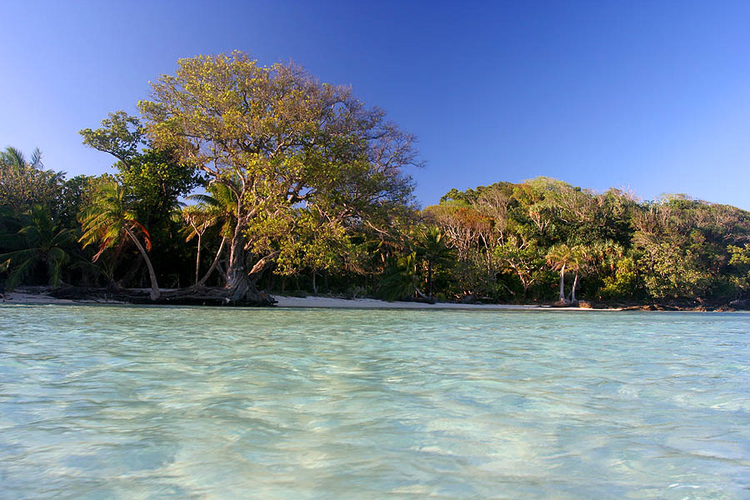
Nosy Nato (Île aux Nattes) is separated from Nosy Boraha by a narrow channel. The island has plenty of hotels for any budget, and couples and divers value the quiet here. The coral reefs work well for both snorkeling and diving.
The water is warm year-round. From the lighthouse in the southeastern part you'll see the whole island and whale mating displays. In the evening, stop by the beach pizzeria with seafood.
- How to get there: by boat or pirogue from Nosy Boraha.
- Who it's for: romantic trips and relaxed diving.
- The catch: the island is only accessible by water.
- Where to stay: hotels on Nosy Nato on Trip.com
6. Nosy Boraha
 © Frank Vassen from Brussels, Belgium · CC BYPhoto: Frank Vassen from Brussels, Belgium, CC BY (https://creativecommons.org/licenses/by/2.0), Wikimedia Commons
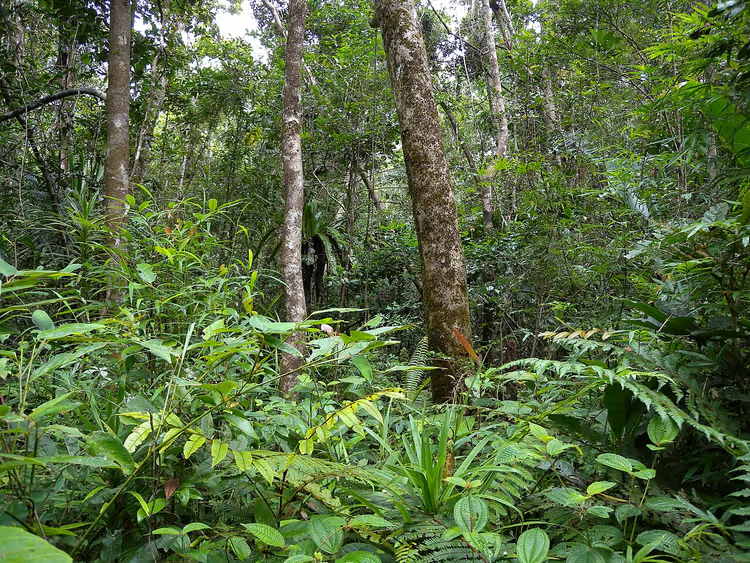
Nosy Boraha is also called Sainte-Marie. The island is tied to pirate legends, and you'll find their old cemetery with tombstones in the middle of the tropical forest. Orchids bloom here in early fall.
Divers have taken a liking to the bays: sunken pirate ships lie near the reefs, with moray eels, turtles, and rays swimming nearby. There's plenty of lodging for any budget.
- How to get there: fly from the capital or take a ferry from the east coast.
- Who it's for: divers and whale lovers, since whales are visible from July to September (source).
- The catch: the island gets crowded during whale season.
- Where to stay: hotels on Nosy Boraha on Trip.com
7. Nosy Be
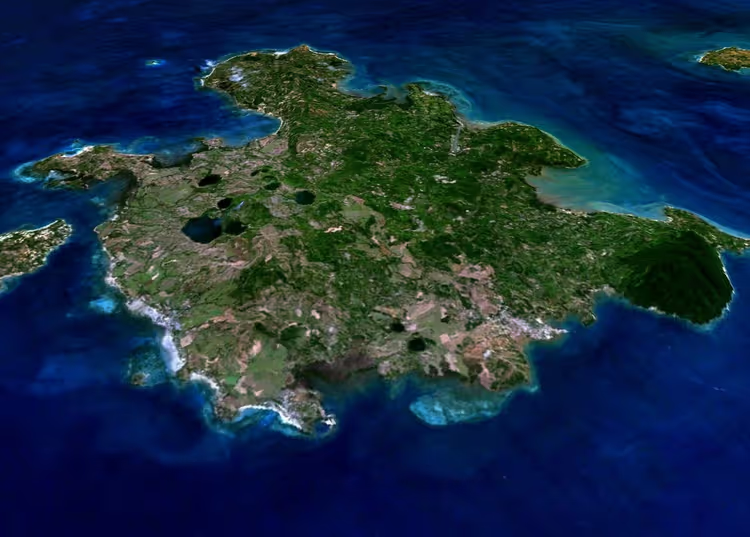
Nosy Be is considered the country's most popular and expensive resort. The fertile soil produces vanilla, cocoa, and ylang-ylang, and the Lokobe Reserve protects the black lemur, the smallest chameleon, and a frog.
The golden sand beaches here are the best in the country, and humpback whales pass nearby. The island's capital, the city of Andoany or Hell-Ville, maintains a high level of service, with many restaurants and clubs.
- How to get there: Fascene International Airport receives direct flights, and there are also flights from the capital.
- Who it's for: those willing to pay for the best beaches and diving.
- The catch: prices here are higher than at the country's other resorts.
- Where to stay: hotels on Nosy Be on Trip.com
8. Nosy Komba
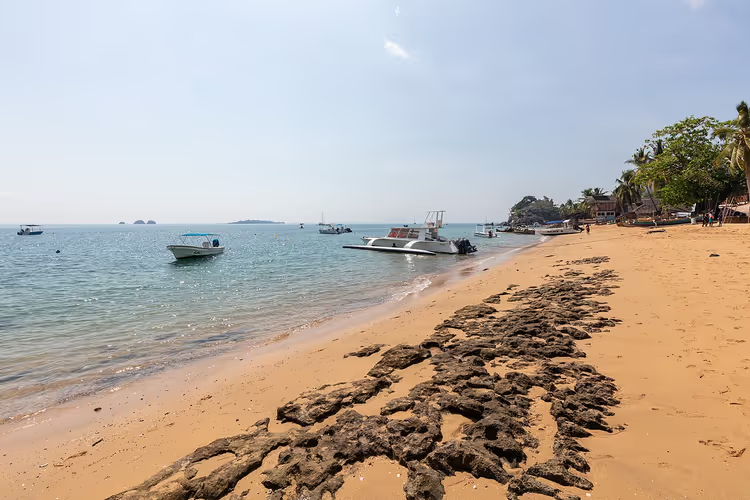 © Diego Delso · CC BY-SAPhoto: Diego Delso, CC BY-SA (https://creativecommons.org/licenses/by-sa/4.0), Wikimedia Commons
Nosy Komba is known for its lemur reserve: in Malagasy, "komba" means lemur. The striped little animals approach people, and they'll come right up to your hands for bananas. Locals treat them with respect and even greet them when entering the forest.
There are no towns on the island, but there are lodges. Most often people come to Komba for a day from neighboring Nosy Be. Giant lemurs once lived here; they're gone now, but the number of species remains the largest on the planet.
- How to get there: by boat or pirogue from Nosy Be.
- Who it's for: for those who want to see lemurs up close.
- The catch: there is little accommodation on the island, with more hotel options on neighboring Nosy Be.
- Where to stay: accommodation nearby on Nosy Be on Trip.com
9. Iranja
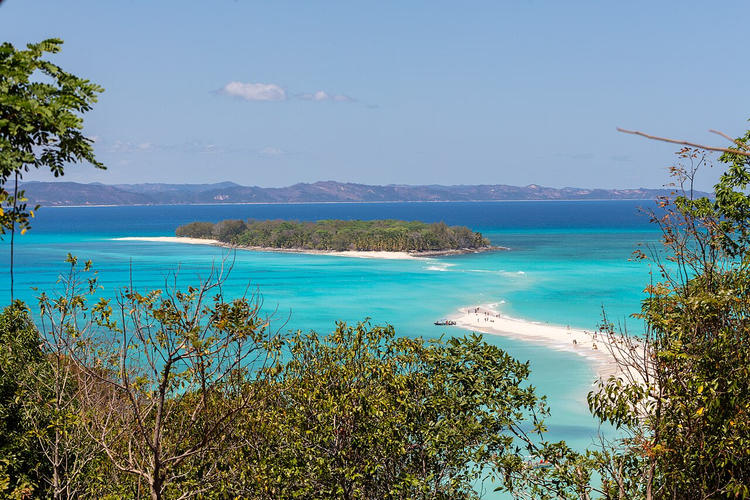 © Diego Delso · CC BY-SAPhoto: Diego Delso, CC BY-SA (https://creativecommons.org/licenses/by-sa/4.0), Wikimedia Commons
Iranja splits into Big and Small islands. At low tide, a sandbar opens up between them, and you can walk from one to the other. On the southern island, chalet villas line the shoreline, each in its own style.
Palm trees, philalos trees, and tropical flowers grow everywhere here. The beaches are uncrowded, and the diving conditions are good. From December to February, high humidity makes a stay less comfortable.
- How to get there: by boat from Nosy Be or from Antsiranana.
- Who it's for: for those seeking seclusion and waterfront villas.
- The catch: the sandbar is visible only at low tide, and December and February are too humid.
- Where to stay: villas on Iranja on Trip.com
10. Nosy Iranja
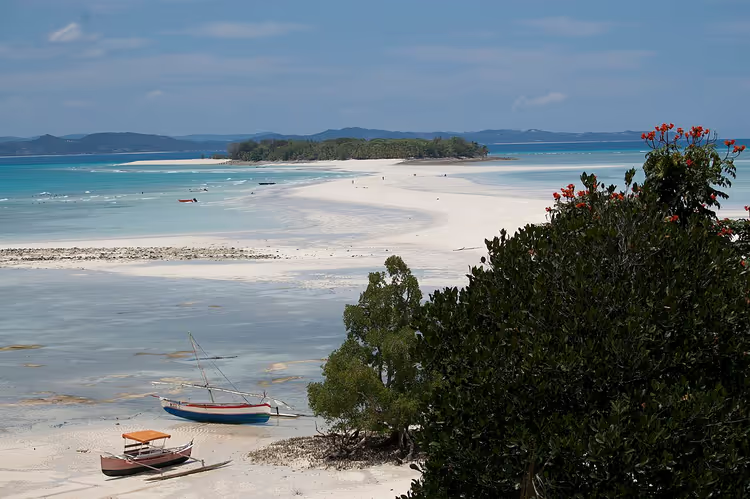 © tato grasso · CC BYPhoto: tato grasso, CC BY (https://creativecommons.org/licenses/by/3.0), Wikimedia Commons
Nosy Iranja is often called the island of turtles, and it lies not far from Nosy Be. The island consists of two parts connected by a sandbar that appears at low tide. When turquoise waves sparkle on both sides, vacationers walk along the sandbar.
The climate here is comfortable year-round, and the beaches are well maintained. The Nosy Iranja Lodge hotel on the shore is built from eco-friendly materials. Nearby stands an old lighthouse that locals attribute to the design of Gustave Eiffel.
- How to get there: by boat or helicopter from Nosy Be.
- Who it's for: for those who want turtles and secluded beaches.
- The catch: apart from boat and helicopter, there is no other transport.
- Where to stay: hotels on Nosy Iranja on Trip.com
11. Toliara
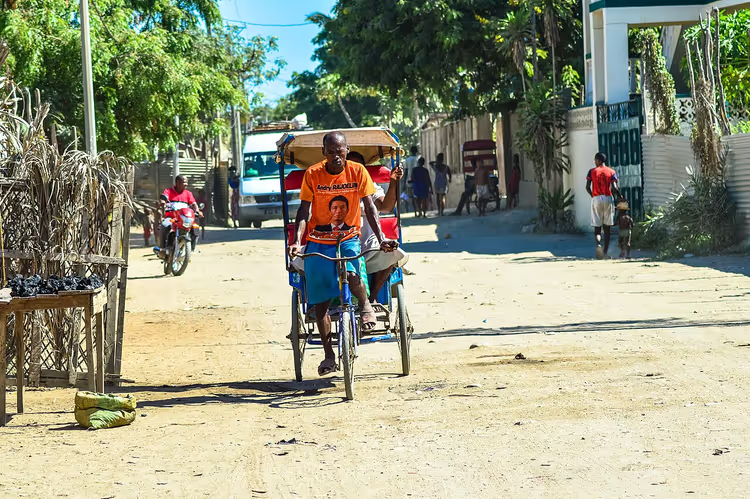 © Rakotovaogael · CC BY-SAPhoto: Rakotovaogael, CC BY-SA (https://creativecommons.org/licenses/by-sa/4.0), Wikimedia Commons
Toliara, or the "White City," lies on the west coast. Snow-white shores of fine sand and the best beaches of St. Augustine's Bay have made the city popular. The architecture here is colonial, and there are many hotels for different budgets.
Toliara Bay is home to one of the largest coral reefs in the Indian Ocean, stretching for hundreds of kilometers and attracting divers. Nearby are the Reniala Reserve and the Kirindy Forest with its nocturnal animals.
- How to get there: a flight from the capital, with a local airport in the city.
- Who it's for: for families with children and groups of young people.
- The catch: the journey from the capital is long, and apart from flying, the only option is by car.
- Where to stay: hotels in Toliara on Trip.com
12. Mahajanga
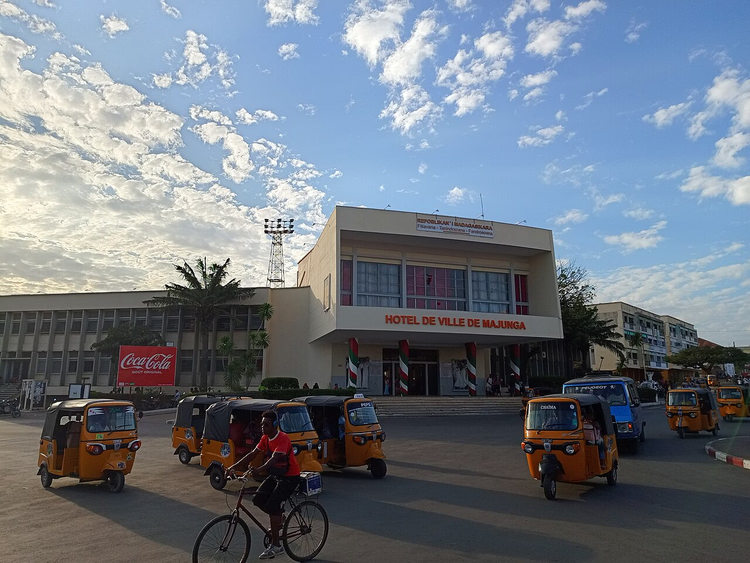
Mahajanga lies on the west coast, by the Mozambique Channel. The water here is always warm, there are no sharks, and there are plenty of good beaches. The city is considered the country's second-largest seaport.
You can see mosques, the sacred hill of Doany, and the ruins of an old fortress. In the waters of the old port lies a ship graveyard.
- How to get there: a flight to the local airport, then by road.
- Who it's for: for those who combine beaches with architecture and underwater discoveries.
- Where to stay: hotels in Mahajanga on Trip.com
13. Mahajanga
 © Da flow · CC BY-SAPhoto: Da flow, CC BY-SA (https://creativecommons.org/licenses/by-sa/3.0), Wikimedia Commons
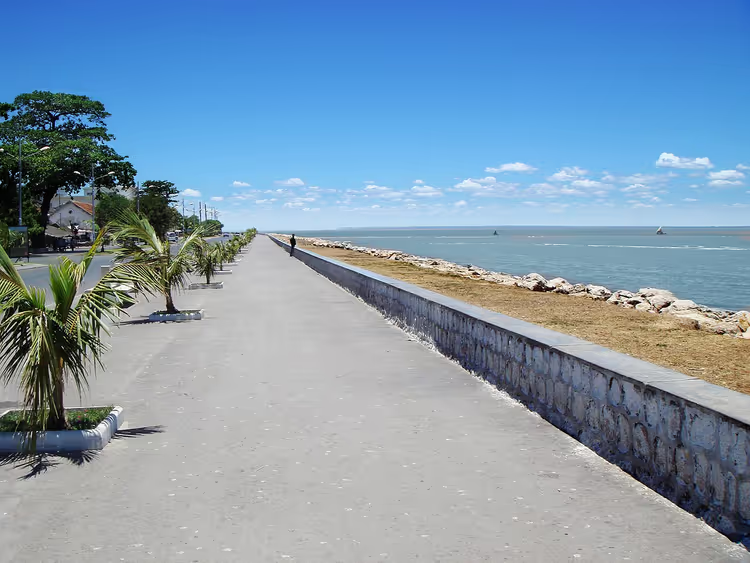
Mahajanga stands on the Betsiboka River in the northwest. It was once the capital of the Boina kingdom. In the old port area, mansions and buildings in Arab and Indian styles have been preserved.
Today it is the region's main seaport and an important tourist center. From here you can set off to the crater of the extinct volcano Maromokotro and to the Tsingy de Bemaraha Reserve, a UNESCO World Heritage site.
- How to get there: a flight to the local airport, then by road.
- Who it's for: for those interested in port history and national parks.
- The catch: beach holidays are not the main focus here; the city lives by the sea and the port.
- Where to stay: hotels in Mahajanga on Trip.com
14. Toamasina
 © Hanspeter Limacher · CC BYPhoto: Hanspeter Limacher, CC BY (https://creativecommons.org/licenses/by/3.0), Wikimedia Commons
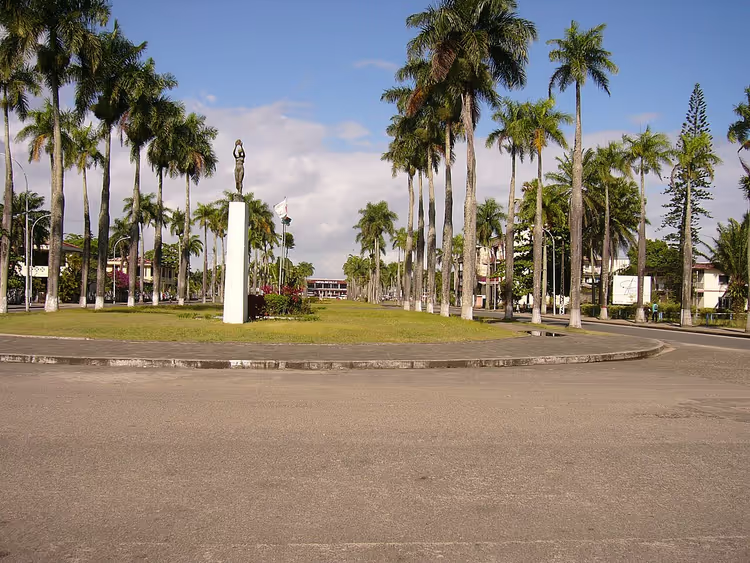
Toamasina was formerly called Tamatave and grew up around a convenient bay. Today it is a major industrial center and the country's main port. After a devastating cyclone, the city was rebuilt from scratch.
There are many hotels and guesthouses here for any budget, and locals readily rent out rooms. Nearby are the Ivoloina Zoo, a botanical garden, a sacred grotto with a royal necropolis, and Fort Farafaty. The Pangalanes Canal and the lagoon near the islets deserve special attention.
- How to get there: by plane from the capital, as well as by train and car.
- Who it's for: for those who want to see a port city and canals.
- The catch: it's an industrial port, not a typical beach resort.
- Where to stay: hotels in Toamasina on Trip.com
Logistics: how to get to the resorts
The fastest route to the coast almost always goes through the capital. Ivato International Airport receives flights from Europe and Africa, and from there you fly to the sea. Domestic flights connect Antananarivo with Nosy Be, Toliara, Toamasina, and Antsiranana, but the schedule changes by season, and it's better to book connecting seats in advance.
You can only reach the small islands by water. There is no other way to Nosy Komba and Nosy Iranja, and Nosy Nato is reached from Nosy Boraha by pirogue or speedboat. Some sea routes close during the rains, so leave a buffer of one or two days and don't schedule a flight for the morning of your last day.
Overland, buses and taxis run between cities. The bus is cheaper, but they are always crowded, and the island's roads are slow and narrow. For short distances, take a taxi or a pre-booked transfer: this saves time and keeps you from getting stuck en route. Car rental works for routes on the mainland, but it's useless for the islands, because there you get around by boat.
In high season, seats on domestic flights and ferries sell out in advance. If you're traveling in July and August, book flights together with your hotel, otherwise you'll have to change plans at the last minute. Some hotels on small islands close during the rainy season, and it's worth asking about this before paying.
What to do in Madagascar besides the beach
Beaches here sit next to reefs and forests, and almost every resort offers its own activity. In Ifaty and Toliara you dive along coral walls, on Nosy Be and Nosy Komba you watch black lemurs, and near Nosy Boraha you search for sunken pirate ships. The lagoons of Nosy Nato and Ifaty are good for snorkeling, where the bottom slopes gently and swimming is safe.
From July to September, humpback whales pass along the coast. They are easiest to observe from the bays of Nosy Nato and Nosy Boraha, and many hotels help you arrange boat trips. During this same season, the beaches are uncrowded if you get away from the main bays and hotels.
It's worth heading inland for the baobabs and karst rock formations. The Avenue of the Baobabs and the Stone Forest await near Morondava, and Tsingy de Bemaraha Reserve is on the UNESCO list. In the east, the Pangalanes Canal and rainforests with Ivoloina Zoo await you. For long trips, hire a guide: some dirt roads wash out during the rainy season, and reaching waterfalls without a car is difficult.
Madagascar resorts on the map
All the resorts from the list are marked on an interactive map. Open it and see how the bases fit into your route and flights.
Resorts of Madagascar
Places on the map
- 1Antananarivo Highland capital, the Rova of Ambohimanga palace complex
- 2Ifaty Fishing village by a coral reef, whales in late summer
- 3Morondava The country's best beaches, near the Stone Forest and Avenue of the Baobabs
- 4Antsiranana City on the huge northern bay, colonial architecture
- 5Nosy Nato Island near Nosy Boraha, coral reefs and whale mating displays
- 6Nosy Boraha Island of pirate legends, sunken ships, whales from July
- 7Nosy Be The country's most popular resort, golden sand and diving
- 8Nosy Komba Island Lemur reserve, no overnight stays on the island
- 9Iranja Big and Small islands, a sandbar at low tide, villas by the water
- 10Nosy Iranja Turtle island with a sandbank and an old lighthouse
- 11Toliara "White city" with one of the ocean's largest coral reefs
- 12Mahajanga Warm water without sharks, mosques and a ship graveyard in the port
- 13Mahajanga Former capital of the Boeny kingdom on the Betsiboka river
- 14Toamasina Major port with a zoo, botanical garden and the Pangalanes canal
⁉️🤔 Frequently asked questions
When is the best time to go to Madagascar?
The dry season in the west and south runs from May to October. On the east coast, rain occurs year-round, so it's better to plan a trip there for the dry months. If you're going for whales, aim for July and August, when the most animals are near the coast.
Where are the best beaches and diving?
The best beaches are in the north and northwest: Nosy Be and Nosy Iranja. For reefs and a shallow lagoon, head to Ifaty or Toliara in the southwest. Diving is strong off Nosy Be, Nosy Komba, and the reefs of Toliara. With children, choose a base with a flat bottom.
Is it realistic to see whales?
Yes, humpback whales come to Madagascar every year. They can be seen off Nosy Boraha and Nosy Nato from July to September, with the peak in late July and August. Many hotels help with boat trips. It's worth booking an outing in advance if you're traveling specifically in those months.
How do you get between resorts?
Local airlines fly within the country, and this is the fastest way. Some islands are connected to the mainland only by speedboat or pirogue, such as Nosy Komba and Nosy Iranja. Buses run between cities, but the roads are slow. For short distances, you'll take a taxi or transfer.
Which resort to choose for a first trip?
For a first time, Nosy Be works well: it has an international airport, the best beaches, and diving. If whales and pirate history matter to you, choose Nosy Boraha. Ifaty offers a quiet vacation with children. And Antananarivo is convenient as a base after your flight before heading to the coast.
In short: what to book
Madagascar welcomes tourists year-round, but the resorts depend heavily on season and logistics. If you're going for diving, choose Nosy Be, Nosy Komba, or Toliara. If you're traveling with children, choose Ifaty or Nosy Nato. If you're going for whales, plan for Nosy Boraha in July and August. If you need culture and a stopover, stay in Antananarivo.
First determine the season, then choose the island, and book accommodation in advance: in high season, coastal hotels fill up. Find a hotel on Trip.com

A small editorial team writing guides for independent travel. We travel ourselves, but we haven’t been everywhere, so we check prices, opening hours and how to get there against official sources.