
















Thermal resorts of Turkey: 15 places where they treat with water and mud
Turkey is known for its beaches, but a vacation in the country is not limited to the sea. Dozens of thermal resorts welcome guests year-round and treat them with hot mineral water, mud, and mountain air. Many people come here not for a tan, but to treat joints, skin, the nervous system, and metabolism.
Turkey's official tourism portal lists wellness travel as a separate category (as of 09/2026, goturkiye.com). We gathered resorts from different regions of the country where mineral springs, mud baths, and climate therapy await, and laid them out from the Aegean coast to the depths of Anatolia.
For each place, you will find what exactly is treated there, who it's for, and how to get there. We do not list prices and treatment schedules: check them on the specific hotel's website, because they change by season.
Ad: this article contains affiliate links. We earn a commission if you book through them, at no extra cost to you.
How to choose a therapeutic resort in Turkey
💡 In short:
- Thermal resorts in Turkey are scattered across the country: on the Aegean and Marmara coasts, as well as in the depths of Anatolia.
- Some places focus on joints and skin, others on metabolism and the nervous system.
- Some resorts are by the sea, but most are in the mountains and far from beaches.
- We checked the list of resorts and their specializations on 14.09.2026 on Turkey's official tourism portal.
Therapeutic resorts in Turkey are divided into three groups. The first includes thermal and balneological centers with mineral springs and mud therapy. The second is thalassotherapy on the coast, where seawater and algae are added to the treatments. The third includes climate resorts in the mountains with clean air and hiking routes.
Choose by diagnosis, not by the picture. Hydrogen sulfide springs are more often recommended for skin and joint conditions, while drinking mineral waters are recommended for stomach and intestinal problems. If your goal is rehabilitation after an injury, look for complexes with physical and microcurrent therapy.
The time of year matters too. Some springs operate only in the warm season, while others welcome guests year-round. Before your trip, check on the hotel's website which treatments are available on your dates and whether the complex has a consulting physician.
1. Dalyan
 © karel291 · CC BYPhoto: karel291, CC BY (https://creativecommons.org/licenses/by/3.0), Wikimedia Commons
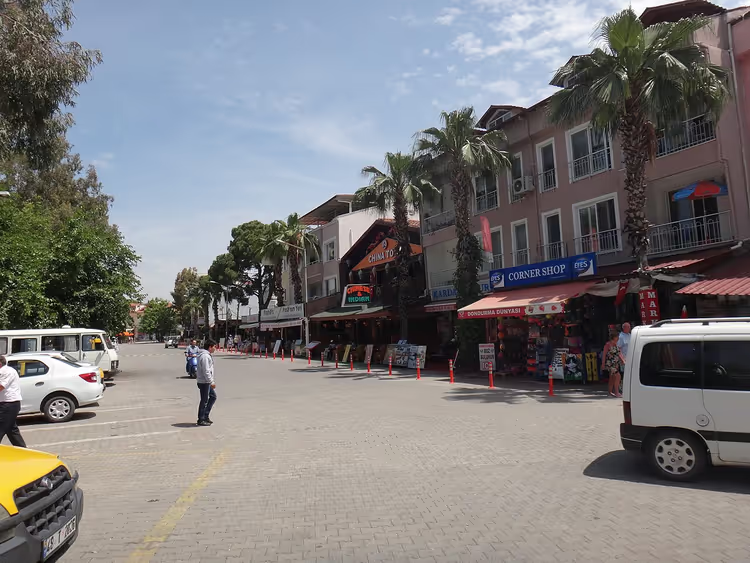
Dalyan sits on the Aegean Sea, but calling it a city is a stretch. The Dalyan River flows through the center, connecting the freshwater Lake Köyceğiz to the sea, which is why this place is often called Turkish Venice. Palm trees and rare trees grow along the water, and the mild climate makes the resort pleasant in both winter and summer.
Near the river mouth lies Turtle Beach, favored by loggerhead sea turtles. The sand is protected so as not to disturb the nests, so there is no large-scale development on the shore. But people come here not only for nature. Hydrogen sulfide springs rise from underground, forming a natural pool with therapeutic water and mud.
Dalyan helps with musculoskeletal and skin conditions. These include arthritis, arthrosis, rheumatism, eczema, and psoriasis. The routine is simple. First you take a mud bath for about half an hour, then you shower and enter the mineral water pool. The water is warm and dense with trace elements, so staying afloat is easy.
- Who it's for: those who want to combine joint treatment with walks through the nature reserve.
- Specialization: musculoskeletal system, skin.
- How to get there: Dalyan is reached by car or transfer, and sightseeing boats travel along the river.
2. Afyon
 © Ingeborg Simon · CC BY-SAPhoto: Ingeborg Simon, CC BY-SA (https://creativecommons.org/licenses/by-sa/3.0), Wikimedia Commons
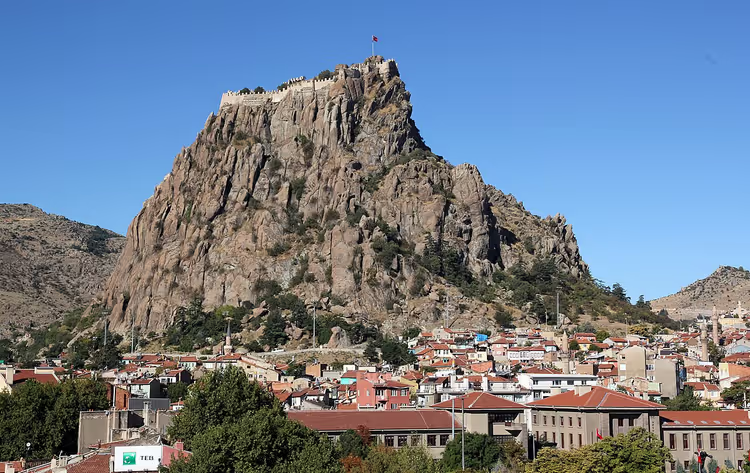
Afyon lies in the western part of Anatolia, at the foot of a huge rock. The name translates as "opium," because fields of opium poppy, from which medicines were made, once grew around. At the top of the rock, the ruins of Karahisar Fortress remain, and nearby stretches the "land of lakes" with freshwater and saltwater bodies.
Today Afyon is considered one of the country's main thermal centers. Separate geothermal districts operate in the city and its surroundings: Gazlıgöl, Sandıklı, Ömer, and Bolvadin. The local water is saturated with hydrogen sulfide and carbon dioxide, so it is used both for baths and for mud mixtures.
You come here to treat the cardiovascular system, gastrointestinal tract, and endocrine disorders. The water and mud also help with skin conditions and rheumatism. Afyon is also valued for its cuisine: the city is part of the UNESCO Creative Cities Network for gastronomy (according to Turkey's official tourism portal, 09/2026).
- Who it's for: those treating internal organs who also want to try the local cuisine.
- Specialization: heart and blood vessels, GI tract, endocrine system, skin, rheumatism.
- Location: inland, far from the sea, but there are many thermal hotels.
3. Pamukkale
 © Filmgramer · CC BY-SAPhoto: Filmgramer, CC BY-SA (https://creativecommons.org/licenses/by-sa/4.0), Wikimedia Commons
Pamukkale combines ancient ruins and thermal springs in one place. Nearby lies ancient Hierapolis with a huge amphitheater, walls, and streets. Inside the ruins there is a pool surrounded by flowering bushes. According to legend, Cleopatra herself bathed in it, which is why it is called that.
People come here primarily for geothermal water treatment. The springs emerge from the ground warm and saturated with hydrogen sulfide and calcium oxide. The composition is rich: magnesium, calcium, ammonium, chlorine, sulfates, and other substances. This water is used for drinking, baths, and treating the stomach, nervous system, skin, and eyes. Mud treatments help with joints and excess weight.
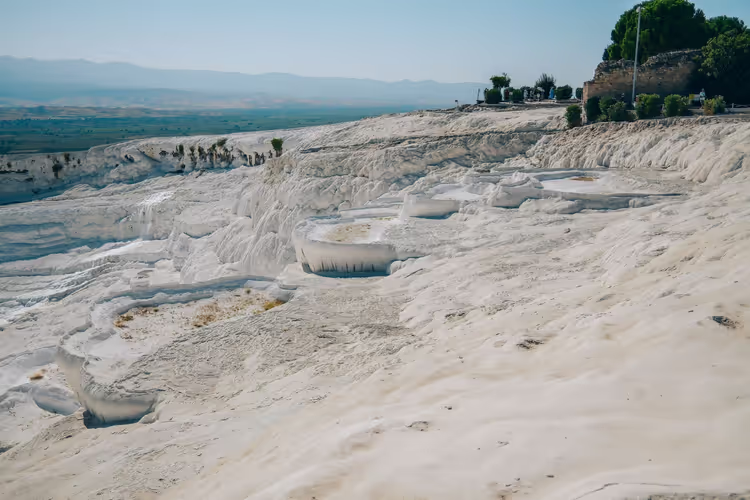
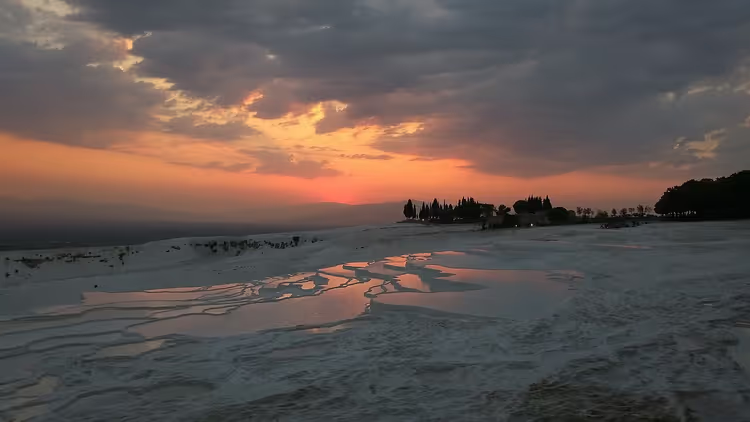
The white terraces of Pamukkale are no less impressive. For millennia, water deposited calcium-salt limestone, and the mountain slopes turned into snowy cascades with blue pools. Mineral pools with limestone walls are set up throughout the resort for treatments, while the travertines themselves remain the landmark of the place.
- Who it's for: those who want to combine treatment with exploring an ancient city.
- Specialization: gastrointestinal tract, nervous system, skin, eyes, joints.
- Nearby: Hierapolis and Cleopatra's Pool.
View hotel prices in Pamukkale
4. Denizli
 © Giorgio Galeotti · CC BY-SAPhoto: Giorgio Galeotti, CC BY-SA (https://creativecommons.org/licenses/by-sa/4.0), Wikimedia Commons
Denizli serves as the center of the province of the same name and lies far from the sea, amid the scenic Honaz Mountains. The name translates as "seaside," although there are no beaches nearby. The climate here is moderate continental: rainy winters and noticeable temperature swings. On the plus side, the city is green, with wide avenues, parks, and extensive infrastructure.
You come here to improve your health and, at the same time, see the surrounding area. The ruins of ancient cities lie nearby. In summer, guests can enjoy sandy beaches on the Büyük Menderes River, where you can swim in fresh water. The city's thermal springs have made it a popular resort, despite its distance from the coast.
Local hotels are equipped with mineral water pools, wellness centers, spas, and baths. A wide range of conditions is treated here, so Denizli suits those who want to undergo a long course of treatment and combine it with sightseeing.
- Specialization: a wide range of conditions based on thermal waters.
- Leisure: ancient cities in the surrounding area, river beaches in summer.
- Location: far from the sea, more convenient to reach by plane.
5. Balcova
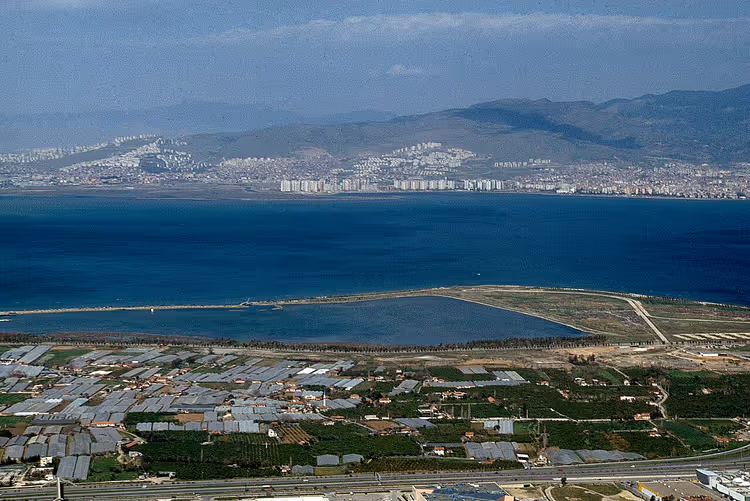 © Ziegler175 · CC BY-SAPhoto: Ziegler175, CC BY-SA (https://creativecommons.org/licenses/by-sa/3.0), Wikimedia Commons
Balcova is located in the Izmir area and is known as one of the oldest balneological resorts in the region. The healing properties of the local water were already known in the Roman Empire era. According to legend, the Greek leader Agamemnon brought his warriors here to heal their wounds, which is why some of the springs are still called the "baths of Agamemnon." Local lore also connects the place with the army of Alexander the Great.
The resort is surrounded by forested mountains, so the air here is clean and the views are green. The local springs produce plenty of water and feed a large thermal complex. In addition to mud therapy and hydrotherapy, it offers electrotherapy, physiotherapy, microcurrent therapy, massages, and therapeutic exercise.
Balcova is chosen by those who need rehabilitation after injuries and surgeries. Wounds, fractures, and post-operative incisions heal well here, and muscles and joints recover. If you need not only water but also equipment-based physiotherapy, this resort is a good fit.
- Who it's for: those recovering from injuries, fractures, and surgeries.
- Specialization: post-traumatic rehabilitation, wound healing, mud therapy and hydrotherapy.
- The complex's plus: equipment-based physiotherapy and microcurrent therapy.
6. Yalova
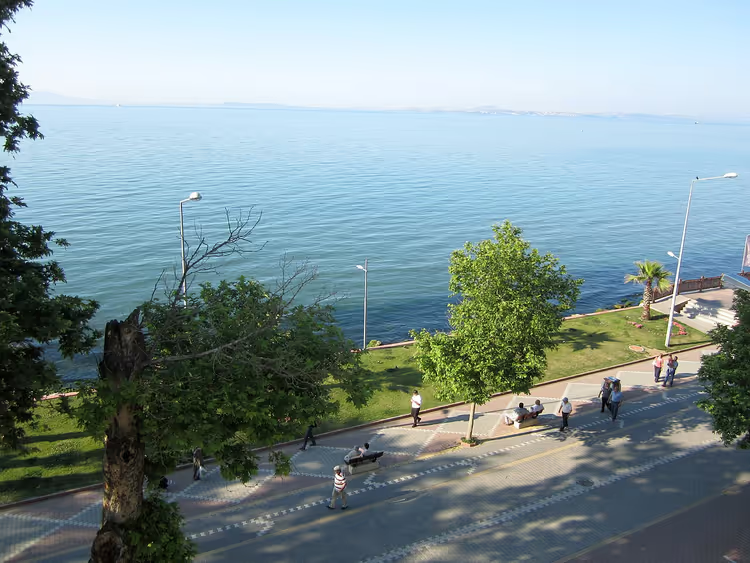 © Annikat53 · CC BY-SAPhoto: Annikat53, CC BY-SA (https://creativecommons.org/licenses/by-sa/3.0), Wikimedia Commons
Yalova combines nature and thermal springs. The city sits on the Sea of Marmara, so you can both swim and treat yourself with hot water here. The local springs were known to the sultans of the Ottoman Empire, and today the healing water has become a harmonious part of a large arboretum with trees, shrubs, and flowers.
The Yalova Thermal complex stands at the center of the resort. In addition to treatment buildings and mineral water pools, it has a shopping and entertainment area, a hammam, indoor and outdoor baths, sports grounds, and a tennis court. One of the pools has a historical connection: Ataturk took treatments in it, and the house where he stayed has become a local attraction.
Yalova's water is rich in calcium, fluoride, and sodium chloride, and it is even supplied through regular taps. You can treat stomach and intestinal conditions, urological and skin problems, endocrine disorders, rheumatism, and polyarthritis here.
- Who it's for: those who want to combine thermal treatments with a beach on the Sea of Marmara.
- Specialization: gastrointestinal tract, urology, skin, endocrine system, rheumatism, polyarthritis.
- Special feature: healing water comes out of regular taps in the rooms.
7. Kemer
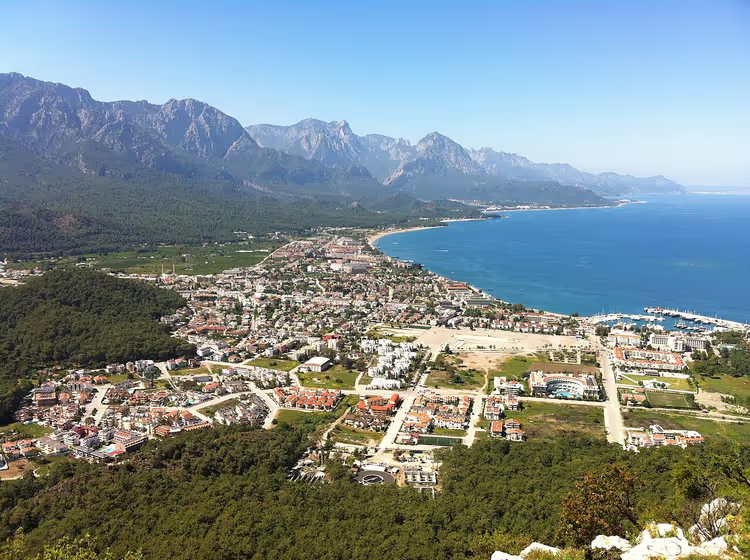 © Emin Başar ÖZDEMİR · CC BYPhoto: Emin Başar ÖZDEMİR, CC BY (https://creativecommons.org/licenses/by/3.0), Wikimedia Commons
Kemer lies on the Mediterranean Sea and is known for its subtropical greenery and long coastline. The resort area consists of the town itself and several villages stretched along the coast. The beaches here are pebbly and sandy, the sea is clear, and water sports are available for active recreation.
People come here for treatment because of thalassotherapy. Local hotels have centers that use seawater, mud, algae, and climate. You can strengthen your immune system, relieve the effects of overwork and stress, and recover after an intense year. Mud wraps and sea baths also improve skin condition.
Near the resort lie the ruins of the ancient cities of Phaselis and Olympos, which you can visit between treatments. Kemer suits those who want to get treatment without giving up a beach vacation. If you need both the sea and nervous system recovery, this is a good combination.
- Who it's for: those who want to get treatment by the sea and not give up the beach.
- Specialization: thalassotherapy, nervous system, stress, weight loss, insomnia.
- Nearby: the ruins of Phaselis and Olympos.
8. Cesme
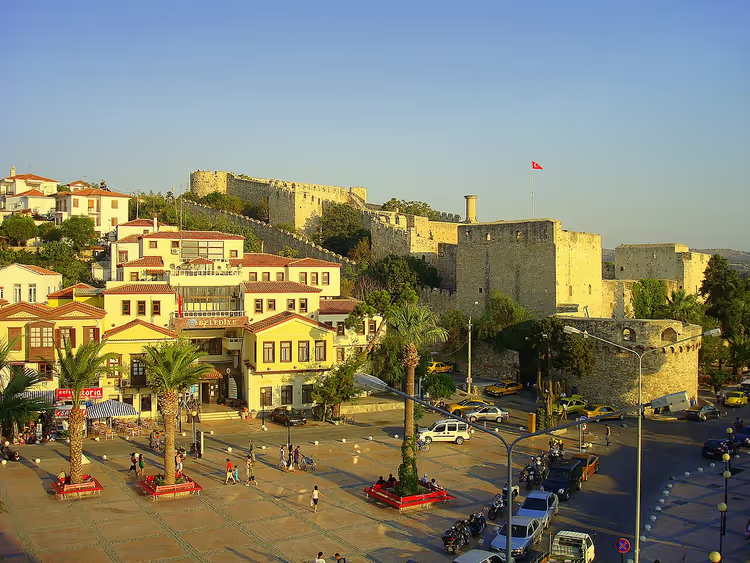
Cesme is located on the Aegean coast near Izmir. It is a universal beach and thermal resort: hot springs bubble up right on the beaches and in cozy coves. You swim in the sea and take a thermal bath nearby, so you get double the benefit from one trip.
The resort is popular with families with children. The sea here is cool. You can drink the healing water, and local centers practice thalassotherapy with algae. Cesme's thermal waters are rich in magnesium, soda, calcium, bromine, and iron. Even in ancient times, local doctors treated rheumatism patients with hot water, and today the list of conditions has grown to dozens of items.
Liver, kidney, and stomach conditions are treated here, along with help for obesity and diabetes, urological problems, and nervous disorders. Beach leisure pairs well with treatments, so you can alternate swimming and therapy throughout the day.
- Who it's for: families with children and those who want to get treatment right by the sea.
- Specialization: liver, kidneys, gastrointestinal tract, metabolism, urology, nerves.
- Special feature: hot springs emerge on beaches and in coves.
9. Izmir
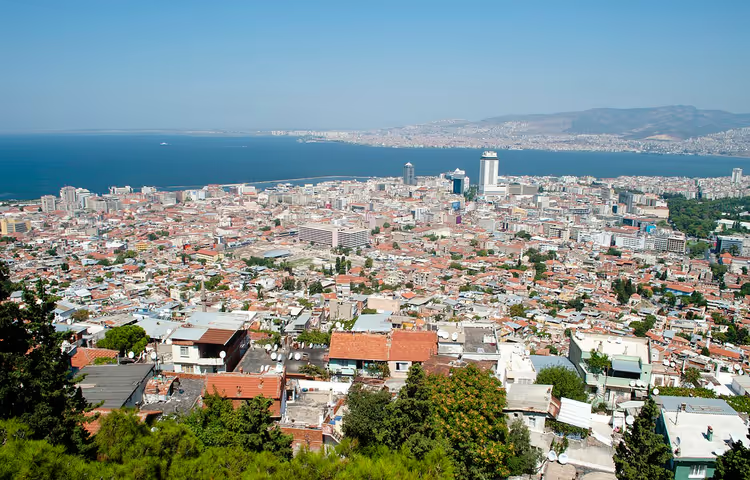 © Rafaela Ely · CC BYPhoto: Rafaela Ely, CC BY (https://creativecommons.org/licenses/by/2.0), Wikimedia Commons
Izmir is one of the country's most popular coastal cities. The warm Mediterranean climate, beautiful scenery, and modern infrastructure make for a comfortable stay. You can swim at city and suburban beaches, and diving and snorkeling are available for fans of the underwater world.
Izmir's thermal hotels are located in the suburbs, often right in the middle of a forest. Here you can drink mineral water and take various types of baths away from the city noise.
Psammotherapy, or hot sand treatment, is practiced here. On the beaches you can see people buried in sand up to their necks. Minerals penetrate the skin, induce sweating, and help the body cleanse itself. If you're interested in unusual treatments, give this method a try.
- Specialization: thermal baths, drinking therapy, psammotherapy.
- Activities: diving, snorkeling, ancient monuments.
- Highlight: thermal hotels are set in a forest near the city.
10. Armutlu
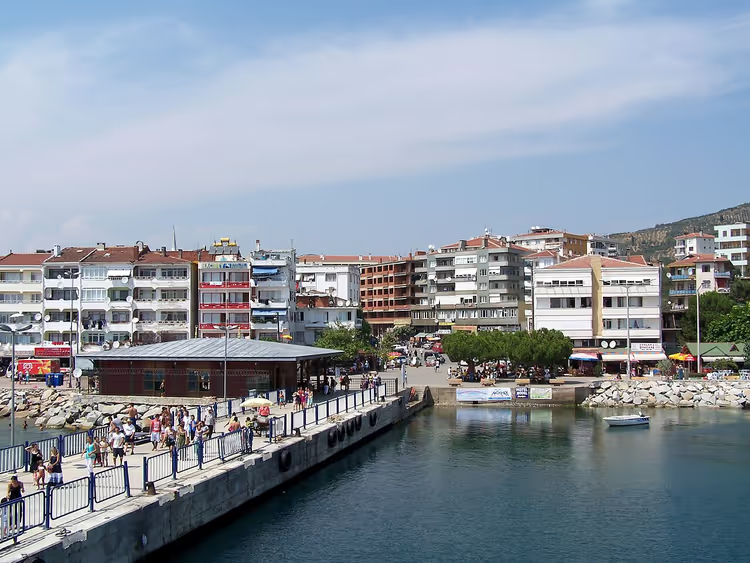 © User:Darwinek · CC BY-SAPhoto: User:Darwinek, CC BY-SA (https://creativecommons.org/licenses/by-sa/3.0), Wikimedia Commons
Armutlu lies a couple of hours' drive from Istanbul. Its history is tied to the legend of a Byzantine ruler's daughter who was brought here to be treated for eczema. Bathing in thermal water and mud masks helped the girl get rid of her scars, and in honor of her recovery the area was named after her. Later the Ottomans renamed it Armutlu.
The place is surrounded by pine and laurel groves, the air is clean, and in the morning you can hear a chorus of birds. After the Turkish Republic was founded, the water was studied and its healing properties were confirmed. The composition is rich in potassium, magnesium, iodine, iron, and copper, so the treatments produce a noticeable effect.
In Armutlu you can treat the respiratory system, skin, joints, and central nervous system, as well as women's health conditions. The hotel network here started with a single house and today offers a wide range of accommodation options at different levels.
- Who it's for: those who want to take a treatment course surrounded by greenery near Istanbul.
- Specialization: respiratory system, skin, joints, central nervous system, gynecology.
- Location: a couple of hours' drive from Istanbul, convenient for a short trip.
11. Bolu
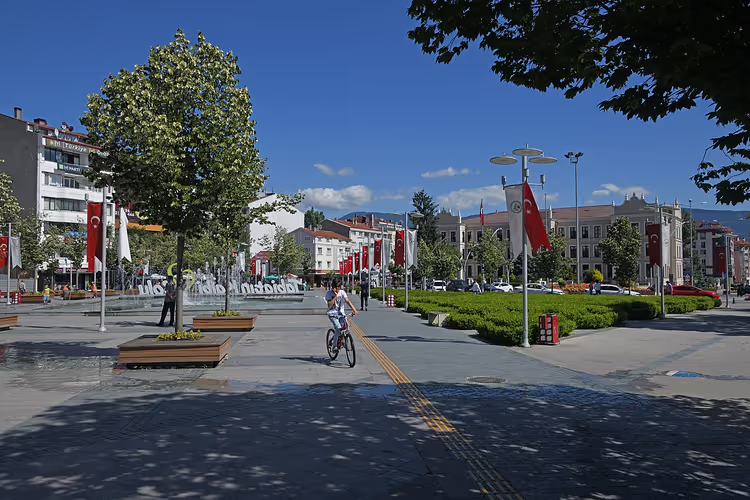 © Dosseman · CC BY-SAPhoto: Dosseman, CC BY-SA (https://creativecommons.org/licenses/by-sa/4.0), Wikimedia Commons
Bolu lies between Istanbul and Ankara, closer to the Black Sea coast. The province is covered with pine and mixed forests, and the nature here resembles the subtropics. The healing properties of the local springs were known to the Hittites, Byzantines, and Ottomans. The city's name comes from the Greek word "polis."
The resort is fed by a tectonic fault that fills the thermal waters. Bolu has two types of drinking water rich in sulfates and bicarbonates, and hydrogen sulfide springs are used for baths. You take treatments in well-equipped hotels with spas, fitness centers, and massage salons, and the resort has complexes offering all types of hydrotherapy and mud therapy.
In winter, Bolu turns into a ski resort with lifts and long runs. Between treatments you can visit Lake Abant, the ethnographic museum, or the old mosque.
- Who it's for: those who want to combine thermal treatment with skiing or hiking.
- Specialization: drinking therapy, hydrogen sulfide baths, mud therapy.
- Activities: Lake Abant, museum, old mosque, ski slopes.
12. Gönen
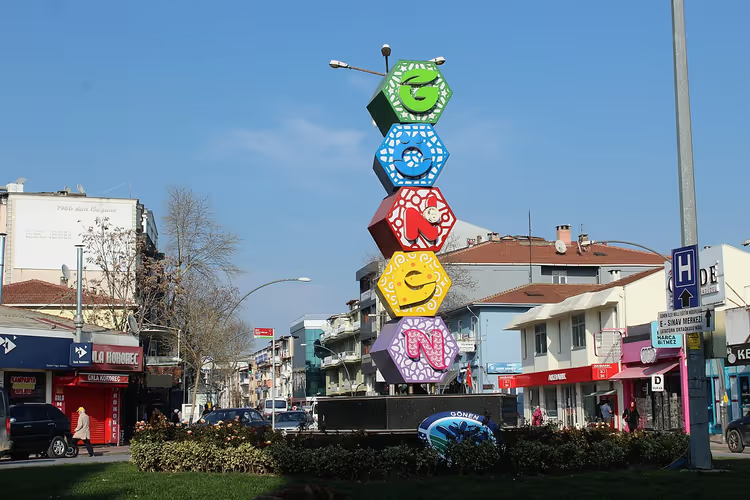 © Kızıl · CC BY-SAPhoto: Kızıl, CC BY-SA (https://creativecommons.org/licenses/by-sa/4.0), Wikimedia Commons
Gönen lies in Balıkesir Province. The province is known for rice farming, so emerald fields and groves stretch all around. The scenery here is picturesque, and the resort itself sits on the edge of town in a dense nature park.
The Gönen thermal complex is a member of the European Spas Association. Guests stay in mid-range hotels, and the spring water is used both for drinking and for baths. It is rich in carbonates, sulfates, chlorides, and bicarbonates, so it works well on the musculoskeletal and nervous systems.
The resort suits people undergoing rehabilitation after a stroke or treating neurological and orthopedic conditions. Water treatments help with cerebral circulation disorders and encephalopathy. Nearby there is the Ilıca spring, which forms a natural thermal pool visited by both tourists and locals. If you want a calm program without the hustle, you will find it here.
- Who it's for: people who need neurological and orthopedic rehabilitation.
- Specialization: rheumatic, neurological, and orthopedic conditions, post-stroke recovery.
- Nearby: a natural thermal pool at the Ilıca spring.
13. Kızılcahamam
 © bynyalcin · CC BYPhoto: bynyalcin, CC BY (https://creativecommons.org/licenses/by/3.0), Wikimedia Commons
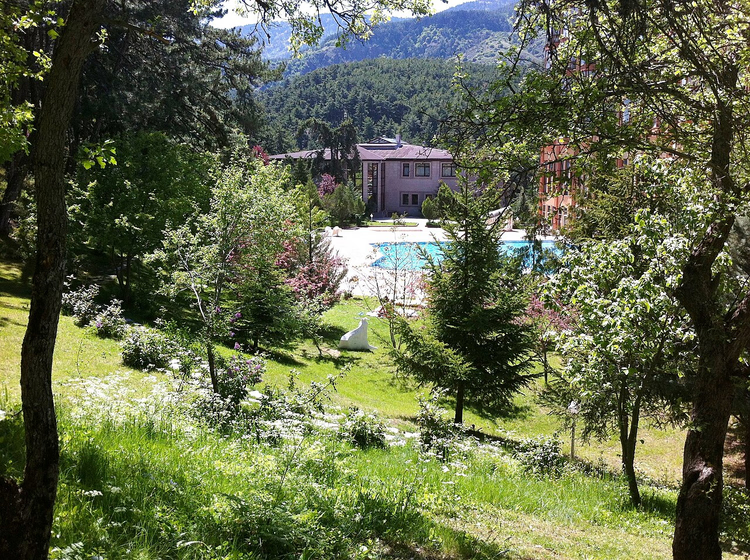
Kızılcahamam lies amid dense forests in the district of the same name. The name translates as "red bath" and comes from the red soil and the large number of old bathhouses. It is one of the country's richest thermal spring resorts, known since the Roman era.
The springs are found both in the town center and throughout the surrounding area, so new sanatoriums, hotels, and guesthouses are being built here. The water rises high in the mountains and is rich in alkalis, salts, and carbon dioxide. The drinking regimen works well for stomach and intestinal conditions, while baths and mud help with joint and spine problems and circulation disorders.
The surrounding area includes Soğuksu National Park, which draws both locals and tourists. Inside the park there is the Altınsu spring with tasty mineral water, where the Water Festival takes place every year. If treatments are not enough for you, add forest walks to your trip.
- Who it's for: people who want a long drinking-treatment course in forest quiet.
- Specialization: gastrointestinal tract, joints, spine, circulation.
- Nearby: Soğuksu National Park and the Altınsu spring.
Kızılcahamam hotels on Trip.com
14. Kangal
 © Bertramz · CC BY-SAPhoto: Bertramz, CC BY-SA (https://creativecommons.org/licenses/by-sa/3.0), Wikimedia Commons
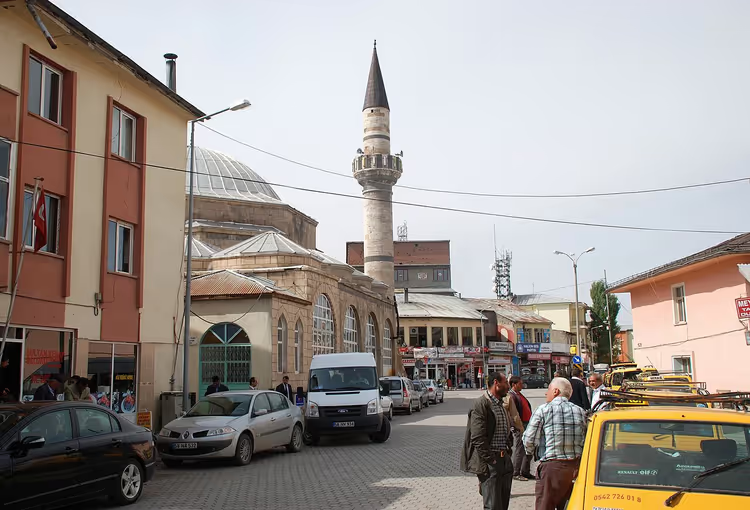
Kangal lies high in the mountains and is known far beyond Turkey. It sits in a zone of thermal springs with a jacuzzi effect, and the water here is especially helpful for skin conditions. Local complexes treat atopic neurodermatitis, eczema, psoriasis, ichthyosis, and fungal infections, as well as gynecological, orthopedic, neurological, and kidney ailments.
Kangal is also known for its pool with small fish. They feed on dead skin particles, coat the affected areas with their saliva, and gradually clean the skin. This method draws people with psoriasis here from all over the world.
Treatment is built on a strict drinking and bathing regimen. On an empty stomach you drink several glasses of carbonated mineral water and maintain the drinking regimen throughout the day. Daily time in the pool lasts for hours. Patients live in the treatment complex buildings, and the residential wing is connected to the pools by a warm indoor walkway.
- Who it's for: people treating their skin who are ready to follow a strict regimen.
- Specialization: psoriasis, eczema, neurodermatitis, ichthyosis, gynecology, neurology, kidneys.
- The catch: alcohol is prohibited during treatment, and the daily schedule is strict.
15. Karahayıt
 © Maarten Sepp · CC BY-SAPhoto: Maarten Sepp, CC BY-SA (https://creativecommons.org/licenses/by-sa/3.0), Wikimedia Commons
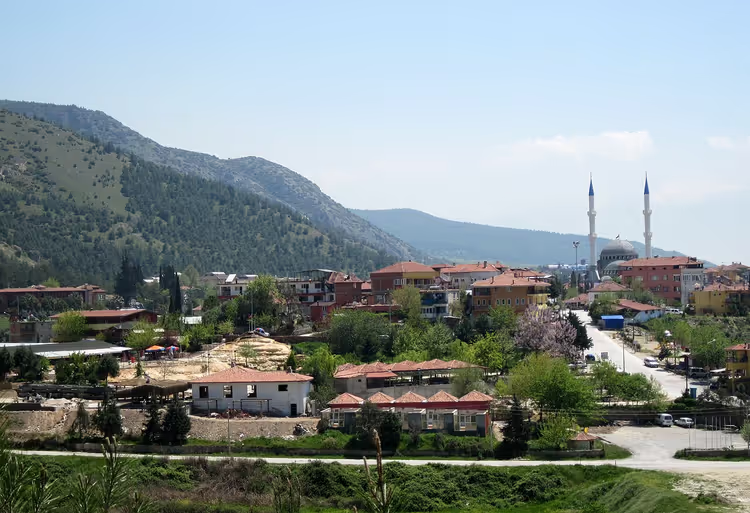
Karahayıt lies next to Pamukkale, but the picture here is different. The village is surrounded by red travertine formations that the water colors with iron oxide. The travertines sit between limestone and marble, so they look unusual and draw photographers here.
Most guests come for treatment. Local complexes are built on thermal water and equipped with pools, baths, and showers. They treat joint and skin conditions, rheumatism, radiculitis, nervous and cardiovascular diseases. The water comes out very hot, so you will not sit in the pool for long; entries are short. For drinking, the village has special fountains.
Life centers on the main street with shops, cafes, and restaurants where you can eat and rest between treatments. There is also a park with travertine pools and vegetation. The resort suits people who want to combine treatment with seeing nearby Pamukkale.
- Who it's for: people treating themselves near Pamukkale who love unusual landscapes.
- Specialization: joints, skin, rheumatism, radiculitis, nerves, cardiovascular system.
- The catch: the thermal water is very hot, so pool entries are short.
Thermal resorts in Turkey on the map
The resorts on this list are scattered from the Aegean Sea to central Anatolia. The map below shows how far some of them are from the coast. If you are planning a route, it helps to estimate the transfers between points in advance.
Turkey's healing resorts
Places on the map
- 1Dalyan Hydrogen-sulfide springs and mud for the musculoskeletal system
- 2Afyon Anatolian thermal center, treatment for heart and digestive issues
- 3Pamukkale White travertines, Cleopatra's pool and geothermal waters
- 4Denizli Thermal springs far from the sea, a wide range of conditions treated
- 5Balçova "Baths of Agamemnon," rehabilitation after injuries and surgery
- 6Yalova Thermal complex by the Sea of Marmara, water straight from the tap
- 7Kemer Thalassotherapy on the Mediterranean near the ruins of Phaselis
- 8Çeşme Hot springs right on the beaches of the Aegean coast
- 9Izmir Thermal hotels on the outskirts and hot-sand psammotherapy
- 10Armutlu Pine groves near Istanbul, skin and respiratory treatment
- 11Bolu Hydrogen-sulfide baths, a ski resort in winter
- 12Gönen Rehabilitation after stroke, neurological and orthopedic programs
- 13Kızılcahamam Springs dating to Roman times, drinking cure for the stomach
- 14Kangal Pool with doctor fish, treatment for psoriasis and eczema
- 15Karahayıt Red travertines near Pamukkale, short hot dips
⁉️🤔 Frequently asked questions
When is the best time to go to thermal resorts in Turkey?
Most springs operate year-round, but some treatments take place outdoors. In that case, spring or autumn is better: the water is more comfortable and there is no heat. In summer the mountains are cooler than the coast, so Kangal and Bolu are easier to handle in summer.
Can you come to a treatment resort with children?
Yes, but with caveats. Thalassotherapy by the sea, as in Kemer and Çeşme, suits families better than Kangal's strict regimen. Thermal baths are given to children by age and only briefly, so check the rules of a specific hotel on its website in advance.
Do you need to book a thermal hotel in advance?
Yes, especially in high season. Thermal complexes in Kangal, Yalova, and Pamukkale are in demand, and treatment courses are booked for long periods. It is better to secure a room several months ahead so you get treatments at convenient times.
How much does treatment cost?
Prices depend on the hotel and the set of treatments, so it is hard to name a single figure. As a rule, treatment is included in the accommodation cost or purchased as a package. Check the final price on the complex's website, because it changes by season and room type.
Which resorts are suitable for post-injury rehabilitation?
For recovery after injuries and surgeries, Balçova is the best fit: it has hardware physiotherapy and microcurrent therapy. Gönen and Kızılcahamam also accept such guests, but the program is built mainly on water and mud.
In short: what to book
If you have joint and skin problems, start with Dalyan, Kangal, or Balçova. For post-injury rehabilitation, go to Balçova; for ancient monuments and classic baths, go to Pamukkale. For a family vacation with children and treatment by the sea, Kemer, Çeşme, and Yalova work well.
- If you want a calm course in greenery: Armutlu or Bolu.
- If neurology and recovery matter: Gönen or Kızılcahamam.
- If you want unusual landscapes: Karahayıt and Pamukkale.
Thermal complexes should be booked in advance, especially for long courses. Compare tour and treatment options and choose a place based on your diagnosis, not on an ad picture.

A small editorial team writing guides for independent travel. We travel ourselves, but we haven’t been everywhere, so we check prices, opening hours and how to get there against official sources.