
















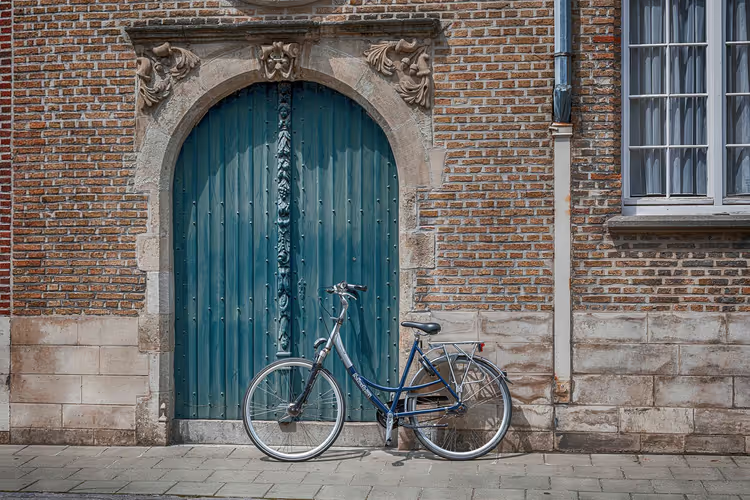
Where to go in Europe: 15 cities with expressive architecture
Picking the single most beautiful city in Europe is impossible. Each one has its own character, and we have put together fifteen cities that appear on such lists more often than others.
Rome topped the urban architecture ranking based on the golden ratio rule (as of 09/2026, Online Mortgage Advisor). Paris, Barcelona, Amsterdam, and Budapest also scored highly.
Below, for each city, we have gathered the key things worth seeing and planning benchmarks. All destinations except Dubrovnik are connected by rail, and Dubrovnik is easy to reach by plane. So you can build an itinerary that works for you.
Ad: this article contains affiliate links. We earn a commission if you book through them, at no extra cost to you.
How to plan your trip
💡 In short:
- All cities on the list except Dubrovnik are connected by rail, but it is better to split the trip into two or three parts.
- Start with one city: that way you will figure out which travel format suits you best.
- In high season, central hotels sell out several months ahead, so book early.
1. London, England
 © Barcex · CC BY-SAPhoto: Barcex, CC BY-SA (https://creativecommons.org/licenses/by-sa/3.0), Wikimedia Commons
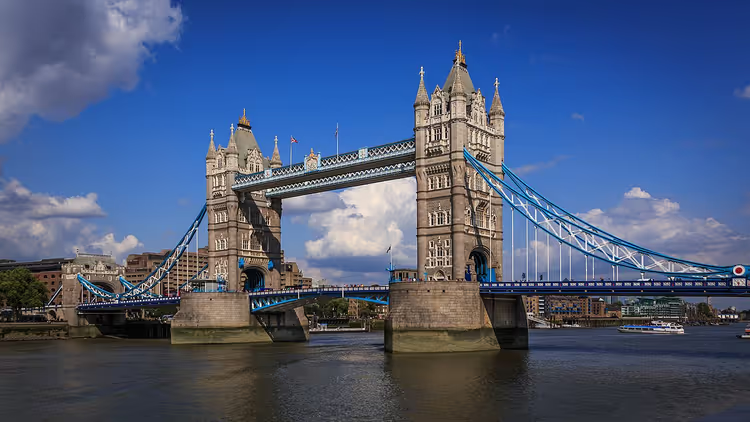
The Tower, Tower Bridge, Buckingham Palace, and red telephone boxes cover the classic itinerary. The modern side is just as good: the London Eye observation wheel, the viewing deck of The Shard, and The Walkie-Talkie building. The city works for history lovers and for those who follow new music and food. To visit the UK you need an ETA electronic authorization, not a visa.
- Highlights: the Tower and Tower Bridge, Buckingham Palace, London Eye.
- Important: apply for ETA in advance; requirements are listed on Gov.uk (as of 09/2026).
- Hotels: check London hotel prices on Trip.com.
2. Vienna, Austria
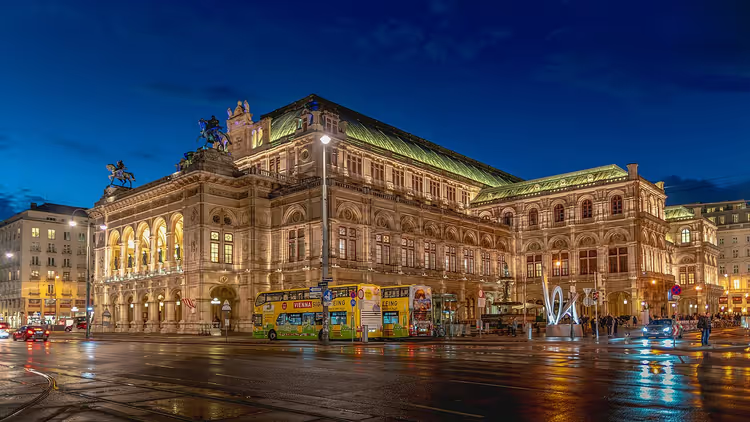
Vienna's residents are closely tied to classical culture, and it shows in the opera and concert scene. Mozart, Beethoven, Gustav Klimt, and Friedensreich Hundertwasser made the city one of the centers of European art. The Ringstrasse is considered one of the continent's grandest boulevards. Walk it on foot: that way you will see the parliament, museums, and opera almost back to back (according to the Vienna tourist office, 09/2026).
- Highlights: the opera, the Ringstrasse, paintings by Gustav Klimt.
- Who it's for: those who care about music and museums.
- Hotels: Vienna hotel prices on Trip.com.
3. Salzburg, Austria
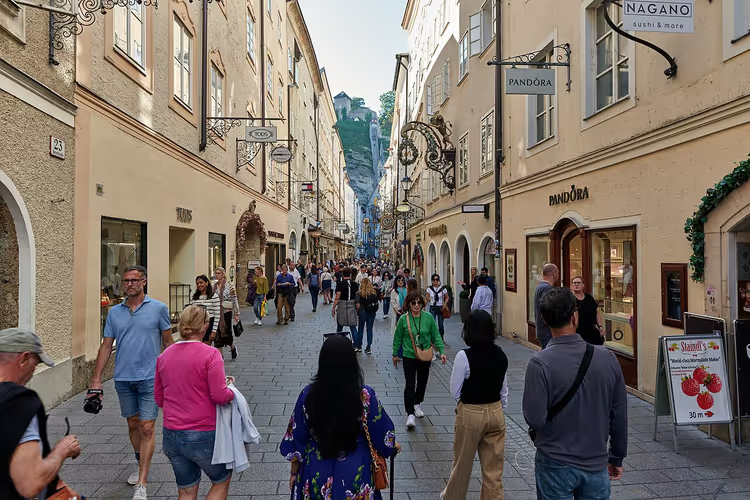
Salzburg proves that it is not only capitals that can attract travelers. Every summer thousands of tourists fill the narrow Getreidegasse in the historic center. Wolfgang Amadeus Mozart was born here, and the house among the shops is a reminder of that. His works are performed in the marble hall of Mirabell Palace.
- Highlights: Getreidegasse, Mozart's residence, concerts at Mirabell Palace.
- Who it's for: those who want a compact old town and classical music.
- Good to know: concerts at Mirabell Palace run year-round; check the schedule on the Salzburg tourist office website.
4. Rome, Italy
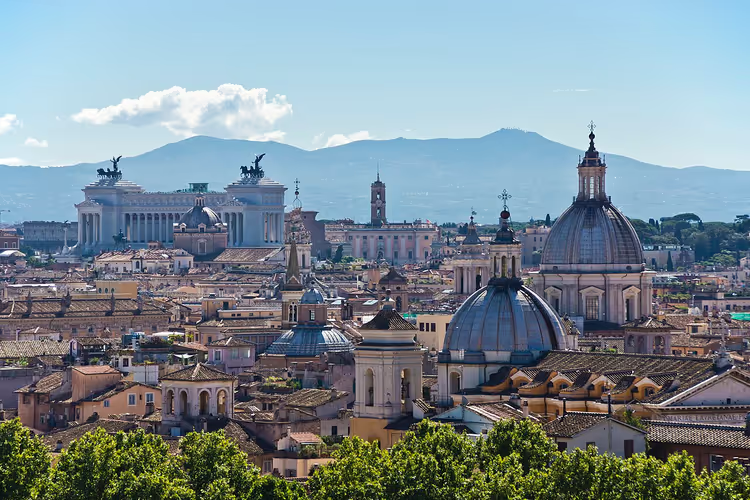 © Bert Kaufmann from Roermond, Netherlands · CC BY-SAPhoto: Bert Kaufmann from Roermond, Netherlands, CC BY-SA (https://creativecommons.org/licenses/by-sa/2.0), Wikimedia Commons
Rome charms almost everyone. Ancient ruins, cuisine, and romantic lanes are all packed into one center, so you can cover it on foot. Plan at least two days: in one day you will only see part of the center.
- Highlights: ancient ruins, trattorias, old town lanes.
- When to go: April and October, when the streets are less crowded with tourists.
- Tours: Rome tours on GetYourGuide.
5. Florence, Italy
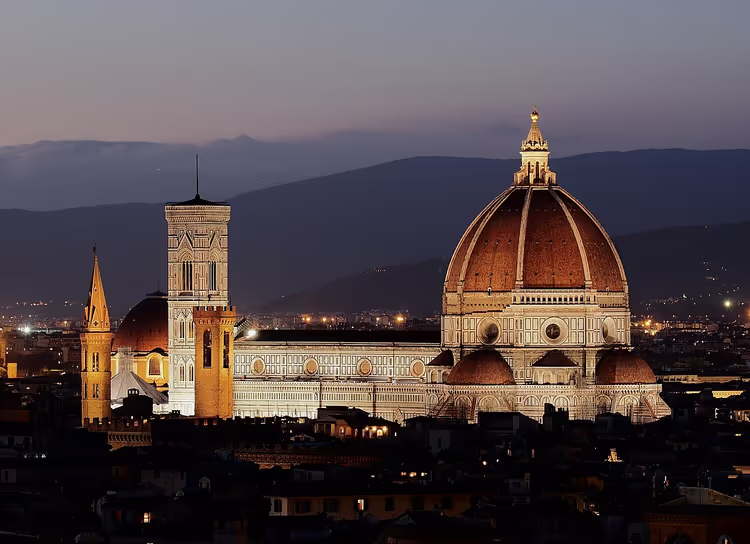 © Petar Milošević · CC BY-SAPhoto: Petar Milošević, CC BY-SA (https://creativecommons.org/licenses/by-sa/4.0), Wikimedia Commons
Florence is culture and simple Tuscan pleasures. Palazzo Pitti is considered a Renaissance masterpiece, and the adjacent Boboli Gardens set the standard for landscape design in Europe. Do not miss the Duomo, the city's main cathedral. Book Uffizi Gallery tickets in advance with a time slot: entry is timed (as of 09/2026, official website).
- Highlights: the Duomo, Palazzo Pitti and the Boboli Gardens, the Uffizi Gallery.
- Tours: Florence tours on GetYourGuide.
6. Budapest, Hungary
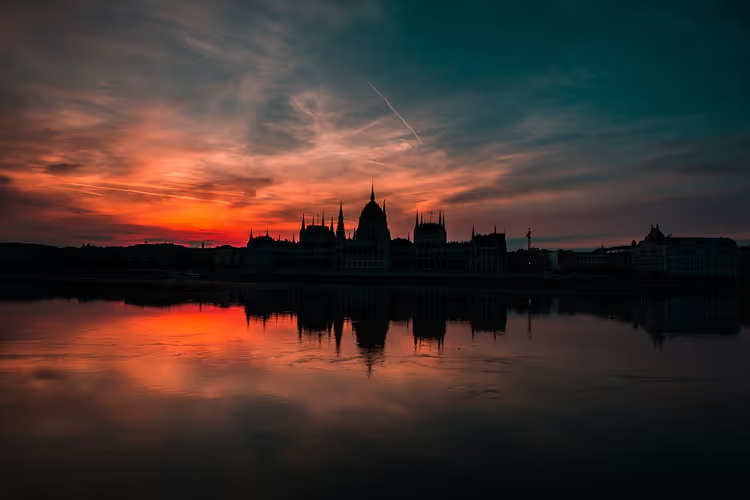
St. Stephen's Basilica, Fisherman's Bastion, the Chain Bridge, and the Parliament building shape your first impression. But the city's popularity is not built on architecture alone: Hungarian cuisine deserves a day of its own. Try lángos, a fried flatbread, and goulash. Explore the city in parts: first hilly Buda, then flat Pest, so you do not get tired.
- Highlights: Parliament, Fisherman's Bastion, the Chain Bridge, St. Stephen's Basilica.
- Cuisine: lángos and goulash.
- Hotels: Budapest hotel prices on Trip.com.
7. Prague, Czechia
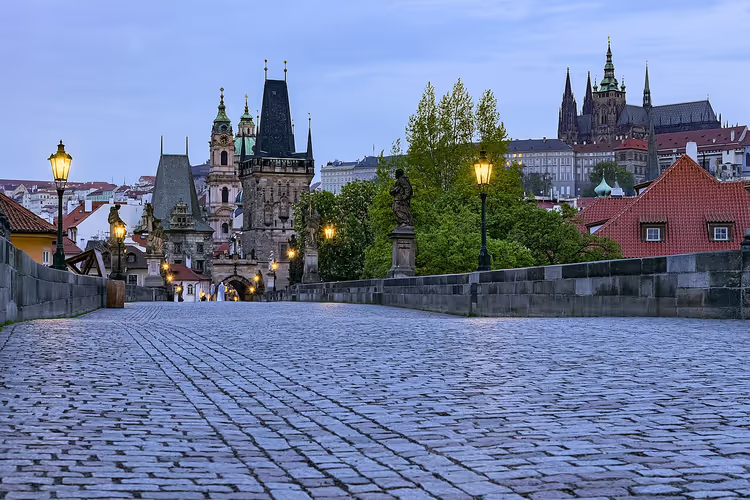 © Jorge Franganillo · CC BYPhoto: Jorge Franganillo, CC BY (https://creativecommons.org/licenses/by/2.0), Wikimedia Commons
Prague lives up to its reputation as a romantic city. It is easy to fall in love with it already on Charles Bridge, one of the oldest stone bridges in Europe. Next up are Old Town Square and Prague Castle, the country's main castle complex (according to the Prague tourist office, 09/2026). Get to the bridge before nine in the morning: later it gets packed.
- Highlights: Charles Bridge, Old Town Square, Prague Castle.
- Hotels: Prague hotel prices on Trip.com.
8. Barcelona, Spain
 © Nan Palmero from San Antonio, TX, USA · CC BYPhoto: Nan Palmero from San Antonio, TX, USA, CC BY (https://creativecommons.org/licenses/by/2.0), Wikimedia Commons
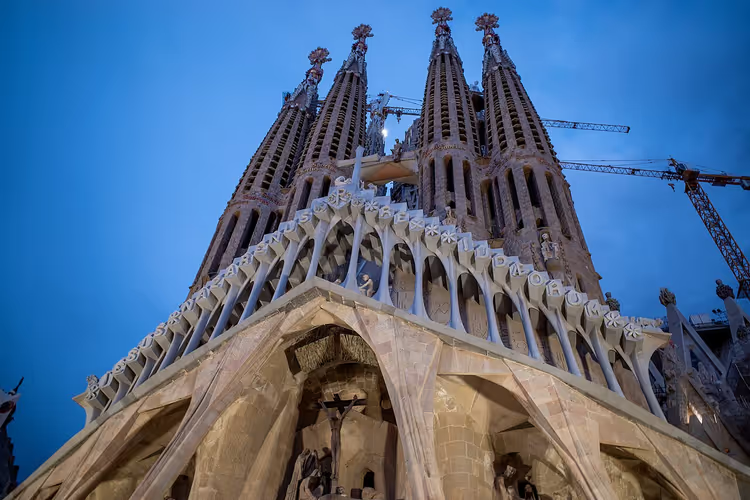
Barcelona is warmer than most European cities, and the beach starts right at the city limits. The city's main surprises were created by Antoni Gaudi: the Sagrada Familia and Park Guell. In the evening the city switches to nightlife, so plan for late walks. Go inside the cathedral too: the light through the stained glass changes the whole impression.
- Highlights: Sagrada Familia, Park Guell, beach within the city.
- Who it's for: for those who want architecture and the sea in one trip.
- Tours: Barcelona tours on GetYourGuide.
9. Porto, Portugal
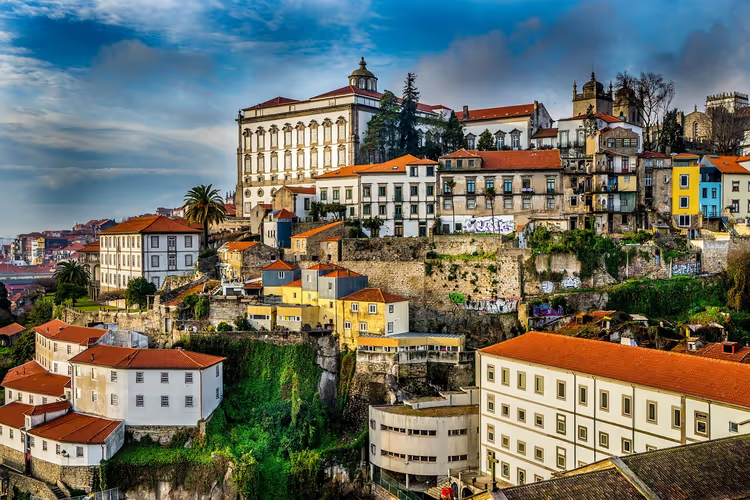
Weather, food, wine and culture will give you a packed vacation in Porto. The city slopes down to the river, so the waterfront looks unusual here. The architecture mixes baroque, art deco and works by contemporary designers. Take a break for a glass of port and local desserts: this is what people come back to Porto for.
- Highlights: historic center by the river, wine cellars, baroque and art deco.
- Hotels: Porto hotel prices on Trip.com.
10. Paris, France
 © Armin Hornung · CC BY-SAPhoto: Armin Hornung, CC BY-SA (https://creativecommons.org/licenses/by-sa/3.0), Wikimedia Commons
Paris is the city of love, fashion, good food, the Seine and the Eiffel Tower. The list could go on for a long time, so it is better to get straight to the point. See the Eiffel Tower from the Seine embankment at sunset: that is when you will catch the best light for photos. Then set aside a day for the Louvre and another day for the boulevards and cafes.
- Highlights: Eiffel Tower, Seine embankments, Louvre, boulevards.
- Hotels: Paris hotel prices on Trip.com.
11. Stockholm, Sweden
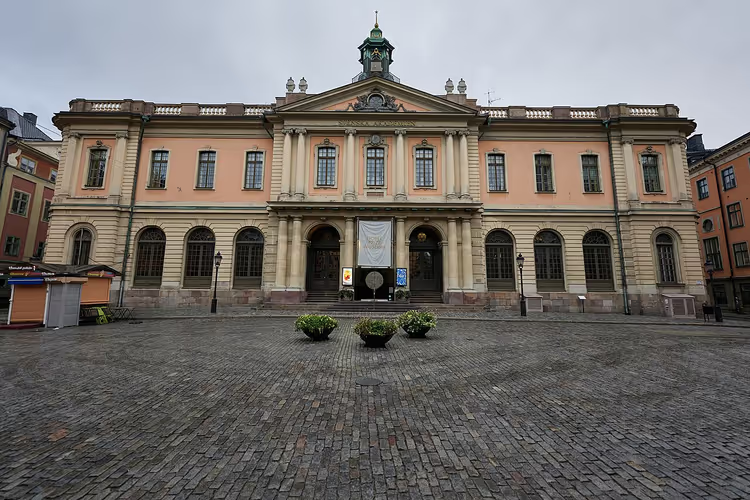
Stockholm lies in northern Europe and stays beautiful in any season. It has the winding streets of the old town Gamla Stan and Scandinavian minimalism in hotels and restaurants. Outside the city, the Stockholm archipelago, Drottningholm Palace, and the Skogskyrkogården woodland cemetery await you. The cemetery and the palace are UNESCO World Heritage sites (as of Visit Stockholm, 09/2026).
- Highlights: Gamla Stan, the archipelago, Drottningholm Palace.
- Who it's for: those who love water, a calm pace, and short distances.
12. Amsterdam, Netherlands
 © Tobias Niepel · CC BYPhoto: Tobias Niepel, CC BY (https://creativecommons.org/licenses/by/2.0), Wikimedia Commons
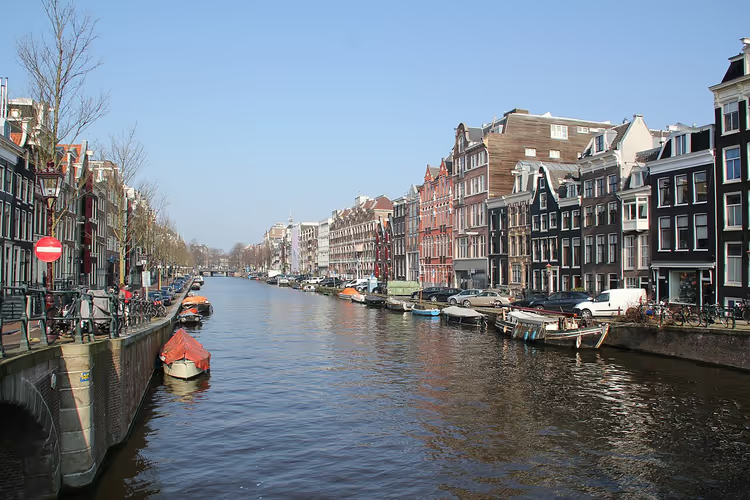
Amsterdam's canals have become the city's calling card. Narrow houses stand in a row right above the water, and this is the most recognizable subject of local photos. Be sure to take a canal cruise, even if it is geared toward tourists. Put the Rijksmuseum and the Van Gogh Museum on your itinerary, where you can appreciate classic and modern art side by side.
- Highlights: canals, Rijksmuseum, Van Gogh Museum.
- Tours: Amsterdam canal cruise on GetYourGuide.
13. Munich, Germany
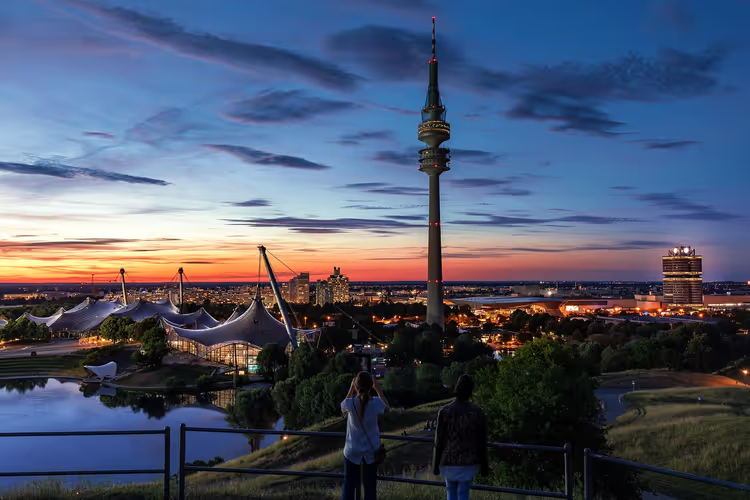
Austria and Italy are close to Munich, so the city works well as a base for continuing your trip. At the same time, it also works for standalone itineraries: the Alps with hiking and ski slopes are nearby. In the center, see Marienplatz and Frauenkirche cathedral. Stop by a beer garden to experience the Bavarian way of life from the inside. If you like off-the-beaten-path places, the city will surprise you there too.
- Highlights: Marienplatz, Frauenkirche, beer gardens, proximity to the Alps, hiking and skiing in winter.
- Who it's for: for those who want city and mountains in one trip.
14. Dubrovnik, Croatia
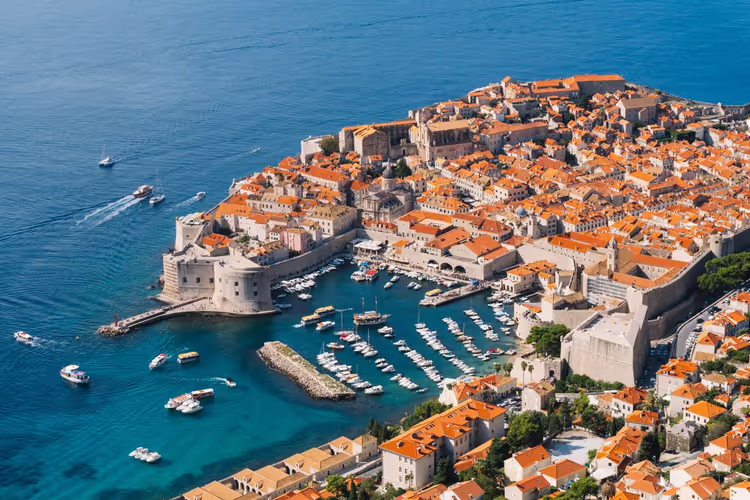
Coastal Dubrovnik is becoming more popular every year. The Old Town is completely surrounded by fortress walls, and together with the walls it is listed as a UNESCO World Heritage Site (according to the Dubrovnik Tourist Board, as of 09/2026). Walk the full circle of the walls: from above you will see the sea and the red rooftops all at once. The beaches here are mostly rocky, but the water is crystal clear.
- Highlights: the walled Old Town, fortress walls, the waterfront.
- Who it's for: for those who want the sea and medieval architecture side by side.
15. Bruges, Belgium
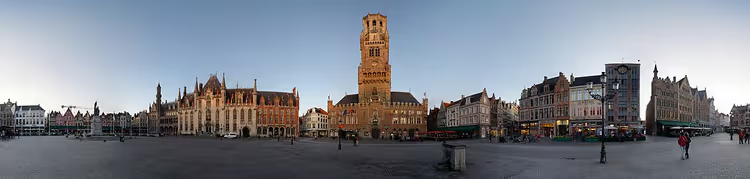 © Steve & Jem Copley · CC BY-SAPhoto: Steve & Jem Copley, CC BY-SA (https://creativecommons.org/licenses/by-sa/2.0), Wikimedia Commons
Bruges is smaller than Brussels and Antwerp, but it has its own magic. The historic heart of the city has barely changed over the centuries. Walk along the canals, step into the Hanseatic Quarter and Market Square: here you will easily feel like you are in medieval Europe. For dinner, pick one of the Michelin-starred restaurants: Bruges has several.
- Highlights: canals, Hanseatic Quarter, Market Square.
- Good to know: the historic center of Bruges is a UNESCO World Heritage Site (according to Visit Bruges, as of 09/2026).
⁉️🤔 Frequently asked questions
Which city in Europe is the most beautiful?
There is no single answer. Beauty depends on the type of trip, so choose a city based on your interests: museums, the sea, or food.
How many days do you need for one city?
For major capitals like London, Paris, or Rome, plan two to three full days. Compact cities can be done in two days: Bruges, Salzburg, and Porto are all fine with that. If you want to do museums without rushing, add one more day.
When is the best time to go to Europe?
The calmest months are May, June, and September: the weather is mild and the lines at major sights are shorter. Choose July and August if beaches and festival programs matter to you. In winter, Christmas markets await you in Vienna, Prague, and Bruges.
Where do I find hotels and tours?
Hotels and tours are easiest to compare on major international platforms, and read recent reviews before booking. Check museum opening hours and ticket prices on official websites: they change by season.
Do I need a visa for this trip?
Most countries on this list are in the Schengen Area, and EU residents do not need entry documents to visit them. The United Kingdom is not in Schengen; it requires an electronic ETA authorization, not a visa. Check requirements on official websites before buying tickets.
In short: what to book
If you want a classic city itinerary, go with London, Paris, or Rome. For warm architecture and the sea within the city limits, Barcelona and Dubrovnik are better choices. Food and wine lead to Porto, while classical music leads to Vienna and Salzburg. If you are traveling in winter for skiing, look at Munich. Hotel prices in the center rise closer to peak season, so compare options in advance on Trip.com.

A small editorial team writing guides for independent travel. We travel ourselves, but we haven’t been everywhere, so we check prices, opening hours and how to get there against official sources.