
















20 Beaches in Malaysia: which coast to choose in winter and which in summer
The east coast of Malaysia closes to tourists from November through February, and that disrupts plans more often than rain on the ground. Plane tickets to Kuala Lumpur are already bought, but the ferry to the Perhentians doesn't run in the low season. The west coast and the Andaman Sea islands, however, operate year-round. The country's beaches are scattered across both coasts of the peninsula and dozens of islands, and each place has its own character.
This roundup covers 20 beaches in Malaysia by region: the Perhentian Islands, Tioman, Langkawi, Redang, and Pangkor. You'll see which coast to choose in winter and which in summer, where the best diving is, and where the water entry works for kids. For each beach we've listed how to get there, the season, and the honest catch.
What to know about Malaysia's beaches
Malaysia lies between two monsoons, and you choose the coast by season, not by the photos. The northeast monsoon from November through February shuts down the east coast islands: the Perhentians, Tioman, and Redang. The west coast with Langkawi and Pangkor stays open during that time.
💡 In short:
- The two coasts have different seasons: the east coast islands are closed from November through February, the west coast works year-round.
- The roundup covers 20 beaches: the Perhentian Islands, Tioman, Langkawi, Redang, and Pangkor.
- For each beach we've listed how to get there, the season, and the honest catch.
1. Blue lagoon, Perhentian Islands
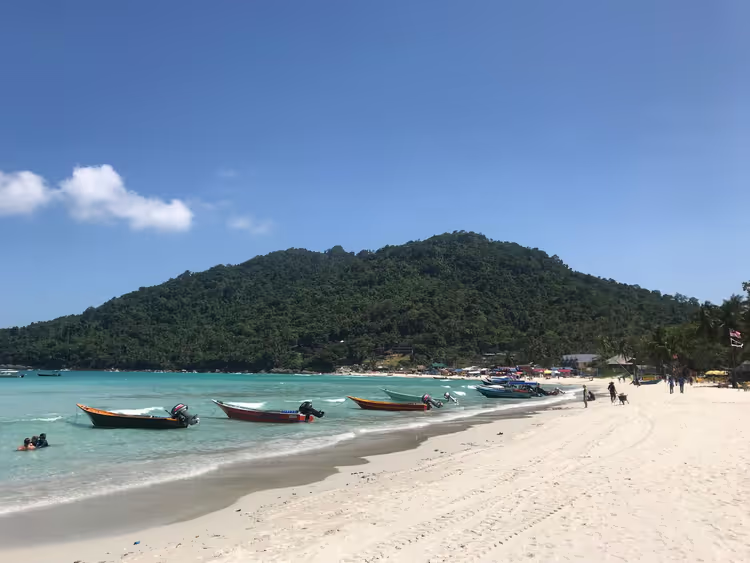
The Perhentian Islands lie in northeastern Malaysia and consist of two inhabited parts. Perhentian Besar is chosen for its calm, Perhentian Kecil is loved by young people and backpackers. The islands are closed to tourists from November through February.
There aren't many beaches here. Most of the shore is taken up by boulders and rocks, so swimming is only possible in certain coves. You can get there by boat from the Kuala Besut jetty: it drops you right at your hotel's pier. If the hotel doesn't have its own pier, you'll have to transfer to a small boat and pay extra for the transfer.
The archipelago's main spot is called Blue Lagoon. It's considered the best recreation area on the islands. There are no cafes or hotels right on the beach: all the infrastructure is set back from the shore. For food and lodging you return by water taxi every day.
- How to get there: boat from the Kuala Besut jetty (see map).
- Season: closed from November through February.
- Who it's for: divers and those looking for quiet.
- The catch: no cafes or lodging right on the shore, and some hotels don't have their own pier.
2. Teluk Pauh at Perhentian Island Resort
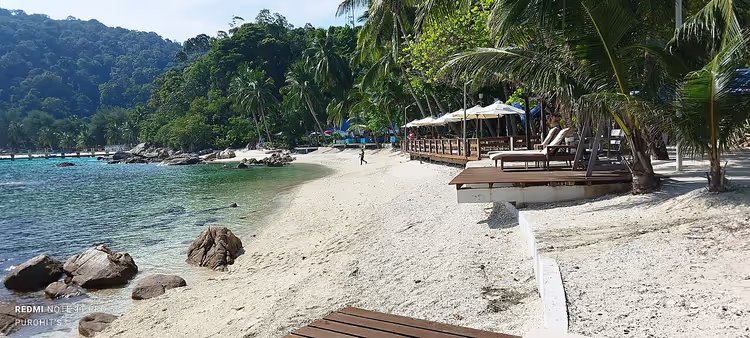
Perhentian Island Resort stands on the east coast of Perhentian Besar, about half an hour from the Kuala Besut jetty (see map). From the balconies of the wooden bungalows you see a long stretch of sand and turquoise sea. Beach access is open to everyone, even if you're not a guest of the hotel.
Long stairways run along the sea down to the water, connecting the island's beaches. Even at high tide part of the shore stays dry, and the water entry is gentle, with a sandy bottom and no sharp rocks. On the land side, jungle-covered mountains close off the strip of sand.
People snorkel here, fish, and encounter sea turtles near the coral growths. The hotel's pier, stretching far out to sea, has become the islands' signature landmark. On the beach you can play volleyball and soccer.
- How to get there: east coast of Perhentian Besar, about half an hour from the Kuala Besut jetty (see map).
- Who it's for: those who want snorkeling without a boat.
- The catch: long stairways lead down to the water, so it's hard to descend with a stroller or after an injury.
3. Flora bay, Perhentian Islands
The island has almost no tourist infrastructure, and Flora Bay is exactly that case. You can only get here by boat or from a neighboring beach along barely visible jungle trails. Monkeys, monitor lizards, and squirrels calmly walk alongside you.
On the way to the shore you cross wooden bridges and piers that stretch far out to sea and are equipped with viewing platforms. From May through September the sea here is calm with no high waves, and that's the best time for snorkeling. For its scenic views, the islands' coastline is called the "Malaysian Bounty."
Nightlife lovers will have to make their way to Long Beach and Coral Beach on the neighboring island. Otherwise Flora Bay offers quiet and water along sheer cliffs.
- How to get there: only by boat or jungle trail (see map).
- Season: calm sea from May through September.
- Who it's for: those who want wild nature.
- The catch: the jungle trail is barely visible, and it's easy to lose your way.
4. Monkey Beach, Tioman
 © Ondřej Žváček · CC BYPhoto: Ondřej Žváček, CC BY (https://creativecommons.org/licenses/by/2.5), Wikimedia Commons
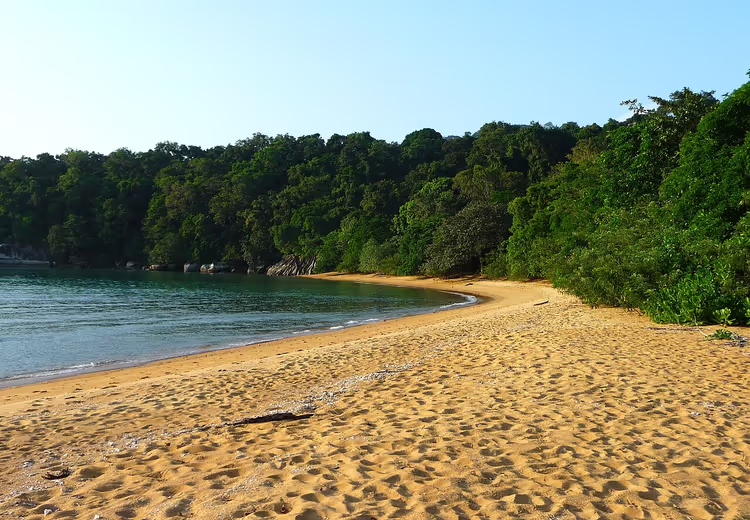
Tioman ranks among the region's most beautiful islands, and Monkey Beach occupies its northern part between the villages of Salang and Air Batang. The beach is almost wild: tropical tree growth closes it off, and there are few people on the shore. The nearest hotel is in the village of Salang.
You can get there on foot along the coast, by Bluewater Express ferry, or along a difficult jungle trail. You can reach the beach from the Naban pier. The ferry ride takes about two hours each way (see map), and local tuk-tuk drivers get you to the shore in ten minutes.
Only a few hundred people live on Tioman, in seven small settlements. Amenities include cafes, shops, an airport, and small guesthouses, and you can stay in bungalows run by locals. That's exactly why divers from all over the world choose this island.
Soft white sand and warm waves make for a relaxing stay. You can rent water gear, and for an extra fee go out on a speedboat or jet ski.
- How to get there: on foot from Salang or by Bluewater Express ferry (see map).
- Who it's for: those who want a wild shore and diving.
- The catch: the monkeys here act like they own the place and steal food and belongings.
5. Juara, Tioman
 © Emmanuel Campos · CC BY-SAPhoto: Emmanuel Campos, CC BY-SA (https://creativecommons.org/licenses/by-sa/3.0), Wikimedia Commons
Juara stretches for almost two kilometers along the South China Sea next to a small village (see map). This is a place for a secluded getaway if you're tired of city noise. The village sits between cliffs and a beautiful lagoon, and a turtle hatchery operates at the southern end of the coast.
From the hatchery a jungle trail leads to the island's waterfalls. You can see all of that between swims and time on the sand. With a mask you can swim up to large turtles, and sometimes you see a shark right at your feet.
The abundance of marine life and good underwater visibility have made these spots popular with divers. The seabed around the island is littered with the remains of warships, and interest in them hasn't faded over the years.
- How to get there: east coast of Tioman, about two kilometers of shoreline (see map).
- Who it's for: couples and those seeking seclusion.
- The catch: infrastructure is limited to the village, and there's almost nothing to do in the evening.
6. Salang, Tioman
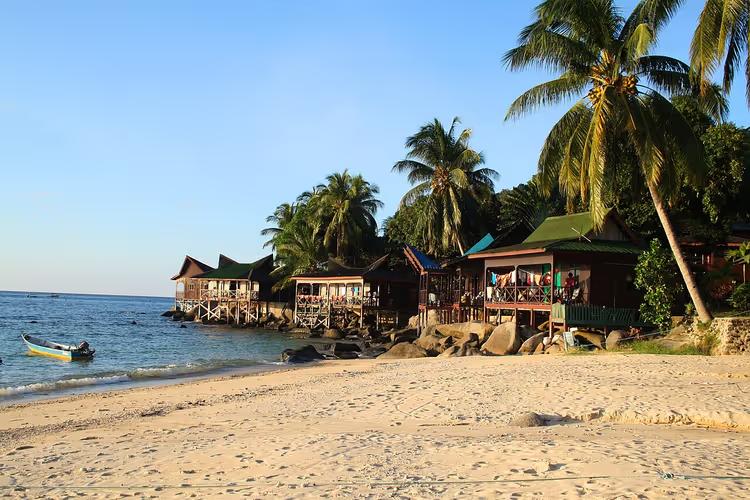 © Jorge Cancela · CC BYPhoto: Jorge Cancela, CC BY (https://creativecommons.org/licenses/by/2.0), Wikimedia Commons
Salang is the last stop for ferries heading to the island. From here roads lead to the settlements and recreation areas along the coast. In the village that grew up on the shore of the bay, you fully immerse yourself in the traditions and daily life of island Malaysia.
A long pier and a freshwater lagoon divide the beach into two parts. The north side has many rocks and shallow water that's inconvenient for swimming at high tide. The south side stands out for especially clean water and soft white sand.
This is where diving routes to the neighboring islands begin. Dives are led by instructors from local schools, and the island has many training sites. You'll see the bay's panorama from the trail that climbs into the hills from the southern edge of the village.
- How to get there: the ferry makes its last stop here before the island (see map).
- Who it's for: divers and lovers of traditional island life.
- The catch: the north part of the beach is rocky, and swimming at high tide is inconvenient.
7. Paya, Tioman
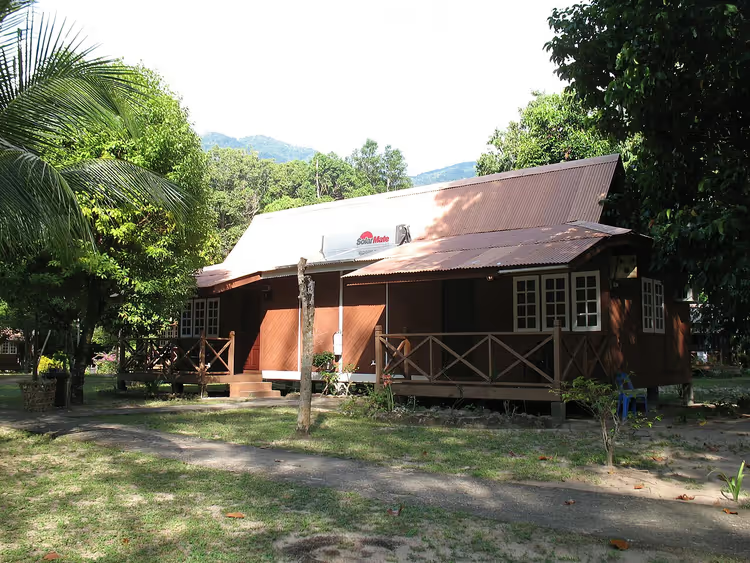 © andre oortgijs · CC BY-SAPhoto: andre oortgijs, CC BY-SA (https://creativecommons.org/licenses/by-sa/3.0), Wikimedia Commons
Paya sits in a small village beneath the island's highest peak. The name translates from Malay as "swamp," but it's not a bog, it's a beautiful spot on the coast. The beach is bordered by a large coral reef with no passages for piers.
Getting to this wild shore is easier from the island's more developed areas. The main hotel here is Paya Beach Spa & Dive Resort, and it's often chosen by guests from Malaysia and China. The beautiful, uncrowded beach is good for swimming at high tide.
As everywhere on the island, guests come here for diving and a quiet getaway by the water. Infrastructure is minimal: a few inexpensive warungs, shops, cafes, and gear rental points. Trails lead from the ends of the beach through the jungle to neighboring resort areas.
- How to get there: Paya village on Tioman's west coast (see map).
- Who it's for: those who want to combine the reef with a quiet getaway.
- The catch: swimming is inconvenient at low tide, and the choice of cafes is limited.
8. Air Batang, Tioman
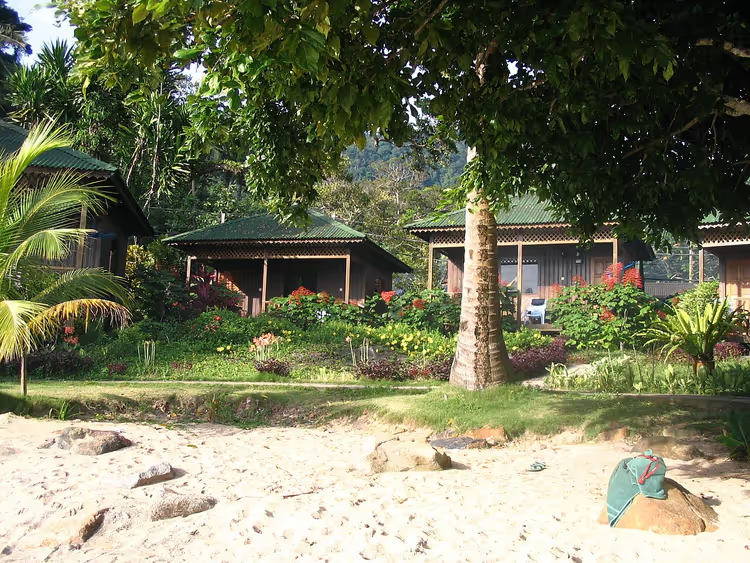 © Paul · CC BY-SAPhoto: Paul, CC BY-SA (https://creativecommons.org/licenses/by-sa/2.0), Wikimedia Commons
Air Batang is a fishing village with the most developed infrastructure on the island. It has several resort areas with hotels, restaurants, and entertainment venues. This happened because the village lies on the ferry route along the west coast.
The pier area has convenient spots for diving and snorkeling. The bottom is sandy, but there are some rocky patches. The beaches are easy to visit if you stay in an inexpensive hotel or bungalow near the shore.
You don't need to book a place many days in advance. In any season you can find accommodation here, as long as you're not chasing an expensive hotel. During the rainy season from November to February, many of the island's guesthouses close, and it's not worth coming at that time.
- How to get there: Tioman's west coast, ferry stop (see map).
- Who it's for: those who want infrastructure and affordable accommodation.
- The catch: some hotels close during the rainy season.
9. Genting, Tioman
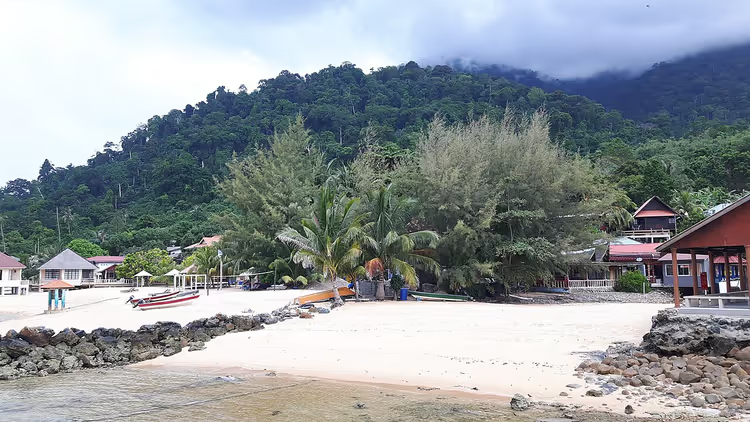 © Shengwei=圣慰 · CC BY-SAPhoto: Shengwei=圣慰, CC BY-SA (https://creativecommons.org/licenses/by-sa/2.0), Wikimedia Commons
The village's name translates as "mountain pass." It sits on a coastal strip among dark granite boulders and steep hills. A resort area with golden sand stretches next to the village.
The village has shops, cafes, restaurants, a clinic, and a mosque, as well as cozy cottages and a hotel. Wooden bridges cross the streams and small rivers that run into the ocean. Genting is the third-largest settlement on the island.
Ferries make their first stop here when traveling along the coast. People snorkel and dive here, renting gear from local services. Special paths have been cut through the coral to access the water, and they're convenient to use at low tide.
- How to get there: first ferry stop when traveling along the island (see map).
- Who it's for: active guests with a bicycle and a mask.
- The catch: the trail around the village passes monkeys and monitor lizards, so caution is needed.
10. Tekek, Tioman
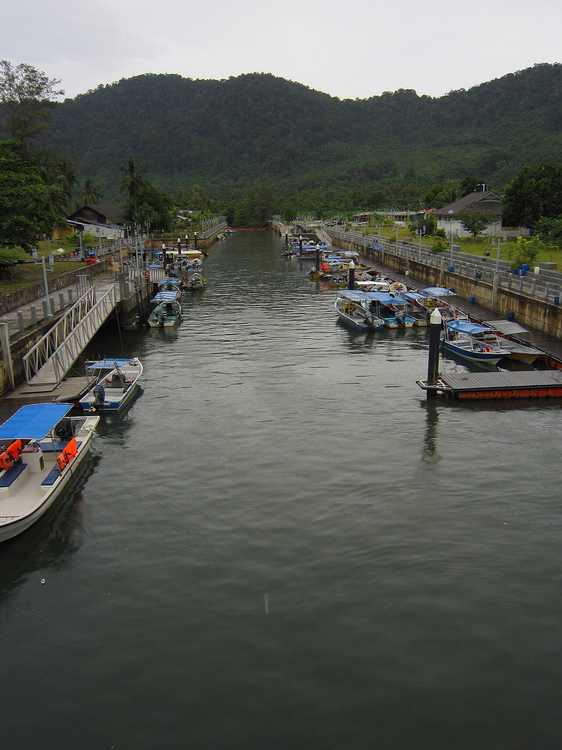 © Peter in s · CC BY-SAPhoto: Peter in s, CC BY-SA (https://creativecommons.org/licenses/by-sa/3.0), Wikimedia Commons
Tekek is considered the most civilized resort area on the island. It has an airport, a pier, duty-free shops, an ATM, and the Berjaya hotel. Several dive centers operate on the beach with golden sand and a sandy bottom.
You can start learning to dive under the guidance of experienced instructors. What makes a stay here special is the long hiking routes through the jungle that lead to the island's center. The most challenging trail stretches seven kilometers to the village of Juara (see map).
On the trail you'll encounter monkeys, monitor lizards, and bright tropical birds. For accommodation in well-appointed rooms, book in advance.
- How to get there: central part of Tioman, where the airport and pier are located (see map).
- Who it's for: those who want comfort and hiking.
- The catch: well-appointed rooms need to be booked in advance.
11. Black sand beach, Langkawi
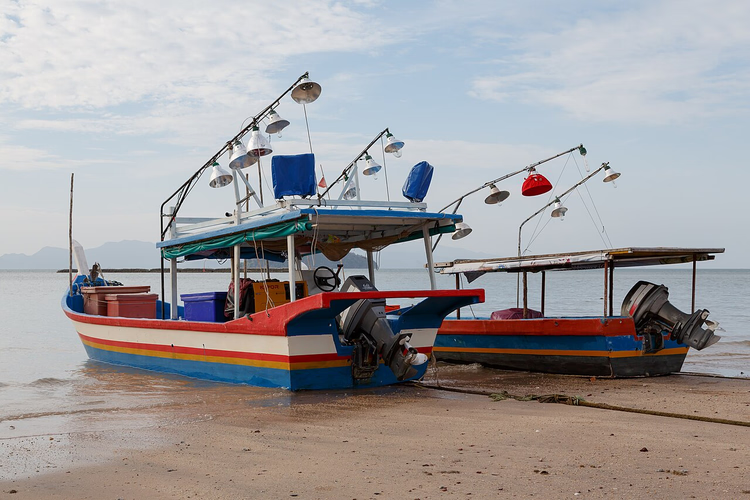 © CEphoto, Uwe Aranas · CC BY-SAPhoto: CEphoto, Uwe Aranas, CC BY-SA (https://creativecommons.org/licenses/by-sa/3.0), Wikimedia Commons
Langkawi consists of 99 islands in the Andaman Sea (according to the official tourism portal, 09/2026). It's a modern resort with long beach areas, hotels, and restaurants. The archipelago has dozens of beaches, and the Underwater World aquarium is considered one of the best in the region.
In the north of Langkawi there's a small stretch of shore covered with black mineral granules. This isn't volcanic sand, but fine particles of tourmaline and ilmenite that rains brought down from the surrounding hills. The sand's origin is explained on signs right on the shore.
Swimming here isn't the best option: this shore isn't one of the island's strong spots for time by the water. But you can walk along the shore to the fishing pier and mangrove thickets. Boats are rented by the day at the pier to reach the crocodile cave and watch eagle feeding.
- How to get there: northern part of Langkawi (see map).
- Season: the west coast is open year-round.
- Who it's for: a short walk and photos.
- The catch: the beach isn't suitable for swimming.
12. Burau Bay, Langkawi
 © Khalzuri · CC BY-SAPhoto: Khalzuri, CC BY-SA (https://creativecommons.org/licenses/by-sa/2.0/), Flickr
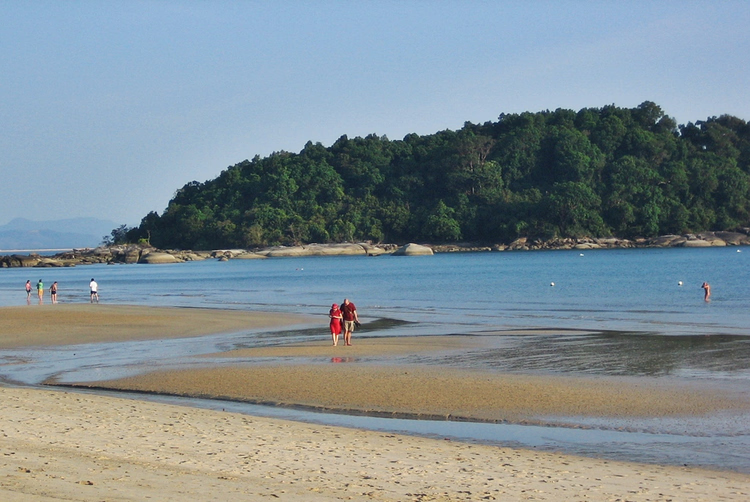
Burau Bay lies in the western part of the island, where most of the developed resort areas are concentrated. Modern hotels for upscale vacations stand here, and the best beaches belong to the hotels. Shore access is restricted, especially in the evening.
The most convenient access is through the Mutiara Burau Bay hotel, a complex of single-story buildings right by the water. From here you can reach all kinds of water activities and trips to neighboring islands. The calm bay with a private beach suits family vacations, and for nightlife you head to Kuah.
Tropical vegetation and jungle stand right next to the white strip of sand. Walks in the surrounding area and relaxed time in the sun combine here without any rush.
- How to get there: western part of Langkawi (see map).
- Who it's for: families and those seeking quiet.
- The catch: part of the beach is closed to outsiders, and access is restricted in the evening.
13. Tanjung Rhu, Langkawi
 © Tim Parkinson · CC BYPhoto: Tim Parkinson, CC BY (https://creativecommons.org/licenses/by/2.0), Wikimedia Commons
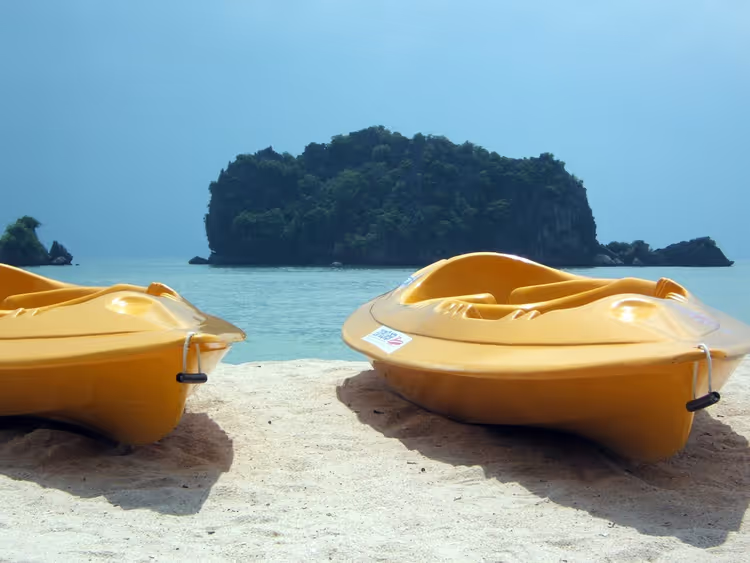
Tanjung Rhu lies in the northern part of the island, away from the busy tourist spots. Nature lovers come here more often. The shore is surrounded by limestone caves, striking rock formations, and secluded sea coves.
The resort area is roughly divided into two parts, both with modern complexes, including the Four Seasons. The quiet, shallow beach with a gentle slope and sandy bottom is good for families with children. It's among the most beautiful beaches on the island.
The famous mangrove swamps begin nearby, and tours through them start right here. At low tide you can walk to Pulau Chabang island or get there by rented boat. The resort area has shops, restaurants, and cafes.
- How to get there: north of the island, farther from the main tourist spots (see map).
- Who it's for: families with children and nature lovers.
- The catch: the beach is shallow, so diving requires a boat trip.
14. Datai Bay, Langkawi
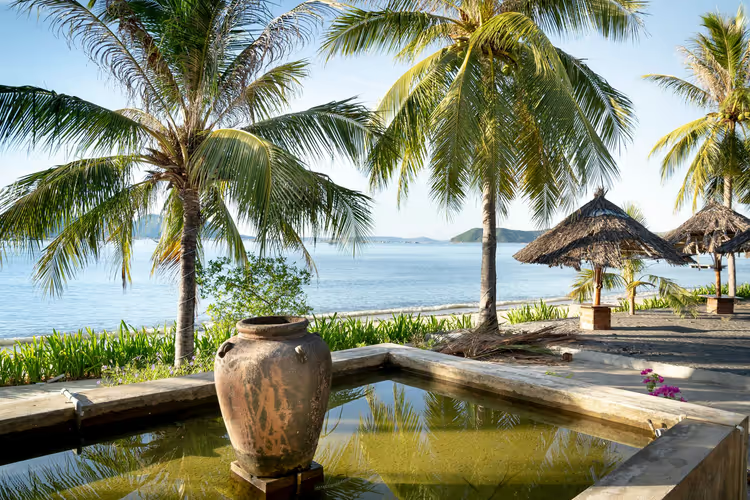
Datai Bay, a secluded cove in the west of the island, lies next to Temurun Waterfall. Several resort areas for affluent guests stand on the shore. Luxury hotels and a well-known golf course make the bay popular with tourists from different countries. The golf club occupies a large part of the protected tropical forest.
The landscape between the sea and the mountains creates quiet and comfort here. Water lovers rent gear and spend as much time on the beach as they want. The island's cable car runs very close by, and its viewing platforms offer views of the white sand strips and jungle.
If you stay in a luxury hotel, you can swim in the sea, the pool, or at Temurun Waterfall next to the golf course.
- How to get there: west of Langkawi, near Temurun Waterfall (see map).
- Who it's for: those who choose a premium vacation.
- The catch: there are no budget accommodation options nearby.
15. Tengkorak, Langkawi
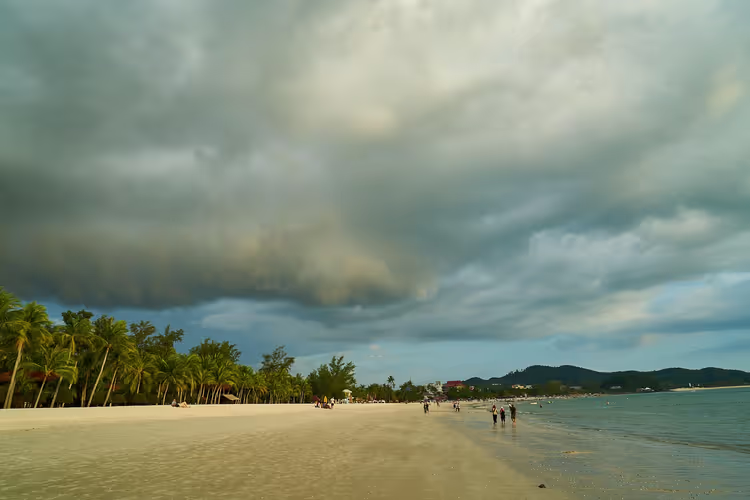
Tengkorak is called the "beach of sandy skulls," and it lies away from the busy routes. This small stretch of shore is considered one of the most beautiful on the island. A park nearby comes alive on weekends.
Beach administration services include loungers, umbrellas, paid toilets, showers, and gazebos, and there is also sports equipment rental. The white sand often contains sharp shell fragments, so footwear will come in handy.
The recreation area sits next to the Datai Resort, and on the way there you will find a crocodile farm and unusually shaped rocks. There is no cafe for a snack here, and it is best to keep your food safe from the monkeys, which are everywhere.
- How to get there: next to the Datai Resort (see map).
- The catch: there is no cafe on the beach, and you have to protect your food from the monkeys.
16. Kok, Langkawi
 © CEphoto, Uwe Aranas · CC BY-SAPhoto: CEphoto, Uwe Aranas, CC BY-SA (https://creativecommons.org/licenses/by-sa/3.0), Wikimedia Commons
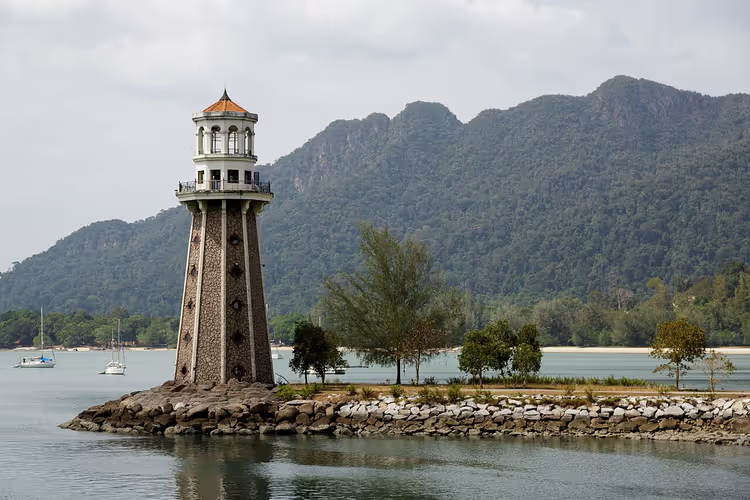
Kok is located in an upscale resort area on a well-kept western shore. The beach is popular with both locals and island visitors. Two small man-made islands lie nearby and serve as a mooring point for boats.
Shops, restaurants, bars, and a spa center are within walking distance. The cable car to the top of Mount Mat Chinchang runs very close by and adds to the scenery. The Telaga Tujuh waterfalls, Telaga Harbour Park, and the Oriental Village are also nearby.
A wide stretch of shore with a modern hotel is well suited for family vacations. Diving enthusiasts take a ferry to the Pulau Payar Marine Park on the same coast, where the most beautiful atoll in the Strait of Malacca is located.
- How to get there: western shore of Langkawi, near the cable car (see map).
- Who it's for: families and those who want everything close at hand.
- The catch: prices in this area are higher than on other beaches of the island.
17. Cenang, Langkawi
 © CyberTroopers · CC BY-SAPhoto: CyberTroopers, CC BY-SA (https://creativecommons.org/licenses/by-sa/4.0), Wikimedia Commons
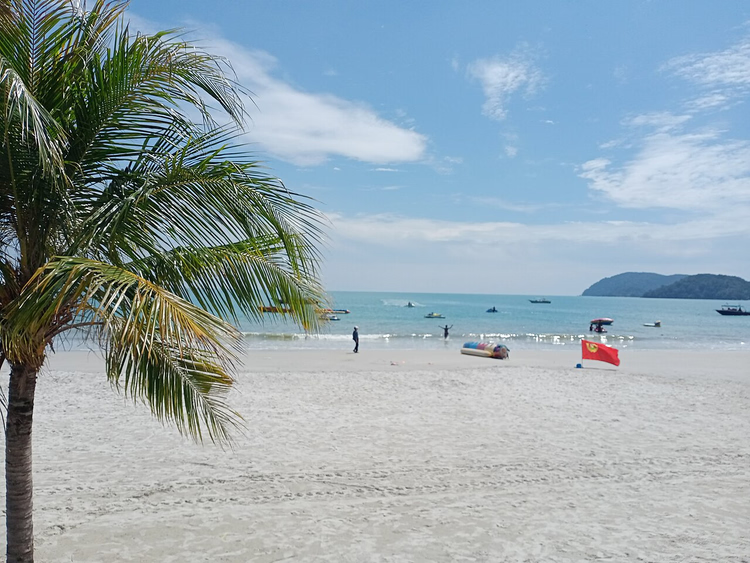
Cenang lies on the already familiar Langkawi, about 25 km from the town of Kuah (see map). It is the island's most active resort, with a whole range of entertainment. Bars, an oceanarium, and clubs keep things lively day and night, and hotels offer accommodation for every taste.
The beach is no more than a couple of kilometers long, but that is enough for a comfortable stay. The entry into the sea is gentle, and the water is clear. For snorkeling fans, there is a small island nearby with suitable conditions.
If you want to see how locals live, head to Laman Padi Park. There you can walk through rice fields and learn how rice is grown here.
- How to get there: about 25 km from Kuah (see map).
- Who it's for: those who want bars, shops, and nightlife.
- The catch: in season, the beach and hotels are crowded.
18. Taaras, Redang
Redang is part of Malaysia's marine reserve. Fishing and damaging corals are prohibited here, and the reefs are home to the planet's largest coral, known as Mushroom Coral. Sea turtle migration is observed on the island every year.
For divers, Redang offers the chance to swim among barracudas, sea urchins, and huge rays. Guests are offered areas with modern hotels and all the necessary infrastructure, and this is an expensive vacation.
Taaras Beach is open only to guests of the five-star hotel of the same name. At the water's edge you can see colorful fish and mollusks without taking a boat. Among the harmless fish there is a dangerous triggerfish, so swim in clear water at high tide when there are no waves.
At the hotel, with its designer interiors and children's services, time passes quickly. There is no budget accommodation here: a night at the local hotel costs several times more than on the mainland.
- How to get there: Redang Island, ferry from the mainland (see map).
- Season: the island operates outside the rainy season.
- Who it's for: divers and those willing to pay for the corals.
- The catch: there is no cheap accommodation on the island, and the high hotel price comes on top of the environmental fee.
19. Simpan, Redang
Simpan is chosen by fans of extreme recreation. A wild shore with no infrastructure and an unusual sea surrounded by tropical nature attract with their mystery. Here you test your physical fitness and enjoy the silence.
The coral thickets resemble impenetrable jungle, home to colorful fish and many turtles. There are just as many monkeys in the trees. If you are staying at one of Redang's hotels, you can come here even at night.
The island is reached by ferry from the Merang jetty in Kuala Terengganu. Ferry spots are provided by prior request. This beach is considered the island's second recreation area and a dream destination for any diver.
- How to get there: ferry from the Merang jetty in Kuala Terengganu (see map).
- Who it's for: experienced divers.
- The catch: there is no infrastructure at all, and ferry spots must be requested in advance.
20. Pangkor Laut, Pangkor
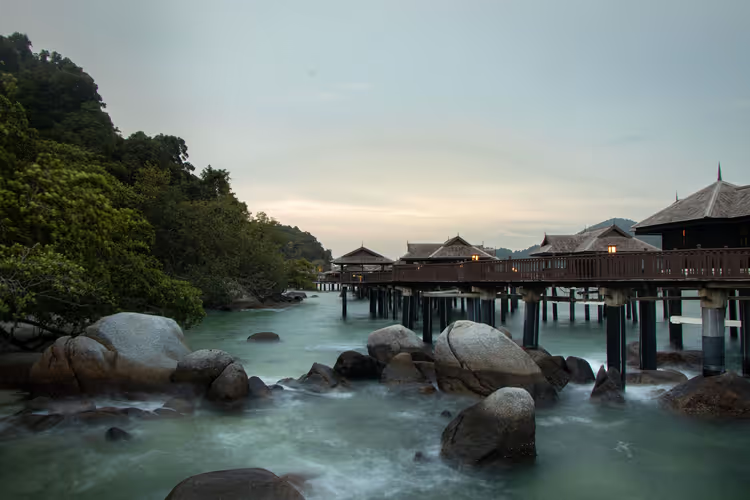
Pangkor Laut is part of Pangkor, and its shore is called Emerald Bay. The beach has appeared on lists of the best seaside destinations for decades. Wealthy guests from around the world come here, so the only hotel is designed for special requests.
The air temperature here is steady all year round, and the scenery is decorated with palm trees.
For entertainment, you have diving, sailing on yachts and speedboats, and other water sports at your disposal. You can head into the island's interior and appreciate the local flora and fauna. Unlike the eastern islands, Pangkor operates all year round.
- How to get there: an island within Pangkor on the western shore (see map).
- Who it's for: those looking for a quiet premium spot.
- The catch: the island has a single hotel, and it is aimed at affluent guests.
Which beach to choose for a vacation with children
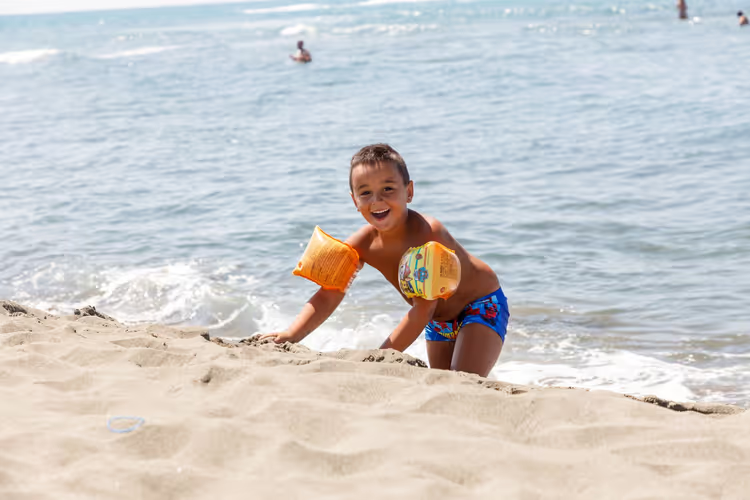
For a vacation with small children, accommodation, food, and safe swimming conditions matter. Consider beach quality, entertainment, and activities for adults. The best options are considered to be the resorts of Langkawi and Penang islands.
If you stay in Kuala Lumpur, you can drive across the bridge in a rental car and reach a convenient white-sand beach. Children enjoy encounters with animals and plants, and this is easy to arrange through excursions.
Visit the Bird Park, Butterfly Park, oceanarium, and Deer Park. The Telaga Tujuh waterfall, the Rice Museum, and Gua Cerita cave are also popular with children. In the village of Air Hangat with its hot springs, shows with snakes and elephants are performed.
At modern resorts, children's services include kids' meals, playrooms, and pools. Parents can hire nannies at any time.
- Who it's for: families with children.
- The catch: flights and ferries between islands with children take a lot of time.
Best time to go
The holiday season in Malaysia lasts all year round. Air temperature changes only slightly, with humidity from tropical rains making the main difference. When choosing your timing, consider the coast: the eastern islands are closed from November to February, while the western ones operate all the time.
For the beaches of the west coast and Langkawi, the dry months are December through March. The east coast, by contrast, comes alive from March to October, and that is when ferries run here (according to the national tourism office, 09/2026).
- West coast season: all year round, dry months in winter.
- East coast season: from March to October, islands closed in winter.
Beaches of Malaysia on the map
The map helps you assess the location of the beaches relative to Kuala Lumpur and the two coasts. Open it in a separate window to plan your route between the islands. Keep in mind that ferries to the east coast do not run in winter, and the distance between islands is measured in hours of travel.
⁉️🤔 Frequently asked questions
When is the best time to go to Malaysia's beaches?
The beaches of the west coast and Langkawi welcome visitors year-round, and the dry months here fall in winter. The eastern islands, including the Perhentians, Tioman, and Redang, operate from March to October. If you want to combine diving with calm weather, choose the months between the two monsoons.
Which islands are closed during the rainy season?
From November to February, the northeast monsoon closes the east coast islands: the Perhentians, Tioman, and Redang. Ferries don't run during this time, and many hotels are closed. The west coast, including Langkawi and Pangkor, remains open, so winter is the time to look there.
Where is the best diving in Malaysia?
The best spots are concentrated in the east: around the Perhentian Islands, Tioman, and Redang. On Redang, the reefs are joined by the planet's largest coral and turtle migration. For relaxed snorkeling, Blue Lagoon is a good fit, and for wild dives choose Simpan.
How much does it cost to enter a marine park?
In the reserves that include the Perhentians, Tioman, and Redang, foreigners pay a conservation fee of 30 MYR per adult and 15 MYR per child over six (as of 09/2026, marine park fees). Children under six and people with disabilities enter free. The fee goes to the marine park management fund.
Which beach should I choose with kids?
Langkawi and Penang are convenient for families, with gentle slopes into the sea and developed infrastructure. On Langkawi, choose the quiet Tanjung Rhu; on the east coast, Teluk Pauh near the Perhentian Island Resort works well. Avoid beaches with strong currents, such as Simpan on Redang.
In short: what's worth booking
The selection matrix is simple. If it's winter and you're flying for the first time, go for the west coast: Langkawi, Cenang, or Tanjung Rhu. If you're a diver and want reefs, plan for the east coast in the months from March to October. If you're traveling with kids, bet on Langkawi and Penang with their gentle water entry.
Choose the coast based on the season, and book accommodation in advance: on the eastern islands, places go fast. First decide on the month, then look for a beach.

A small editorial team writing guides for independent travel. We travel ourselves, but we haven’t been everywhere, so we check prices, opening hours and how to get there against official sources.