
















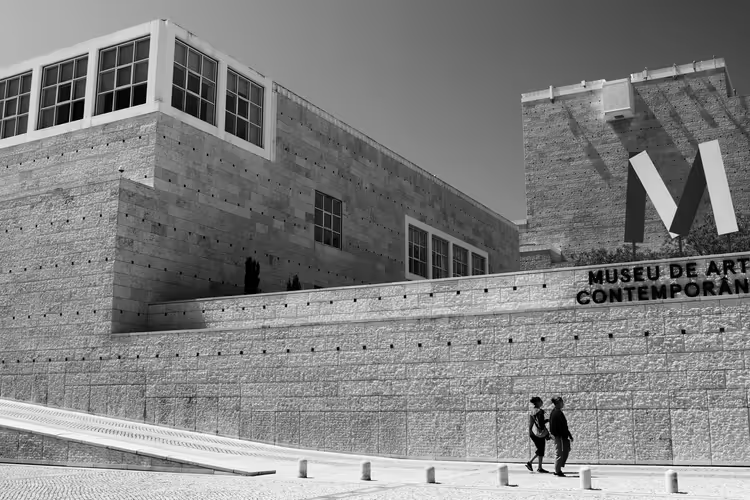
Where to go in Lisbon: 20 museums with tickets and opening hours
Lisbon has dozens of museums, and choosing among them can take half a day. Some are closed on Mondays, others ask you to book a time slot in advance, and still others hide away in old monasteries. We picked twenty museums in the Portuguese capital and checked tickets and opening hours against official websites (as of 09/2026).
From a Moorish fortress to an oil magnate's collection. Children under 12 enter national museums for free (as of 09/2026, Museus e Monumentos price list).
Below you'll find a card for each museum: a photo, what to see first, and honest caveats. If you're short on time, go for St. George's Castle and the Calouste Gulbenkian Museum.
Ad: this article contains affiliate links. We earn a commission if you book through them, at no extra cost to you.
Tickets and opening hours for Lisbon museums
💡 In short:
- Check closed days: almost all museums in the city are closed on Mondays.
- Get tickets in advance: children under 12 enter national museums for free (as of 09/2026, children's tickets).
- Double-check tickets and opening hours: 09/2026, verified on the official museum website.
Museum | Closed day | What makes it interesting |
|---|---|---|
St. George's Castle | no closed days | city panorama and Moorish walls |
Calouste Gulbenkian Museum | Tuesday | Rembrandt, Monet, and an Egyptian collection |
Maritime Museum | Monday | maps, ship models, and a frigate on the Tagus |
National Coach Museum | Monday | gilded royal carriages |
National Museum of Ancient Art | Monday | Bosch and European old masters |
National Tile Museum | Monday | city panorama in azulejos |
Museum of the Orient | Monday | Asian art from the colonies |
Chiado Museum | Monday | painting from Romanticism to Surrealism |
MAAT Museum | Monday | wave-shaped roof over the Tagus |
National Archaeology Museum | Monday | artifacts from Jerónimos Monastery |
National Museum of Costume and Fashion | Monday | outfits from Rococo to Chanel |
Water Museum | no closed days | aqueduct and old pumps |
Carmo Archaeological Museum | Sunday | Carmo ruins and mummies from Peru |
Casa-Museu Medeiros e Almeida | Sunday and Monday | collection of clocks and fans |
Banco de Portugal Money Museum | Sunday, Monday, Tuesday | coins and bullion in an old church |
Museu de Lisboa (Palácio Pimenta) | Monday | model of the city before the earthquake |
Museu Bordalo Pinheiro | one day a week, check the website | ceramics and Bordalo Pinheiro's humor |
Museu de Lisboa (Teatro Romano) | Monday | ruins of a Roman theater beneath the city |
Electricity Museum | Monday | interactive machines of the old power station |
National Museum of Natural History and Science | Monday | dinosaurs, planetarium, and an ancient dracaena |
Almost all national museums in Lisbon are run by Museus e Monumentos de Portugal. They share a single price list for all national museums. Residents of Portugal get free admission fifty-two days a year, and young people and seniors receive a discount (as of 09/2026, unified national museum price list).
Important: four museums in this selection are marked on the official website as temporarily closed. These are the National Museum of Ancient Art, the National Archaeology Museum, the National Tile Museum, and the Museum of Costume and Fashion. Check the current museum status for reopening dates.
The most expensive on the list turned out to be St. George's Castle: €17 per adult (as of 09/2026, Castelo de São Jorge prices). Next come the carriages and old masters, while the most affordable options cost €5.
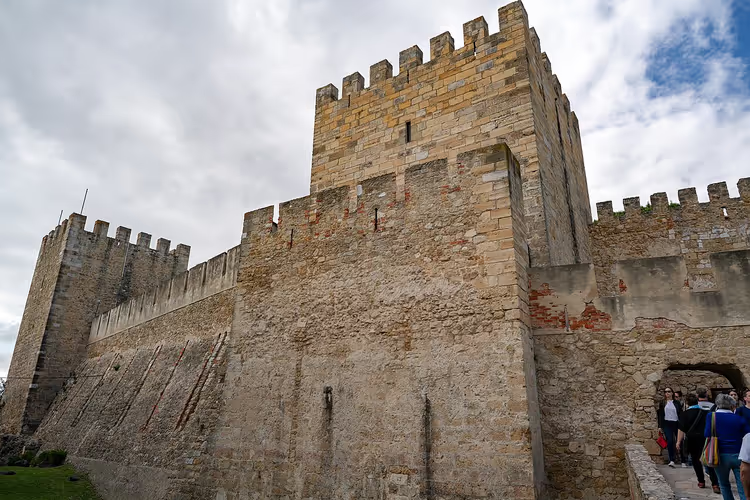
1. St. George's Castle
 © Nan Palmero from San Antonio, TX, USA · CC BYPhoto: Nan Palmero from San Antonio, TX, USA, CC BY (https://creativecommons.org/licenses/by/2.0), Wikimedia Commons
The castle stands on a high hill and is visible from almost anywhere in the city. At various times it served as a fortress for the Romans, Visigoths, and Moors, and in the mid-12th century it passed to the first king of Portugal. From the mid-13th century it was a royal residence, later a prison and the headquarters of the child protection service.
After the earthquake, the castle was restored, a garden with peacocks was laid out, and viewing platforms were opened. Restoration took place in two stages: in the mid-20th century and at the end of the same century. Inside you'll see an exhibition on the city's history, and there are a cafe and a restaurant on the grounds.
- Tickets: adults 17 €, visitors aged 13-25 8.50 €, children under 12 free (as of 09/2026, castle tickets).
- Hours: in summer, from March 1 to October 31, the castle is open from 9:00 to 21:00, last entry at 20:30 (schedule).
- Who it's for: anyone who wants a panoramic view of the city and a walk along the walls.
- The catch: on public holidays the castle may be closed, so check the calendar in advance.
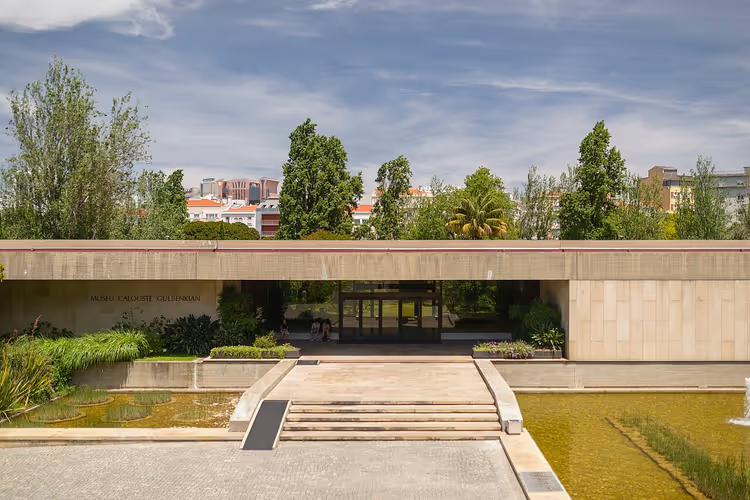
2. Calouste Gulbenkian Museum
 © Fundação Calouste Gulbenkian · CC BY-SAPhoto: Fundação Calouste Gulbenkian, CC BY-SA (https://creativecommons.org/licenses/by-sa/4.0), Wikimedia Commons
The private collection of oil magnate Gulbenkian opened to the public in the late 1960s. In terms of richness, it surpasses the holdings of many state museums. Of six thousand objects, about a thousand are shown in the permanent exhibition. It brings together antiquities from Egypt, Greece, and Rome: vases, tombs, Persian jewelry.
A separate section is devoted to European art. Some of the paintings were bought at the sale of Hermitage treasures in the 1930s. You will see works by Rubens, Rembrandt, and van Eyck, sculptures by Houdon, and canvases by the Impressionists Renoir, Monet, and Degas. Nearby are antique furniture, gold, silver, clocks, and coins.
- Hours: Wednesday through Monday from 10:00 to 18:00, on Saturday until 21:00, closed Tuesday (as of 09/2026, foundation schedule).
- Garden: the park at the foundation is open every day from dawn to dusk, admission is free.
- Who it's for: those who are ready to spend two or three hours in the galleries.
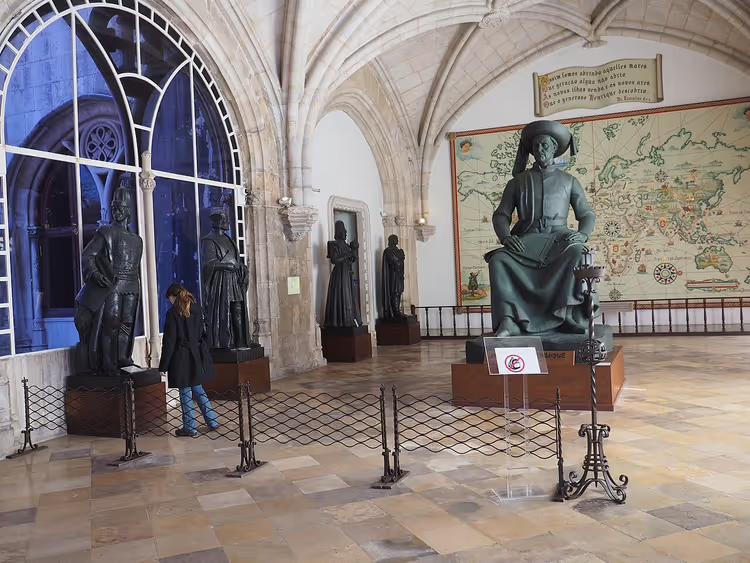
3. Maritime Museum
 © tomasz przechlewski from Sopot, Poland · CC BYPhoto: tomasz przechlewski from Sopot, Poland, CC BY (https://creativecommons.org/licenses/by/2.0), Wikimedia Commons
The collection began to be assembled in the second half of the 19th century on the initiative of a Portuguese monarch. Today it holds more than twenty thousand items, about six thousand of which are on permanent display. You will see old maps, navigational instruments, ship models, and portraits of admirals.
The exhibition occupies a wing of the Jeronimos Monastery, a UNESCO World Heritage site. According to legend, Vasco da Gama prayed within these walls before sailing to India. A wooden figure of the Archangel Raphael, which accompanied him on the voyage, is considered one of the oldest exhibits. After a fire in the early 20th century, the museum was restored only by the late 1940s.
The frigate Fragata D. Fernando II e Glória is also open to visitors. It is moored on the Tagus separately from the museum building.
- Hours: the museum is open daily except Monday; check the museum website for exact hours.
- Who it's for: those who love the Age of Discovery.
4. National Coach Museum
 © Vitor Oliveira from Torres Vedras, PORTUGAL · CC BY-SAPhoto: Vitor Oliveira from Torres Vedras, PORTUGAL, CC BY-SA (https://creativecommons.org/licenses/by-sa/2.0), Wikimedia Commons
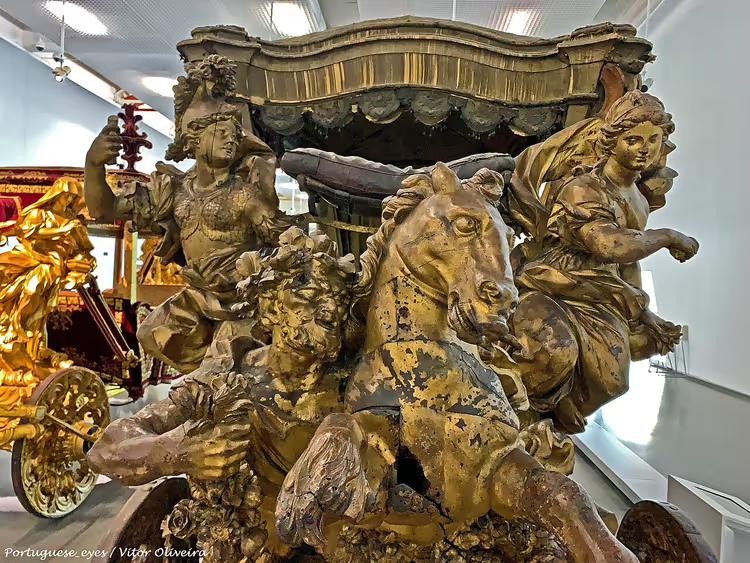
The collection of royal carriages began to be assembled in the early 20th century through the efforts of Queen Amelia. It quickly became the most visited museum in the country. The exhibits are housed in an 18th-century riding school building that took forty years to decorate.
Seven carriages are lined up in the ceremonial hall, and a separate building designed by architect Paulo Mendes was constructed for the rest of the collection. Here you will find royal phaetons, two-wheeled cabriolets, and landaus. The carriage of King Philip II, upholstered in red leather, deserves special attention. Nearby gleam the "Bride's Carriage" and the "Carriage of the Oceans" with a figure of Lisbon.
- Ticket: 15 € (as of 09/2026, Museus e Monumentos rates).
- Who it's for: families where children love old carriages.
- The catch: the doors are closed on Mondays, so you will have to reschedule your visit.
5. National museum of ancient art
 © Taras Rynza from Moscow, Russia · CC BY-SAPhoto: Taras Rynza from Moscow, Russia, CC BY-SA (https://creativecommons.org/licenses/by-sa/2.0), Wikimedia Commons
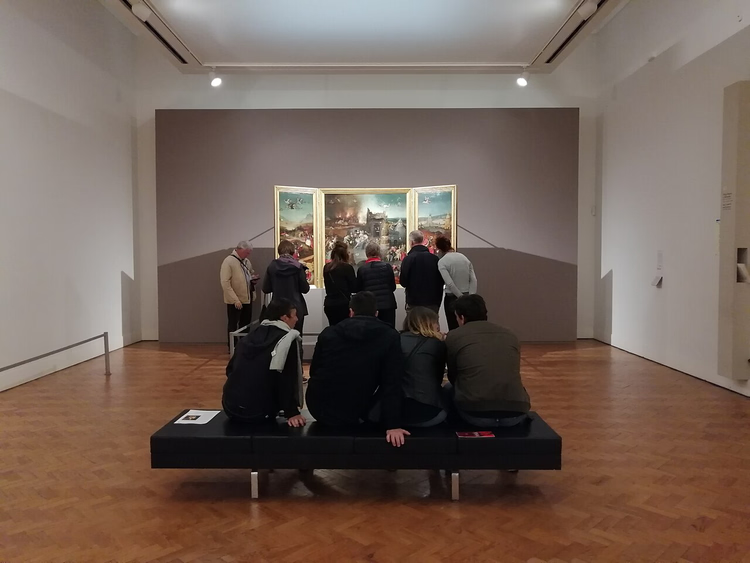
This is Portugal's largest art collection, spanning the 14th through the 19th centuries. Since the late 19th century, the core of the collection has been housed in the Monastery of Saint Francis, and a new building was later constructed for it on the site of the old convent. Across three floors of galleries, you'll find thousands of paintings, sculptures, antique furniture, ceramics, and jewelry.
The first floor is dedicated to European masters, the second to Asian and African art, and the third to Portuguese artists. The paintings include works by Dürer, Raphael, Velázquez, and Bosch. People come here specifically for Bosch's "Temptation of St. Anthony."
- Ticket: 15 € (as of 09/2026, entrance to the Museum of Ancient Art).
- Important: at the time of checking, the museum is marked as temporarily closed; check the opening date on the ticket page.
- Who it's for: those interested in the old masters.
6. National Tile Museum
 © Vitor Oliveira from Torres Vedras, PORTUGAL · CC BY-SAPhoto: Vitor Oliveira from Torres Vedras, PORTUGAL, CC BY-SA (https://creativecommons.org/licenses/by-sa/2.0), Wikimedia Commons
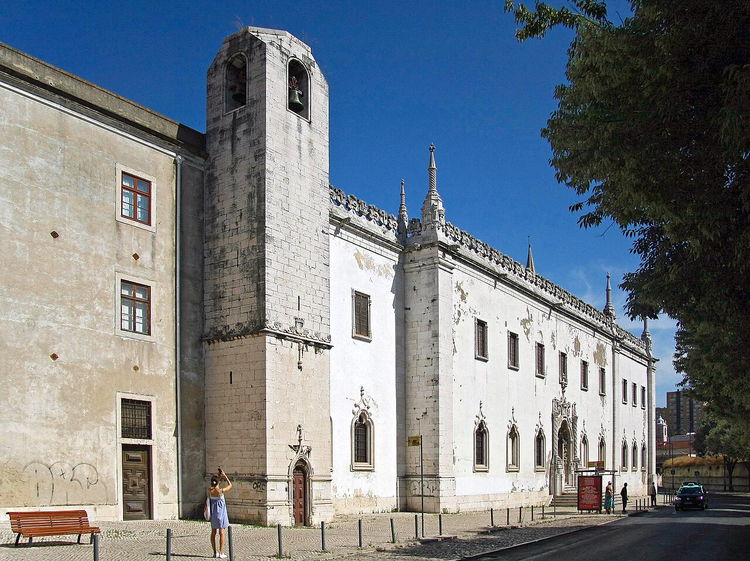
The word "azulejo" refers to the glazed ceramic tiles the Portuguese use to cover houses and churches. The art form came from Arab culture along with Moorish traditions, and the first exhibition was assembled in the chapel of the Monastery of the Mother of God. The earliest 15th-century panels imitated luxurious carpets and were made by Flemish craftsmen.
By the early 18th century, Lisbon had become a center of tile production. The museum houses a 16th-century altar decorated with tiles and a huge panel showing a panorama of the city before the earthquake. Tile-making workshops are also held here.
- Ticket: 10 €, but the museum is marked as temporarily closed (as of 09/2026, prices at the Tile Museum).
- Who it's for: those who want to understand Portugal's defining decorative motif.
7. Museum of the Orient
 © Joaomartinho63 · CC BY-SAPhoto: Joaomartinho63, CC BY-SA (https://creativecommons.org/licenses/by-sa/3.0), Wikimedia Commons
The collection tells the story of the Portuguese presence in the East. Paintings, masks, and textiles from China, Japan, Vietnam, Indonesia, and India occupy the former salt cod warehouse. One room is dedicated to the gods of Asia, another to colonial-era documents and antique jewelry.
The museum also runs a school of Asian culture, where visitors can learn about customs and cuisine. On the top floor there's a restaurant with a European and Asian menu, and near the entrance a café and gift shop. Many people come here just for lunch with a view of the Tagus.
- Hours: the museum is open daily except Monday; check the website for hours.
- Who it's for: those tired of European art who want a change of scenery.
8. National museum of contemporary art (Chiado museum)
 © Nan Palmero from San Antonio, TX, USA · CC BYPhoto: Nan Palmero from San Antonio, TX, USA, CC BY (https://creativecommons.org/licenses/by/2.0), Wikimedia Commons
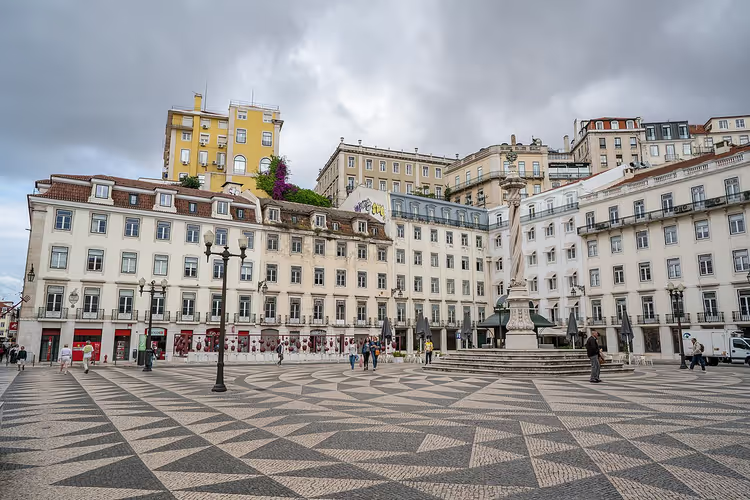
The museum occupies the buildings of a Franciscan monastery in the city's oldest district. Before that, the site had been home to a confectionery factory, an art academy, a library, and the National Gallery. A major renovation designed by architect Jean-Michel Wilmotte opened up the space for modern Portuguese painting.
The permanent collection spans the mid-19th to mid-20th centuries and brings together Romanticism, Modernism, Abstractionism, and Surrealism. For many years the institution was directed by the artist Columbano Bordalo Pinheiro, and his works are also on display here. Temporary exhibitions rotate and bring in artists from other countries.
- Ticket: 10 € (as of 09/2026, prices at the Chiado Museum).
- Who it's for: those who want to see 20th-century Portuguese art in one place.
9. MAAT Museum
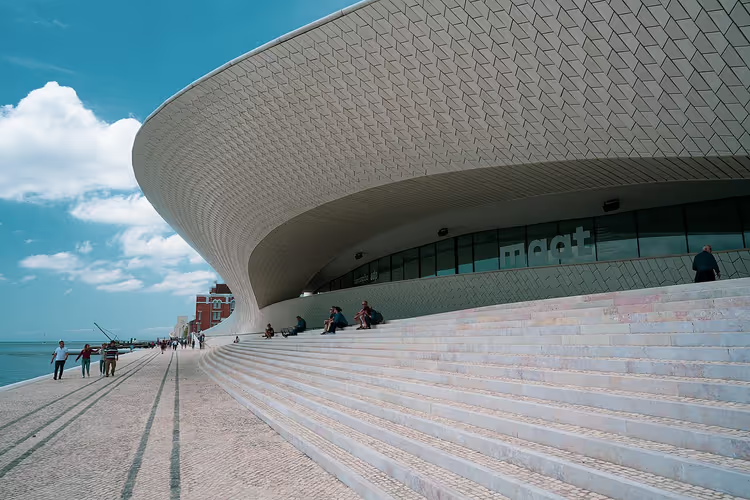 © Nan Palmero from San Antonio, TX, USA · CC BYPhoto: Nan Palmero from San Antonio, TX, USA, CC BY (https://creativecommons.org/licenses/by/2.0), Wikimedia Commons
The wave-shaped building on the Tagus waterfront is impossible to miss. Its roof overhangs the river, and you can walk across it. Inside, spacious, light-filled galleries await. Next to it stands the old power station, which is part of the same MAAT complex.
MAAT builds its program around the union of art and technology. Equipment from the old power station stands alongside devices from new developments, presented as works of art. Temporary exhibitions feature interactive projects, including ones from the world of robotics.
- Hours: the museum welcomes visitors from noon until evening, closed on Mondays; check the MAAT website for exact hours.
- Who it's for: those who come for architecture and contemporary art rather than the classics.
10. National Archaeology Museum
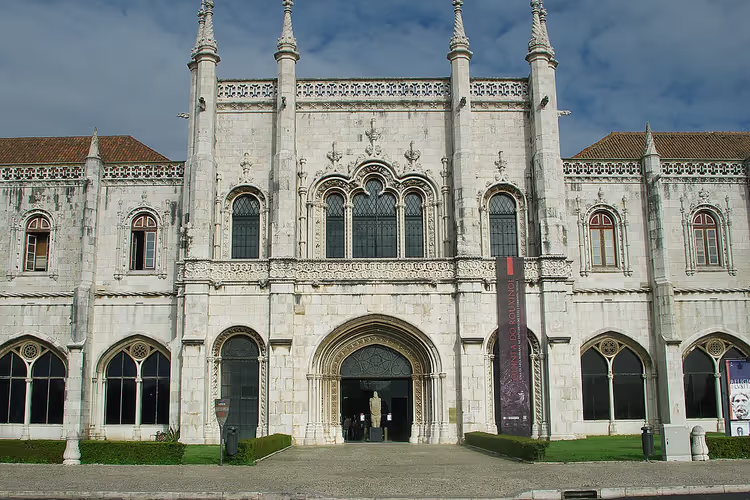 © Jose Luis Filpo Cabana · CC BYPhoto: Jose Luis Filpo Cabana, CC BY (https://creativecommons.org/licenses/by/3.0), Wikimedia Commons
The museum grew out of objects that passed to the state after the dissolution of the monasteries in the 1830s. The institution itself opened in the late 19th century in the Jerónimos Monastery. The exhibition traces the stages of life in Portugal: the Mesolithic, the Megalithic period, the Phoenicians, Greeks, Romans, and Arabs.
Separate rooms are dedicated to finds from Africa and Asia, numismatics, jewelry, and epigraphy. There is also ceramics, porcelain, textiles, silver, and medieval sculpture with nativity scenes.
On a guided tour, you'll learn how jewelry evolved from the Bronze Age to the Middle Ages. Furniture, porcelain, and silver round out the picture of daily life across different eras.
- Ticket: 15 €, but the museum is marked as temporarily closed (as of 09/2026, ticket list).
- Who it's for: for those who want to see the country's history layer by layer.
11. National museum of costume and fashion
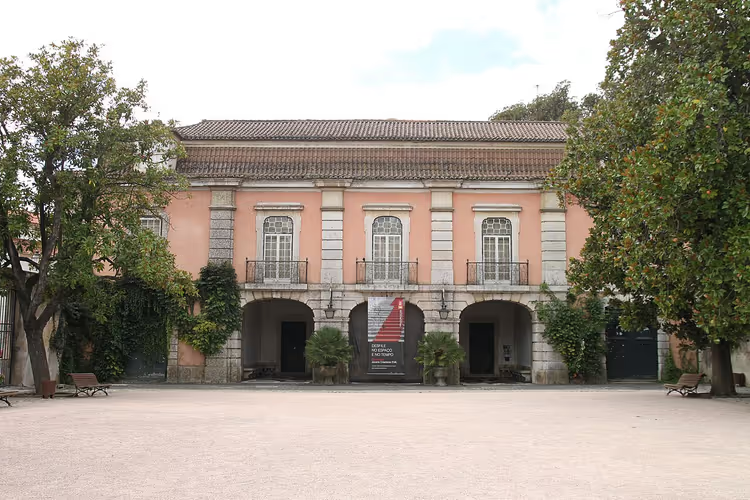 © João Carvalho · CC BY-SAPhoto: João Carvalho, CC BY-SA (https://creativecommons.org/licenses/by-sa/3.0), Wikimedia Commons
The museum occupies a historic building in a botanical park. The idea came about after an exhibition of the royal wardrobe, and the decision to create it was made in the late 1970s. Today it houses authentic costumes from the 17th to 21st centuries from various Western European countries: women's, men's, and children's.
The halls are divided by era. On the ground floor, the Rococo style features frames, lace jabots, and corsets, followed by Empire style with light muslin instead of brocade and velvet. Further on you'll see oddly shaped sleeves, the classic Chanel suit, sundresses, and 1980s disco. Underwear, accessories, and Victorian-era household textiles are displayed separately.
The museum grounds include a restaurant, a library, and a souvenir shop. Before visiting, check which halls are open: some exhibitions change by theme.
- Ticket: 5 €, but at the time of checking the museum was temporarily closed (as of 09/2026, rates).
- Who it's for: for those interested in fashion and costume history.
12. Water Museum
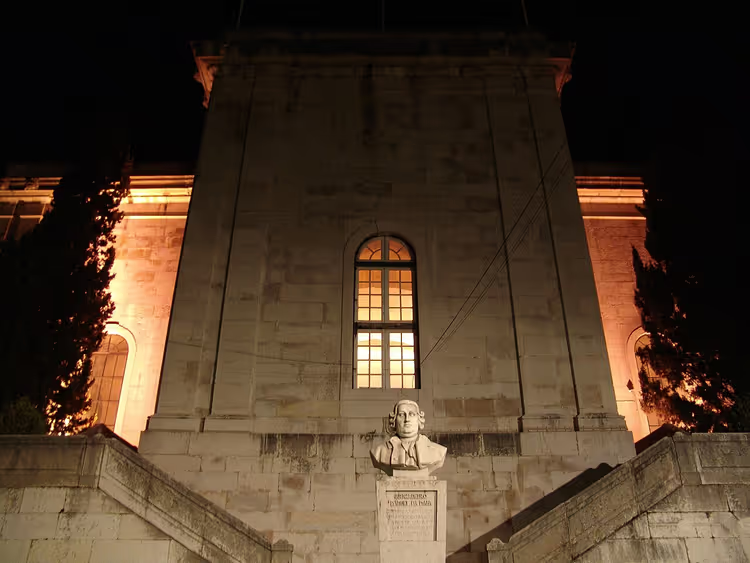 © Carlos Botelho · CC BY-SAPhoto: Carlos Botelho, CC BY-SA (https://creativecommons.org/licenses/by-sa/2.5), Wikimedia Commons
The museum is dedicated to water and everything needed to bring it into the city. It opened in the 1980s and received an award from the Council of Europe. The museum comprises four sites: an 18th-century aqueduct, two reservoirs, and a pumping station within the walls of an old monastery.
In the engine hall you'll see the first steam engines and pumps that drew water from the aqueduct. Some of the machinery is still in working order and is operated during lectures and tours. Separate models explain how water travels through underground galleries to reach Lisbon's thirty fountains.
- Hours: the museum welcomes visitors daily, during the day; check the EPAL website for times.
- Who it's for: for those interested in engineering, not just painting.
13. Archaeological museum in the Carmo convent
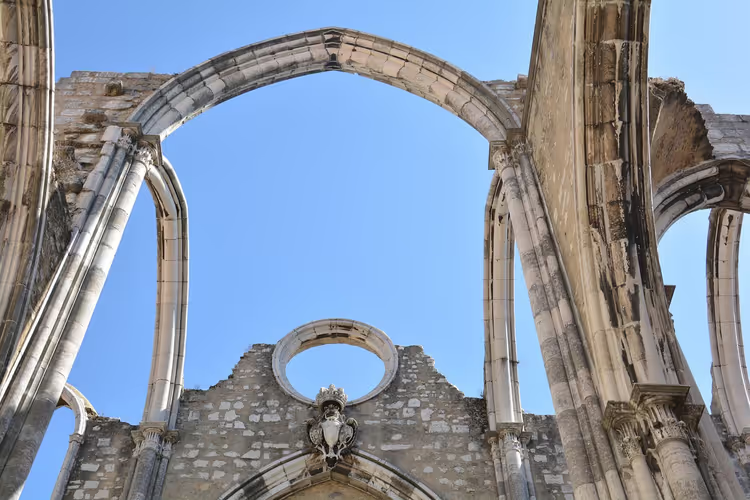
The first liturgy in the convent on the hilltop took place in the early 15th century. Gothic towers with pointed windows rose high, and the monastery grew a large library and housed the sarcophagus of Nuno Pereira, who bequeathed his fortune to the convent.
Everything changed in the mid-18th century: an earthquake destroyed almost all the buildings. In the 1860s, the surviving walls were handed over to the Association of Archaeologists, and finds have been accumulated here ever since. The entrance leads through the portal of the Gothic church, whose rose window is half destroyed. Beyond it you enter a courtyard with stone basins and coats of arms.
The enclosed part of the church houses prehistoric tools, azulejo pieces, stucco work and fountains, as well as unusual mummies from Peru and an Egyptian sarcophagus. You can reach the convent by the Santa Justa Lift.
A small cafe operates near the entrance, a convenient place to rest after your visit. Excavations of other old buildings are underway next to the convent and can be seen from the viewing area.
- Hours: the museum is open six days a week, closed on Sundays; the lift operates Monday through Saturday.
- Who it's for: for those who love ruins and unusual collections.
14. Casa-Museu Medeiros e Almeida
 © Redpill 87 · CC BY-SAPhoto: Redpill 87, CC BY-SA (https://creativecommons.org/licenses/by-sa/4.0), Wikimedia Commons
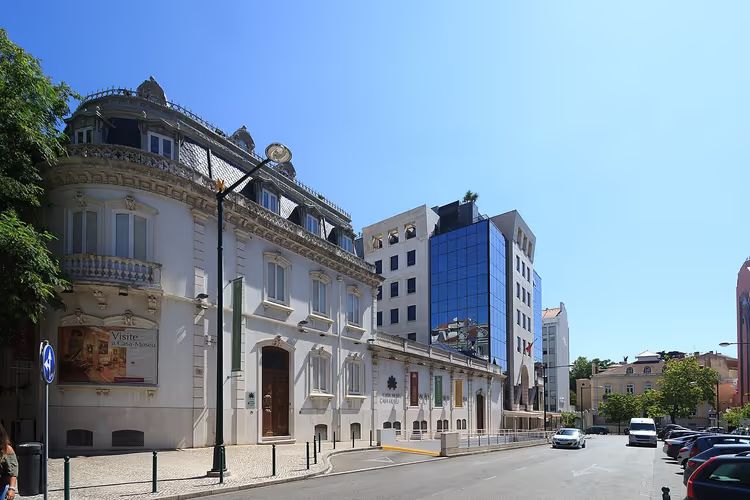
The home of collector António Medeiros e Almeida opened its rooms to the public in the early 1970s. Twenty-five rooms with unusual interiors are filled with paintings, sculpture, furniture, tapestries, and ceramics. There are also three permanent collections: clock models, Chinese porcelain, and silver by English and Portuguese masters.
A particular pride of the collection is its 18th-century fans. The building itself was constructed in the second half of the 17th century as a hunting estate, and later became a small palace with a park.
- Hours: the house is open in the afternoon on Saturdays, and Tuesday through Friday with a lunch break; closed Sunday and Monday.
- Who it's for: those who love private collections and lived-in interiors.
15. Banco de Portugal Money Museum
 © Joseolgon · CC BY-SAPhoto: Joseolgon, CC BY-SA (https://creativecommons.org/licenses/by-sa/4.0), Wikimedia Commons
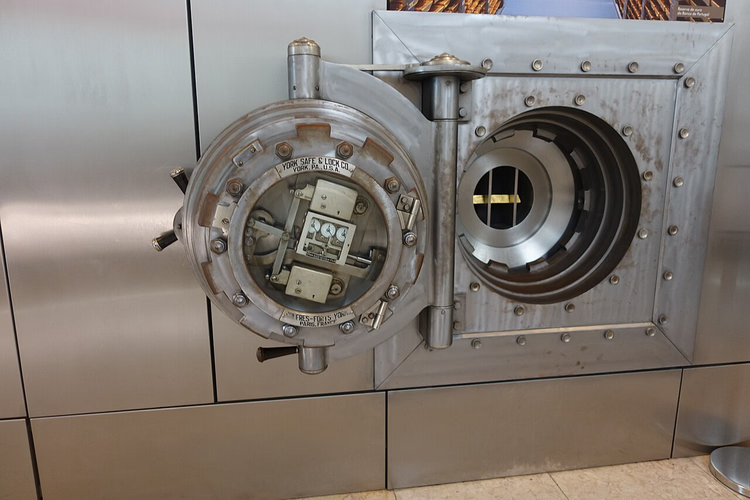
The museum occupies the Church of St. Julian, which the Bank of Portugal acquired in the 1930s. The Baroque interior was combined with modern design, and the numismatic collection is spread across four levels. Displays show ingots, coins, banknotes, and objects that served as money in ancient times.
The exhibition traces the history of money from the Age of Discovery to the present day. The main exhibition is called "Money of the Western Iberian Peninsula." Here they explain how Portuguese coins were issued under a pan-European program, with the mandatory "euro star" series logo. A gold ingot is displayed separately.
- Hours: the museum is open Wednesday through Saturday; closed Sunday, Monday, and Tuesday.
- Who it's for: those who visit museums for unusual subjects.
16. Museu de Lisboa (Palácio Pimenta)
The main building of the city museum occupies an 18th-century palace in Campo Grande Park. The collections are arranged chronologically and tell the story of Lisbon over several centuries. There are more than a thousand paintings of various genres, sculpture, ceramics, and archaeological finds, the oldest of which date back to the Stone Age.
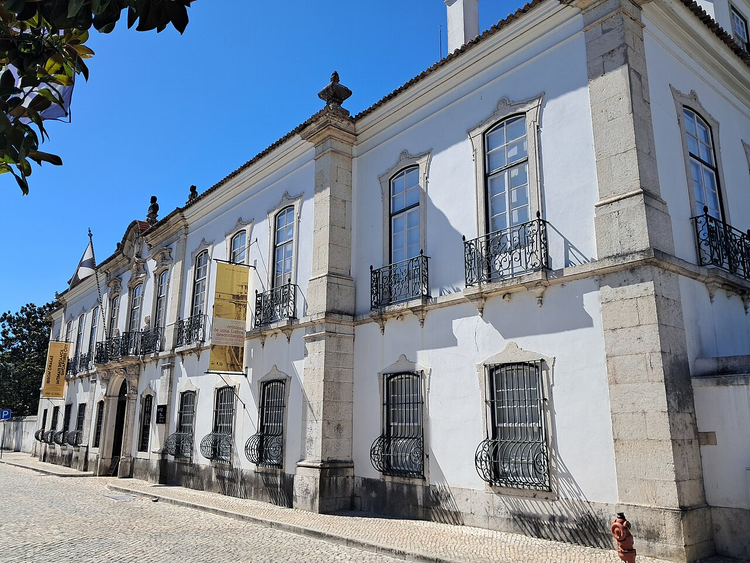
A separate exhibit is a grand model of the city before the earthquake. Part of the collection is dedicated to azulejos and panels with the faces of saints; this collection is considered the largest in the country. The Black and White pavilions were built for temporary exhibitions, and ancient statues stand in the garden.
Another exhibition is dedicated to epigraphy: inscriptions on stone and metal. The collections span from the Paleolithic to the present day and were assembled over several centuries.
- Hours: the museum is open Tuesday through Sunday, closed Monday.
- Who it's for: those who want to understand the city before walking through it.
17. Museu Bordalo Pinheiro
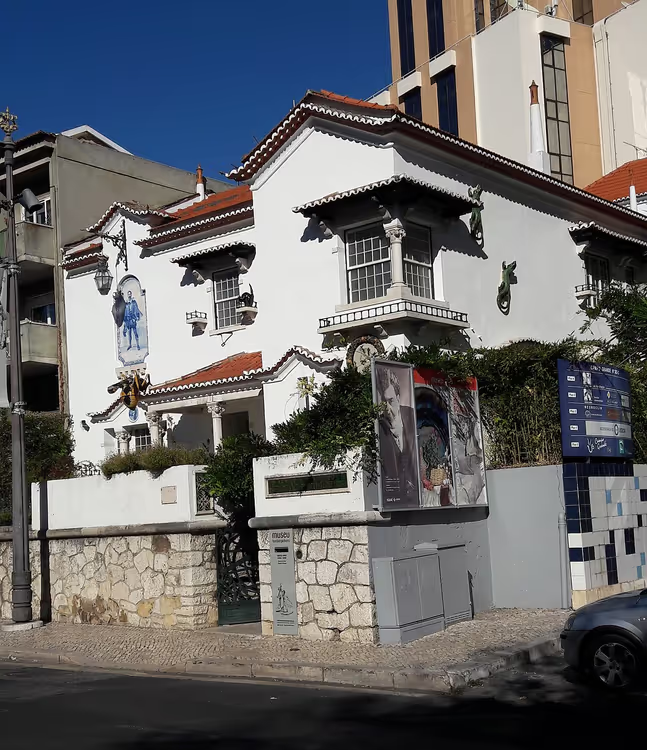 © Hipersyl · CC BY-SAPhoto: Hipersyl, CC BY-SA (https://creativecommons.org/licenses/by-sa/4.0), Wikimedia Commons
Rafael Bordalo Pinheiro was a caricaturist and ceramicist whose work is known to almost everyone in Portugal. The villa with the museum stands opposite the Campo Grande palace. The garden displays porcelain snakes, lizards, toads, and mushrooms that the artist made to look lifelike.
Pinheiro drew for a humor magazine and worked for a London newspaper, and in the second half of the 19th century he opened a faience factory that became one of the most prestigious in Europe. Its products still carry the Bordalo Pinheiro mark to this day. The museum's calling card is "Zé Povinho," a caricature of the little man from the provinces.
Today almost all of the artist's works are gathered here: ceramics, sketches, photographs, publications, and paintings.
- Hours: the garden and museum are open six days a week; check the museum's website for the schedule.
- Who it's for: those who want to see Portugal with humor.
18. Museu de Lisboa (Teatro Romano)
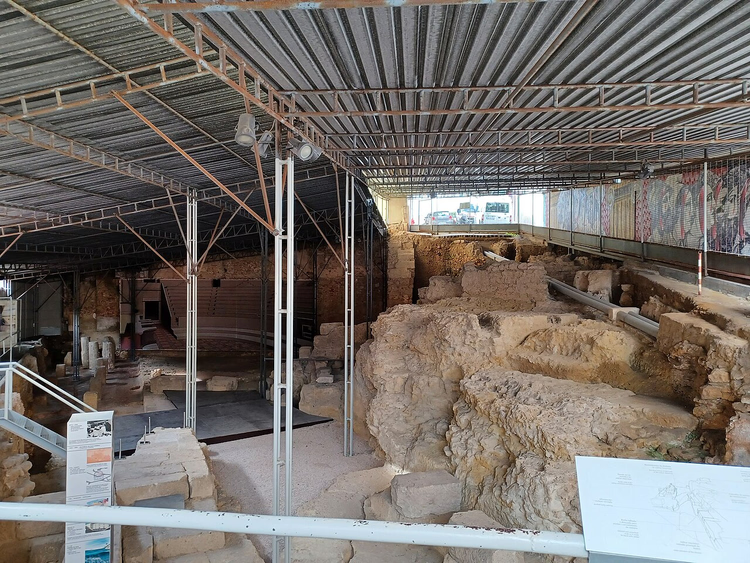 © Simon Burchell · CC BY-SAPhoto: Simon Burchell, CC BY-SA (https://creativecommons.org/licenses/by-sa/4.0), Wikimedia Commons
Two thousand years ago, Lisbon was called Olisipo and was part of the Roman Empire. By the first half of the 1st century, a large theater capable of seating thousands of spectators was already operating here. The ruins were uncovered after the earthquake in the mid-18th century, and excavations began in the 1960s.
Archaeologists restored the stands, the stage, the orchestra area, a section of pink marble flooring, and fragments of mosaics. A new building was erected over the ruins to house the finds. The exhibition on the history of the theater is located in the neighboring 18th-century palace that belonged to the city's bishops.
- Hours: the museum welcomes visitors Tuesday through Sunday, with a lunch break; closed Monday.
- Who it's for: those who love Roman history without the crowds.
19. Museu da Electricidade
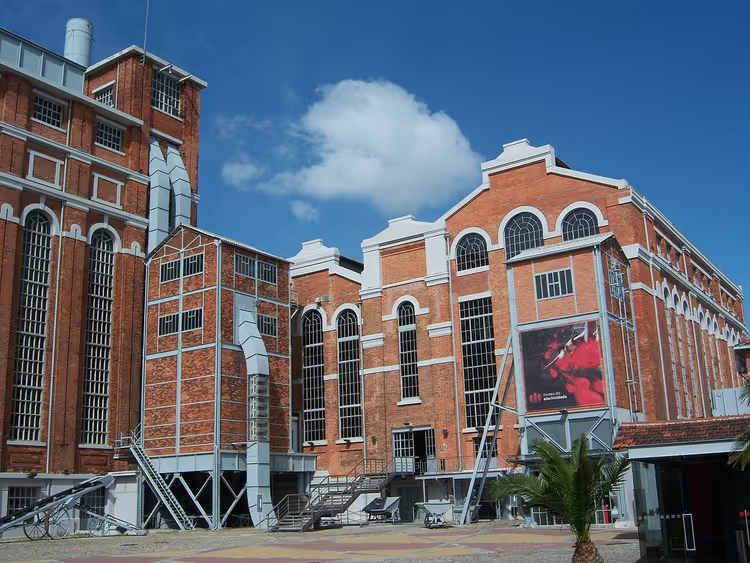 © Elmf · CC BYPhoto: Elmf, CC BY (https://creativecommons.org/licenses/by/2.5), Wikimedia Commons
Children have loved this place for decades: it has interactive displays that you can turn and operate. The exhibition occupies the building of an old thermal power plant in the Belém district, whose machinery is still in working order. Today the plant is part of the MAAT complex along with the new wave-shaped building. Diagrams, documents, and educational materials explain how electricity is generated.
The building itself is considered a monument of industrial architecture. Today it is a cultural center: concerts, conferences, and festivals are held here, including a month of science and the Solar Rally.
- Hours: the museum is open Tuesday through Sunday, closed Monday.
- Who it's for: families with children who like to touch exhibits with their hands.
20. Museu Nacional de História Natural e da Ciência
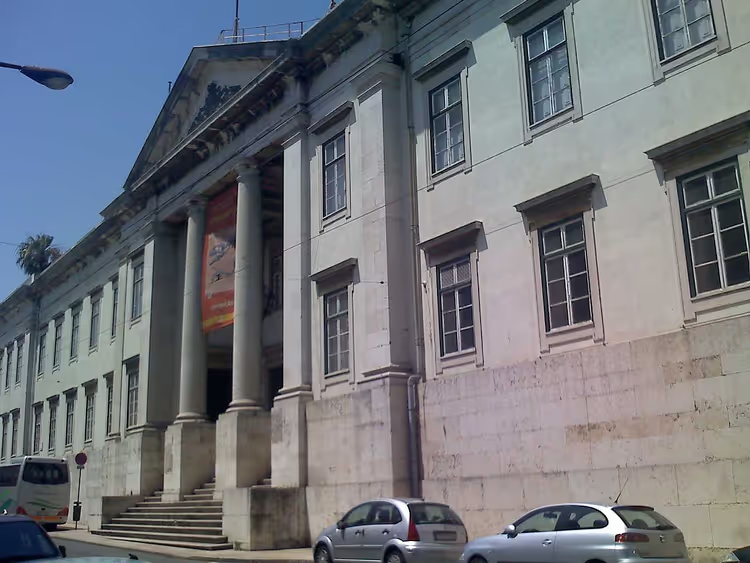 © Jsobral · CC BY-SAPhoto: Jsobral, CC BY-SA (https://creativecommons.org/licenses/by-sa/3.0), Wikimedia Commons
The museum brought together several Lisbon collections and opened as a single complex at the beginning of the 21st century. The collection was built over two and a half centuries, and today it appeals to people of all ages. In one of the halls you'll meet animals that lived on the planet in different eras.
Life-size dinosaurs, fossils, and ancient fish are a particular thrill for children. Astronomy lovers can visit the planetarium, and the botanical garden has been granted national monument status. A separate collection features butterflies, and the garden is home to a dracaena that is more than four hundred years old. Around seventeen hundred human skeletons are also kept here.
- Hours: the museum is open daily except Monday, during the day.
- Who it's for: families and those interested in science.
Airport transfer and car rental
Lisbon's Portela Airport is within the city limits, but with suitcases it's more convenient to get to your hotel by car. Airport transfers are booked in advance, and the driver meets you in the arrivals hall: Lisbon airport transfer.
Within the city, a car is more of a hindrance: the center is dense and parking is paid. You can reach the Belém museums by tram and Campo Grande by metro.
Lisbon museums on the map
Many museums are close to each other, so the city is easy to divide into clusters: Belém, Chiado, and Campo Grande. Open the map and plan a route around your area.
Museums of Lisbon
Places on the map
- 1Castelo de São Jorge Hilltop fortress, panoramic city views and a garden with peacocks
- 2Calouste Gulbenkian Museum Private collection of an oil magnate, Rembrandt and Monet
- 3Maritime Museum Maps, ship models, a frigate moored on the Tagus
- 4National Coach Museum Royal carriages in an 18th-century riding hall
- 5National Museum of Ancient Art Portugal's largest collection of art from the 14th-19th centuries
- 6National Tile Museum Portuguese ceramic tiles, a panel showing the panorama before the earthquake
- 7Museu do Oriente Asian art from the colonies, restaurant with a view of the Tagus
- 8Museu do Chiado Portuguese art from Romanticism to Surrealism
- 9MAAT Wave-shaped building on the waterfront, art and technology
- 10National Archaeology Museum Finds from the Jeronimos Monastery, Mesolithic to medieval
- 11National Museum of Costume and Fashion Original costumes from the 17th-21st centuries in a botanical park
- 12Water Museum 18th-century aqueduct, steam engines and pumps
- 13Carmo Archaeological Museum Gothic ruins after the earthquake, mummies from Peru
- 14Casa-Museu Medeiros e Almeida 25 rooms, clocks, porcelain and 18th-century fans
- 15Money Museum Numismatic collection in the Church of St Julian
- 16Museu de Lisboa (Palácio Pimenta) 18th-century palace, a model of the city before the earthquake
- 17Museu Bordalo Pinheiro Ceramics by the caricaturist, garden with porcelain figures
- 18Museu de Lisboa (Teatro Romano) Ruins of a 1st-century Roman theatre beneath the city
- 19Museu da Electricidade Former thermoelectric power station in Belem, interactive displays
- 20Museu Nacional de História Natural e da Ciência Dinosaurs, a planetarium and a dragon tree over 400 years old
⁉️🤔 Frequently asked questions
Are Lisbon museums open on Monday?
Almost all are closed. Monday is a day off for the Coach Museum, the Azulejo Museum, Chiado, MAAT, Museu de Lisboa, and the Electricity Museum. There are few exceptions: St. George's Castle and the Water Museum are open seven days a week. So dedicate Monday to walking around the city and save the museums for Tuesday.
How much does a museum ticket in Lisbon cost?
National museums keep a shared price list: from €5 to €15 per adult (as of 09/2026, general rates). Children under 12 enter free, and visitors aged 13 to 24 and over 65 get a discount. St. George's Castle costs more: €17 per adult.
What to do if a museum is temporarily closed?
Check the Museus e Monumentos ticket page. Museums are marked there as temporarily closed, and four in our selection have that status. If your museum is closed, pick an alternative in the same area: instead of the Azulejo Museum, the Water Museum works well. Check the official website for the reopening date.
Can you visit all twenty museums in one day?
Physically, no. The museums are spread across the city, and each one takes from one to three hours. A realistic plan is two or three museums a day, grouped by area: Belém, Chiado, and Campo Grande. Leave the rest for your next visit.
Which museum should you start with when getting to know Lisbon?
Start with St. George's Castle: it gives you a panorama of the city and a clear sense of its history. Then head to the Museu de Lisboa in Campo Grande to see the city before the earthquake. Third, make it the Calouste Gulbenkian Museum for the strongest collection.
Tickets and car rental: where to book
Waiting in line at the ticket office eats up time, so get tickets to popular museums in advance. Some tickets are sold with a time slot for a specific hour, and then you go in without waiting. Below are tickets to museums and the main Lisbon attractions.
Tours and tickets in Lisbon
Guided tours, skip-the-line tickets and activities — most offers can be cancelled free of charge.
See offers on TiqetsThe widget loads once you give your consent.
If you're planning trips around the country, compare car rental options: the form below will pull up offers by date.
Find hotels
Compare prices across booking sites and filter for rooms with free cancellation.
Compare prices on Discover CarsThe widget loads once you give your consent.
In short: what's worth booking
You can't cover twenty museums in one trip, so pick based on your interests. If the view matters most, go for St. George's Castle. If it's the collection, put the Calouste Gulbenkian Museum first. If you're with kids, choose MAAT or the Natural History Museum, where you can touch the exhibits.
If you're short on time: St. George's Castle and Gulbenkian in one day. If you love art: the Chiado Museum, while the National Museum of Ancient Art is temporarily closed. If you're with kids: MAAT, the Water Museum, and Museu Nacional de História Natural e da Ciência.
Get Lisbon museum tickets in advance on Tiqets, check out city tours on GetYourGuide, and hotels in the center on Trip.com.

A small editorial team writing guides for independent travel. We travel ourselves, but we haven’t been everywhere, so we check prices, opening hours and how to get there against official sources.