
















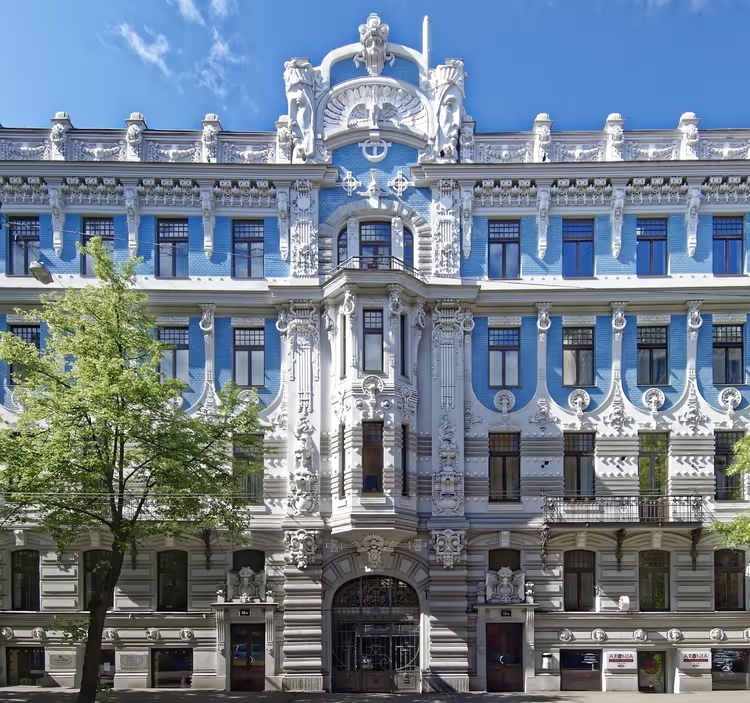
One day in Jurmala: walking route through Majori, Jomas and Dzintari
Jurmala begins with the smell of pine trees. The train is still passing through the suburbs of Riga, and then the air changes abruptly, and you realize you have arrived at a resort. The city stretches in a narrow strip along the Gulf of Riga, between pine parks and a wide sandy shore. In one day you can realistically see the main sights: the beach and the promenade, the sculptures in Majori, the wooden private housing area, Jomas Street, Dzintari Park with its observation tower, and the city museum with free admission.
A vehicle entry pass for the special zone of Jurmala must be obtained by the end of the day of entry (as of 09/2026, entry rules on the official website). By train and on foot, you only pay for the ticket.
Ad: this article contains affiliate links, we earn a commission if you book through them, at no extra cost to you.
How to get from Riga to Jurmala
💡 In short:
- The Vivi train runs from Riga Central Station to Majori station, taking about half an hour (train schedule).
- The interval between trains is short, trains run frequently, including on weekends.
- If driving, factor in the paid entry fee of €5 per day (as of 09/2026, pass cost).
- Prices and opening hours: 09/2026, verified on the official tourist office website
The most convenient way is to take the Vivi train, formerly operated by Pasažieru vilciens. The train departs from Riga Central Station and stops at Majori and Dzintari (as of 09/2026, Vivi carrier website). A suburban train ticket costs a few euros, you don't need a car, and traffic jams won't slow you down. The bus also runs, but it takes longer and during rush hour sits in the same traffic. By car you'll get there faster, just pay for entry to the special zone in advance.
If you're flying into Riga and heading straight to the sea, it's more pleasant to take a transfer with your luggage. RIX Airport is located away from the resort, and the train with a connection takes a long time.
Tours and tickets in Jurmala
Guided tours, skip-the-line tickets and activities — most offers can be cancelled free of charge.
See offers on KiwitaxiThe widget loads once you give your consent.
In Majori you step out right at the start of Jomas Street. From there, the entire route is walkable, with short distances between the beach, the park, and the museum.
Beach and promenade in Majori
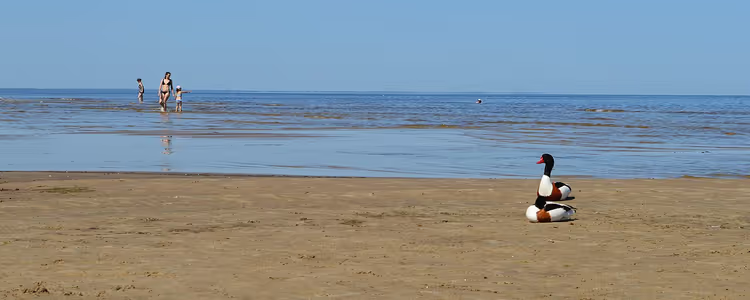
You can reach the sea from anywhere in Majori. Pine parks separate the beach from the houses, and the noise of the city stays behind. The Baltic coast here is wide, with fine light sand and a long promenade. Locals walk along the water even in February, although the wind is cold. In summer, cafes and restaurants line the shore, while in winter the promenade is almost empty. You only have one day, so take the morning: before 11:00 the beach is free, and the light is soft for photos.
 © Scotch Mist · CC BY-SAPhoto: Scotch Mist, CC BY-SA (https://creativecommons.org/licenses/by-sa/4.0), Wikimedia Commons
JURMALA sculptures and the turtle in Majori
Next to Majori Beach there are two selfie spots. The bronze turtle Bruņurupucis by sculptor J. Bārda symbolizes longevity (as of 09/2026, sculpture page on the tourism office website). The sculpture is accessible around the clock. A bit further on stands the large JURMALA sign, where every visitor takes a photo. After a good walk along the shore, look back at the Dzintari Concert Hall: in person it looks more compact than on posters.
Majori residential area: wooden Art Nouveau and villas
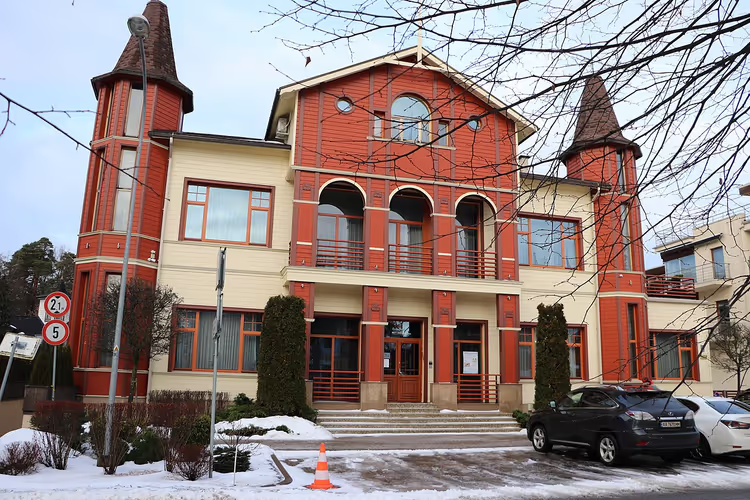
As you continue exploring Jurmala, take a look at the residential part of Majori. The houses here were built in a range of styles, from classicism to neo-Gothic. You will also see modern cottages and apartment buildings. The wooden architecture is especially interesting, with Jugendstil, national romanticism, historicism and functionalism sitting side by side.
While walking around, it is clear that well-off people live in Jurmala: well-kept villas, neat gardens, expensive cars in the driveways.
 © Dmitrijs Purgalvis · CC BYPhoto: Dmitrijs Purgalvis, CC BY (https://creativecommons.org/licenses/by/3.0), Wikimedia Commons
This is where you will understand why people buy a house by the sea in this place. There is a sense of calm and an unhurried pace of life here. You can simply look at the pines, walk along the beach, ride a bike along the shore. And in the evening you can step out to the sea to watch the sunset. The pine and sea air stays with you for a long time.
Jomas Street and the Jurmala globe
You have had your fill of pine air, now head to where the people are. Jomas Street is the main pedestrian street and runs from the beach toward the center of Majori. On both sides you will find cafes, restaurants, shops and souvenir stalls. The pedestrian zone is short; an hour is enough for a stroll with stops. At the end of the street stands the Jurmala globe: despite its bulk, it spins easily like a real globe. Give it a turn and find Riga. In summer it is lively here, in winter it is quiet, but the cafes stay open all year round.
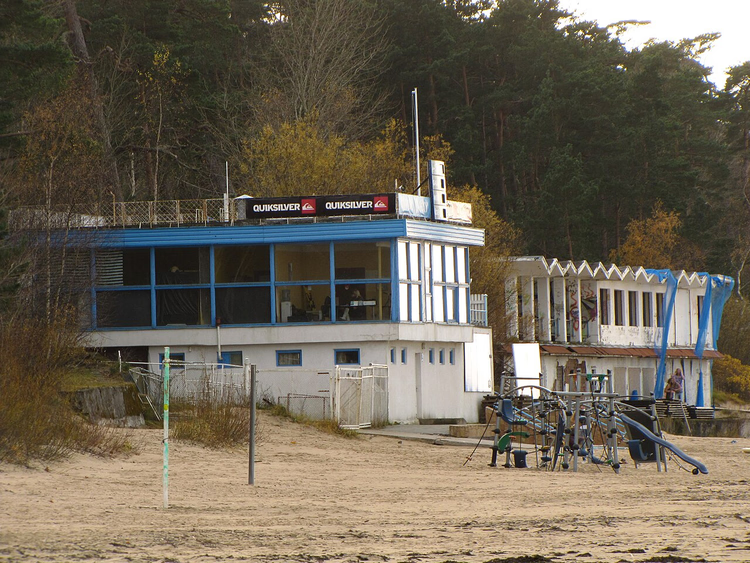 © Dmitrijs Purgalvis · CC BYPhoto: Dmitrijs Purgalvis, CC BY (https://creativecommons.org/licenses/by/3.0), Wikimedia Commons
Dzintari Park and the observation tower
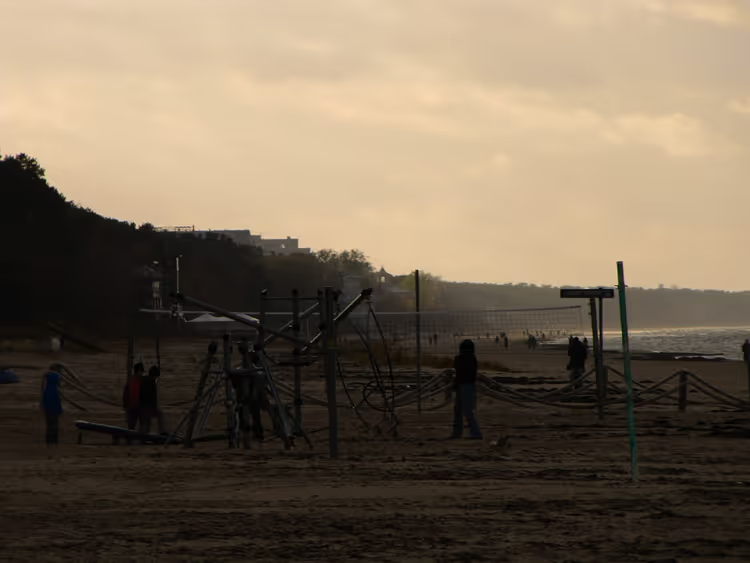
The route then leads to Dzintari Park. In summer there is a skate park and sports grounds; in winter a cross-country ski trail is set up. A simple walk along the pine alleys is also pleasant. Climb the observation tower: it is free every day from 9:00 to 22:00, and the viewing platform sits at a height of 33.5 meters (as of 09/2026, observation tower page). From the top you can see both the sea and the outlines of Riga's outskirts. At the top the structure sways slightly, and that is the architect's intention, not a defect. For those afraid of heights, the climb is tough.
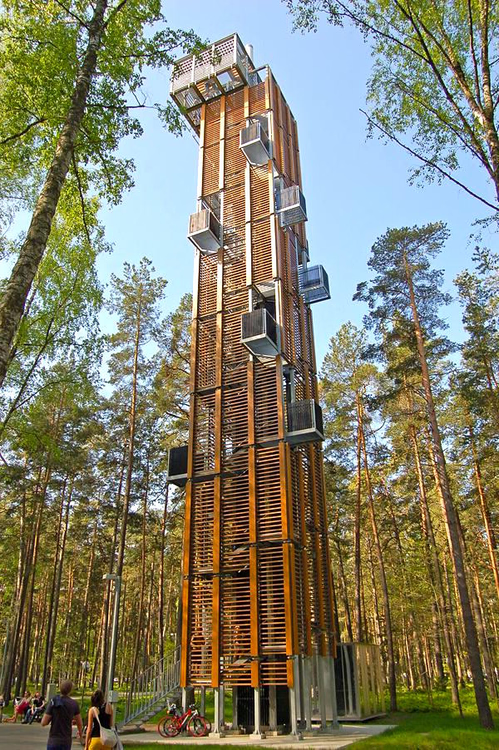 © Raul Cortez999 · CC BY-SAPhoto: Raul Cortez999, CC BY-SA (https://creativecommons.org/licenses/by-sa/4.0), Wikimedia Commons
Jurmala Museum: free admission
If you have time left, stop by the Jurmala Museum. Admission is free (as of 09/2026, Jurmala Museum page). The exhibition tells how the city developed from the early 19th century to the present day. The displays are unconventional: they include a collection of swimsuits, old postcards and finds recovered from the seabed. The museum occupies a converted building in Majori, near Jomas Street.
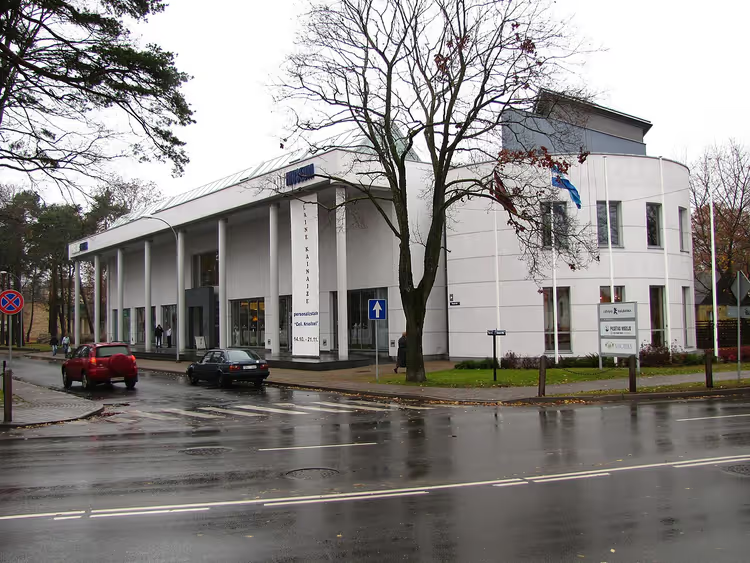 © Dmitrijs Purgalvis · CC BYPhoto: Dmitrijs Purgalvis, CC BY (https://creativecommons.org/licenses/by/3.0), Wikimedia Commons
⁉️🤔 Frequently asked questions
What can you fit into one day in Jurmala?
Start with the beach and the promenade in Majori, then walk along Jomas Street, climb the observation tower in Dzintari Park and finish at the city museum. This route can be done on foot and does not require a car. Leave time for lunch at a cafe on Jomas Street. The return train to Riga runs at short intervals, so you will not get stuck at the station.
Do you need a car in Jurmala?
No, the whole route through Majori and Dzintari can be done on foot. The train from Riga brings you right to the start of Jomas Street. A car is only needed for outlying areas like Ķemeri.
When is the best time to visit Jurmala?
The swimming season is short: the warmest period falls in July and August. The promenade and parks are good from May to September, and the pine air is appreciated all year round. In winter a cross-country ski trail opens in Dzintari Park. If you want quiet, pick a weekday outside school holidays.
How much does it cost to enter the beach and the park?
The beach in Jurmala is free, as is the promenade along the shore. Climbing the observation tower in Dzintari Park is also free; the platform is open until 22:00 (as of 09/2026, tower opening hours). You only have to pay to drive into the special zone, currently €5 per day (as of 09/2026, entry fees). The train ticket from Riga is purchased separately.
What to see with kids?
Kids will enjoy the wide beach, the observation tower, and the skate park in summer. Dzintari Park has sports areas, and a ski trail operates in winter. The city museum hosts exhibitions and workshops for children (as of 09/2026, museum program).
In short: what to book
Jurmala is well suited for a day trip from Riga. If you are short on time, take the train, stroll through Majori and Dzintari, and head back to the capital for the night. If you want to stay by the sea, book a hotel in advance, as rooms are scarce in summer. The beach, the promenade, and Dzintari Park are free.
Plan ahead so you do not waste a day on the spot:
- If you are traveling without a car: hotels in Jurmala on Trip.com.
- If you want a guided tour: tours in Riga and Jurmala on GetYourGuide.
- If you are flying to Riga: flights on Kiwi.com.

A small editorial team writing guides for independent travel. We travel ourselves, but we haven’t been everywhere, so we check prices, opening hours and how to get there against official sources.