
















25 Best museums in Stockholm: what to see first
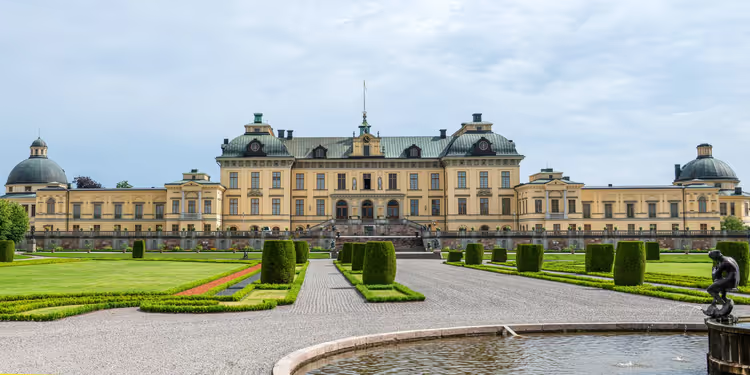
Stockholm spreads across islands, and its museums stand in tight clusters. You won't cover even half the list in one day, but you can easily burn the whole day just traveling between locations. We've organized Stockholm's museums by district: what to see at each one, how it differs from its neighbors on the list, and how to link them into a two-day route. Many collections are concentrated on Djurgården, while others sit in the city center and the Old Town. Several museums are located in Gärdet and on the island of Lidingö.
Ad: this article contains affiliate links, we earn a commission if you book through them, at no extra cost to you.
Stockholm museums: where to start
Stockholm's museums are conveniently divided by district: the island of Djurgården, the center with the Old Town, Gärdet, and Lidingö. Djurgården is the museum island, where Vasamuseet, Skansen, and Nordiska museet stand side by side. You can get there by tram from the center in just a few minutes. In the center, the Royal Palace, Moderna Museet, and the museums around the Old Town await. Tekniska museet, Sjöhistoriska museet, and Polismuseet are in Gärdet, while Millesgården is on Lidingö. This order saves time on travel and energy.
💡 In short:
- Plan two days: the first on Djurgården, the second in the city center.
- Start the day with Vasamuseet: the ticket line is shorter at opening.
- Check opening hours before heading out, some museums have short days.
- Prices and hours: as of 09/2026, verified on the official Vasamuseet website.
Museum | What to see | Format |
|---|---|---|
Royal Palace | State rooms and the Treasury | working residence |
Vasamuseet | The Vasa ship in full | maritime history |
Skansen | Historic houses and crafts | open-air museum |
Nordiska museet | Scandinavian life and culture | ethnography |
Moderna Museet | 20th-century avant-garde | modern art |
Historiska museet | The Gold Room and the Vikings | archaeology |
ABBA The Museum | The band's stage and studio | interactive |
Junibacken | Children's book characters | for families with kids |
Tekniska museet | Technology and inventions | interactive |
Armémuseum | Sweden's military history | mannequins and archive |
1. Royal Palace
 © Jorge Láscar from Melbourne, Australia · CC BYPhoto: Jorge Láscar from Melbourne, Australia, CC BY (https://creativecommons.org/licenses/by/2.0), Wikimedia Commons
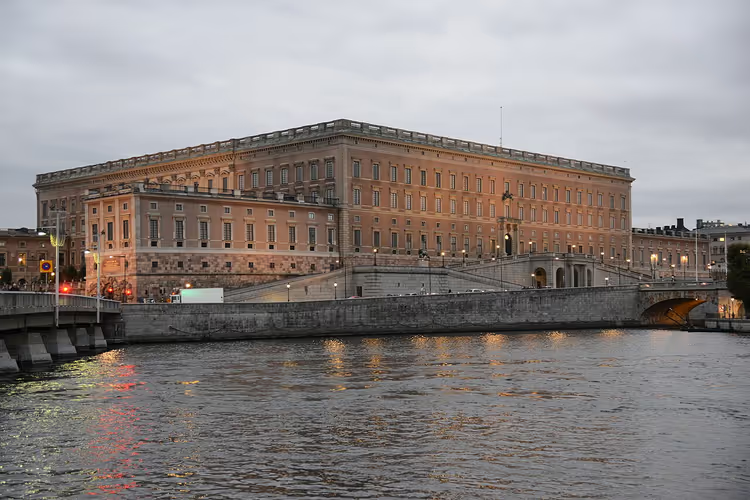
The Royal Palace (Kungliga slottet) occupies the island of Stadsholmen in the very center of Stockholm. It is the working residence of the Swedish monarchs, where receptions and diplomatic meetings take place. On weekdays the palace is open to visitors, so you can walk through the state rooms on an ordinary day. The building is square with an inner courtyard, and the walls are made of brick and sandstone.
The facades are decorated with stucco, sculptures, medallions, arches, and columns. Inside, you'll find halls with frescoes, tapestries, and crystal chandeliers. The Treasury holds crowns, scepters, mantles, and rods, and the stones in the crowns sparkle in the display cases. The armory with armor, weapons, and royal carriages is worth seeing separately.
The bedrooms and studies are furnished with antique carved furniture. The everyday and ceremonial outfits of the kings are displayed alongside weapons and uniforms. Each hall tells the story of its own period in the country's history.
- What to see: the Treasury, state rooms, and the armory.
- Who it's for: those who want to see a working residence from the inside.
- The catch: on ceremony days, some halls are closed to tourists.
2. Livrustkammaren
 © Hanay · CC BY-SAPhoto: Hanay, CC BY-SA (https://creativecommons.org/licenses/by-sa/3.0), Wikimedia Commons
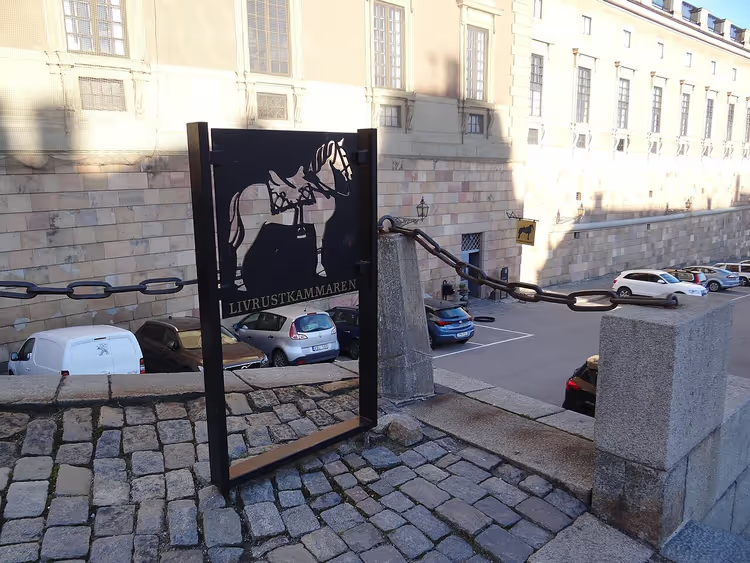
Livrustkammaren is the palace armory, and its collection occupies the basement halls of the residence. It displays knights' armor, weapons, carriages, masquerade costumes, jewelry, and royal attire. All the finds are tied to the country's military successes and the life of the royal court.
A separate part of the collection is devoted to fashion. Through the gowns of princesses and kings, you can trace how costume changed over five centuries. The armory holds the clothing monarchs wore at coronations and weddings. Among the exhibits is the authentic masquerade costume of Gustav III with a bullet hole.
Ancient swords and shields, banners, military uniforms, helmets, and firearms from the 16th to 18th centuries fill several halls. In one room stand carriages decorated with carving, gold, and precious stones.
- What to see: Gustav III's masquerade costume and the royal carriages.
- Tip: start with this hall if you came to the palace for the weapons.
3. Tre Kronor
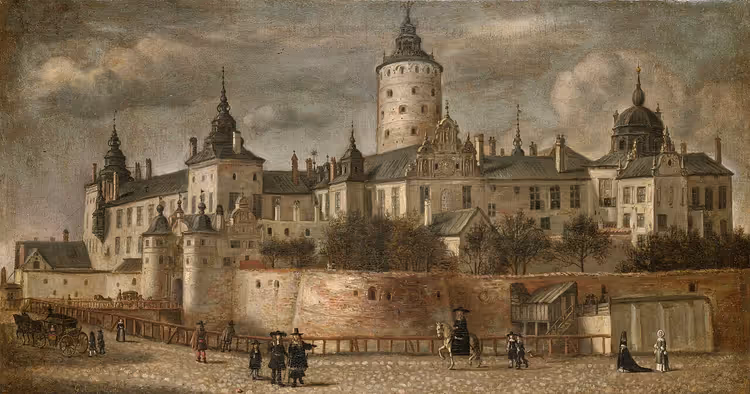
Tre Kronor is located in the basement of the palace's north wing. The exhibition tells the story of the medieval castle that stood on this site before the fire. It shows models of the fortress, which was repeatedly expanded and rebuilt. A bright standard with three crowns is fixed to the spire of the model of the old castle.
The drawings reflect the stages of the fortress's construction. Among the finds, the fragments of a defensive wall several meters thick, stone ornaments, medieval weapons, and paintings are especially interesting. The halls display items rescued from the fire of the late 17th century: dishes, caskets, furniture, amber goblets, and clothing.
- What to see: the castle model and the objects that survived the fire.
- The catch: the halls are in the basement, with no windows, and the street entrance is easy to miss.
4. Vasamuseet
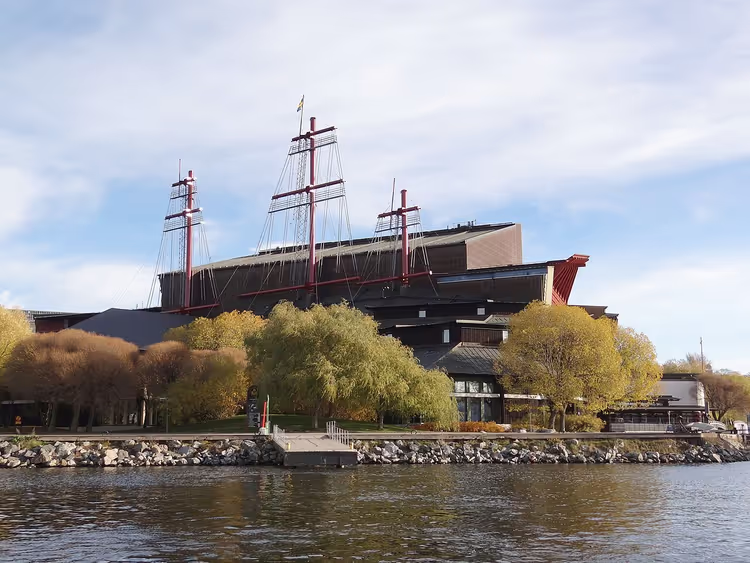 © Hanay · CC BY-SAPhoto: Hanay, CC BY-SA (https://creativecommons.org/licenses/by-sa/3.0), Wikimedia Commons
Vasamuseet is dedicated to the warship Vasa, which sank on its maiden voyage nearly four centuries ago. The ship went down right in the harbor, unable to withstand a gust of wind. More than three centuries later, the ship was raised, restored, and placed in the museum. Today it is one of Djurgården's main attractions.
A multi-story building was constructed around the hull, so you can see the ship in full from different levels. The wood has survived in its original condition: the cold, low-salinity Baltic Sea kept microorganisms from destroying it. The hull is decorated with carved and gilded sculptures, including dozens of lion figures.
Behind the display cases lie tools, sailors' personal belongings, cannons, dishes, shoes, and coins. The ticket costs 195 SEK in the off-season and 230 SEK in summer, and admission is free for children under eighteen (as of 09/2026, Vasamuseet). The museum is open daily year-round.
- What to see: the ship's hull and the carved stern.
- Tip: get Vasamuseet tickets in advance, the ticket offices are overwhelmed in summer.
- The catch: in July there are many tour groups at the entrance.
5. Medeltidsmuseet
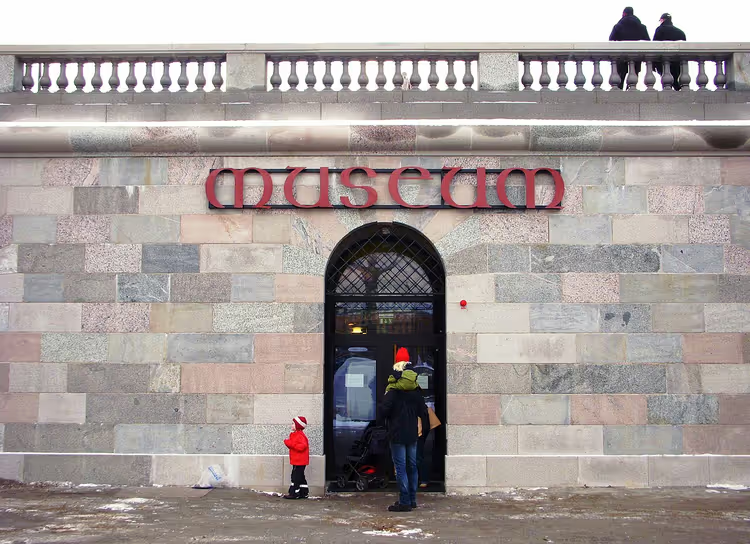 © User:Holger.Ellgaard · CC BY-SAPhoto: User:Holger.Ellgaard, CC BY-SA (https://creativecommons.org/licenses/by-sa/3.0), Wikimedia Commons
Medeltidsmuseet is located under the Norrbro bridge, between the Royal Palace and the Opera House. It's an archaeological center with finds from medieval Stockholm. The underground halls are dimly lit, which heightens the feeling of being in another time. The exhibition shows the daily life and living conditions of city residents in past centuries.
Here you'll see fragments of old structures, city models, stone artifacts, tools, tableware, and items made of leather and wood. The halls recreate cobblestone streets with houses, craft workshops, a church, a bakery, and a tavern. Wax figures complete the setting and make the scene come alive.
- What to see: the recreated street of a medieval city.
- Tip: check the opening hours before your visit, the museum changes its schedule.
6. Nobelmuseet
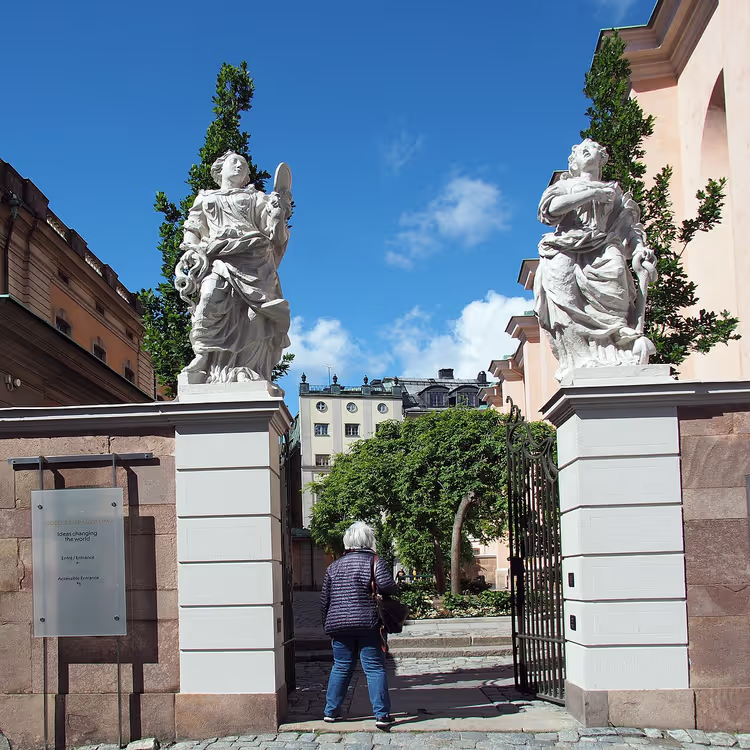 © Hajotthu · CC BYPhoto: Hajotthu, CC BY (https://creativecommons.org/licenses/by/3.0), Wikimedia Commons
Nobelmuseet opened for the centennial of the Nobel Prize. The exhibition is dedicated to Alfred Nobel and the laureates of the world's most famous scientific award. The museum occupies the halls of the historic Stock Exchange building on the Old Town square. Here you'll learn about discoveries in physics, chemistry, medicine, literature, and peace.
A cableway runs under the ceiling, carrying portraits of the winners. Behind glass are models of inventions, instruments, archival documents, and personal belongings of scientists. The recordings of laureates' speeches deserve special attention. In the interactive room, you can recreate famous scientific experiments.
- What to see: the portraits of laureates on the cableway.
- Who it's for: those who love science and stories of discovery.
7. Millesgården
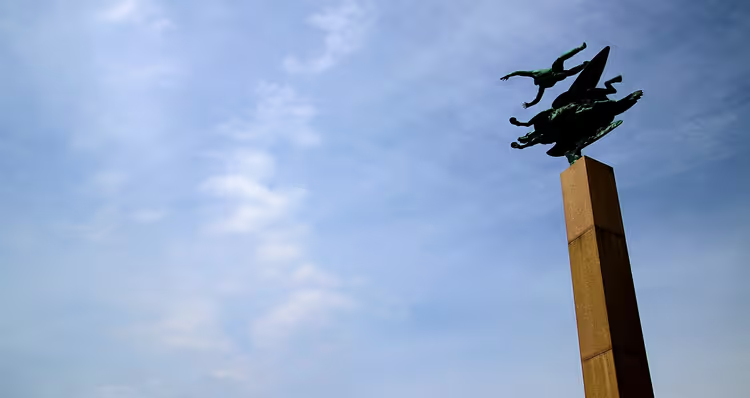 © Guillaume Baviere from Uppsala, Sweden · CC BY-SAPhoto: Guillaume Baviere from Uppsala, Sweden, CC BY-SA (https://creativecommons.org/licenses/by-sa/2.0), Wikimedia Commons
Millesgården is a sculpture garden on the island of Lidingö. The park is laid out on a high cliff among broadleaf trees. The rocky terrain is complemented by terraces with fountains, staircases, ponds, and colonnades. People come here for a walk and to see the works of Swedish sculptor Carl Milles.
Most of Milles's works are devoted to ancient myths and Nordic legends. Angels, athletes, nymphs, and fantastic creatures stand in the open air. Many figures are raised on tall columns, so they seem to float in the air. The most famous work is "The Hand of God": a man stands on a giant palm.
A separate highlight is the composition "Man and Pegasus," where a figure in mid-leap touches the horse's wing. The sculptures emphasize the plasticity and movement of the human body.
- What to see: "The Hand of God" and the park terraces.
- Who it's for: those who want to combine a walk with art.
8. Historiska museet
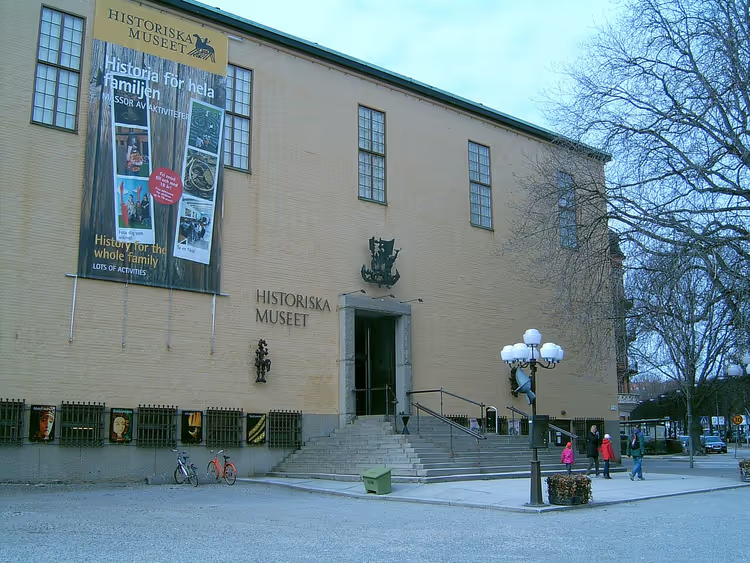 © Mr Bullitt · CC BY-SAPhoto: Mr Bullitt, CC BY-SA (https://creativecommons.org/licenses/by-sa/3.0), Wikimedia Commons
Historiska museet is one of Stockholm's largest institutions. The exhibition covers the history of the peoples of Scandinavia from ancient times to the 20th century. Archaeological finds showcase the culture, daily life, and traditions of the region's indigenous peoples. The spacious halls display jewelry, medieval art, rune stones, goblets, tableware, clothing, tools, and armor.
The "Gold Room" with its gold and silver jewelry is especially popular. The play of light on precious stones draws the largest crowds to the display cases. In the Textile Room you'll find centuries-old embroidery, and in the adjacent halls, church utensils and carved altars.
A separate section is devoted to the Vikings. The hall recreates a Scandinavian warrior village where you can learn about their daily life, family, and beliefs. Exhibits include axes, clubs, clothing, and household items.
- What to see: the "Gold Room" and the Viking hall.
- Tip: set aside half a day for the museum, the halls follow one after another.
9. Nordiska museet
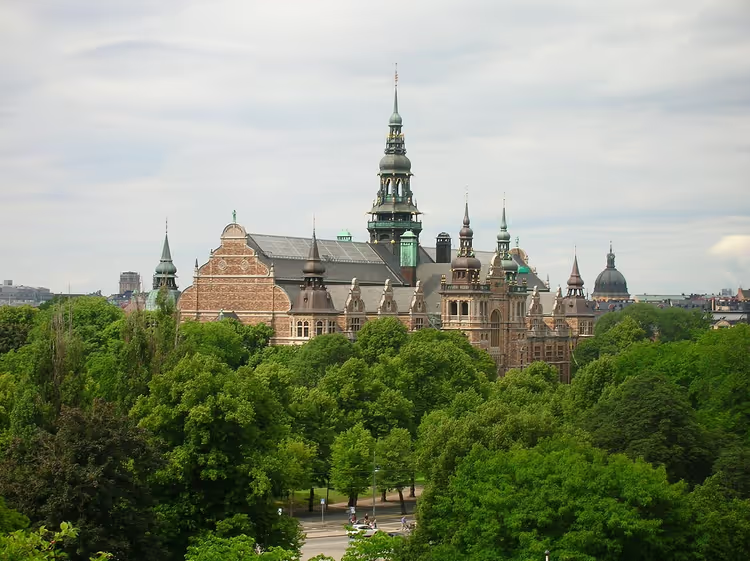 © Jordgubbe · CC BY-SAPhoto: Jordgubbe, CC BY-SA (https://creativecommons.org/licenses/by-sa/2.0), Wikimedia Commons
Nordiska museet stands on Djurgården in a building that resembles a medieval castle with towers and spires. The collection tells the story of Scandinavian life, culture, and ethnography. The museum's holdings number over a million items. The exhibition helps visitors understand the traditions, daily life, and art of the Nordic peoples.
The central hall is decorated with marble columns and high arches. A huge wooden statue of King Gustav Vasa stands here. In the halls you'll find folk art, home decor, clothing, tableware, furniture, photographs, and textiles. One room recreates interiors from different eras and social classes. A separate display case is devoted to hundreds of historical and modern toys.
- What to see: the main hall with the statue of Gustav Vasa.
- Who it's for: those who want to understand Scandinavian daily life in a single visit.
10. Sjöhistoriska museet
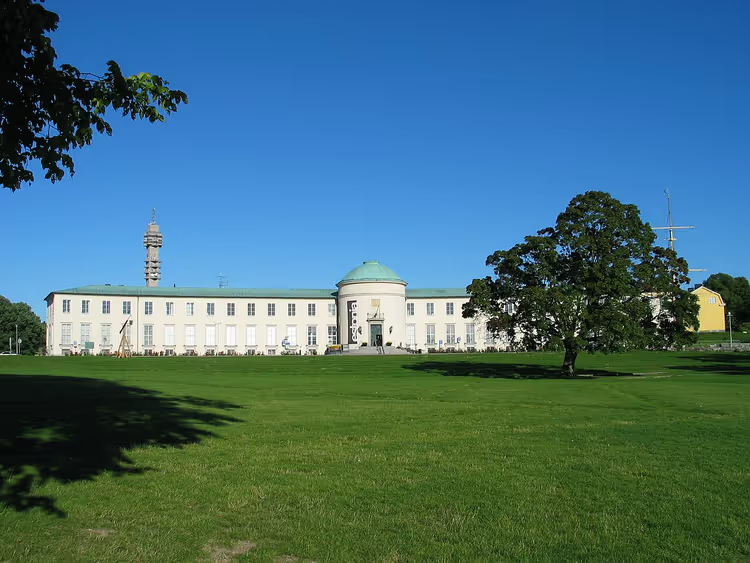
Sweden has long been one of Europe's major maritime powers. Sjöhistoriska museet tells the story of the navy and shipbuilding. The exhibition occupies the halls of a curved two-story building with a rotunda. The collection of ship models ranges from Viking longships to modern liners.
Here you'll see replicas of merchant ships and 18th-century frigates. The models reproduce the structure of the ships down to the smallest details. Navigation instruments, blueprints, maps, cannons, and sailors' personal belongings are of historical value. The basement level recreates the cabin of the royal schooner Amphion.
- What to see: the sailing ship models and the cabin of the schooner Amphion.
- Who it's for: those interested in the navy and shipbuilding.
11. Moderna Museet
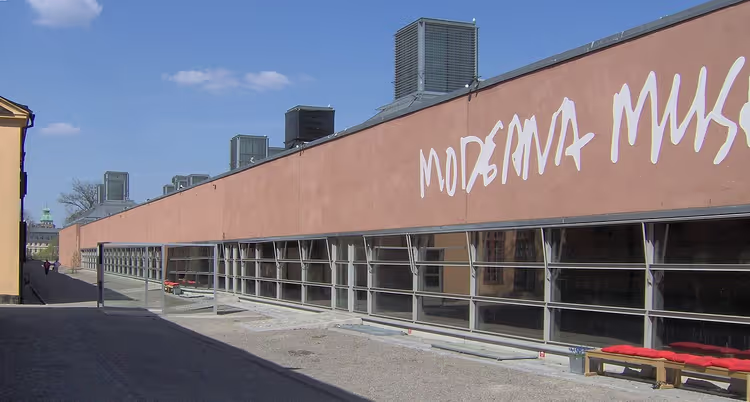
Moderna Museet is considered one of the best contemporary art galleries in Europe. It houses paintings and sculptures by Swedish and international avant-garde masters. The museum's collection consists of thousands of works, with artists including Matisse, Picasso, Dalí, and Warhol. The exhibition spans the period from the early 20th century to the present day.
The sculptures and installations are no less surprising than the paintings. The art objects include the most unexpected things, and some of the halls come across as provocative. Viewers have to find their own key to understanding the works. The pieces are arranged in the halls in chronological order. Sometimes an ordinary basin of water or a cord sticking out of a wall serves as an art object.
- What to see: 20th-century avant-garde and temporary exhibitions.
- Who it's for: those who are open to unexpected forms.
12. Riksidrottsmuseet
 © AleWi · CC BY-SAPhoto: AleWi, CC BY-SA (https://creativecommons.org/licenses/by-sa/4.0), Wikimedia Commons
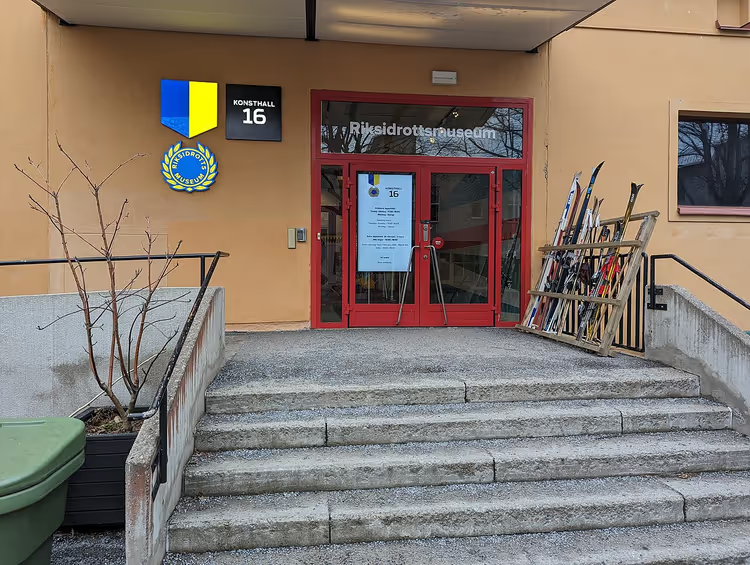
Riksidrottsmuseet will appeal to sports fans. The collection covers dozens of official Swedish sports, from dog sled racing to fencing. The holdings include thousands of exhibits. The halls contain equipment, medals, trophies, photographs, archival documents, posters, and printed publications.
Football fans will be interested to learn about the AIK, Hammarby, and Djurgården clubs. The museum presents biographies and personal belongings of athletes who brought the country fame, including footballer Pia Sundhage, tennis player Björn Borg, golfer Annika Sörenstam, and hockey player Alexander Hellström.
For active visitors, there is an interactive hall with Olympic equipment. You can do pull-ups on rings, try climbing, run against the clock, or shoot a basketball.
- What to see: the interactive hall with Olympic equipment.
- Tip: come with kids, there's a lot here they can touch with their hands.
13. Hallwylska museet
 © Jan Ainali · CC BY-SAPhoto: Jan Ainali, CC BY-SA (https://creativecommons.org/licenses/by-sa/4.0), Wikimedia Commons
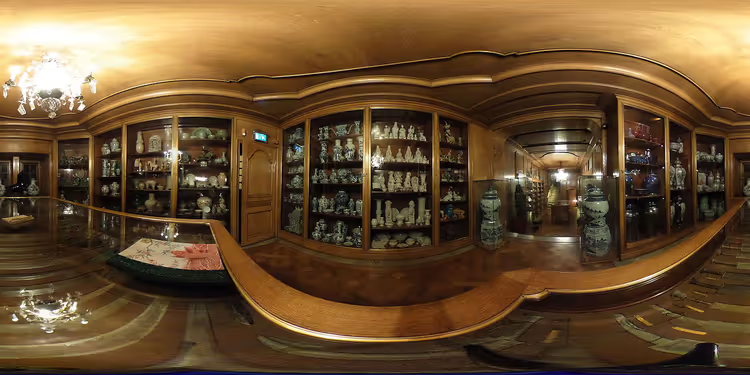
Hallwylska museet is a 19th-century mansion that belonged to the wealthy Hallwyl family. Count Walther Hallwyl and his wife Wilhelmina collected antiques and art and equipped the house with the latest technology. The building, covering more than two thousand square meters, had central heating and electricity installed. In the early 20th century, the residence and its collection were transferred to the state, and the mansion was later opened to visitors.
The room interiors are decorated with wooden panels with gilded ornaments, stucco, frescoes, and tapestries. These halls display edged weapons, carpets, porcelain, tableware, and paintings. Each room is furnished with antique carved 18th-century furniture.
- What to see: the living quarters with their original furnishings.
- Who it's for: those who love home interiors and applied art.
14. Skansen
 © Holger.Ellgaard · CC BY-SAPhoto: Holger.Ellgaard, CC BY-SA (https://creativecommons.org/licenses/by-sa/4.0), Wikimedia Commons
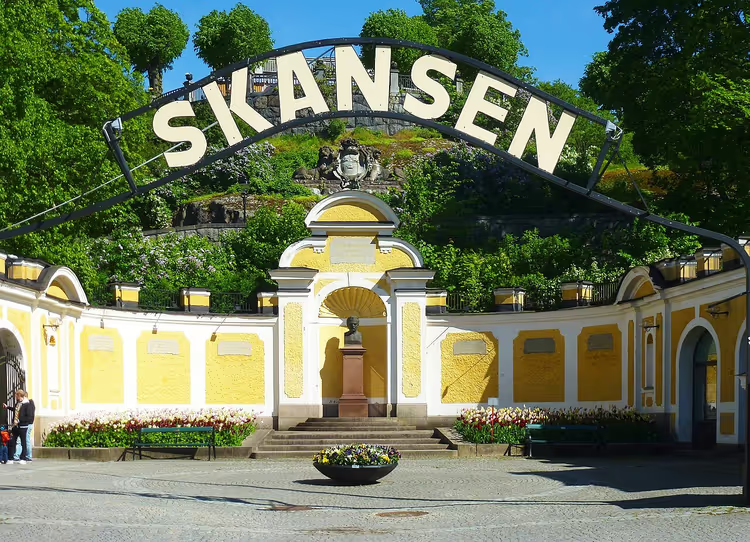
Skansen is an open-air ethnographic center on the island of Djurgården. Across the large grounds stand peasant houses and storehouses, noble estates, schools, churches, mills, and farms. The buildings date from the 18th to 20th centuries and were brought from all corners of Sweden. Cobblestone quarters and village streets with workshops and shops have been recreated here.
Glassblowers, potters, bakers, blacksmiths, and leatherworkers work in front of visitors. Each house preserves authentic interiors, and the residents are portrayed by actors in national costumes. A couple of hours is enough for a walk, but with kids you can easily stretch the visit into a full day.
Skansen is open daily year-round, and the ticket includes the Baltic Sea Science Center and Lill-Skansen (as of 09/2026, Skansen). There is also a small zoo on the grounds. Botanical gardens, walkways, and grain fields are laid out around the area. Plan for a walk over hills, as some paths go uphill.
- What to see: craft workshops and historic manor houses.
- The catch: on summer weekends, a line forms at the entrance.
15. ArkDes
 © Holger.Ellgaard · CC BY-SAPhoto: Holger.Ellgaard, CC BY-SA (https://creativecommons.org/licenses/by-sa/4.0), Wikimedia Commons
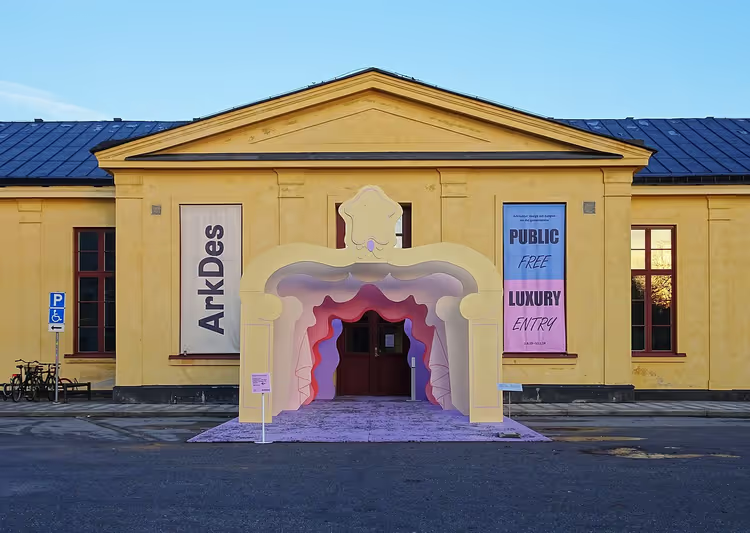
ArkDes is dedicated to architecture and design. The exhibition brings together drawings, plans, models, and photographs of buildings in the Swedish capital. The models are made from paper, wood, plywood, and polystyrene. The collection shows how architectural styles developed from the golden age of Scandinavian modernism.
A separate theme is the planning standards of typical Swedish apartments. The museum explains how design solutions in residential interiors have changed. The collection reflects the evolution of concrete panels: through paintings, films, and models, the exhibition explains how panel construction helped solve the housing shortage. In winter, a gingerbread house competition takes place here.
- What to see: architectural models and the gingerbread house competition.
- Who it's for: anyone interested in architecture and design.
16. Armémuseum
 © I99pema · CC BY-SAPhoto: I99pema, CC BY-SA (https://creativecommons.org/licenses/by-sa/3.0), Wikimedia Commons
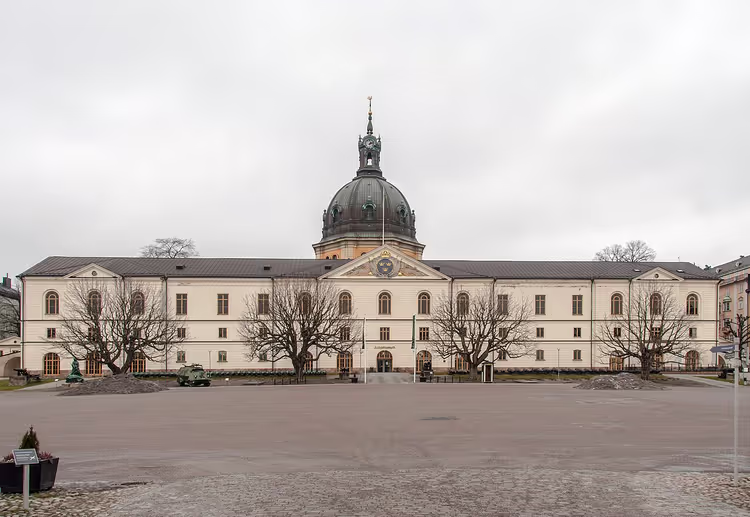
Armémuseum occupies a three-story mansion on Riddargatan street in Stockholm. The exhibition presents Sweden's military history. The country has officially stayed out of conflicts since 1814, and its neutrality policy allowed it to remain on the sidelines of both world wars. The halls display antique edged weapons and firearms, pennants, uniforms, armor, and banners.
Instead of heroic chronicles, the museum emphasizes the everyday consequences of war. It addresses the psychology of conflict, army hygiene, and the hardships faced by civilians. Wax mannequins of soldiers and peasants bring visitors closer to the daily realities of war. The field surgery hall, with its recreated amputation scenes, leaves a strong impression.
- What to see: the field surgery hall and the weapons collection.
- The catch: the subject matter is heavy, and some halls are not suitable for young children.
17. ABBA The Museum
 © I99pema · CC BY-SAPhoto: I99pema, CC BY-SA (https://creativecommons.org/licenses/by-sa/3.0), Wikimedia Commons
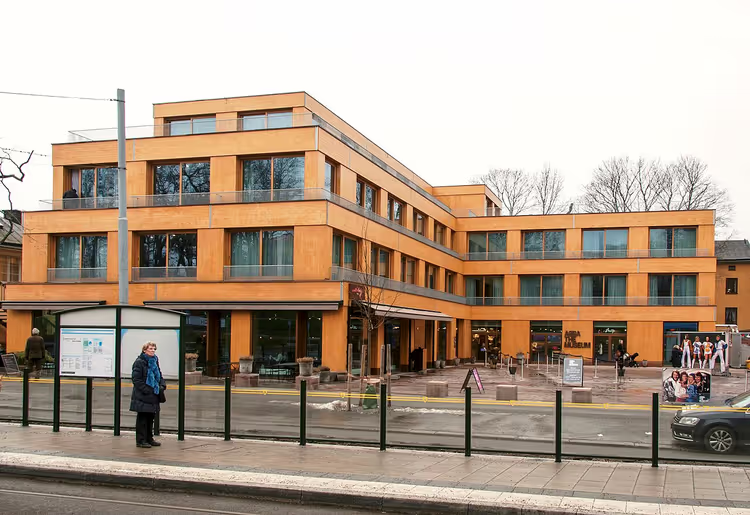
ABBA The Museum is dedicated to the iconic Swedish band. It is one of the most modern and interactive museums in Stockholm. The exhibition includes stage costumes, the artists' personal belongings, records, musical instruments, posters, and wax figures of the musicians. A separate hall houses the group's awards and platinum albums.
The atmosphere of the seventies reigns throughout the halls. Music videos and concert performances play on large screens, and music fills the air. Here you can learn about the biography of each member and how their shared journey unfolded.
The recreated recording studio, dressing room, and interiors of the musicians' country house deserve special attention. Interactive attractions let you perform on stage with holograms of the band or sing a song in karaoke.
- What to see: the studio and the hologram stage.
- Who it's for: fans of the band and families with teenagers.
18. Tekniska museet
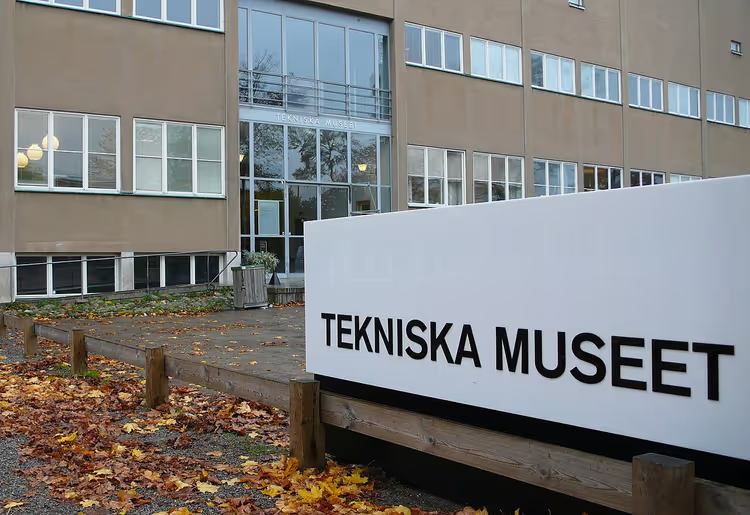
Tekniska museet showcases technology and inventions. The exhibition introduces visitors to mechanical engineering, aviation, electricity, and the computer industry. Mechanisms, tool sets, and devices demonstrate the achievements of engineers. The spacious pavilions display airplanes, trains, cars, steam engines, bicycles, and household appliances.
A major draw is the 4D cinema: three-dimensional picture, moving seats, scents, and water sprays. The interactive attractions are no less popular. Adults and children "try" Olympic sports on simulators. In the game halls, you can draw with eye movements, create music with light, move a ball with the power of thought, and test your own strength. You can operate an excavator bucket and conduct experiments.
- What to see: the 4D cinema and the game halls.
- Who it's for: families with children of any age.
19. Postmuseum
 © Holger.Ellgaard · CC BY-SAPhoto: Holger.Ellgaard, CC BY-SA (https://creativecommons.org/licenses/by-sa/4.0), Wikimedia Commons
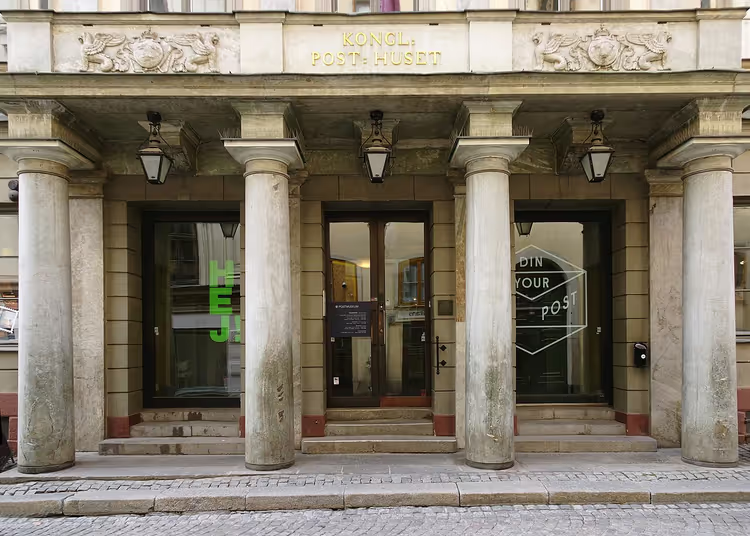
Postmuseum occupies the building of Stockholm's former main post office. The collection tells the story of Sweden's centuries-old postal service. Bright halls are filled with objects related to the profession of postal workers. Display cases show bags, boxes, work clothes, uniforms, horns, letters, and typewriters.
Vehicles used for delivering parcels and correspondence are shown separately: bicycles, boats, carriages, and vans. Part of the exhibition is dedicated to transit mail: during World War I, mail from warring nations passed through neutral Sweden. A children's post office lets kids stamp an envelope and deliver it to pretend addresses. The museum is known for its stamp collection.
- What to see: the children's post office and the stamp collection.
- Who it's for: families with children and collectors.
20. Naturhistoriska riksmuseet
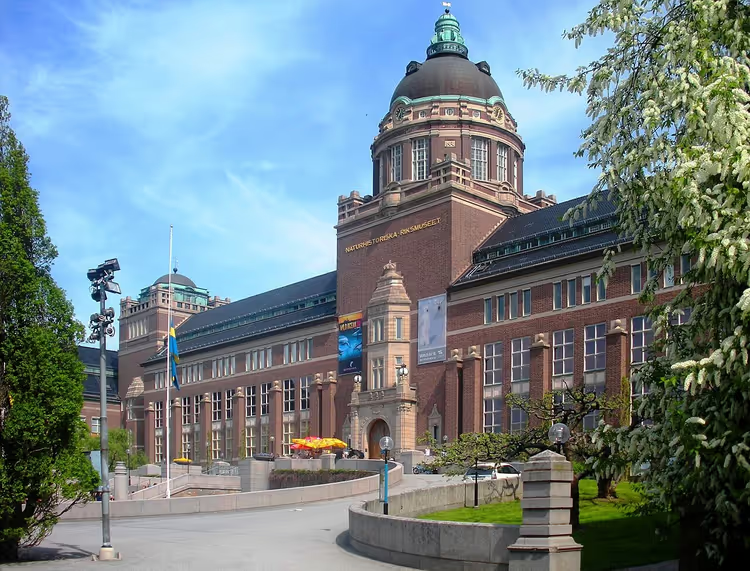 © Gumisza · CC BY-SAPhoto: Gumisza, CC BY-SA (https://creativecommons.org/licenses/by-sa/3.0), Wikimedia Commons
Naturhistoriska riksmuseet is one of the largest and oldest museums in Sweden, founded in the early 19th century. The exhibition consists of millions of specimens about the origin and evolution of Earth's flora and fauna. The halls house samples of vertebrates and invertebrates, insects, plants, fungi, and minerals.
Visitors see the stages of continent formation, the structure of the human body, and animal skeletons. The exhibition presents inhabitants of seas and oceans, jungles and savannas, the Arctic and Antarctica. Dinosaurs and enormous deep-sea creatures greet guests. The museum's pride is its IMAX cinema, where you can "fly" through space or dive underwater.
- What to see: the dinosaur hall and the IMAX cinema.
- Who it's for: families with children.
21. Östasiatiska museet
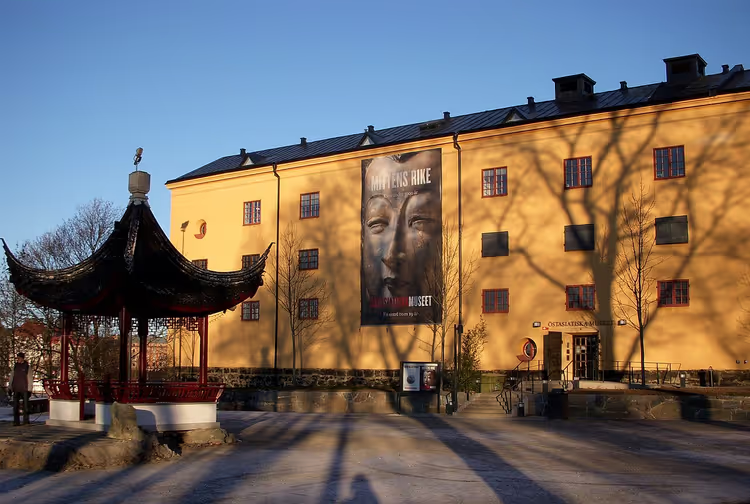 © Holger.Ellgaard · CC BY-SAPhoto: Holger.Ellgaard, CC BY-SA (https://creativecommons.org/licenses/by-sa/3.0), Wikimedia Commons
Östasiatiska museet has assembled a collection of artifacts from Japan, India, China, and other East Asian countries. The exhibition is housed in a 17th-century building that long stored the uniforms and weapons of the monarch's personal guard. It contains several thousand unique antiquities. Most of them were brought by the Swedish archaeologist Johan Gunnar Andersson.
The main focus should be on the finds and works of art from China. Paintings, jewelry, manuscripts, books, and figurines draw particular interest. Painted tableware is kept behind glass.
- What to see: Chinese porcelain and paintings.
- The catch: the halls are small, and an hour is enough for the whole museum.
22. Junibacken
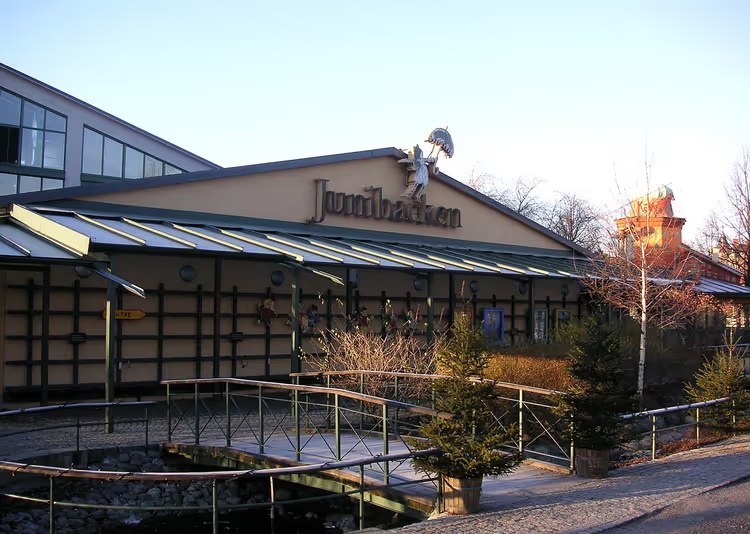 © Holger Ellgaard · CC BY-SAPhoto: Holger Ellgaard, CC BY-SA (https://creativecommons.org/licenses/by-sa/3.0), Wikimedia Commons
Junibacken is a family entertainment center that transports you into the world of children's books. Under the roof of a two-story hangar covering six thousand square meters, locations based on works by Swedish and international authors are gathered. The venue looks like a little town where the Little Boy and Karlsson, Findus the kitten, Moomintroll, Pippi Longstocking, and Winnie-the-Pooh live.
The main attraction is a train ride through the fairy tales of Astrid Lindgren. The cars rise and descend so passengers can see miniature puppet scenes. Young visitors love the "Villekulla" villa. In the playrooms, everything can be touched, moved, and turned.
- What to see: the train through Astrid Lindgren's fairy tales.
- Who it's for: families with preschool and younger children.
23. Dansmuseet
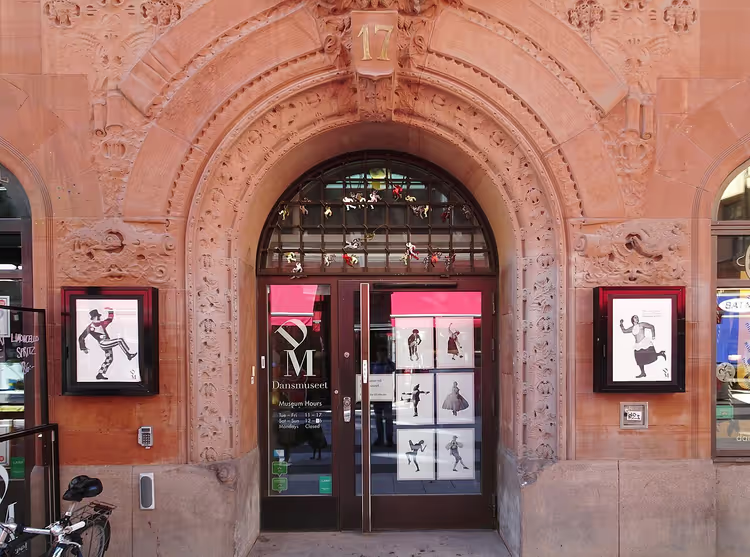 © Holger.Ellgaard · CC BY-SAPhoto: Holger.Ellgaard, CC BY-SA (https://creativecommons.org/licenses/by-sa/4.0), Wikimedia Commons
Dansmuseet is located on a central Stockholm street, in a former bank building. The exhibition is dedicated to the art of dance. The museum was founded by the Swedish collector and ballet connoisseur Rolf de Maré. He traveled extensively and collected artifacts about choreographic productions of different peoples.
Among the rich collection you will find costumes, masks, books, sculptures, photographs, accessories, and shadow puppets. It houses posters and set design sketches for Russian, French, and Swedish ballet. Visitors learn about ethnic dances of Asia and Africa, and screens show recordings illustrating the development of dance over a whole century.
- What to see: costumes and sketches of ballet productions.
- The catch: the museum is compact, and a visit takes less than an hour.
24. Polismuseet
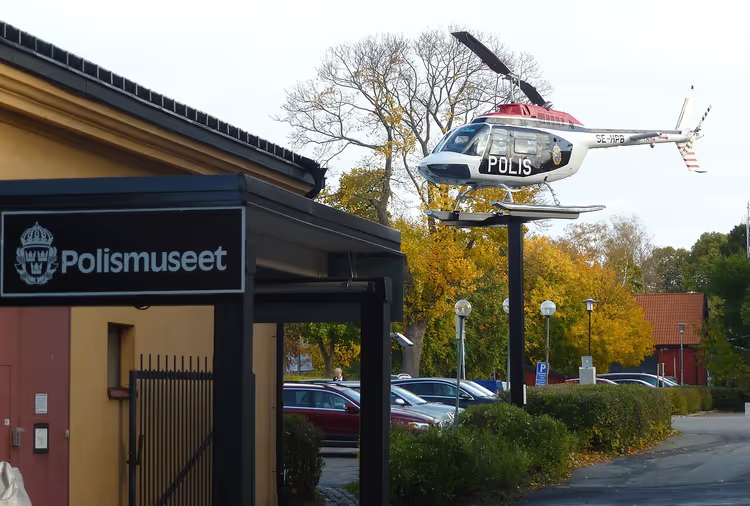 © Holger.Ellgaard · CC BY-SAPhoto: Holger.Ellgaard, CC BY-SA (https://creativecommons.org/licenses/by-sa/3.0), Wikimedia Commons
Polismuseet tells the story of the Swedish police. The exhibition aims to show how important the profession of crime fighter is for a democratic society. The museum's collection consists of police equipment and archival materials. The pavilions display uniforms from different eras, starting in the mid-19th century, as well as weapons, handcuffs, batons, radios, insignia, and vehicles.
The core of the collection is made up of items from criminal cases: crime tools, evidence, footprint impressions, photographs of criminals, and counterfeit banknotes. Individual exhibits explain forensic medicine and criminalistics. Identifying a person by fingerprints and blood samples remains one of the key investigative methods. One room recreates a crime scene where you can feel like a detective.
- What to see: the recreated crime scene.
- The catch: some exhibits are not suitable for young children.
25. Waldemarsudde
 © ArildV · CC BY-SAPhoto: ArildV, CC BY-SA (https://creativecommons.org/licenses/by-sa/3.0), Wikimedia Commons
Waldemarsudde is the former residence of Prince Eugen, the youngest son of King Oscar II. The Art Nouveau mansion stands on the scenic island of Djurgården. The prince was known in European circles as a creative figure and art connoisseur. He received formal art training and became famous as one of the best landscape painters at the turn of the 19th and 20th centuries. In his will, Eugen left the estate along with his paintings to the state.
The park grounds deserve special attention as an example of landscape design. You'll have a great time on the several hectares of grounds. The estate is washed by the Saltsjön bay, and the terraces are planted with flowers and centuries-old trees. Sculptures by Swedish and French masters stand among the alleys.
The interior details of the estate were designed from the prince's own sketches. The apartments consist of a bedroom, living room, study, dining room, and veranda. Antiques and furniture have been preserved in their original condition, and the walls display Eugen's own canvases with Swedish landscapes.
- What to see: the park and the prince's own paintings.
- Who it's for: those who love art and walks by the water.
Stockholm museums on the map
To avoid zigzagging between islands, open the map with museum locations and plan your route in advance. The points are easy to group by Djurgården and the city center. Pick two or three main museums per day and save the rest for next time.
Museums of Stockholm
Places on the map
- 1Royal Palace The working residence of the Swedish monarchs, Treasury and Armoury
- 2Livrustkammaren The palace's Armoury, the masquerade costume of Gustav III
- 3Tre Kronor Museum Models of the medieval castle, items rescued from the 17th-century fire
- 4Vasa Museum The warship Vasa, raised from the harbour floor after centuries
- 5Museum of Medieval Stockholm Archaeological centre beneath the Norrbro bridge, a recreated street
- 6Nobel Museum Exhibition about Alfred Nobel and the prize laureates
- 7Millesgården Carl Milles's sculpture garden on the island of Lidingö
- 8Swedish History Museum The 'Golden Room' and Viking hall with a recreated village
- 9Nordic Museum Scandinavian ethnography, a statue of King Gustav Vasa
- 10Maritime Museum Ship models from Viking longships to ocean liners
- 11Museum of Modern Art Paintings and sculptures by Matisse, Picasso, Dalí and Warhol
- 12National Museum of Sport Equipment and medals of Swedish athletes, an interactive hall
- 13Hallwyl Museum 19th-century mansion of the Hallwyl family with original furnishings
- 14Skansen Open-air ethnographic centre on Djurgården
- 15Museum of Architecture and Design Architectural models and the evolution of concrete panels
- 16Swedish Army Museum Sweden's military history, a field surgery hall
- 17ABBA Museum Stage costumes, a recording studio, holograms of the band
- 18National Museum of Science and Technology Engineering, aviation, a 4D cinema and interactive exhibits
- 19Postal Museum History of postal service, the world's first postage stamp
- 20Swedish Museum of Natural History Dinosaur hall and an IMAX cinema
- 21Museum of East Asian Antiquities Chinese porcelain and terracotta warriors
- 22Junibacken Train ride through Astrid Lindgren's tales
- 23Dance Museum Costumes and sketches of ballet productions from different countries
- 24Police Museum The work of Swedish police, a recreated crime scene
- 25Waldemarsudde Former residence of Prince Eugen with a park and his paintings
Museum tickets for Djurgården are easy to arrange online in advance, so you don't waste time at the ticket office by the entrance.
Tours and tickets in Stockholm
Guided tours, skip-the-line tickets and activities — most offers can be cancelled free of charge.
See offers on TiqetsThe widget loads once you give your consent.
⁉️🤔 Frequently asked questions
How many days should I set aside for Stockholm museums?
Two days is enough to see the museums. Spend the first on Djurgården, where Vasamuseet, Skansen, and Nordiska museet stand close together, and the second in the center near the Royal Palace. In one day you can cover two or three major museums, otherwise the route turns into a mad dash. Don't plan more than three stops per day.
Which Stockholm museums should I visit with kids?
Junibacken, Tekniska museet, Skansen, and Riksidrottsmuseet are good for kids. At Junibacken, a train ride takes you through Astrid Lindgren's fairy tales, at Tekniska museet there are interactive halls and a 4D cinema, and at Riksidrottsmuseet you can try the rings. Kids get tired by lunchtime, so pick one museum for half a day rather than three.
How do I get to the museum island of Djurgården?
A tram runs from the city center to Djurgården, and the ride takes just a few minutes. You can also walk from the Old Town if the weather is good. On the island, the museums are close to each other, and you can walk between Vasamuseet, Skansen, and Nordiska museet. Plan your walks without rushing.
Which Stockholm museum should I choose if I'm short on time?
If you have only one day, go with Vasamuseet and Skansen. Vasamuseet gives you a powerful first impression of the Vasa ship, and Skansen shows Swedish life in the open air. Both museums are on Djurgården, so you won't waste time on travel. Save the rest for your next visit.
Do I need to buy tickets in advance?
You can buy a Vasamuseet ticket on site, but in summer a line forms at the ticket office. If you don't want to stand in line, get your ticket online in advance. Check opening hours on the museums' official websites before you go.
In short: what to book
If you have one day: go with Vasamuseet and Skansen. If you're traveling with kids: Junibacken and Tekniska museet. If history matters: Historiska museet and Armémuseum. If you love art: Moderna Museet and Waldemarsudde. If you want to see a working palace: the Royal Palace and Livrustkammaren.
Spread the remaining museums across Djurgården and the center so you don't spend the day on travel. Find Stockholm museum tours.

A small editorial team writing guides for independent travel. We travel ourselves, but we haven’t been everywhere, so we check prices, opening hours and how to get there against official sources.