
















What to see in Stockholm: 36 main attractions
Stockholm spans 14 islands (according to Visit Stockholm), and nearly all the iconic sights are concentrated in two or three districts. Because of the water, getting between museums takes longer than it looks on the map. In high season, the Vasa Museum sells timed entry tickets, so it's worth planning your day in advance. We've organized Stockholm's main attractions by island and district and noted how much time each one takes.
Ad: this article contains affiliate links, we earn a commission if you book through them, at no extra cost to you.
How Stockholm is laid out: districts and transport
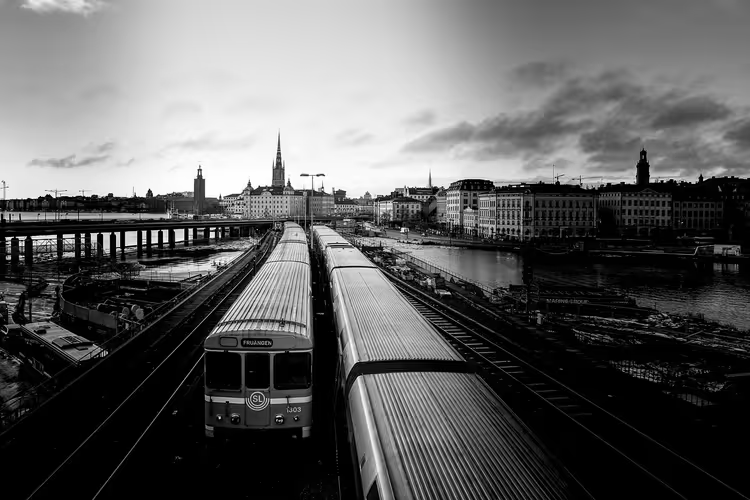
Almost all the postcard views are in three spots. The old town of Gamla Stan sits on the island of Stadsholmen, the museum island of Djurgården is connected to the center by a bridge and tram, and the viewpoints rise on the hills of Södermalm. You can walk the center in a day, but between islands it's easier to use SL transit. Tickets and passes are sold in the app and at machines, and they work on the metro, buses, trams, and ferries. If you ride every day, a pass works out cheaper than single tickets.
The metro is worth trying at least once: many stations are designed by artists, and that's an attraction in its own right. A ferry runs to Djurgården from Slussen, and the tram is a convenient way to get around the island itself. That way you save time and see the city from the water. If you're traveling with a group, a group pass is cheaper than buying individual tickets.
💡 In short:
- Start with Gamla Stan in the morning, while the narrow streets are still quiet.
- Set aside a full day for Djurgården: it's home to the Vasa Museum, Skansen, and the Nordic Museum.
- Get an SL pass if you plan to ride every day.
- Prices and hours: as of 09/2026, verified on the official Vasa Museum website
1. Nationalmuseum
 © Arild Vågen · CC BY-SAPhoto: Arild Vågen, CC BY-SA (https://creativecommons.org/licenses/by-sa/4.0), Wikimedia Commons
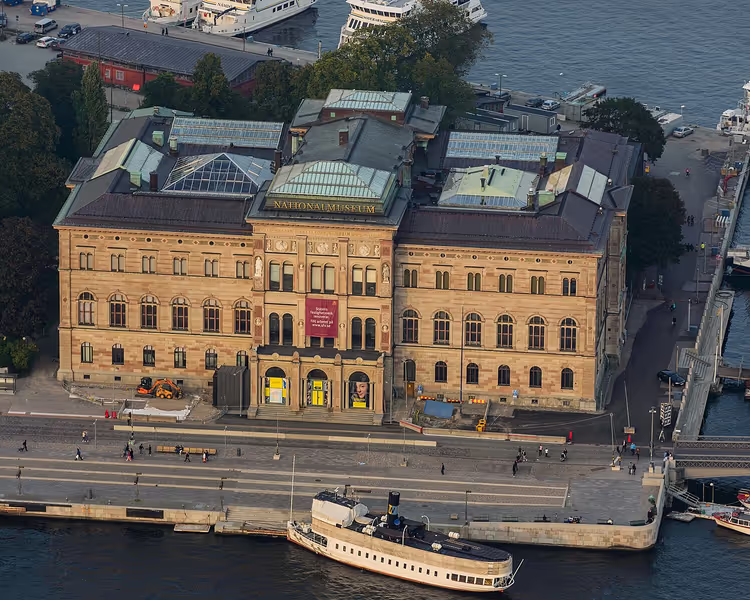
The Nationalmuseum holds the country's main collection: Rembrandt, Renoir, Manet, and an entire room of French Impressionists. The exhibition covers Swedish art from the Middle Ages to the present day, along with design and applied arts. After a multi-year renovation, the galleries reopened, so the interior is bright and spacious. The building stands on the Blasieholmen waterfront directly opposite the Royal Palace, so one walk covers two items on your itinerary at once.
Tickets are sold online and on site; check current prices and hours on the museum's website. Children and teenagers get reduced or free admission; the exact age is stated in the museum's rules. The nearest metro station is T-Centralen, and from there it's a short walk along the water. A pier where sightseeing boats dock is nearby, so the museum is easy to add to a boat tour. Allow two hours for the main collection and another hour for temporary exhibitions.
2. Stockholm City Museum
 © Jssfrk · CC BY-SAPhoto: Jssfrk, CC BY-SA (https://creativecommons.org/licenses/by-sa/3.0), Wikimedia Commons
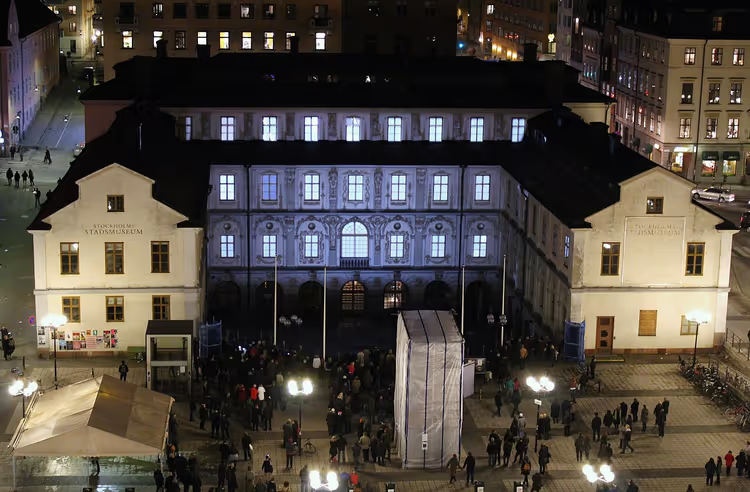
The City Museum tells the story of the capital from the 13th century to the present day. The white palace near Slussen was once a merchants' trading house; today it displays everyday life, old photographs, and household objects. A separate exhibition is devoted to hygiene and its consequences, and these rooms are fun to see with children. Younger visitors have a play area with mazes, activity stations, and bookshelves.
The address is easy to find: Ryssgården, Peter Myndes backe, with buses and the metro stopping nearby. The nearest metro station is Slussen, a couple of minutes' walk from the entrance. Check current hours and prices on the museum's website. Part of the permanent exhibitions can be viewed for free, so the museum is a good fit for a tight-budget day.
The permanent exhibition is arranged chronologically: from the medieval city to modern development. It includes building models, old street plans, and household items from different social classes. Some rooms are turned into play spaces for children, so the visit never gets dull. Special attention is given to the demolitions and construction projects of the past century: they show how the city's appearance changed.
3. Vasa Museum
 © Hanay · CC BY-SAPhoto: Hanay, CC BY-SA (https://creativecommons.org/licenses/by-sa/3.0), Wikimedia Commons
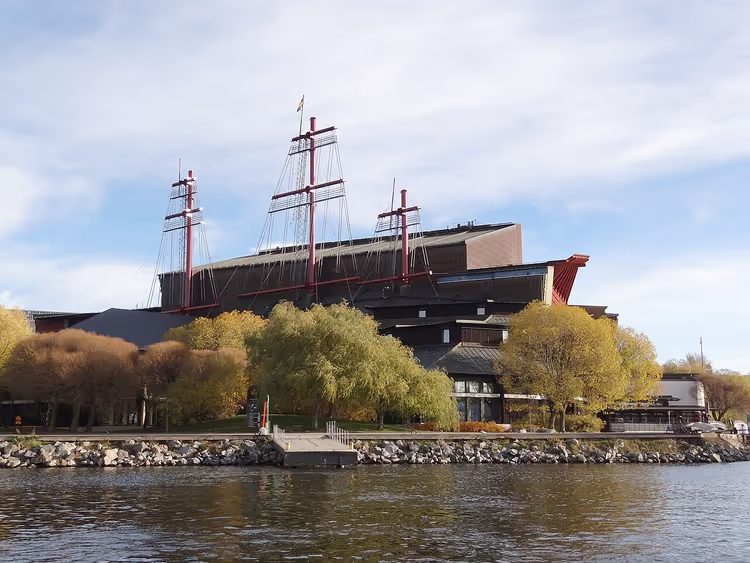
The Vasa ship sank on its maiden voyage in the 17th century and lay on the seabed for more than three centuries. It is the world's only fully preserved sailing ship from that era, and Stockholm built a dedicated museum for it. Inside, several levels rise up, giving you a view of the carved stern, the gunports, and the masts in full. Kids usually linger on the upper level, where the ship is visible down to the last detail. The ship was raised from the bottom in the middle of the last century and has been carefully restored ever since.
Admission costs 195 kronor from September to May and 230 kronor in high season (as of 09/2026, official website). Children and teenagers enter free. The museum is open every day, and in summer it stays open later on Wednesdays. You can get there on foot from the center, by bus, or by ferry to the Djurgården pier, and there's a restaurant on the museum grounds.
4. Skansen
 © Holger.Ellgaard · CC BY-SAPhoto: Holger.Ellgaard, CC BY-SA (https://creativecommons.org/licenses/by-sa/4.0), Wikimedia Commons
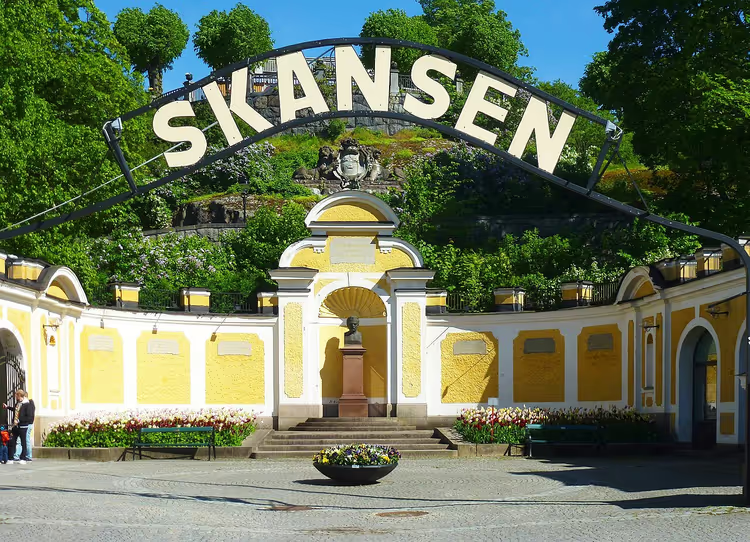
Skansen is considered the world's oldest open-air museum and also operates as a zoo. More than a hundred houses and farmsteads from all over Sweden have been gathered on the Djurgården hill, and each one recreates daily life from a different era. Craftspeople walk along the cobblestone streets, and in the workshops people forge metal, weave, and bake bread. Moose, bears, wolves, and other northern animals live in the enclosures, and the observation deck at the top offers a view of the city.
An adult ticket costs depending on the season, and a child ticket is noticeably cheaper, so check prices on the Skansen website before your visit. During the New Year holidays a Christmas market operates here, and you can walk through the snow-covered village until midnight. You can grab a bite at one of the cafes, with the Solliden restaurant and its Swedish buffet standing out in particular. Getting to Skansen is easy on foot from the center, by tram, or by ferry from Slussen.
5. Globen Arena
 © Holger.Ellgaard · CC BY-SAPhoto: Holger.Ellgaard, CC BY-SA (https://creativecommons.org/licenses/by-sa/4.0), Wikimedia Commons
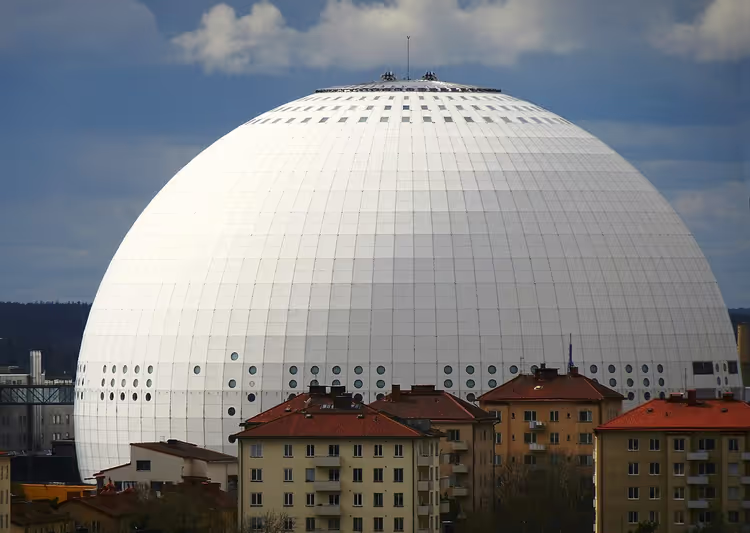
The white sphere of Globen, today Avicii Arena, rises above the Johanneshov district and serves as an arena and concert venue. Hockey games, concerts, and shows take place inside, and the SkyView lift is installed on the outer wall. A cabin climbs up the wall of the sphere to a height of more than a hundred meters in just a few minutes and gives a bird's-eye panorama of the city. Food, drinks, and large luggage are not allowed inside, so plan for that in advance. Your fear of heights is not unfounded: even people with a fear of heights enjoy the view from the top.
SkyView tickets are purchased separately from concert tickets. Check the arena's website to see whether the lift is currently operating. In the evening, the lighting makes the sphere especially prominent, and it is a good spot for photos. The nearest metro station is called Globen, and it is a couple of minutes' walk from there to the entrance.
6. Gamla Stan
 © Arild Vågen · CC BY-SAPhoto: Arild Vågen, CC BY-SA (https://creativecommons.org/licenses/by-sa/3.0), Wikimedia Commons
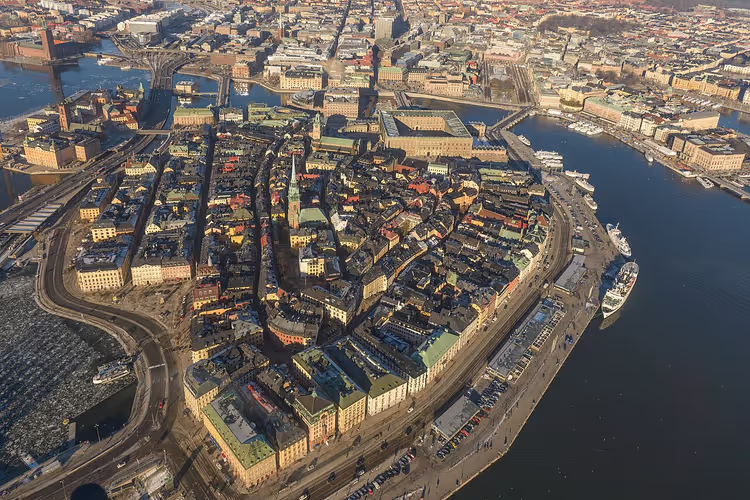
Gamla Stan occupies the island of Stadsholmen and is considered one of the largest and best-preserved medieval centers in Europe. The Royal Palace, St. Nicholas' Cathedral, Riddarholmen Church, and the Nobel Prize Museum are all located here, so set aside half a day to explore the neighborhood. The streets are paved with cobblestones, the houses rise several stories, and tiny courtyards hide between them. There are no exact construction dates, but individual buildings are dated to the 13th to 15th centuries.
The city's narrowest alley, Mårten Trotzigs gränd, hides between the houses, and its width is only a couple of steps. The historic restaurant Den Gyldene Freden also operates here, and its interior has barely changed since the 18th century. It is best to explore Gamla Stan without rushing: behind unremarkable doors lie inner courtyards, small galleries, and craft shops. Many people live here, so after sunset the neighborhood becomes quiet and almost empty, apart from the occasional tourists.
The central square Stortorget is crowded in summer and cozy in winter, and in the evenings the lighting makes the streets especially beautiful. In the courtyard behind the Finnish Church, find the statue of the Boy Looking at the Moon, which is only the size of a palm. Dining here is more expensive than in other districts, but the atmosphere makes up for the difference in the bill. The Gamla Stan and Slussen metro stations are convenient for getting here.
7. Nobel Museum
 © randreu · CC BYPhoto: randreu, CC BY (https://creativecommons.org/licenses/by/3.0), Wikimedia Commons
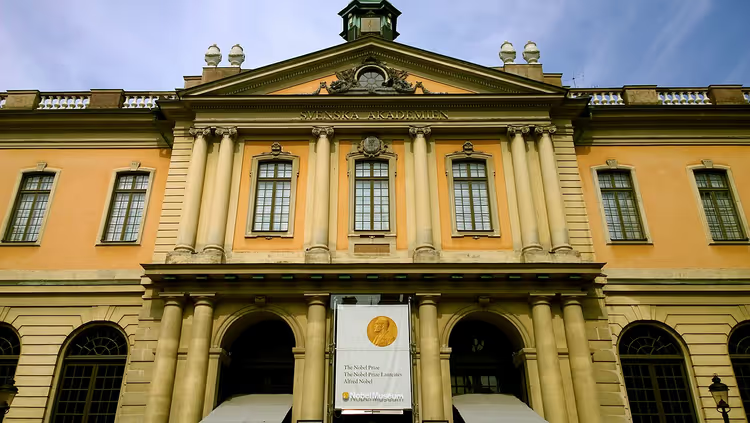
The museum on Stortorget Square is dedicated to Alfred Nobel, the founder of the world's most famous scientific prize. The exhibition covers not only the award and its laureates, but also Nobel himself, who invented dynamite and left behind a controversial legacy. He lived in several European cities, and Stockholm became one of the last in his biography. The halls show short films, personal belongings of scientists, and stories of discoveries from recent decades.
The building that houses the museum was built in the 17th century and is considered a landmark in its own right. In addition to the exhibitions, there is a children's room, a banquet hall, and a creative space. Every December, the museum comes alive after the announcement of new laureates.
The Bistro Nobel cafe serves lunch, and afterward it's worth checking under your seat: small surprises are hidden there, which visitors are warned about. It's better to buy tickets in advance; current prices and opening hours are on the museum's website. In summer, the museum is open every day and stays open longer; in winter, it is closed on Mondays. The museum shop sells books, catalogs, and chocolate Nobel medals. Getting there is easy: the museum stands right on Stortorget Square in the Old Town.
Alfred Nobel himself was born in Stockholm, but spent his childhood and youth in Saint Petersburg, where his father worked. Later he lived for long periods in Paris and Italy, and made his fortune manufacturing explosives for building tunnels and roads. That is why the museum places stories about dynamite side by side with the peace prize, which he bequeathed to science, literature, and the cause of peace. The first award was presented in the early 20th century, and since then it has been received by scientists, writers, and public figures from around the world. One can argue at length about the contradictions of his discoveries, but Nobel left an enormous mark on history.
Guided tours of the halls are offered in several languages, and in the evenings the museum hosts lectures and meetings with researchers. There are separate programs for school groups. If you want to attend a lecture, check the schedule on the website in advance: spots fill up quickly.
8. Royal Palace
 © Jorge Láscar from Melbourne, Australia · CC BYPhoto: Jorge Láscar from Melbourne, Australia, CC BY (https://creativecommons.org/licenses/by/2.0), Wikimedia Commons
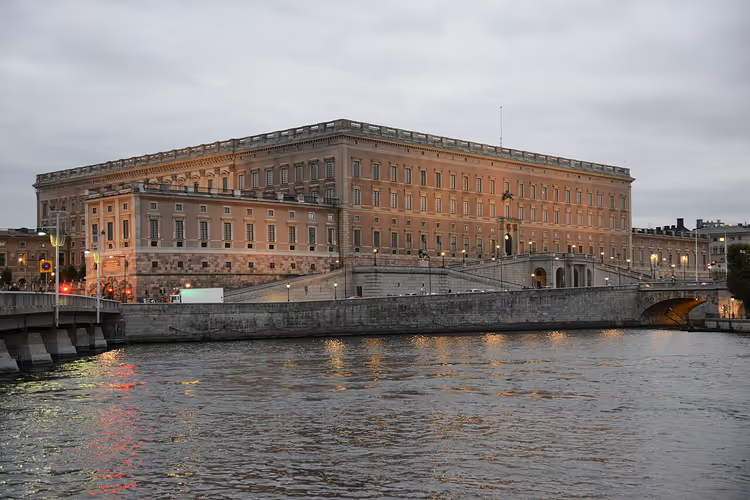
The Royal Palace stands in the very heart of Gamla Stan and remains the official residence of the Swedish monarchs. A fortress once stood on this site, marking the beginning of the city, so the palace is considered the starting point of the entire capital. Visitors can see the state rooms, the treasury, and the museum apartments, where court art from recent centuries is displayed. In summer, the changing of the guard on the palace square takes place daily; at other times it is less frequent, and the exact schedule is on the website.
Tickets can be bought on site or online; check the royal court's website for current prices and opening hours. A guided tour of the halls is included in the ticket price and is available in several languages. On holidays, access may be restricted due to official receptions, so it's worth checking in advance. Photography is prohibited inside, and umbrellas and strollers are not allowed. The nearest metro stations are Gamla Stan and Kungsträdgården.
Inside, it's worth walking up the grand staircases and through the halls, where portraits of monarchs and antique tapestries hang. The treasury and Livrustkammaren, with royal weapons and costumes, are also located here. At certain times, exhibitions about the ruling dynasty are opened, for example about the reign of the current king, and then the museum stays open longer than usual. The address is simple: Slottsbacken, 1, near a pier and public transport stops.
The palace complex is open year-round, which is rare for Europe: most royal residences close for the winter. The southern terrace offers a view of the water and the Old Town, and it's easy to stop by on the way to the pier. In summer, an orchestra performs on the square, and dozens of tourists film the changing of the guard, so arrive early if you want a good spot around noon.
9. Livrustkammaren
 © Hanay · CC BY-SAPhoto: Hanay, CC BY-SA (https://creativecommons.org/licenses/by-sa/3.0), Wikimedia Commons
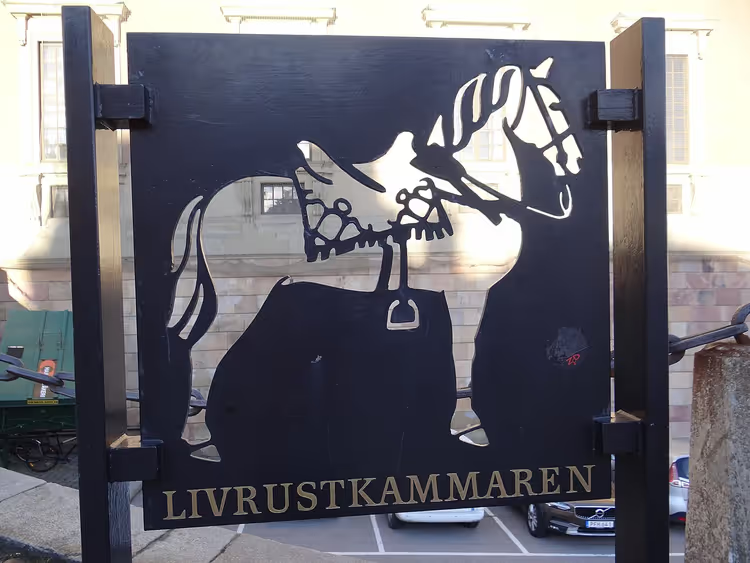
Livrustkammaren occupies the basement of the Royal Palace and houses Sweden's main collection of weapons and royal costumes. Armor, swords, carriages, and garments are on display, some of which the royal family still uses for receptions. For children, there is a Knight's Club, where they learn about the code of chivalry and real life in that era. This is one of the country's oldest museums, and its collection is directly tied to the history of the dynasty.
The permanent exhibition can be viewed free of charge; you only pay for a guided tour and an audio guide. Check current conditions on the museum's website. The audio guide is available in several languages, including a separate version for children. Getting there is easy: the museum is located directly beneath the Royal Palace in Gamla Stan, with the entrance on the south side.
10. Millesgården
 © Guillaume Baviere from Uppsala, Sweden · CC BY-SAPhoto: Guillaume Baviere from Uppsala, Sweden, CC BY-SA (https://creativecommons.org/licenses/by-sa/2.0), Wikimedia Commons
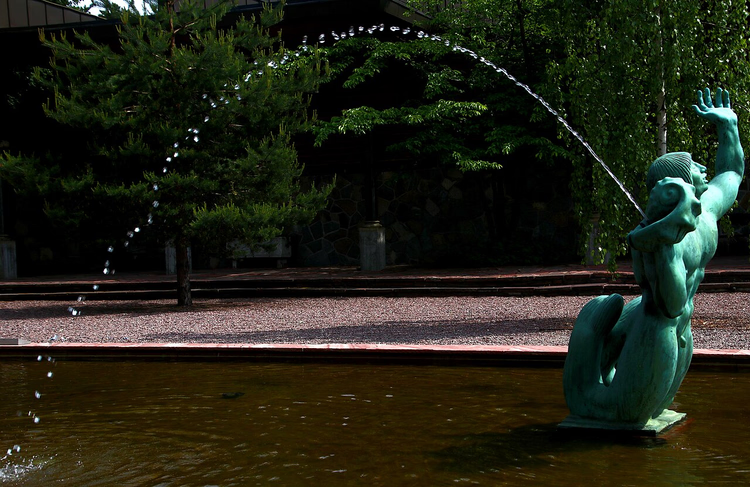
Millesgården was created by the family of sculptor Carl Milles: on the rocky shore of the island of Lidingö, they built a house and laid out a park. Terraces descend in tiers toward the bay, fountains play among the trees, and sculptures rise on columns. Many of the figures here are copies, with the originals now in museums around the world. The exhibition hall shows contemporary art, and lessons are offered in the Pink House.
The park is open in the warm season; part of the space is closed in winter. Tickets are cheaper than at the major city museums; exact prices and hours are on the Millesgården website. You can get there by metro to Ropsten, then by bus or tram to the stop near the entrance. Allow a couple of hours for your visit; less will feel rushed, especially if you want to climb to the upper terraces.
It's worth knowing the history of this place in advance. The Milles couple bought the rocky plot in the early 20th century, built a house and studio, and laid out terraces with fountains nearby. After their deaths, everything passed to the state, and the park became a museum. Carl Milles himself worked extensively abroad, so his figures stand in cities across Europe and the United States.
In addition to walking through the park, there are temporary contemporary art exhibitions and small activities for children along the paths. At the waterfront bistro, you can wait out the rain, and the studio displays working models and sketches. In the warm season, bring water and allow time for photos: each terrace has its own character, and the view of the bay is especially good in the afternoon.
11. Vadstena Abbey
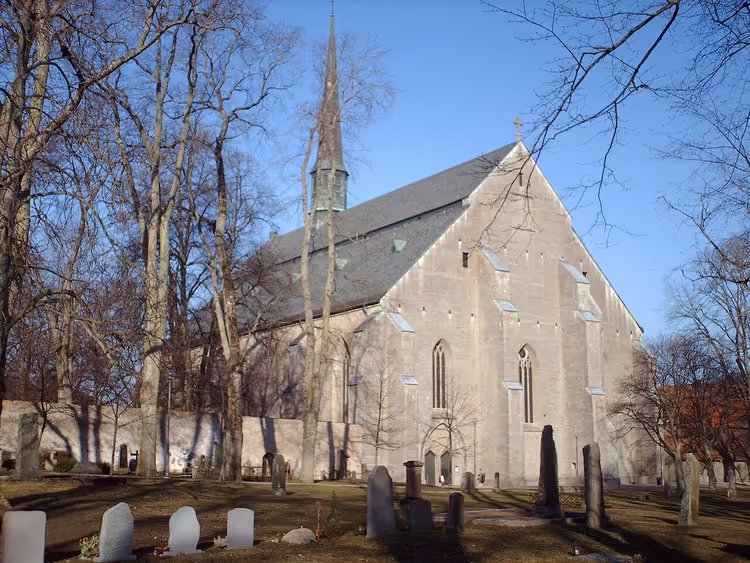
Vadstena is two hours from Stockholm and is known for the medieval convent of the Order of Saint Bridget. The abbey was founded in the 14th century and for a long time remained the spiritual center of the country. Today, several nuns serve here, and visitors are shown the architecture, a collection of paintings and icons, and sculpture. Every year in late May, the abbey celebrates the feast of Saint Bridget, and pilgrims come for the occasion.
Behind the monastery stands an old castle on the shore, which is also included in the walk. The abbey's history has known both flourishing and neglect, so the tour is rich in stories.
Entry to the church is free, and there is a guesthouse at the monastery where you can stay overnight. A night in the guesthouse costs more than a bed in a Stockholm hostel, so this option appeals to those seeking quiet. Opening hours vary by season; check current information on the abbey's website. The easiest way to get there is by train to Mjölby station, then by bus to Vadstena itself.
The abbey was founded by Saint Bridget, and her daughter Catherine of Sweden became the first abbess. In its best years, the monastery was the spiritual center of the country, then fell into decline, and only in the 20th century did life resume here. Today, about a dozen nuns serve in the abbey and are happy to welcome guests, pilgrims, and parishioners. The church houses medieval paintings, icons, and sculpture, and the monastery garden is open in warm weather.
If you're going for the day, plan your round trip carefully, otherwise you risk being stranded until morning. In the quiet months, there are almost no tourists here, making it the best option for a peaceful outing.
12. The boy looking at the moon
 © Алексей Решетников · CC BYPhoto: Алексей Решетников, CC BY (https://creativecommons.org/licenses/by/3.0), Wikimedia Commons
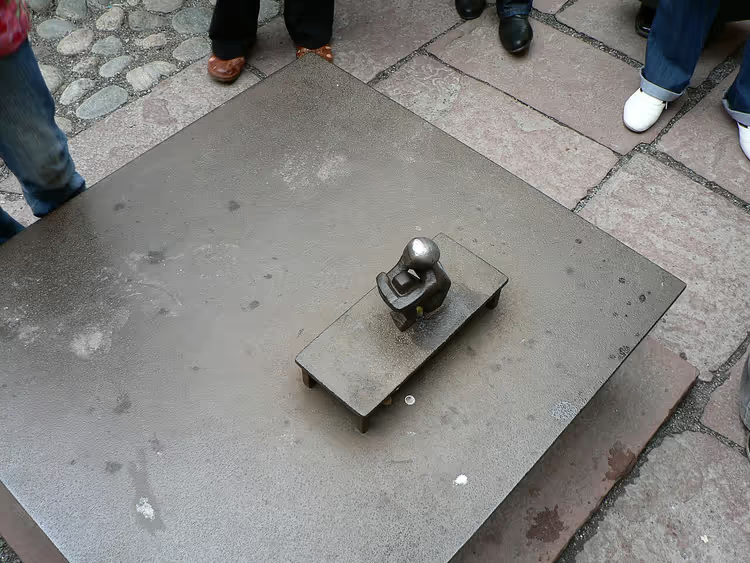
The Boy Looking at the Moon is considered the smallest sculpture in Stockholm, standing about fifteen centimeters tall. Sculptor Liss Eriksson created it in his own likeness, and locals believe that if you pat the boy on the head and make a wish, it will come true. In winter, the figure is wrapped in knitted scarves and hats, with outfits changed almost every week. You can find it in the inner courtyard behind the Finnish Church in Gamla Stan. The landmark is simple: the smaller the passage, the closer you are to your goal.
13. Kungsträdgården
 © Liberaler Humanist · CC BY-SAPhoto: Liberaler Humanist, CC BY-SA (https://creativecommons.org/licenses/by-sa/3.0), Wikimedia Commons
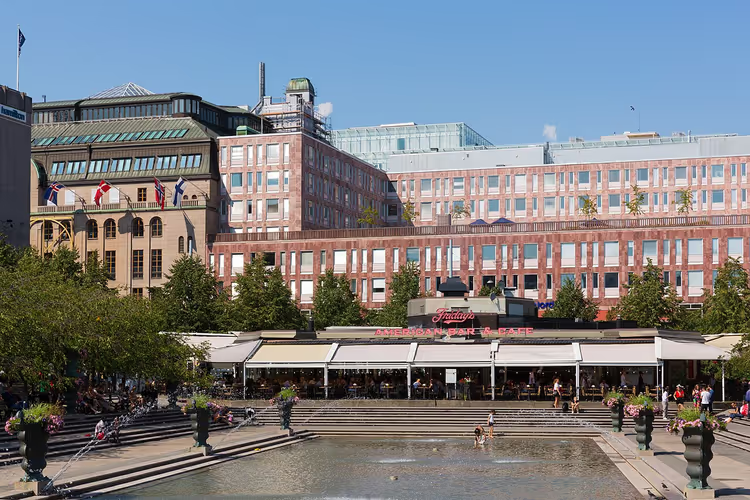
Kungsträdgården began as a vegetable garden that fed the royal court and later became a city park. In the 19th century, a monument to Charles XIII surrounded by lions was erected here, walkways were laid out, and the park was opened to the public. Since the late 20th century, the park blooms with cherry blossoms every spring, and hundreds of people come to see the pink trees. In winter, an ice rink is set up on the open areas, and a Christmas market with mulled wine operates nearby.
From here you can easily walk to Central Station. The Royal Dramatic Theatre and Kungsträdgården metro station are right next to the park. The site is free, open around the clock, and works well for a short break between museums.
14. Riddarholmen Church
 © Егор Журавлёв from Smarde, Latvia · CC BY-SAPhoto: Егор Журавлёв from Smarde, Latvia, CC BY-SA (https://creativecommons.org/licenses/by-sa/2.0), Wikimedia Commons
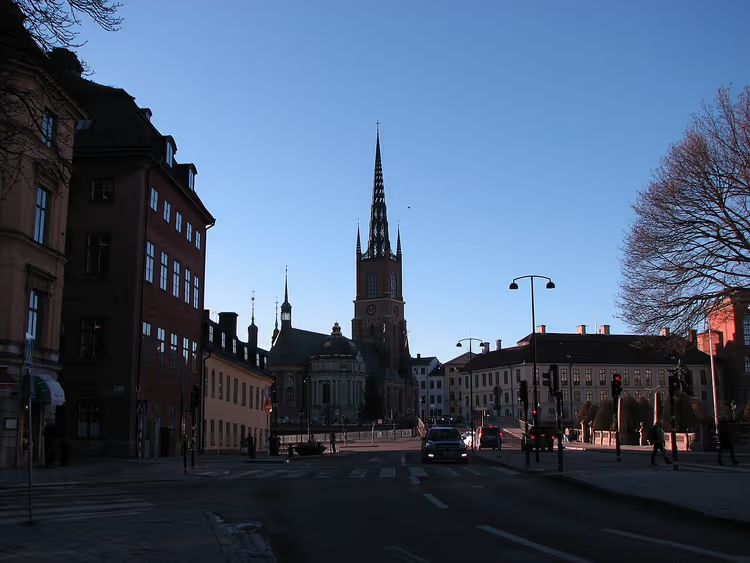
Riddarholmen Church dates back to the 13th century, and its delicate cast-iron spire is visible from afar. Services were originally held here, but since the 19th century the church has served as the burial place of Swedish monarchs. Rulers from several dynasties rest within its walls, and the floor is covered with grave slabs of prominent citizens. The walls are decorated with coats of arms of knights, whose emblems were given to the church after their owners died.
The church stands on the small island of Riddarholmen next to the Royal Palace, reached by a short bridge. Admission is paid, with discounts for children and students; check current prices and opening hours on the official website. In summer, organ concerts are sometimes held here, with the schedule posted at the entrance.
15. St. Nicholas Cathedral
 © Jorge Láscar from Melbourne, Australia · CC BYPhoto: Jorge Láscar from Melbourne, Australia, CC BY (https://creativecommons.org/licenses/by/2.0), Wikimedia Commons
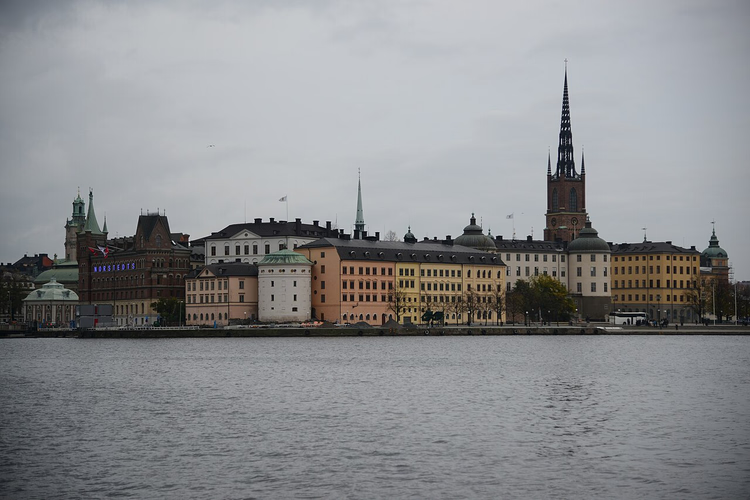
St. Nicholas Cathedral is also called Storkyrkan, and it is the main church of the Old Town. From the outside, the red-brick facade looks restrained, but inside you will see a Baroque interior and a collection of masterpieces. The first mentions of the church date back to the 13th century, and it secured its status as the main cathedral later, when coronations and noble weddings began to be held here. Near the entrance, the monument to the Battle of Brunkeberg with Saint George on horseback draws attention.
The Silver Altar and statues of saints deserve a closer look, as do the paintings depicting old Stockholm. The church is open daily, admission is paid, and children enter free. Check current prices and opening hours on the parish website. Free guided tours are sometimes offered on weekdays, so it is worth checking the schedule in advance.
16. St. Clara Church
 © Егор Журавлёв from Smarde, Latvia · CC BY-SAPhoto: Егор Журавлёв from Smarde, Latvia, CC BY-SA (https://creativecommons.org/licenses/by-sa/2.0), Wikimedia Commons
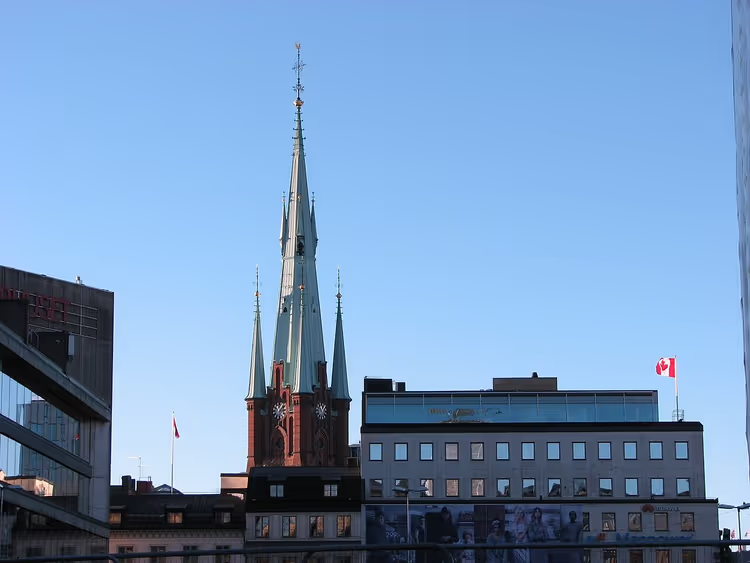
St. Clara Church is considered one of the tallest in the city, with a history spanning more than seven centuries. Until the 16th century, a convent stood here, later dismantled by order of Gustav Vasa to make way for fortifications. The church was rebuilt under his son, and its appearance has changed little since. Inside, the white-and-gold decor, painted ceilings, mosaic windows, and marble floor are impressive.
Dozens of bells hang in the tower clock, and famous Swedish poets are buried here. The church is open daily except Sunday, admission is free, but donations are welcome. Getting here is easy: the church stands next to T-Centralen metro station in the Norrmalm district. It is a quiet place just steps from a busy shopping area, and worth visiting if you are tired of the crowds.
17. Stockholm City Hall
 © Jorge Láscar from Melbourne, Australia · CC BYPhoto: Jorge Láscar from Melbourne, Australia, CC BY (https://creativecommons.org/licenses/by/2.0), Wikimedia Commons
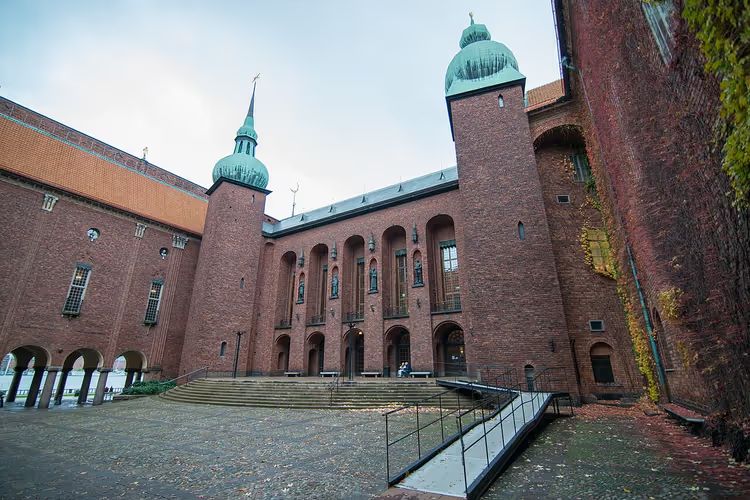
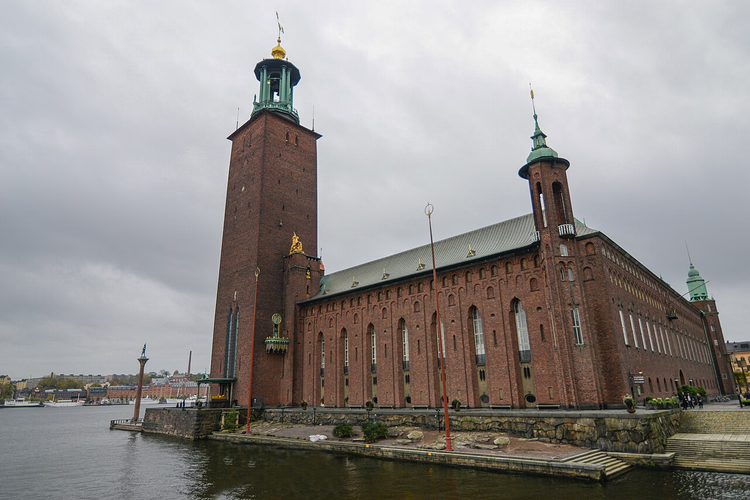
Stockholm City Hall stands on the shore of Lake Mälaren and is best known for the Nobel banquets. The Blue Hall is where laureates are honored, and the walls of the Golden Hall are covered in gilded mosaics. The tower, over a hundred meters tall, is reached by hundreds of steps, but the climb is closed in winter. The windows offer views of the water and islands, making this one of the best lookout routes in the center.
The halls can only be visited on a guided tour; check current prices and group schedules on the City Hall website. Tours are offered in several languages, and tickets are best purchased in advance during high season. The restaurant at City Hall serves dishes from the Nobel banquet menus. The nearest metro station is called Rådhuset.
18. Bergius Botanic Garden
 © Jorge Láscar from Melbourne, Australia · CC BYPhoto: Jorge Láscar from Melbourne, Australia, CC BY (https://creativecommons.org/licenses/by/2.0), Wikimedia Commons
Bergius Botanic Garden was founded by physician and botanist Peter Jonas Bergius, and after his death the garden passed to the Royal Swedish Academy of Sciences. Today thousands of plants from around the world grow here, and the greenhouses are organized by climate zone. In one greenhouse you will see desert plants of Africa, in another Australian eucalyptus trees, in a third thickets of tropical ferns. Admission to the garden is free; you only pay for certain greenhouses.
Benches and cafes are scattered throughout the park, and the pond with water lilies, the meadow with ducks, and the Japanese Garden are especially lovely in summer. The garden is open every day; check exact hours on the garden website. Take the metro to Universitetet, then walk a few minutes. A leisurely visit takes about an hour, or longer if you stop to take photos.
19. Sergels torg
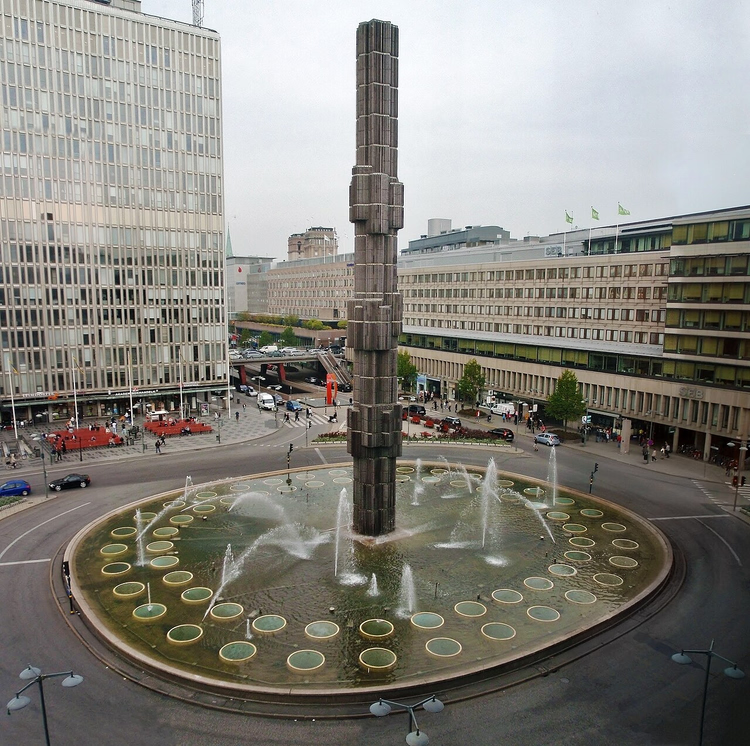
Sergels torg is the main transport hub of the center and a meeting place for locals. A glass column stands in the middle, surrounded by markets, rallies, and street performances. The pedestrian street Drottninggatan runs nearby, and Gamla Stan is just a ten-minute walk away. The square is open around the clock and free, making it a convenient starting point before a shopping trip.
 © Original photographer: Anders Bengtsson ; Image merging / retouching: Waldir · CC BY-SAPhoto: Original photographer: Anders Bengtsson ; Image merging / retouching: Waldir, CC BY-SA (https://creativecommons.org/licenses/by-sa/2.0), Wikimedia Commons
20. Royal Dramatic Theatre
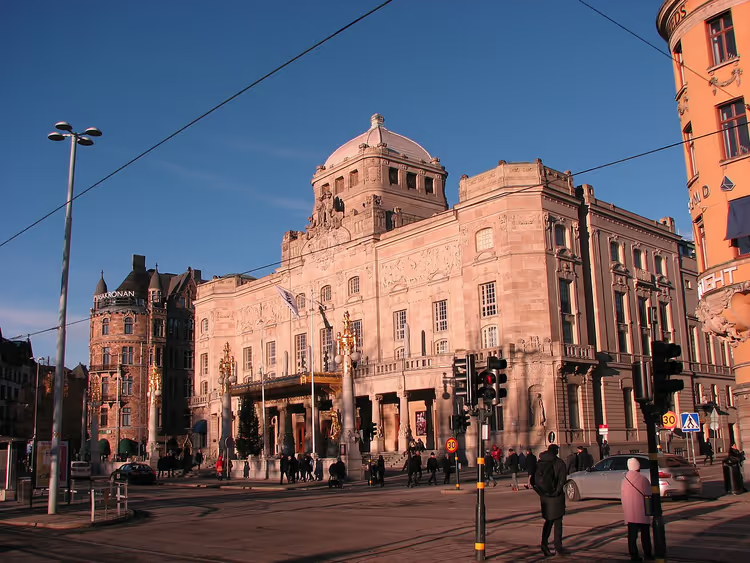 © Егор Журавлёв from Smarde, Latvia · CC BY-SAPhoto: Егор Журавлёв from Smarde, Latvia, CC BY-SA (https://creativecommons.org/licenses/by-sa/2.0), Wikimedia Commons
The Royal Dramatic Theatre, known as Dramaten, looks more like a palace than a stage. The marble facade is decorated with bas-reliefs, carved columns, and gilded sculptures. At the entrance, visitors are greeted by a bust of August Strindberg, and a little further on stands a statue of actress Margaretha Krook. Today the theatre stages both classics and contemporary Swedish drama, with more than a thousand performances per season.
Some tickets sell out long before opening night, so check the current program on the theatre's website. The interiors, with paintings by famous artists, could easily be mistaken for a museum gallery. The theatre is a short walk from Kungsträdgården and the metro station of the same name.
21. Drottningholm Palace ensemble
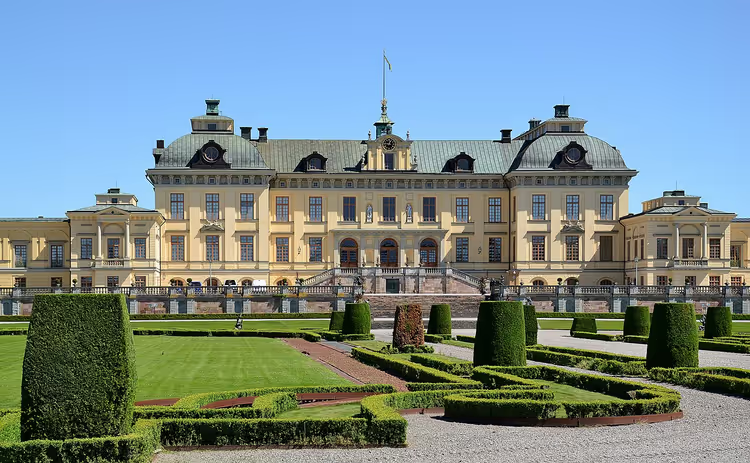 © Pudelek · CC BY-SAPhoto: Pudelek, CC BY-SA (https://creativecommons.org/licenses/by-sa/4.0), Wikimedia Commons
Drottningholm is called Sweden's Versailles, and with good reason: three generations of architects worked to achieve comparable splendor. The palace and its park are listed as a UNESCO World Heritage Site. The complex includes gardens in French and English styles, a Chinese pavilion, and a working theatre. It is now the residence of the royal family, but some rooms and the museum are open to visitors.
The park is open around the clock and free of charge; the museum operates on a seasonal schedule, so check current tickets and hours on the complex's website. You can get there by public transport or by ferry, and the journey across the water is a worthwhile experience in itself. Set aside half a day to cover both the palace and the gardens. Wear comfortable shoes: the park is large, and some paths are unpaved.
22. The Riksdag building
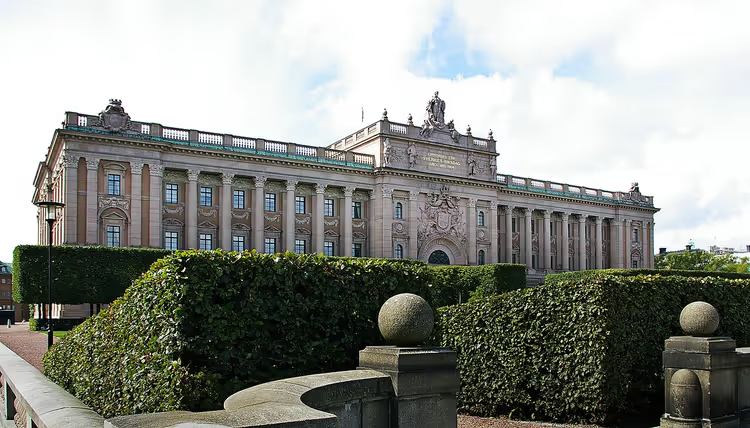
The Riksdag building was constructed in the early 20th century and looks younger than other landmarks in the center. Visitors are allowed inside even on session days, so you can see how the Swedish parliament works. Members of parliament sit according to a modern system, and the seven buildings are connected by underground passages. Guests ascend the grand staircase to the chambers, and hundreds of paintings and sculptures hang on the walls.
Admission is free, tours run at set times, and you can check the schedule on the Riksdag website. Nearby is the Museum of Medieval Stockholm, which has exhibits for children. The building stands on the island of Helgeandsholmen, between Gamla Stan and the city center, and it is convenient to walk through on foot.
23. Wrangel Palace
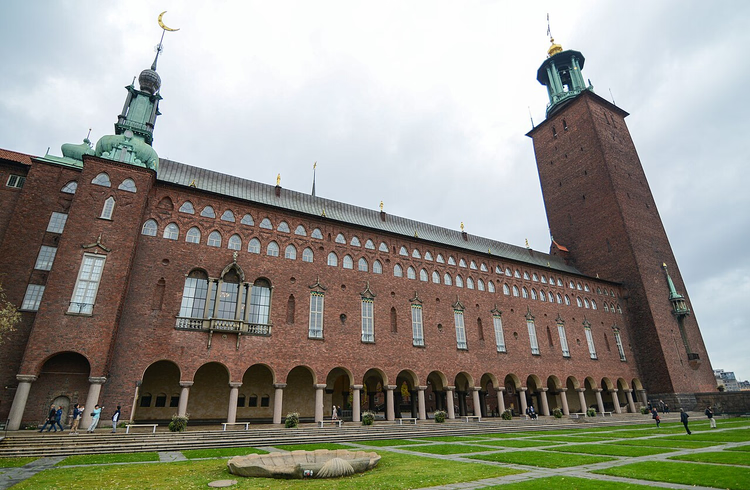 © Jorge Láscar from Melbourne, Australia · CC BYPhoto: Jorge Láscar from Melbourne, Australia, CC BY (https://creativecommons.org/licenses/by/2.0), Wikimedia Commons
Wrangel Palace was built in the 17th century as a residence for a noble family, and it hosted masquerades and receptions. Today the building houses the Svea Court of Appeal, so tourists are not allowed inside. After many renovations, the exterior has become modest, and what remains of its treasures are portraits of judicial figures and works by Swedish artists. The palace is worth viewing from the outside on your way to other points in Gamla Stan.
24. Museum of Modern Art
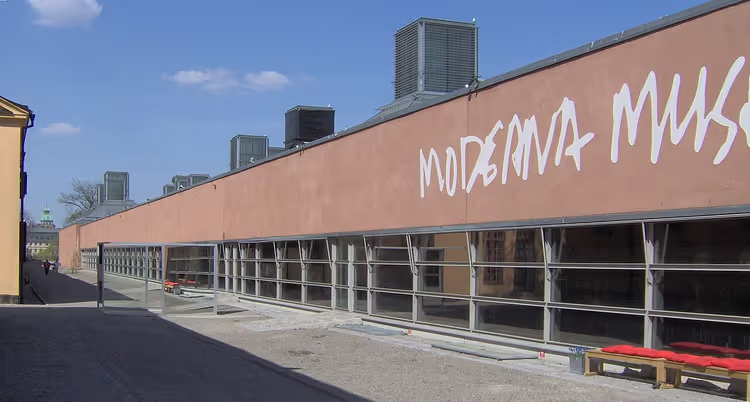
The Museum of Modern Art on Skeppsholmen shows works from the 20th and 21st centuries. The collection is divided into several periods and rooms, and the exhibits include Russian constructivists. For some people, modern art sounds strange, but this is exactly where you encounter the most talked-about works of recent decades. Part of the exhibition changes, so the permanent collection looks different every time.
The museum is open every day except Monday; check current prices and hours on the museum website. Discounts are available for young people and students. You can walk there from the center. Allow one and a half to two hours for your visit.
25. Tom Tits Experiment
Tom Tits Experiment occupies a four-story red-brick building in Södertälje. Everything here is hands-on: you can run experiments, solve puzzles, and test the laws of physics on yourself. At the entrance you get a guidebook describing each exhibit, and there are about six hundred of them. In the planetarium, chemistry lab, and activity halls, kids won't get bored even over a full day.
In the courtyard there is a huge hot-air balloon you can ride, and a cafe nearby. The museum is open every day except Monday; check tickets and hours on the Tom Tits website. You can get there by commuter train from Central Station to Södertälje centrum, then walk. This is a good option for a day with kids when the city museums have already lost their appeal.
26. Gröna Lund
 © Guillaume Baviere · CC BY-SAPhoto: Guillaume Baviere, CC BY-SA (https://creativecommons.org/licenses/by-sa/2.0), Wikimedia Commons
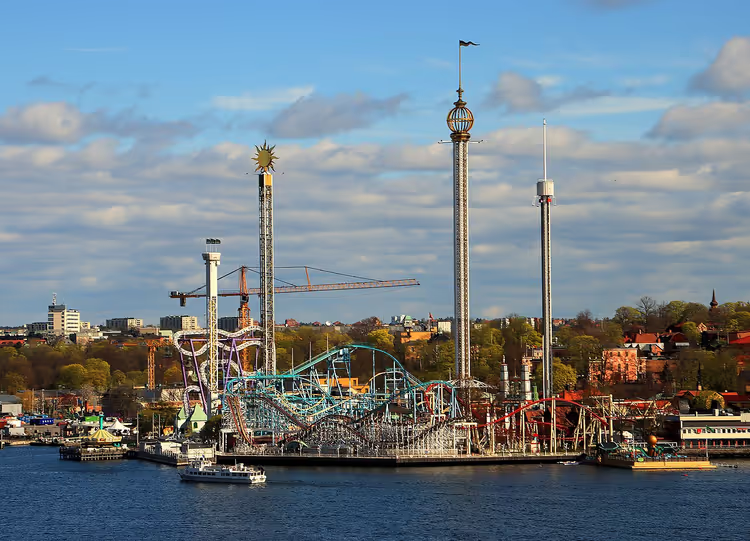
Gröna Lund started with a few carousels and grew into a park with dozens of rides. The Fun House won't let you climb up, because the stairs and floor keep shifting under your feet. The drop tower lifts you high up, and the views from there are excellent, but the thrills aren't for everyone. In the Haunted House, actors playing ghosts keep the atmosphere alive.
The park also hosts concerts; world-famous stars have performed here. Sweets, games, cafes, and restaurants are available too. There are two types of tickets: admission plus per-ride tickets, or an all-day pass; check current prices on the park website. It's easy to get there by tram to Djurgården; the park sits right by the water.
27. Junibacken
 © Holger Ellgaard · CC BY-SAPhoto: Holger Ellgaard, CC BY-SA (https://creativecommons.org/licenses/by-sa/3.0), Wikimedia Commons
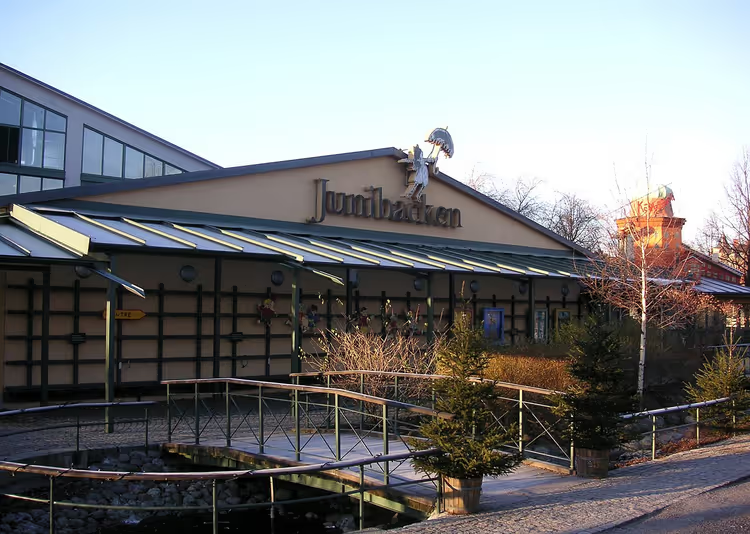
Junibacken transports you into the world of Astrid Lindgren's fairy tales. The sets were built based on her sketches, so the scenes from the books look almost exactly as she imagined them. You can visit Karlsson, whose house sits on the roof, or Pippi Longstocking. A storybook train takes guests through the rooms, and the story is told in different languages through headphones.
Slides, airplanes, and horses can be touched and climbed on, so kids have a field day here. The museum hosts performances and exhibitions, and on the way out there is a pastry shop and a bookstore. Tickets are priced by age; check hours and prices on the Junibacken website. The museum is on Djurgården next to other family-friendly attractions.
28. ABBA Museum
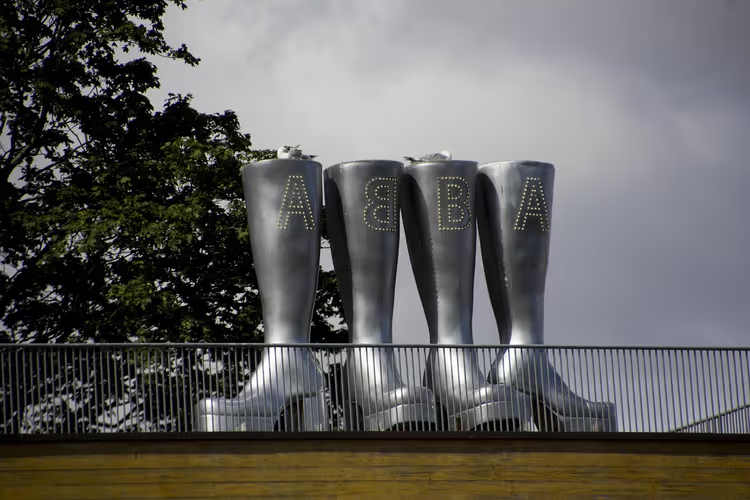
The ABBA Museum opened in 2013, and the band members themselves attended the ceremony. For fans, it's a real treat: you can step onto the stage at a microphone next to holograms of the quartet. The exhibition brings together concert costumes, records, posters, instruments, and video footage. There is also a recording studio where you can record your own song.
A special detail is a telephone that the band members promised to use to call fans from time to time. A piano is linked to the instrument of the band's leader and can suddenly start playing. It's best to buy tickets in advance; check current prices and hours on the museum website. The museum is on Djurgården next to the island's other major attractions.
29. Hallwyl Museum
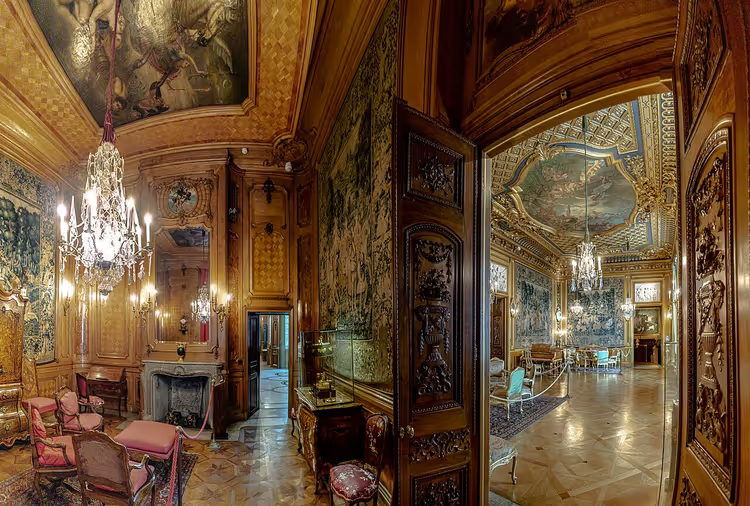
The wealthy Hallwyl family made their fortune in the timber industry and decided to build their own palace. They had a house built with several dozen rooms, with electricity, heating, an elevator, and a bathroom, which was rare even among the nobility at the time. Court artists painted the ceilings and walls, and furniture was bought up across Europe. All the rooms are open to visitors, from the dining room with 18th-century porcelain to the living quarters.
 © Rainer Halama · CC BY-SAPhoto: Rainer Halama, CC BY-SA (https://creativecommons.org/licenses/by-sa/4.0), Wikimedia Commons
The palace cost so much that the countess and her husband gave it to the state. There were many heirs, but they would not have maintained the estate, and the owners did not want to sell off the collection. The lady of the house recorded the value and history of every object in several volumes, and these records are still kept in the palace. You can find the museum in the center, near Kungsträdgården, and admission with a guided tour is inexpensive. Check current hours on the museum website.
30. Biological Museum
 © Sungifur · CC BY-SAPhoto: Sungifur, CC BY-SA (https://creativecommons.org/licenses/by-sa/4.0), Wikimedia Commons
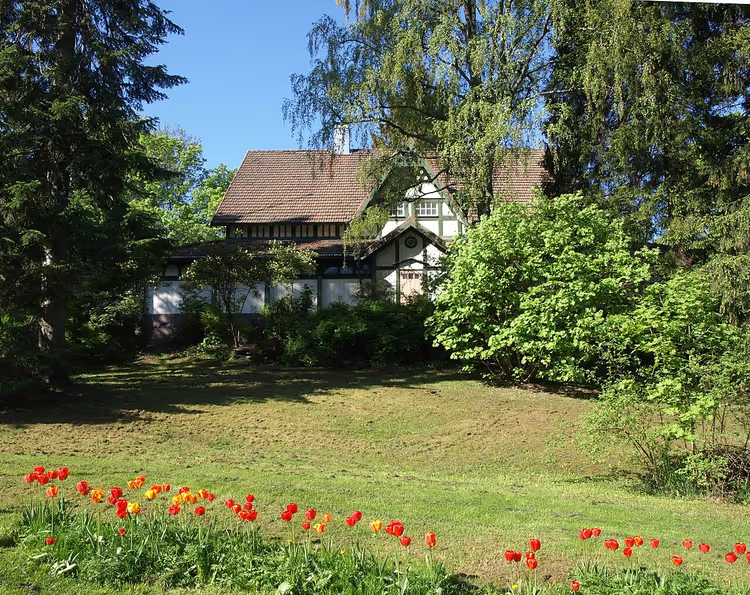
The Biological Museum opened in the late 19th century at the suggestion of zoologists, and it is dedicated to the nature of Scandinavia. It houses taxidermy animals from northern and southern regions, and the building has preserved its old-world atmosphere. At the entrance, visitors are greeted by an unusual figure that everyone photographs.
Here you can see taxidermy badgers, bears, foxes, and other wild animals of Sweden. The museum operates on a seasonal schedule; check the museum's website for current hours and tickets. It's a quiet stop for families with children and natural history enthusiasts.
31. Nordic Museum
 © Jordgubbe · CC BY-SAPhoto: Jordgubbe, CC BY-SA (https://creativecommons.org/licenses/by-sa/2.0), Wikimedia Commons
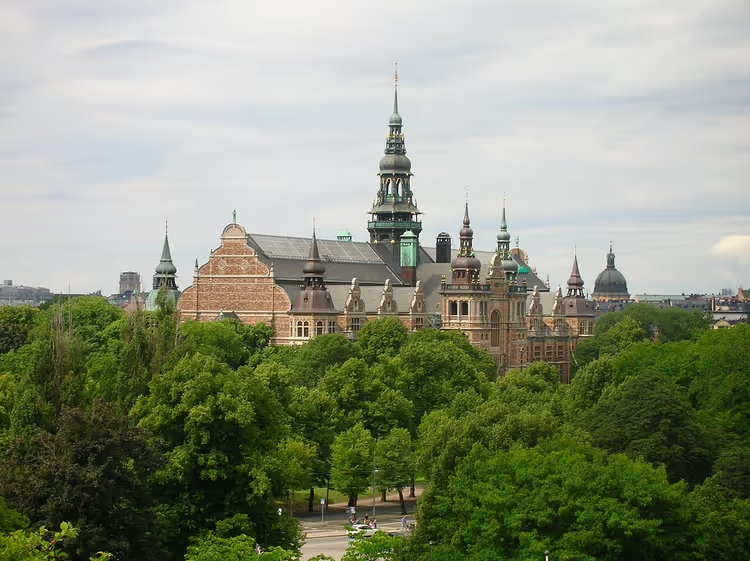
The Nordic Museum has assembled a collection of one and a half million objects, which Arthur Hazelius began gathering together with volunteers. It required a large site, and land was allocated on Djurgården. The enormous castle houses art and everyday life across four floors, and you can't cover them all in one day. In the lobby, visitors are greeted by a gilded statue of Gustav Vasa, and nearby there are cafes, shops, and play areas.
The second floor will especially appeal to children: it displays toys and dolls from different eras, and mannequins show scenes from the lives of Swedes in past centuries. The upper levels are devoted to tableware, furniture, and musical instruments. The museum is open daily; check the museum's website for tickets and hours. Allow at least half a day for your visit.
32. Museum of Mediterranean and Near Eastern Antiquities
 © Slottsviken51 · CC BY-SAPhoto: Slottsviken51, CC BY-SA (https://creativecommons.org/licenses/by-sa/4.0), Wikimedia Commons
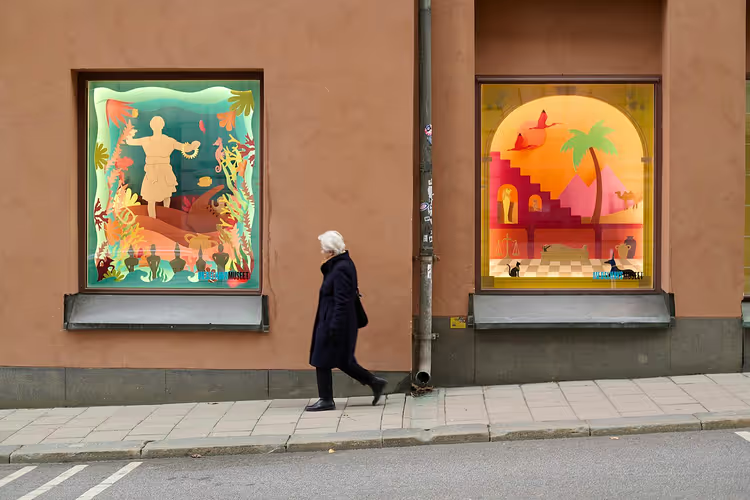
The Museum of Mediterranean and Near Eastern Antiquities came about after the merger of the Egyptian and Cypriot collections. Now you can trace the development of ancient Mediterranean cultures here. The most impressive items are the finds from the age of the pharaohs: sarcophagi, mummies, and gold jewelry. A cafe with Eastern sweets operates right among the display cases, and the tour doesn't take much time. Check the museum's website for current hours and tickets.
33. Observatory
 © BloodIce · CC BY-SAPhoto: BloodIce, CC BY-SA (https://creativecommons.org/licenses/by-sa/3.0), Wikimedia Commons
The Observatory suits a narrow circle of astronomy enthusiasts, so there are usually few people here. Until the middle of the last century, research in meteorology and astrometry was conducted here, until the scientists moved to a new building. Now the halls hold scientific instruments and achievements, including a telescope you can look into and touch. It's a short stop on the way to other central sights, and the silence here is complete. Check the observatory's website for current opening hours.
34. Skogskyrkogården Woodland Cemetery
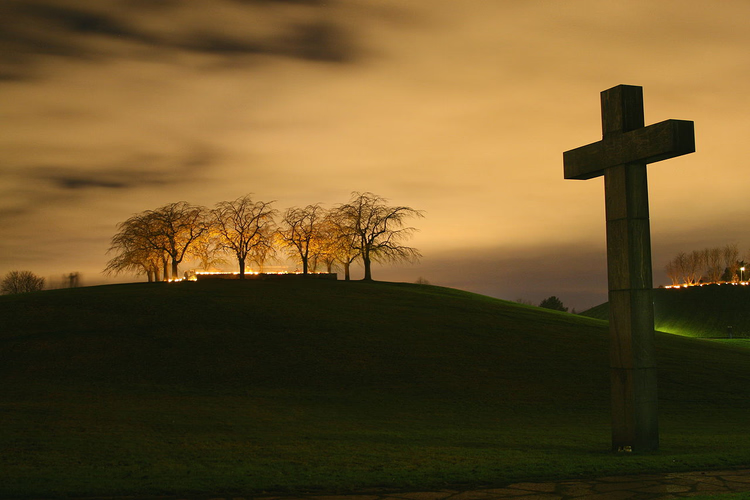
Skogskyrkogården is a UNESCO World Heritage Site and is considered a model of modern landscape architecture. Unlike many famous cemeteries, people of any faith and status can be buried here. Despite the crematorium, chapels, and graves, the place doesn't feel gloomy: the trimmed lawns, shrubs, and lakes are well kept and calming. The layout is symbolic; from the farewell field, visitors walk to the exit along the path of seven springs.
The gravestones here are modest, but flowers are planted around them, and at the entrance they sell seedlings with descriptions and prices. There is no charge to enter the cemetery; check the website for current hours and rules. You can get there by metro to Skogskyrkogården station, then walk. It's worth coming here for the quiet and the views, not for classic tourist attractions.
35. Katarinahissen viewing platform
The Katarinahissen viewing platform lifts visitors more than thirty meters above Sodermalm. You can walk up for free, and the elevator ride costs a symbolic amount. The metal structure used to serve advertising agencies, and the city's brightest signs were placed here. Today people come here for the restaurant with panoramic views of the Old Town and the Royal Palace. Prices at the restaurant are high, but the sunset view justifies the bill. Check the exact schedule on the website.
36. Kaknas TV tower
 © kallerna · CC BY-SAPhoto: kallerna, CC BY-SA (https://creativecommons.org/licenses/by-sa/3.0), Wikimedia Commons
The Kaknas TV tower is noticeably taller than other viewing points in Stockholm. Since the late sixties it has been one of the most popular tourist attractions. Visitors can choose between two levels: an open platform for the brave and an enclosed one for those who prefer comfort. The ticket includes use of binoculars, and you can grab coffee at the adjacent cafe bar. There is also a way to go up without a ticket by booking a table at the restaurant on the top floor.
The tower stands right above an ecological park, where you can go down for a walk after taking photos. The souvenir shop sells magnets, mugs, and small keepsakes. Check current prices and hours on the tower's website; the platform ticket usually includes binoculars.
Tours and tickets in Stockholm
Guided tours, skip-the-line tickets and activities — most offers can be cancelled free of charge.
See offers on GetYourGuideThe widget loads once you give your consent.
Stockholm attractions on the map
We have gathered the main points on one map to make it easier for you to plan your route across the islands. Open it on your phone and mark the places you can reach on foot.
Stockholm Attractions
Places on the map
- 1Nationalmuseum The country's main collection on the Blasieholmen waterfront, a hall of French Impressionists
- 2Stockholm City Museum The capital's history since the 13th century in a white palace by Slussen, some exhibits free
- 3Vasa Museum The only surviving 17th-century warship, entry 195-230 kronor, free for children
- 4Skansen The oldest open-air museum and zoo on Djurgården hill, a hundred old homesteads
- 5Avicii Arena (Globen) A white sphere with an arena and the SkyView lift rising over a hundred metres
- 6Gamla Stan The medieval center on Stadsholmen island, allow half a day to see it
- 7Nobel Prize Museum A 17th-century house on Stortorget square, about the prize, laureates and Alfred Nobel himself
- 8Royal Palace The monarchs' working residence, state rooms and treasury, changing of the guard in summer
- 9Royal Armoury (Livrustkammaren) Weapons and royal costumes in the palace vaults, the permanent exhibition is free
- 10Millesgården The house and park of sculptor Carl Milles on Lidingö, terraces with fountains over the bay
- 11Kungsträdgården A former royal kitchen garden, cherry trees bloom in spring, an ice rink in winter
- 12Riddarholm Church The burial place of Swedish monarchs with a lacy cast-iron spire, paid entry
- 13St. Nicholas' Cathedral (Storkyrkan) The Old Town's main church, a baroque interior and a monument to the Battle of Brunkeberg
- 14St. Clara's Church One of the city's tallest churches near T-Centralen, free entry except on Sundays
- 15Stockholm City Hall The site of the Nobel banquets on the shore of Mälaren, halls only by guided tour
- 16Bergius Botanic Garden Greenhouses arranged by climate zone, free entry to the garden, Universitetet metro station
- 17Sergels Torg The main transport hub of downtown with a glass column, open around the clock
- 18Royal Dramatic Theatre A marble facade with reliefs, more than a thousand performances a season
- 19Drottningholm Palace Sweden's Versailles on the UNESCO list, the park is free, allow half a day to visit
- 20Riksdag Building Parliament on Helgeandsholmen island, free viewing on a tour schedule
- 21Wrangel Palace A 17th-century residence in Gamla Stan, home to the Court of Appeal, viewing from outside only
- 22Museum of Modern Art 20th and 21st century art on Djurgården, closed Mondays, about two hours to see
- 23Tom Tits Experiment About six hundred hands-on exhibits, reached by train to Södertälje centrum
- 24Gröna Lund A waterside amusement park on Djurgården, single-entry ticket or an all-day pass
- 25Junibacken Astrid Lindgren's world of fairy tales with a storybook train, sets based on her sketches
- 26ABBA The Museum Costumes, records and a recording studio, you can join holograms on stage
- 27Biological Museum Scandinavian nature in a late-19th-century building, a park with hamlets and a zoo nearby
- 28Nordic Museum One and a half million everyday objects on four floors, allow at least half a day
- 29Mediterranean Museum Egyptian and Cypriot collections, sarcophagi and mummies, a quick visit
- 30Stockholm Observatory Scientific instruments and a telescope in the halls of a former observatory, usually few visitors
- 31Skogskyrkogården Woodland Cemetery A UNESCO site and a model of landscape architecture, free entry, Skogskyrkogården metro station
- 32Katarina Elevator A platform more than thirty metres above Södermalm, free to walk up
- 33Kaknäs Tower The city's tallest viewing platform, open and enclosed levels, binoculars included in the ticket
⁉️🤔 Frequently asked questions
How many days should you set aside for Stockholm?
For a first visit, three to four days is enough. Give one day to Djurgarden, the second to Gamla Stan with the Royal Palace and museums, and the third to viewing platforms and Sodermalm. If you want to go to Vadstena or Drottningholm, add one more day.
Do you need to buy tickets in advance?
In high season, yes, especially for the Vasa Museum and city hall tours. In summer, entry is sold by time slots, and the line can take over an hour. At other times tickets are usually available on site, but buying online saves time and locks in the price.
Which museums have free admission?
The permanent exhibition at Livrustkammaren can be viewed for free, Nationalmuseum has discounts for children and teenagers, and many museums offer free entry for the youngest visitors. Skansen park is paid, but city parks and the viewing platform on the hill are open to everyone.
What to see in Stockholm with kids?
Head to Djurgarden: Skansen with its zoo, Junibacken with Astrid Lindgren's fairy tales, and the Vasa Museum will impress even toddlers. For a day outside the city, the Tom Tits Experiment museum is a good fit, where everything can be touched, and Grona Lund park has rides for any age.
How to get from the airport to the center?
From Arlanda, the most convenient options are the Arlanda Express train or a bus to Central Station; there is also a commuter train. Taxis are more expensive, and the distance to the city is considerable. Check the carrier's schedule in advance and buy your ticket online.
In short: what to book
Stockholm is easy to divide by islands, and then every visitor will find their own spot. Here is a short matrix for different trips.
- If you are in the city for the first time: the Vasa Museum and Gamla Stan with the Royal Palace.
- If you are traveling with kids: Skansen, Junibacken, and the Tom Tits Experiment museum.
- If you love art: Nationalmuseum and the Museum of Modern Art.
- If you want views: Katarinahissen and the Kaknas TV tower.
- If you need a day outside the city: Drottningholm and Vadstena Abbey.
Look for accommodation in advance at Stockholm hotels on Trip.com, book city tours at Stockholm tours on GetYourGuide, and get train tickets at train tickets on Trip.com. That way you will have time for walks instead of lines.

A small editorial team writing guides for independent travel. We travel ourselves, but we haven’t been everywhere, so we check prices, opening hours and how to get there against official sources.