
















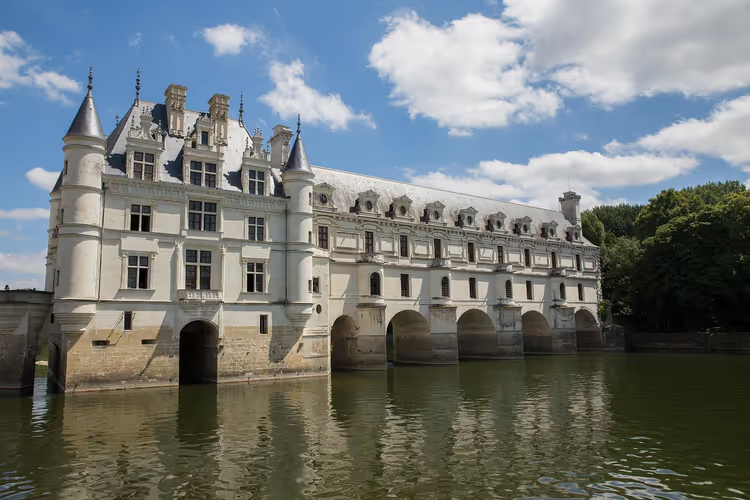
Loire castles: 25 palaces worth seeing in 2026
The Loire Valley packs dozens of chateaux into a small stretch along the river. In one day you can cover two or three; in a week you can realistically check off the entire list. We have rounded up the 25 most interesting chateaux of the valley and added an honest catch to each one.
The biggest names in the valley are Chambord, Chenonceau, Amboise, and Blois. The most expensive entry is at Chambord: €21 for EEA citizens and residents and €31 for all other visitors (as of 09/2026, chambord.org). Quieter estates like Cheverny or Valençay cost less and are nearly empty on weekdays.
Ad: this article contains affiliate links, we earn a commission through them at no extra cost to you.
Loire chateaux: what you need to know
💡 In short:
- Plan on two or three chateaux per day, otherwise the trip turns into a race.
- Buy tickets online: in summer, showing up without a time slot means an hour-long line.
- Prices and opening hours: 09/2026, verified on the official Chambord website.
The chateaux did not appear here for beauty. In the 9th to 12th centuries the valley served as the border with the Normans, so feudal lords built forts on steep riverbanks. The river provided protection, and the high ground gave a view of the entire surrounding area.
The Italian campaigns of the 15th century showed the nobility that a fortress could also be comfortable. Owners rebuilt their grim strongholds into palaces, laid out gardens and parks. That is how the valley got the look tourists see today.
The most convenient way to see the chateaux is by area: around Blois, around Tours, and around Angers. Trains run between them, and a car frees you from the schedule.
Chateau | What makes it special |
|---|---|
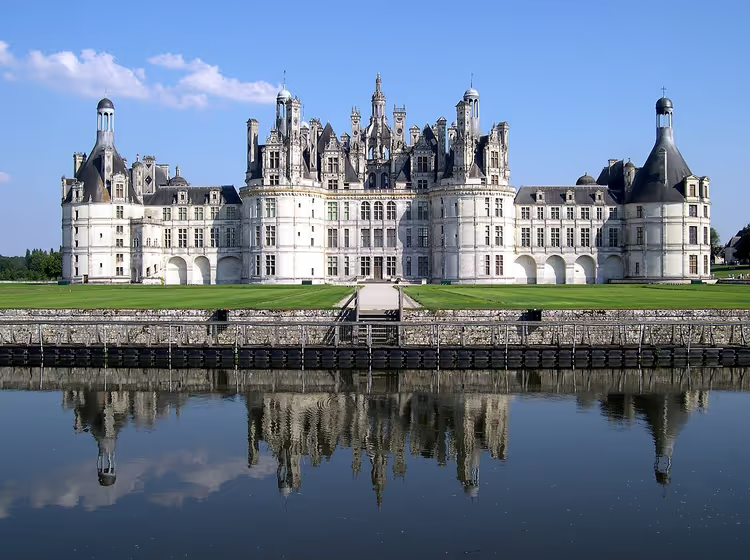
Chambord | The double spiral staircase and a huge forest park |
Chenonceau | A gallery built right on the bridge over the river |
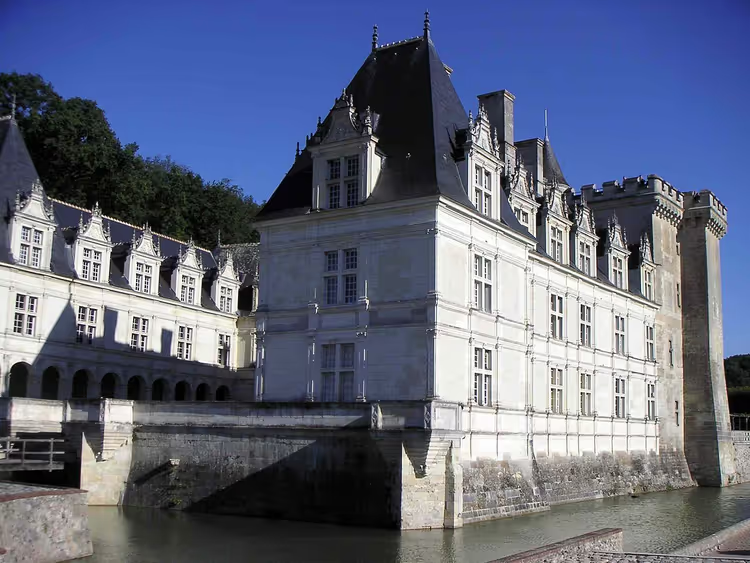
Villandry | Terraced gardens with geometric patterns |
Cheverny | Authentic interiors, hunting, and the kennel |
Blois | Four wings and four historical eras |
1. Chambord
 © Calips · CC BY-SAPhoto: Calips, CC BY-SA (http://creativecommons.org/licenses/by-sa/3.0/), Wikimedia Commons
Chambord was built by Francis I on a personal whim. The king chose a vast forested area, but the site turned out to be marshy. The land was drained and the foundation was set on oak piles, otherwise the halls would have been standing in water.
Construction took nearly three decades, and Francis I never saw the chateau finished. Later the king's heirs lived here, then the building was abandoned. In the 20th century Chambord passed to the state and opened to visitors.
The main attraction is the double spiral staircase. It is attributed to Leonardo da Vinci. In total the chateau has dozens of confusing staircases: it is believed that Francis I used them to keep his mistresses apart.
- Cost: €21 for EEA citizens and residents, €31 for everyone else; children under 18 free (as of 09/2026, chambord.org).
- Opening hours: 9:00-17:00 in winter and 9:00-18:00 from late March through October (as of 09/2026, official website).
- The catch: only part of the several hundred rooms have been restored, so there are few interiors inside.
2. Villandry
 © LonganimE · CC BY-SAPhoto: LonganimE, CC BY-SA (https://creativecommons.org/licenses/by-sa/2.5), Wikimedia Commons
Villandry began as a fortified stronghold that could not be taken from the 13th to the 16th century. The Treaty of Azay-le-Rideau was signed within these walls. Later, Francis I's secretary of state bought the estate and demolished the rough structures, except for the central tower.
The new palace took the shape of a horseshoe, and the courtyard was decorated with arched galleries. Stone walls were replaced by hedges, and the park became part of the design. In the 18th century the Marquis de Castellane remodeled the building again: window openings were reduced and balconies appeared.
The historic look was restored only in the 20th century at the urging of Dr. Carvallo. The palace regained its window shapes and galleries. Today the interior is open by guided tour, and the tower offers a view of the gardens.
- Cost: €14 for the palace and gardens, €8.50 for gardens only (as of 09/2026, chateauvillandry.fr). The interiors of Villandry recreate an 18th-century setting, and some of the pieces are authentic. The main draw is still the gardens: geometric patterns of shrubs and flowers stretch from the palace to the river, and the terraces rise one above another.
The palace is open from February 7 to November 11, then from late November to early January, while the gardens are open year-round except December 25 (as of 09/2026, official Villandry website). In summer, get a ticket for the first half of the day; by afternoon the open terraces get hot.
- The catch: the palace is not open all year; in the off-season only the gardens are open.
3. Amboise
 © W. Bulach · CC BY-SAPhoto: W. Bulach, CC BY-SA (https://creativecommons.org/licenses/by-sa/4.0), Wikimedia Commons
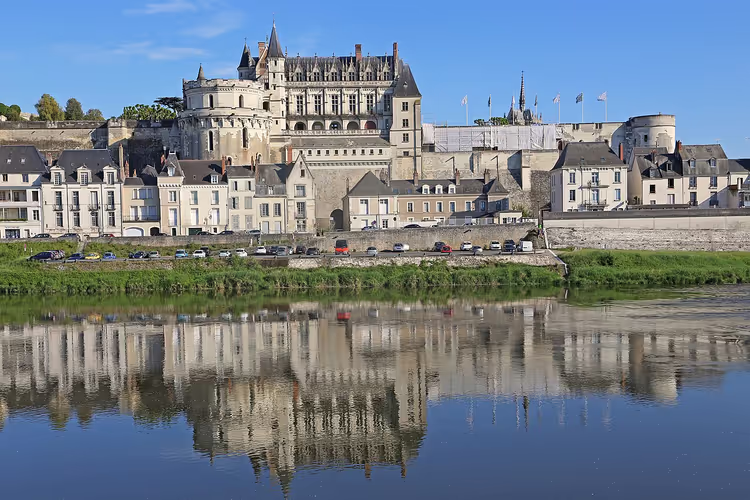
Amboise grew out of an impregnable fortress that rose 40 meters above the Loire. Such a fortification could withstand a long siege. From the 13th century it was owned by the Amboise family, and later the fortress passed to the crown.
Charles VIII completely rebuilt the chateau. He loved luxury and came up with the idea of laying out Italian gardens right on the fort's grounds. Francis I spent his childhood here, and the king entrusted technical solutions to Leonardo da Vinci.
After the court left, Amboise was abandoned. During the Revolution, a button factory operated in its halls, and the chateau was nearly dismantled for stone. Today the rooms are named after the women who lived here, and a separate exhibition is dedicated to Leonardo da Vinci.
Inside, a collection of furniture from that era has been preserved, and the Gothic halls convey the atmosphere of the Middle Ages. From the terraces and towers there is a view of the Loire and the tiled roofs of the town.
Plan your visit for the morning. By midday, groups gather at the entrance, and the narrow staircases become crowded.
- The catch: the climb to the fortress is uphill, so it will be difficult with a stroller or suitcase.
4. Blois
 © Tango7174 · CC BY-SAPhoto: Tango7174, CC BY-SA (https://creativecommons.org/licenses/by-sa/4.0), Wikimedia Commons
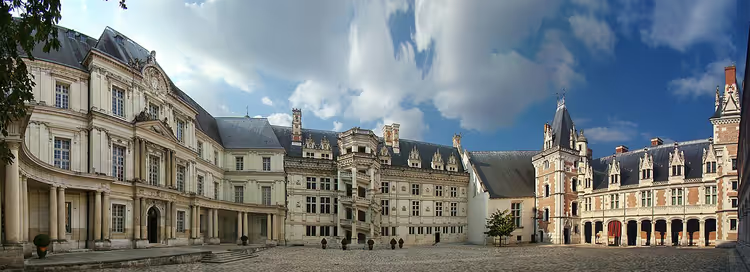
Blois has stood on a cliff above the Loire since the 9th century. The first citadel seemed impregnable: a high cliff on one side, a deep river on the other. Construction expanded under Louis of Orleans, and King Louis XII was born in the chateau.
Louis XII made Blois the capital and built his own wing. There was no longer any need for a fortress here, so luxury reigns in the halls. By receiving the Archduke of Austria in the new residence, the king prevented a war with Austria.
Francis I added his wing and had his motto inscribed on the facade as many as twelve times. After his departure, the chateau was abandoned and began to deteriorate. Louis XVI wanted to sell or demolish Blois, but his vassals talked the king out of it. Today it is a monument where several eras come together.
A separate page of history is the wing of Gaston of Orleans. Construction began and was quickly stopped, so it remained unfinished. After the Revolution, the chateau fell into decline for a long time until restoration began in the 19th century. Some elements were added anew at that time, and this still causes debate among historians.
In the evening, a light show takes place in the inner courtyard: projections on the facades tell the history of the chateau (according to chateaudeblois.fr).
- The catch: it is hard to make sense of the four wings in a single visit, so take an audio guide or a map.
5. Chenonceau
 © Raph · CC BY-SAPhoto: Raph, CC BY-SA (http://creativecommons.org/licenses/by-sa/3.0/), Wikimedia Commons
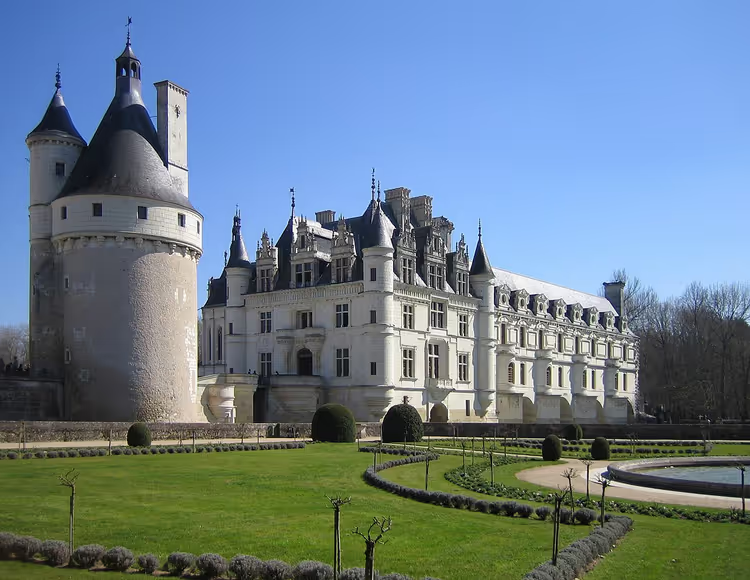
Chenonceau is called the ladies' chateau. It is one of the few in France that remains privately owned, but the owners let tourists inside and into the park.
Catherine Boyer began rebuilding the fortress: she kept the central tower and the drawbridge, and laid out a huge park around it. Henry II gave the chateau to his favorite Diane de Poitiers, who cultivated exotic plants and built a stone bridge across the Cher.
After the king's death, Catherine de Medici took the chateau back from her rival. A gallery appeared on the bridge, and next to it a second park that was meant to outshine Diane's gardens. The appearance you see now was created by one of the former owners, Madame Pelouze. The Menier family owns Chenonceau to this day.
- Cost: €19 for adults, €16 for students and visitors over 65 (as of 09/2026, chenonceau.com).
- Hours: every day from 9:00 to 18:00 (as of 09/2026, official website).
- The catch: the ticket is valid only in the calendar year of purchase, so you cannot move your visit to the next year.
6. Bouthéon
 © SB (Ville d'Andrézieux-Bouthéon) · CC BY-SAPhoto: SB (Ville d'Andrézieux-Bouthéon), CC BY-SA (https://creativecommons.org/licenses/by-sa/3.0), Wikimedia Commons
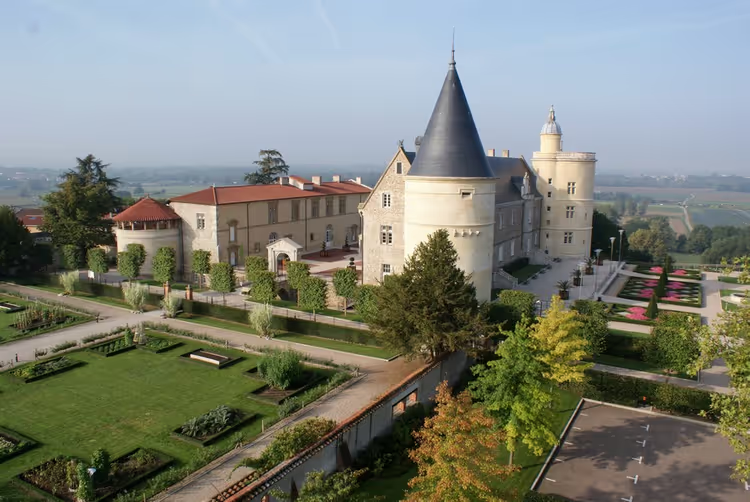
The comital family du Forez built a rough but sturdy fortification on the banks of the Loire. In the 14th century the estate passed to the Faye and Chalus families, and in the 15th century Duke Jean de Bourbon bought it for his favorite and began rebuilding it.
The duke's son Mathieu de Bourbon completed the north wing. He had no children, so the estate passed to his cousin Suzanne de Bourbon. In the 18th century the owner of Bouthéon was killed during the siege of Lyon, and the property was broken up: the fortress went to Baron Montailleur, while the forests were sold off piece by piece.
In the 19th century a wealthy patron bought the estate and gave it to his wife. During World War II, French refugees from Lorraine hid here. In 1995 the municipality bought the château and restored its original appearance. Today the halls host exhibitions and concerts.
- The catch: this is not a royal château, and it has fewer historic interiors than Chambord or Chenonceau.
7. La Roche
 © Anthony Morel · CC BY-SAPhoto: Anthony Morel, CC BY-SA (https://creativecommons.org/licenses/by-sa/4.0), Wikimedia Commons
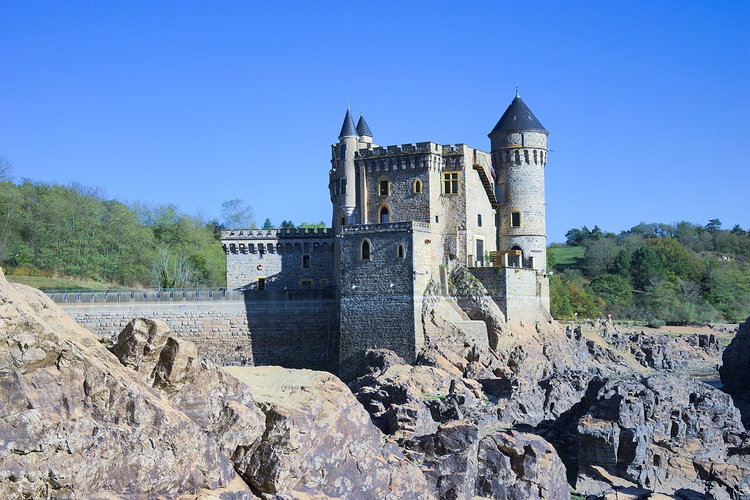
The first owners built the château on a rocky island to control the Loire valley. The towers of La Roche gave an excellent view of the county's borders. The downside was water: floods constantly damaged the structure, and the owners spent enormous sums on repairs.
In the 17th century another flood damaged the château so badly that restoration was abandoned. La Roche stood neglected, and almost nothing remained of the Gothic facade. In the early 20th century a man from Rouen bought the estate and began restoration.
The 1930 reservoir project called for the complete flooding of the château. The county's public intervened, and the project was changed, although the risk of flooding remained. Today it is a picturesque spot with musical evenings, costume balls, and workshops.
- The catch: floods badly damaged the château, and only part of its Gothic appearance survives.
8. Palace of the Dukes of Nevers
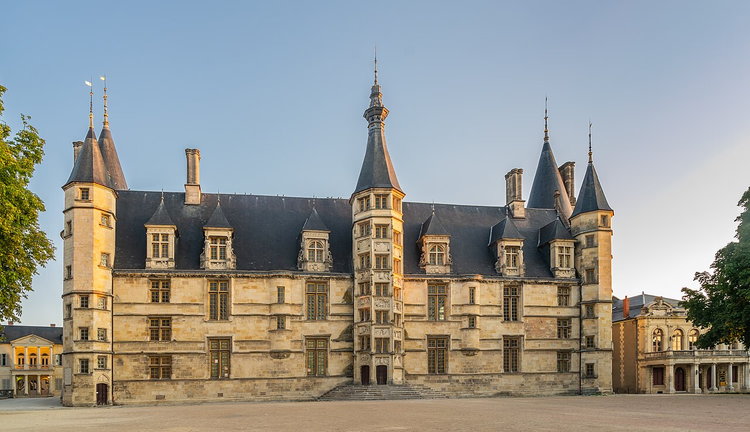
The building was erected in the late 15th century on the orders of Count Jean de Clamecy. By the mid-16th century the new owner François I of Cleves had already revised the design, and Count Gonzaga changed the appearance after him. The northern part of the palace retains its original Gothic features.
 © Krzysztof Golik · CC BY-SAPhoto: Krzysztof Golik, CC BY-SA (https://creativecommons.org/licenses/by-sa/4.0), Wikimedia Commons
The most elegant room became the judicial assembly hall, which Cardinal Mazarin personally designed. Today government offices operate in the palace, while the remaining halls have recreated medieval interiors.
- The catch: part of the premises is occupied by government offices, so not all halls are open to tourists.
9. La Bussière
 © Art Anderson · CC BY-SAPhoto: Art Anderson, CC BY-SA (https://creativecommons.org/licenses/by-sa/3.0), Wikimedia Commons
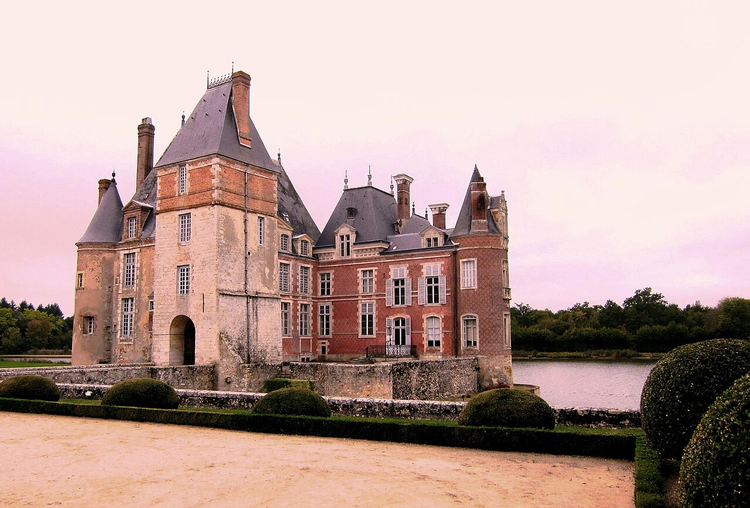
Unlike most Loire châteaux, La Bussière remains privately owned. The fishing château was built in the 12th century as a fort and later converted into a residence. Descendants of the comital Chasseval family opened the restored château to tourists in the mid-20th century.
The main theme here is freshwater fishing. You will find halls full of hunting and fishing gear, and the park slopes down to the water. This narrow focus is exactly what makes La Bussière unlike the grand royal châteaux.
10. Gien
 © Roulex_45 · CC BY-SAPhoto: Roulex_45, CC BY-SA (http://creativecommons.org/licenses/by-sa/3.0/), Wikimedia Commons
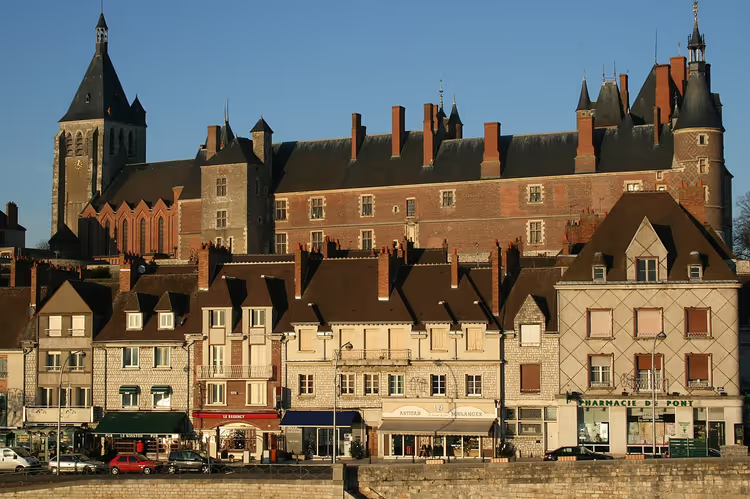
The residence belonged to the Gien family from the time it was built until the French Revolution. Its original purpose was ordinary: defending the estate from raids. After the Revolution the château became municipal property and housed the prefecture, a court, and a prison.
In the 18th century the building gained a new wing. During World War II Gien was partially destroyed, and later the state allocated funds for restoration. The structure was returned to its original appearance, and archaeological excavations were carried out on the grounds.
Since the mid-20th century the château has housed the International Hunting Museum. It occupies all the rooms, and its collection includes numerous exhibits: from antique weapons to taxidermy and paintings.
- The catch: the château shares the building with the hunting museum, so there is little pure architecture in the halls.
11. Sully-sur-Loire
 © Gerd Eichmann · CC BY-SAPhoto: Gerd Eichmann, CC BY-SA (https://creativecommons.org/licenses/by-sa/4.0), Wikimedia Commons
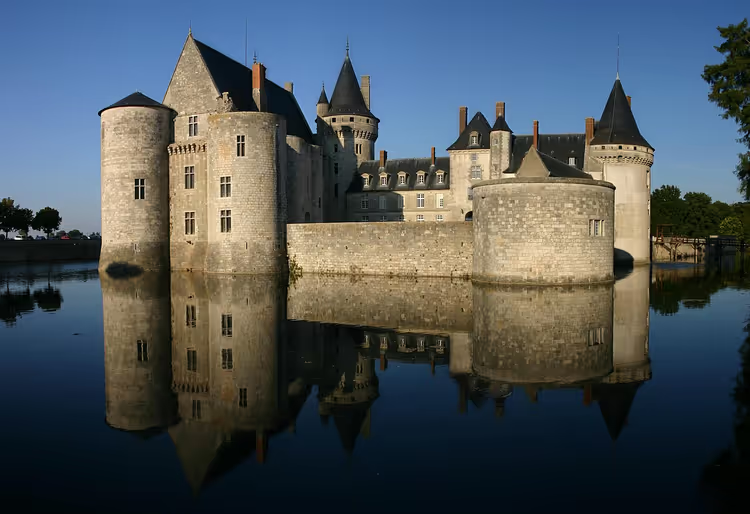
The Sully family built the fortress in the 12th century to control the bridge over the Loire. In the 15th century the crossing was destroyed, but the fort remained, and the owners gradually adapted it for living. The impregnable château saved people more than once: in the 17th century the young Sun King hid here from the Fronde, and in the 18th century Voltaire did the same.
Sully-sur-Loire nearly perished several times. It burned badly in the early 20th century, and during World War II the buildings were damaged by German shells. The Dukes of Sully owned the fortress until 1962, when the department bought it and turned it into a tourist attraction.
Today the château's center hosts the annual International Classical Music Festival. The chambers house an exhibition on feudal life, and the two complexes are connected by a shared canal. This moat protects the buildings from possible floods, and the gardens were designed by the Duke of Béthune.
- The catch: part of the buildings suffered from fire and war, and not the entire ensemble has been restored.
12. Meung-sur-Loire
 © Gerd Eichmann · CC BY-SAPhoto: Gerd Eichmann, CC BY-SA (https://creativecommons.org/licenses/by-sa/4.0), Wikimedia Commons
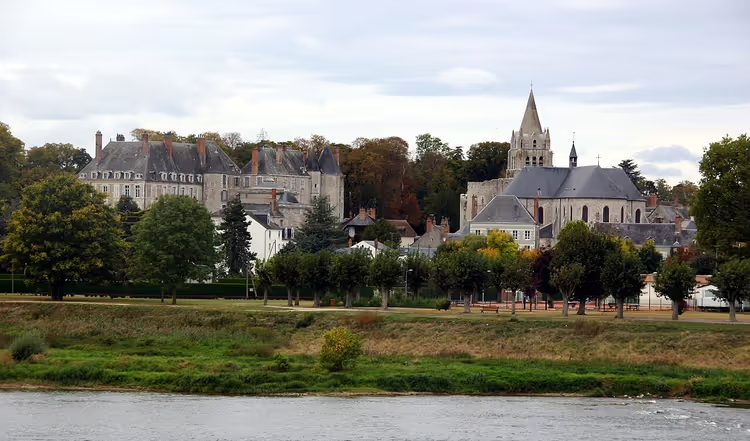
This fortress was built in the 12th century on the orders of the Bishop of Orléans. The goal was the same as elsewhere: to protect the lands of the Church of Saint Liphard and the monastery from enemies. At first the château had two watchtowers with arrow slits on a modest square building.
Successive bishops expanded the structure: towers, a guardhouse, cellars, and a drawbridge were added. Later the bridge was replaced by an entrance tower. Meung-sur-Loire was the official residence of the Bishops of Orléans, so Francis I, Charles VII, and Louis XI were received here.
The location proved advantageous: a small garrison fully controlled the river valley. During the Hundred Years' War the English captured the château and made it impregnable. After Joan of Arc retook the fortress, it was turned into a prison. Its most famous prisoner was the poet François Villon.
Until the Revolution Meung-sur-Loire was owned by the bishops, then a banker bought the château. The complex still belongs to him today, but it is open to visitors. Restoration is underway, so only part of the rooms is accessible.
- The catch: the halls are closed for restoration in turns, and less than half of the rooms are open.
13. Cheverny
 © The original uploader was Manfred Heyde at German Wikipedia . ( Original text: de:Manfred Heyde ) · CC BY-SAPhoto: The original uploader was Manfred Heyde at German Wikipedia . ( Original text: de:Manfred Heyde ), CC BY-SA (http://creativecommons.org/licenses/by-sa/3.0/), Wikimedia Commons
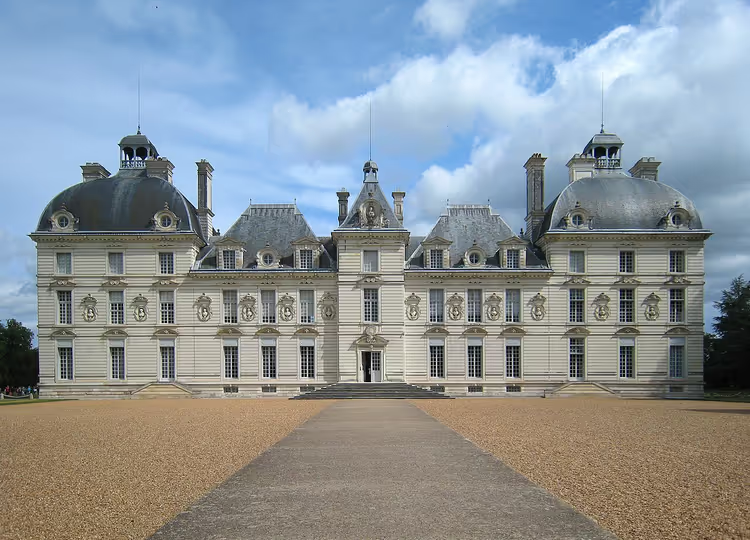
From the time it was built to the present day, Cheverny has belonged to a single family, the Hurault. Henry II confiscated the château, accusing his vassal of treason, and gave it to Diane de Poitiers. The lady was offended: the plain building seemed unworthy of her. A few months later she sold the estate back to the Hurault family.
The first owner of the fortification, Jacques Hurault, built the fortress on the site of an ordinary mill. The flour mill became a building surrounded by walls, with arrow slits and a deep moat. Later descendants demolished the original structures and erected palace wings from local limestone, which becomes lighter over time.
Cheverny was designed by Bougier, the same master who worked on Chambord and Blois. The Revolution and the wars did no damage to the estate, so the original interiors survive. In 1922 Cheverny became the first of the Loire châteaux to open its doors to visitors.
Today you will see the armory, dining room, trophy hall, and drawing rooms. A separate attraction is the feeding of the dogs: dozens of purebred animals live in the kennels.
Cheverny stands by the road, so it is easy to include in a route together with Chambord. Allow two to three hours for the château and park.
- The catch: at kennel feeding times the area around the enclosures gets crowded, so arrive early.
14. Beauregard
The first fortification here was built in the 15th century by Count Doulce. Later the fortress was owned by the uncle of Francis I, but he changed almost nothing. The redevelopment was undertaken by Jean de Thiers, who bought the château in 1545: he built new rooms, skillfully connecting them with the existing ones. The architect's name is unknown.
The interiors were created by court painters and sculptors: the financier of Henry II could afford such luxury. On the south side the estate was adorned with a garden where exotic plants bloomed. The next owner, Paul Ardier, added symmetrical wings and founded the portrait gallery.
In 1864 Prosper Mérimée called for Beauregard to be recognized as a French cultural heritage site. Today the château's pride is the red room: every detail in it is made of mahogany. Tourists come here for the portrait gallery with images of hundreds of kings and statesmen of France.
- The catch: the paintings in the portrait gallery are copies, so you will not see any originals here.
15. Chaumont-sur-Loire
 © Gerd Eichmann · CC BY-SAPhoto: Gerd Eichmann, CC BY-SA (https://creativecommons.org/licenses/by-sa/4.0), Wikimedia Commons
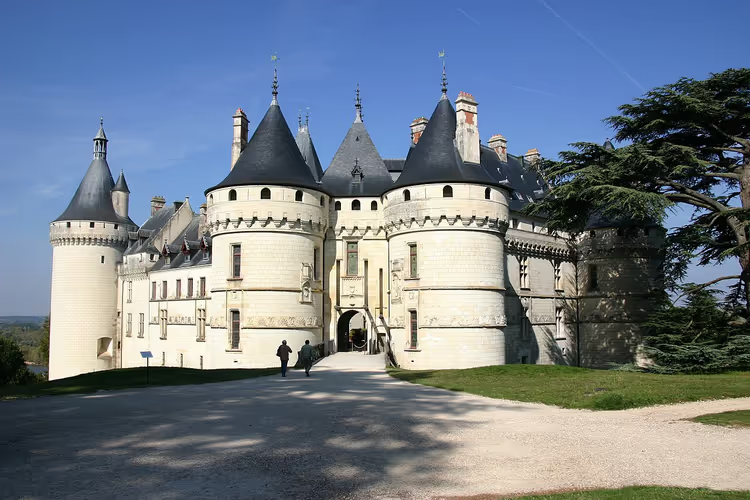
The first wooden fortress was built by the Count of Blois to protect his lands from the raids of the Count of Anjou. The chateau was soon bought by the Count of Amboise, and his family owned the estate for almost five centuries. Louis XI accused the Amboise family of treason and ordered the residence destroyed.
The family rebuilt the castle from scratch, this time in stone. Work began with the west wing, the most formidable-looking part, and continued across three generations of the Amboise family. In the 16th century, Chaumont passed to Catherine de' Medici: the queen spent long periods here and invited astrologers, for whom an observatory was set up in the tower. Her tapestry collection has survived.
After the death of Henry II, Catherine forced Diane de Poitiers to exchange Chenonceau for Chaumont. Diane spent her final years in the new residence, and her bedroom is easy to recognize by the coat of arms and monogram. The chateau was later bought by the d'Aramon family, who hired the architect Morandière for restoration.
A century later, Chaumont-sur-Loire became state property and turned into a tourist center. Every year it hosts the International Garden Festival.
- The catch: Chaumont's main value is its park and temporary exhibitions; it has fewer state rooms than Chenonceau.
16. Montgeoffroy
 © Manfred Heyde · CC BY-SAPhoto: Manfred Heyde, CC BY-SA (https://creativecommons.org/licenses/by-sa/3.0), Wikimedia Commons
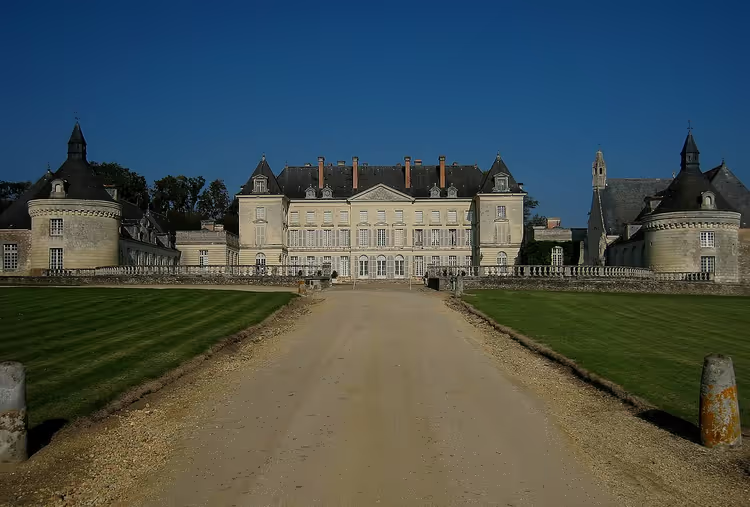
Montgeoffroy stands out for its fully recreated 18th-century interiors. The chateau was built by the Marshal of France, the Marquis de Contades, in the late 18th century. Local sandstone was used for construction, which becomes lighter over the years. The building was designed in the shape of a horseshoe, and the style was defined as Renaissance.
The marshal spared no expense and commissioned furnishings from the finest craftsmen. At the same time, he treated the peasants well. During the revolution, they saved the castle from looting. The estate was even left in the hands of its owners.
World War II did not touch Montgeoffroy, but the building deteriorated over time. In the late 20th century, the owners decided to restore the building and saw that the interiors had suffered badly. Surviving documents helped: invoices from fabric and furniture suppliers were found, and some of those companies are still in business today.
Restorers ordered upholstery based on surviving samples and followed a strict rule: the same fabric had to be used on furniture, curtains, and walls. The owners did not alter the layout, so you will see recreated 18th-century rooms in their original proportions.
- The catch: the interiors were recreated from documents and surviving samples, so the furnishings here are mostly new.
17. Castle of the Dukes of Brittany
 © Plindenbaum · CC BY-SAPhoto: Plindenbaum, CC BY-SA (https://creativecommons.org/licenses/by-sa/3.0), Wikimedia Commons
This fortress was built in the 13th century by Guy de Thouars, Duke of Brittany, to defend against the Normans. In the process, he seized part of the estate of Bishop Geoffroy. While the case dragged through the royal court, the duke dug a rectangular moat and laid the foundation of the tower.
The first fortress consisted of a single tower surrounded by a wall. As soon as the rooms were ready, the duke's family moved into the new residence. Descendants expanded the castle to their own taste: towers were added to the curtain wall, along with a drawbridge and a large palace. They considered not only comfort but also defense, since the Duchy of Brittany remained independent.
Women also looked after its prosperity: Anne of Brittany and her daughter Claude, both queens of France, did much for the family residence. In the mid-16th century, the fortress briefly became royal property. This influenced its fate during the revolution: the rebels offered the city a chance to buy back the looted palace, but the municipality could not raise the sum. The people then turned the fortress into a prison for nobles and royalists.
In 1800, a gunpowder store exploded in the fortress, destroying or damaging the buildings. After restoration, the city bought the residence and opened a decorative arts exhibition. Major reconstruction began only in the late 20th century. Today the castle hosts permanent and themed exhibitions, and visitors can walk along the top of the wall.
- The catch: the interior houses a decorative arts museum; almost no historic interiors remain.
18. Châteaudun
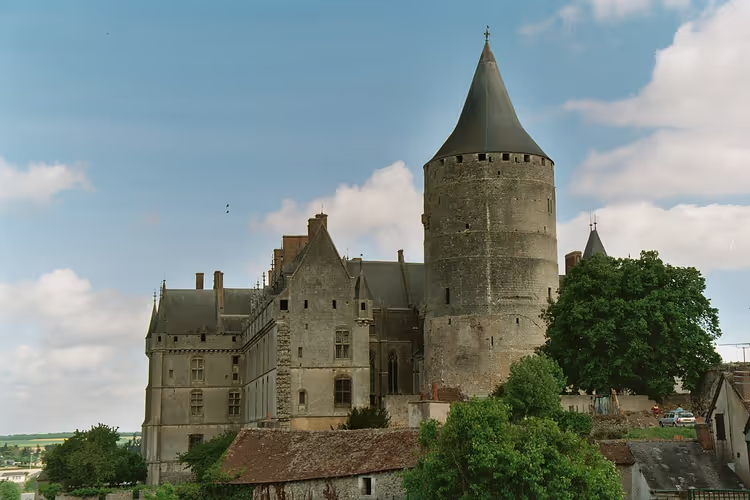 © Patrick GIRAUD · CC BY-SAPhoto: Patrick GIRAUD, CC BY-SA (http://creativecommons.org/licenses/by-sa/3.0/), Wikimedia Commons
The first tower of the fortress was built in the 12th century by Thibaut V, Count of Blois. The purpose was the usual one: protecting the domain from Norman attacks. Châteaudun is considered the strongest fortification on the Loire, and its keep served as both residence and fortification. A chapel protected by the curtain wall stands nearby.
Much was done for the castle by its most famous owner, the Bastard Jean de Dunois, a companion of Joan of Arc. The illegitimate son of the count was raised alongside the future King Charles VII. He was tasked with ransoming Charles of Orléans from English captivity, and for completing the mission the Bastard received Châteaudun. The west wing was built on his orders.
In the late 15th century, François d'Orléans-Longueville added the north wing, combining Renaissance and Gothic traditions. During the revolution, the castle was looted and later turned into a barracks. Since 1938, the fortress has belonged to the state. Today visitors can see 18th-century interiors, a ceramics collection, and the chapel frescoes. The main highlight is the tapestry collection of the County of Alençon.
- The catch: during the barracks years, the original furnishings were removed, so there are few historic interiors.
19. Montoire
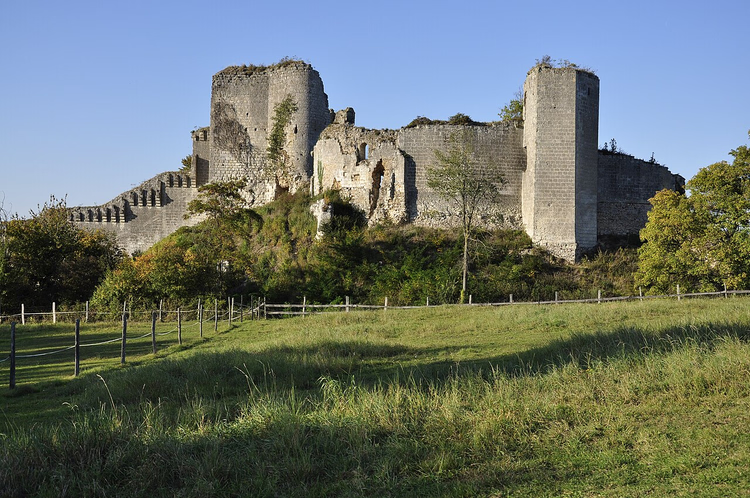 © Chatmouettes · CC BY-SAPhoto: Chatmouettes, CC BY-SA (https://creativecommons.org/licenses/by-sa/3.0), Wikimedia Commons
The Château de Montoire was built in the 11th century by the Montoire family. The fortress's favorable position led to constant fighting over the estate between the Montoire and Lavardin families. In the 12th to 14th centuries, the fortress was rebuilt several times.
Today Montoire belongs to the commune of Montoire-sur-le-Loir, but only picturesque ruins remain. It is a cultural monument and can be visited freely and free of charge.
- The catch: only ruins of the fortress survive, and there are no plans to restore it.
20. Le Lude
The first owners of Le Lude were the Dukes of Anjou. They built a wooden fortress against the Normans but soon replaced it with a stone one. At one point the fortress surrendered to the English, and it was returned to France by Marshal Gilles de Rais, to whom the king gave Le Lude. However, the chateau was soon confiscated from the disgraced military man.
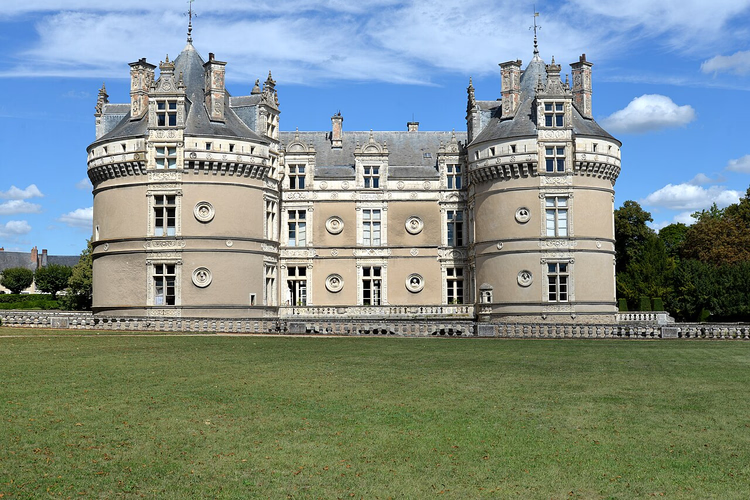 © Calips · CC BY-SAPhoto: Calips, CC BY-SA (https://creativecommons.org/licenses/by-sa/3.0), Wikimedia Commons
In the late 15th century, Le Lude was bought by Jean de Daillon. He was wealthy enough to rebuild the fortress to his own taste, and above all he loved entertainment. Over nearly a hundred years, the count and his descendants embellished the fort and turned it into a true palace, while laying out gardens with exotic flowers around it.
In the 18th century, Le Lude passed to the Vieuville family. The owners, who had ties to the East India Company, had ample means for luxury: a bas-relief appeared where the moat had been, and gardens were laid out around the palace. During the revolution, the garrison could not resist the rebels, and the fortress was looted and destroyed. In the mid-19th century, the chateau returned to the Vieuville family and reconstruction began. Today the estate welcomes tourists and hosts garden art festivals.
- The catch: after the revolution, the castle was looted and destroyed, so much of it has been rebuilt from scratch.
21. Angers
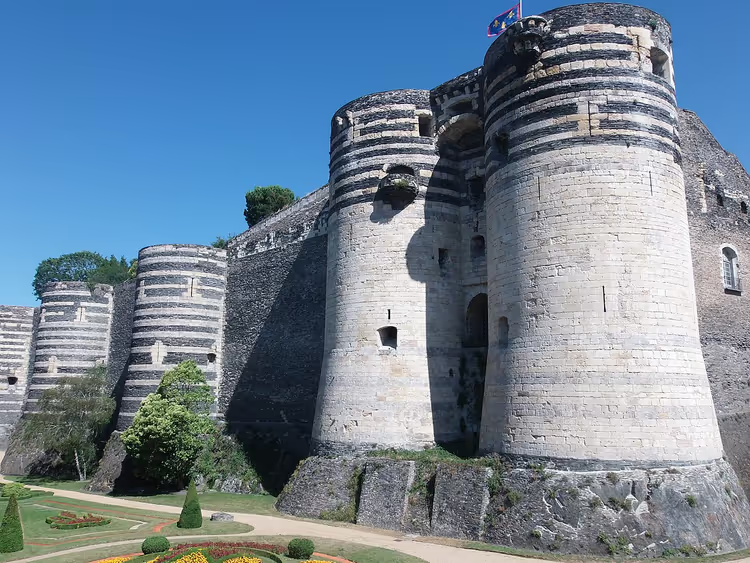 © Nataloche · CC BY-SAPhoto: Nataloche, CC BY-SA (https://creativecommons.org/licenses/by-sa/4.0), Wikimedia Commons
The first fortification was built in the 9th century on the high bank of the Maine River by Fulk III, Duke of Anjou. Its purpose was the usual one: protection from the aggressive Normans. The impregnable structure on this site was erected by Louis IX, known as Saint Louis. Walls 50 meters high connect 17 towers, and few dared to storm such a fort.
But behind the impregnable walls lay elegant palaces where the Dukes of Anjou lived a life of luxury. Knightly tournaments were held here, and a menagerie was kept. Next to the palace, a vegetable garden was laid out for the ducal table, along with beds of medicinal herbs.
In the 16th century, Henry II ordered Angers to be destroyed, but only the height of the towers could be reduced. This turned out to be beneficial: after the towers were connected by a gallery with cannons, the fort became truly impregnable. The fortress stood on the high bank of the Maine, and on the other sides it was protected by a dug canal, so the only way inside was across a drawbridge.
Today Angers is open to tourists. At the bottom of the drained moat, a medieval knight camp reenactment is held: you can explore the tents, touch the weapons, and climb the wall. The grounds are well maintained, with a garden, an apothecary garden, and a vineyard, and exhibitions are open in the palace.
- The catch: climbing the wall involves stairs with no elevator, so plan your visit accordingly if you are traveling with elderly relatives.
22. Ainay-le-Vieil
 © Selmoval · CC BY-SAPhoto: Selmoval, CC BY-SA (https://creativecommons.org/licenses/by-sa/4.0), Wikimedia Commons
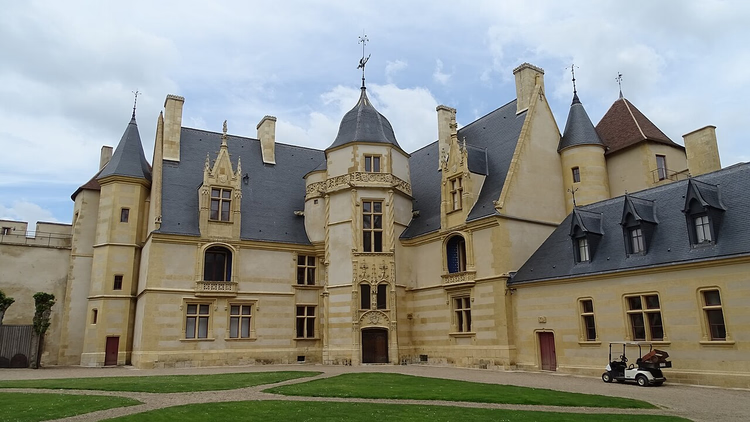
Ainay-le-Vieil remains privately owned and holds the status of a private historic monument. The surrounding park has been awarded the Remarkable Garden designation, which the French government grants to the country's finest ensembles. The fort blocked the path of the troops of the Dukes of Aquitaine, who sided with England.
The castle is built on a plain, so it had two lines of fortifications. The outer defenses are now ruined. During the Hundred Years' War, the fortress was never taken by storm: the garrison withstood both assaults and long sieges.
Today, the owners use part of the rooms as living quarters. The rest have retained their original interiors and are open to tourists. In the royal hall, everything remains as it was when the royal couple stayed here, with only the monograms L and A, lilies, and ermines added.
- The catch: part of the castle is residential, so the tour is limited both in time and in the number of rooms.
23. Valençay
 © Fab5669 · CC BY-SAPhoto: Fab5669, CC BY-SA (https://creativecommons.org/licenses/by-sa/4.0), Wikimedia Commons
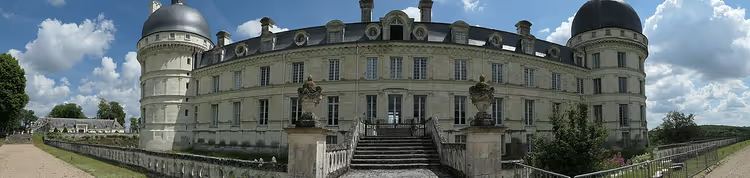
The first structure on the site of present-day Valençay appeared in the 10th-11th centuries. It was an unremarkable lone tower. In the 13th century, Sir Gauthier de Valençay built a small fortress around it, but the estate passed as a dowry to the Chalon-Tonnerre family, who completed the buildings inside. At the same time, the Guards' Hall was erected, connected to the walls by an underground passage.
In the 15th century, the d'Étampes family rebuilt the estate: a gallery appeared, and work began on the palace. The architecture of Valençay shows hints of Chambord. By the early 19th century, it was a rich and luxurious estate, until Talleyrand bought it. The Napoleonic minister lacked funds, so Bonaparte himself contributed part of the sum.
It was Talleyrand who made Valençay what tourists see today. The princes of Spain were held under honorary arrest at the estate, and to entertain the prisoners, Napoleon suggested setting up a theater. In 1810, the actors gave their first performance. For a quarter of a century, noble figures of Europe sought invitations to the luxurious Valençay.
After Talleyrand's death, the château was inherited by a distant relative who received the title of Duke de Valençay. Since 1980, the estate has belonged to the state, and the department oversees the condition of the complex and carries out restoration.
- The catch: some rooms are closed for restoration, so the route through the halls is shorter than the description suggests.
24. Champigny
 © Thierry de Villepin · CC BY-SAPhoto: Thierry de Villepin, CC BY-SA (https://creativecommons.org/licenses/by-sa/3.0), Wikimedia Commons
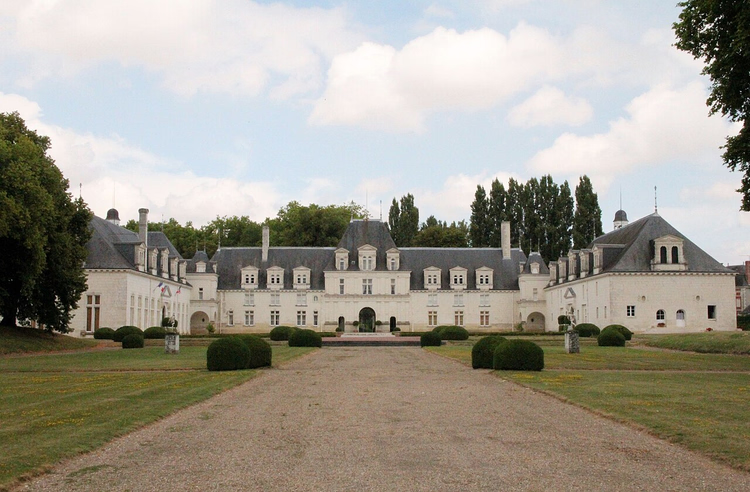
The fortress was built in the 12th century by the knight Bouquet, and later belonged to the Dukes of Orléans. In the 17th century, the estate was acquired by Cardinal Richelieu through an exchange agreement. The new owner began demolishing all the buildings and spared only the Pavilion of Jupiter. Richelieu also intended to destroy the chapel, but the Pope prevented the act of vandalism.
Three decades later, the Duchess of Orléans won a court case and received the ruined estate along with monetary compensation. She used the money to create a park. The 20th century brought new disappointments: Champigny was bought by a Japanese company, and weak management led to the loss of part of the interiors.
The 21st century proved more fortunate. The estate was purchased by an American family, who have already restored part of the rooms and set up an exhibition in the halls. Restoration continues, but tourists are shown the restored section and the exhibition.
- The catch: some architectural elements are lost forever, and there is almost nothing to see right now.
25. Montreuil-Bellay
 © Carsten Steger · CC BY-SAPhoto: Carsten Steger, CC BY-SA (https://creativecommons.org/licenses/by-sa/4.0), Wikimedia Commons
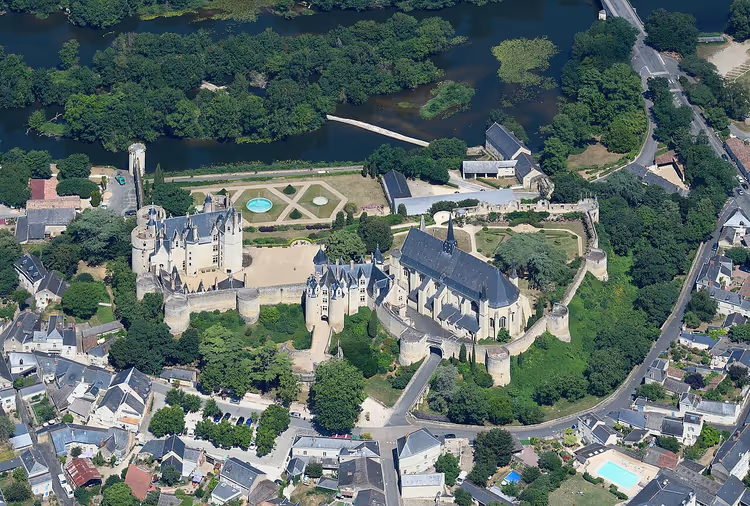
The fortress was founded by Fulk III of Anjou in the 11th century and soon transferred to his subject du Bellay. Since then, the château has borne the knight's name: Montreuil-Bellay. The fortress had an underground passage connecting it to La Motte-Bourbon, but the galleries are destroyed.
In the 14th century, the owners turned the château into an impregnable citadel, and in the 15th century they rebuilt it in the Renaissance spirit. At the same time, the Château-Neuf, the new castle, was built, old rooms were remodeled, and new ones were added. During the Wars of Religion, Montreuil-Bellay was besieged, but it repelled all attacks, and the owners even supplied provisions to both warring sides.
During the Revolution, royalist women prisoners were held here, and during World War II, a hospital was set up. Since 1979, Montreuil-Bellay has been declared a cultural monument of France. An exhibition is open here, the main highlight of which is the Crucifixion fresco by a student of Leonardo da Vinci.
- The catch: the underground galleries have not survived; only memories and plans remain of them.
Tours and tickets in Loire Valley
Guided tours, skip-the-line tickets and activities — most offers can be cancelled free of charge.
See offers on GetYourGuideThe widget loads once you give your consent.
Loire castles on the map
The castles are scattered across the valley over dozens of kilometers, and without a map you can easily make an unnecessary detour. The diagram marks all 25 sites from this selection, so you can plan your route in advance and check the distances between points.
Castles of the Loire
Places on the map
- 1Chambord Double-helix staircase attributed to Leonardo da Vinci
- 2Villandry Terraced gardens with geometric patterns
- 3Amboise Fortress above the Loire, childhood home of Francis I
- 4Blois Four wings and four historical eras
- 5Chenonceau Gallery built right over the Cher river bridge
- 6Bouteon Ancestral stronghold of the du Forez family
- 7La Roche Castle on a rocky island, damaged by floods
- 8Palace of the Dukes of Nevers Courtroom designed by Mazarin
- 9La Bussière Hunting lodge castle with rooms of hunting and fishing gear
- 10Gien Castle with the International Hunting Museum
- 11Sully-sur-Loire Hideout of the young Sun King and Voltaire
- 12Meung-sur-Loire Residence of the bishops of Orléans, prison for François Villon
- 13Cheverny Original interiors and feeding of the hunting hounds
- 14Beauregard Portrait gallery and a red mahogany room
- 15Chaumont-sur-Loire Catherine de' Medici's observatory, park and garden festival
- 16Montgeoffroy Fully recreated 18th-century interiors
- 17Castle of the Dukes of Brittany Exhibition of decorative and applied arts
- 18Châteaudun The strongest fortification on the Loire, tapestry collection
- 19Montoire Picturesque ruins, free and open visit
- 20Le Lude Garden with exotic flowers and garden art festivals
- 21Angers Walls 50 metres high and 17 towers
- 22Ainay-le-Vieil Private castle with Remarkable Garden of France status
- 23Valençay Talleyrand's estate with a theatre for captive princes
- 24Champigny Cardinal Richelieu's castle with the surviving Jupiter pavilion
- 25Montreuil-Bellay "Crucifixion" fresco by a pupil of Leonardo da Vinci
⁉️🤔 Frequently asked questions
How many Loire castles can you see in one day?
In a day, you can realistically cover two, at most three sites if they are close together. Chambord, Chenonceau, and Cheverny are easy to link by car or train, but each castle takes two to three hours. Don't try to cover the entire list over a weekend, otherwise all you'll get from the trip is driving and lines.
When should you go to avoid standing in lines?
The best time is April, May, and the second half of September. In summer, the line at Chambord and Chenonceau stretches for an hour or more, especially in the middle of the day. Arrive at opening time, around nine in the morning, and buy tickets online in advance; most tourists use timed entry slots.
What is free and what is paid?
The ruins of Montoire can be visited for free. The other castles charge admission: Chambord asks 21 € for citizens and residents of the EEA (as of 09/2026, Chambord website). Admission to Villandry costs 14 €, to Chenonceau 19 €. Children under 18 get in free almost everywhere, so a family with children will find the trip cheaper.
Do you need a car for such a trip?
You can manage without a car if you choose castles near major stations: Blois, Amboise, and Chenonceau are on the railway line. For the other castles in the valley, a car is more convenient because buses run infrequently and taxis in villages take a long time to arrive. Compare car rental prices in advance.
Which castle should you choose if you have little time?
For a single visit, go with Chambord or Chenonceau: they are the most recognizable and best prepared for tourists. If you want peace and quiet without crowds, choose Cheverny or Valençay. Villandry is worth seeing for the gardens rather than the palace, so save it for the warm season.
In short: what to book
- If you have one day: Chambord and Chenonceau, both on convenient routes from Paris.
- If you love gardens: Villandry and Chaumont-sur-Loire, where garden art takes center stage.
- If you're traveling with children: Cheverny with its dog feeding and Angers with the knights' camp.
- If you're on a budget: La Bussière and the ruins of Montoire will cost less than the grand châteaux.
Tickets and tours of the valley are best purchased in advance: tours and tickets on GetYourGuide and tickets to Chambord.
Accommodation near the châteaux should also be booked in advance, as there are few available rooms during the season: hotels in Blois on Trip.com.

A small editorial team writing guides for independent travel. We travel ourselves, but we haven’t been everywhere, so we check prices, opening hours and how to get there against official sources.