
















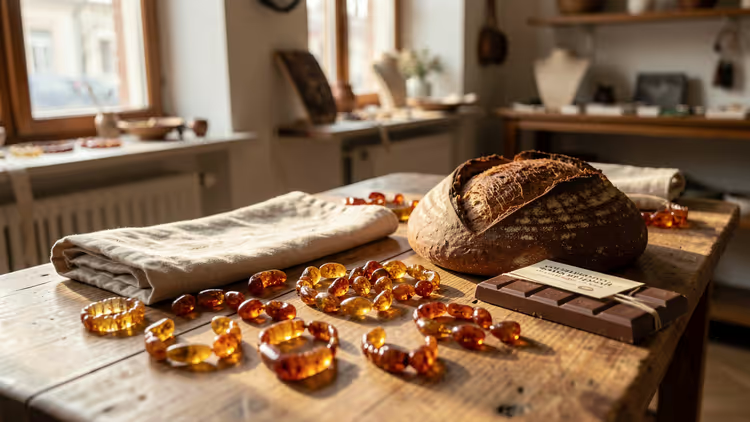
 AIIllustrative image: AI-generated
Lithuanian souvenirs: what to bring home and where to look
Lithuania is small, but people bring back more from it than from many large countries. Amber, linen, chocolate, and smoked meats take up half a suitcase before you even board the plane. Local products are rarely exported, so you won't buy them at home.
You can start with gifts. The Vilnius tourist center has put together a list of souvenirs with local symbols that includes šakotis, amber, and linen items side by side. We used it as a reference when selecting items and noted for each one who it suits and how much space it takes. We checked the assortment and brands against official manufacturer websites in September 2026.
Ad: this article contains affiliate links, we earn a commission if you book through them, at no extra cost to you.
1. Linen and linen products
💡 In short:
- Food and sweets: šakotis, rye bread, apple cheese, Pergalė chocolate, smoked eel.
- Crafts and decor: amber, linen, ceramics, glass, and wooden items.
- Alcohol: Švyturys beer, mead, liqueurs, and infusions.
- Assortment and brands: 09/2026, checked on the websites of chocolate and beer producers.
Lithuania has grown and processed flax for centuries. The fabric breathes, doesn't build up static, and lasts for years.
Look for items in muted tones. Natural linen is almost never hot pink or bright lime green. If the color jumps out at you, cotton or synthetics have been added to the fabric, and you're paying for dye rather than fiber.
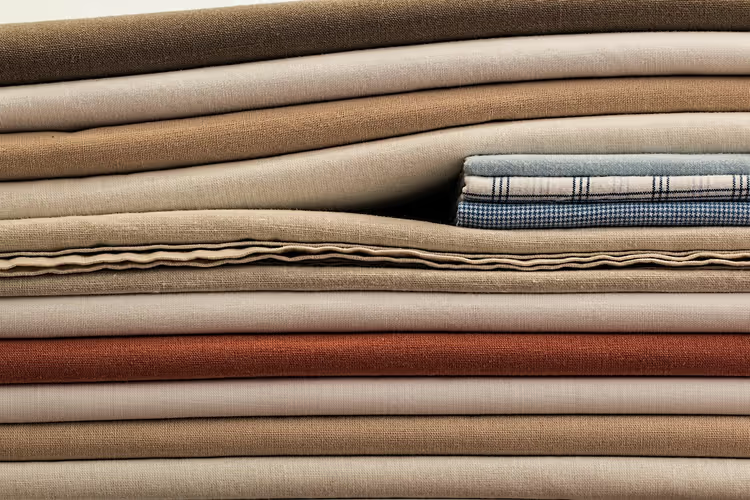
Get a tablecloth or a set of towels. They take up less space than a shirt and barely wrinkle in a suitcase. Compare prices at two or three workshops: the spread for the same size can be noticeable.
Linen fabric can be soft or coarse. Choose soft linen for a shirt or dress, and dense linen for a tablecloth and kitchen towels. The price depends on how the raw material is finished, so a cheap tablecloth will most often turn out stiff. Run your hand over the fabric: good linen feels pleasant right away, without washing. If you're buying a set, get it from a single batch, otherwise the shades may differ.
2. Wool and knitted items
Wool and mohair in Lithuania are sold by Wool House. In winter, handmade shawls, hats, and mittens appear nearby, the kind you won't find in a regular store.
Before Christmas, woolen goods are laid out at almost every market. The patterns are bright, the Baltic ornament is instantly recognizable, and you won't find two identical pairs of mittens.
Buy from sellers who knit themselves. They show you the inside and advise how to wash the item so it doesn't shrink after the first wash.
Knitted items are almost never repeated: each pair is made as a one-off. They cost more than factory-made ones, but they keep you warm for more than one season. Choose a mohair scarf or vest in a neutral color, then it will suit both men and women. Socks with ornaments sell out the fastest, so grab several pairs at once.
3. Leather goods
Leather never goes out of style, and in Lithuania it's worked carefully. Wallets, coin purses with compartments, and notebooks with leather covers are everywhere.
Handmade work is valued more than factory-made. A good craftsman's stitching is even, with no pulled threads, and the edge paint is applied by hand. That's how you tell craftsmanship from cheap stamping.
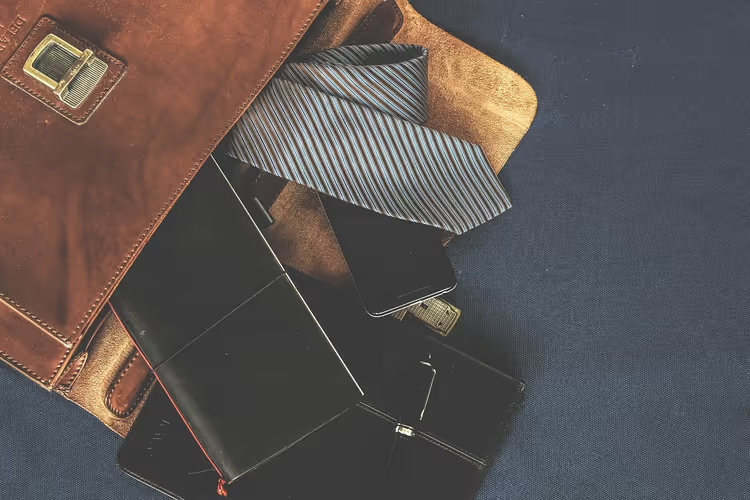
For something practical, get a planner or a document cover. Leather goods last a long time, so check the fastening of straps and clasps. Glasses in leather wraps and clocks in leather cases are beautiful, but they take up a lot of space.
A makeup bag, an embossed document folder, and a passport cover sell just as well as wallets. At markets you can even find wall clocks in leather cases. Handmade work is visible on the edge: a good craftsman paints the edge by hand rather than coating it with lacquer. For a man, get a wallet or a belt; for a woman, a coin purse with several compartments. These things last for years, and that's the main argument for buying leather specifically in Lithuania.
4. Cosmetics made with local ingredients
Lithuania makes cosmetics from simple local raw materials: herbs, honey, and oils. Shampoos, creams, and even oral care products cost less than imported ones because the ingredient lists are shorter.
Among local brands in stores and pharmacies you'll find BIOK laboratorija and Margarita. They have almost no advertising, which is actually a sign that the money went into the formula rather than the packaging.
Check the expiration date before buying. Natural products without preservatives have a shorter shelf life than regular ones. For a gift, choose small-volume sets: they're easy to carry, and you won't be disappointed if something doesn't work for you.
5. Clothing from local brands
Gediminas Avenue is a convenient place to walk around Vilnius: shops line both sides, and shopping centers are nearby. This is where you'll find brands that are almost never sold outside the country.
The brand name Labadiena plays on the Lithuanian greeting laba diena. This label's youth hoodies and caps are worn even to clubs. Men's and women's clothing is made by Atsikeli ir varai: every piece features a funny horse's head.
 © Augustas Didžgalvis · CC BY-SAPhoto: Augustas Didžgalvis, CC BY-SA (https://creativecommons.org/licenses/by-sa/4.0), Wikimedia Commons
Among local fashion houses, Grizas pieces are bought abroad. The other brands are almost unknown outside the country, so you'll bring home something your neighbors won't have.
6. Pharmacy medicines
Pharmacies exist in almost every town, but in small ones they close early. 24-hour ones operate mainly in Vilnius, so it's better to come during the day for the medicine you need.
Many medicines in Lithuania are cheaper than in neighboring EU countries. If you have a prescription, the pharmacist will suggest a cheaper equivalent. Don't carry prescription drugs across the border without documentation.

Take only what you take regularly and what is allowed to be brought in. Before buying, compare the active ingredient with your home packaging. You shouldn't buy an unfamiliar drug without consulting a doctor.
In small towns, a pharmacy may close by evening, so go for medicine during the day. Ask the pharmacist for an equivalent by active ingredient: it often costs less than the one you're used to. Keep a full list of your medications on your phone so you don't have to recall the name on the spot. Keep the package with the instructions in case you need to show the item at the border.
7. Amber jewelry
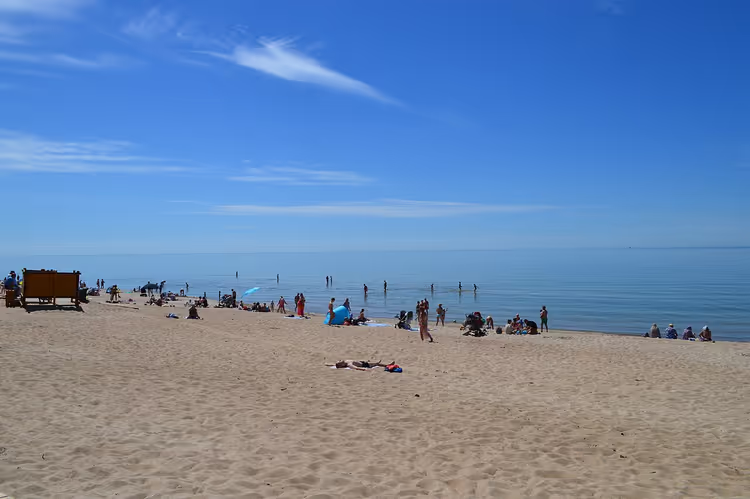
Amber is considered a symbol of the entire Baltic region, and Lithuania is called the leader of the amber land. The stone is called "Lithuanian gold" here, and in jewelry departments it's set in gold and silver.
Don't limit yourself to jewelry. Amber is used to make paintings, figurines, and small home items. Natural stone is warm to the touch, and you'll quickly feel the difference from plastic.
 © Scotch Mist · CC BY-SAPhoto: Scotch Mist, CC BY-SA (https://creativecommons.org/licenses/by-sa/4.0), Wikimedia Commons
A simple test for fakes: a plastic copy dissolves in acetone, while natural amber resists it. Check the price per gram at a workshop, not at a souvenir shop near the town hall.
8. Glass items
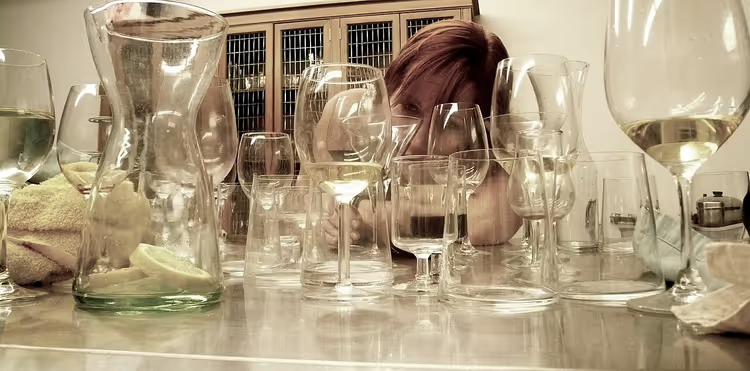
Glassblowers in Lithuania have been working for a long time, and glass here is cheaper than amber. Vases, flowers, and animal figurines sit on shelves in every color, and choosing is genuinely hard.
For a gift, get tableware or a small home accessory. A blown glass earring or ring can be paired with a vase: the set looks more expensive than it costs.
 © dana robinson from los angeles, ca, usa · CC BY-SAPhoto: dana robinson from los angeles, ca, usa, CC BY-SA (https://creativecommons.org/licenses/by-sa/2.0), Wikimedia Commons
Glass is fragile, so ask for bubble wrap packaging. Don't put heavy vases in your carry-on, and if you're bringing a set, decide in advance where you'll place it at home.
9. Handmade ceramics
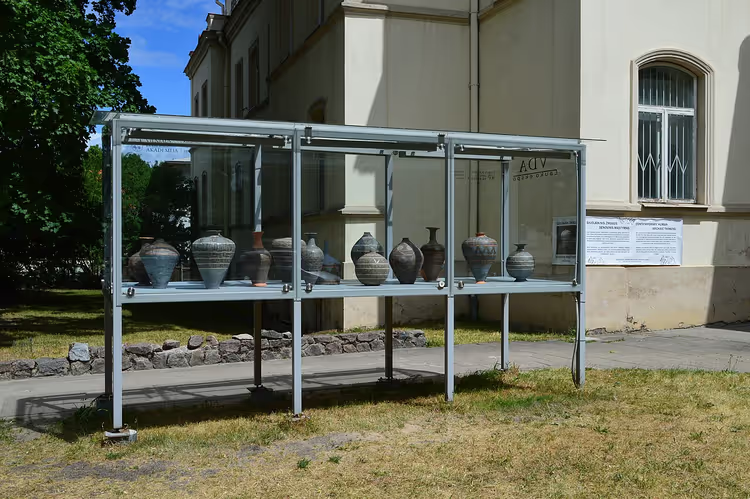
Fired clay attracts tourists with its lines and shapes, and every potter has their own signature style. Mugs and cups with city towers are sold everywhere, so the choice can be overwhelming.
Tradition says ceramic bells protect against evil spirits, and house-shaped candle holders bring coziness to a home. Believe it or not, the gift comes with a story.
 © Scotch Mist · CC BY-SAPhoto: Scotch Mist, CC BY-SA (https://creativecommons.org/licenses/by-sa/4.0), Wikimedia Commons
Ceramic prices vary everywhere, so visit several places and compare. At a workshop you can make a souvenir yourself, and then you'll take home something no one else has. Leave heavy sets behind, but feel free to grab a lightweight mug.
For the kitchen, choose a mug with a city tower; for a shelf, a protective figurine or a house-shaped candle holder. Clay is kiln-fired, so the dishware can handle hot water and hand washing. If you're buying a set, plan ahead how you'll get it home without chips, and ask for sturdy packaging.
10. Wooden items
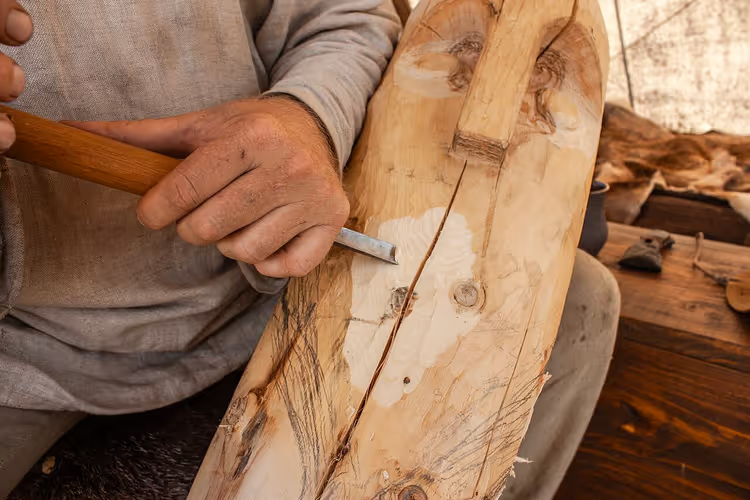
Wooden toys are made by hand in family workshops and sold everywhere there are tourists. Dolls, blocks, and horses are safe for children: the finish is made from linseed oil and milk-based paint.
Don't stop at toys. Boxes, kitchen utensils, and puzzles cost very little and look more expensive than they are. You'll often come across truly one-of-a-kind pieces.
 © Monica Ferreira Ask · CC BY-SAPhoto: Monica Ferreira Ask, CC BY-SA (https://creativecommons.org/licenses/by-sa/4.0), Wikimedia Commons
Check for chips and a sharp varnish smell. A natural finish smells like wood, not chemicals. If you're unsure, ask the seller to show you the underside: that way you'll see the quality of the sanding.
For a child, the best choice is blocks and simple puzzles; for adults, a box or a cutting board. A linseed oil finish can be renewed yourself over time, so the item lasts a long time. Puzzles and small figurines take up little space but crumble if you don't wrap them.
11. Traditional Šakotis cake
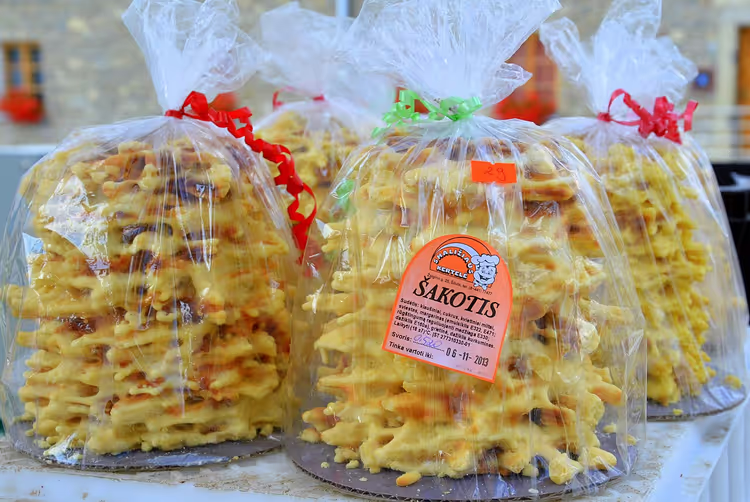
Šakotis is considered the main Lithuanian dessert and a must-have decoration at weddings. The batter is wound onto a spit over an open fire, drops drip down and harden, and the cake comes out branchy, like a Christmas tree.
You can buy it in confectionery shops, packaged by the piece or whole. In a cardboard box, šakotis survives the trip just fine and stays crunchy.
 © Silar · CC BY-SAPhoto: Silar, CC BY-SA (https://creativecommons.org/licenses/by-sa/3.0), Wikimedia Commons
Get a small cake: it's tastier when fresh, and the crumbs fall generously. A small cake will last you a couple of evenings. According to legend, the dessert appeared by accident when a cook spilled batter onto a spit, and the recipe has barely changed since.
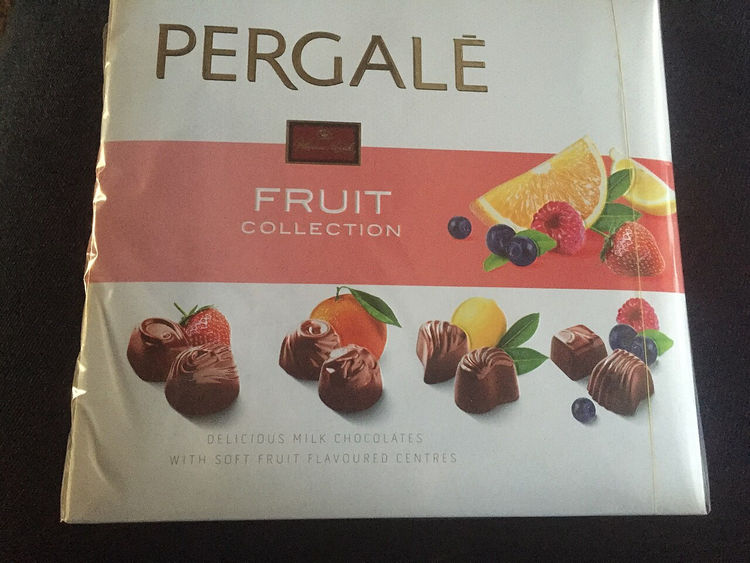
12. Pergalė chocolate from Vilnius
Pergalė chocolate has been brought home for many decades, and the brand hasn't lost ground. The products are made according to old recipes from natural cocoa beans, and you can taste it.
The company dates back to 1922, and some varieties are sold only locally (as of 09/2026, official website). Only in Lithuania will you find milk chocolate with lavender or dark chocolate with beetroot.
 © Bearas · CC BY-SAPhoto: Bearas, CC BY-SA (https://creativecommons.org/licenses/by-sa/4.0), Wikimedia Commons
Get bars with state symbols: they're both a souvenir and a tasty treat. Dark chocolate will make it in your luggage without problems, as long as you don't leave it in the sun.
13. Meat delicacies from the market
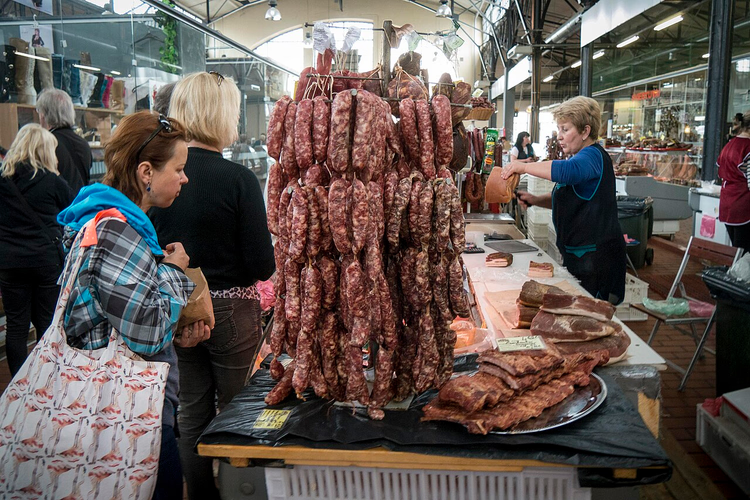
Lithuanian markets are piled high with locally produced sausages, smoked meats, and cheeses. Quality is strictly monitored, so the food sections have plenty worth bringing home as an edible souvenir.
Try kindziukas made from ground pork with garlic, and smoked pig ears. Vilnius street food: skilandis sausages on rye bread with sauerkraut.
 © Bryan Ledgard · CC BYPhoto: Bryan Ledgard, CC BY (https://creativecommons.org/licenses/by/2.0), Wikimedia Commons
Products without factory packaging can't be taken across the border, so eat homemade smoked meats on the spot. Put only what your country allows in your luggage. That way you won't be disappointed at customs.
Those who miss the taste of Soviet sausage look for Tarybine. Farmers' markets let you try the product before buying, and that's their main advantage. Buy smoked ears and herb sausages in small portions so you can eat them within a couple of days. Vacuum packaging survives the trip, but leave bulk products behind. For a gift, choose something that doesn't mind the heat in a suitcase.
14. Rye bread and baked goods
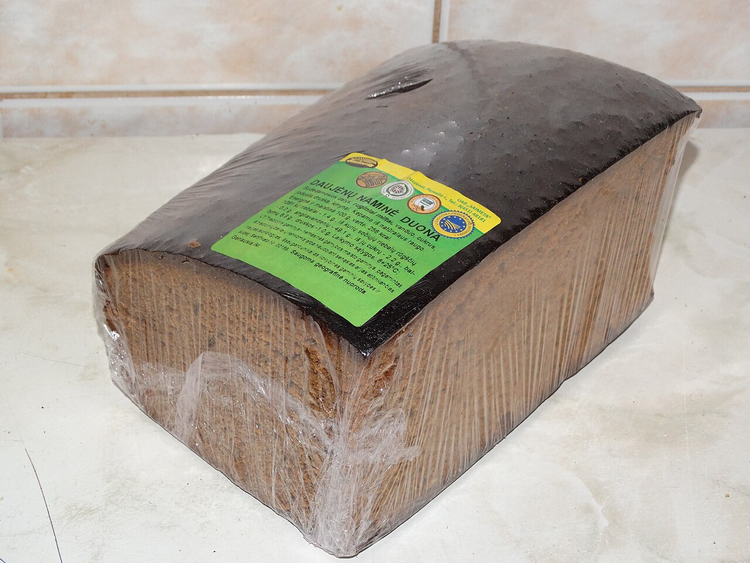
In Lithuania, hot bread is sold in small bakeries, and people go there not to shop but for freshness. Rye bread has a dense structure and a tang you can't replicate at home.
Get a loaf with caraway seeds: it keeps longer and travels well. The smoky flavor and dark crust make this bread a dish in itself, not just a side for soup.
 © Vilensija · CC BY-SAPhoto: Vilensija, CC BY-SA (https://creativecommons.org/licenses/by-sa/3.0), Wikimedia Commons
The selection in bakeries changes every day, so come in the morning. You'll want to eat warm bread right away, and wrap your purchase in paper, not a plastic bag.
15. Apple cheese as a delicacy
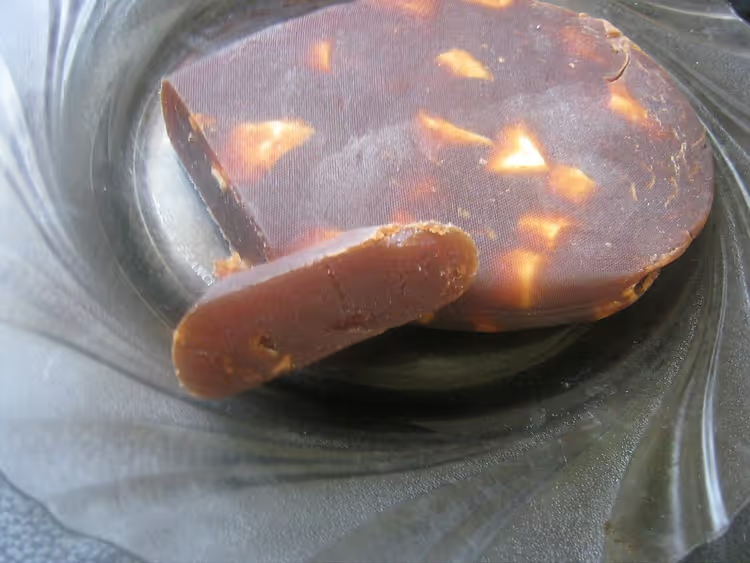
Apple cheese has nothing to do with dairy products, although the name is confusing. It's shaped like a wheel of cheese and tastes like dense, dark apple marmalade.
The recipe is simple: sliced apples are covered with sugar, boiled down, cinnamon and vanilla are added, then it's dried. The finished wheels are wrapped in parchment, and the treat keeps for months.
 © Bearas · CC BYPhoto: Bearas, CC BY (https://creativecommons.org/licenses/by/3.0), Wikimedia Commons
Get the version with nuts and dried fruit: it's more filling and lasts longer. Apple cheese is eaten with a roll and butter, usually for breakfast. This cheese keeps for a long time, and you'll get it home without any losses.
16. Infusions and liqueurs
For lovers of strong drinks, people bring liqueurs, balsams, and infusions. The most famous local drink is called "Three Nines": according to legend, the recipe combines herbs of the earthly, underground, and heavenly worlds.
In roadside shops, spirits are bottled in miniature bottles. A set like that lets you try several varieties at once. For those with a sweet tooth, Krupnikas and Bočiai liqueurs are a good fit.
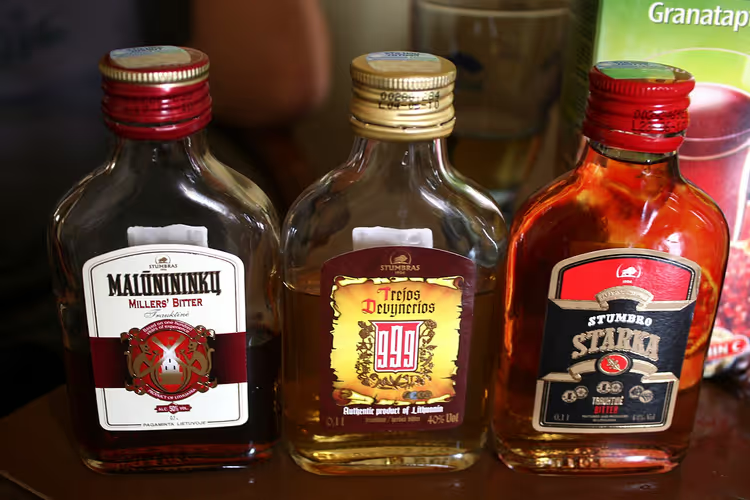 © Quinn Dombrowski · CC BY-SAPhoto: Quinn Dombrowski, CC BY-SA (https://creativecommons.org/licenses/by-sa/2.0), Wikimedia Commons
Buy miniatures, not liter bottles: they're easier to carry and you won't hesitate to open them. The drinks are strong, so pack the glass separately in your luggage. Check export limits so you don't get turned back at the border.
17. Lithuanian beer and breweries
Lithuanian beer is similar to Czech and German beer, but costs less. The Kalnapilis brewery makes about 40 varieties and has operated without interruption since 1902 (as of 09/2026, official website).
Švyturys beer is brewed from natural ingredients and wins awards at international competitions (as of 09/2026, producer's website). Go for the dark lager or the wheat variety, which you won't find at home.
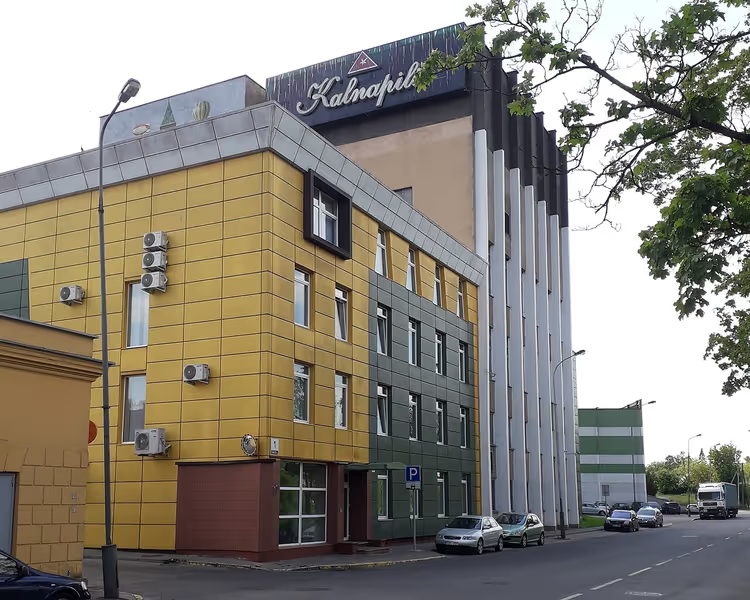 © Obivan Kenobi · CC BY-SAPhoto: Obivan Kenobi, CC BY-SA (https://creativecommons.org/licenses/by-sa/4.0), Wikimedia Commons
Glass in your luggage is heavy, so limit yourself to a couple of bottles. Fresh beer is best tried on a brewery tour. If you're taking the drink home, wrap each bottle in clothing.
Each brand has its own character. Švyturys focuses on classic varieties, Utenos on a mild taste, Kalnapilis experiments with recipes. Vilnius pubs serve draft beer, which is almost never available in bottles. Ask the bartender for a local variety, and you'll try something you won't find in a supermarket.
18. Smoked eel from the Baltic
Smoked eel is expensive and is considered a notable Baltic delicacy. The fish is rare and hard to catch, so the price stays high and keeps rising.
Go for the lightly smoked option: the meat turns out juicy and white rather than dry. Eel is sold in large supermarkets, often already vacuum-packed.
Vacuum-packed eel will survive the trip and makes an unusual gift for a colleague or friend. Check the expiration date: smoked fish is best eaten within the first few days. If you're taking it far, put the package in your carry-on with a cold pack.
Eel goes well with rye bread and cold beer. Lightly smoked meat is juicy and tender, so serve it right away rather than keeping it warm. The price is justified by the fact that the fish is rare and doesn't reach the shelf often. If you're buying it as a gift, choose packaging with a tight vacuum seal.
19. Midus honey drink
Midus is made from water, linden or flower honey, and yeast, sometimes with added juices. The drink was known even before the birth of Christ and was stored in wood, clay, and leather.
Today midus is bottled in glass and sold in regular grocery stores. The strength varies from nearly non-alcoholic to strong, so check the alcohol percentage on the label. For dessert, go with the sweet version; for an aperitif, the strong one.
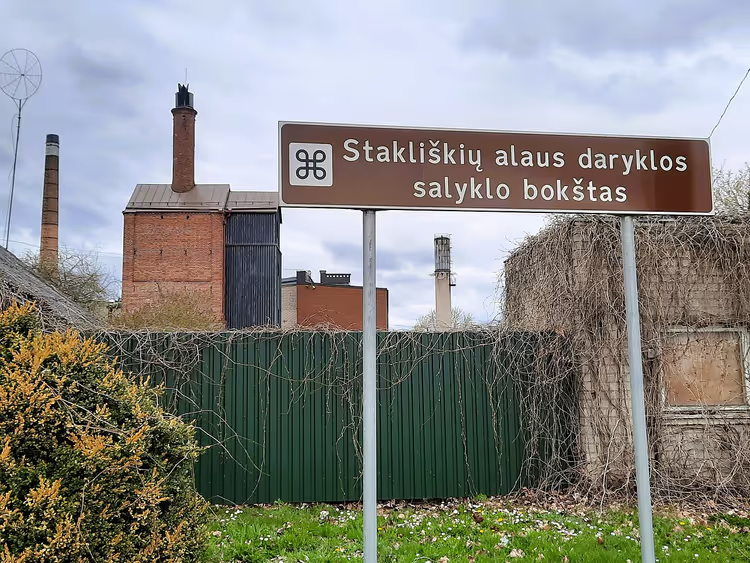 © Vilensija · CC BY-SAPhoto: Vilensija, CC BY-SA (https://creativecommons.org/licenses/by-sa/4.0), Wikimedia Commons
To change the flavor, berries, herbs, and even oak acorns are added to midus. Get a bottle with a tight cork so the drink travels without leaking. Glass is fragile, so wrap it in clothing.
Low-alcohol mead is served with desserts, while the strong version is taken as an aperitif before dinner. Honey comes through in the aroma, so the drink appeals even to those who don't usually drink strong alcohol. Choose a dark glass bottle: the drink spoils faster in light. You can return the empty bottle to the store if you're taking it home.
20. Home decor at Flying Tiger Copenhagen
Flying Tiger Copenhagen is a Danish chain, not Lithuanian, but it has stores in Vilnius and Kaunas. People come here for small home items: mirrors, pillows, rugs, and stationery.
The assortment changes every couple of weeks, so there is no point coming back for the same item. The store concept is built on impulse buying: you walk in for one small thing and walk out with five.
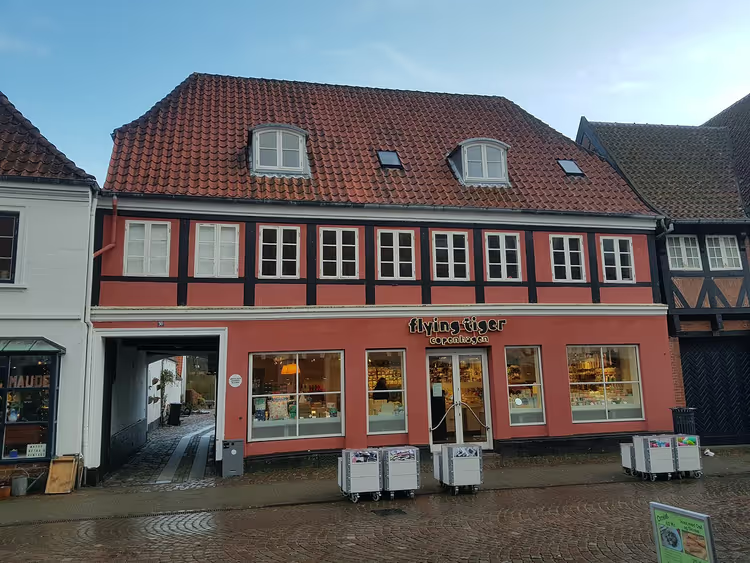 © Hjart · CC BY-SAPhoto: Hjart, CC BY-SA (https://creativecommons.org/licenses/by-sa/4.0), Wikimedia Commons
Products are divided into categories: home, toys, furniture, electronics, and sports. For a gift for coworkers, this is the easiest option: prices are low, and the item looks more expensive than it is.
Take things you won't mind carrying. Ceramic mugs and candles are heavier than they look, so wrap fragile small items in clothing. If you are flying without checked baggage, stick to a notebook or a mug.
Practical tips: Tax Free and taking purchases home
Lithuania refunds purchase tax through the Tax Free scheme only to residents of countries outside the EU. If you live in the EU, the VAT refund does not apply to you. The standard VAT rate is 21%, and the minimum receipt amount depends on the operator (as of 09/2026, Global Blue).
The process is simple. In the store, ask for a Tax Free form and keep your receipt. Before flying out of the EU, show your purchases at airport customs and get a stamp, otherwise the refund will not be processed. When flying within the EU, there is no customs stamp.
Homemade products, alcohol, and smoked goods are subject to your country's rules, so check the limits in advance. If you bought a lot, keep receipts handy until the end of the trip, and pack large items so a customs officer can see the product without unpacking your suitcase.
Tax Free forms are issued by the cashier, so ask for them right at the register, not at the store exit. Some stores refund money at the airport, while others transfer it to your card later. The minimum receipt amount varies by operator, so check the terms at the register. Keep the receipt and form next to your passport, otherwise you will have to search for them throughout your luggage at customs.
⁉️🤔 Frequently asked questions
What do people bring from Lithuania most often?
Most often people buy amber, linen, Pergalė chocolate, and smoked goods. These four categories cover both gifts for loved ones and a souvenir for yourself, and they take up little suitcase space.
Can you bring Lithuanian food products across the border?
Factory-sealed packaging crosses the border under general EU rules. Homemade sausages, smoked goods, and unpasteurized cheeses without packaging are not allowed, so it is better to eat them on the spot. Check your country's limits in advance.
How much does šakotis cost?
The price depends on the size and the confectionery. A small cake costs less than a large one, and a fresh one is always tastier. Ask for the exact price at the confectionery and go by weight.
How do you tell real amber apart?
Natural amber is soft and warm, attracts dust when rubbed, and does not dissolve in acetone. A plastic copy behaves differently. Buy jewelry in jewelry departments and workshops, not from street stalls.
What should you bring as a gift for coworkers?
Pergalė chocolate, Lithuanian beer, and miniature liqueur sets work best. They are inexpensive, take up little space, and need no wrapping. For the office, go with small chocolate bars.
In short: what to bring and who to give it to
Lithuania will not disappoint those with a sweet tooth or lovers of crafts. Food and drinks here are cheaper, and jewelry and textiles look more expensive than their price.
- If you are flying with carry-on only: chocolate, amber jewelry, and linen.
- If you are bringing gifts for coworkers: Švyturys beer, miniature liqueurs, and Pergalė chocolate bars.
- If you are going to a wedding: šakotis and handmade ceramics.
- If you want to surprise a foodie: apple cheese, smoked eel, and rye bread with caraway.
And most importantly: airport transfer in Vilnius is best booked in advance. Check prices on Kiwitaxi.

A small editorial team writing guides for independent travel. We travel ourselves, but we haven’t been everywhere, so we check prices, opening hours and how to get there against official sources.