
















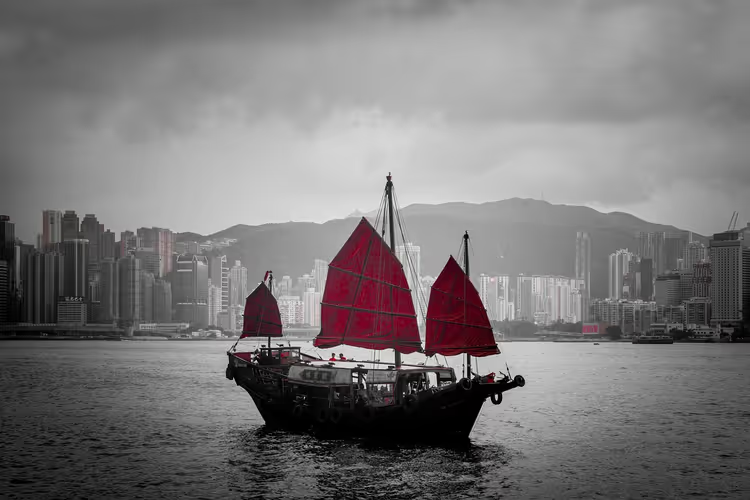
9 Hong Kong attractions: what to see and how to buy tickets
In Hong Kong, it's easy to spend a whole day just getting around. Hong Kong Island, Kowloon, and Lantau are separated by water, and the places you'll want to see are scattered across all three areas.
We've put together nine spots that cover all the city's classics. The cable car ride to the Big Buddha on the cable car Ngong Ping 360 takes about 25 minutes (according to the operator), and you can walk the Avenue of Stars in half an hour.
Below you'll find how to get to each place, how much admission costs, and what to see nearby. Plan it like this: museums and the waterfront in the morning, viewpoints and the races closer to evening. Some tickets are cheaper to buy online in advance, otherwise you'll lose time standing in line.
Ad: this article contains affiliate links, we earn a commission if you book through them, at no extra cost to you.
1. Avenue of stars on the Tsim Sha Tsui waterfront
💡 In short:
- Avenue of Stars and the history and art museums: free admission.
- Madame Tussauds and Ngong Ping 360: tickets are cheaper online.
- Allow three full days for all nine spots.
- Prices and opening hours: 09/2026, verified on the Hong Kong tourism board website.
 © [2] · CC BY-SAPhoto: [2], CC BY-SA (https://creativecommons.org/licenses/by-sa/2.0), Wikimedia Commons
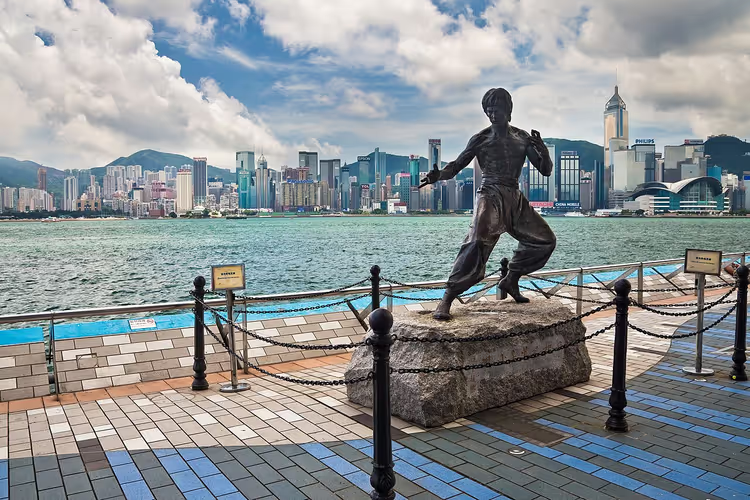
The Avenue of Stars runs along the Tsim Sha Tsui waterfront for nearly 457 m (news.gov.hk). The first version opened in 2004, and the promenade was completely rebuilt between 2015 and 2019. Here you'll find handprints of directors and actors, statues of Bruce Lee and Anita Mui, and behind you a panorama of Victoria Harbour unfolds.
Come early in the morning or toward evening. At 8:00 PM the skyscrapers switch on their lights, and the waterfront fills with people. Bring water and a cap: there's almost no shade on the promenade.
- How to get there: MTR to East Tsim Sha Tsui station, exit J, then about a five-minute walk (according to the map).
- Cost: free admission, the promenade is open 24 hours.
- Who it's for: anyone who wants a harbour panorama without a ticket.
- The catch: in the evening there's always a crowd at the Bruce Lee statue.
2. Tsim Sha Tsui history and art museums
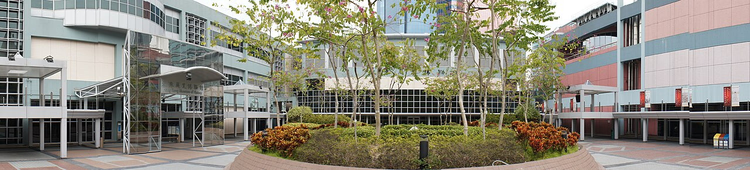
The city's two main museums stand next to each other in Tsim Sha Tsui. In 1975, the single city museum was split into a history museum and an art museum (Hong Kong Museum of History). Later the history collection was moved to a separate building on Chatham Road South, and admission to the permanent exhibition is free.
 © Mk2010 · CC BY-SAPhoto: Mk2010, CC BY-SA (https://creativecommons.org/licenses/by-sa/3.0), Wikimedia Commons
The Hong Kong Museum of Art's galleries house Chinese painting and calligraphy, bronze, ceramics, and jade. Five permanent galleries span three floors, and the collection as a whole includes tens of thousands of objects (Hong Kong Museum of Art). Allow two hours for each museum, otherwise you'll end up sprinting through the halls.
- Admission: free for the permanent exhibitions; special exhibitions are ticketed.
- Closed on: check the museum's website before your visit.
- Who it's for: anyone who wants to understand the city's history in a single day.
- The catch: on weekends the halls fill up with school groups.
3. Madame Tussauds at the Peak
 © Katie Chan · CC BY-SAPhoto: Katie Chan, CC BY-SA (https://creativecommons.org/licenses/by-sa/3.0), Wikimedia Commons
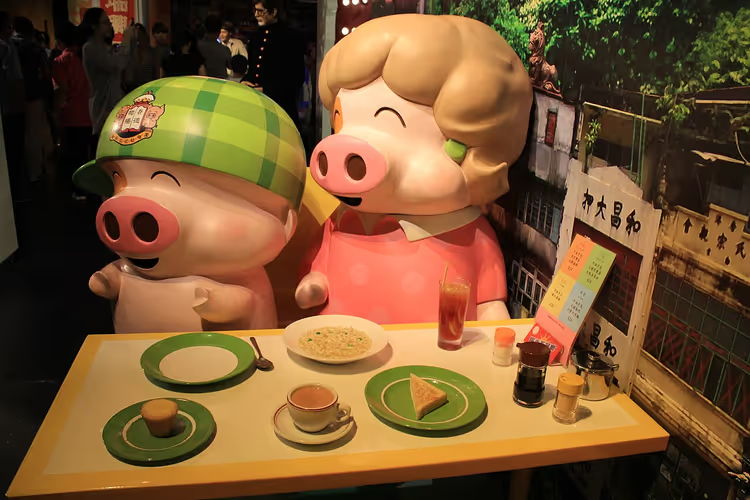
Madame Tussauds sits at the Peak, reached by the historic Peak Tram (Madame Tussauds Hong Kong). The collection includes more than a hundred figures, from Jackie Chan and Bruce Lee to Queen Elizabeth and Barack Obama. The figures have long been made of silicone rather than wax, which is why they look almost alive.
Allow an hour to an hour and a half for the visit. Tickets online are nearly a third cheaper (Madame Tussauds), so it makes more sense to buy a combined ticket with the tram and the Sky Terrace.
- Tickets: buy online in advance (Madame Tussauds tickets).
- Getting there: Peak Tram from Central station; the lower terminus is on Garden Road.
- Who it's for: families with children and movie fans.
- The catch: a ticket at the counter is noticeably more expensive than online.
4. Museum of Optical Illusions
The Museum of Optical Illusions is built around 3D technology: you become part of the picture and pose inside it. Similar rooms exist in other cities, but here they're easy to combine with a stroll around Tsim Sha Tsui. You'll spend most of your time with a camera in hand.
Some of the rooms are dedicated to the nighttime metropolis and Victoria Harbour, where you can "sail" in a paper boat. The installations are designed for photo shoots, so bring a phone with a good camera and take your time.
- Tickets: paid, buy online in advance (Museum of Illusions tickets).
- Getting there: on foot from Tsim Sha Tsui station.
- Who it's for: children and anyone who loves unusual photos.
- The catch: there's no historical section in the museum.
5. Bank of China Tower in Central
 © Cypp0847 · CC BY-SAPhoto: Cypp0847, CC BY-SA (https://creativecommons.org/licenses/by-sa/4.0), Wikimedia Commons
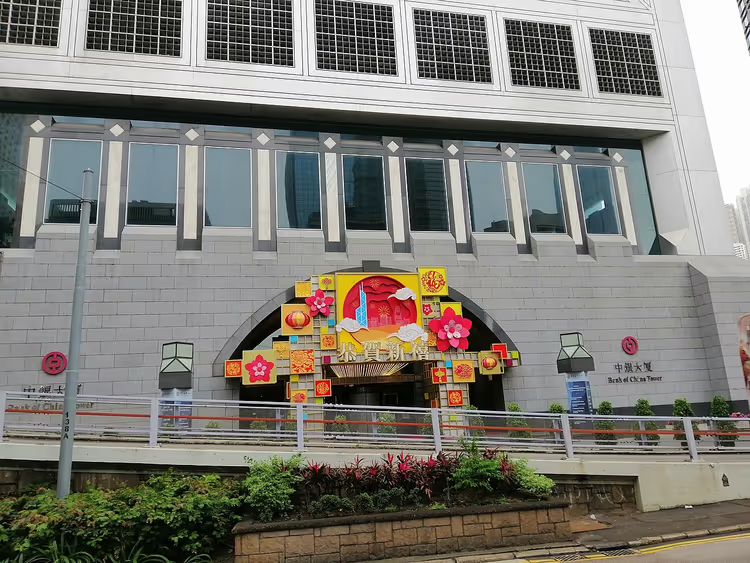
Bank of China Tower is easy to recognize by its diamond-shaped ribs and glass. The architect intended the building to resemble a bamboo stalk, but the design was changed during construction. The 70-story, 367-meter tower was designed by I. M. Pei (Wikipedia). The observation deck on the 43rd floor was once open to the public, but today it is closed.
- Getting there: MTR to Central station, exit K.
- Cost: tourists are not allowed inside the tower; viewing it from outside is free.
- Who it's for: anyone photographing architecture and skyscrapers.
- The catch: there is no longer an observation deck on the upper floors.
6. Tian Tan Buddha statue on Lantau
 © Béria Lima de Rodríguez · CC BY-SAPhoto: Béria Lima de Rodríguez, CC BY-SA (https://creativecommons.org/licenses/by-sa/3.0), Wikimedia Commons
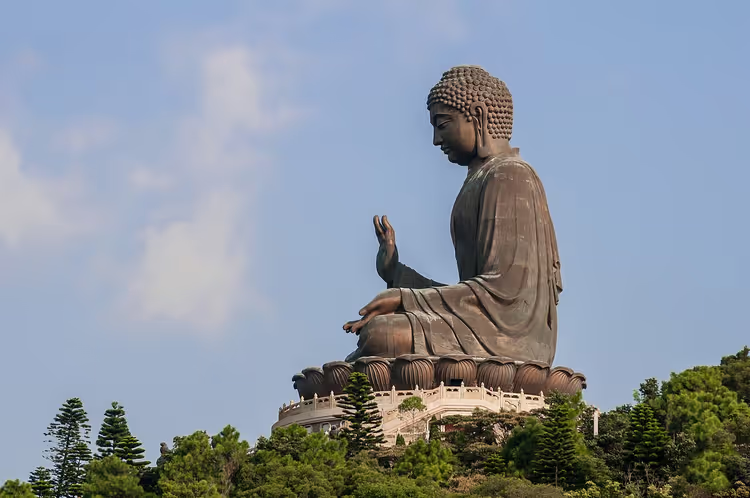
The Tian Tan Buddha statue stands on Lantau Island near Po Lin Monastery. The bronze monument, 34 m tall and weighing about 250 tons, is visible from the sea (official Ngong Ping 360 website). A staircase of 268 steps leads up to the statue, but the climb is worth it for the view and the quiet around.
You can get there on the Ngong Ping 360 cable car from Tung Chung: the ride takes about 25 minutes over the bay and mountains (official cable car website). A cabin with a glass floor costs more, but you get views of the airport right under your feet.
- Tickets: book the cable car online (Ngong Ping 360 tickets).
- Getting there: MTR to Tung Chung, then walk to the terminal.
- Who it's for: those willing to climb the steps.
- The catch: tour groups arrive closer to midday, so book an early slot.
7. The French Mission Building in Central
 © Wishds · CC BY-SAPhoto: Wishds, CC BY-SA (https://creativecommons.org/licenses/by-sa/3.0), Wikimedia Commons
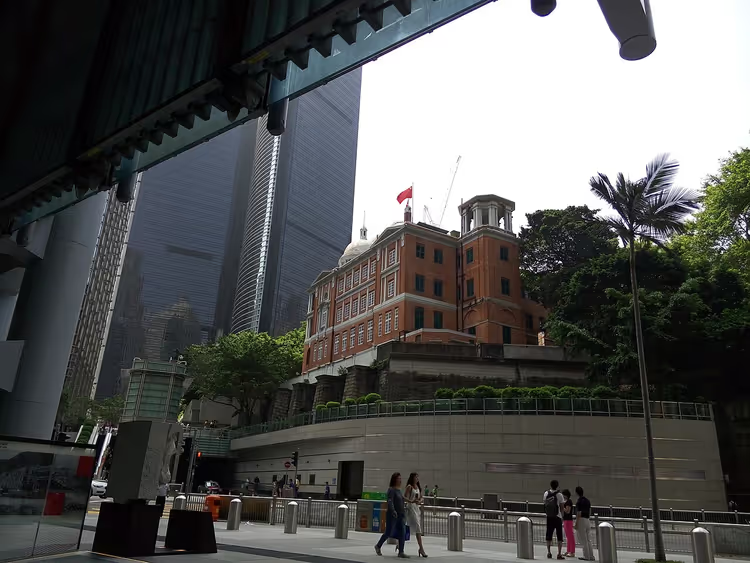
The French Mission Building stands in the very center of the city and stands out for its colonial architecture. It once housed the Russian consul, and later the building was purchased by the French mission. Today it is one of the few historic buildings in the business district of Central that have survived among the skyscrapers.
- Getting there: walk from Central station.
- Cost: viewing the exterior is free.
- Who it's for: fans of colonial architecture.
8. Sha Tin Racecourse
 © WiNG · CC BY-SAPhoto: WiNG, CC BY-SA (https://creativecommons.org/licenses/by-sa/3.0), Wikimedia Commons
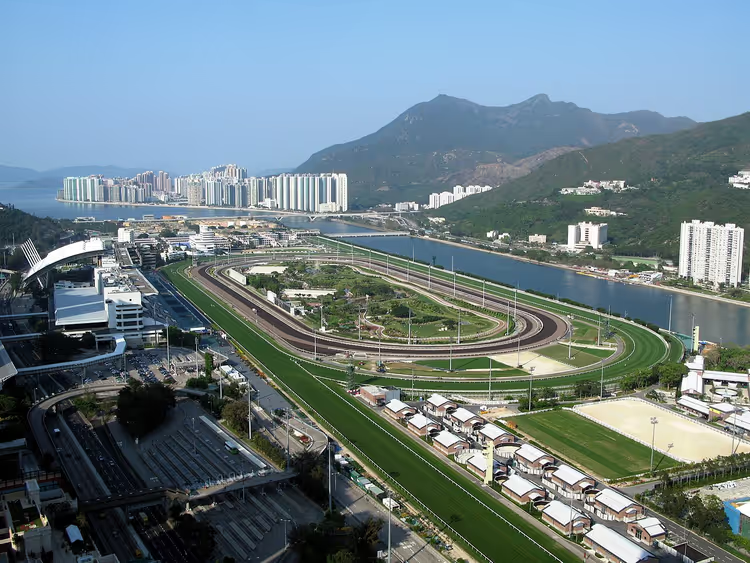
Sha Tin Racecourse in the New Territories has hosted races since 1978 and seats about 85,000 spectators (Hong Kong Jockey Club). Nearby stables house almost 1,260 horses. Races do not run every day, so check the schedule in advance.
- Getting there: MTR to Racecourse or Sha Tin station.
- Cost: grandstand admission is paid, tickets are sold on site.
- Who it's for: those who want to see Hong Kong horse racing.
- The catch: races only run on scheduled days.
9. Museum of Tea Ware in Hong Kong Park
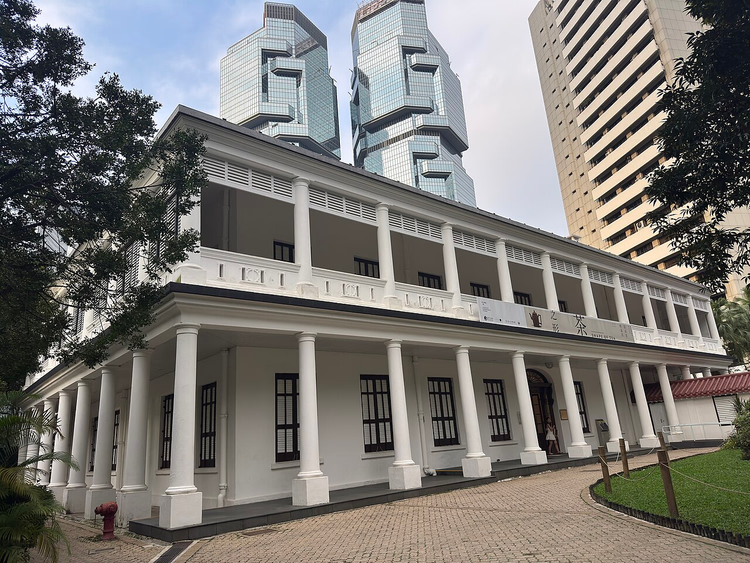 © LN9267 · CC BY-SAPhoto: LN9267, CC BY-SA (https://creativecommons.org/licenses/by-sa/4.0), Wikimedia Commons
The tea ware collection is displayed at the Flagstaff House Museum of Tea Ware in Hong Kong Park. The historic mansion was built in 1846 and is the oldest colonial building in the city (Hong Kong Tourism Board). The galleries show hundreds of items: from fine porcelain to Yixing clay teapots.
- Getting there: MTR to Admiralty station, then through Hong Kong Park.
- Cost: admission is free.
- Who it's for: those interested in tea and ceramics.
If you plan to do everything at once, start with the museums and save the views for the evening. The harbor lights and the Peak illuminations are at their best then.
Tours and tickets in Hong Kong
Guided tours, skip-the-line tickets and activities — most offers can be cancelled free of charge.
See offers on GetYourGuideThe widget loads once you give your consent.
⁉️🤔 Frequently asked questions
How many days do you need for these nine places?
Everything takes three full days. Spend the first on the museums and the Avenue of Stars in Tsim Sha Tsui, the second on the Peak and Madame Tussauds, and the third on Lantau and the Big Buddha. If you have less time, skip the racecourse: races don't run every day.
What on the list is free?
The Avenue of Stars, the permanent exhibitions at the history and art museums, and the tea ware museum are free. You'll have to pay for Madame Tussauds, the optical illusion museum, and the Ngong Ping 360 cable car. Online tickets are always cheaper than at the ticket office.
How do you get to the Big Buddha?
First take the MTR to Tung Chung station, then ride the Ngong Ping 360 cable car for about 25 minutes to Ngong Ping village. From the terminal to the statue, follow the signs and climb 268 steps. A budget alternative: the bus from Tung Chung.
Is the Bank of China Tower observation deck open?
No, the tower is closed to tourists, and the 43rd-floor deck is no longer open. You can view the skyscraper from outside, and the best view of Central is from the Peak or the Tsim Sha Tsui waterfront. If you want to go higher, choose the observation decks at the Peak or Sky100.
When is the best time to visit Hong Kong?
The best time to visit is from October to December, when the heat eases off and there's less rain. In summer, humidity is high and it's typhoon season, so tours sometimes get rescheduled. Arrive at opening time: lines for the Peak Tram and the cable car are shorter in the morning.
In short: what to book
If you only have one day: Avenue of Stars in the morning, Tsim Sha Tsui museums in the afternoon, the Peak in the evening. If you're traveling with kids: buy Madame Tussauds and illusion museum tickets in advance. If you want views and nature: plan for Lantau and the Ngong Ping 360 cable car. Tickets for the cable car, tram, and museums are easiest to buy online (find tickets on GetYourGuide).

A small editorial team writing guides for independent travel. We travel ourselves, but we haven’t been everywhere, so we check prices, opening hours and how to get there against official sources.