
















Dangerous places of the world: where tourists are allowed only with a guide and permit
Six places on the planet are officially considered dangerous for tourists. Ilha da Queimada Grande has been closed to visitors for almost a hundred years, and Ethiopia's Danakil is only accessible with a convoy of off-road vehicles. The reasons vary: venomous snakes, volcanic gases, avalanches, and extreme heat.
Each place has its own reason for making the list. We checked exactly what makes them dangerous as of 2026 and whether an ordinary traveler can get in. All data was verified against official sources in September 2026.
Dangerous places in the world: the essentials
💡 In short:
- Of the six places, one is closed to free access: Ilha da Queimada Grande.
- The other five are open, but only with a guide, a permit, or as part of a group.
- The risks repeat: altitude and avalanches, volcanic gases, heat beyond safe limits, hippos, and urban crime.
- Access and visiting rules: 09/2026, verified against Visit Ethiopia.
The sixth place on the list is in Zambia, and the danger there comes from animals. South Luangwa National Park is known as the birthplace of walking safaris, and the Luangwa River holds one of the highest concentrations of hippos in the country. A hippo looks clumsy, but on land it can outrun a human, and near water it defends its territory aggressively. According to Zambia Tourism, these animals are especially numerous in South Luangwa and are considered among the most dangerous large animals in Africa (Zambia Tourism). It's best not to approach the riverbank there without a guide.
1. Annapurna (Nepal)
 © Wolfgang Beyer · CC BY-SAPhoto: Wolfgang Beyer, CC BY-SA (http://creativecommons.org/licenses/by-sa/3.0/), Wikimedia Commons
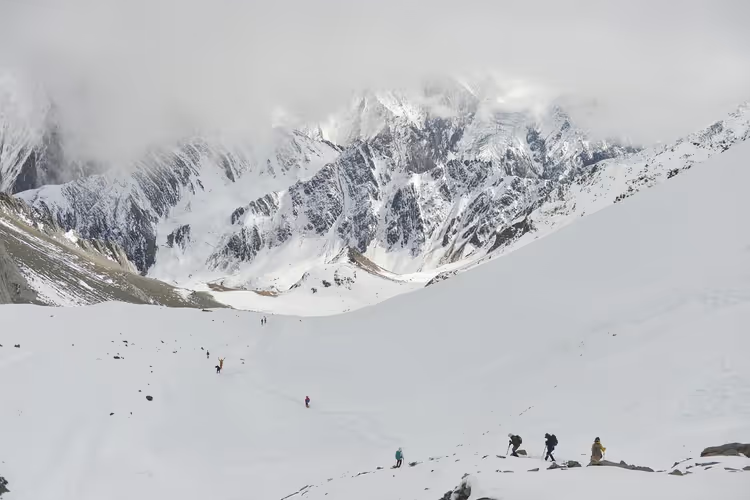
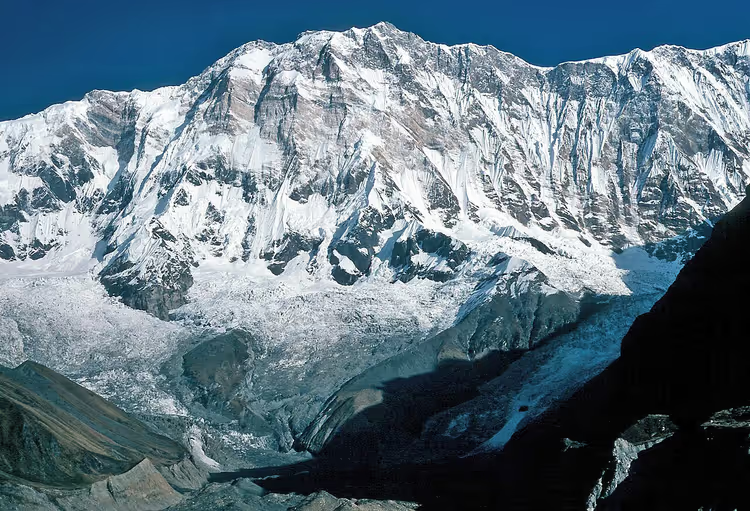
Annapurna is one of the highest massifs in the Himalayas and has a reputation as one of the most dangerous peaks for climbers. The first mountaineers reached the summit in the middle of the last century, but the list of fatalities has not shrunk since. The main threat here is not the wall itself, but avalanches and collapsing snow cornices.
For travelers, the trek around the massif is more popular than the summit itself. Its highest point is Thorong La Pass at 5,416 m (as of: 09/2026, Walk Through Nepal). Without acclimatization, you risk ruining the entire route, so people go gradually, with rest days along the way.
- How to get there: the trek starts from Pokhara or Besisahar, then on foot through Manang.
- When to go: March to May and October to November; in spring, rhododendrons bloom in the valleys.
- Who it's for / Not for: for experienced trekkers with high-altitude experience, not for beginners.
- The catch: altitude sickness on the pass is real, and some groups turn back.
2. Danakil Desert (Ethiopia)
 © Atypeek DGN · CC BY-SAPhoto: Atypeek DGN, CC BY-SA (https://creativecommons.org/licenses/by-sa/4.0), Wikimedia Commons
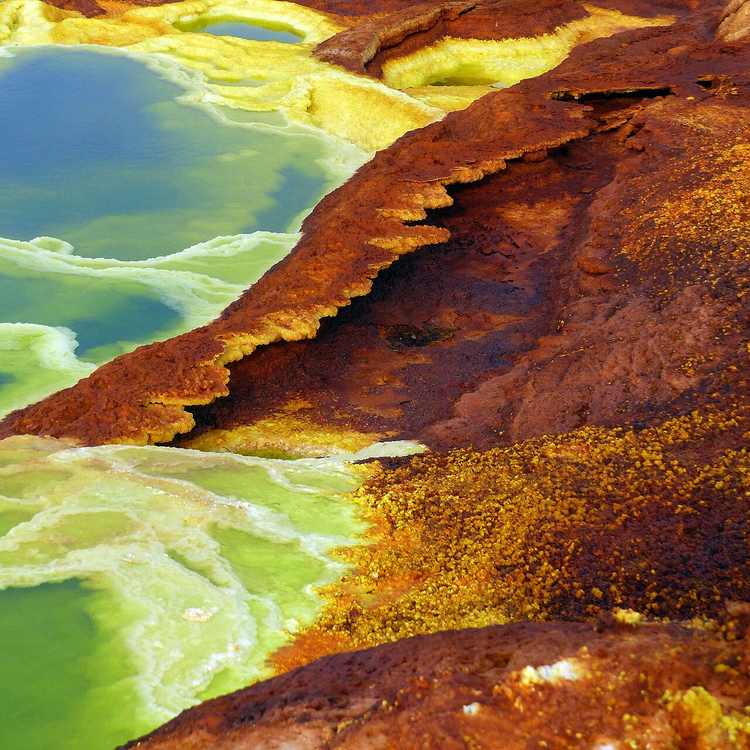
The Danakil lies in the Afar Region in northeastern Ethiopia, roughly 125 m below sea level (as of: 09/2026, Wikipedia). It is one of the hottest places on the planet, with the active Erta Ale volcano, a lava lake, and the acidic springs of Dallol.
Despite its reputation, people come here for landscapes that look like another planet. Yellow-green sulfur fields, salt plateaus, and the nighttime climb to the crater draw photographers from around the world. There is no safe independent route here.
According to Ethiopia's tourism office, the roads to Dallol and Erta Ale require off-road vehicles and navigation, so the region is visited only with an experienced operator and at least two vehicles (Visit Ethiopia).
- What makes it dangerous: extreme heat, sulfur fumes near the springs, and distance from hospitals.
- When to go: the dry season from November to February; in other months the heat intensifies.
- The catch: routes are periodically closed due to the situation in the region, so you should check dates before departure.
3. Port Moresby (Papua New Guinea)
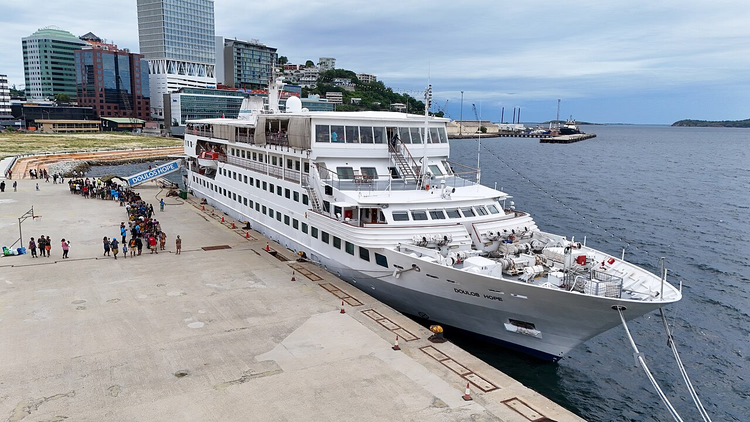
The capital of Papua New Guinea greets visitors with a warm sea and green hills, but it is known for something else. Port Moresby's crime rate is considered one of the highest in Oceania, so most visits are limited to the hotel and organized transfers.
Outside the business center, neighborhoods are poorer, and even locals advise against walking the streets alone. The city serves as a gateway to the Kokoda Track and diving in the Coral Sea, but it is not a tourist center in itself.
- How to get around: a pre-booked transfer will take you to your hotel; travel during the day and avoid displaying valuables.
- Who it's for / Not for: for organized tours around the country, not for independent wandering.
- The catch: without a local escort, moving around the city is risky.
4. Mendenhall Glacier Caves (Alaska)
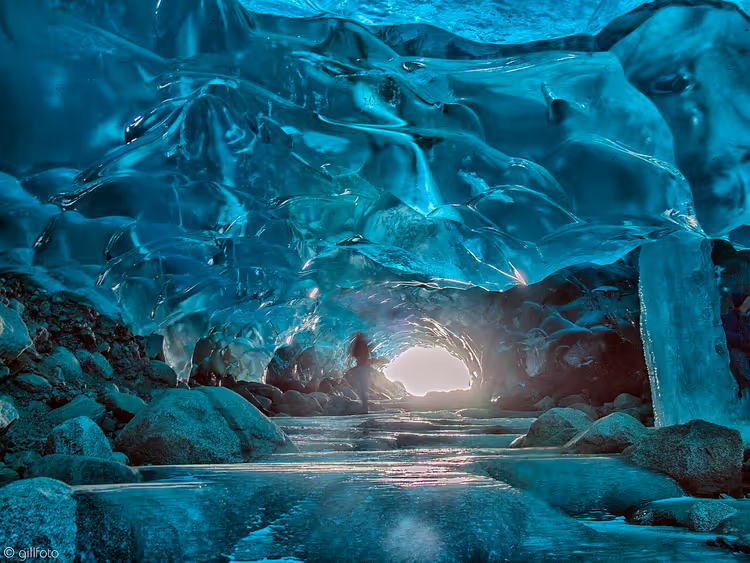 © Gillfoto · CC BY-SAPhoto: Gillfoto, CC BY-SA (https://creativecommons.org/licenses/by-sa/4.0), Wikimedia Commons
Mendenhall Glacier sits near Juneau, the capital of Alaska, and lies within the Tongass National Forest. The blue grottoes in its body attract thousands of tourists, but the ice is constantly moving and collapsing.
In February 2025, the U.S. Forest Service warned of a possible major ice calving event and asked people to stay away from the glacier's tongue (as of: 09/2026, Travel Juneau). The caves appear and disappear every season.
- How to get there: a paved road leads from downtown Juneau to the glacier visitor center.
- Who to go with: only with a guide and wearing a helmet; entering on your own is not allowed.
- The catch: ice and water collapses happen without warning, and some trails may be closed.
5. Ilha da Queimada Grande (Brazil)
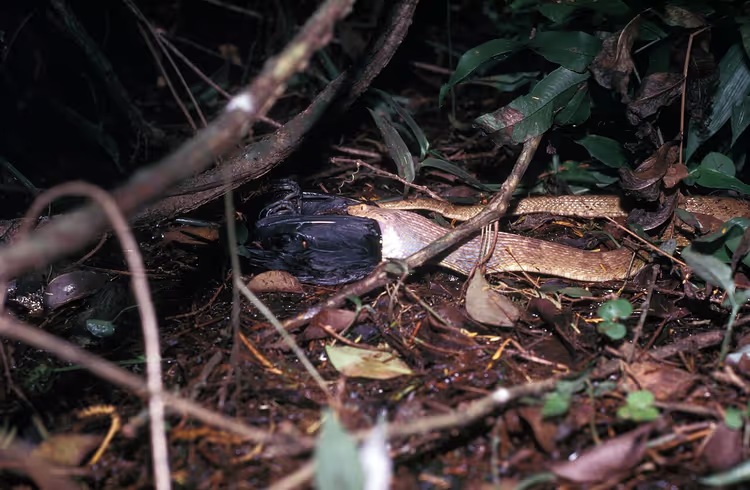 © Otavio A Marques · CC BYPhoto: Otavio A Marques, CC BY (https://creativecommons.org/licenses/by/4.0), Wikimedia Commons
Ilha da Queimada Grande lies off the coast of the state of São Paulo and is considered a place with one of the highest densities of venomous snakes on the planet. It is home to a species found nowhere else: the golden lancehead (Bothrops insularis).
This snake's venom is several times more potent than that of related mainland species, and the island has been closed to civilians since the 1920s. You cannot go there: only researchers and lighthouse keepers are allowed (Wikipedia).
Legend has it that the island is inhabited by thousands of snakes on every meter. The real estimate is more modest: scientists put the population at several thousand individuals, and even so, the chance of encountering a snake here is higher than in any other forest in Brazil (Wikipedia).
- Why it's closed: access is limited to scientists and lighthouse staff; the island is closed to tourists.
- What makes it dangerous: a bite from the golden lancehead rapidly destroys tissue, and antivenom is administered on the mainland.
- The catch: there is no legal way to see the snakes; the nearest safe viewing point is on the mainland.
⁉️🤔 Frequently asked questions
Can you visit Ilha da Queimada Grande?
No, tourists are not allowed on the island. There is no legal way to see the snakes; the only safe viewing point is on the mainland.
Will an ordinary tourist be allowed into Ethiopia's Danakil?
Yes, but only as part of a group with an operator. An independent route here is unsafe.
How dangerous are the Mendenhall Glacier caves?
The ice is constantly moving, and the grottoes collapse without warning. People only enter with a guide and a helmet.
In short: what to book
You don't need to book anything to visit the most dangerous place itself: some sites are closed, and the rest are accessible only with a licensed operator. If you want to see landscapes like these safely, choose based on your interest.
- If you want volcanoes and lava fields: book a tour to Erta Ale with a reputable operator.
- If you want mountains without mortal risk: choose a trek in the Himalayas with acclimatization, not a summit climb.
- If you're drawn to Africa's wildlife: plan a guided safari in South Luangwa.
- If glaciers interest you: view them from the ground and wear a helmet, without entering the grottoes.
Before traveling, check the rules with operators and park authorities: they change every season.

A small editorial team writing guides for independent travel. We travel ourselves, but we haven’t been everywhere, so we check prices, opening hours and how to get there against official sources.