









Algarve in winter: cycling, hiking and nature parks
People don't go to the Algarve in winter for swimming. From January to mid-March, the coast empties out: umbrellas are removed from the sand, some restaurants and museums pause operations, and hotels have no lines. In return, empty roads and trails hand the region over to cyclists and walkers.
During the day the air is warm, around twenty degrees, but at night it's noticeably colder. If you're planning a trip to Portugal from November to March, three things matter: what to wear, where to walk, and how to fill the days when the sea is too cold for swimming. Below we break down the climate, the best trekking areas, natural parks, and things to do on days without a route.
Ad: this article contains affiliate links, we earn a commission if you book through them, at no extra cost to you.
The Algarve's mild winter climate
💡 In short:
- Warm during the day, around twenty degrees, around ten at night.
- Bring a warm jacket for the evening, a windbreaker and a rain jacket for the day.
- There's no central heating in homes, so you'll need a sweater and warm socks.
A few weeks before the Easter holidays, it's still quiet here. Many restaurants, museums and amusement parks run reduced hours from January to mid-March.
 © Carlos Eduardo Joos · CC BYPhoto: Carlos Eduardo Joos, CC BY (https://creativecommons.org/licenses/by/2.0), Wikimedia Commons
Rows of loungers and umbrellas disappear from the beaches. The kilometers-long stretches of coastline are shared by a scattering of walkers. The air warms up during the day, so walking here is pleasant even without swimming.
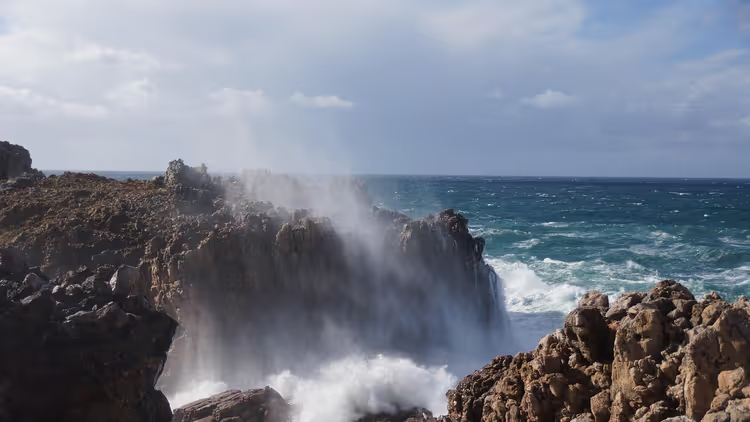
Sometimes a surfer in a wetsuit waits for a wave beyond the break line. For winter surfing, the Algarve is better than northern Portugal, where the ocean is too rough in these months. Even for hardy people, the water remains cold, so it's not suitable for swimming. But you can watch surfers from the shore for hours.
In the sun, the thermometer climbs past 20 °C during the day. Average values stay in the 15-20 °C range, with more rain and wind than in the summer half of the year (as of 09/2026, weather-and-climate.com).
So in addition to a jacket and raincoat, pack warm pajamas, a wool sweater and socks.
Most Portuguese homes have no central heating. An open fireplace isn't everywhere, and it heats less effectively than a radiator. So indoors and at night you may get colder than you expected.
On a sunny day, look for a spot sheltered from the wind between rocks or large boulders. There are plenty of such shelters around Albufeira. Spread out a blanket and spend a few calm hours by the sea.
The crowds of tourists who fill the large coastal hotels in summer disappear in winter. Instead, you can stroll peacefully through a picturesque fishing village.
Traveling with kids to the Algarve in winter, sand toys come in handy. A shovel and bucket help collect the rare shells that strong waves wash ashore. The bravest ones catch crabs in a bucket, but by evening they release their catch back into the water.
Cycling and hiking routes in the Algarve
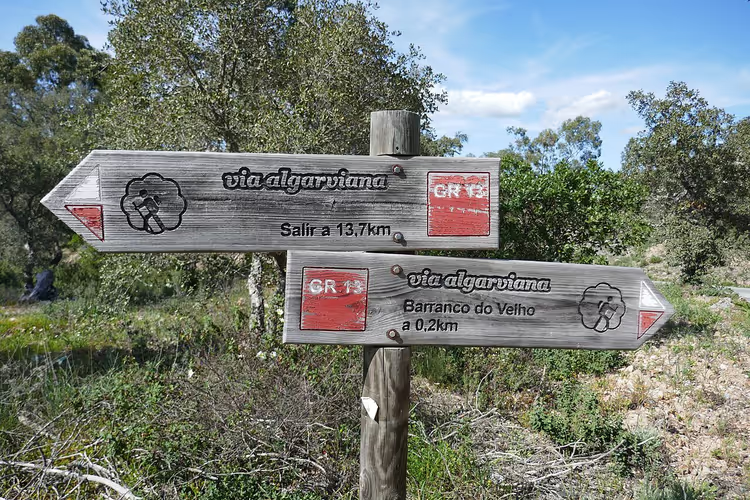
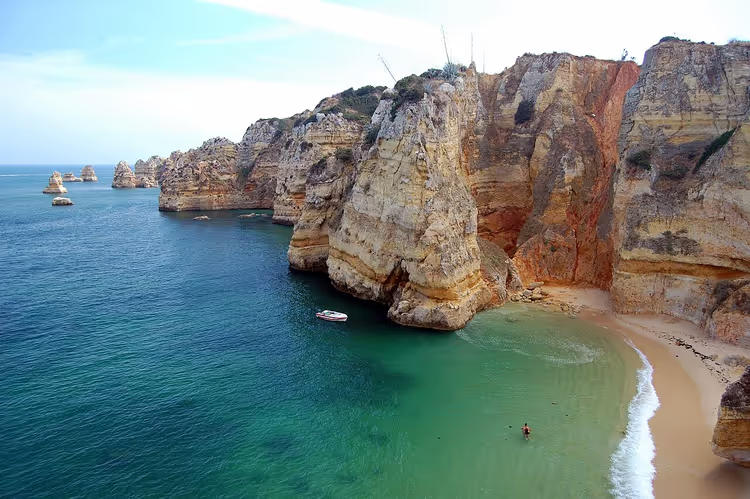
The beaches of the Algarve have convenient cliffs for scrambling, so trekking shoes and approach shoes are worth packing.
 © Wilrooij · CC BY-SAPhoto: Wilrooij, CC BY-SA (https://creativecommons.org/licenses/by-sa/4.0), Wikimedia Commons
They'll also come in handy on hikes inland. The Algarve offers routes of every difficulty level, including for beginners and families.
A cycling route, Ecovia do Litoral, runs along the entire coast for 214 km (as of 09/2026, official route website). It connects Cape St. Vincent in the west with Vila Real de Santo António on the Spanish border. The road is almost flat, there are few cars, and there are turnoffs to the beaches. You can ride one section in a day and return by train.
Serra de Monchique and the Foia peak
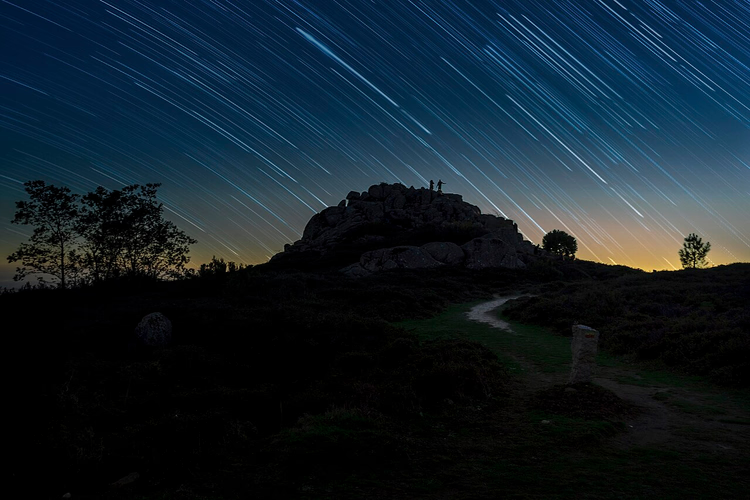
Serra de Monchique leaves a strong impression: the green heart of the western Algarve, a couple dozen kilometers from the coast. Already on the way there, you'll see numerous stork nests along the roadsides. The large birds look as if they've flown in from another time.
In these mountains you'll find pine and eucalyptus forests, waterfalls and wide panoramas. People also mountain bike and rock climb here. The highest point in the Algarve, Foia peak, rises to 902 m above sea level (as of 09/2026, Active Algarve). In winter, the mountains are colder and windier than the coast, so bring a light windbreaker even for a short walk.
 © Bernardo Costa Carneiro · CC BY-SAPhoto: Bernardo Costa Carneiro, CC BY-SA (https://creativecommons.org/licenses/by-sa/4.0), Wikimedia Commons
Natural parks of the Algarve
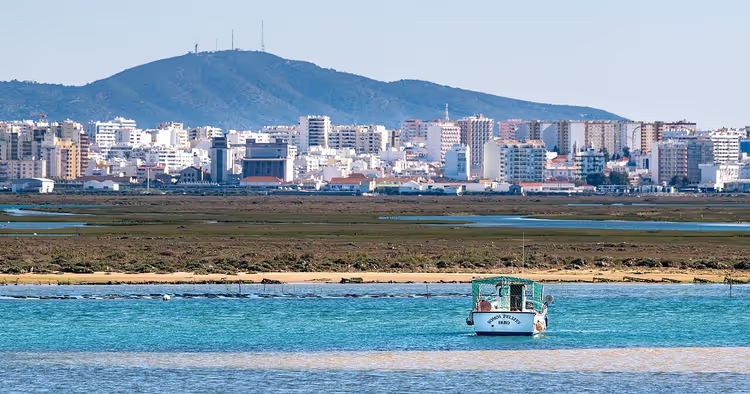
Faro and its surroundings are best explored from the saddle. Protected areas stretch along the coast, where you hardly encounter any asphalt.
 © LuisNDamas · CC BY-SAPhoto: LuisNDamas, CC BY-SA (https://creativecommons.org/licenses/by-sa/4.0), Wikimedia Commons
Ria Formosa Natural Park
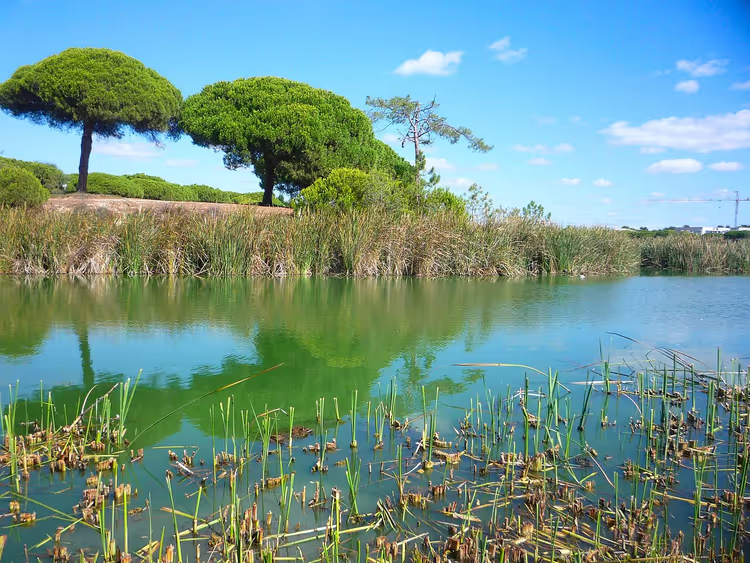
The Ria Formosa park deserves a full day. A labyrinth of channels, islands, marshes and sand spits stretches for 60 km between Garrão and Manta Rota beaches on both sides of Faro, covering about 18,400 hectares under protection (as of 09/2026, ICNF).
With binoculars you can observe rare bird species, and seahorses live in the lagoons. All information about the wetland is gathered at the Marim environmental museum.
 © Natalia · CC BYPhoto: Natalia, CC BY (https://creativecommons.org/licenses/by/2.0), Wikimedia Commons
On the salt flats at low tide you can walk far from the shore. A bicycle also works well for exploring, and most villages are easy to reach by train.
Cape St. Vincent and the wild southwest
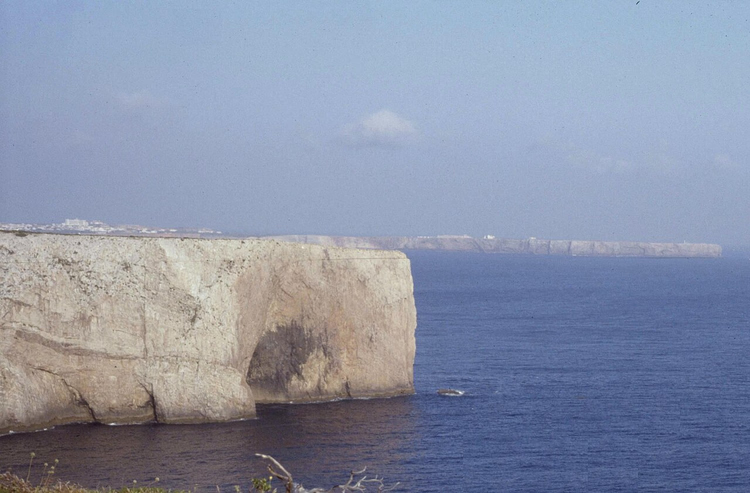
Even more protected nature awaits you in the Parque Natural do Sudoeste Alentejano e Costa Vicentina. At its southwestern end lies Cape St. Vincent with its lonely lighthouse, the westernmost point of continental Europe. Even on a sunny winter day it is a pleasant drive or bike ride. At the top the wind is stronger than on the beach below, so keep your jacket on.
 © rene boulay · CC BY-SAPhoto: rene boulay, CC BY-SA (https://creativecommons.org/licenses/by-sa/3.0), Wikimedia Commons
What to see besides trekking
If hiking gets boring, the Algarve has other options for a day out.
 © Steven Fruitsmaak · CC BY-SAPhoto: Steven Fruitsmaak, CC BY-SA (https://creativecommons.org/licenses/by-sa/3.0), Wikimedia Commons
Zoo de Lagos
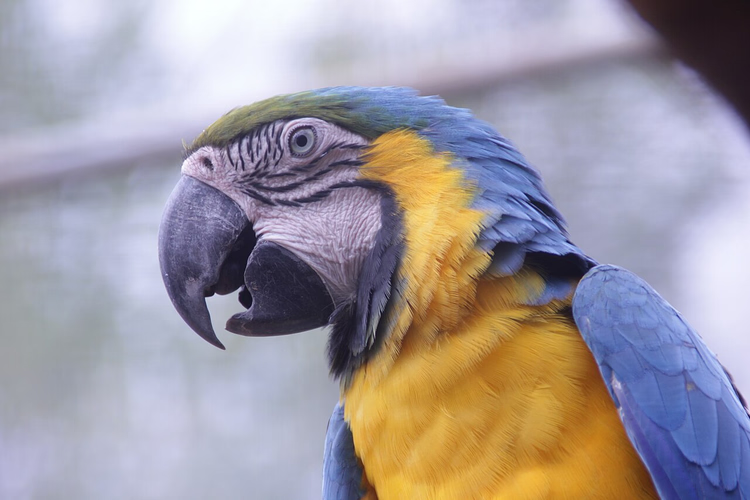
Zoo de Lagos is open year-round. It is a small but well-kept zoo with kangaroos, reptiles, birds, penguins and monkeys. In total, more than 150 animal species live here (as of 09/2026, official Zoo de Lagos website).
The zoo grew out of a farm that school trips had long loved. So that children could interact with animals, the owners began acquiring rare species, and that is how the zoo came into being more than twenty years ago.
There is a small pool near the exit. A glass wall separates it from the penguin enclosure, so while swimming you can see the birds underwater.
 © Paul Wilkinson from London, United Kingdom · CC BYPhoto: Paul Wilkinson from London, United Kingdom, CC BY (https://creativecommons.org/licenses/by/2.0), Wikimedia Commons
Parque Aventura
You can spend an active day at the rope parks of Parque Aventura. They operate in Albufeira, Lagos and Vila Real de Santo António. From mid-November to mid-March the parks are open only on weekends, the rest of the year daily (checked 09/12/2026 on the official Parque Aventura website).
Part of the course is set aside as a low rope garden for the youngest visitors. Besides paths with ropes, nets and ladders in the treetops, you can also enjoy zip lines and paintball.
Golf and mini golf
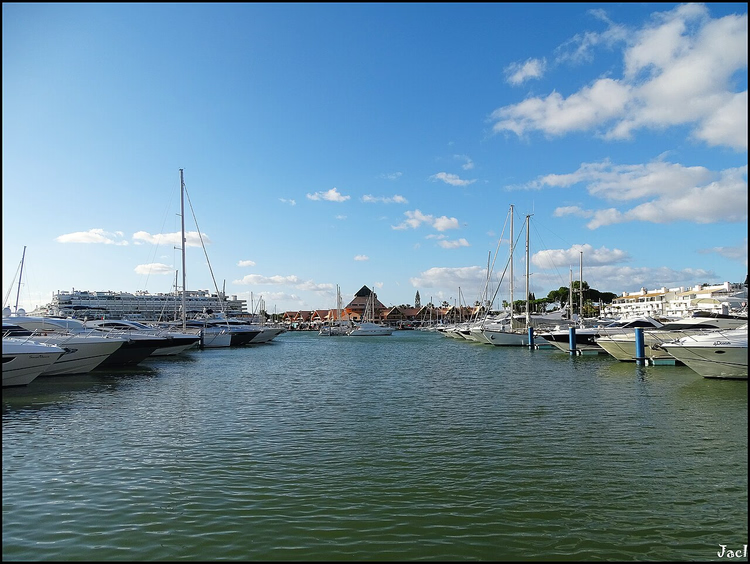
In winter, playing golf in the Algarve is more comfortable than in the summer heat, and there are plenty of courses here. For families, mini golf at Golf Park in Vilamoura is a good choice.
 © Jose A. · CC BYPhoto: Jose A., CC BY (https://creativecommons.org/licenses/by/2.0), Wikimedia Commons
If you want to add a water excursion or a tour of old towns to your trek, current options are listed below.
Tours and tickets in Algarve
Guided tours, skip-the-line tickets and activities — most offers can be cancelled free of charge.
See offers on GetYourGuideThe widget loads once you give your consent.
⁉️🤔 Frequently asked questions
Can you swim in the Algarve in winter?
The sea is cold in winter, and without a wetsuit swimming is only for the hardy. Even surfers go out in neoprene. But the air is warm during the day, so walking, cycling, and sitting on the beach in a jacket is quite comfortable.
Where can you go hiking in the Algarve in winter?
The best options lie away from the coast. In Serra de Monchique you'll find pine forests, waterfalls, and a viewpoint at the Fóia peak. Near Faro, the Ria Formosa trails stretch out, and in the southwest the wild coast around Cape St. Vincent opens up. There are routes for beginners and for experienced hikers.
What should you pack for a winter trip?
Bring a warm jacket for the evening, a windbreaker and raincoat for the day, a sweater, warm socks, and warmer pajamas. For hiking, sneakers with a solid tread will come in handy, and for the beach a blanket and toys for the kids.
Can you cycle in winter?
Yes, winter conditions in the Algarve are almost ideal for cycling. The Ecovia do Litoral route runs along the entire coast over flat terrain and connects Cape St. Vincent with the Spanish border. There is little traffic on it, and there are convenient turn-offs to beaches and villages. Keep a raincoat close at hand.
What to do on a rainy day?
Rain does happen in winter, but it rarely lasts all day. In wet weather, move your outing to Zoo de Lagos, which is open year-round. Another option for such a day is the Marim environmental museum in Ria Formosa. If rain catches you on the road, wait it out in a café in the old town.
In short: what to book
A winter trip to the Algarve comes together easily. During the day you walk and cycle, in the evening you warm up in a jacket, and there are no crowds or heat.
If you have a week, split it into three parts: a couple of days for Serra de Monchique and Fóia, a couple of days for Ria Formosa and Faro, and the rest for the coast near Albufeira and Cape St. Vincent. With kids, add Zoo de Lagos and the Parque Aventura rope park.
If you only have a couple of days, go for Ria Formosa and one section of the Ecovia do Litoral. That way you'll see both the lagoons and the wild coast without long transfers. Algarve hotels on Trip.com

A small editorial team writing guides for independent travel. We travel ourselves, but we haven’t been everywhere, so we check prices, opening hours and how to get there against official sources.