















Budget for a day in London: transport, accommodation and tickets in 2026 prices
A night in a London hotel can cost more than a flight to Europe. That is why many people plan the trip blind, bring extra money, or give up on the idea altogether. Below we break down a day in London by expense category: transport, accommodation, food, tickets. This is enough to work out your own total in five minutes.
London is not expensive everywhere. Almost all the major museums here are free, and paying for transport by card or phone is automatically capped at a daily limit of £8.90 for zones 1-2 (as of 09/2026, TfL fare summary). What costs a lot is accommodation and paid attractions. Those are what really determine your budget.
We gathered figures by category, calculated a day for one person and for a couple, and at the end showed money-saving tricks that do not ruin the trip.
Ad: this article contains affiliate links: we earn a commission if you book through them, at no extra cost to you.
How much a day in London costs
💡 In short:
- Transport in zones 1-2 hits the daily cap of £8.90 if you pay by card or phone (tube and bus fares).
- Accommodation eats up the budget the most: the average price of a double room in London is around £170 per night (2026 hotel market overview).
- A couple in one room splits that amount in half, so the per-person daily cost works out noticeably cheaper.
- Paid attractions are in the upper twenty-pound range per ticket, while free museums cost nothing.
- Prices and opening hours: 09/2026, checked against official Transport for London fares.
A day in London is made up of large blocks, and each of them is under your control. Below are the components that make budget planning easy.
Component | How much to budget | Verified against |
|---|---|---|
Transport, zones 1-2 | £8.90 per day | |
Night in a double room | around £170 per room, budget options from £85 | |
Meals at a pub or restaurant | double-digit amounts per meal | no separate rate |
Free museums and the changing of the guard | £0 | |
Paid attractions | upper twenty-pound range per ticket |
Add up the components: a budget day in London costs roughly £80-110 per person, a mid-range day comes to £120-170, and a comfortable one starts at £180. This is an editorial calculation based on nightly rates and city transport, not a rough guess.
Transport: daily cap and the airport
Paying for London transport is simple. The daily cap is an automatic stop on charges. You tap a bank card or phone and ride all day, and the system counts the trips itself. For zones 1-2 the cap is £8.90 (as of 09/2026, TfL fare table). You don't need to buy a separate day pass, it would cost more.
Getting in from Heathrow does not fit into that amount. The airport is in zone 6, and the zones 1-2 cap does not cover it. So budget for the Tube or Elizabeth line as a separate line item. Heathrow Express is not included in the cap and is paid separately (carrier's official site). With the express you pay with time: it's faster, but noticeably more expensive.
From Gatwick, Luton and Stansted the journey will cost more. These airports sit outside the Tube zones, so set aside a separate amount for a train or bus. In practice this means: flying into Heathrow saves you part of your budget before you even reach the hotel.
Pay only for the zones you need. If your whole day is spent in the center, zones 1-2 will be enough, and extra zones won't appear on your bill.
Accommodation: where most of the money leaks
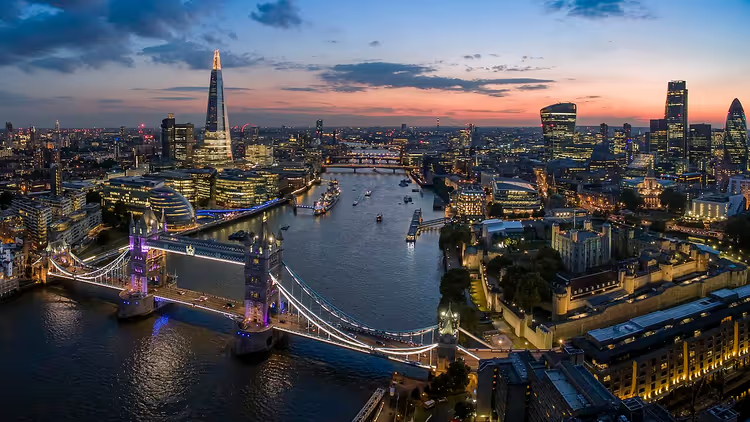
Accommodation eats more than half of the daily budget, so it's worth starting your calculation there. The average price of a double room in London in 2026 holds at around £170 per night, budget hotels in zone 2 start at roughly £85, and five-star properties in Mayfair go above £600 (as of 09/2026, hotel market research). The spread is huge, and it's manageable.
 © Ilya Grigorik · CC BY-SAPhoto: Ilya Grigorik, CC BY-SA (https://creativecommons.org/licenses/by-sa/3.0), Wikimedia Commons
The price of a night depends on the area, the day of the week and how far ahead you book. Friday and Saturday cost the most, midweek is cheaper, and booking early removes part of the markup. Chain hotels like Travelodge hold prices below the city average, but you pay for that with location and room size.
The difference between a single and a double room in London is minimal. So as a couple, the price per person drops almost by half. If you're traveling as a pair, this is the simplest way to cut the budget without losing comfort.
It’s convenient to check prices for your dates in advance: see hotel prices in London on Trip.com.
Food: pubs, street food, and supermarkets
Lunch and dinner in London easily become the biggest expense after accommodation. Dinner at a pub with a pint of lager costs more than the same set in Germany. A pint at a central pub falls in the upper single-digit range in pounds, and the bill for an evening quickly becomes double digits.
Street food markets and supermarkets solve this problem. Borough Market, Camden Market, and street stalls give you a full lunch for a small fraction of what you’d pay at a pub. Tesco and Sainsbury’s locations near your hotel cover breakfast and snacks. In practice this means: two of your four meals can be covered more cheaply, and the day won’t suffer for it.
Keep a little money in reserve. Coffee, water from the supermarket, and a Cadbury chocolate bar: small expenses that quietly add up over the day.
Tickets and attractions
London attractions fall into two camps: free and expensive. The biggest museums don’t charge admission, and this isn’t an exception, it’s the rule for the city. The British Museum, the National Gallery, Tate Modern, and the Natural History Museum are open to everyone (British Museum website). The Changing of the Guard at Buckingham Palace and Piccadilly Circus also cost nothing.
Paid attractions start in the upper twenty-pound range. St Paul’s Cathedral costs more than the city’s museums, and a ticket to The Shard viewing platform costs even more (official St Paul’s Cathedral website). Small private museums like the Jack the Ripper Museum charge comparable money for a much smaller exhibition.
The trick is to mix paid and free spots in a single day. One expensive ticket plus two free museums gives you a full program without noticeable spending. A timed entry slot saves you from the queue: without one, you’ll stand at the cathedral entrance for over an hour.
Fixed-time tickets remove the queue problem: museum and viewing platform slots in London on Tiqets.
Tours and tickets in London
Guided tours, skip-the-line tickets and activities — most offers can be cancelled free of charge.
See offers on TiqetsThe widget loads once you give your consent.
How to save: six tips
Travel as a pair. A double room costs almost the same as a single, and the price is split in half. This is the biggest saving of the trip.
Choose midweek. Friday and Saturday are more expensive, so shift your trip to Tuesday through Thursday if your dates are flexible.
Pay for transport by card. The system stops charging automatically once the amount reaches the cap (TfL daily cap). You won’t have to count journeys or buy a pass.
Go to free museums. The city’s biggest museums give you a full day of activities for £0.
Eat where locals eat. Borough Market and Camden Market are cheaper than a pub, and the portions are no smaller.
Book tickets in advance. A timed entry slot saves an hour of queuing, and sometimes money too.
⁉️🤔 Frequently asked questions
How much money per day do you need for a trip to London?
A budget day costs roughly £80-110 per person, a mid-range day comes to £120-170, and a comfortable day starts at £180. The total depends on accommodation and food, so calculate based on your own plans.
Is it necessary to buy a transport pass?
No. Paying by card or phone is automatically capped at a daily limit of £8.90 for zones 1-2 (as of 09/2026, TfL fares for zones 1-2). A day pass costs more, so you don't need one for the central part of the city. If you're traveling to outer zones, calculate your trips in advance.
What can you see in London for free?
The British Museum, National Gallery, Tate Modern, and Natural History Museum don't charge admission, and these are the city's largest museums. The changing of the guard at Buckingham Palace and Piccadilly Circus are also free. Among paid attractions, St Paul's Cathedral and The Shard viewing platform are the most commonly chosen, so include them in your plan deliberately.
How much does a night in a London hotel cost?
An average double room in 2026 costs about £170 per night, budget hotels in zone 2 start at around £85, and five-star properties go above £600 (as of 09/2026, 2026 hotel price overview). Friday and Saturday are more expensive than weekdays, and booking early removes part of the premium.
When to visit London to spend less?
Midweek is cheaper than weekends, and booking early removes part of the accommodation premium. Winter dates cost less than summer, but part of your itinerary moves indoors. Transport and free museums cost the same year-round, so savings come mainly from the hotel.
In short: what's worth booking
A day in London can fit different budgets, and two factors decide everything: who you're traveling with and what you're willing to economize on.
If you're traveling as a couple: book a double room, and the per-person price is nearly halved.
If you're traveling solo: look at budget hotels in zone 2 near the Tube and have dinner at street food markets.
If you're traveling for culture: keep St Paul's Cathedral and the free museums in your plan, and only book the paid viewing platform if you want to see the city from above.
If you're flying into Heathrow: the airport is in zone 6, so a trip from there isn't covered by the zones 1-2 cap. Heathrow Express is paid separately and costs noticeably more than the Tube.
It's convenient to check room availability for your dates in advance: book a hotel in London on Trip.com.

A small editorial team writing guides for independent travel. We travel ourselves, but we haven’t been everywhere, so we check prices, opening hours and how to get there against official sources.