
















Caravanning: four types of motorhomes and rental rules
A night's stay without a reservation, a sea view from the window, and breakfast wherever you stop. That's exactly what caravanning offers: a home on wheels travels with you, and the decision about the next night's stay remains yours.
Caravanning means traveling in a specially equipped vehicle or trailer. Inside this home on wheels there are sleeping areas, a kitchen, a refrigerator, and a bathroom. In Europe this has long been a mainstream format: more than 1.8 million such vehicles travel on Germany's roads (CIVD data, 2025).
Ad: this article contains affiliate links: we earn a commission if you book through them, at no extra cost to you.
What caravanning is
💡 In short:
- Caravanning means traveling in a motorhome, where you do the overnighting, not a hotel.
- For your first vacation, rent one and don't buy a camper right away.
- Market and figures: 2025, checked on 14.09.2026 on the CIVD website.
The word came from English, where caravan means both a caravan and a travel trailer. The format shares only the name with trade caravans. Who built the first motorhome is still debated: some point to American travelers, others to Europe.
 © W. Bulach · CC BY-SAPhoto: W. Bulach, CC BY-SA (https://creativecommons.org/licenses/by-sa/4.0), Wikimedia Commons
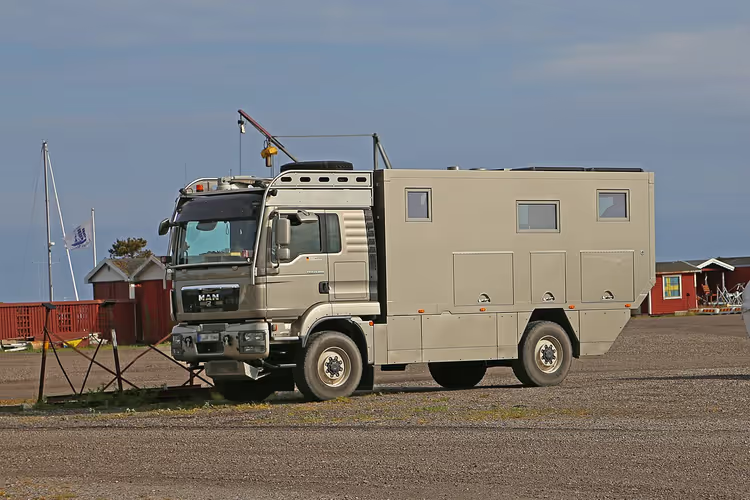
Documents also provide a definition. The BALM agency considers a motorhome to be a vehicle with a permanent living area: toilet, shower, beds, kitchen, and living space, not cargo transport (BALM requirements and ADAC breakdown, 17.08.2026). The same criterion applies to a truck that the owner converted into living quarters.
Sales confirm the demand. In 2025, the German market received 94,134 new motorhomes and caravans, which is 2.3% fewer than the year before, but used vehicles are selling more actively (CIVD market overview, 2025). The choice of rental models grows along with the fleet.
Renting or buying a motorhome
It's easier to start with a rental. Rental companies in Germany, Austria, and the Netherlands provide a vehicle with a kitchen, dishes, and bed linen; you need a driver's license and a deposit. The price depends on the model, season, and mileage: in high season a day costs a three-figure sum, and it's cheaper in spring and autumn.
Buying makes sense if you travel at least two or three times a year. A new camper costs more than a mid-range passenger car, so many people buy a vehicle from a rental fleet after the season. Insurance, tax, and winter storage are paid all year round.
Read the contract before signing. Clarify two points: whether insurance is included in the rate and how many kilometers it covers. For each extra kilometer, the rental company will charge an additional fee as a separate line item.
Four types of motorhomes
All motorhomes are divided into four groups by design. The type determines the number of sleeping places, insulation, fuel consumption, and price.
Type | Sleeping places | Main point | The catch |
|---|---|---|---|
Camper van | 2-4 | drives every day | weak insulation |
Alcove motorhome | up to seven | year-round travel | higher fuel consumption |
Semi-integrated | up to five | lower fuel consumption | fewer places |
Integrated | depends on configuration | flat interior | high price |
Camper van: a minivan for every day
 © Wortundform 2022 · CC BY-SAPhoto: Wortundform 2022, CC BY-SA (https://creativecommons.org/licenses/by-sa/4.0), Wikimedia Commons
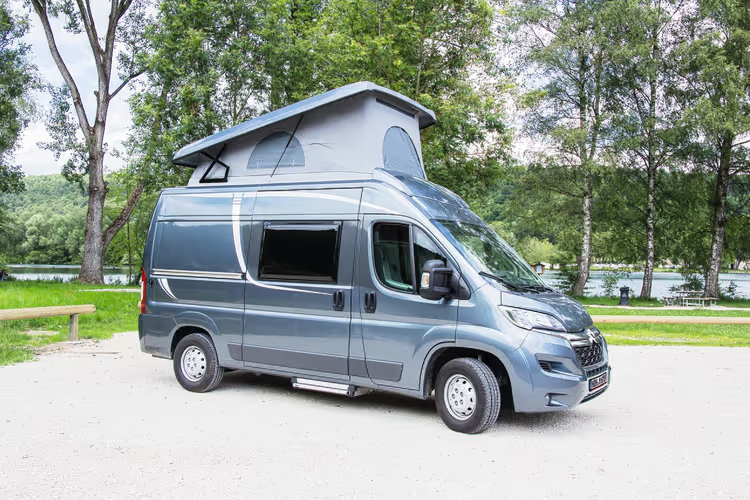
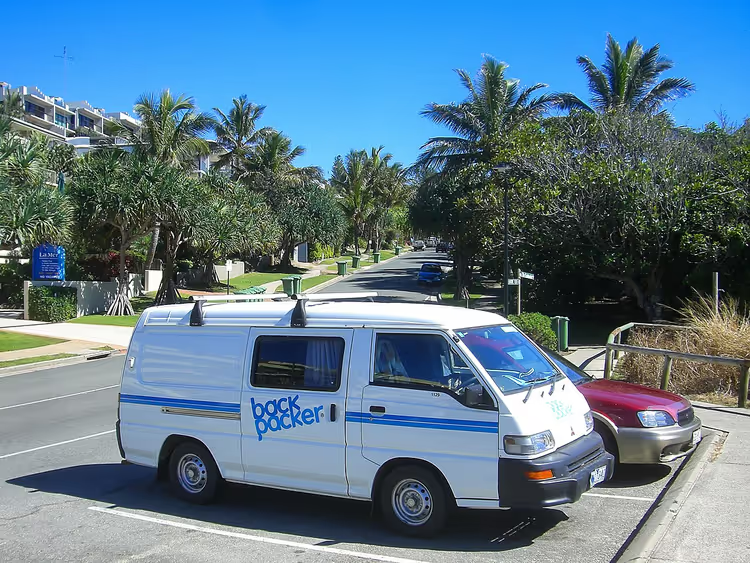
A camper van looks like an ordinary minivan, but inside it has everything for an overnight stay: a bed, a stove, a refrigerator, and a sink. The vehicle usually fits into a standard parking space, but you should check the entry height of parking garages. There are usually two or four sleeping places. For a large family, the interior is cramped.
The main compromise concerns heat. Insulation is weak, and the heating is designed for above-freezing weather. A winter trip in such a vehicle is not comfortable.
- Who it's for: couples and small families who also use the vehicle in the city.
- The catch: weak thermal insulation, winter trips are less comfortable.
Alcove motorhome: a bedroom above the cab
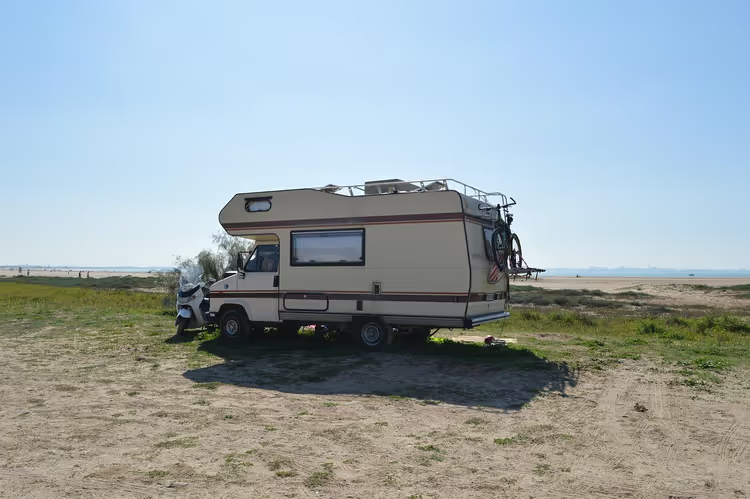
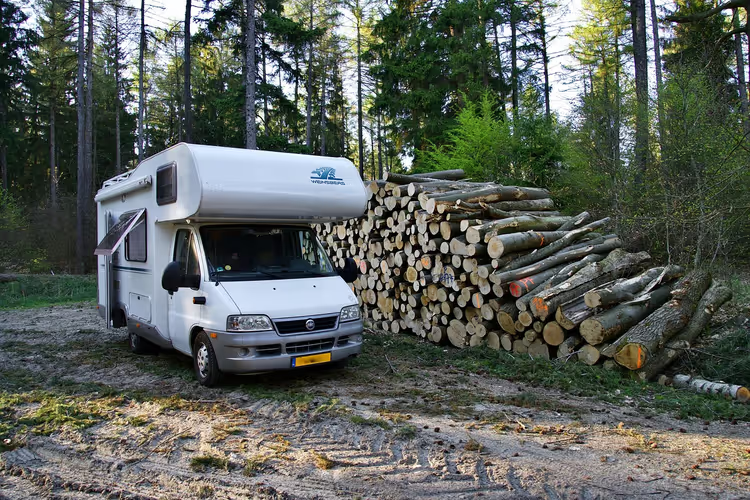
An alcove motorhome has a protruding structure above the driver's cab with a double bed. There are enough sleeping places for a group of up to seven people, and such models come in many modifications. Rental companies keep them in their fleets more often than others.
The price for the volume is in the body shape. The structure catches oncoming air, fuel consumption rises, and the vehicle handles worse on winding mountain roads.
- Who it's for: groups and families of up to seven people who travel at any time of year.
- The catch: poor aerodynamics and increased fuel consumption.
Semi-integrated motorhome
 © Norbert Schnitzler · CC BY-SAPhoto: Norbert Schnitzler, CC BY-SA (https://creativecommons.org/licenses/by-sa/3.0), Wikimedia Commons
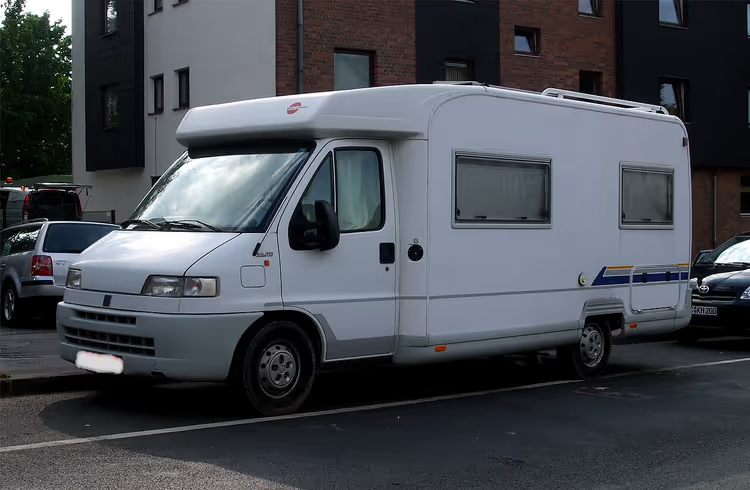
This motorhome differs from an alcove model in its design: there is no structure above the cab, so the body is lower. There are up to five sleeping places, but the aerodynamics are better and the vehicle consumes less fuel. It's a compromise between a compact camper van and a large home with an overhead structure.
- The catch: fewer places than an alcove motorhome.
Integrated motorhome
 © Norbert Schnitzler · CC BY-SAPhoto: Norbert Schnitzler, CC BY-SA (https://creativecommons.org/licenses/by-sa/3.0), Wikimedia Commons
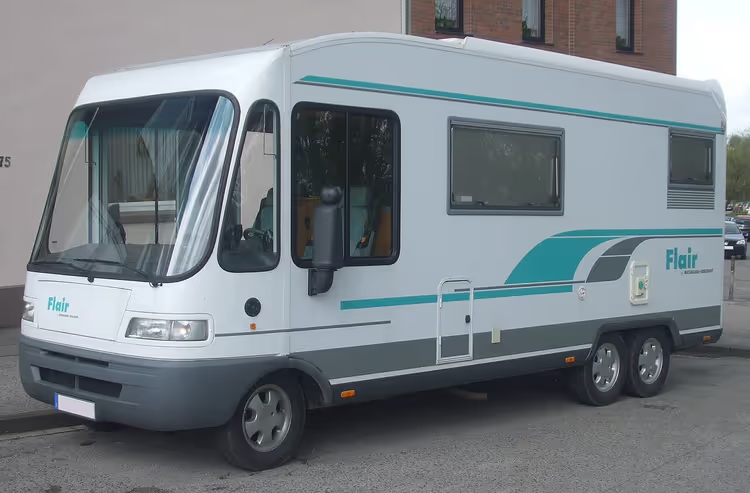
An integrated motorhome is built as a single body with the cab, so the interior is flat and spacious. The number of sleeping places depends on the configuration, and the price changes along with it.
- The catch: high price, higher than the other types.
What you get on the trip
 © Dronepicr · CC BYPhoto: Dronepicr, CC BY (https://creativecommons.org/licenses/by/3.0), Wikimedia Commons
Freedom of route comes first. You can stop wherever you like, and plans change with the weather. In high season you only need to book a spot at a campsite, not a room with a checkout date.
You'll pay for fuel and parking. There's no need to look for a roadside motel: the bed, kitchen, and shower travel with you, so a night on the road costs less than a hotel.
Your gear travels with you too. A motorhome carries skis, a snowboard, bicycles, and a motorcycle. The total weight with cargo must not exceed the permissible mass stated in the documents. If you still need a hotel for part of the vacation, check out the selections of the world's most unusual hotels and the world's most unusual beaches.
Driver's license, weight, and toll roads
Weight determines everything: the license, speed, and tolls. A light motorhome up to 3.5 t is close to an ordinary passenger car, while a heavy vehicle falls under different rules (ADAC breakdown, 17.08.2026).
Speed. A heavy vehicle on the autobahn is subject to a speed limit. It is lifted only after weight reduction (Ablastung). This is the official term for lowering the permissible mass in the documents to three and a half tons. In practice, the limit means long stretches and early departures.
Tolls. Since July 2024, trucks heavier than 3.5 t pay for German roads, but a motorhome with a full living area remains free: about 160,000 such vehicles are registered in the country (ADAC data, 17.08.2026). In Austria, a heavy motorhome requires a GO-Box.
Connectivity and insurance on the road
The route, weather, and campsite spot all live in your phone, so internet on the road is constantly needed. EU roaming is enough for maps, but outside the EU a day costs a lot. You won't find Wi-Fi at every campsite.
If your route goes beyond the EU or you need a second number, compare eSIM plans in advance. An eSIM electronic profile is installed on your phone before departure; there's no need to swap the physical SIM card.
Check insurance in advance. Standard travel insurance covers illness and baggage, but not vehicle breakdown. That risk is covered by the rental company's insurance or your own.
Frequently asked questions
Do you need a special license for a motorhome?
For a light vehicle up to three and a half tons, category B is enough, which almost any driver has. Anything heavier requires a C1 category. The threshold is calculated based on the technically permissible mass in the documents, so a weight-reduced motorhome falls back under passenger car rules (ADAC on motorhome weight, 17.08.2026).
How much does a night at a campsite cost?
The rate is made up of charges for the vehicle, adults, children, and electricity. By the sea in July a night costs more than in a village in May, and prices change every season. The campsite publishes the exact rate on its website: check it before departure so you don't end up looking for a spot in the evening at an inflated price.
Can you sleep in a motorhome outside a campsite?
Rules differ from country to country, and the driver pays the fine for parking in a prohibited place. In Germany and Austria, free overnight stays outside designated areas are prohibited in most regions. Official parking areas (Stellplatz) exist in many towns, but in summer the spots fill up by evening.
What's included in a motorhome rental?
A rental motorhome comes with a living area: kitchen, dishes, sleeping places, and a water tank are already in place. The mileage limit and deposit amount differ, so read the contract before signing. Extra kilometers, a second driver, and late return are charged as additional fees.
Who is caravanning not for?
Those who want hotel service and a rigid schedule. The night doesn't always happen on a level surface, the shower and toilet are in the vehicle, and a spot at a popular campsite in summer must be booked in advance. For a short city trip, a hotel is simpler and often cheaper.
In short: what to book
Choose a vehicle based on the number of people and trips. For two people and city use, take a camper van; for a family with children, a semi-integrated motorhome works well; for a group of up to seven, an alcove model is better. For your first vacation, rent: that way you test the format without investing in your own vehicle.
Before departure, check the license requirements and vehicle weight, and for connectivity choose an eSIM plan in advance so maps work from day one.

A small editorial team writing guides for independent travel. We travel ourselves, but we haven’t been everywhere, so we check prices, opening hours and how to get there against official sources.