
















Malta: what you don't expect from the EU's smallest country
Malta is the smallest EU country. Yet it surprises even those who have traveled across half of Europe. Traffic drives on the left here, churches have two pairs of clocks, and divorce was legalized later than almost anywhere else in the EU. In one short trip you can see megalithic temples, knights' fortresses, and a turquoise bay.
In 2025, the islands welcomed 4,022,310 tourists (As of 07/2026, report by Malta's national statistics office). That is 12.9% more than the year before. The resort islands live on tourism and welcome guests year-round.
Below are the facts worth knowing before your trip: transport, laws, money, and the places where postcard shots are taken. Some of them will change your daily plans, others simply explain local quirks.
Location specifics
💡 In short:
- Archipelago: three of the seven islands are inhabited, with ferries and boats running between them.
- On the roads: left-hand traffic, English has the status of a second official language.
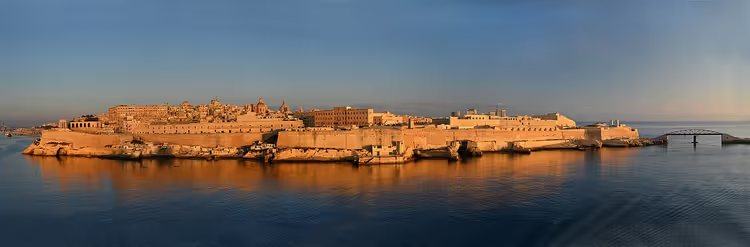
Officially, seven islands are under Malta's administration. Only three are inhabited: Malta, Gozo, and Comino (according to the official tourism portal, 09/2026). The rest are tiny rocks with no roads or moorings. The archipelago lies at the crossroads of old trade routes, which is why its oldest ties are with Sicily.
 © Patrick Subotkiewiez from BAZIEGE, FRANCE · CC BYPhoto: Patrick Subotkiewiez from BAZIEGE, FRANCE, CC BY (https://creativecommons.org/licenses/by/2.0), Wikimedia Commons
There are no mountains or rivers here. The islands get their drinking water from the sea through desalination plants, so in cafes a bottle of water sometimes costs more than a bottle of wine. This will seem strange only in the first few days.
Until the mid-20th century, Malta was a British colony, and traces of that are still visible. Cars drive on the left, and English is the second official language. Signs, menus, and storefronts are duplicated in English, so you can get by without a phrasebook.
The country's name is derived from the Phoenician word "malat," meaning "shelter." The Greeks called the island Melita, meaning "honeyed": beekeeping and honey production were a major industry. That is how Malta got its second name, the Land of Honey.
Public life
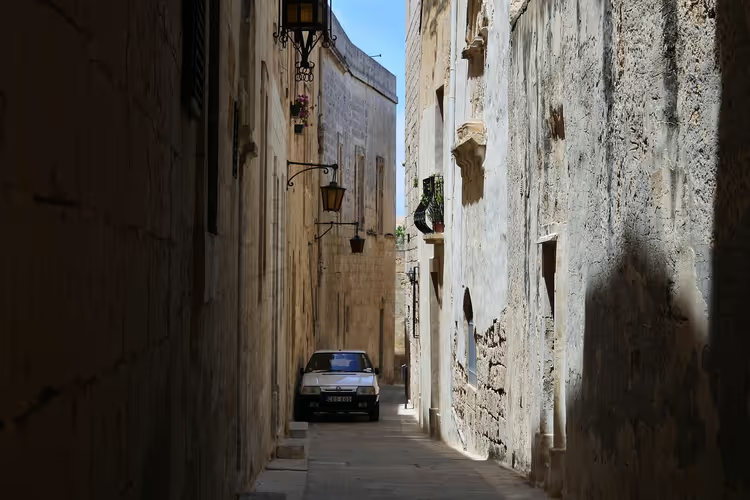
The streets of local towns are considered among the narrowest in Europe: they were designed so that houses would provide shade. Facades display not only numbers but also the surnames of the owners, so an address sounds like "the house of such-and-such family." The narrow passages also helped with defense, since turning around with weapons in them is difficult. Because of this, you should choose shoes with non-slip soles; the stones here are polished.
Tourism is the island's main source of income. Gozo and Comino were visited by 94,251 people in December 2025 (As of 07/2026, statistics from the national statistics office). Part of the revenue comes from cruise ships, part from hotels, restaurants, and excursions. In high season, accommodation prices rise, so book in advance.
Family laws are more conservative than in the rest of Western Europe. Divorce was legalized in Malta later than almost anywhere else in the EU, and abortion is prohibited by law. The Catholic Church still influences public life: Sunday masses fill the churches, and religious holidays feature processions through the streets.
The economy does not rely on tourists alone. The country builds and repairs ships, assembles electronics, and develops online services, so the island runs more steadily than neighboring resorts. Gambling has also become part of this economy: the Maltese are called one of the most gambling nations in Europe, and casinos and betting here are regulated by a separate authority.
Unusual facts about Malta
Many church towers have two pairs of clocks, and they run differently. According to legend, the right ones show the correct time for the faithful, while the left ones confuse evil spirits. The sight confuses tourists too: you check the time on your phone because the clocks on the tower cannot be trusted.
 © Bengt Nyman · CC BYPhoto: Bengt Nyman, CC BY (https://creativecommons.org/licenses/by/3.0), Wikimedia Commons
The archipelago's megalithic temples are older than the Egyptian pyramids and Stonehenge. They were built from enormous stone blocks long before the Bronze Age. Today these structures are on the World Heritage list, and some of them stand right in the middle of residential neighborhoods (according to the official Malta tourism portal, 09/2026).
There is no bridge between Malta and Sicily, although the idea has been discussed for decades. However, a power cable runs along the seabed: the islands receive part of their electricity from the mainland, which keeps local rates more stable. A bridge for cars remains a project from the news.
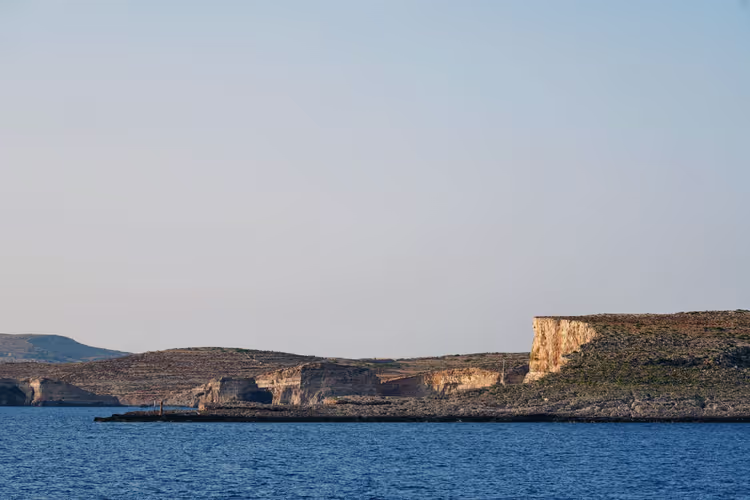
Comino, the third inhabited island, is two square kilometers of land between Malta and Gozo. Only a handful of people live here permanently, the infrastructure is supported by a single hotel, and in summer the Blue Lagoon beach is crowded with boats. Take the first ferry if you want to see the water without the crowds. Before your trip, check the tourism office website to see whether the ferry operator and hotel are operating.
Music is part of everyday life for the Maltese, not just a tourist program. Children are readily enrolled in music schools here, church choirs sing, and Valletta hosts international festivals and orchestra concerts.
⁉️🤔 Frequently asked questions
Why does Malta have left-hand traffic?
It came about because of British rule, and the traffic rules have not changed since. For you, this means that before crossing, look right first, then left. Buses and taxis use the same left lanes, and a rented car behaves as usual if you take your time.
How many islands make up the Maltese archipelago?
Officially seven, but only three are inhabited: Malta, Gozo, and Comino. Ferries run between Malta and Gozo, and you reach Comino by boat and ferry in season. Before your trip, check the schedule: the weather changes it more often than you might think (according to the tourism office, 09/2026).
Is it true that Malta is part of Atlantis?
That is a legend, not a scientific fact. Malta was linked to Atlantis because of its megalithic temples: they really are older than the Egyptian pyramids, so in past centuries bold theories appeared. Archaeologists and geologists do not confirm them. For you, it is simply a nice story told on excursions.
When is the best time to visit Malta?
The swimming season here is long and the winter is mild, so the islands welcome guests year-round. In high season, prices are higher and there are more people on Comino and in Valletta. If you value quiet walks and comfortable heat, choose the shoulder seasons. Then you will see the same sights without queues and ferry crowds.
What to see in Malta on a first visit?
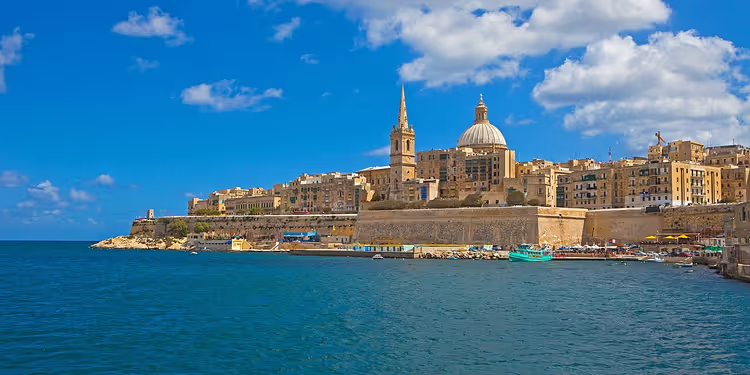
Start with Valletta: fortress walls, cathedrals, and waterfronts are all packed into one small area. Then take a trip to the megalithic temples, and set aside a separate day for Gozo and Comino. Wear comfortable shoes; the stones heat up and get slippery.
In short: what to book
Malta suits those who want to combine sea and history in one short trip. If you are here for a weekend, base yourself in Valletta and do not spread yourself thin with long transfers. A full day should be given to Gozo. If temples matter more to you, start with the megalithic sites before the heat wears you out. Check the weather, ferries, and seasonal warnings in advance on the official Malta tourism authority website.

A small editorial team writing guides for independent travel. We travel ourselves, but we haven’t been everywhere, so we check prices, opening hours and how to get there against official sources.