
















Peru: a canyon deeper than the Grand one and a city at 5,100 m
Peru surprises even those who have seen Machu Picchu.
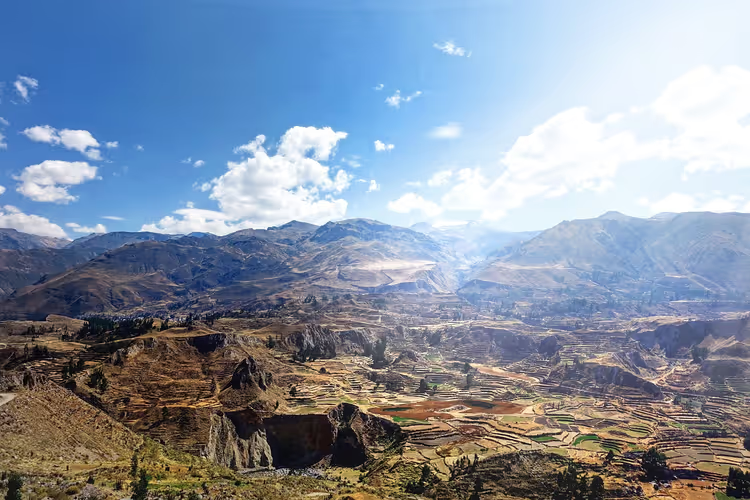
Most tourists' knowledge of this country ends with the Inca city in the clouds. In reality, the Cotahuasi Canyon cuts 3,535 meters into the earth (as of 09/2026, Wikipedia on Cotahuasi), the Nazca Desert holds giant drawings, and one town is built at an altitude of 5,100 meters (as of 09/2026, Copernicus image). We gathered facts worth knowing before your trip and added a source for every figure.
What surprises tourists about Peru
💡 In short:
- Peru is one of the largest countries in South America, and its natural features outscale its neighbors.
- It has one of the deepest canyons on the planet, the oldest university in the Americas, and thousands of potato varieties.
- Everyone knows Machu Picchu, but the country has even more striking facts: a gold-mining town at extreme altitude and uncontacted tribes.
Many people come here only for Machu Picchu. But the country is not limited to that: you will also find Cotahuasi Canyon, the Nazca Desert with its giant drawings, and a gold-mining town on a glacier.
Peru stretches along the Pacific Ocean from the desert coast to the Andean highlands and the humid Amazon. This combination explains half of the facts below. Let's go through each one in order.
 © Diego Delso · CC BY-SAPhoto: Diego Delso, CC BY-SA (https://creativecommons.org/licenses/by-sa/4.0), Wikimedia Commons
Machu Picchu and the oldest university in the Americas
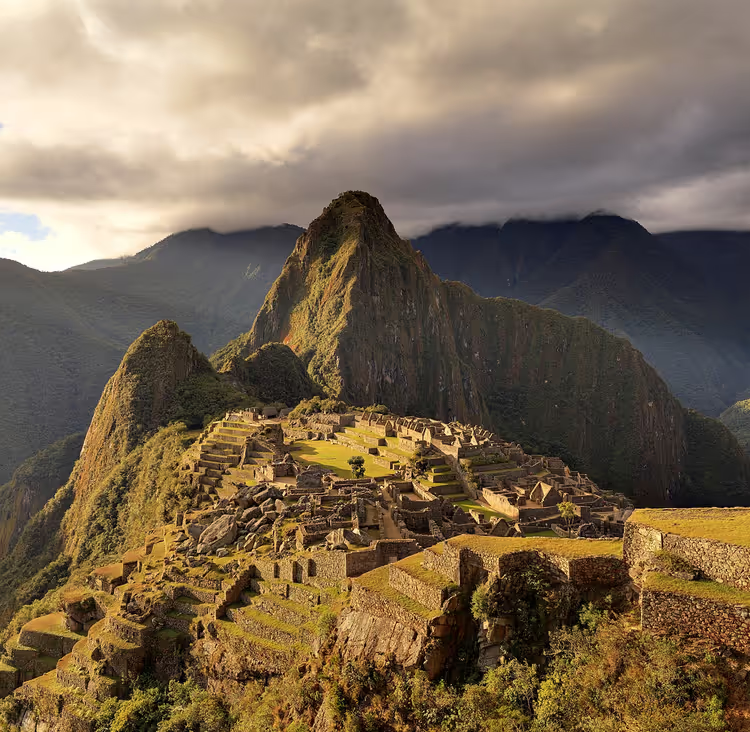
Machu Picchu was built by the Incas many centuries ago on a mountain ridge. The conquistadors never found the city, so it has come down to us almost untouched. Today Machu Picchu is considered the country's main symbol and Peru's most recognizable landmark.
 © Max Anderson Arredondo Gutierrez · CC BY-SAPhoto: Max Anderson Arredondo Gutierrez, CC BY-SA (https://creativecommons.org/licenses/by-sa/4.0), Wikimedia Commons
Getting here is harder than it seems. You travel by train or bus to Aguas Calientes, then go up by bus or on foot. Entrance tickets are sold in time slots and sell out in advance, so book them several months ahead.
 © Martin St-Amant ( S23678 ) · CC BY-SAPhoto: Martin St-Amant ( S23678 ), CC BY-SA (https://creativecommons.org/licenses/by-sa/3.0), Wikimedia Commons
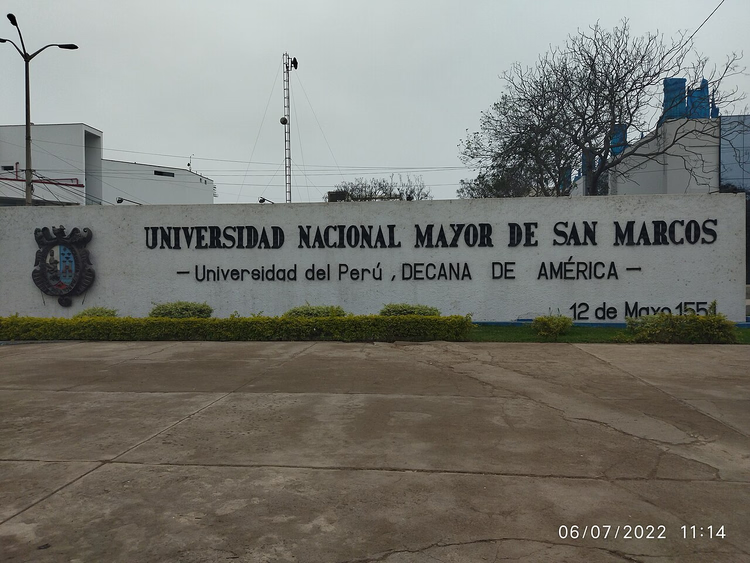
Far fewer tourists know about the University of San Marcos in Lima. It was founded in 1551 (as of 09/2026, university page), making it the oldest continuously operating university in the Americas. The university still operates today and has educated more than one generation of Peruvian politicians.
Cotahuasi Canyon and the Nazca drawings
The Cotahuasi Canyon in the Arequipa region cuts 3,535 meters into the earth (as of 09/2026, source on the canyon). Cotahuasi is almost twice as deep as the Grand Canyon in the US. Its walls are made of volcanic tuff, and the Cotahuasi River rushes along the bottom.
 © Diego Delso · CC BY-SAPhoto: Diego Delso, CC BY-SA (https://creativecommons.org/licenses/by-sa/4.0), Wikimedia Commons
You descend to the bottom along a high-altitude switchback road. Nights here are cold, and infrastructure is sparse: there are almost no hotels or restaurants in the usual sense. Bring warm clothes even in summer.

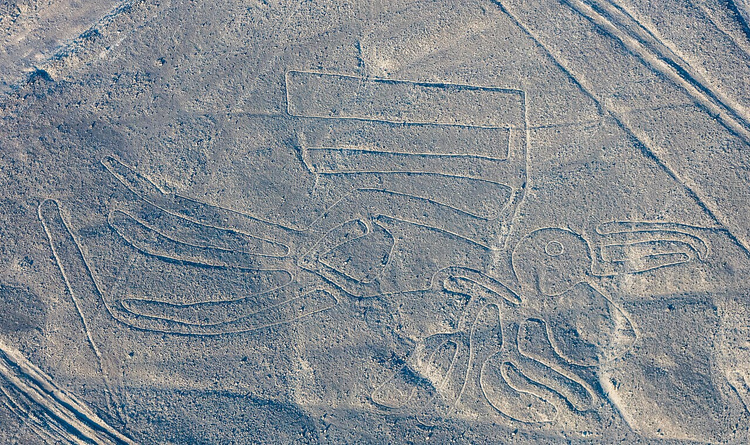
The Nazca Desert holds geoglyphs that are fully visible only from the air. They were created between 500 BC and 500 AD (as of 09/2026, description of the geoglyphs). The figures include a hummingbird, a condor, and a monkey, and some reach hundreds of meters in size. Scientists still debate the purpose of the drawings, but they do not support the alien theory.
The Ica stones and strange artifacts
Museums in Peru display the Ica stones, black boulders with engraved scenes. They show people hunting dinosaurs, flying on giant birds, and observing the stars. Most scientists consider the collection a hoax, and the drawings too modern for their era (as of 09/2026, analysis of the stone collection).
Why this fact matters. The Ica stones are often presented as proof of contact with aliens. In museums you will see them as a curiosity rather than a scientific sensation, and that framing is more honest.
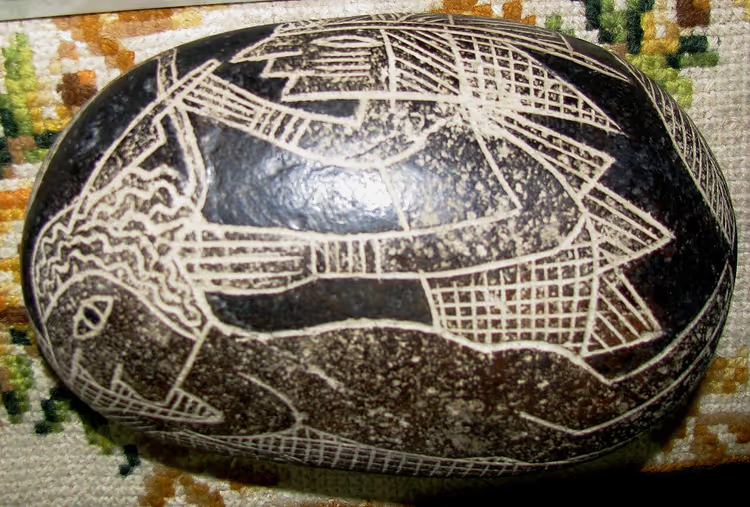 © Brattarb · CC BY-SAPhoto: Brattarb, CC BY-SA (https://creativecommons.org/licenses/by-sa/3.0), Wikimedia Commons
The vodka fountain and other oddities
Lima has a legend about a fountain that flows with vodka. There is no evidence for it, but the Parque de la Reserva does host a light and music show. The Circuito Mágico del Agua includes 13 fountains (as of 09/2026, Lima guide). In the evening they are illuminated and music is played.
Another Peruvian story involves the youngest mother in medical history. In 1939, a five-year-old girl gave birth here, and the case is documented in detail (as of 09/2026, description of the 1939 case). Doctors confirmed the pregnancy only at a late stage.
Peruvian cuisine is considered one of the most diverse in the world. There are hundreds of official dishes alone, rooted in a mix of Inca traditions and Spanish recipes. Try ceviche and lomo saltado.
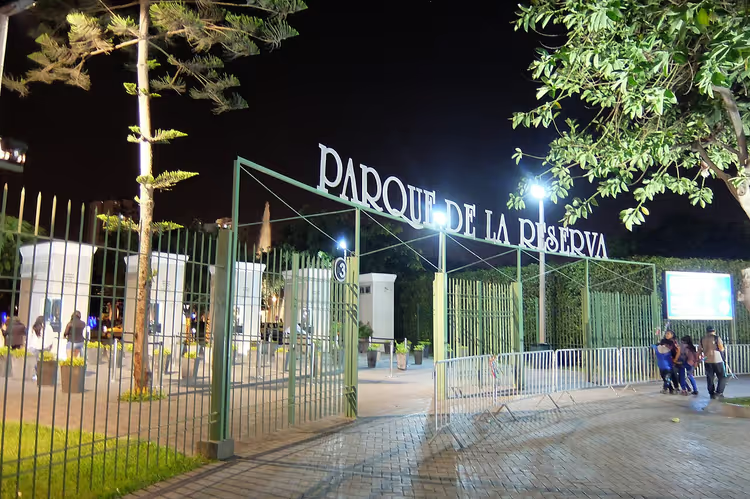 © Kuruman · CC BYPhoto: Kuruman, CC BY (https://creativecommons.org/licenses/by/2.0), Wikimedia Commons
La Rinconada: the highest city in the world
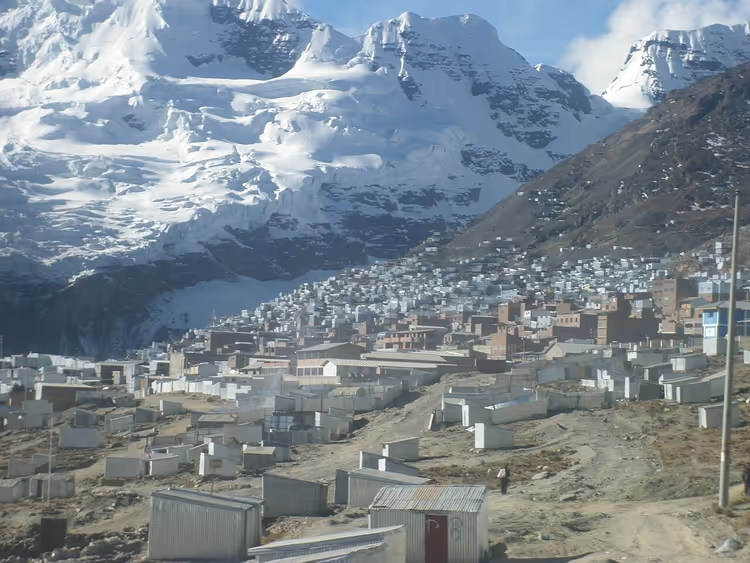
La Rinconada in the Puno region sits at an elevation of 5,100 meters (as of 09/2026, Copernicus image). It is the highest permanent settlement on the planet. Gold is mined here, and the city has almost no sewage system or running water.
The pay system is also unusual. Miners work for a month for free, and once a month they are allowed to carry out as much ore from the mine as they can manage (as of 09/2026, data on miners). Not everyone gets lucky: the rock often turns out to be barren. Before going, you should acclimatize in Juliaca.
Shamans, the Amazon, and potatoes
Shamans still practice in the Andes, and locals treat them with respect. Deep in the Amazon jungle, uncontacted tribes live; the state protects their territories and does not disclose their coordinates.
Education here is considered a duty, not a privilege.
The country's agriculture sets records for diversity. In the Andes alone, more than 4,000 potato varieties are grown (as of 09/2026, International Potato Center). There are dozens of corn varieties here, from yellow to purple.
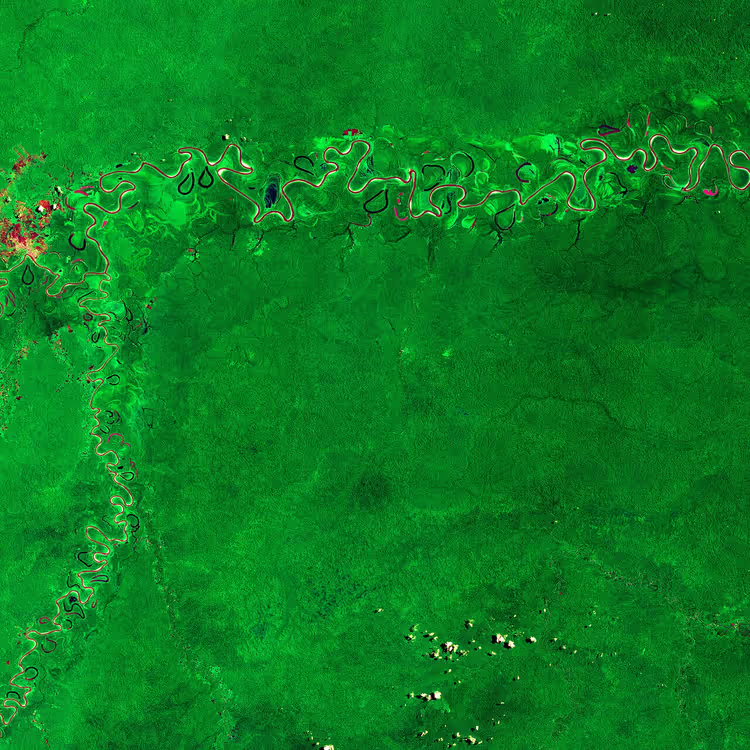 © European Space Agency · CC BYPhoto: European Space Agency, CC BY, Wikimedia Commons
⁉️🤔 Frequently asked questions
Is it true that Cotahuasi Canyon is deeper than the Grand Canyon?
Yes. Cotahuasi is almost twice as deep as the Grand Canyon in the US (as of 09/2026, depth data). A couple of other canyons also claim the title of the deepest. It is better to descend to the bottom with a guide: the trails are steep and there is little signage.
How many potato varieties grow in Peru?
Thousands. In the Andean highlands alone, more than 4,000 local varieties are counted (as of 09/2026, CIP data on varieties). At the market in Lima you will see dozens of varieties.
Where is La Rinconada and how do you get there?
The town lies in the Puno region at an elevation of 5,100 meters (as of 09/2026, Copernicus data). Buses run from Juliaca, the nearest major city, and after that a dirt road begins. Acclimatization is essential: the ascent is steep, and there is little oxygen at that altitude.
What are the Ica stones?
The collection consists of black stones with drawings, displayed in Peruvian museums. Most researchers consider the finds to be forgeries (as of 09/2026, collection analysis).
Is it dangerous to travel to Peru?
Tourist routes are generally calm, but caution is needed. In Lima, avoid outlying areas in the evening and do not carry large sums of cash. In the mountains, the main dangers are altitude and cold, not crime. Bring water and warm clothing.
In short: what to book
If you are going for nature, make Cotahuasi Canyon and the Nazca Desert your first stops: they take several days. If you want history, start with Machu Picchu and buy entry tickets in advance by time slot. For unusual facts, head to Lima's museums and the evening fountain show.

A small editorial team writing guides for independent travel. We travel ourselves, but we haven’t been everywhere, so we check prices, opening hours and how to get there against official sources.