
















Where to go in Malta: 15 resorts for beach, history and nightlife
On Malta there are fifteen noticeably different resorts.
Some sit by sandy bays, others grew up around limestone bathing spots, and still others live for nightlife. Distances on the island are short, but transport, beaches, and prices differ more than the photos suggest.
According to Malta's National Statistics Office, more than 4 million tourists visited the country in 2025. So we broke down each resort in practical terms: where to swim, where to go with kids, and which area suits you best. Below is your honest list with the catches.
Ad: this article contains affiliate links, we earn a commission if you book through them, at no extra cost to you.
How to choose a resort on Malta
💡 In short:
- Decide on the purpose of your trip: beach, history, or nightlife. Both the area and the hotel depend on this.
- Check the transport: buses to the south and to Gozo run less often than along the northern coast.
- Check the beach type: sand is rare on Malta, more often it is limestone with steps.
There are few sandy beaches on the islands, and almost all of them are in the north. If you need soft sand, look at Mellieha and Gozo. For history and architecture, Valletta is more convenient, and Paceville works for nightlife.
In the table below you can quickly compare a destination with your travel goal.
Resort | Who it's for | Main thing |
|---|---|---|
Valletta | History buffs and city lovers | A museum capital, swimming is inconvenient |
Mellieha | Families with kids | The widest sandy beach |
Sliema | Those who want city and sea | Ferry to the capital, bathing spots in the rock |
Gzira | Lovers of quiet bays | Manoel Island, yacht club |
Birzebbuga | Budget travelers | Man-made Pretty Bay, port |
Marsaskala | Those looking for a rocky beach | St Thomas Bay, old chapels |
St. Julian's | Lovers of comfort and bars | Expensive hotels, promenade, clubs |
Paceville | Young people and students | Nightlife, cheap hostels |
St. Paul's Bay | A quiet holiday and families | Promenade, low prices |
Msida | Those interested in the port and culture | University, historic center |
Marsaxlokk | Foodies | Fish market, cozy bay |
Gozo | Those going for several days | Nature, grottoes, Ramla Bay |
Zurrieq | Lovers of history and diving | Blue Grotto, ancient houses |
Bormla | Those interested in the navy | Double fort, shipyard |
Comino | Lovers of seclusion | Blue Lagoon, almost no accommodation |
1. Valletta
 © Txllxt TxllxT · CC BY-SAPhoto: Txllxt TxllxT, CC BY-SA (https://creativecommons.org/licenses/by-sa/4.0), Wikimedia Commons
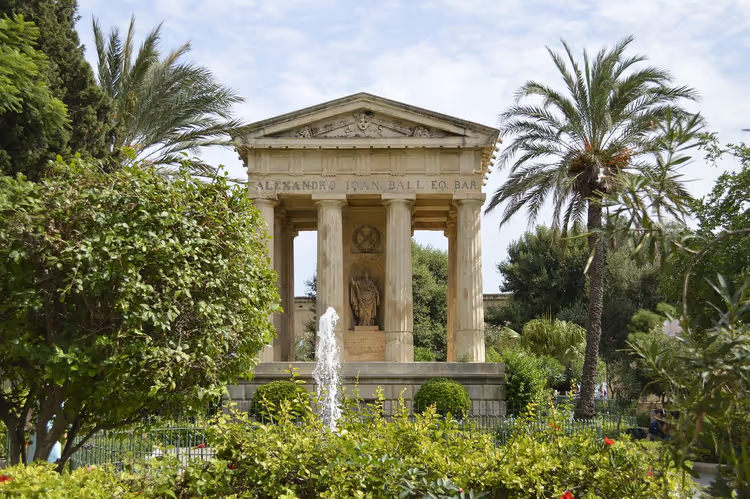
Malta's capital grew up on a rocky peninsula between two bays. The city is named after Jean de Valette, Grand Master of the Order of Hospitallers. In the mid-16th century the garrison repelled a Turkish siege, and after the victory the knights built fortifications and palaces here. The entire old town is listed as a UNESCO World Heritage Site (according to Visit Malta, 09/2026).
World War II bombing destroyed some of the buildings, but they were restored. There is little lush greenery in the city, and it is replaced by the Upper and Lower Barrakka Gardens, laid out right on the walls. From there you get the best view of the Grand Harbour and the forts.
The coastline is rocky and heavily indented, and the depth increases sharply. To enter the water, you go down carved steps. Locals swim this way, while city visitors usually head to the sandy beaches of the north. It is pleasant to stay here year-round: summer breezes freshen the air, and winter is mild and sunny.
- Who it's for: lovers of history and architecture who are ready to walk a lot.
- Not for: those who want a sandy beach next to the hotel.
- How to get there: the center is compact, you can walk from the bus station to the waterfront.
- Where to stay: hotels in Valletta on Trip.com
- The catch: swimming on the rocks is inconvenient, and for a beach you have to travel to the other shore.
2. Mellieha
 © Frank Vincentz · CC BY-SAPhoto: Frank Vincentz, CC BY-SA (https://creativecommons.org/licenses/by-sa/3.0), Wikimedia Commons
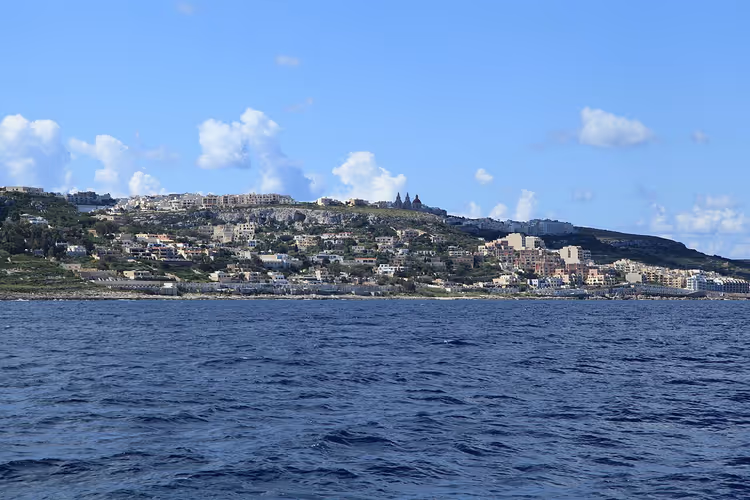
Mellieha lies in the very north of the island, closest to the ferry crossing to Gozo. The settlement was known as far back as the Byzantine era, then it was destroyed by the Arabs, and life returned only with the arrival of the Knights. They built the Sanctuary of Our Lady, where a 13th-century fresco has been preserved. In memory of the heroic defense, from late August to early September a festival in honor of Our Lady of Victories takes place here.
Many people come here for Mellieha Bay beach. It is the widest stretch of sand on the island. The sand is fine and yellow, and the depth increases slowly, so swimming with small children is calmer here than on the rocks of Sliema. Nearby lies the Ghadira nature reserve with exotic birds.
The coast has facilities for water sports. Surfers train in designated zones, and at the jetty you can easily rent a yacht for a trip along the shore. It is cheaper to buy groceries at the town market: the soil here is the most fertile on the island, so fruit and vegetables are abundant.
- Who it's for: families with kids and anyone who needs sand, not rocks.
- Not for: those who want noisy nightlife next to the hotel.
- Beach: municipal, free entry, the depth increases gradually.
- Where to stay: hotels in Mellieha on Trip.com
- The catch: in summer the beach is popular, and finding a free spot by the water is hard.
3. Sliema
 © FrankBothe · CC BY-SAPhoto: FrankBothe, CC BY-SA (https://creativecommons.org/licenses/by-sa/3.0), Wikimedia Commons
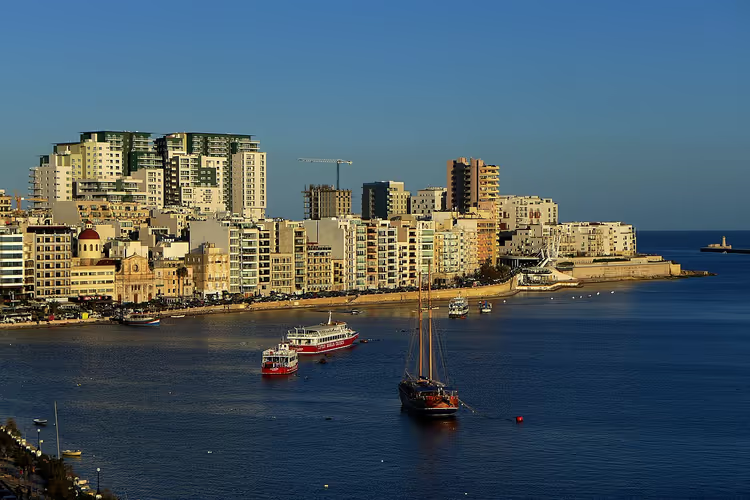
Sliema sits opposite Valletta, on the other side of the bay. The ferry between them takes just a few minutes, so the area is chosen by those who want to live near the capital. The shore is built up with hotels that don't go well together. But deeper into the blocks you'll find a cozy center with narrow streets and houses of yellow sandstone, and in the evening it is all lit by street lamps.
Swimming here is more convenient than it seems. The coast is a gently sloping limestone slab running into the water. Baths and steps are carved into the rock, so you can swim even in a storm, when waves break against the rocks.
A promenade runs along the shore: locals and visitors walk or jog along it. A coastal restaurant is open in the old fortress, and right behind it the limestone becomes steep, and divers have taken a liking to this spot. For shopping, Sliema has a large mall.
- Who it's for: those who want to combine city life and the sea.
- Not for: those who dream of soft sand and a gentle entry.
- Beach: limestone platforms with baths and steps.
- How to get there: ferry from Valletta, the trip takes a few minutes.
- Where to stay: hotels in Sliema on Trip.com
- The catch: the hotel development along the shore looks patchy and blocks the view.
4. Gzira
 © Txllxt TxllxT · CC BY-SAPhoto: Txllxt TxllxT, CC BY-SA (https://creativecommons.org/licenses/by-sa/4.0), Wikimedia Commons
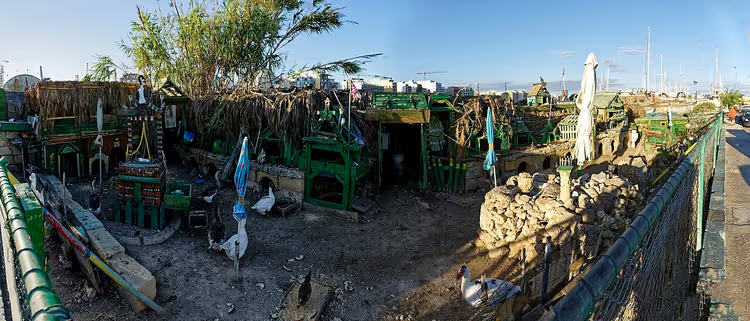
Gzira's distinctive feature is the neighboring island of Manoel, connected to the town by a short bridge. The name Gzira translates as "island." At first this was a quarantine zone where ships arriving from afar were held, and later Grand Master António Manoel de Vilhena built a fortress to protect Valletta. The islet has borne his name ever since.
The coastline is rocky, as it is almost everywhere in Malta, but the town beach is covered with sand and always crowded. The small limestone coves, on the other hand, are quiet and secluded, with steps cut into the rock for entering the water. For food, head to the local cafes: here you should try lampuki fish and pasta with octopus ink sauce.
The Royal Malta Yacht Club operates in Fort Manoel, where you can rent a boat for a trip. You will also see the Basilica of Our Lady of Mount Carmel and the Church of Christ the Redeemer. Shops sell local artisan goods: carpets, copper, glass, and ceramics.
- Who it's for: those who like quiet coves and want to live near the capital.
- Not for: those looking for a large sandy beach.
- Plus: a short bridge leads to Manoel Island, where there are few tourists.
- Where to stay: hotels in Gzira on Trip.com
- The catch: the town beach is popular, and the sand gets crowded in summer.
5. Birzebbuga
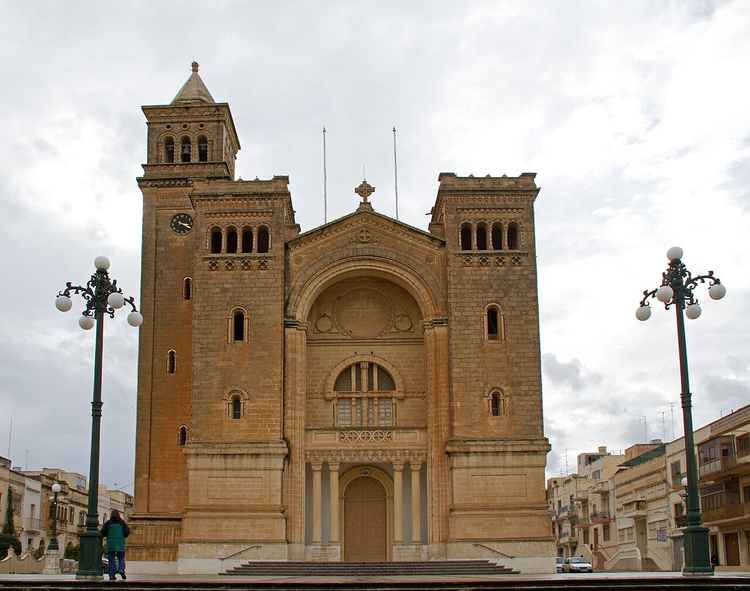 © Tony Hisgett from Birmingham, UK · CC BYPhoto: Tony Hisgett from Birmingham, UK, CC BY (https://creativecommons.org/licenses/by/2.0), Wikimedia Commons
The name Birzebbuga translates as "well of olives". It's a working town of about eight thousand people, where residents of other areas come to work at the port and cargo terminal. That's why there are plenty of cafes and restaurants here, and the food is simple and tasty. Hotels are more affordable than in Sliema, and if you want, you can rent apartments.
Tourists are drawn to the artificial sandy beach of Pretty Bay. When the port was built, white sand was raised from the seabed and spread over a limestone base. The depth increases gradually, so families with young children come here, and umbrellas and loungers are available for rent. Nearby are the rocky coves of Peter's Pool and Delimara Bay: you can reach them on foot or by car.
Ancient sites add variety to your stay. You'll see the remains of the Bronze Age settlement of Borġ in-Nadur, the pirate cave of Għar Ħasan, where a Saracen hid his loot, and Għar Dalam, the "Cave of Darkness", with traces of an ancient settlement. In the surrounding area, skeletons of prehistoric animals were found that died out after the land bridge between the island and the mainland collapsed.
- Who it's for: tourists on a budget who want sand.
- Not for: those looking for upscale hotels and nightlife.
- Beach: artificial, with umbrella and lounger rental.
- Where to stay: hotels in Birzebbuga on Trip.com
- The catch: a large port is nearby, so the bay view is industrial rather than resort-like.
6. Marsaskala
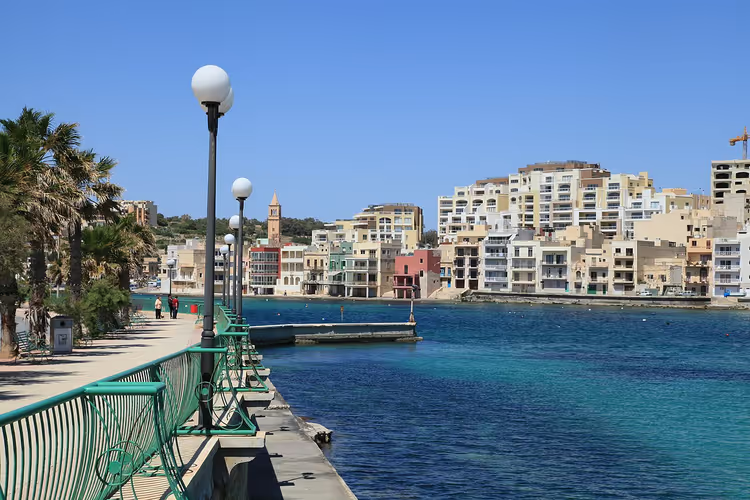 © Frank Vincentz · CC BY-SAPhoto: Frank Vincentz, CC BY-SA (https://creativecommons.org/licenses/by-sa/3.0), Wikimedia Commons
Marsaskala lies about half an hour's drive from Valletta, but getting here is more difficult: only one bus route and taxis connect it to the capital. It's best to agree on the taxi fare in advance, otherwise it can increase several times over.
Renting a car opens up remote corners, but the roads in the area are poor and there are few signs. A GPS is a good idea here. There are hotels for every budget, from upscale to inexpensive, and restaurants are varied too.
Marsaskala's main beach, St Thomas Bay, is rocky. It's always crowded, but in the surrounding area you'll find quiet, empty little coves. The swimming season lasts from May to late October, and in winter the temperature rarely drops below fifteen degrees. Marsaskala also has several medieval chapels and churches, so you won't be bored.
- Who it's for: those who appreciate rocky beaches and don't mind a long journey.
- Not for: those who want to get to the capital quickly by bus.
- Beach: rocky St Thomas Bay plus quiet coves in the area.
- Where to stay: hotels in Marsaskala on Trip.com
- The catch: poor roads and few signs, easy to get lost without a GPS.
7. St. Julian's
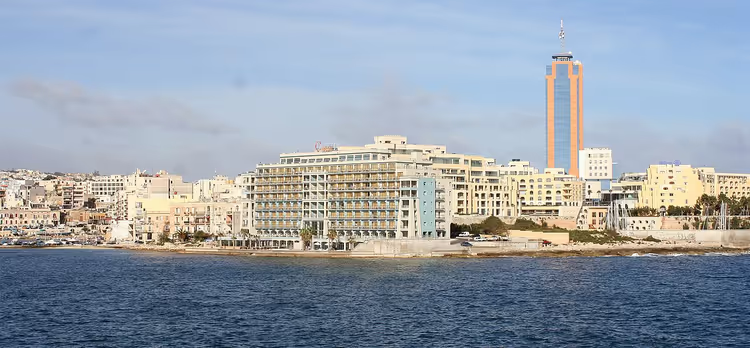
St. Julian's is considered the most hyped area on the island. It has the most upscale hotels, casinos, bars, and restaurants, and students come here for a European education. It's crowded here all year round, except during the Christmas holidays.
The swimming season opens in May and closes in October, with the peak from July to September, when sea lovers flock here. In high season, the central St George's Bay beach is packed. People don't just swim here: you can take surfing, diving, and kitesurfing lessons from instructors. At night, clubs and bars open, and you won't be bored.
In September, the tourist flow subsides, the water stays warm, and prices drop. Winter, however, is damp and windy, and there's no central heating in the buildings, so staying warm can be a challenge.
- Who it's for: those who want comfort, bars, and restaurants steps from their hotel.
- Not for: those seeking quiet and a peaceful family evening.
- Beach: St George's Bay beach, crowded in season.
- Where to stay: hotels in St. Julian's on Trip.com
- The catch: in winter, buildings are damp and there's no heating.
8. Paceville
 © UrbanMalta · CC BY-SAPhoto: UrbanMalta, CC BY-SA (https://creativecommons.org/licenses/by-sa/3.0), Wikimedia Commons
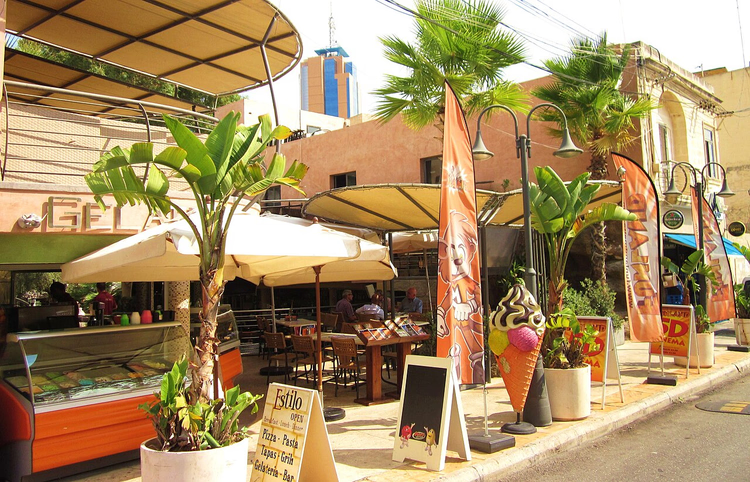
Paceville is considered a separate resort, although it's formally part of St. Julian's. Young people have taken over several blocks here: it has the cheapest hostels, hotels, bars, and cafes on the island. Affluent and family tourists usually don't come here.
During the day the area is empty, but it comes alive at dusk. Guests come out of their rooms, students and schoolkids rush to the discos, and the partying continues until morning. The beach here is decent, with artificial sand, and municipal, so entry is free.
You won't find an upscale restaurant here, but there are plenty of budget bars and clubs. The local Axis club welcomes guests from all over Europe.
- Who it's for: young people and students on a tight budget.
- Not for: families with children and those who value peace and quiet.
- Beach: municipal, with artificial sand, free entry.
- Where to stay: hotels in Paceville on Trip.com
- The catch: it's noisy at night, so a quiet vacation isn't possible.
9. St. Paul's Bay
 © Yarah · CC BY-SAPhoto: Yarah, CC BY-SA (https://creativecommons.org/licenses/by-sa/3.0), Wikimedia Commons
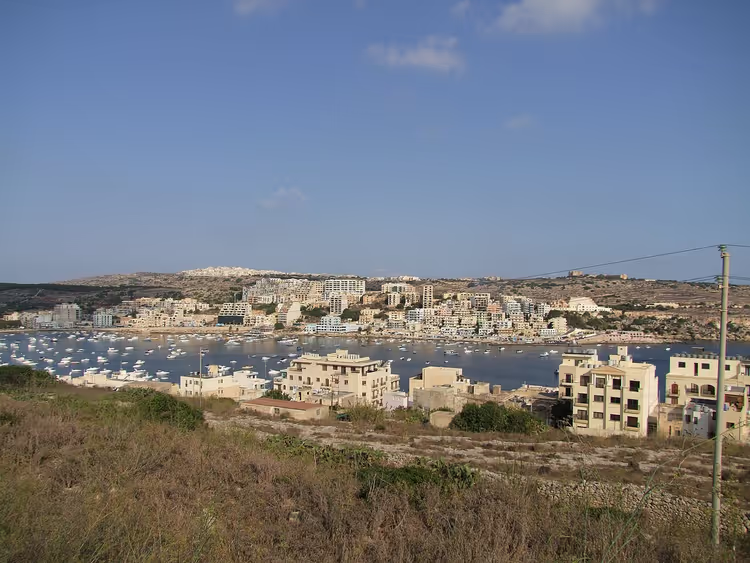
St. Paul's Bay is called the Bay of Saint Paul. The area consists of three towns: Bugibba, Qawra, and Xemxija. It's quieter here than in Sliema or St. Julian's, prices are lower, but there's also less entertainment.
You can swim, but it's better to enter the water using special walkways, and in some places steps have been carved into the limestone. Locals get into the water almost anywhere, but you should be more careful. A few kilometers from Bugibba there are sandy beaches, and the area's promenade is picturesque: both locals and tourists walk and run along it. In the evening, bars, clubs, and discos open, and entertainment prices remain low.
The water is suitable for active recreation: catamarans, yachts, water skiing, and diving. Nearby, old salt pans have been preserved, where people bathe in brine. As souvenirs, people bring lace and eight-pointed crosses from here.
- Who it's for: families and those who want a quiet vacation at a lower cost.
- Not for: those looking for a sandy beach right by the hotel.
- Beach: rocky, with steps and walkways for entering the water.
- Where to stay: hotels in St. Paul's Bay on Trip.com
- The catch: to swim, you have to find a convenient entry point into the water.
10. Msida
 © Berthold Werner · CC BY-SAPhoto: Berthold Werner, CC BY-SA (https://creativecommons.org/licenses/by-sa/3.0), Wikimedia Commons
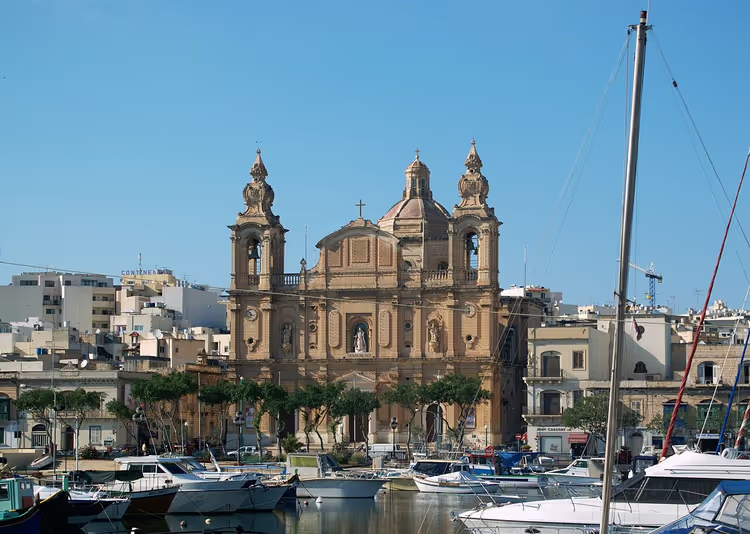
Msida was once a fishing village, and today it's home to a yacht marina. Yachts sit in the harbor, and a walk along the promenade will appeal to those who love boats and water. There are no swimming spots here, and the choice of hotels and restaurants is limited.
On the other hand, the city is home to the University of Malta, where students from all over the world study, which is why Msida is called the cultural capital of the island. The historic center is built up with 18th-century buildings. Notable is the huge public washhouse with a vaulted roof, built on the orders of a knight of German origin: today fishermen store their gear in it. You'll also find chapels carved into limestone and the Cathedral of Saint Joseph.
- Who it's for: those interested in the port, history, and student life.
- Not for: those who came for a beach vacation.
- Plus: a large historic center and the university nearby.
- Where to stay: hotels in Msida on Trip.com
- The catch: nowhere to swim, you need to travel to the beaches.
11. Marsaskala
 © Seancarlgrech · CC BY-SAPhoto: Seancarlgrech, CC BY-SA (https://creativecommons.org/licenses/by-sa/3.0), Wikimedia Commons
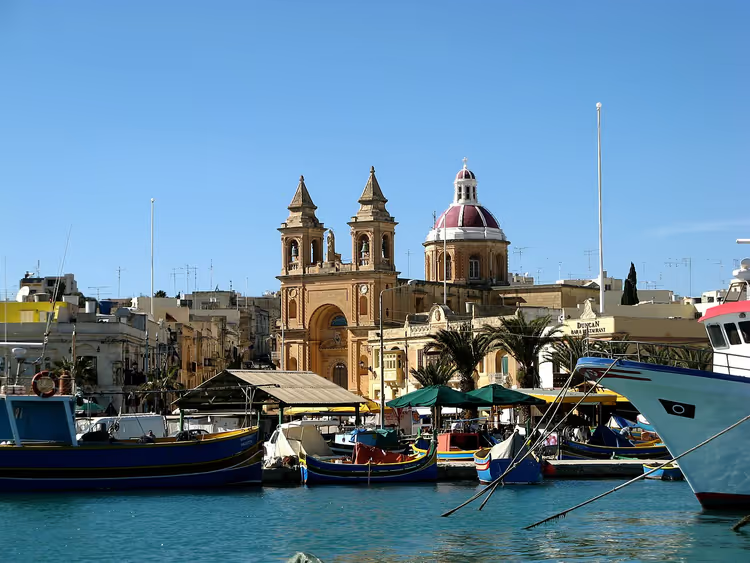
Marsaskala is hard to call a resort town, although there are a few hotels here. They attract young people who go swimming in the neighboring St. Peter's Pool. The bay has clean water and a rich seabed, which draws divers, and daredevils jump straight into the sea from the sheer cliffs. Everyone else comes here for the fish market.
The village's first residents worked in fishing, and their descendants carry on the trade. Marsaskala's world has barely changed: low houses of yellow limestone stand close together, separated from the sea by just a few meters. The harbor is full of fishing boats, many painted with the eyes of Osiris, which are believed to help them return home in any weather.
The fish market runs on Sundays, from early morning until noon. On other days, the waterfront sells shoes, clothing, lace, and ceramics. After noon, the square empties out.
Marsaskala, however, has plenty of fish restaurants. They cook freshly caught shellfish, octopus, and fish, all washed down with local wine.
- Who it's for: foodies, divers, and those looking for a quiet getaway.
- Not for: those who want a large sandy beach right by their hotel.
- Beach: swimming in the bay and near the cliffs, sandy beaches off to the side.
- Where to stay: hotels in Marsaskala on Trip.com
- The catch: there is little here as a resort destination: almost no beaches or entertainment.
12. Gozo Island
 © Carole Raddato from FRANKFURT, Germany · CC BY-SAPhoto: Carole Raddato from FRANKFURT, Germany, CC BY-SA (https://creativecommons.org/licenses/by-sa/2.0), Wikimedia Commons
Gozo is nothing like Malta. It is worth coming here for a few days to see the historical and natural sites packed into a small area. There are plenty of places to swim: from rocky platforms with paths and steps to the sandy Ramla Bay. The coastline is heavily indented, so there are many picturesque grottoes.
Some grottoes are visible from land, while the rest are best seen from the sea, so renting a boat is the way to go. The tiny island even has its own Inland Sea: a small lagoon cut off from the Mediterranean by rocks and connected to it through a cave. There are also plenty of activities: catamaran, boat, and jet ski rentals, plus scuba diving. For something unusual, you can swim in the salt pans left over from ancient salt works.
- Who it's for: those who want nature, grottoes, and quiet for a couple of days.
- Not for: those who came for one day and dislike ferries.
- Beach: rocky platforms and the sandy Ramla Bay.
- Where to stay: hotels on Gozo on Trip.com
- The catch: without a ferry and a car, you cannot reach the remote bays.
13. Zurrieq
 © Mauroonline. The original uploader was Mauroonline at Italian Wikipedia . · CC BYPhoto: Mauroonline. The original uploader was Mauroonline at Italian Wikipedia ., CC BY (https://creativecommons.org/licenses/by/2.5), Wikimedia Commons
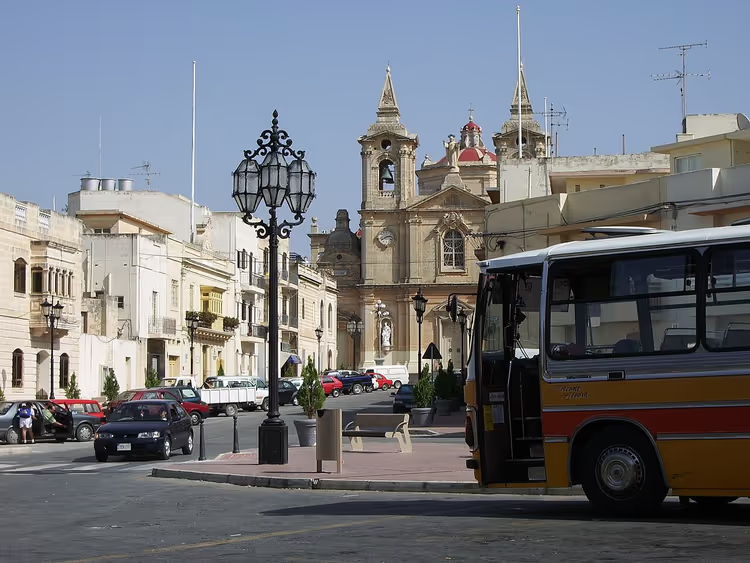
Zurrieq is hard to call a developed resort: locals worry that a rise in tourism will damage its historical sites. And there are many of them here. The artist Preti spent his final years in the town, and his paintings can be found in churches and galleries across the island.
Zurrieq's main attraction, the Blue Grotto, lies just off the coast. In the 16th century, pirates hid their ships in the grotto from the royal authorities. Today, through the turquoise water you can see the bottom covered in white sand, while the underwater rocks are encrusted with coral. It is easy to spend several hours here. Nearby lies the island of Filfla with its sheer cliffs and flat top.
In Zurrieq itself, the center is built up with houses from the 15th to 17th centuries, and churches and chapels are everywhere. You will see Phoenician tombs, a Roman fortress tower, and the settlement of Hal Millieri with 14th-century frescoes in its chapels. Services are still held in Zurrieq's cathedral. Archaeological excavations are underway nearby, and you can take a look there too.
- Who it's for: history lovers, divers, and fans of beautiful views.
- Not for: those who want a sandy beach and lots of entertainment.
- Plus: the Blue Grotto and the ancient center are within walking distance.
- Where to stay: hotels in Zurrieq on Trip.com
- The catch: the resort infrastructure is weak, and there is little to do in the evening.
14. Bormla
 © SpectreOfMalta · CC BY-SAPhoto: SpectreOfMalta, CC BY-SA (https://creativecommons.org/licenses/by-sa/4.0), Wikimedia Commons
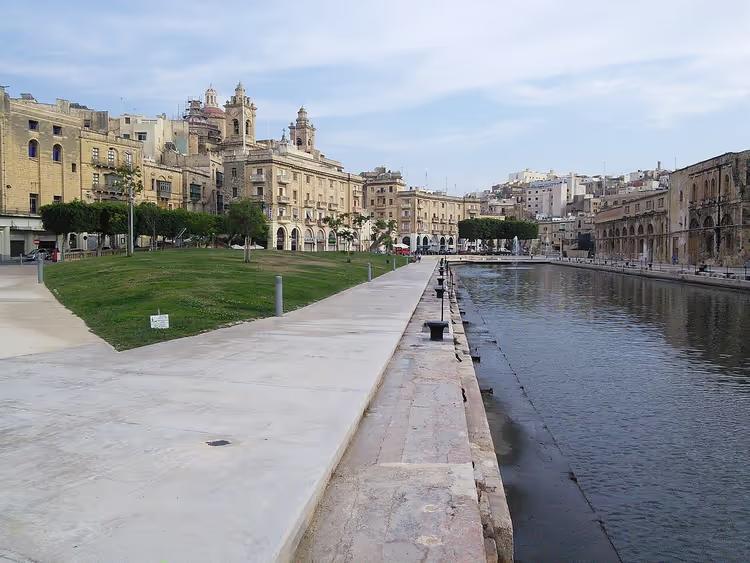
Bormla's favorable location was appreciated as far back as the knights: they built a double fort here and turned the Grand Harbour into a base for mooring and repairing ships. The British began actively using the harbor in the late 18th century.
Today Bormla has become a quiet working town, home to sailors and dockworkers. Tourists come here to see the shipyard, which is being converted to service modern yachts. Athletes from around the world call at Bormla's convenient port.
Among the cultural sites, the Church of the Immaculate Conception and the Margherita and Firenzuola fortifications are worth seeing. In December, a large patron saint festival takes place here, and the spectacle is a vivid one.
- Who it's for: those interested in the navy, forts, and history.
- Not for: those who want a beach and a resort waterfront.
- Plus: mighty fortifications and a working harbor nearby.
- Where to stay: hotels in Bormla on Trip.com
- The catch: this is a working town, not a resort: no beaches or entertainment.
15. Comino Island
 © Martin Galea De Giovanni · CC BY-SAPhoto: Martin Galea De Giovanni, CC BY-SA (https://creativecommons.org/licenses/by-sa/4.0), Wikimedia Commons
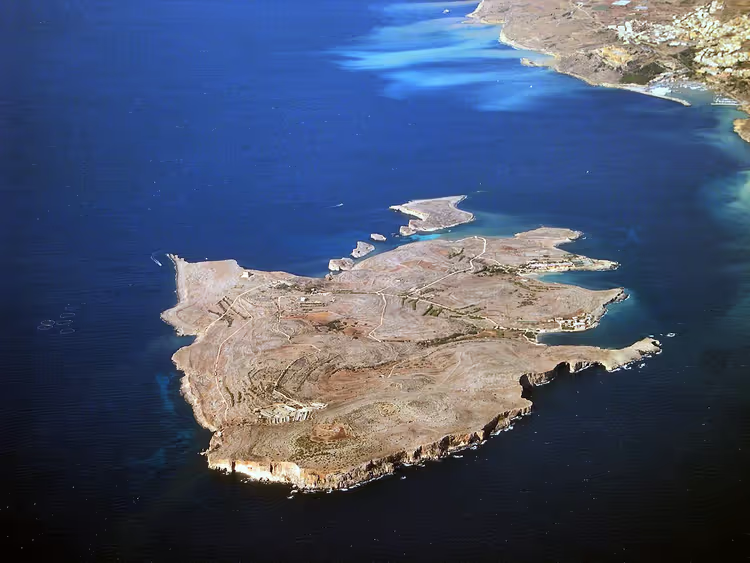
Comino suits those seeking peace and quiet. The island's only hotel is closed, and there are very few permanent residents. On the other hand, it offers excellent fishing, diving, and hiking. There are also plenty of historical and natural sites: caves, grottoes, the Chapel of St. Mary, and the remains of fortifications built by the Knights of St. John in the 16th and 17th centuries.
The main reason to come here is the Blue Lagoon: the water is so clear it looks sky blue. Nearby are the shallow St. Mary's Bay with a sandy bottom and the hermit's cave of St. Corrota. Very close is the uninhabited islet of Cominotto: you can reach it by tour boat, and the bravest swim over.
- Who it's for: those who want seclusion, clear water, and quiet.
- Not for: those looking for hotels, bars, and evening entertainment.
- Beach: the Blue Lagoon with clean water and a shallow bottom.
- Where to stay: hotels on Comino on Trip.com
- The catch: there is almost no accommodation, people usually come to the island for a day.
⁉️🤔 Frequently asked questions
When is the best time to go to Malta?
The swimming season on the islands runs from May to late October. July and August are hot and crowded, while in September the water is still warm but prices drop. For sightseeing in the cities, spring and autumn are more comfortable.
Where are the sandy beaches in Malta?
You will find soft sand in the north: that is Mellieha Bay. There is also a man-made sandy strip in Birzebbuga, and on Gozo it is Ramla Bay. Along most of the coast people swim from limestone platforms.
Can you swim in Malta in winter?
In winter the air on the coast stays mild, and some tourists swim on sunny days. The water is cool, though, so you will not stay in it for long. For a winter break, choose areas with hotels and restaurants, such as Sliema.
How do you get to Gozo and Comino?
A ferry runs to Gozo from the north of Malta, and in summer it is easiest to reach Comino by tour boat. Check the schedules on the carrier's website and book a car in advance. That way you can explore the islands without depending on buses.
Where to stay in Malta for the first time?
If you are visiting for the first time, choose Sliema or St. Julian's: the capital, the waterfront, and plenty of hotels are nearby. Families with children will like Mellieha with its sandy beach, while those seeking quiet should look at Gozo.
Malta resorts on the map and car rental
All fifteen resorts are marked on the map below. Open it to plan your route and see how long the drive between points will take.
15 best resorts of Malta
Places on the map
- 1Valletta Museum-capital on a rocky peninsula, swimming is awkward
- 2Mellieħa The island's widest sandy beach, Mellieħa Bay
- 3Sliema Limestone bathing pools opposite Valletta, ferry to the capital
- 4Gżira Quiet coves and Manoel Island with a yacht club
- 5Birżebbuġa Man-made Pretty Bay beach and a working port town
- 6Marsaskala Rocky St Thomas Bay and old chapels
- 7St Julian's Expensive hotels, promenade, casino and clubs
- 8Paceville Nightlife and cheap hostels for young travellers
- 9St Paul's Bay Quiet seafront and low prices across three villages
- 10Msida The island's largest port, university and historic centre
- 11Marsaxlokk Fishing village with a market and a cosy bay
- 12Gozo Island Caves, the Inland Sea and sandy Ramla Bay
- 13Żurrieq Blue Grotto and an ancient centre with 15th-17th century houses
- 14Bormla Double knights' fort and the Grand Harbour shipyard
- 15Comino Island Blue Lagoon and almost no housing
Half of the resorts sit at opposite ends of the island, so a car saves time. Compare rental options if you plan to drive between towns every day.
Find hotels
Compare prices across booking sites and filter for rooms with free cancellation.
Compare prices on Discover CarsThe widget loads once you give your consent.
In short: what to book
Malta is compact: on one trip you can see several resorts rather than just one. If you want a sandy beach, go for Mellieha or Gozo. For city life and history, Valletta and Msida work well. For nightlife, choose Paceville, and for calm sea with rocky shores, Sliema.
If you are short on time, stay in Sliema or St. Julian's: from there it is easy to get around the whole island. With children, choose Mellieha or St. Paul's Bay, and for nature head to Gozo.

A small editorial team writing guides for independent travel. We travel ourselves, but we haven’t been everywhere, so we check prices, opening hours and how to get there against official sources.