
















Maldives for divers: which months to choose for manta rays and large sharks
The Maldives are good for diving year-round, but the months vary a lot.
What matters is not the water temperature, but the monsoon, visibility, and seasonal marine life. The southwest monsoon runs from mid-May through November, the dry northeast monsoon lasts from January through March, and December and April are considered transition months (Maldives Meteorological Service, as of 09/2026). The month determines whether you will see mantas in Hanifaru Bay, a whale shark near Ari Atoll, or tiger sharks off Fuvahmulah.
Below is a breakdown of what happens underwater in each month of the year, when the seasons for the four main species open, and how to choose a liveaboard route to match. You will see where it is better to dive in the dry season and what the wet season gives you in return.
Ad: this article contains affiliate links, we earn a commission if you book through them, at no extra cost to you.
Best time for diving in the Maldives by month
💡 In short:
- The dry northeast monsoon (January to March) gives the clearest water and calmest sea.
- The wet southwest monsoon (May to November) brings plankton, and with it mantas and large sharks.
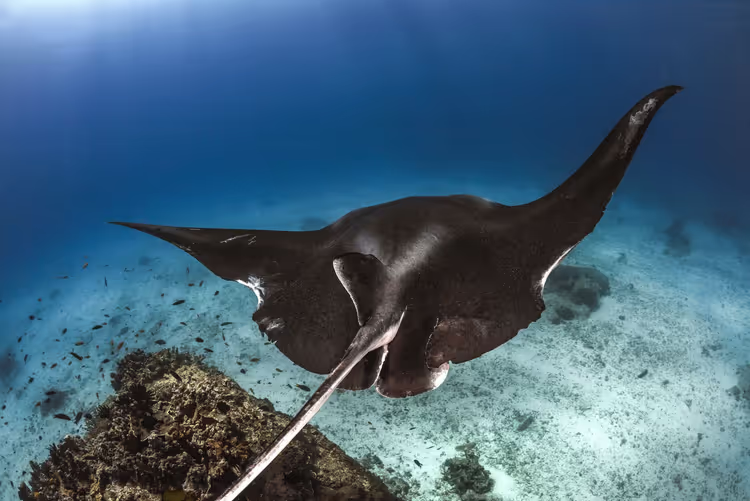
- Mantas: Hanifaru Bay in Baa Atoll, May to November, peak in July and August.
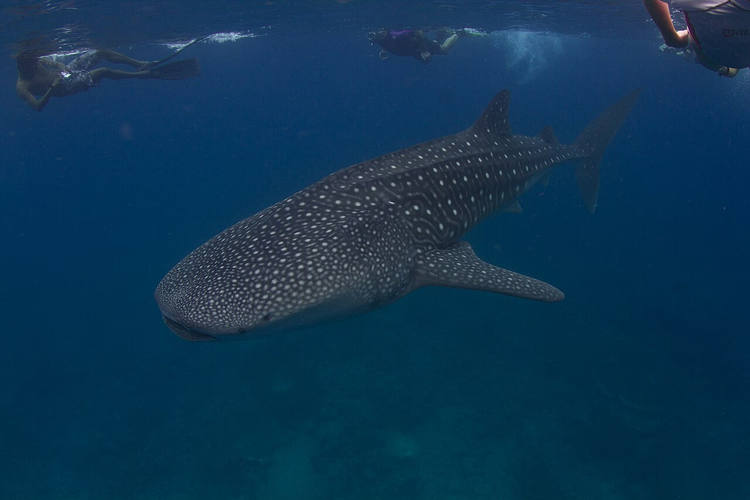
- Whale sharks: central atolls and Ari Atoll, November to April.
- Tiger sharks and hammerhead sharks: the south of the country and Fuvahmulah, January to March.
- Monsoon seasons: 09/2026, verified on the Maldives Meteorological Service website.
The atolls stretch from north to south in a long chain, so in the same month the north, center, and south give you a different picture. The air stays in the 25 to 32 °C range year-round, and the sun shines the most from January to March (official Maldives Meteorological Service website, as of 09/2026).
For a diver, here is what that means. You do not need to chase the weather across the whole country. The north revolves around Hanifaru Bay and the Baa Atoll Biosphere Reserve, where manta season takes place. The center draws you to Ari Atoll and the Male atolls, which means whale sharks and the main liveaboard routes. The south lives around Fuvahmulah and Addu Atoll, where tiger sharks and hammerhead sharks hang around.
So choose your dates not by the calendar, but by the species you want. Below you can see how that maps to each month and where to look for the marine life you are after.
Diving in the Maldives in January
January opens the dry season. Rain is rare, the sea is calm, and visibility reaches its annual peak. For a first trip, this is the best possible start.
Northern atolls. Manta season has not started yet in Hanifaru Bay, but you will see coral gardens and dense schools of reef fish. The water is usually quiet, so dives on the northern reefs are comfortable for both beginners and experienced divers. This is a convenient option if you are still getting used to Maldivian currents.
Central atolls. Ari Atoll, North Male Atoll, and South Male Atoll remain the main liveaboard routes. You will come across large schools, reef sharks, and sometimes whale sharks. The calm water allows long, unhurried dives, and travel between sites takes little time.
Southern atolls. Off Fuvahmulah, tiger shark season starts in January and runs through March. Plan your trip in advance: people come here specifically for the large sharks, and liveaboard spots sell out quickly. The southern route costs you more in logistics, but a tiger shark encounter is worth it.
If transparency and peace matter most to you, January delivers both.
Diving in the Maldives in February
February is considered the most stable winter month. There is almost no rain, the sun shines for long stretches, and the sea stays flat even in open areas. The water remains warm, so a thin wetsuit will do just fine.
Northern atolls. Mantas are still rare at Hanifaru, but rich coral slopes and colorful fish keep the north interesting. The calm water suits both beginners and experienced divers. If you want to work on your skills without pressure, this is the place.
Central atolls. The picture is the same as in January, and dives go according to plan.
Southern atolls. Fuvahmulah in February gives you the best chance of seeing tiger sharks. The month is one of the top three, so a trip south almost always pays off. You get both sharks and a gentle sea in one tour.
February is good for those who want rare marine life and predictable weather at the same time.
Diving in the Maldives in March
March continues the dry season and is considered one of the most pleasant months of the year. Rainfall is low, the sun is generous, and the water stays warm and clear.
Northern atolls. Manta season has not started yet in Hanifaru Bay. But the coral reefs of Baa Atoll are full of life, and you will get excellent dives. The north works for you if mantas are not the main goal of the trip.
Central atolls. Ari Atoll and both Male atolls still hold first place in popularity, and liveaboards are easy to arrange for any length of stay.
Southern atolls. Off Fuvahmulah, tiger shark chances are high, and the area is also known for mantas and hammerhead sharks. March is when many liveaboards run the southern route, so the choice of operators is wider than usual. Compare options in advance if you want to secure specific dates.
Choose March if you want to combine dry weather with large sharks.
Diving in the Maldives in April
April closes out the dry season and remains an excellent time for diving. The weather stays stable, there is plenty of sun, and rain is rare.
Northern atolls. Manta season has not started yet in Hanifaru Bay; it opens in May. Coral reefs and diverse fish add to the north's appeal, and the sea stays calm. You will not have to work around the waves.
Central atolls. The picture is unchanged, and short travel times let you fit more dives into a day.
Southern atolls. Tiger shark season off Fuvahmulah ended in March, but the area is known for mantas and hammerhead sharks. The sea here can be a bit rougher.
April suits you if you want a calm sea without the summer humidity.
Diving in the Maldives in May
May opens the wet southwest monsoon, but diving remains good. The water is warm, and visibility holds at a decent level, although it drops on rainy days.
Northern atolls. Mantas become noticeably more numerous in Hanifaru Bay, and other large pelagic species join them. Downpours sometimes briefly reduce clarity, but on the Baa Atoll reefs you still get strong dives. Build in a spare day in case of rough seas.
Central atolls. The start of the rains barely changes the picture, and conditions remain workable.
Southern atolls. Tiger shark season off Fuvahmulah runs from January to March, but the area is known for mantas and hammerhead sharks. The sea can be rough because of the rain.
Plan May if you want to catch mantas while avoiding the peak of the rainy season.
Diving in the Maldives in June
In June the wet season is in full swing. Rain is frequent, but diving does not stop, and marine life stays rich.
Northern atolls. Manta season is in full swing in Hanifaru Bay, with the peak coming in July and August. Wind and rain sometimes kick up waves, but a manta encounter is worth it. If you are coming specifically for them, allow several days.
Central atolls. Routes operate even in the rainy season, although the sea can be rough.
Southern atolls. Tiger sharks off Fuvahmulah are out of season; it runs from January to March. The sea sometimes gets stormy because of the weather.
Choose June if mantas are your main goal and waves do not bother you.
Diving in the Maldives in July
July falls in the middle of the wet season, and visibility drops because of plankton blooms. But that same plankton attracts large marine life.
Northern atolls. July is considered the best month for mantas in Hanifaru Bay, where they gather to feed. Monsoon winds kick up waves, but you will not see a gathering like this anywhere else. Divers put up with the humidity for it.
Central atolls. Boats here are well prepared for waves, so you stay comfortable on board.
Southern atolls. Tiger shark season off Fuvahmulah ended in March. The sea in these waters is rough, so beginners are better off avoiding the south in July.
July suits you if you are willing to deal with waves for mantas.
Diving in the Maldives in August
August stays in the rainy season, and the sea is often choppy. Visibility is moderate, but there is plenty of plankton, and with it comes large marine life.
Northern atolls. August is considered the best month for mantas in Hanifaru Bay, where plankton-rich water draws them in. Waves sometimes get in the way, but these encounters are worth the effort. Scuba diving is prohibited in the bay; mantas are viewed here by snorkeling.
Central atolls. Liveaboards through the central atolls run in this month too.
Southern atolls. Tiger sharks off Fuvahmulah are out of season, and the monsoon makes the sea rough.
Choose August if you want to catch the peak of manta season.
Diving in the Maldives in September
September still belongs to the wet season, but the sea does not lose its marine life. Visibility fluctuates day to day, and the water stays warm.
Northern atolls. Hanifaru Bay has another strong month: mantas stay around the plankton-rich waters. Waves sometimes pick up, so snorkeling trips are planned around the weather. You should leave a free day for travel.
Central atolls. There are enough calm windows for full dives.
Southern atolls. The Fuvahmulah area is known for mantas and hammerheads, but tiger shark season will not open until January. Monsoon winds make the sea rough.
September suits you if you do not mind adjusting plans around the weather.
Diving in the Maldives in October
October closes out the wet season, and the weather starts to settle. Visibility gradually improves, and the sea calms down.
Northern atolls. October remains a strong month for mantas in Hanifaru Bay, as the plankton-rich waters still attract large marine life. There can be waves, but conditions are better than at the height of the rains. You get both good visibility and marine life.
Central atolls. The weather improves, so the central atolls are gaining popularity again.
Southern atolls. Tiger shark season off Fuvahmulah will start in January. The sea is still occasionally rough.
Plan October if you want large marine life and improving weather without the peak of the rains.
Diving in the Maldives in November
November is considered an excellent month for a diving vacation. The rains end, and conditions become almost ideal.
Northern atolls. Manta season in Hanifaru Bay is winding down, but the chances of an encounter are still good. Calm water makes for relaxed dives on the atoll reefs, where you see bright corals and a variety of fish. Try to arrive in the first half of the month.
Central atolls. Whale shark season begins around Ari Atoll, and the calm sea allows long days on the water.
Southern atolls. Tiger shark season off Fuvahmulah will not start until January. The sea is calmer than a month ago, so conditions are improving.
Choose November if you want a calm sea and large marine life at the same time.
Diving in the Maldives in December
December brings back dry, sunny weather, and the sea becomes flat. This is one of the most convenient months for a trip.
Northern atolls. Manta season in Hanifaru Bay is already over, but coral reefs and fish keep the north interesting for divers. Quiet water helps you relax underwater, and you still get a variety of species. Even beginners dive comfortably on the northern reefs.
Central atolls. The calm sea makes liveaboards comfortable and travel times short.
Southern atolls. Tiger shark season off Fuvahmulah will open in January. The sea is calmer than in the fall, so the trip goes smoothly.
December is often chosen for vacations, so boats and hotels get booked up in advance. If you value quiet, pick the first half of the month: after the holidays, sites get more crowded.
December suits you if you value sun, calm, and consistent diving.
Whale shark: best time for diving
Best time: November to April. Whale sharks are most often seen in the central atolls, especially around Ari Atoll. These calm giants stay in the dry season, when the water is clearest. You can see them both from resorts and from liveaboard boats. Routes through Ari Atoll and South Malé Atoll give you the best chances of an encounter.
 © Tchami · CC BY-SAPhoto: Tchami, CC BY-SA (https://creativecommons.org/licenses/by-sa/2.0), Wikimedia Commons
Manta ray: best time for diving
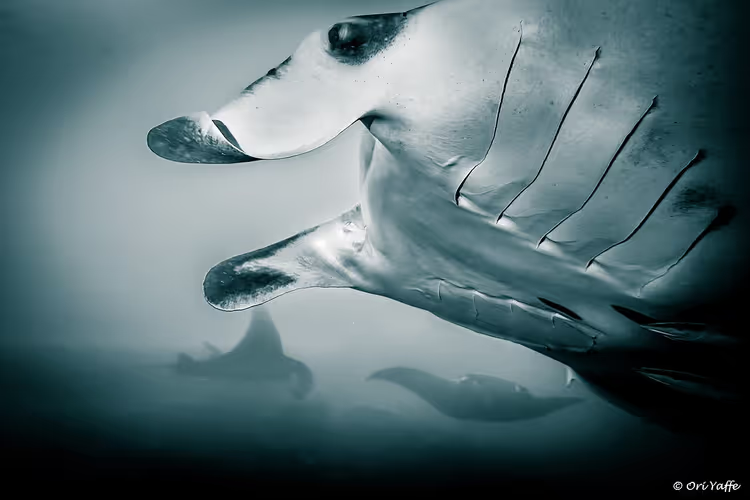
Best period: May to November. During these months, mantas are often seen in Hanifaru Bay in the north of the Maldives. The bay lies inside the Baa Atoll UNESCO Biosphere Reserve (UNESCO, as of 09/2026), and the high concentration of plankton makes this the best season for viewing. Scuba diving is prohibited in the bay, so mantas here are only seen while snorkeling. Access is available from both resorts and liveaboards. Routes through the north and center, including Ari Atoll, suit you best.
 © Ben Shoshana · CC BY-SAPhoto: Ben Shoshana, CC BY-SA (https://creativecommons.org/licenses/by-sa/4.0), Wikimedia Commons
Tiger shark: best time for diving
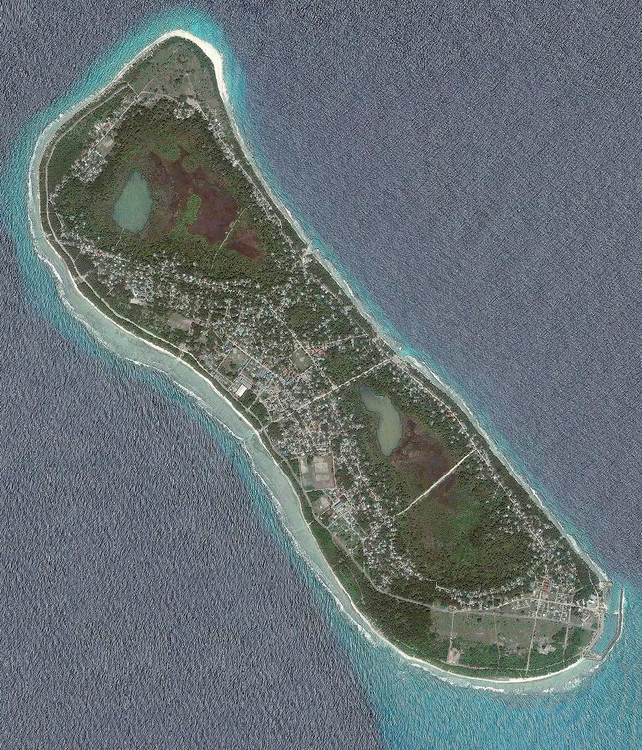
Best time: January to March. Tiger sharks are most often seen off Fuvahmulah in the south of the country. During these months the sea is calmer, and conditions come together well. Getting here is mostly possible on a liveaboard: tiger sharks stay at depth and far from resorts. The southern route suits you better than the others.
 © GIS & Mapping Unit, Spatial Planning Section, Department of National Planning, Republic of Maldives · CC BY-SAPhoto: GIS & Mapping Unit, Spatial Planning Section, Department of National Planning, Republic of Maldives, CC BY-SA (https://creativecommons.org/licenses/by-sa/3.0), Wikimedia Commons
Hammerhead shark: best time for diving
Best time: January to March. Hammerhead sharks are regularly seen in the south of the Maldives, primarily off Fuvahmulah and Addu Atoll. These months give you the best conditions for encountering large schools. Hammerheads are mostly seen on liveaboards that head to deep and remote sites. The southern route remains the best choice.
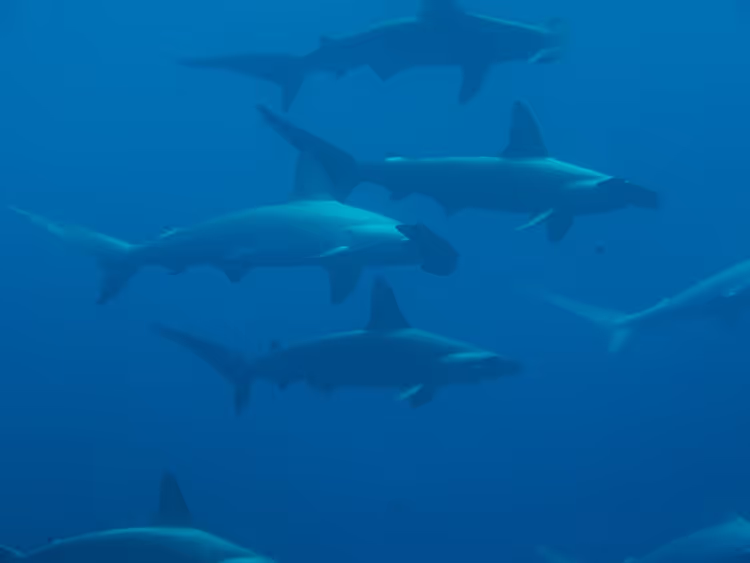 © RYO SATO from Hamamatsu, Shizuoka, Japan · CC BY-SAPhoto: RYO SATO from Hamamatsu, Shizuoka, Japan, CC BY-SA (https://creativecommons.org/licenses/by-sa/2.0), Wikimedia Commons
Northern liveaboard route: best time
Best time: May to November. The northern route is best done from May to November, and Hanifaru Bay is only visited on snorkeling trips. This is the high season for mantas, which are drawn to the plankton-rich water. The sea is mostly calm, although rain does happen at times. You get both mild conditions and the maximum amount of large marine life.
Central liveaboard route: best time
Best time: November to April. The central atolls are most popular from November to April. In the dry season the sea is calm and water clarity is excellent. You dive in stable conditions among large schools of fish, reef sharks, and occasionally whale sharks. This route is convenient for a first multi-day trip.
Southern liveaboard route: best time
Best time: January to March. The southern route, including Fuvahmulah, is best done from January to March. This is the ideal time for tiger sharks, mantas, and hammerhead sharks. The sea is calmer, so dives are easier, and you get the strongest impressions of the trip. To compare operator offers, check out liveaboard diving and sea tours on GetYourGuide.
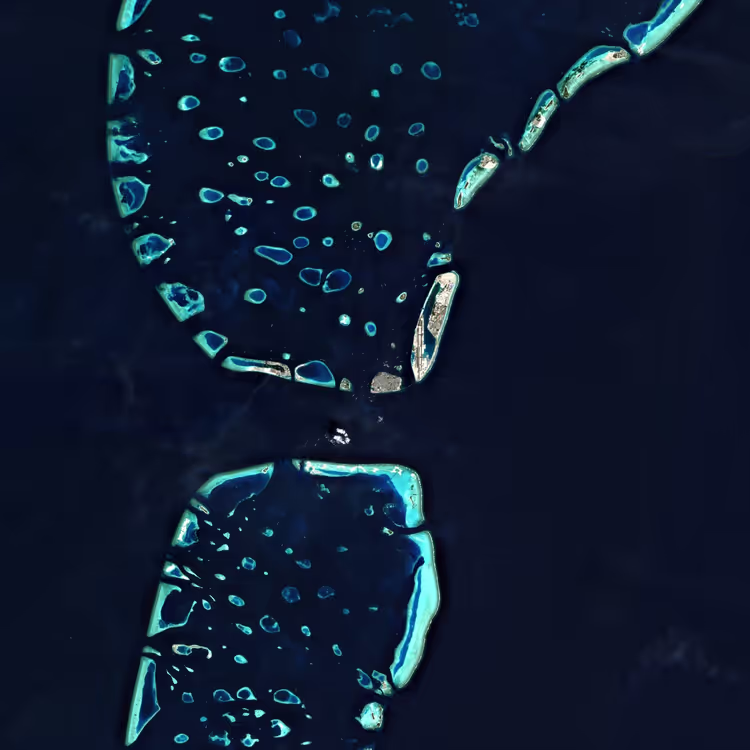 © European Space Agency · CC BYPhoto: European Space Agency, CC BY, Wikimedia Commons
How to choose dates and a route for your goal
Start with the species, and the month will fall into place. Below is everything you have already seen by month, combined into one table.
What you want to see | Best months | Route |
|---|---|---|
Mantas | May to November, peak in July and August | Northern, Hanifaru Bay |
Whale sharks | November to April | Central, Ari Atoll |
Tiger sharks | January to March | Southern, Fuvahmulah |
Hammerhead sharks | January to March | Southern, Fuvahmulah and Addu Atoll |
Maximum visibility | January to April | Central |
Calm reefs for beginners | December to April | any atoll in the north or center |
Next, decide where you will stay. A resort works if you want a flexible schedule and short trips to nearby reefs. A liveaboard is necessary when the target is remote: tiger sharks off Fuvahmulah and hammerheads off Addu Atoll are almost unreachable from shore. In one week on a liveaboard you cover several atolls and see more sites.
Timing matters too. Take at least a week: a short liveaboard trip does not have time to reach the outer atolls. If you want both mantas and large sharks, plan two trips, because the seasons barely overlap.
Currents require experience. Maldivian dive sites work on currents, so drift diving skills will come in handy. On the outer slopes of atolls the flow is stronger, while lagoons have calm water. For beginners, choose the center and north in the dry season, and leave the south and deep sites for later.
Nothing rare is needed in terms of gear. Warm water year-round means a thin wetsuit, a mask, and a logbook. On a liveaboard, your own dive computer and a spare strap are useful, because rental equipment on board is limited. Ask about night dives in advance, as they are not offered on all routes.
And finally: the dry season is the high season, so hotels and liveaboards for January to March sell out earliest. During the wet months there are more options, and it is easier to find open dates. If you are tied to your vacation dates, book in advance.
⁉️🤔 Frequently asked questions
When is the best underwater visibility in the Maldives?
Maximum clarity comes in the dry season, meaning January, February, and March. During these months the sea is calm and the water is the clearest of the year. In the transitional months, December and April, visibility remains high, but the weather is less predictable. In the wet season, plankton reduces clarity but brings large marine life.
When is the best time to go to the Maldives for mantas?
The manta season in Hanifaru Bay runs from May to November and coincides with the southwest monsoon. The peak comes in July and August, when plankton is especially abundant. During these months people come both from resorts and on liveaboards. The best chances go to those who book a multi-day tour.
Can you see tiger sharks without a liveaboard?
Almost never. Tiger sharks stay off Fuvahmulah at depth and far from resorts, so reaching them is mostly possible on a liveaboard along the southern route. The season runs from January to March, and during this time the sea is calmer. If you want a reliable encounter, book a multi-day tour.
When should you go to see both mantas and whale sharks?
The seasons overlap only in November. Mantas are still present in Hanifaru Bay, and the whale shark season is starting around Ari Atoll. The most convenient approach is to build a route through the central atolls with a stop in the north.
Which month should you choose for a first trip?
For a first time, January, February, or March work well. The sea is calm, visibility is at its best, and dives take place in comfortable conditions. Beginners have an easier time in the central atolls: there are short crossings and mild currents. Experienced divers in the same months head south for tiger sharks.
In short: what to book
If you want mantas, plan your trip for May to November and take the northern route. If you want tiger sharks and hammerhead sharks, look at January to March and a southern liveaboard. Hotels in the Maldives are convenient to compare in advance: hotel prices on Trip.com.

A small editorial team writing guides for independent travel. We travel ourselves, but we haven’t been everywhere, so we check prices, opening hours and how to get there against official sources.