














Portuguese cuisine: which dishes to try on vacation
Portugal is less popular than Spain, but not when it comes to food. Cod, sardines, and stewed meat are cooked here so well that you will forget about your diet for a week. Legend has it that the country has exactly 365 bacalhau recipes, one for every day of the year.
Below are dozens of dishes, from street snacks to dessert. You will learn what to order in Lisbon and Porto, how the islands differ, and which drinks to put on the table for dinner.
What Portuguese cuisine is
💡 In short:
- Bacalhau, sardines, and seafood anchor the menu along the entire coast.
- In the mountains you will find thick soups and stewed meat with sausage.
- There are fewer seasonings here than tourists expect, but plenty of garlic and olive oil.
- Sweets are bought at a bakery, not at a restaurant.
Portugal fits several cuisines into a small area. On the coast they cook fish and vegetable soups; in the mountains hearty meat with sausage and potatoes appears. That is where the difference between the menu in the Algarve and in the center of the country comes from.
What you choose for dinner depends on the region and the weather. In summer in the south, go for grilled sardines and cold gazpacho. In winter in the mountains, the same menu gives way to cozido à portuguesa.
Outside the country, little is known about this cuisine. Spain and Italy pull attention away, and Portuguese food remains a discovery even for people who travel to Europe every year.
At its core is a simple triad: olive oil, garlic, and fresh ingredients.
The sea feeds the entire coastal strip. Cod, sardines, octopus, and shellfish go into the pot on the day they are caught. That is why in Lisbon and Porto, fish dishes at a family restaurant cost less than meat dishes.
Main ingredients and seasonings
Portuguese cuisine is built on a few basic ingredients, and all of them are available in any grocery store. Olive oil is poured generously here, but the food does not become heavy because of it.
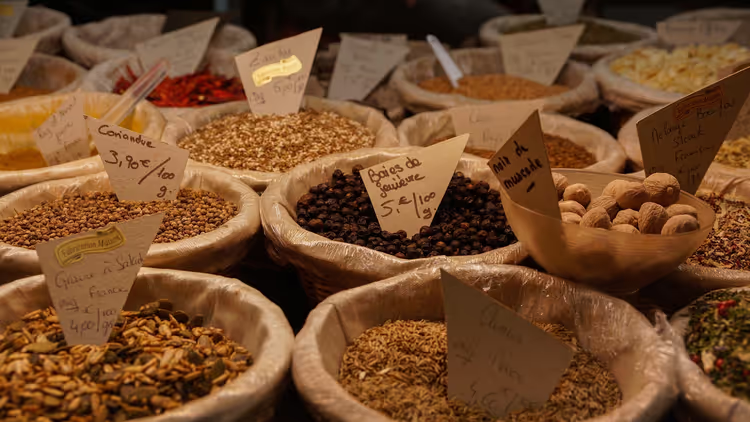
Garlic and onion provide the base of flavor, and salt and herbs finish the dish. Hot sauces like piri piri are served separately, most often with chicken and grilled fish. If you do not like spicy food, ask for the sauce on the side.
The side dish is almost always one of three things: potatoes, rice, or fried potato slices, which they call batatas fritas here. Bread is added to meat and fish, and turning it down is not the done thing.
Cheese in the country is made in the mountains and on the islands. Sheep and goat cheese from the Serra da Estrela region can be dense and very salty, while young cheese from the Azores, called queijo da ilha here, is noticeably milder. For a tasting, get a small plate at a cheese shop in the market.
Vegetables and legumes are in play too. Peas, beans, and cabbage go into soups, while eggplant and peppers are roasted with oil and garlic. At the market, buy seasonal produce: in spring that is green peas, in summer tomatoes, in autumn pumpkin.
Fish and meat arrive in the kitchen fresh, so few spices are used here. Salt, pepper, and a little herb, and the dish is ready. You will appreciate this approach if you are used to bold sauces: the flavor of the ingredient itself comes through without seasonings.
Breakfast in Portugal is also part of the cuisine. In small bars in the morning they serve café and freshly squeezed orange juice, with simple cookies or toast alongside. These places open early, and locals stop in on their way to work. This is convenient for you if you are renting a place without breakfast.
Vegetarians have it easier here than it seems. The menu almost always has gazpacho, a soup of tomatoes, cucumber, and garlic, as well as stewed vegetables and dishes based on feijão, meaning beans. Ask the waiter about the ingredients, and they will put together a plate without meat for you.
Main traditional dishes of Portugal
First, take a look at the summary table, then we will go through the dish groups in more detail. That way you will immediately know what to look for on the menu.
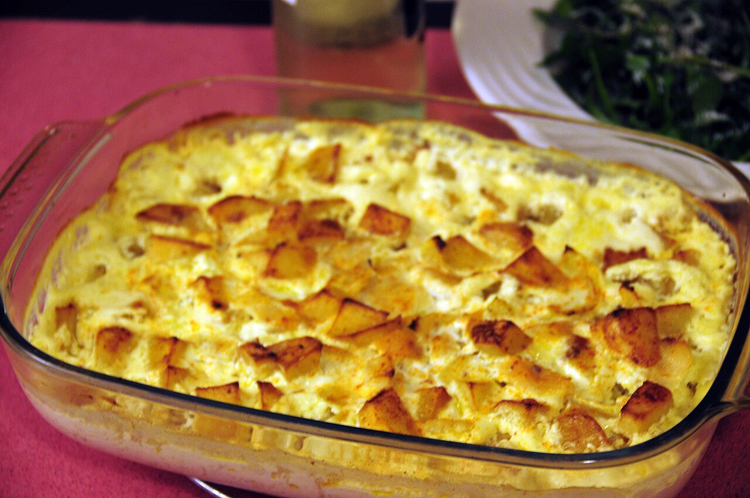
Dish | What it is | Where to find it |
|---|---|---|
Bacalhau à brás | Cod with onions and potatoes | Nationwide |
Francesinha | Sandwich with meat, cheese, and sauce | Porto |
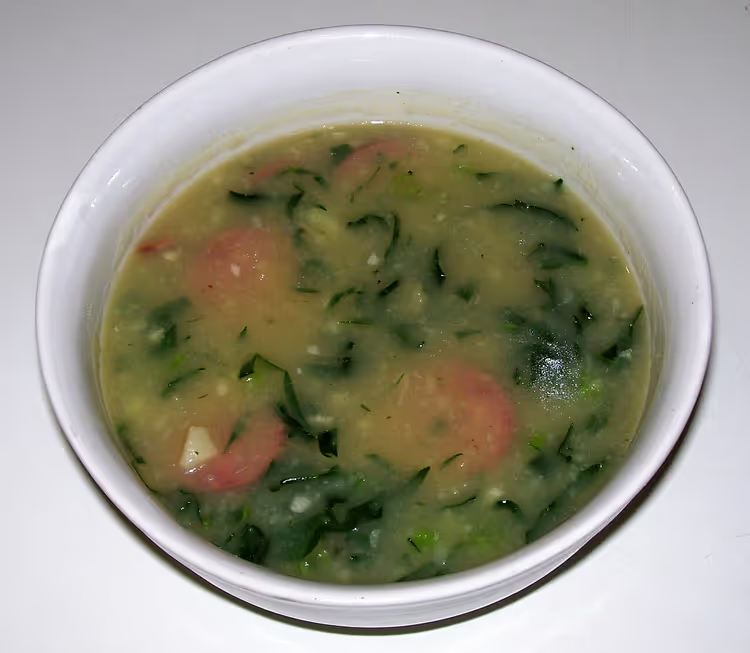
Caldo verde | Cabbage and potato soup | Nationwide |
Cozido à portuguesa | Stewed meat with sausage and vegetables | Mountain regions |
Sardinhas assadas | Grilled sardines | Lisbon and the coast |
Arroz de marisco | Seafood rice | The coast |
Bolo do caco | Flatbread with garlic butter | Madeira |
Pastel de nata | Puff pastry tart | Nationwide |
Arroz doce | Rice pudding with cinnamon | Nationwide |
Chouriço and Alheira de Mirandela: smoked sausages
Smoked sausages are eaten here as a starter and added to soups. Chouriço is seasoned with garlic and paprika, so its flavor is closer to Hungarian sausages. It is sliced and pan-fried.
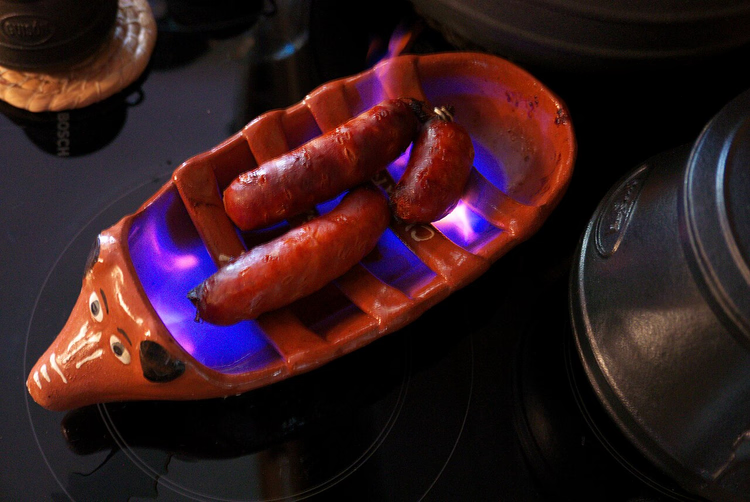 © Gordito1869 · CC BY-SAPhoto: Gordito1869, CC BY-SA (https://creativecommons.org/licenses/by-sa/4.0), Wikimedia Commons
Alheira de Mirandela comes from the town of Mirandela in the north of the country. This sausage made from poultry and bread is sold throughout Portugal, and people buy it at markets and delis. In bars it is served grilled with bread, and one portion is enough for two.
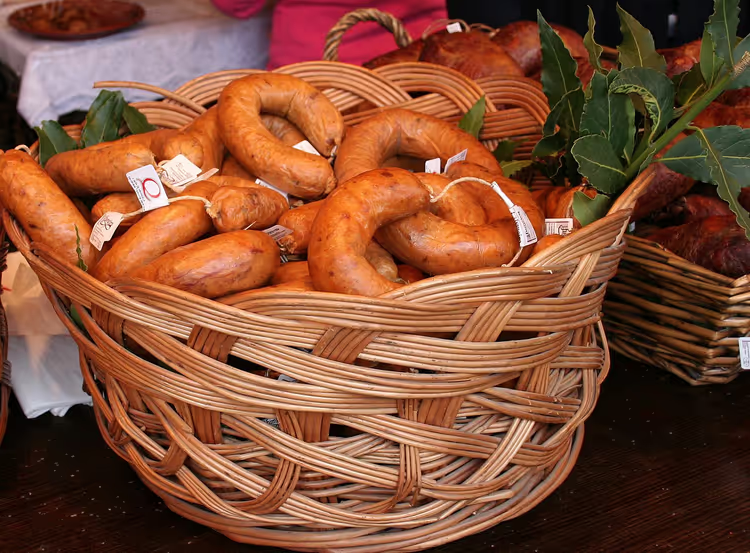 © Lichinga · CC BY-SAPhoto: Lichinga, CC BY-SA (https://creativecommons.org/licenses/by-sa/4.0), Wikimedia Commons
Prato do dia: how to eat for less
If you want to spend less, order the prato do dia. The daily menu usually includes soup, a main course, and dessert, and it costs noticeably less than the evening à la carte.
Bread is brought with almost every dish, just like in Spain. Sometimes it is placed on the table right away, and it is charged separately. Check with the waiter so the bill does not surprise you.
Cozido à portuguesa, Caldo verde, and soups
The Portuguese do not eat soup only at the start of dinner. Caldo verde, made from cabbage and potatoes, often replaces an entire meal, especially in the evening at a bar.
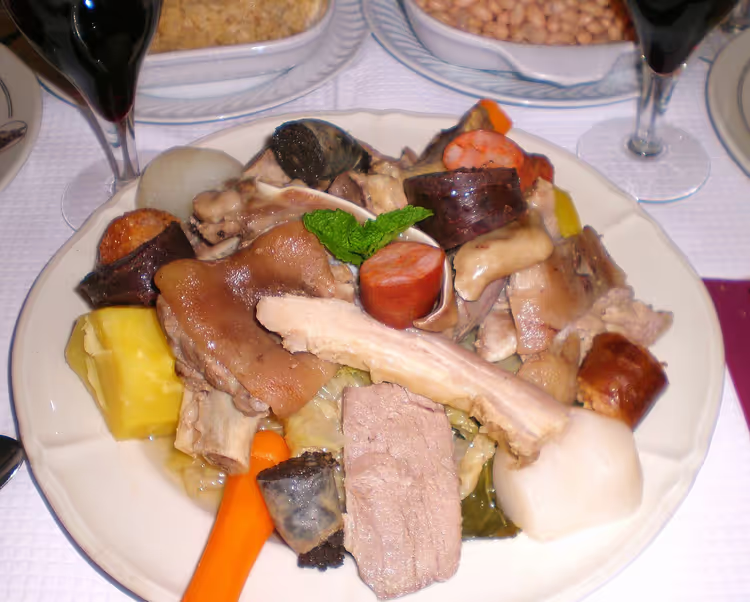 © Uxbona · CC BY-SAPhoto: Uxbona, CC BY-SA (https://creativecommons.org/licenses/by-sa/3.0), Wikimedia Commons
Cozidos are cooked in mountain regions where winters are cold. Meat, sausage, and vegetables are cooked together for a long time until the broth becomes thick. Cozido à portuguesa turns out heavy, so order it for dinner on a cold day, not in the heat.
In hot weather, choose lighter caldos, meaning soups made with vegetable broth. Along the coast, fish soups are served, such as caldeirada de peixe made from several kinds of fish with tomatoes.
The most refreshing option is cold gazpacho made from tomatoes, garlic, and cucumber. It is served the same way as in Spain.
Soup in Portugal can be either a dish on its own or a first course. A portion of caldo verde costs less than a main dish, but it is enough to satisfy your hunger. If you are on a budget, start dinner with soup and order one main dish for two.
 © Mateus Hidalgo · CC BY-SAPhoto: Mateus Hidalgo, CC BY-SA (https://creativecommons.org/licenses/by-sa/2.5/br/deed.en), Wikimedia Commons
Francesinha: the signature dish of Porto
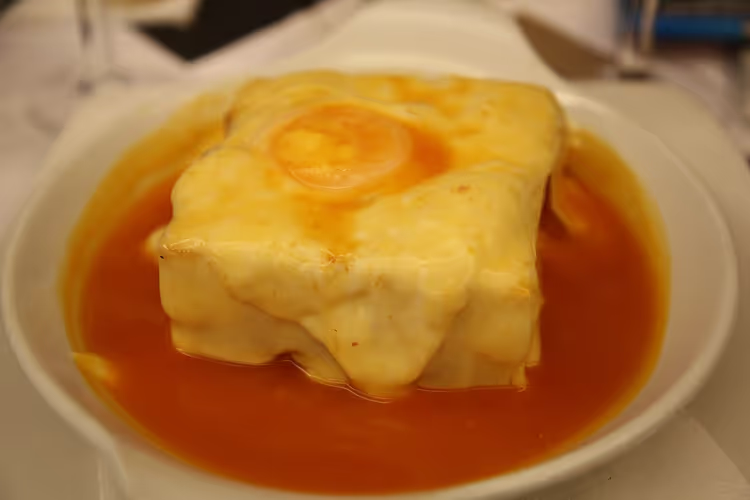
Francesinha looks like a hearty sandwich with ham, sausage, and cheese. It is often topped with an egg and covered in a thick sauce. For the Atlantic cuisine of Porto, the dish is unusual, but it has become the city's calling card.
The sauce is made from beer, tomatoes, and mustard. That is what sets the local version apart from the French croque monsieur. For your first time, order the classic portion and do not add a side dish.
 © Andrey Filippov 安德烈 from Moscow, Russia · CC BYPhoto: Andrey Filippov 安德烈 from Moscow, Russia, CC BY (https://creativecommons.org/licenses/by/2.0), Wikimedia Commons
Bacalhau, Pastéis de bacalhau, and Sardinhas assadas: fish
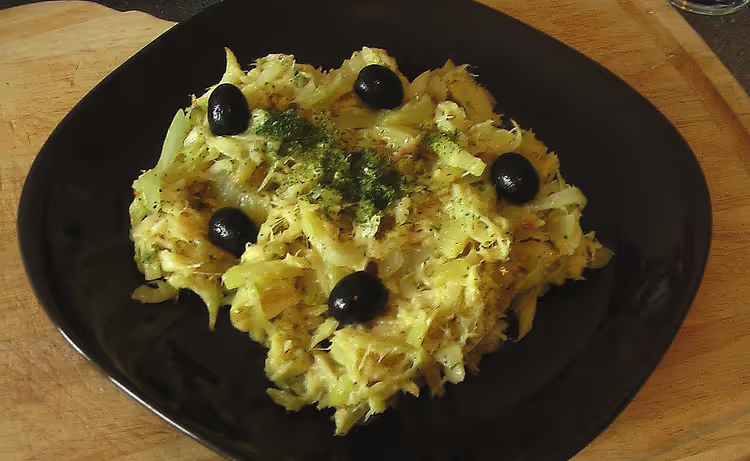
Bacalhau à brás is made from shredded fish with onions and potatoes, and the grilled version of the dish is called bacalhau grelhado. Both options are easy to find in any city.
 © Duarte Briz · CC BY-SAPhoto: Duarte Briz, CC BY-SA (https://creativecommons.org/licenses/by-sa/4.0), Wikimedia Commons
A popular starter is pastéis de bacalhau, cod fritters. In appearance and texture they resemble croquettes, and inside they have soft potato with fish. Order them warm, when the flavor fully opens up.
 © Fpenteado at en.wikipedia · CC BY-SAPhoto: Fpenteado at en.wikipedia, CC BY-SA (https://creativecommons.org/licenses/by-sa/3.0), Wikimedia Commons
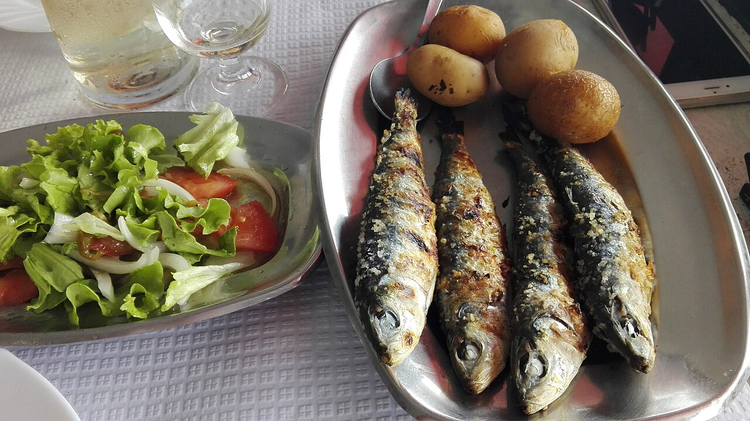
Sardines are grilled and served with potatoes and lemon. In Lisbon they are cooked over coals right on the street, especially during the June festivals. Order sardinhas assadas in the evening, when the fish is fresh off the grill.
The islands have their own cuisine. On Madeira and the Azores, fish is cooked with local fruits and herbs, and in a single dish you will taste something that does not exist on the mainland. Ask the waiter what came in from the market that morning, and order exactly that.
Arroz de marisco, amêijoas à Bulhão Pato, and polvo: seafood
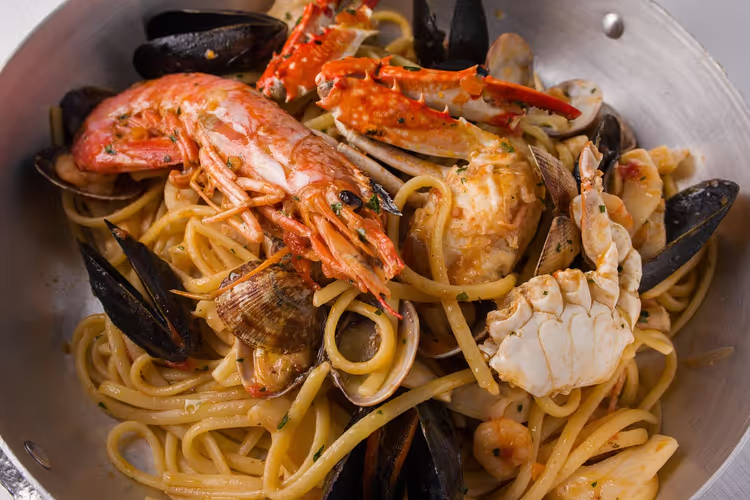
Octopus is ordered often in Portugal. It is prepared as a cold salad with olive oil and garlic, and it is also fried and baked. If the tentacles put you off, start with clams.
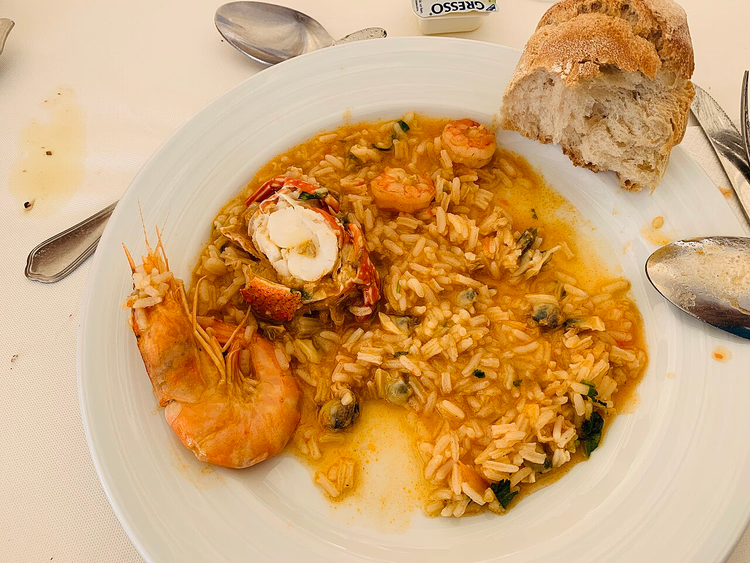 © Ray Swi-hymn · CC BY-SAPhoto: Ray Swi-hymn, CC BY-SA (https://creativecommons.org/licenses/by-sa/2.0), Wikimedia Commons
Amêijoas à Bulhão Pato is clams in a sauce of lemon, garlic, olive oil, and white wine. The portion is served with bread so you can soak up the sauce from the bottom of the plate.
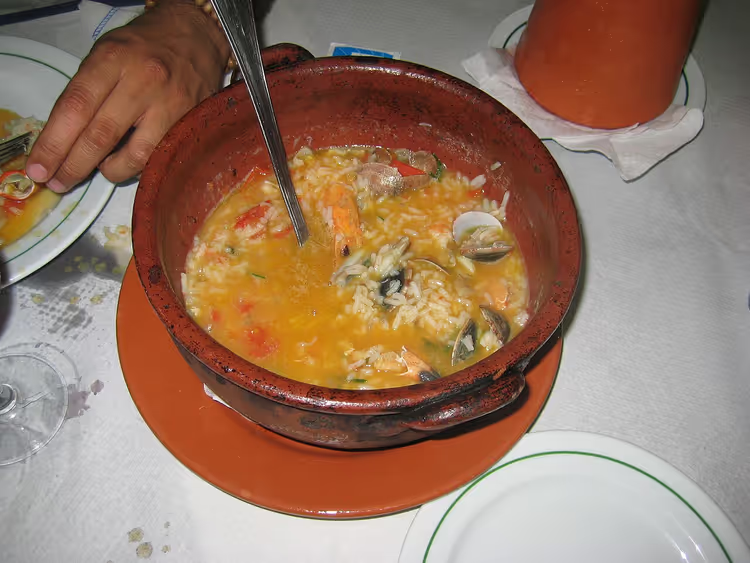 © Cayetano Delgado · CC BY-SAPhoto: Cayetano Delgado, CC BY-SA (https://creativecommons.org/licenses/by-sa/2.0), Wikimedia Commons
Arroz de marisco is rice with seafood and the easiest way to try several kinds at once. In the arroz de pato version, duck and pork are used instead of seafood.
Bolo do caco from Madeira
Bolo do caco is a round flatbread from Madeira. The dough is made with sweet potato flour, so the inside is soft and slightly sweet.
The bread is served warm with garlic butter. You can also add a filling of cheese or chouriço, which makes it a full street snack. On Madeira it is most often eaten after a walk along the mountain trails, which is how the dish became a local snack.
 © Ana Cake Design · CC BY-SAPhoto: Ana Cake Design, CC BY-SA (https://creativecommons.org/licenses/by-sa/4.0), Wikimedia Commons
Churrasco and tapioca: colonial influence
The country's cuisine grew from more than just the sea. Lisbon and Porto are home to large Brazilian and Angolan communities, so dishes from Africa and Brazil appear on menus.
Brazilian churrasco is a grill of different kinds of meat, and a portion is sized for a hungry person. Tapioca, a flatbread made from cassava, is served in Lisbon cafes. African dishes stand out for products that are unusual for Europe, such as fried plantains.
Look for these places in neighborhoods where the community lives, not in the city center. Portions are bigger there and prices are lower than on tourist streets. In Lisbon you can easily find a Brazilian cafe and African cuisine in the same block.
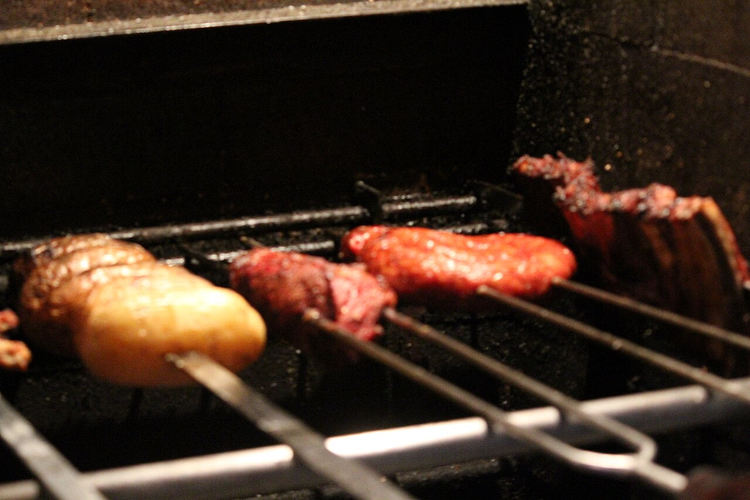 © Lucas Pescador Barcelos · CC BY-SAPhoto: Lucas Pescador Barcelos, CC BY-SA (https://creativecommons.org/licenses/by-sa/4.0), Wikimedia Commons
Petiscos instead of tapas
Spanish tapas are called petiscos in Portugal. These are small snacks to go with beer or a glass of wine: cheese, olives, sausage, potatoes, shellfish, and bread with sauces.
Unlike many regions of Spain, they are rarely brought free with a drink. Each plate is ordered separately, so the bill grows quickly. Treat petiscos as a full dinner if you want to try a lot at once.
The order is this: first you take two plates and a drink, then you add more if you want. That way you won't overpay and you'll try more. Olives and bread usually cost less than cheese and shellfish, so start with those.
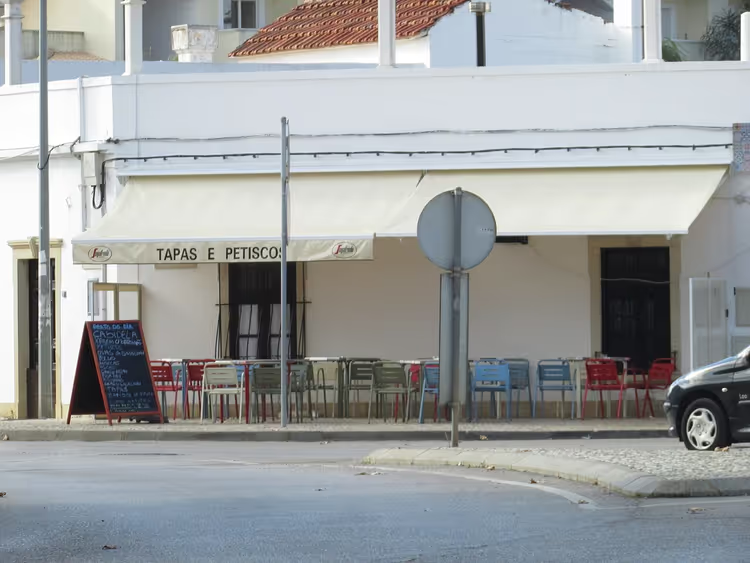 © Kolforn ( Kolforn ) I'd appreciate if you could mail me (Kolforn@gmail.com) if you want to use this picture out of the W · CC BY-SAPhoto: Kolforn ( Kolforn ) I'd appreciate if you could mail me (Kolforn@gmail.com) if you want to use this picture out of the W, CC BY-SA (https://creativecommons.org/licenses/by-sa/4.0), Wikimedia Commons
Sweet desserts of Portuguese cuisine
Sweets in Portugal deserve a separate conversation. Many desserts are built on egg yolk and sugar, so the flavor comes out dense and rich.

Pastel de nata and Pastéis de Belém
 © Paul Arps from The Netherlands · CC BYPhoto: Paul Arps from The Netherlands, CC BY (https://creativecommons.org/licenses/by/2.0), Wikimedia Commons
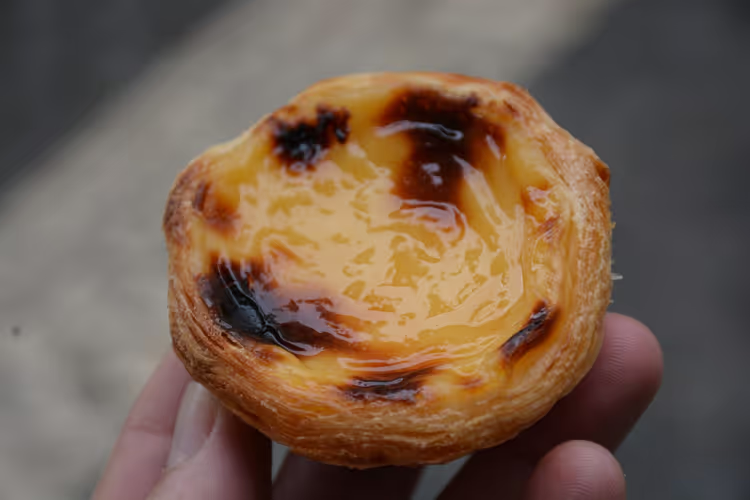
Pastel de nata are small baskets of puff pastry with custard. Eat them only fresh, otherwise the pastry loses its crunch. In the morning they are taken with coffee, in the evening as a dessert after dinner.
The original recipe is kept at the Pastéis de Belém pastry shop in Lisbon. Pastries have been baked there according to a recipe from the Jerónimos Monastery since 1837 (as of 09/2026, official website). Near the capital they are called pastel de Belém, and in the rest of the country pastel de nata.
Another yolk-based dessert is ovos moles from the city of Aveiro. It is a thin wafer in the shape of a shell with a very sweet egg filling. They are served in small tins and trays, so sets are easy to take home.
In bakeries you will also find dozens of other sweets. The selection depends on the city and the season, so it is better to look at the display case with your eyes rather than read the menu. Ask the seller what was baked this morning and take exactly that.
Arroz doce: rice pudding
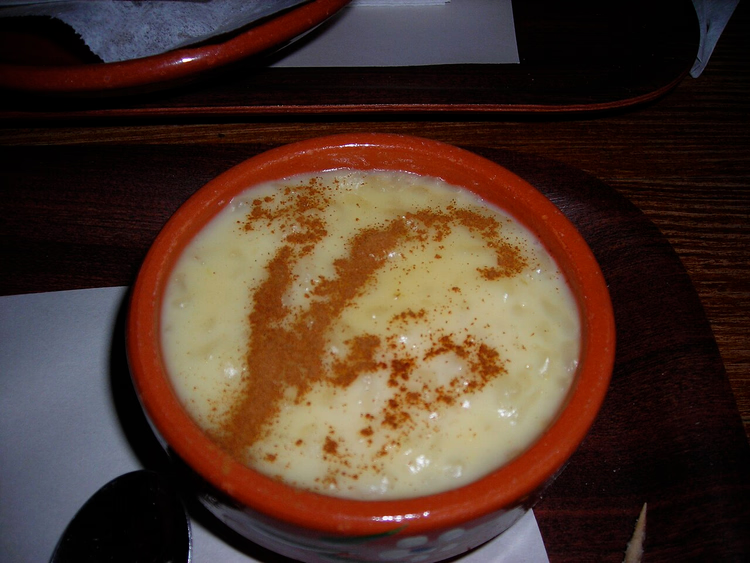
In Portugal, rice with milk is eaten only as a dessert, not as a main dish. Arroz doce is cooked with lemon peel and sprinkled with cinnamon.
 © Therese C · CC BYPhoto: Therese C, CC BY (https://creativecommons.org/licenses/by/2.0), Wikimedia Commons
The portion is small but sweet. After a heavy dinner you can easily split it between two people.
Exotic fruits of Madeira
At the markets of Funchal they sell fruits that don't exist on the mainland. Banana with passion fruit and banana with pineapple give a flavor you have probably never tried before.
 © Dietmar Rabich · CC BY-SAPhoto: Dietmar Rabich, CC BY-SA (https://creativecommons.org/licenses/by-sa/4.0), Wikimedia Commons
Fruit on the island ripens all year round, so the selection changes by month. On the mainland, instead of exotics, take oranges from the Algarve; in winter they are sweeter than imported ones.
What drinks go well with Portuguese food
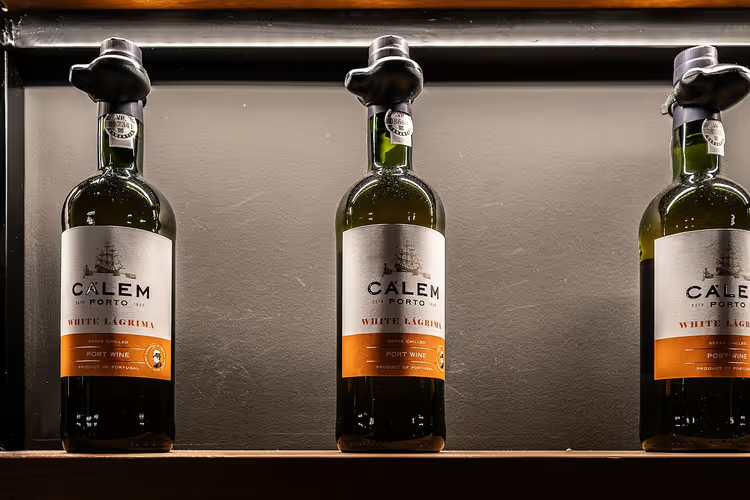
Port wine is familiar to everyone, but it is rarely drunk with dinner. The fortified wine from the Douro Valley is served with dessert because it is sweet and strong.
 © Michael Gaylard from Horsham, UK · CC BYPhoto: Michael Gaylard from Horsham, UK, CC BY (https://creativecommons.org/licenses/by/4.0), Wikimedia Commons
Drink | What it is | Distinctive feature |
|---|---|---|
Vinho do Porto | Fortified wine from the Douro Valley | 19-22% alcohol (as of 09/2026, Wines of Portugal website) |
Vinho de Madeira | Fortified wine from Madeira | Slightly sweet, similar to sherry |
Poncha | Cocktail from Madeira | Cane rum, lemon and honey |
Café | Strong espresso | Ordered after a meal |
Portugal is considered a classic wine country. It has more than 250 indigenous grape varieties.
Coffee in Portugal is brewed strong, and it is inexpensive.
On Madeira, try poncha, a cocktail made from cane rum, lemon and honey. The drink is strong, so in tourist areas it is diluted more, while in villages it is served almost without water.
Wine with food is local. The estates are small, so only some of the varieties make it to Germany. In Lisbon you will taste wine you cannot find at home. Order a glass with fish, and save red wine for meat in the mountains.
⁉️🤔 Frequently asked questions
What is bacalhau and why is it so loved?
Bacalhau is dried and salted cod. In Portugal it is soaked and then prepared in dozens of ways: with potatoes and onions, grilled, in pastries. Start with bacalhau à brás to understand the basic flavor.
What to try in Portugal for the first time?
Pick three dishes from different groups: bacalhau à brás, francesinha in Porto and a fresh pastel de nata with coffee. Save sardines for a summer evening. That way you cover fish, meat and dessert without overpaying at a restaurant on a tourist square. Later you can come back to cozido and seafood.
Is there food for vegetarians in Portugal?
Yes, although the menu is built around fish and meat. Gazpacho, stewed vegetables, feijão bean dishes and cheese from the Serra da Estrela mountains will work for you. The cabbage soup caldo verde is made with potato broth, but sometimes sausage is added. Check the ingredients with the waiter, and you will find options.
What are petiscos and how do they differ from tapas?
Petiscos are considered the Portuguese version of tapas. The main difference is in payment: they are almost never given free with a drink.
What desserts should I try besides pastel de nata?
Look for ovos moles from the city of Aveiro, a thin wafer with an egg filling. At home, order arroz doce, rice pudding with lemon and cinnamon. On Madeira, get banana with passion fruit and pineapple, combinations you will not find on the mainland. The portions are sweet, so one is easy to split between two people.
What should I drink with dinner in Portugal?
With food, people usually choose dry wine from the Douro or green vinho verde, while port wine is saved for dessert. Port is stronger than regular wine, so a couple of glasses is already noticeable. On Madeira, try poncha. In hot weather, chilled white wine works well.
In short: what to try in Portugal
Portugal feeds you simply and generously, and the best dishes often cost less than in neighboring countries. Start with the daily menu prato do dia: that way you try several dishes at once and quickly get a feel for the cuisine.
- If you love fish: order bacalhau à brás and grilled sardines.
- If you prefer meat: order francesinha in Porto or cozido in the mountains.
- If you want dessert: look for fresh pastel de nata and ovos moles from Aveiro.
- If you are on Madeira: try bolo do caco with garlic and poncha.
Order fish at family restaurants away from tourist squares, where you will find the same flavor at daily menu prices.

A small editorial team writing guides for independent travel. We travel ourselves, but we haven’t been everywhere, so we check prices, opening hours and how to get there against official sources.