
















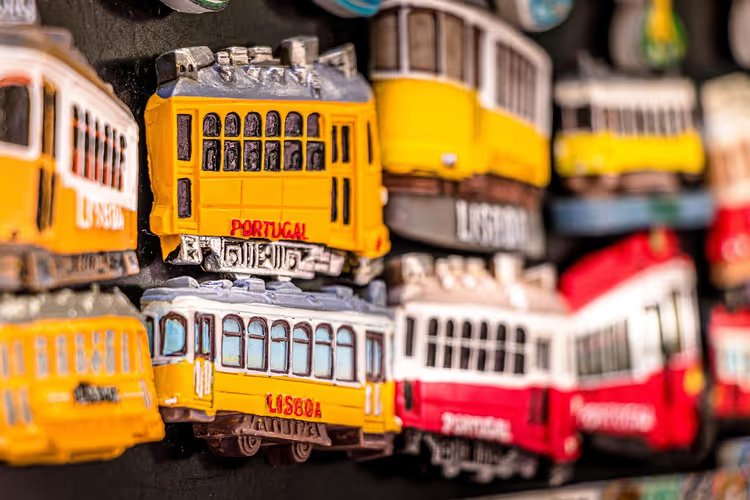
What to bring from Portugal: 20 gifts that will make it home
A souvenir from Portugal easily turns into a dusty fridge magnet. We put together twenty ideas that will survive the trip home and remind you of your travels. Think about craftsmanship, taste, and suitcase weight, because you're the one carrying it all back.
Portuguese cork accounts for about half of the global market (as of 2026, APCOR). Below are twenty items with store addresses and honest catches.
💡 In short:
- Shop by category: ceramics, cork, food, and soap fit almost any budget.
- Store addresses: 09/2026, verified on official brand websites.
Ad: this article contains affiliate links, we earn a commission if you book through them, at no extra cost to you.
Souvenir | Who it's for | Price level |
|---|---|---|
Barcelos rooster | collectors | low |
Cork products | everyone without exception | low |
Port wine | dessert wine lovers | medium |
Jewelry | those looking for a lasting gift | high |
Soap | for a practical gift | low |
1. Barcelos rooster
 © Jules Verne Times Two · CC BY-SAPhoto: Jules Verne Times Two, CC BY-SA (https://creativecommons.org/licenses/by-sa/4.0), Wikimedia Commons
The Barcelos rooster (Galo de Barcelos) is considered the country's main souvenir. Legend ties it to a pilgrim who was accused of theft in the town of Barcelos. The judge was already preparing the execution, but the roasted rooster on the table stood up and crowed, and since then the bird has symbolized justice, while Barcelos holds the title of its birthplace.
You'll find ceramic, glass, and cork roosters in any shop. The price depends on size and painting, so compare several stores before paying. Shops also carry plush toys, magnets, postcards, plates, mugs, potholders, and kitchen towels with the rooster. For a gift, one small rooster is enough, while a large ceramic piece is harder to get home: ask the seller to wrap it in bubble wrap.
- Who it's for: collectors and families with kids.
- Where to look: shops in Lisbon, Porto, and Barcelos.
- The catch: large ceramics break in transit.
2. Azulejos
 © Dr. Thomas Liptak · CC BY-SAPhoto: Dr. Thomas Liptak, CC BY-SA (https://creativecommons.org/licenses/by-sa/4.0), Wikimedia Commons
Azulejos are painted ceramic tiles. The Portuguese use them to cover facades, train stations, and interiors. The blue-and-white palette has become a signature of the local style, so the tiles are recognizable at first glance.
You'll find rare tiles at Lisbon flea markets. Tiles come in square and rectangular shapes, and each one is hand-painted in a white-and-blue palette. Azulejo motifs are reproduced on boxes, bags, kitchen accessories, and magnets, and those items cost in the double digits. For painted boxes, check out the Lisbon area, Queluz Palace, and Pena Palace in Sintra. A single tile weighs quite a bit, so don't take more than two for your suitcase.
- Who it's for: lovers of crafts and decor.
- Where to look: flea markets, souvenir shops, palace stores.
- The catch: ceramics are heavy and fragile.
3. Ceramic products
 © Pedro Ribeiro Simões from Lisboa, Portugal · CC BYPhoto: Pedro Ribeiro Simões from Lisboa, Portugal, CC BY (https://creativecommons.org/licenses/by/2.0), Wikimedia Commons
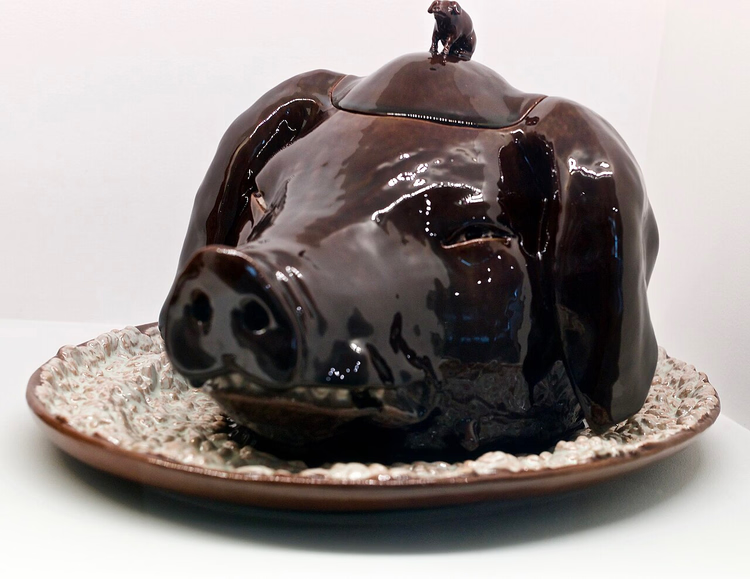
Ceramics rank among the country's main national crafts. Shelves hold soup tureens shaped like cabbage heads, fish-shaped pitchers, leaf platters, and sardine-shaped plates. Next to them sits simpler tableware: salad bowls with molded details, pumpkin-shaped pots, and unusually shaped mugs. All of this tableware is handmade, mostly in Caldas da Rainha.
The price depends on size and painting, so decide on your budget first. Medium-sized plates cost in the low double digits, soup tureens are pricier, and artisan pieces go for hundreds of euros. Check exact amounts with the seller, since they change from year to year. The tableware is fragile, so ask for bubble wrap. Look for handmade ceramics in shops near the Mercado de Santa Clara flea market in Lisbon.
- Who it's for: those who love setting the table.
- The catch: fragile, won't survive the trip without packaging.
4. Cork products
 © L'Éclipse · CC BYPhoto: L'Éclipse, CC BY (https://creativecommons.org/licenses/by/4.0), Wikimedia Commons
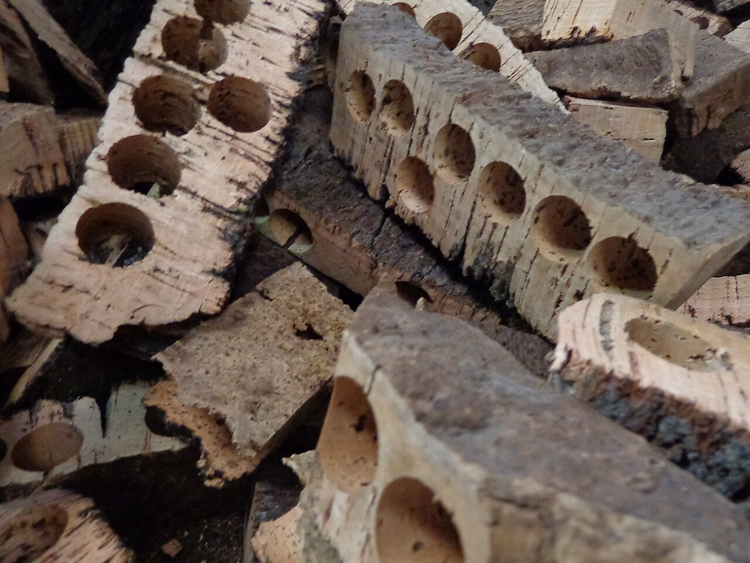
Cork has long been a Portuguese specialty: the country ranks first in its production. Lightweight bags, hats, phone cases, eyeglass cases, and card holders sit in every souvenir shop. Cork is even used to make umbrellas, furniture, and evening dresses, so the selection is wider than it seems.
Cork is beautiful and hypoallergenic, and items made from it weigh almost nothing. For a large selection, visit the specialized Pelcor and Cork & Co stores in Lisbon: they'll show you the full range. Accessories start at a few euros, while artisan wallets and clutches go into the upper double digits. Pick up a cork hat: it folds and handles travel well.
- Who it's for: those looking for a lightweight gift.
- Where to look: Pelcor and Cork & Co in Lisbon.
5. Leather goods
 © Sanrafae · CC BYPhoto: Sanrafae, CC BY (https://creativecommons.org/licenses/by/4.0), Wikimedia Commons
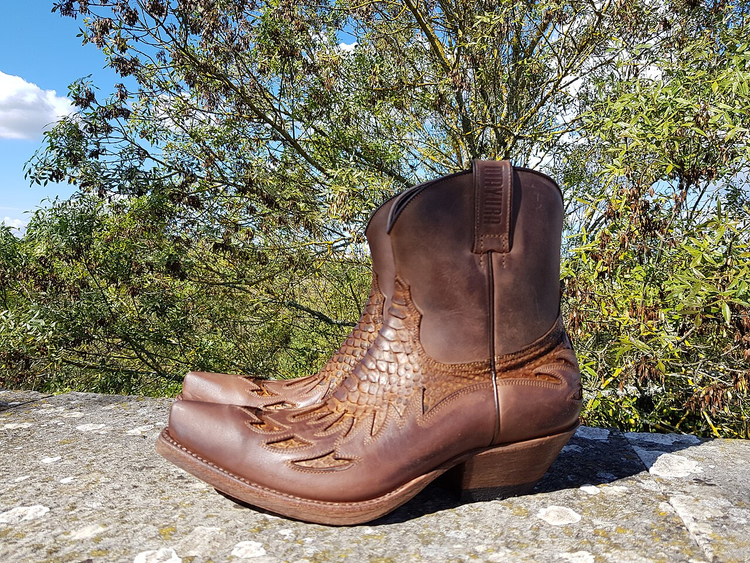
Leather goods have long been a local brand. Tourists most often buy shoes, and factories and brand stores are concentrated in Porto. Most sewing workshops operate right in the city's urban districts. They also sell handmade bags, wallets, belts, and gloves.
Local brands Guimarães and Seaside are a good fit: they offer solid quality for reasonable money. For an exclusive pair, look at the Eureka brand, where shoes are hand-sewn and the price is noticeably higher than mass-produced ones. When buying shoes, match them with a belt or card holder right away. For an expensive pair, keep the receipt: it makes it easier to assert your rights if there's a defect.
- Who it's for: those willing to pay extra for quality.
- Where to look: brand stores in Porto.
- The catch: Eureka shoes cost noticeably more than mass-produced ones.
6. Jewelry
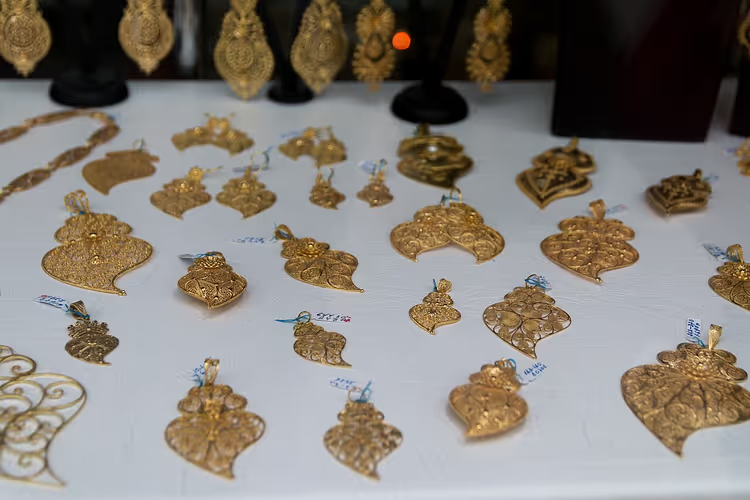 © Daniel VILLAFRUELA . · CC BY-SAPhoto: Daniel VILLAFRUELA ., CC BY-SA (https://creativecommons.org/licenses/by-sa/3.0), Wikimedia Commons
Portuguese jewelers work in the filigree technique. They weave delicate earrings, brooches, and pendants from fine gold and silver threads. In addition to gold, artisans also make fine lace-like silver necklaces. The traditional motif is called Coração de Viana (the heart of Viana): a lace-like heart with a flower amid flames.
You can find jewelry in every joalharia shop. The price depends on the metal and weight, so ask to see the hallmark. Portuguese gold is valued for its high purity, and it's worth checking right in the store. Go for a pair of earrings or a light pendant: they weigh almost nothing, so you won't have to pay extra for excess weight.
- Who it's for: those looking for a lasting gift.
- The catch: the price rises with the weight of the metal.
7. Sports accessories
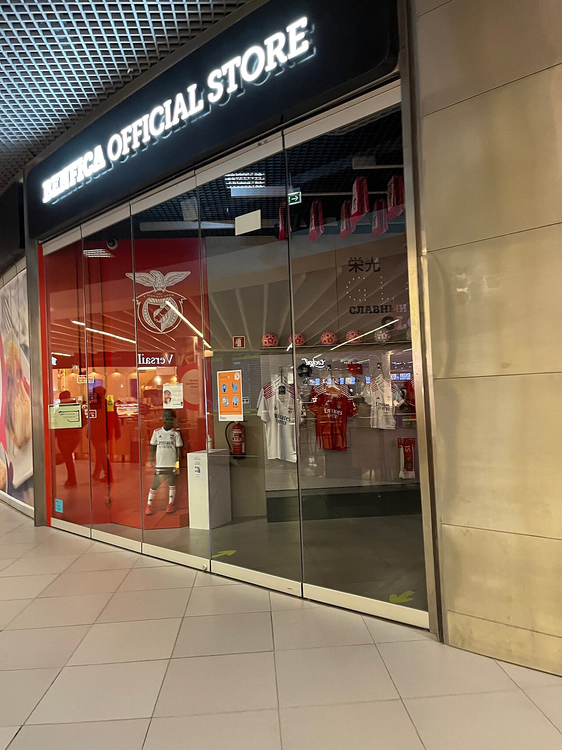
Portugal lives and breathes football, so most sports souvenirs are tied to the ball. Jerseys, scarves, caps, and mugs in Benfica and Porto colors are sold near stadiums and in fan shops. Portraits of Cristiano Ronaldo are printed on posters and T-shirts.
In any city you'll find a shop with club merchandise. They sell balls, flags, watches, and mugs with the team emblem. The official Benfica store in Lisbon even sells champagne and candy in the team colors. A gift like this will delight a fan of any age. Go for a scarf or a cap: they take up little space and won't break.
- Who it's for: football fans.
- Where to look: fan shops near stadiums and in the city center.
8. Clothing
Portuguese clothing brands have long since entered the global market. Women's designs by the Lanidor brand are sold in LA Woman boutiques, and there's also the Ana Sousa label. Men's clothing can be found at Giovanni Galli: suits, club blazers, pullovers, and shirts.
T-shirts with the country's tourist symbols make an original gift. They feature the Lisbon tram and the Belém Tower. Many items are made in small batches, so you may have to search for an uncommon size. The fabrics here are high quality, and the sizes are mostly European. Choose something in your size and check the fabric content label, because some models require delicate washing.
- Who it's for: those who follow fashion.
- Where to look: LA Woman boutiques and brand stores.
9. Wine
 © Joana Martins · CC BY-SAPhoto: Joana Martins, CC BY-SA (https://creativecommons.org/licenses/by-sa/4.0), Wikimedia Commons
Portuguese wines are made in the Douro Valley, Alentejo, and near Setúbal. Tourists like young green wines (vinho verde): they are light, with a gentle fizz and an apple or citrus flavor. Besides green wines, Alentejo produces full-bodied red wines. Standout brands include Verde Branco, Gazela, and Quinta de Azevedo.
The Alvarinho variety produces a fuller wine and costs more than the entry-level lines, so for a gift you can go with a basic brand. Look for the DOC designation on the label: it indicates controlled origin and quality. A bottle is best checked in your luggage, because glass weighs it down. Green wine is sold in wine cellars, specialty shops, and supermarkets like Lidl, Mini Preço, and Continente.
- Who it's for: people who drink white and light wines.
- The catch: glass is heavy and can break.
10. Port wine
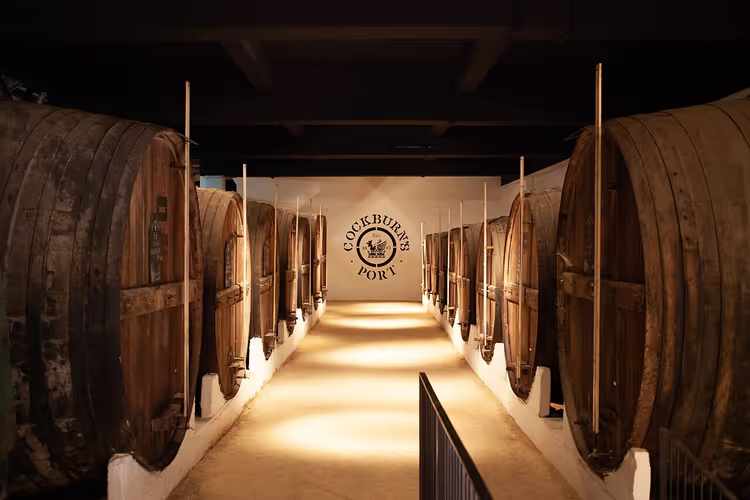 © Tom Page from London, UK · CC BY-SAPhoto: Tom Page from London, UK, CC BY-SA (https://creativecommons.org/licenses/by-sa/2.0), Wikimedia Commons
Port wine (Vinho do Porto) is a fortified wine from the Douro Valley. It is considered the country's calling card. The wine is made from Douro Valley grapes and aged in oak barrels. Stores carry collectible, dessert, and young labels of varying strength and age. Ruby and Tawny offer different flavors: the first is young and fruity, the second is aged and nutty.
Entry-level labels from Taylor's, Graham's, and Dow's are inexpensive, and one bottle is enough for a gift. An aged Tawny with ten years in the barrel is noticeably more expensive. For a gift, a tasting set of several small bottles in a wooden box is a convenient choice. The largest wine cellar, Sandeman, operates in Porto (as of 09/2026, official website), and you can taste the wine there before buying.
- Who it's for: dessert wine lovers.
- The catch: higher alcohol content than regular wine.
11. Madeira
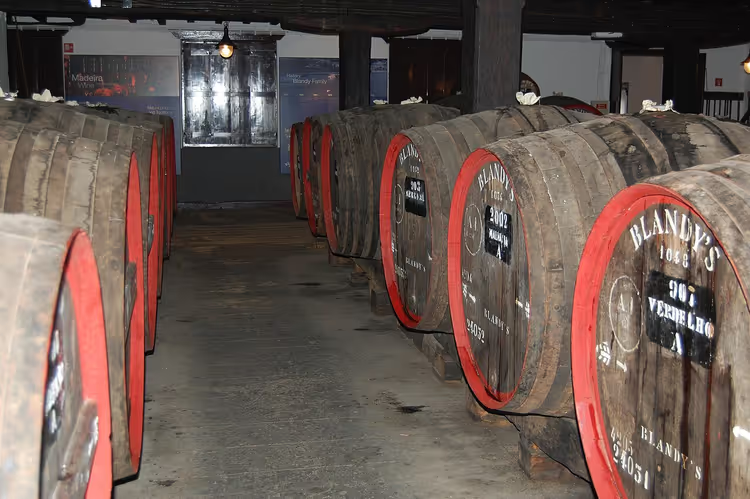 © Mark Woodbury · CC BYPhoto: Mark Woodbury, CC BY (https://creativecommons.org/licenses/by/2.0), Wikimedia Commons
Madeira is produced on the island of the same name from four "noble" grape varieties. The wine comes in white, rosé, red, dry, and sweet styles. The production method gives it a caramel flavor with a smoky note, and the grape variety gives the bottle its name.
Categories depend on aging: finest, reserve, special reserve, and extra reserve. The longer the wine matures, the higher the price. Sweet versions are served as a dessert wine, while dry ones pair with meat and cheese. You'll also find Solera blends from multiple vintages and the lighter Rainwater made from Tinto Negro grapes. Buy a bottle with five years of aging: it already shows character, and you won't have to overpay.
- Who it's for: people who like full-bodied wines.
- The catch: stronger than regular wine.
12. Liqueur
 © Gerd Eichmann · CC BY-SAPhoto: Gerd Eichmann, CC BY-SA (https://creativecommons.org/licenses/by-sa/4.0), Wikimedia Commons
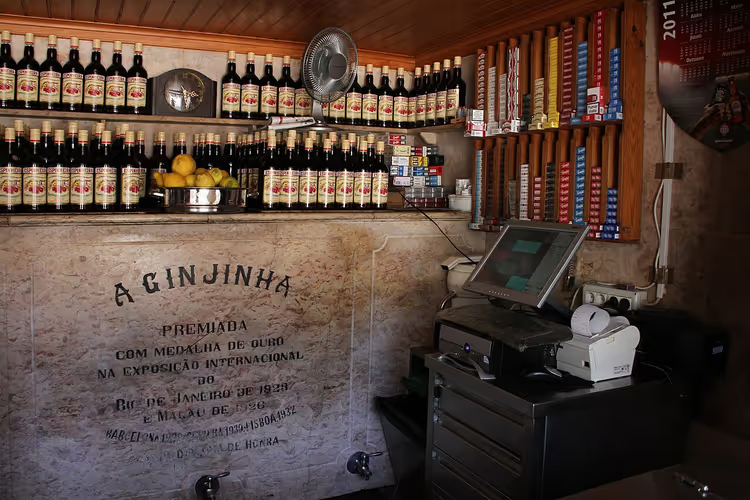
Those with a sweet tooth bring back Ginjinha, a cherry liqueur, from Portugal. It is infused in brandy with sugar, and cherries with pits are added. It is sold in bottles of various sizes and in gift sets with a chocolate cup. A gift starts at a few euros.
At the Lisbon market, a shot of Ginjinha costs very little, so try it before you buy. The second local liqueur, Beirão, is made with herbs, cinnamon, lavender, and eucalyptus. The recipe is over two hundred years old and is kept secret. Drink it over ice, without mixers, or use it in cooking. A bottle is easy to pack in checked luggage: the glass is small and sturdy, and you'll have enough room.
- Who it's for: lovers of sweet drinks.
- The catch: the cherry liqueur is very sweet.
13. Bacalhau
 © Mikkel Houmøller · CC BY-SAPhoto: Mikkel Houmøller, CC BY-SA (https://creativecommons.org/licenses/by-sa/4.0), Wikimedia Commons
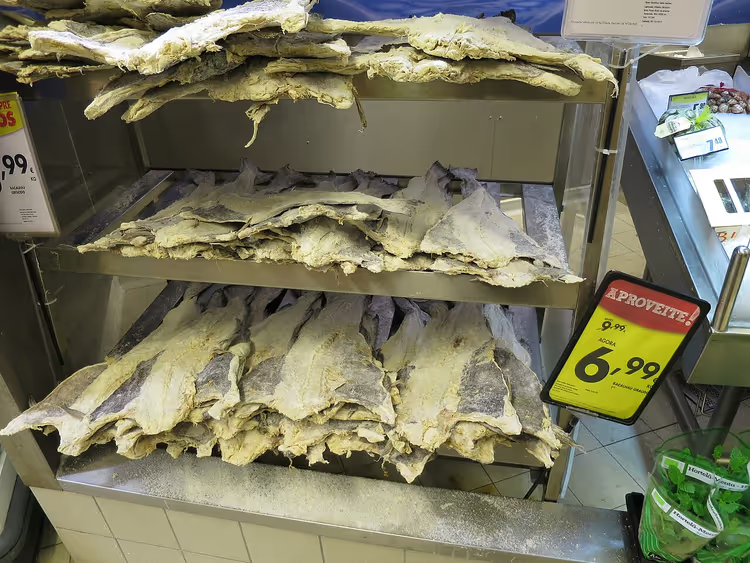
Bacalhau is dried salted cod and the most unusual edible souvenir. Fresh cod is rarely caught off the coast of Portugal: the fish is brought from Norway and processed at local facilities using a special recipe. In stores you'll see whole fish shaped like a kite.
On request, the seller will cut the fish on a special machine. The pieces near the backbone are called lombos, and the rest are called postas. A whole fish is easier to order already cut into portions. Bacalhau has a strong smell, and that's worth keeping in mind when transporting it. The Portuguese cook many dishes with it and serve it with green wine. Buy vacuum-sealed cut pieces: they're easier to carry and store.
- Who it's for: people who cook at home.
- The catch: strong smell and heavy packaging.
14. Olives and olive oil
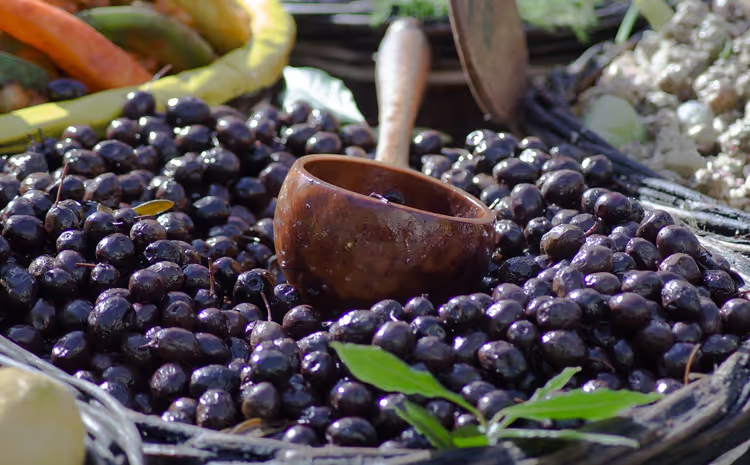
Olive oil and olives are almost a cult here: they're added to a huge number of dishes. Olive groves cover the Douro Valley, where several dozen varieties grow. Each variety produces oil with its own flavor, often cheaper than Italian and Spanish equivalents. Besides oil, buy ripe olives at the markets: they're served with wine and cheese.
Locals buy brands like Oliveira de Serra, Gallo, and Dom Borba. Look for the words Extra Virgin or Virgem Extra on the bottle: this oil is cold-pressed. The price of a bottle depends on the brand and variety, so check the volume and bottling date. For taking home, buy oil in tin containers: they protect the flavor and almost never break. Heavy cans are best checked in your luggage.
- Who it's for: people who cook.
- The catch: glass and tin weigh a lot.
15. Coffee
 © Susanne Nilsson · CC BY-SAPhoto: Susanne Nilsson, CC BY-SA (https://creativecommons.org/licenses/by-sa/2.0), Wikimedia Commons
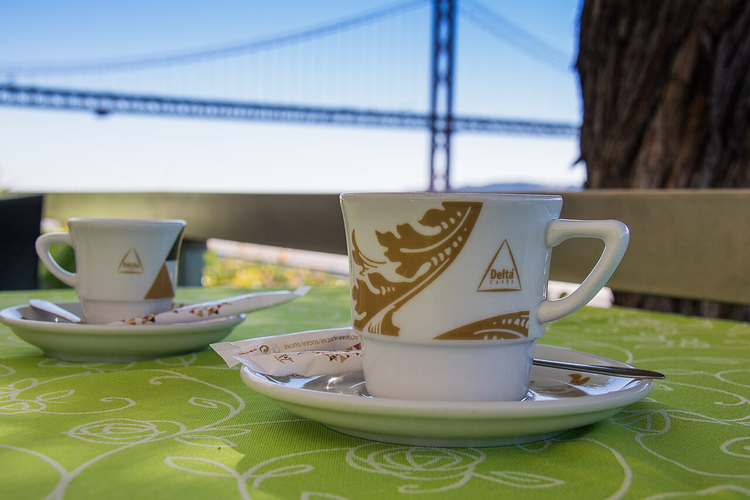
The Portuguese drink coffee more often than many Europeans, so there's no shortage of varieties here. Supermarkets carry brands like Nicola, Sical, Camelo, and Biondi, and the coffee is dark-roasted, so the drink comes out strong.
For fresh beans, stop by the Carioca shop in Lisbon: you'll find only coffee there, ground and whole bean. A pack costs a few euros, and a high price doesn't always mean better flavor. As a gift to go with coffee, people buy a cezve or a coffee grinder. First try the drink at a café and ask the waiter which brand it is.
- Who it's for: coffee lovers.
- The catch: the dark roast isn't for everyone.
16. Cheese
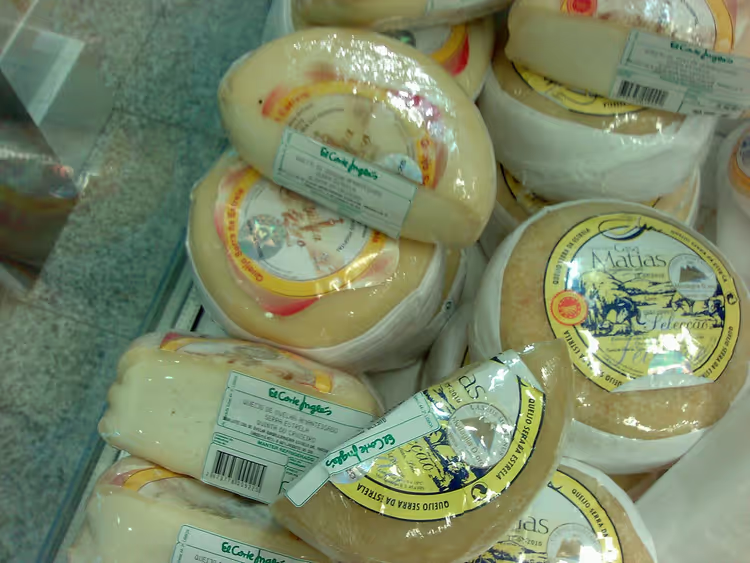
Portuguese cheeses are made from sheep's, goat's, and cow's milk. Order a cheese board at the market and note what you liked. Queijo Serra da Estrela is called the most famous variety: it's a sheep's milk cheese with a runny center and a firm rind, and you should try it first.
Queijo do Pico and Queijo de São Jorge are made from cow's milk; the latter matures in volcanic caves. Goat's milk Queijo de Cabra Transmontano, tangy Curado, and blended Mistura also deserve a spot in your suitcase. Cheeses with the D.O.P. mark cost more: it certifies the region and the recipe. Buy vacuum-sealed packaging, otherwise the smell will spread through your belongings.
- Who it's for: foodies.
- The catch: soft cheeses won't survive a long trip.
17. Sweets
 © Paul Arps from The Netherlands · CC BYPhoto: Paul Arps from The Netherlands, CC BY (https://creativecommons.org/licenses/by/2.0), Wikimedia Commons
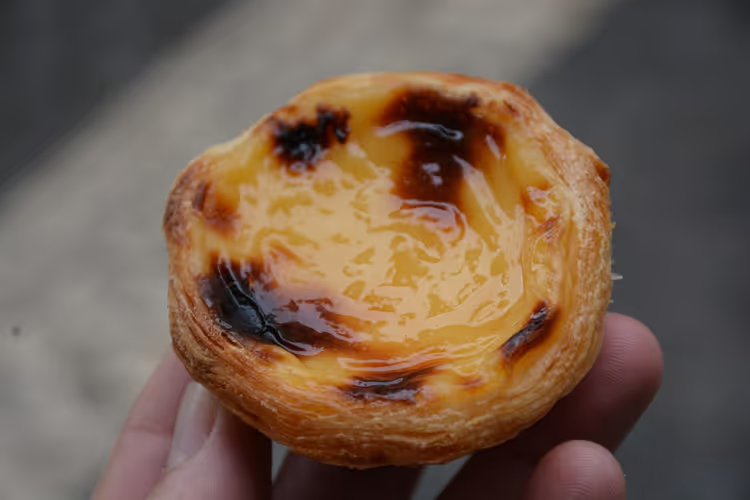
The country's signature dessert is pastel de nata, a puff pastry tart with custard. In tourist areas, gift packaging costs more than away from the center. The most famous ones are baked at Pastéis de Belém, a pastry shop that has been operating since 1837 (as of 09/2026, pastry shop page).
Pastel de nata doesn't keep long, so you should buy them on the day you leave. Another gift for those with a sweet tooth: ovos moles, shell-shaped cookies filled with egg yolks and sugar. Nearby they sell fruit marmalade, nuts, and jam made from exotic fruits. Buy sealed boxes so the sweets arrive intact.
- Who it's for: those with a sweet tooth.
- The catch: pastel de nata doesn't keep long.
18. Canned fish
 © Scott Dexter from Brooklyn, US · CC BY-SAPhoto: Scott Dexter from Brooklyn, US, CC BY-SA (https://creativecommons.org/licenses/by-sa/2.0), Wikimedia Commons
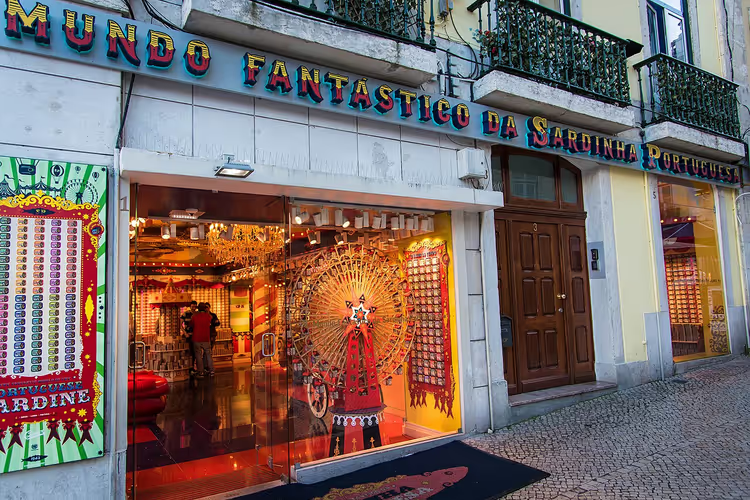
Canned fish is considered a separate attraction in Portugal. Canned sardines, tuna, and octopus are made with olive oil, tomatoes, and local spices. Sardines have become the country's calling card.
Gift tins with retro designs are sold in brand stores. At Conserveira de Lisboa in Lisbon, the selection of sardines made according to old recipes is especially wide (as of 09/2026, official website). Regular tins cost several times less than souvenir ones, so you'll save money for everyday meals. Choose flat tins: they lie flat in a suitcase and take up almost no space.
- Who it's for: seafood lovers.
- The catch: the tins are heavy, and the sauce can leak.
19. Presunto
Portuguese ham is called presunto. It is just as good as Spanish ham: it is made from the leg of a black pig that feeds on acorns. The flavor is rich and tangy, and the aroma really whets your appetite.
There are two main types: Presunto de Barrancos from the south and Presunto de Chaves from the north. Both have protected designation of origin status. Aging takes from one to several years and has a noticeable impact on the price. An average pack starts at a few euros. At home, slice it thin and serve with port wine. Buy vacuum-sealed packs so the ham arrives fresh.
- Who it's for: meat lovers and foodies.
- The catch: vacuum packs take up space.
20. Soap
 © renato martins · CC BYPhoto: renato martins, CC BY (https://creativecommons.org/licenses/by/2.0), Wikimedia Commons
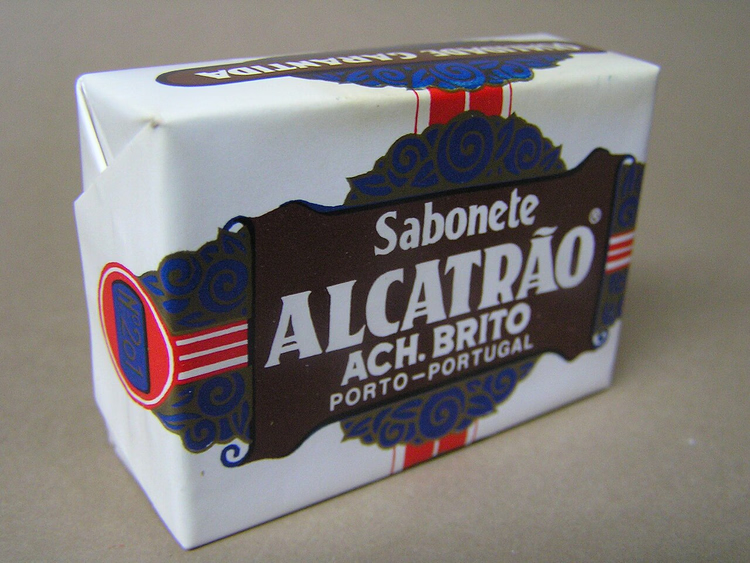
Portuguese soap is known for its cosmetic properties and stylish packaging. It is made from natural ingredients, sometimes with essential oils and floral extracts. Gift sets often include perfume and cream.
The affordable Castelbel brand costs very little, while Claus Porto will set you back more: the brand has been around since 1887 (as of 09/2026, official website). A gift set falls in the mid double-digit range. Sets include cream, perfume, and other nice little extras. Soap weighs little and does not break, so it works for any suitcase. Go for a set: it looks more expensive than it is, and you won't have to worry about wrapping.
- Who it's for: anyone looking for a practical gift.
- The catch: the strong scent is not for everyone.
⁉️🤔 Frequently asked questions
How much should I budget for souvenirs?
A basic set will cost a few dozen euros: ceramics, cork, coffee, and soap are all inexpensive. The priciest items are leather shoes, jewelry, and aged port. Set your budget in advance and decide exactly what you want to bring home. Check prices in stores, as they change from year to year.
What should I bring if I only have carry-on luggage?
For carry-on, go with cork, soap, coffee, and thin T-shirts. Liquids over the limit won't get through, so wine, port, and oil will have to go in checked baggage. Wrap ceramics and azulejos in clothing. Heavy canned goods and presunto are also better off in checked baggage.
Where can I buy souvenirs cheaper?
Prices are lower away from tourist streets and train stations. Market stalls and flea markets allow haggling, while brand stores keep fixed prices. Products like cheese and olives are cheaper at the market than at the airport. Compare prices in different parts of the city, the difference can be significant.
What food products make good gifts?
Cheeses with the D.O.P. label, olive oil in tins, coffee beans, and sardines in gift tins. Buy sweets in sealed boxes and presunto in vacuum packs. Products with a short shelf life are best avoided for long trips. Check your country's import rules before you travel.
Can I bring wine and port?
Yes, checked baggage usually allows alcohol in its original packaging. Limits depend on your destination country, so check the allowance in advance. Wrap bottles in clothing and place them in the center of your suitcase. Check customs rules on your country's official website.
In short: what to book
If you're looking for a light gift, go with cork, soap, or coffee. For something to remember the trip by, jewelry is a good choice. For foodies, bring port, D.O.P. cheese, and sardines in gift tins. Those with a sweet tooth will be happy with a box of pastel de nata and ovos moles cookies.
Back home, these things will remind you of your trip far longer than a fridge magnet. Plan your purchases in advance and leave room in your suitcase for ceramics and glass. Getting from Lisbon Airport to the city center is easier with a transfer: book a transfer in Lisbon.

A small editorial team writing guides for independent travel. We travel ourselves, but we haven’t been everywhere, so we check prices, opening hours and how to get there against official sources.