
















What to order in Portugal: 10 dishes from Caldo verde to Pastel de Nata
Portugal is easy to recognize by its smell. In June it smells of grilled sardines, in winter of roasted chestnuts.
Figuring out the menu can be tricky. Dish names aren't translated, portions are surprisingly large, and half the items you'll only find in tasca-style taverns. The national tourism office publishes dozens of official recipes for local cuisine (as of 09/2026, official tourism office recipes), and they show how little the country borrows from its neighbors.
We've put together ten dishes that cover Portuguese cuisine completely. For each one we've added the season and an honest catch.
Ad: this article contains affiliate links, we earn a commission if you book through them, at no extra cost to you.
Our picks: ten dishes and their seasons
💡 In short:
- Start with soup or bacalhau: a basic introduction to the local flavor.
- In Porto, order francesinha; in Lisbon, save room for pastel de nata.
- Respect the season: look for grilled sardines in June, chestnuts with sweet potato in winter.
- Seasons verified on the official VisitPortugal and Visit Azores websites (as of 09/2026).
Dish | Main flavor | When to order |
|---|---|---|
Caldo verde | cabbage, potato, smoked sausage | year-round |
Bacalhau à Brás | salted cod, egg, potato | year-round |
Cozido à Portuguesa | slow-cooked meat and sausages | year-round |
Arroz de Polvo | octopus, broth, chili | year-round |
Carne de Porco à Alentejana | pork, clams, cilantro | year-round |
Sardinhas assadas | charcoal-grilled fish | June, festival season |
Batata-doce assada com castanhas e bacon | sweet potato, chestnuts, bacon | fall and winter |
Francesinha | meat, cheese, tomato-beer sauce | year-round, Porto |
Bifana | pork in a white roll | year-round |
Pastel de Nata | custard, puff pastry | year-round |
1. Caldo verde
 © Mateus Hidalgo · CC BY-SAPhoto: Mateus Hidalgo, CC BY-SA (https://creativecommons.org/licenses/by-sa/2.5/br/deed.en), Wikimedia Commons
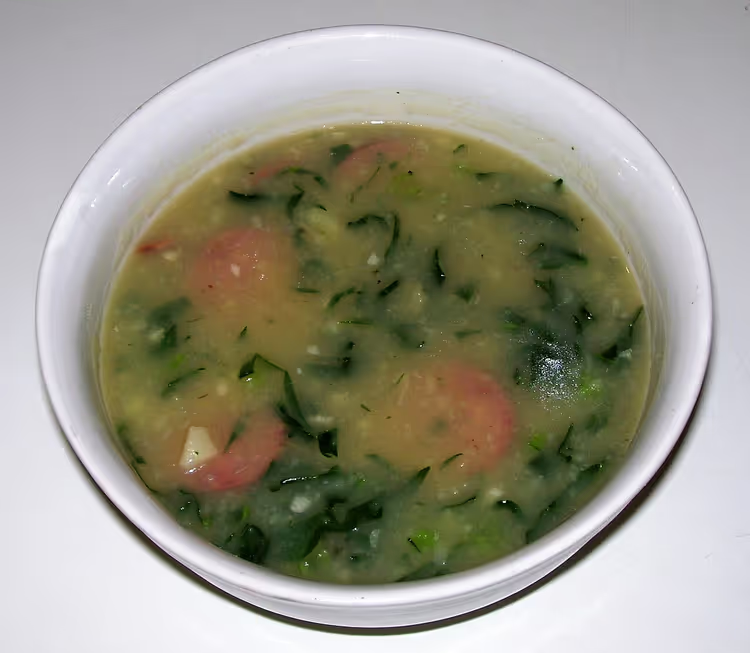
Caldo verde is made from a cabbage variety called couve-galega. It has no head; the leaves grow on tall stalks, so they're cut into thin strips and added to a thick purée of potato, onion, and garlic. A slice of smoked chouriço sausage goes in at the very end to give the soup its smoky flavor.
The portion looks modest, but the potato makes it filling. If you want to understand the country's basic flavor, start with this soup: it's the most affordable item on the list. Order caldo verde as a first course and save the main dish for later.
- Season: year-round, in all taverns
- Price: the cheapest item on the list
- The catch: the portion is small, not enough for a full meal
2. Bacalhau à Brás
 © Fpenteado at en.wikipedia · CC BY-SAPhoto: Fpenteado at en.wikipedia, CC BY-SA (https://creativecommons.org/licenses/by-sa/3.0), Wikimedia Commons
Cod doesn't live in Portuguese waters, but local cuisine is unthinkable without it. Salted dried fish (bacalhau) is brought from the north, soaked for a couple of days, and only then cooked. The tourism office's official recipes follow the same procedure (as of 09/2026, bacalhau à Lagareiro recipes).
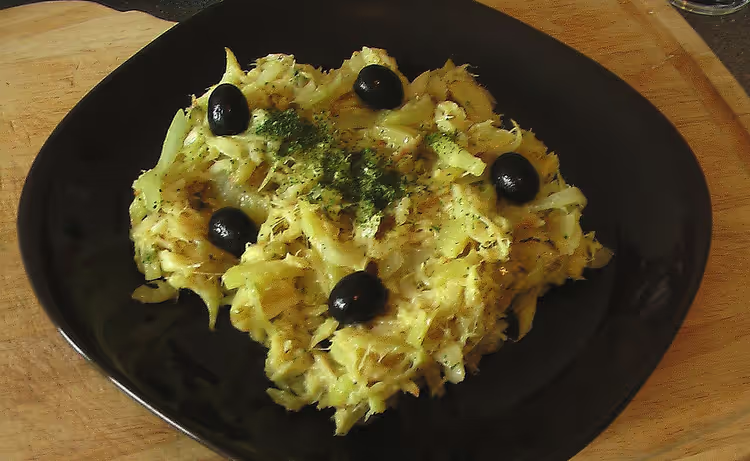
Bacalhau à Brás is assembled like this: potatoes are cut into thin matchsticks, the fish is pulled apart by hand and fried with onion, and at the end beaten egg is poured over everything. Olives and parsley are added before serving. The same fish is used for a casserole with cream (Bacalhau com Natas) and for baked fillets with potatoes (Bacalhau à Lagareiro).
- Who it's for: if you don't know what to order at an unfamiliar restaurant, go with bacalhau and you can't go wrong
- Not for: if you watch your salt intake, the dish will seem very salty
- Price: mid-range, more than soup and less than meat dishes
- The catch: the fish needs soaking, so making it at home requires advance preparation
3. Cozido à Portuguesa
 © Uxbona · CC BY-SAPhoto: Uxbona, CC BY-SA (https://creativecommons.org/licenses/by-sa/3.0), Wikimedia Commons
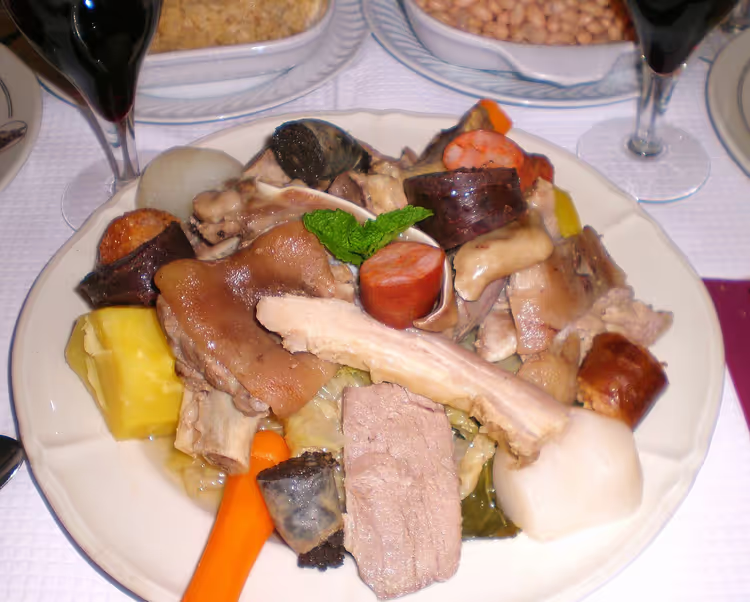
Cozido à Portuguesa is cooked in one large pot. Different cuts of meat, sausages, and bacon simmer for hours, and near the end cabbage, potatoes, onions, and carrots go in. The boiled vegetables are served as a side along with rice. The name refers to the cooking method, not to a specific region.
If you travel to the Azores, try the local version. In the Furnas valley, the pot is buried in the ground and cooked by volcanic steam for about six hours (as of 09/2026, official Azores tourism office website). No water is added at all; the broth comes entirely from the ingredients themselves.
- Where to find it: meat restaurants in Lisbon, Porto, and the Azores
- The catch: the dish is heavy and not at all suitable for vegetarians
- Tip: some restaurants cook cozido only on certain days, so ask your server
4. Arroz de Polvo
 © Kritzolina · CC BY-SAPhoto: Kritzolina, CC BY-SA (https://creativecommons.org/licenses/by-sa/4.0), Wikimedia Commons
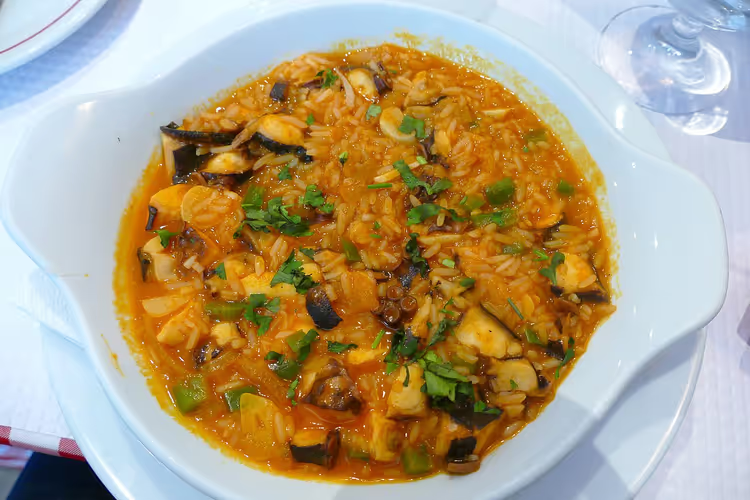
For this rice dish, a small octopus is boiled whole so the meat stays tender. The rice is cooked in the octopus broth, and carrots, tomato, onion, garlic, and a little chili are sauteed in olive oil. It's served in a deep bowl, and the sauce remains loose.
Locals consider the dish a delicacy, but visitors don't always love it. If you prefer fluffy, separate-grain rice, order grilled octopus instead: many restaurants prepare it right alongside. Always mop up the octopus sauce with bread.
- Who it's for: people who love seafood and aren't put off by unfamiliar textures
- Price: above average, an item from the expensive end of the menu
- The catch: the rice comes out moist rather than fluffy
5. Carne de Porco à Alentejana
 © Rui Ornelas · CC BYPhoto: Rui Ornelas, CC BY (https://creativecommons.org/licenses/by/2.0), Wikimedia Commons
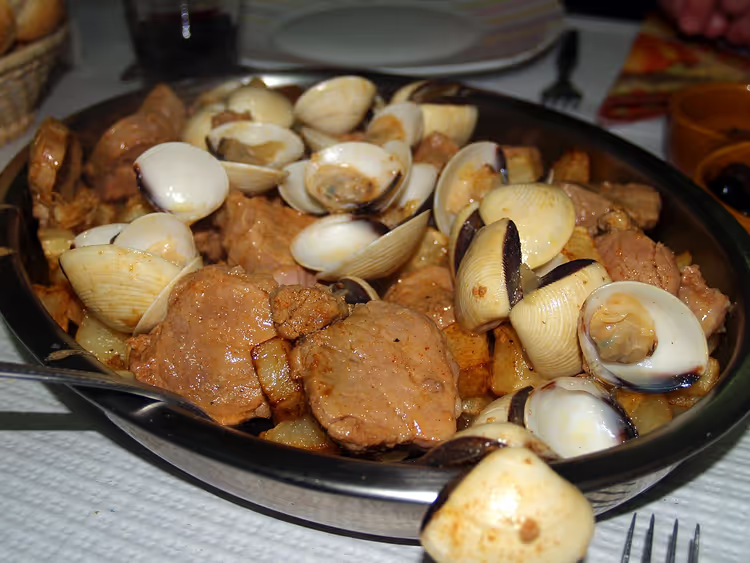
The name is misleading: pork with clams is most often ordered in the Algarve, while the marinade originated in Alentejo. The meat sits overnight in a paste of garlic, red pepper, and salt, then is seared until crusty with white wine. Potatoes are cut into cubes, boiled until half-cooked, and finished by frying.
The clams go in last so they have time to open. The dish is served with cilantro and a generous pour of olive oil. In the Algarve, portions are especially large; one is enough for two people.
- Where to find it: restaurants in the Algarve and Lisbon
- The catch: the dish is very rich, so order it for lunch rather than dinner
- Tip: ask for fresh clams; cheaper versions skimp on them
6. Sardinhas assadas
 © Joseolgon · CC BY-SAPhoto: Joseolgon, CC BY-SA (https://creativecommons.org/licenses/by-sa/4.0), Wikimedia Commons
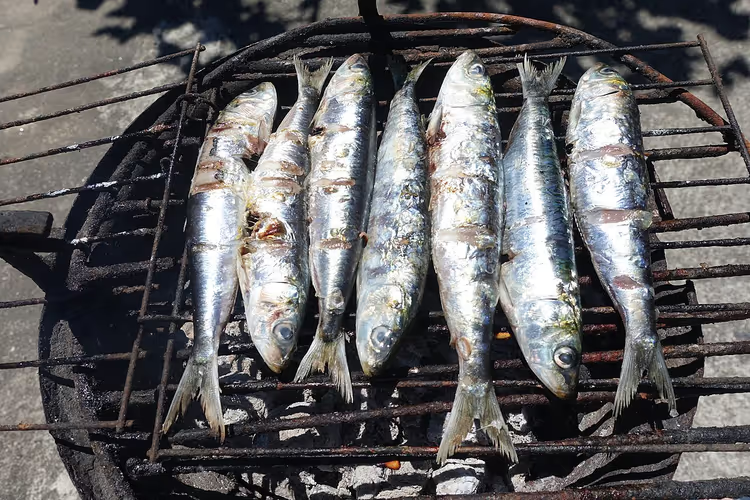
In June, Portugal switches to sardines. Festivals in honor of Saint Anthony take place across the country, fish is grilled over coals right on the streets, and the smell fills the surrounding blocks. Sardines are eaten with your hands, along with dense cornmeal bread (broa), and washed down with cold beer.
Restaurants serve sardinhas assadas year-round, but the summer ones are noticeably fattier and tastier. If you make it to a street festival, arrive when it opens and don't grab a table in the most touristy neighborhoods: it's pricier and louder there.
- Season: June, the Santo António and São João festivals
- The catch: sardines have lots of small bones, so you need to debone them carefully
- Tip: get the bread; it cuts the charred bitterness
7. Batata-doce assada com castanhas e bacon
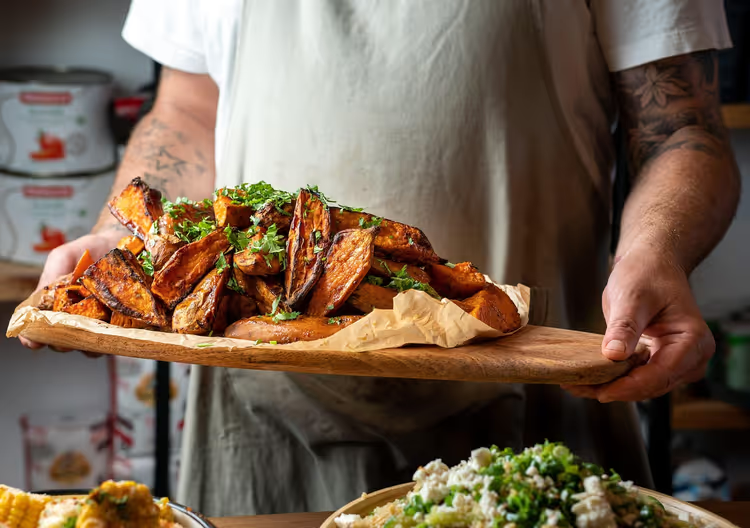
Sweet potato, chestnuts, and bacon are baked in the oven, generously drizzled with olive oil and finished with a sprig of rosemary. The recipe is simple, so it's easy to recreate at home. If you're renting an apartment, buy the ingredients at a local shop and make it yourself.
In fall and winter, roasted chestnuts are sold on the streets of Lisbon, and that's the same flavor in its simplest form. The dish rarely appears on restaurant menus; it's more often made in family kitchens. The sweet-and-salty combination isn't for everyone.
- Season: fall and winter, chestnut season
- The catch: sweet potato with bacon strikes people as unusual, and the dish is hard to find in taverns
8. Francesinha
 © Andrey Filippov 安德烈 from Moscow, Russia · CC BYPhoto: Andrey Filippov 安德烈 from Moscow, Russia, CC BY (https://creativecommons.org/licenses/by/2.0), Wikimedia Commons
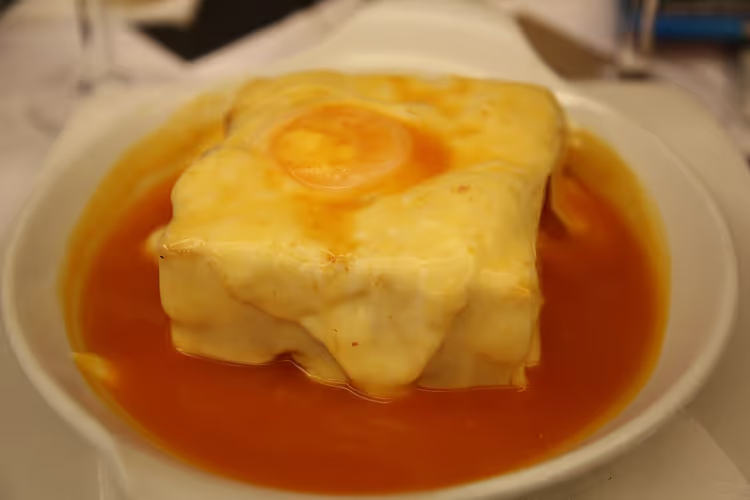
Francesinha was invented in Porto. Between two slices of white bread go ham, mortadella, steak, and pork belly; the whole construction is covered in a spicy tomato and beer sauce, topped with cheese, and put in the oven for a couple of minutes. A fried egg goes on top, along with a portion of french fries.
Seafood versions exist too, but the classic remains meat-based. The dish is eaten at any time of day, from breakfast to late dinner. If you're in Porto for just one day, put francesinha on your lunch plan.
- Where to find it: restaurants in Porto; other cities make it less often
- The catch: it's extremely dense and high in calories, so a walk afterward is mandatory
9. Bifana
 © Ricardo.moniz · CC BY-SAPhoto: Ricardo.moniz, CC BY-SA (https://creativecommons.org/licenses/by-sa/4.0), Wikimedia Commons
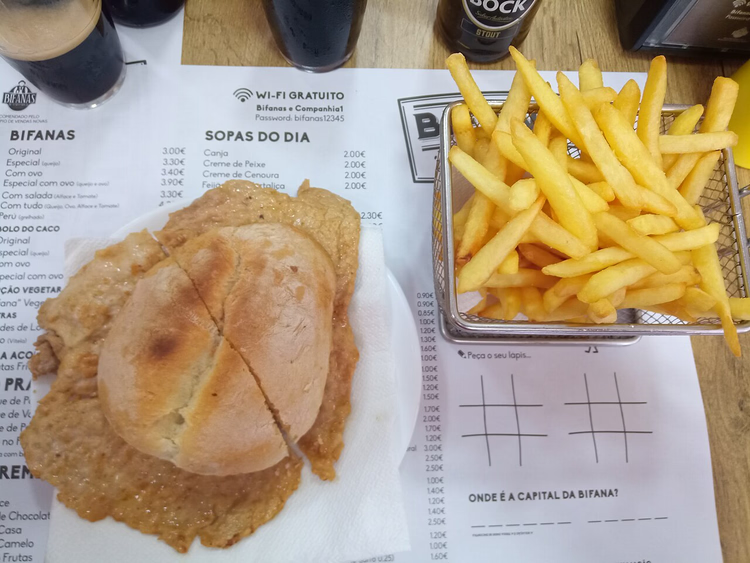
Bifana is considered the Portuguese's favorite snack. Pieces of pork are first seared and then braised in a wine or beer sauce with spices and garlic, then tucked into a split white roll. It's quick to make, easy to eat on the go, and often taken to work.
If you want more sauces and vegetables, go for a cachorro-quente: a roll filled with a sausage, lettuce, shoestring potatoes, and several sauces. For bifana, head to ordinary snack bars rather than restaurants with a river view.
- Price: the cheapest hot dish on this list
- The catch: in its classic form it's just meat in a roll, no vegetables
10. Pastel de Nata
 © Paul Arps from The Netherlands · CC BYPhoto: Paul Arps from The Netherlands, CC BY (https://creativecommons.org/licenses/by/2.0), Wikimedia Commons
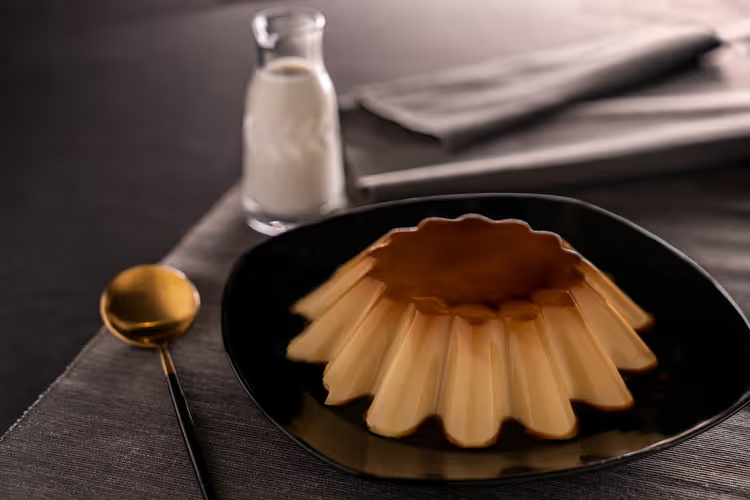
Pastel de Nata is sold in every bakery: a puff pastry tart filled with custard, often dusted with cinnamon. The original recipe is kept at the Pastéis de Belém cafe at Rua de Belém 84-92, next to the Jerónimos Monastery. The cafe has been baking this dessert since 1837 using the monastery's recipe (verified 09/13/2026 on the official website). The cafe is open every day, and there's a line even in the rain.
The original version is called Pastel de Belém, and its custard is denser than the usual kind.
Tickets to the Jerónimos Monastery on Tiqets
- Where to find it: any bakery, but the original is only in Belém
- The catch: the dessert is very sweet, and one pastel is never enough
⁉️🤔 Frequently asked questions
How much does it cost to eat in Portugal?
Prices depend on the location. Lunch in Lisbon's tourist center is more expensive, while a tasca on the outskirts is almost half the price. Soups and bifana cost the least, while meat dishes like cozido are pricier. Always check current prices on the restaurant menu, as they change every season.
Which dish should I try first?
Start with caldo verde or bacalhau à Brás. Both dishes are on almost every menu, are inexpensive, and give you a basic sense of the cuisine. If you're in Porto, make francesinha your first order.
When is sardine season in Portugal?
The peak is in June, when festivals honoring Saint Anthony and Saint John take place across the country. That's when sardines are grilled on the streets and served especially often in restaurants. Sardinhas assadas are on menus year-round, but in summer the fish is fattier and tastier.
Where can I eat the original pastel de nata?
The original recipe is kept at the Pastéis de Belém cafe at Rua de Belém 84-92 in Lisbon. They've been making it since 1837 using the Jerónimos Monastery's recipe (as of 09/2026, Pastéis de Belém). You'll find a regular pastel de nata in any bakery in the country.
What should I order in Porto?
In Porto, order francesinha and bifana. The first is served in almost every restaurant in the center, while the second works as a snack between sightseeing stops. Round out your meal with a local porto, and finish with a pastel for dessert. If you stay for two days, you'll have time to try bacalhau baked with cream.
Below is a video where the author visits Lisbon snack bars and tries the local food.
In short: what's worth booking
Portuguese cuisine is built on fish, potatoes, and generous portions, so plan your meals ahead. If you have two days in Lisbon: go for caldo verde and bacalhau, and save pastel de nata for your walk to Belém. If you're heading to Porto: order francesinha and bifana. If you love seafood: look for arroz de polvo and grilled octopus.
Food tours in Lisbon and Porto are easy to compare on GetYourGuide, and for hotels near the central markets, check Trip.com.

A small editorial team writing guides for independent travel. We travel ourselves, but we haven’t been everywhere, so we check prices, opening hours and how to get there against official sources.