
















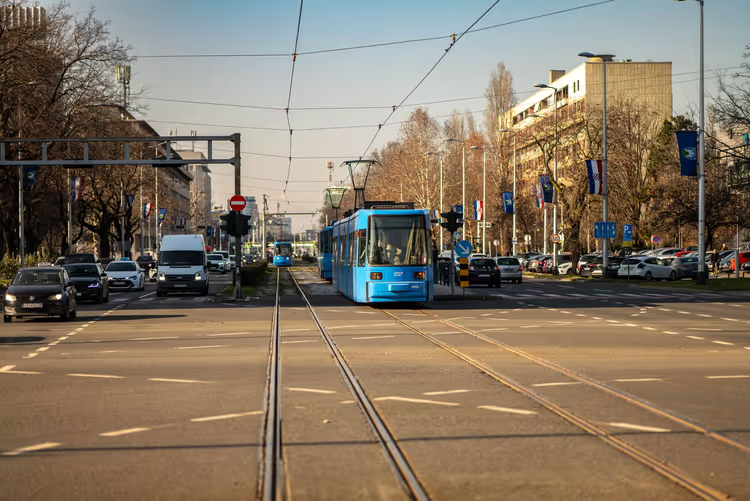
Public transport in Europe: how to pay and not overpay
When you arrive in an unfamiliar city, your first test awaits you in the metro. Ticket machines speak English only half the time, and the fine for riding without a valid ticket easily exceeds the price of the ticket itself. We have put together the fare rules for popular European cities and broken down how to pay, where to get a pass, and how to avoid overpaying on single rides.
Understanding the ticket system saves both money and time. In Prague a ninety-minute ticket costs 46 crowns (as of 09/2026, PID), while in Paris a single ride no longer depends on the zone and costs €2.50 (as of 09/2026, official Île-de-France Mobilités website). In London the price varies by zone and by time of day.
Ad: this article contains affiliate links. We earn a commission if you book through them, at no extra cost to you.
How tickets work in Europe
💡 In short:
- A single ride is almost always more expensive than a day pass.
- You need to validate your ticket when entering, otherwise it is not valid.
- If you have no ticket, the fine is issued on the spot and it is high.
- Fares and rules: 09/2026, verified on the official PID website.
The price depends on the zone, the time of day, and the ticket type. In most cities a single ticket is valid for a limited time, usually about an hour, and allows transfers. A day pass pays for itself quickly, after just a few rides, so for sightseeing it is more cost-effective to get one.
There are different ways to pay. In Prague and Vienna, tickets are sold by machines and kiosks; in London and Stockholm, a contactless card is more convenient. Cash is far from universally accepted by drivers: London buses have not taken it for several years. Before you travel, check whether validation is required on entry.
Fare inspectors in Europe work frequently and issue fines without discussion. Keep your ticket until the end of your journey: in Berlin and Vienna it is sometimes checked on exit as well. It is easier to tap your ticket at the validator right away than to argue your case with an inspector.
Prague
 © ROPID · CC BYPhoto: ROPID, CC BY (https://creativecommons.org/licenses/by/4.0), Wikimedia Commons
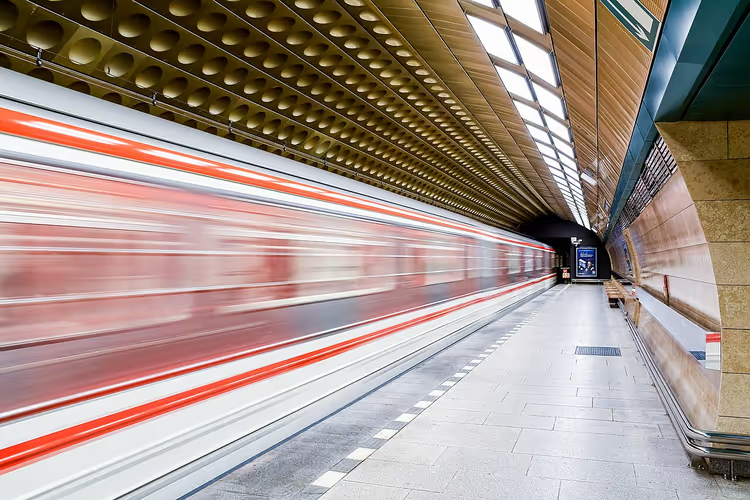
Prague is compact, and the metro handles the main flow of passengers here. Underground lines A, B, and C are marked with different colors. You can get from one end of the city to the other in a matter of minutes, which is why both locals and tourists choose the metro.
Trains run from early morning until midnight. You buy a ticket from a machine at the station or in the app. One ticket is valid on the metro, tram, bus, and the Petřín funicular.
A single ninety-minute ticket costs 46 crowns (as of 09/2026, PID). Do not forget to validate it when entering, otherwise the ride counts as fare evasion. In the center, trams and buses run at short intervals.
Cities in Germany
 © Flocci Nivis · CC BYPhoto: Flocci Nivis, CC BY (https://creativecommons.org/licenses/by/4.0), Wikimedia Commons
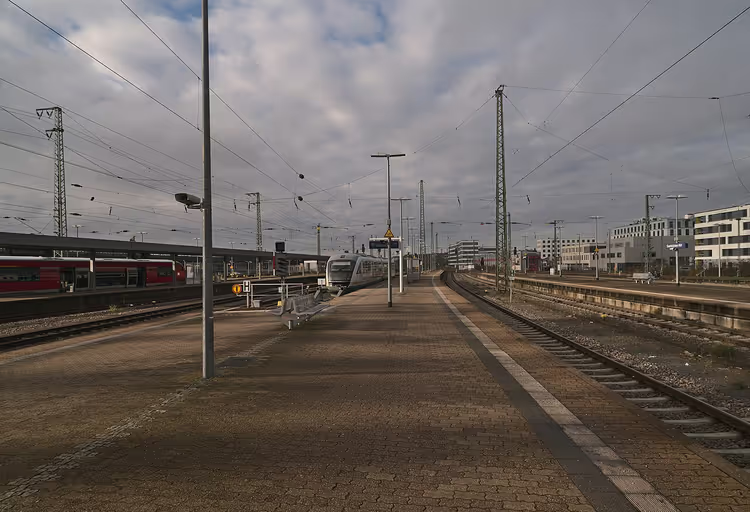
Germany offers travelers the simplest system. A single Deutschlandticket applies here, costing €63 per month (as of 09/2026, Deutsche Bahn). It gives unlimited travel on buses, trams, metro, and regional trains across the whole country.
Cities are divided into zones, central and suburban, marked with different colors. Within a city you buy a single-ride or day ticket. In Berlin and Munich, tickets are sold by machines and the BVG and MVG operator apps.
For travel between cities, it is convenient to buy tickets in advance: train prices across Germany on Trip.com. Regional transport with the Deutschlandticket is cheaper, but it does not cover international high-speed trains.
The metro in major cities combines underground and above-ground sections, and trains run until 1 a.m. At night on weekends in Berlin and Hamburg, separate bus routes operate, and the regular ticket is valid on them.
Amsterdam
 © Rob Dammers · CC BYPhoto: Rob Dammers, CC BY (https://creativecommons.org/licenses/by/2.0), Wikimedia Commons
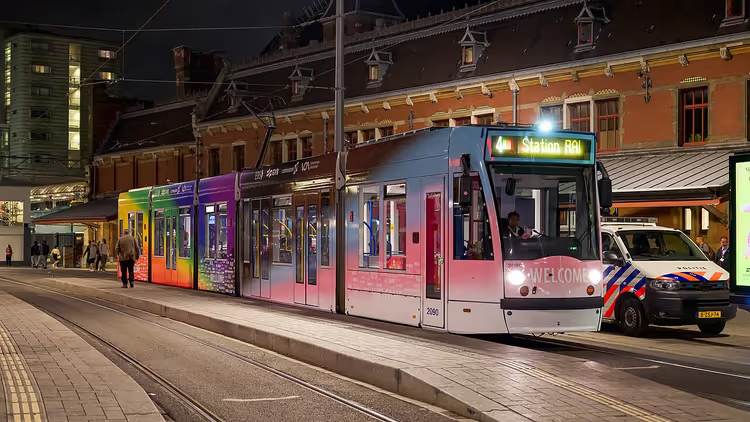
In Amsterdam, the tram remains the main form of transport. Routes connect the center with the farthest districts, so the tram is a lifesaver for both tourists and locals. You buy a ticket from the driver, at a machine, or in the GVB app.
The tram doors open with a button, so do not stand at the entrance waiting silently. Schedules are shown on electronic displays at stops, and the interval in the center is usually short.
During the day the metro and buses run; at night, night buses come out and stop on request. Keep a valid ticket with you: inspections here are frequent.
Stockholm
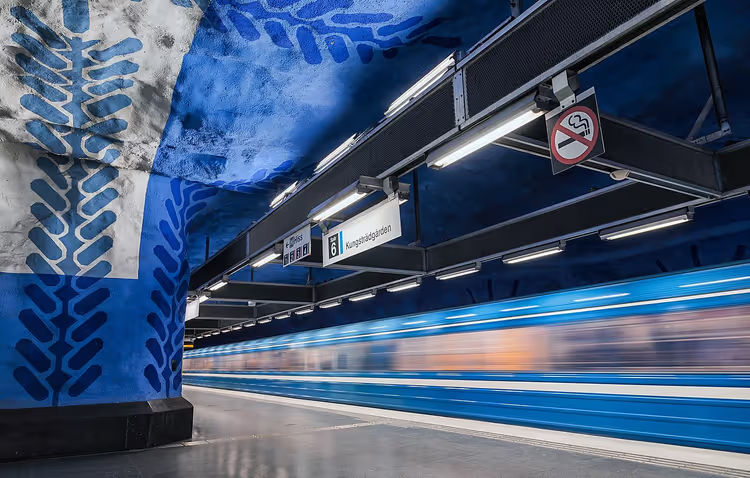 © Julian Herzog ( Website ) · CC BYPhoto: Julian Herzog ( Website ), CC BY (https://creativecommons.org/licenses/by/4.0), Wikimedia Commons
Stockholm's metro is divided into green, red, and blue lines, all of which pass through the central station. The stations are decorated with sculptures, mosaics, and murals, so going down here feels like visiting a gallery.
A ticket is valid on the metro, buses, trams, and ferries within the zone. Without a ticket you won't be allowed on board, and fare inspectors work even during rush hour. You can buy a pass for one or several trips, as well as for 24 hours or a week.
Payment is made by bank card or through the SL app. For a ferry trip in the city archipelago, the same ticket works as on the metro.
Oslo
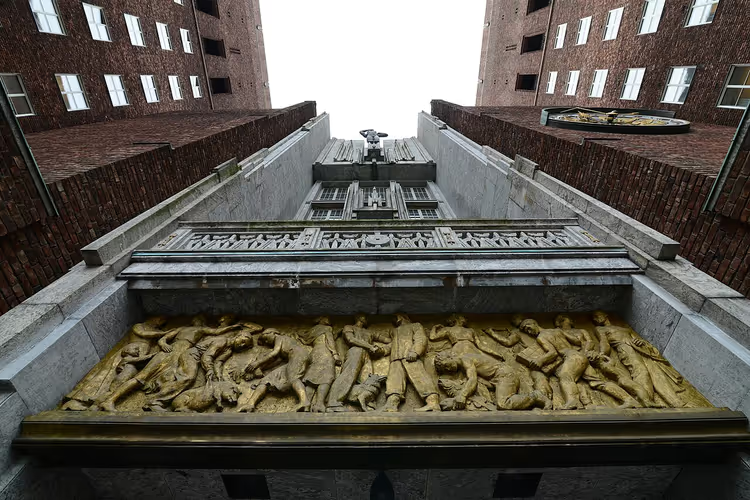 © Jorge Láscar from Melbourne, Australia · CC BYPhoto: Jorge Láscar from Melbourne, Australia, CC BY (https://creativecommons.org/licenses/by/2.0), Wikimedia Commons
Oslo gives tourists several transport options at once. Besides the metro and buses, trams and ferries run to the islands in the Oslofjord. Tickets for all types of transport are bought from a machine, kiosk, or the Ruter app.
One ticket is valid within a zone and allows transfers within a set time. Buses are divided into day and night routes, and a regular ticket works on night routes. Payment is almost always cashless.
The ferry to the islands is included in the overall Ruter system, so you don't need a separate ticket. Check the schedule in advance: in summer, services run more often, in winter less often.
Vienna and Warsaw
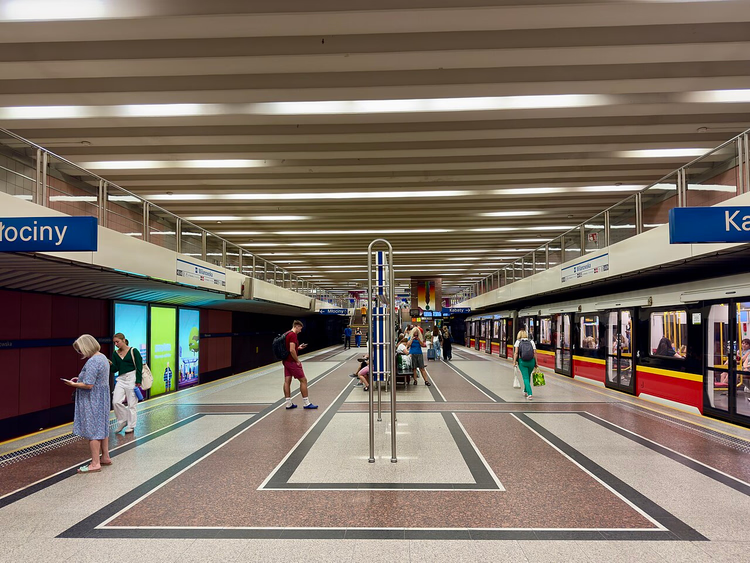 © Chris Olszewski · CC BY-SAPhoto: Chris Olszewski, CC BY-SA (https://creativecommons.org/licenses/by-sa/4.0), Wikimedia Commons
Vienna and Warsaw are similar in their dense networks, but the purchasing rules differ. In Vienna, the most convenient way to pay is with a single 24-hour or 48-hour ticket. The metro here runs under all districts of the city, and intervals in the center are short.
In Warsaw, people more often choose surface transport, and the ZTM ticket is valid on all types of transport. A multi-trip pass is cheaper than single tickets, but it covers a limited number of trips.
In both capitals, buses are divided into day and night routes. Before your first trip, buy an eSIM with data so that apps and maps work without roaming: check eSIMs for Europe.
London
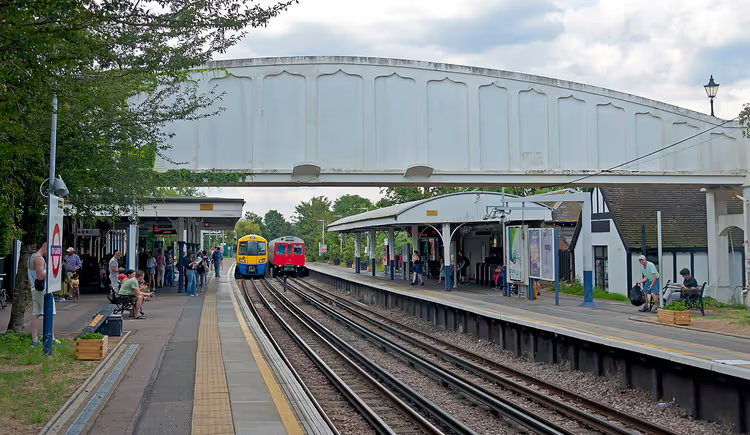 © Daniel Case · CC BY-SAPhoto: Daniel Case, CC BY-SA (https://creativecommons.org/licenses/by-sa/3.0), Wikimedia Commons
In London, the easiest way to pay is with a contactless card or phone. The same card is accepted at metro turnstiles and on buses, and the system calculates the daily cap automatically. If the total of single trips exceeds this threshold, the rest of your rides are free.
Metro stations are divided into zones, and the price depends on the zone and the time of day. A trip during rush hour is more expensive than after the morning peak (as of 09/2026, Transport for London). You don't need to buy a separate ticket, the machine calculates everything.
The London Underground does not run around the clock. The Night Tube runs only on Fridays and Saturdays and only on some lines. At night, double-decker buses on night routes will get you around. For frequent trips, a card is more cost-effective than paper tickets.
Paris
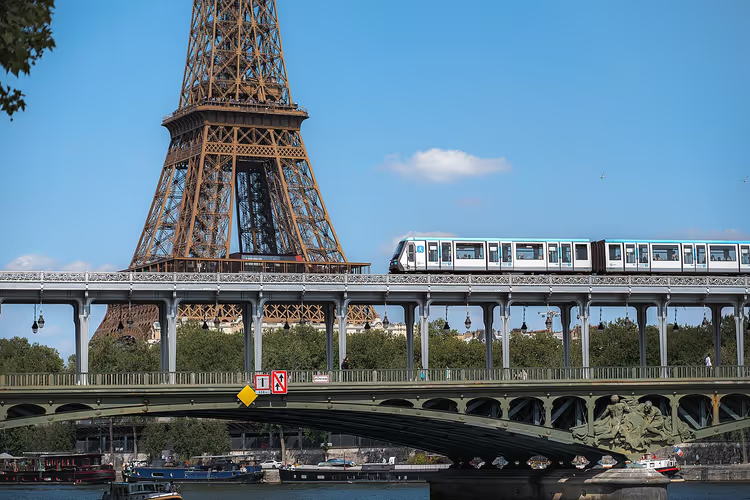 © Finvd · CC BY-SAPhoto: Finvd, CC BY-SA (https://creativecommons.org/licenses/by-sa/4.0), Wikimedia Commons
Paris simplified its fares from the beginning of 2025. A single ticket on the metro, RER, and train costs €2.50 regardless of zone, and a trip to Charles de Gaulle or Orly airport costs €13 (as of 09/2026, regional fare grid).
Tickets are sold at machines, kiosks, and in the app, but you cannot buy one from the driver on a bus. For several days, the Navigo pass is convenient: it covers the metro, buses, trams, and regional trains within the region.
If you want to save money on your trip, research tourist cards and city passes in advance. We've put together a detailed breakdown separately: how to save money in Europe.
⁉️🤔 Frequently asked questions
Do you need to validate your ticket on European transit?
Yes, in most cities. On surface transit in Prague, Vienna, and Berlin, you stamp your ticket when boarding, and in the metro it goes through the turnstile. If you forget to tap your ticket, an inspector will treat it as fare evasion. Keep your ticket handy until the end of your trip.
How much does a single ride cost in Paris and Prague?
In Paris, a ticket costs €2.50 on the metro, RER, and trains regardless of zone (as of 09/2026, regional operator). In Prague, a ninety-minute ticket costs 46 crowns (as of 09/2026, PID). A day pass is a better deal if you plan to take more than a couple of rides in a day.
Does the Deutschlandticket work on high-speed trains?
No. The €63 pass covers metro, trams, buses, and regional trains, but it is not valid on international or high-speed services (as of 09/2026, Deutsche Bahn). For travel between cities, buy tickets in advance, otherwise prices are higher on the day of departure.
Can you pay by bank card on the London Underground?
Yes, with a contactless card or phone. At each turnstile you tap the same card, and the system calculates the daily cap automatically. You do not need to buy a separate ticket, but make sure your card supports contactless payments abroad without a PIN.
What should you do if you lose your ticket?
Keep your ticket until the end of your trip, and losing it becomes impossible. If your ticket does go missing and an inspector is already nearby, you will have to pay again on the spot. Fines in European cities are usually several times the cost of the fare itself.
In short: what to book in advance
The main takeaway is simple: get a day pass or multi-day pass rather than single tickets. If you have a short stopover of a couple of days, choose a one-day pass. If you are visiting several cities, look into a combined pass and intercity trains.
Before your trip, set up maps and the operator's app, and install an eSIM for reliable internet. Tickets for trains across Europe are easy to buy in advance: check train tickets on Trip.com. This way you avoid lines at ticket machines and do not overpay on the day of departure.

A small editorial team writing guides for independent travel. We travel ourselves, but we haven’t been everywhere, so we check prices, opening hours and how to get there against official sources.