
















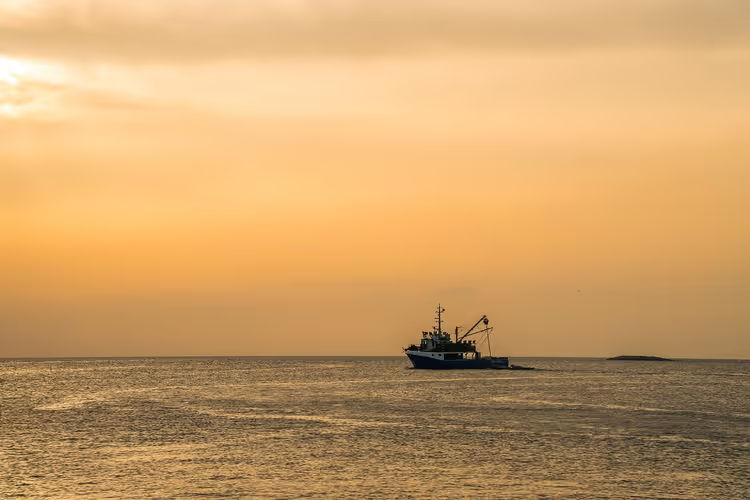
Sea fishing: season, tackle and how to find a spot with fish
Sea fishing is not like river fishing. The water is clearer, the current is stronger, and the fish here are bigger and stronger. A beginner often takes their usual gear and comes back empty-handed.
On the coast of Lower Saxony, a fishing license (Fischereischein) is not required for sea fishing, according to DAFV. In Schleswig-Holstein, you need a license and a fishing fee (Fischereiabgabe) for sea fishing. In other waters in Germany, there are noticeably more rules.
Below is a guide that will help you on your vacation: when the fish bite, what gear to bring, how to find a spot, and what the law requires.
Ad: this article contains affiliate links, we earn a commission if you book through them, at no extra cost to you.
When and where the fishing is best
💡 In short:
- Peak fish activity runs from May through November.
- From shore, people fish on rocks and in bays; from a boat, they look for deeper water.
- Gear and location matter more than a long cast.
In the Baltic and North Sea, fish are active from May through November: the water warms up, food becomes more abundant, and predators come out to hunt. From December through April, most species move to deeper water, and the catch drops sharply. Cod is the exception: it is caught here even in winter.
This guide covers the German coast: the North Sea and the Baltic Sea. In tourist towns, sea fishing is offered as an activity for vacationers.
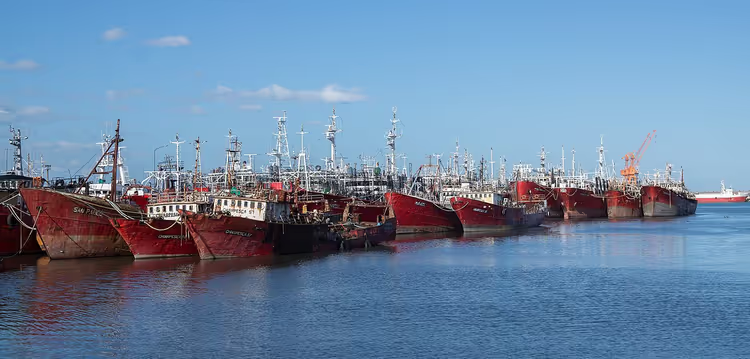
The format depends on the shore: from a boat, you head out to reefs and banks where big fish hold, while from shore you fish on the beach or from a pier, and it is noticeably cheaper. Some towns offer an extreme option: fishing from cliffs, where you need sturdy footwear and caution.
 © Ezarate · CC BY-SAPhoto: Ezarate, CC BY-SA (https://creativecommons.org/licenses/by-sa/4.0), Wikimedia Commons
Organized tours are designed for beginners. The organizer provides gear, bait, and instruction, and sometimes even casts for you. The price of such a trip usually stays within a few dozen euros, but check the exact amount locally.
You hardly need to worry about fish at tourist spots. The organizers know the channels where schools hold and work in baited areas. When fish start spawning, they move to shallow water and bite less, so tour schedules are tied to the season.
What gear you will need
Sea gear is sturdier than river gear: it has to withstand wind, waves, and strong fish. Before your trip, research which species are found in the sea you have chosen.
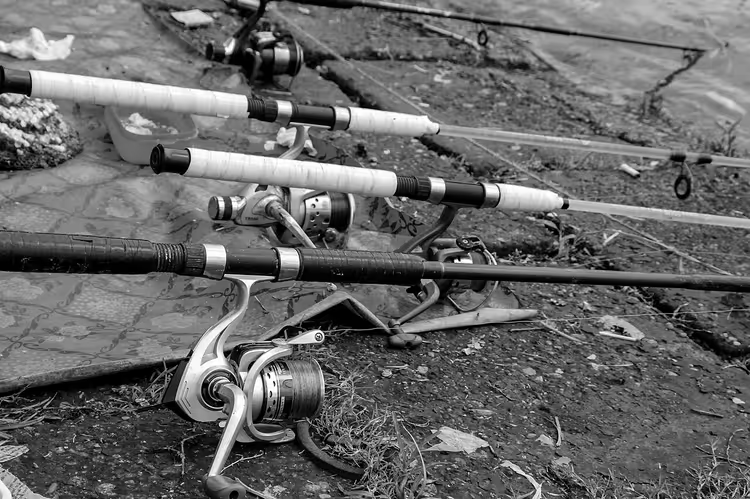
The basic setup is simple: a sea spinning rod handles long casts and fighting predators, a bottom rig works in calm spots with shallow depth, and a float rod is suitable for shore fishing at depths up to 2 meters.
Gear | Purpose | Reel |
|---|---|---|
Sea spinning rod | long casts, predator fishing | spinning reel |
Bottom rig | calm spots, shallow depth | spinning reel |
Float rod | shore fishing up to 2 m | spinning or baitcasting reel |
Choose the reel based on the expected catch: a spinning reel suits smaller fish, while a baitcasting reel is built for big fish. Bring several lures of different shapes and colors. If one does not work, you still have a plan B.
 © Moheen Reeyad · CC BY-SAPhoto: Moheen Reeyad, CC BY-SA (https://creativecommons.org/licenses/by-sa/4.0), Wikimedia Commons
Do not forget consumables: line, leaders, and sinkers. In the sea, people often fish with shrimp: you put it on the hook, cast, and wait for a bite. There is no universal bait, so ask local anglers what works.
How to find a spot with fish
Location matters more than gear. On shore, watch where other anglers are standing: a group of people almost always means fish are nearby. Birds hitting the water also reveal a school of baitfish.
A simple trick: look for jumping fish. A predator drives small fish to the surface, and you can see it from a distance. You should not rely on this sign alone.
From a boat, a fish finder helps, showing the bottom structure and channels where fish hold. The device is effective but expensive, so it is more often rented together with the boat.
If you are traveling along the coast on your own, a car is more convenient. That way you can reach distant piers and cliffs where public transport does not go: find a rental car on DiscoverCars.
Predatory species bite better in the evening and at night, and we recommend shore fishing for beginners: there are fewer boats near the shore, so fish are less wary and more forgiving of rough mistakes. If you have enough space, set up several rods with different baits.
License and rules on the coast
In Germany, the rules vary by region. There is no single federal law: fishing is regulated by 16 state laws, according to Deutscher Angelfischerverband.
There is an exception at sea: in the coastal waters of Lower Saxony, no fishing license is required. In Schleswig-Holstein, you need a fishing license and a fishing fee (Fischereiabgabe) for sea fishing. For inland waters, you usually need a license, a permit, and passing an exam.
European restrictions apply separately: for sea bass in the North Sea, there is a minimum size of 42 cm, a daily bag limit, and seasonal closures, according to the official Schleswig-Holstein portal. Similar quotas exist for cod, salmon, and eel.
Region | Document | Key rule |
|---|---|---|
Lower Saxony (sea) | not required | open fishing |
Schleswig-Holstein (sea) | fishing license, Fischereiabgabe | license and fee required |
Other waters in Germany | license, permit, exam | 16 state laws |
North Sea, sea bass | none | minimum 42 cm, bag limit |
Before you go, check the rules for your state on the official website.
How to organize a trip out to sea
The easiest way is to book a fishing trip in advance. Excursion search engines show tours with price, duration, and reviews: sea fishing tours on GetYourGuide. You pick a date and pay online, and gear and bait are provided on site.
Choose morning or evening: during the day it is hot on open water, and predators are more active in cooler conditions. In high season, book a spot a couple of days ahead: good boats fill up first.
⁉️🤔 Frequently asked questions
Do I need a license for sea fishing?
In Germany, it depends on the state. In Lower Saxony, no license is required at sea, while in Schleswig-Holstein you need a license and Fischereiabgabe.
When is the best time to go sea fishing?
From May through November, when the water is warm and fish are actively feeding. Cod is caught in the Baltic and North Sea even in winter.
What should a beginner bring?
A sea spinning rod or float rod, a spinning reel, several lures, and shrimp for bait. Organized tours provide gear and bait on site, so for your first fishing trip you do not need to bring your own.
From shore or from a boat?
From shore is cheaper and easier. From a boat, you head out to channels where big predators hold, and the catch is usually larger. We recommend beginners start from shore and then try a trip out to sea.
How do I find fish without a fish finder?
Look for other anglers, birds, and jumping fish. From shore, look for rocky areas where fish hold.
In short: what to book
For a good catch, you need three things: season, gear, and location.
- If it is your first time: book guided shore fishing and do not bring your own gear.
- If you are traveling along the coast: rent a car and reach distant piers.
- If you want big fish: book a morning boat trip out to sea.
Morning and evening give the best catch, and a spot with a good captain should be booked in advance.
You can book a tour online in advance on GetYourGuide.

A small editorial team writing guides for independent travel. We travel ourselves, but we haven’t been everywhere, so we check prices, opening hours and how to get there against official sources.