
















Singapore Zoo: tickets with time slots, opening hours and park zones
Singapore Zoo has been operating since 1973, and you won't see classic cages here. Instead of bars, animals are kept in place by moats, glass partitions, and viewing platforms. The park covers more than 250,000 square meters, so in three hours you'll only get through half the route.
Tickets are sold in Singapore dollars, with the 9% GST already included in the price (according to the Mandai Wildlife Reserve website).
Below we break down the park zones, feedings and shows, opening hours, tickets, and how to get there from the center without a taxi.
Ad: this text contains affiliate links, we earn a commission from them, the price for you does not change.
History and description
💡 In short:
- The park opened in 1973 and is now home to about 3,000 animals.
- Start with the far zones: by evening, groups gather near the entrance.
- Prices and opening hours: 09/2026, verified on the official Mandai website.
The idea came about in 1969 from a Singapore public utilities company. Its employees proposed creating a park area with wild animals right on the grounds of the botanical garden. The main initiator was Dr. Ong Swee Law, who at the time headed the board of enterprises supplying the city with water. He was concerned that the country had no zoo as an educational institution for children and adults.
Ong Swee Law approached the country's leadership, and in 1971 the Ministry of the Environment approved the use of a site with a reservoir for a wildlife reserve. The government allocated 9 million dollars. That money was used to start building the first enclosures and improving the grounds.
The official opening took place in 1973. The first residents were brought from Southeast Asia, about 300 animals in total. Today the park is managed by Mandai Wildlife Group and is part of the same reserve as the night safari and Bird Paradise.
In the late 20th century, the grounds were divided into habitats with separate ecosystems. In each sector, flora and fauna were selected to match the climate, which led to tropical forest, sandy, rocky, and aquatic enclosures for animals from the Arctic, Africa, Australia, and Eurasia. The goal of each sector is to show the connections between plants and animals in their natural environment.
Today the park occupies a wooded landscape by an artificial lake. From the first steps, visitors find themselves in the jungle.
A veterinary and research center operates on the grounds: sick animals are treated and operated on here. More than 150 species participate in breeding programs, including rare animals from the Red List.
What to see
The park is divided into themed habitats, each with its own climate and its own set of animals. Below are seven zones worth walking through in order from the entrance.
Frozen tundra
At the center of the zone is a cave with a pool and a waterfall, with large ice floes visible in the water. On one side, the area is ringed with rocks; on the other, a glass partition and a viewing platform are set up for you. There have been no polar bears in this zone since 2018. Check the signs by the enclosures for the current list of animals.
 © JesusisGreat7 · CC BYPhoto: JesusisGreat7, CC BY (https://creativecommons.org/licenses/by/4.0), Wikimedia Commons
Wild Africa
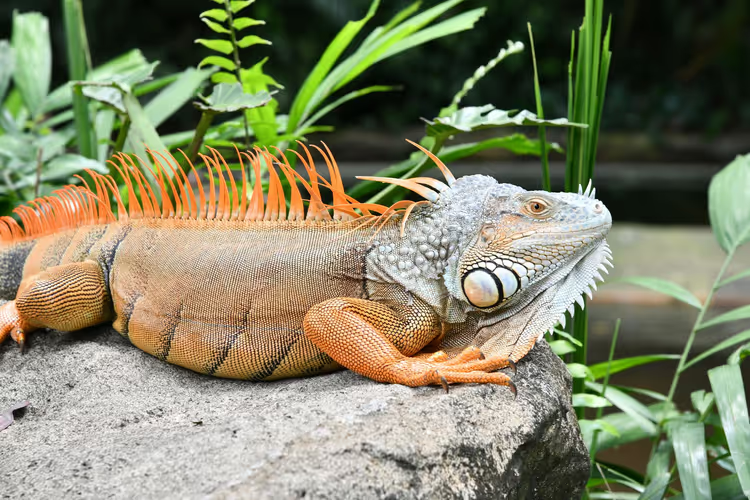
Herbivores and predators live side by side: lions, cheetahs, and leopards stay near a small pond among rocks and shrubs. In a separate enclosure, a zebra grazes, a giraffe towers above, and a white rhinoceros stands on the sandy shore of the water. A crocodile swims in the lake, and chimpanzees and macaques leap through the vines. Nearby you'll spot an iguana, a giant tortoise, a chameleon, and snakes.
 © GoAheadFan95 · CC BY-SAPhoto: GoAheadFan95, CC BY-SA (https://creativecommons.org/licenses/by-sa/4.0), Wikimedia Commons
Ethiopian Valley
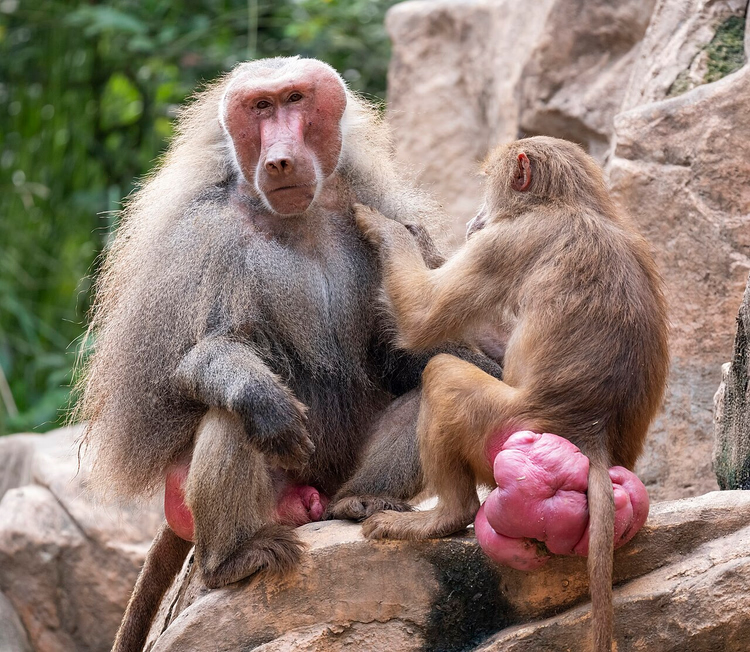
The sector recreates a piece of an Ethiopian village from the Great Rift Valley. Mountain goats walk between small huts, hamadryas baboons leap around, and mongooses dart by. Take your time through this zone: you can see the animals from just a couple of meters away.
 © Chensiyuan · CC BY-SAPhoto: Chensiyuan, CC BY-SA (https://creativecommons.org/licenses/by-sa/4.0), Wikimedia Commons
Tropical forests
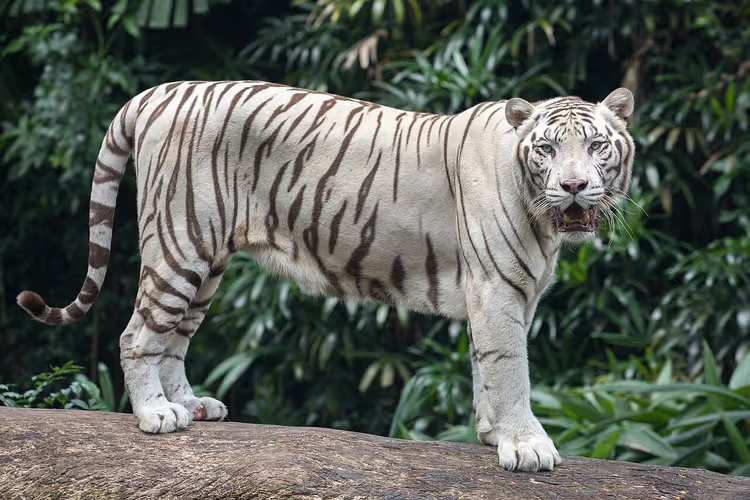
Dense trees, small waterfalls, a pond with an island, and boulders are home to hornbills, emperor tamarins, and brown lemurs. Gibbons and pink flamingos live on the island. The zone's main resident is a white tiger that calmly paces along the glass.
 © Basile Morin · CC BY-SAPhoto: Basile Morin, CC BY-SA (https://creativecommons.org/licenses/by-sa/4.0), Wikimedia Commons
Fragile forest
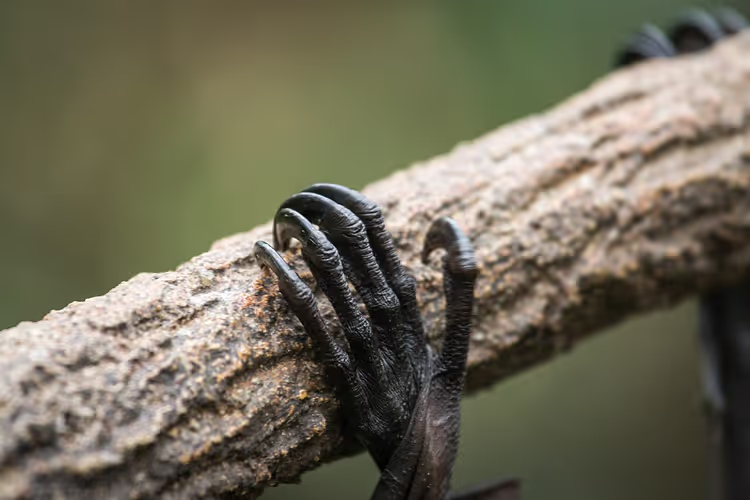
In the enclosed pavilion you walk under branches where bats hang upside down, and long lemur tails dangle above you. Outside, butterflies, bright birds, and parrots flit among the trees, ferns, and palms.
 © _paVan_ from Singapore, Singapore · CC BYPhoto: _paVan_ from Singapore, Singapore, CC BY (https://creativecommons.org/licenses/by/2.0), Wikimedia Commons
Australian zone
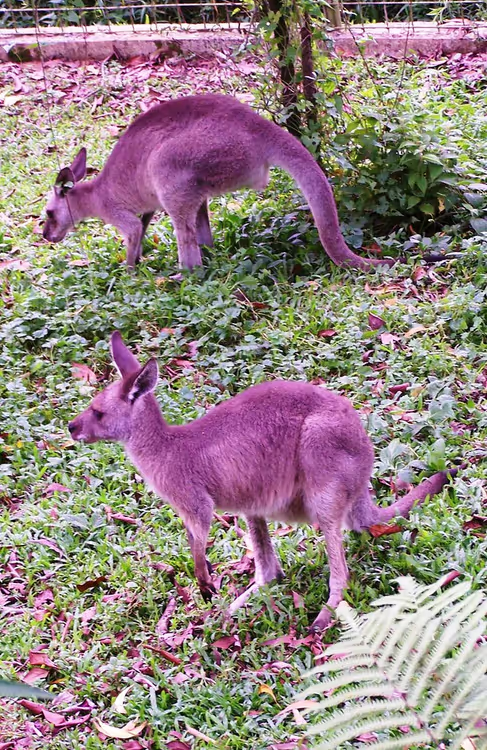
The hosts of this part of the park are kangaroos with muscular legs and long tails. Watch how they hop: this is the liveliest part of the route.
 © soham_pablo · CC BYPhoto: soham_pablo, CC BY (https://creativecommons.org/licenses/by/2.0/), Flickr
Primate kingdom
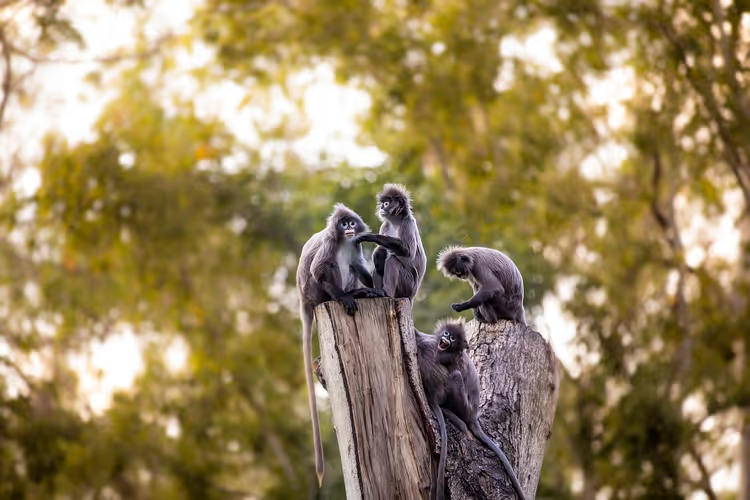
The park has more than 40 species of monkeys, and they appear in almost every zone. The largest number of primates live on a separate island with wild grasses, ginger, bamboo, and palms. The best time to watch them is in the first half of the day, when they are actively jumping, playing, and stripping leaves.
Entertainment programs at the zoo
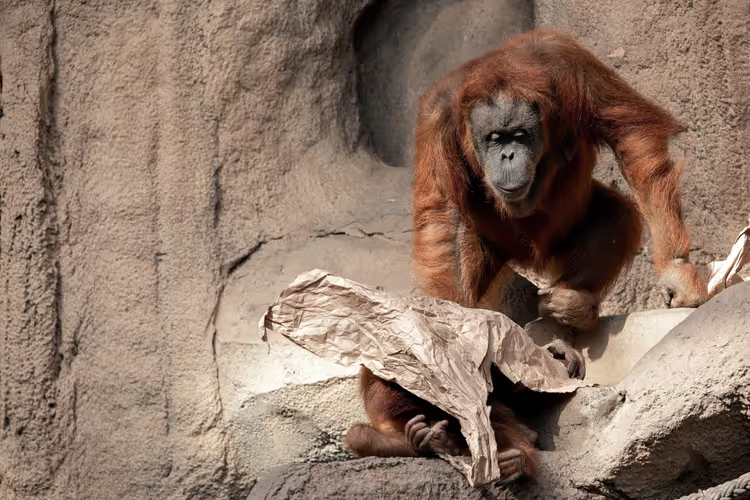
A walk through the park is not the whole story: some shows and feedings require a separate ticket. The most famous program is "breakfast with an orangutan", tea at the same table with a monkey surrounded by tropical forest. Slots are limited, so book in advance.
In the open amphitheater, seals and sea lions perform jumps and ball exercises, while pelicans demonstrate how to catch fish with their beaks. On a large stage, elephants carry logs, spray water with their trunks, and do somersaults. There is also a program featuring parrots, monkeys, lemurs, and even snakes.
Hand feeding is sold separately: giraffes, rhinos, baboons, and lemurs take food from your palm, and then you can take photos. The most powerful impression comes from feeding the white tiger. From the viewing platform you throw pieces of meat to the predator, and it leaps, roars loudly, and swims in the pool.
Feeding schedules change by season, so check the times at the information desk near the entrance. Programs and tickets are easy to book in advance on GetYourGuide.
Night safari
In the evening many animals are more active than during the day, so the reserve built a separate route with a tram and walking trails for this purpose.
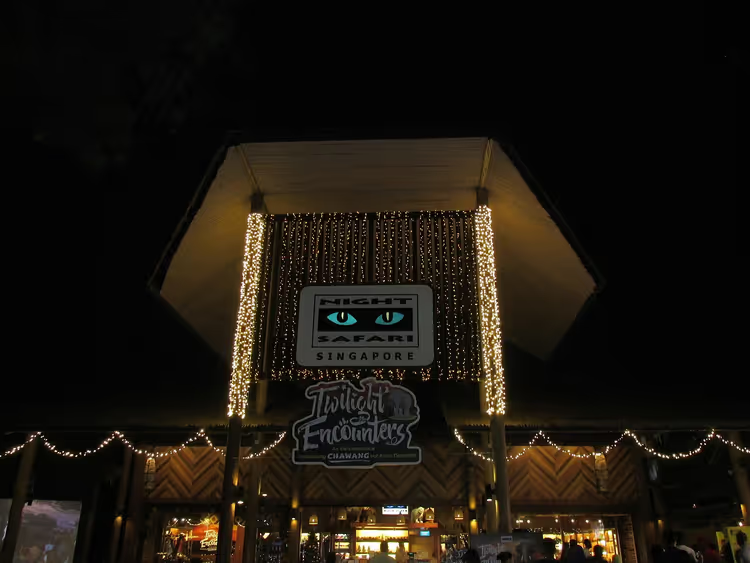 © Orderinchaos · CC BY-SAPhoto: Orderinchaos, CC BY-SA (https://creativecommons.org/licenses/by-sa/4.0), Wikimedia Commons
At dusk the barriers are almost invisible, so you hear the growls and whistles of predators very close by. A separate viewing area gives you a chance to see a lion hunt: it sits in ambush among tall grass, eyes gleaming, body tense. Herbivores stroll along the paths within arm's reach: zebras, deer, and antelopes calmly chew leaves and eat fruit.
The night safari operates separately from the daytime park, and tickets are sold for an evening slot. Night safari tickets on Tiqets. Arrive at opening time, around 7:15 PM, and you will have time to cover the trails before midnight.
Opening hours and ticket prices
Check the hours and rates for your travel date: the schedule changes by season. Prices are in Singapore dollars, with the 9% GST tax already included (as of Mandai Wildlife Reserve).
What | Hours | Ticket |
|---|---|---|
Singapore Zoo | daily, roughly 8:30 AM to 6:00 PM (as of 09/2026, Mandai ticket page) | adult ticket costs more than child ticket |
Night Safari | evening, roughly 7:15 PM to midnight (as of 09/2026, Night Safari page) | separate ticket, costs more than the daytime one |
Park tram | during zoo hours | paid separately |
The daytime ticket covers all park zones and regular shows. Hand-feeding sessions and breakfast with orangutans are paid separately. Night Safari and the tram are sold separately, so budget for the whole day upfront. Children under three enter free with an adult (according to the visitor rules on the Mandai website).
Tours and tickets in Singapore Zoo
Guided tours, skip-the-line tickets and activities — most offers can be cancelled free of charge.
See offers on TiqetsThe widget loads once you give your consent.
How to get to the zoo in Singapore
The park is outside the city, in the Mandai area, so a taxi from the center takes about twenty minutes. By public transport, take the North-South MRT line to Khatib station, then transfer to the Mandai Khatib Bus shuttle. The fare is 2.50 SGD per person aged 7 and up, and rides between parks within the reserve are free (as of 09/2026, Mandai shuttle information).
Singapore Zoo on the map
The zoo, Night Safari, and Bird Paradise are next to each other within the same Mandai reserve. A tram runs inside the zoo, trails are signposted, and a park map is posted at the entrance.
⁉️🤔 Frequently asked questions
How much does a ticket to the Singapore Zoo cost?
Prices are in Singapore dollars, with the 9% GST tax already included (as of 09/2026, rates on the official website). An adult ticket costs more than a child's, and children under three get in free. Check the exact amount for your date on the website before purchasing.
How much time do you need to see the zoo?
Set aside half a day for a leisurely walk through all the zones. The route is long, so wear comfortable shoes and bring water. If you are also going to the night safari, leave a break for dinner between the parks.
Can you combine the zoo and the night safari in one day?
Yes, that is the most convenient option. During the day you go through the zoo, and in the evening you return to Mandai for the night safari.
How do you get to the zoo without a taxi?
Take the North-South MRT line to Khatib station and transfer to the Mandai Khatib Bus shuttle. The fare is 2.50 SGD per person aged 7 and up (as of 09/2026, official shuttle information).
Can you feed the animals at the Singapore Zoo?
Yes, but only during official sessions. Giraffe, rhino, baboon, and lemur feedings are sold separately, and you give the food yourself rather than a keeper. The schedule changes by season, so check it on the day of your visit.
In short: what to book
If you are traveling with kids, get a day ticket and add the tram right away: that way you will cover more zones without getting tired. If you want an evening program, book the night safari as a separate slot at 7:15 PM. If you only have a couple of days in Singapore, put the zoo on the morning of the first day.
It is convenient to get park tickets in advance: Singapore Zoo tickets. If you are planning a full day at the reserve, start with the far zones and work your way back toward the exit by evening.

A small editorial team writing guides for independent travel. We travel ourselves, but we haven’t been everywhere, so we check prices, opening hours and how to get there against official sources.