
















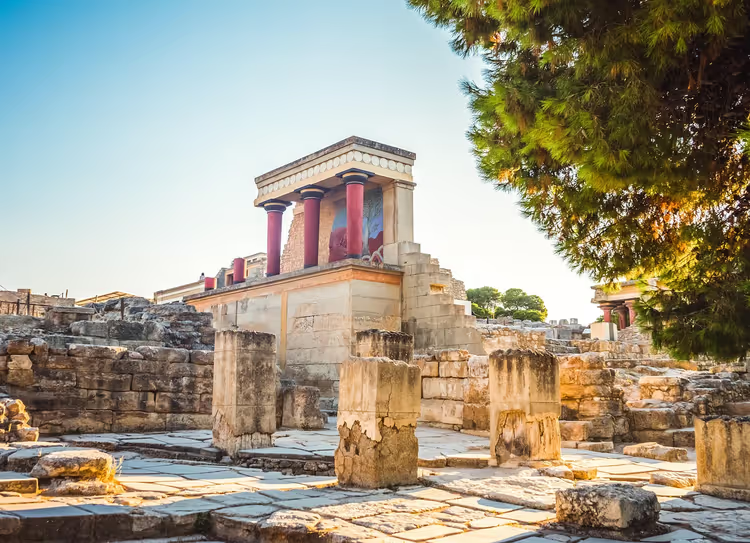
Festival calendar of Crete: ten unusual holidays by season
Crete celebrates all year round. Some of these celebrations won't appear in any guidebook to Greece. In late August, one mountain village picks the biggest potato, in July potters open their workshops, and from October the island distills raki.
The tricky part is the dates. Many festivals depend on the harvest and the church calendar, so the schedule shifts every year, and older guidebooks list outdated dates. We've gathered ten unusual Cretan festivals and noted the location, season, and what to check before you go.
Ad: this article contains affiliate links, we earn a commission if you book through them, at no extra cost to you.
Festivals in Crete: where and when
💡 In short:
- Festivals run all year: food events in summer and fall, carnival in late winter, music from June through August.
- Almost all venues are in villages far from the big hotels, so you'll need a car or a bus.
- Dates and seasons: 09/2026, according to the official events calendar of the Crete region.
Calendar by season:
Festival | Location | Season |
|---|---|---|
Potato Festival | Zermiado, eastern Crete | late August |
Pottery Festival | Thrapsano, near Heraklion | mid-July |
Beach Festival | Matala, south coast | late June |
Music Festival | Houdetsi, 23 km from Heraklion (by map) | August |
Rock Festival | Chania, old town | July |
Renaissance Festival | Rethymno, Fortezza fortress | July and August |
Carnival | Rethymno, citywide | February or March |
Raki Festival | villages across the island | October and November |
Wine Festival | Rethymno, municipal park | July |
Chestnut Festival | Elos, near Kissamos | October |
Dates shift with the harvest and Easter, so check the schedule on the festival's website or at the tourist office.
1. Potato Festival in Zermiado
Zermiado sits in the mountains of eastern Crete, about an hour's drive from Heraklion (by map). It's a village of a few hundred people, and once a year its square turns into a big fair. In late August, the Potato Festival runs here for three days straight: farmers bring in the harvest, cooks turn it into dozens of dishes, and in the evening folk ensembles take the stage.
The biggest crowd gathers for the largest potato contest. Near the square, stalls sell local honey, herbs, and cheeses, and you'll be poured homemade wine and raki. The fields around the village are cultivated year-round, because the mild climate and the nearby mountains produce a good yield of vegetables and fruit.
If you arrive outside the festival dates, the village is still worth a stop. Nearby are the ruins of old windmills, and ten kilometers away by map lies the Dikteon Cave, where, according to myth, Zeus was born. Stop by a local cafe and ask for dishes made from seasonal ingredients.
- How to get there: about an hour's drive from Heraklion by car (by map).
- Who it's for: if you want to see a mountain village and try food straight from the farmers.
- The catch: the exact date of the three-day festival is announced closer to late August.
2. Pottery Festival in Thrapsano
 © C messier · CC BY-SAPhoto: C messier, CC BY-SA (https://creativecommons.org/licenses/by-sa/4.0), Wikimedia Commons
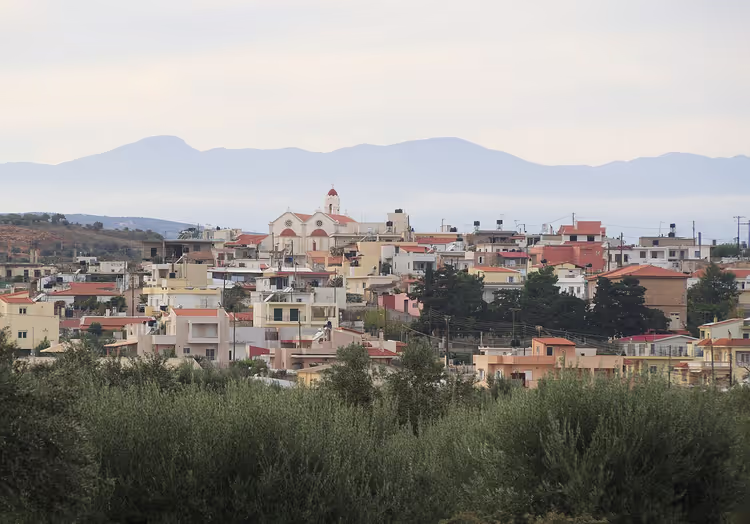
Thrapsano is called the pottery capital of Crete. Artisans have worked with clay since the Minoan civilization and pass down firing secrets from generation to generation. In mid-July, the village turns into a large exhibition for several days: potters bring pots, jugs, and vases out into their yards, and you can buy any piece directly from the maker.
The road is easy: from Heraklion to Thrapsano is about 30 km (by map), so the village fits easily into a day trip. If you want more than just looking, the festival program includes pottery wheel workshops. This activity holds the attention of both adults and children, so Thrapsano works well for the whole family.
- How to get there: about 30 km from Heraklion by car (by map).
- Who it's for: if you're interested in crafts and want to take home a souvenir from a specific artisan.
- Pairs well with: Knossos Palace and the Archaeological Museum in Heraklion.
3. Beach Festival in Matala
 © Zde · CC BY-SAPhoto: Zde, CC BY-SA (https://creativecommons.org/licenses/by-sa/4.0), Wikimedia Commons
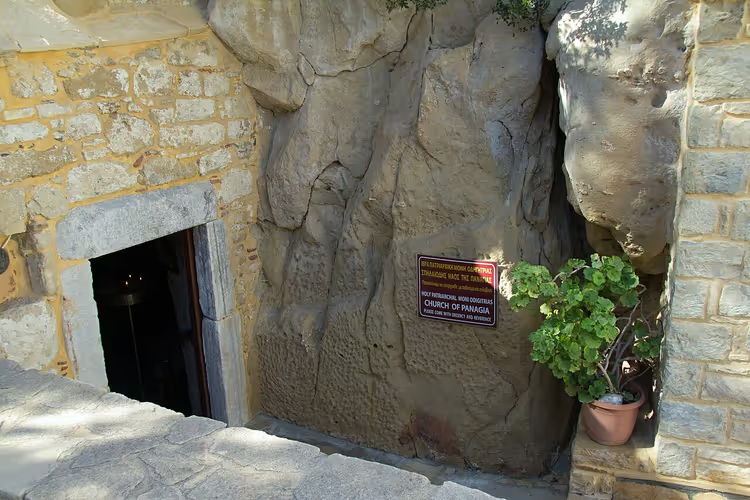
Matala lies on the southern coast of Crete, and in late June the village becomes the center of the island's hippie culture for a few days. The Matala Beach Festival is called the local "Woodstock": rock and reggae play on a stage by the sea, songs by Bob Marley and John Lennon fill the air, and by evening the audience joins the musicians.
The program goes beyond concerts. Organizers put on lectures and exhibitions about the region's literature, painting, and street art, and the craft fair sells friendship bracelets and handmade jewelry. It's easy to meet people here: strangers exchange contacts right on the waterfront.
The place has its own history. Back in the 1960s, a hippie community lived in the caves above the beach, and today's festival grew out of those gatherings.
- How to get there: about an hour's drive from Heraklion by car (by map).
- Who it's for: if you enjoy the atmosphere of a free-spirited summer celebration by the sea.
- Not for: if you're looking for a quiet beach without crowds and loud music.
4. Music Festival in Houdetsi
 © C messier · CC BY-SAPhoto: C messier, CC BY-SA (https://creativecommons.org/licenses/by-sa/4.0), Wikimedia Commons
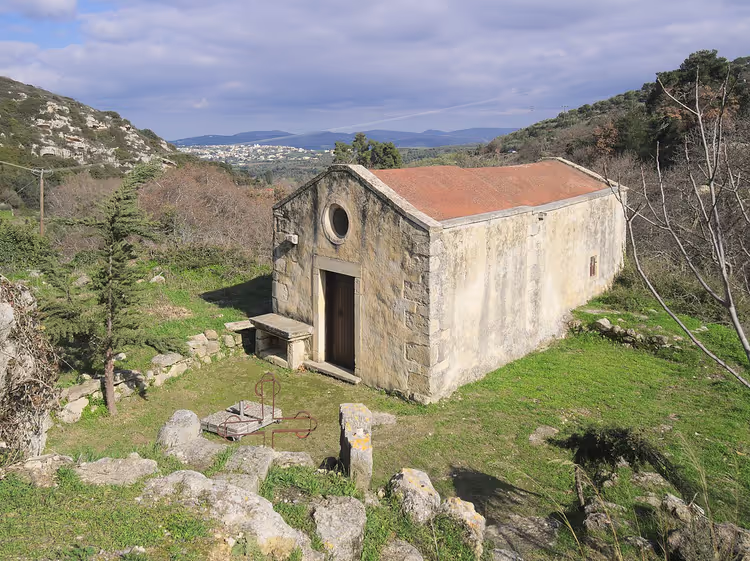
In August, the village of Houdetsi, 23 km from Heraklion (by map), gathers musicians from across the island. The three-stringed Cretan lyra plays here, and the melodies of folk songs have been passed down from generation to generation. For one evening, the small village turns into a large concert venue.
Nearby, stalls run by local artisans and farmers offer honey, wine, and olive oil, with the producers themselves vouching for the quality. Admission to all festival events is free, so you can plan the trip without expensive tickets.
- When: August.
- How to get there: 23 km from Heraklion (by map).
- Who it's for: if you want to hear live Cretan music without paying for admission.
5. Rock Festival in Chania
 © C messier · CC BY-SAPhoto: C messier, CC BY-SA (https://creativecommons.org/licenses/by-sa/4.0), Wikimedia Commons
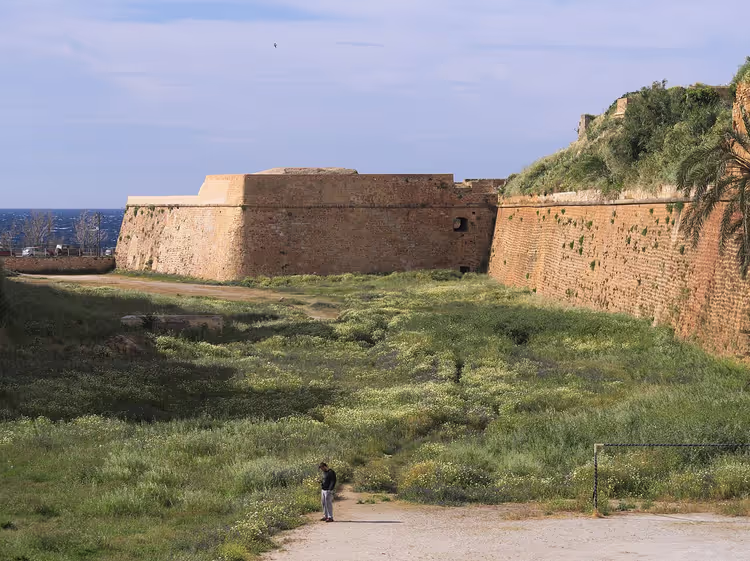
The island's biggest rock festival takes place in Chania in July. The stage is set on the ruins of the San Salvatore bastion in the old town, so the concert happens within the walls of a Venetian fortress. Both local bands and international headliners perform.
Over its history, the festival has hosted Bonfire, Sabaton, W.A.S.P., and Paradise Lost. The lineup for the new season is announced closer to summer, and tickets for the big nights sell out in advance.
- When: July.
- Where: San Salvatore bastion, old town of Chania.
- Who it's for: if you want a loud evening and a reason to explore the fortress.
6. Renaissance Festival in Rethymno
 © Lapplaender · CC BY-SAPhoto: Lapplaender, CC BY-SA (https://creativecommons.org/licenses/by-sa/3.0/de/deed.en), Wikimedia Commons
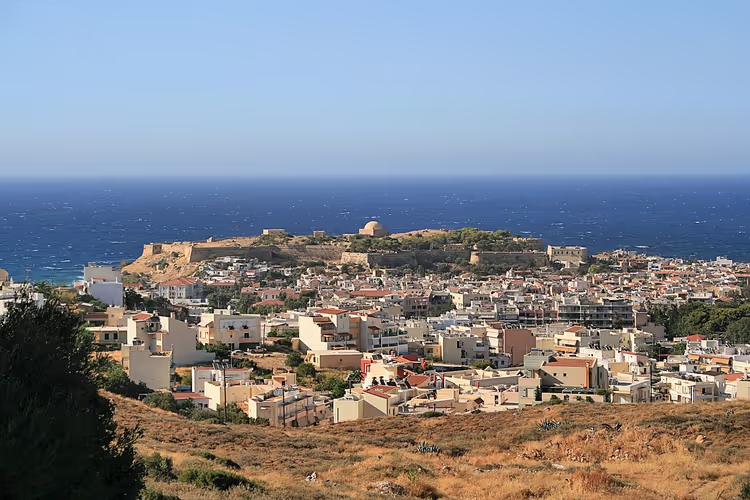
Rethymno grew up on Renaissance literature and architecture, and for several decades the city has held its own Renaissance Festival. The event is organized and funded by the local municipality, so the program holds up to the standard of a major European festival. It runs in July and August.
Stages are scattered across the old town, and the main productions take place at the Erofili theater in the Venetian Fortezza fortress. Dramatic performances of Shakespeare and Moliere are staged here, along with dance and music programs and art exhibitions. Creative groups from across Europe come for the festival.
- When: July and August.
- Where: Fortezza fortress and venues in the old town of Rethymno.
- Who it's for: if you're interested in theater and music in historic settings.
7. Carnival in Rethymno
 © C messier · CC BY-SAPhoto: C messier, CC BY-SA (https://creativecommons.org/licenses/by-sa/3.0), Wikimedia Commons
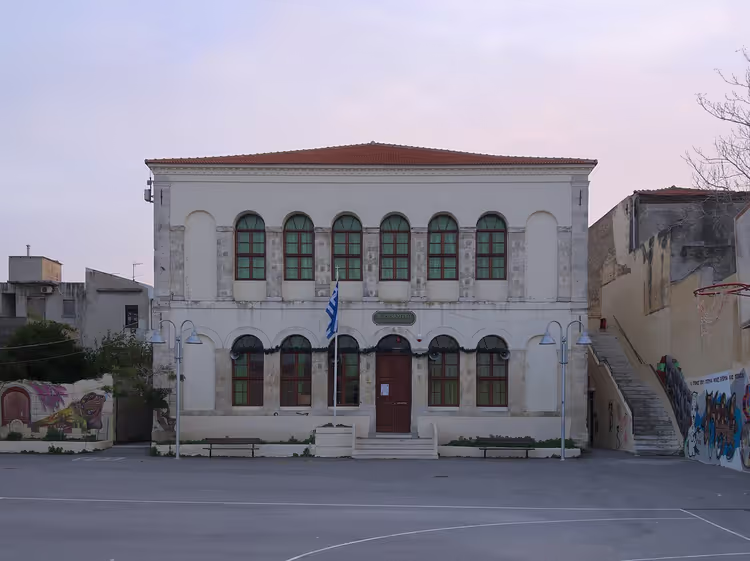
The Rethymno Carnival is considered the island's most spectacular celebration. The date is tied to Easter, so it falls in February or March. Long before it starts, the city begins rehearsing: residents sew costumes, and cafes and streets live in a carnival rhythm.
The program is designed for both adults and children. Kids get a "Treasure Hunt for Ancient Treasures," while adults put on pre-prepared outfits and join the mass celebrations. In the evening, participants always sing the traditional "kantades" serenades.
The finale falls on the last Sunday: the Grand Parade moves through the city, and an effigy of the King is burned on one of the beaches.
- When: February or March, the date shifts with Easter.
- Who it's for: if you want to catch the city in costumes and with music in the streets.
8. Raki Festival across Crete
Raki, or tsikoudia, is Cretan grape moonshine. It's still distilled in home stills using family recipes, and in the fall almost every village holds a distillation festival. Locals call these gatherings "Kazanemata," a word derived from "kazani," the copper pot in which the drink is boiled.
The festivals run from October through December and carry not only culinary but also religious meaning. Raki is made from grape must, and the host, relatives, and guests gather around the pot. They recall old customs and then sit down at the table with local appetizers and fresh drink (according to the Crete events calendar, 09/2026).
- When: October and November, with some festivals stretching into December.
- Where: villages and towns across the island, no single venue.
- Who it's for: if you're interested in village cuisine and local traditions.
9. Wine Festival in Rethymno
Wine is considered the main drink of the table in Crete, and every summer wine festivals take place across the island. The largest one is held in Rethymno in July. The venue is the municipal park: a stage is set up, wine tents are pitched, and children's rides open.
Any guest can taste the drink. Local wineries bring both red and white wines, and stronger spirits are served for comparison. Tasting is free for visitors, national music plays, and the evening has a family feel.
If you like a wine, you can take a couple of bottles home as a souvenir.
- When: July.
- Where: municipal park of Rethymno.
- Who it's for: if you want to try the region's wines in one place.
10. Chestnut Festival in Elos
 © C messier · CC BY-SAPhoto: C messier, CC BY-SA (https://creativecommons.org/licenses/by-sa/4.0), Wikimedia Commons
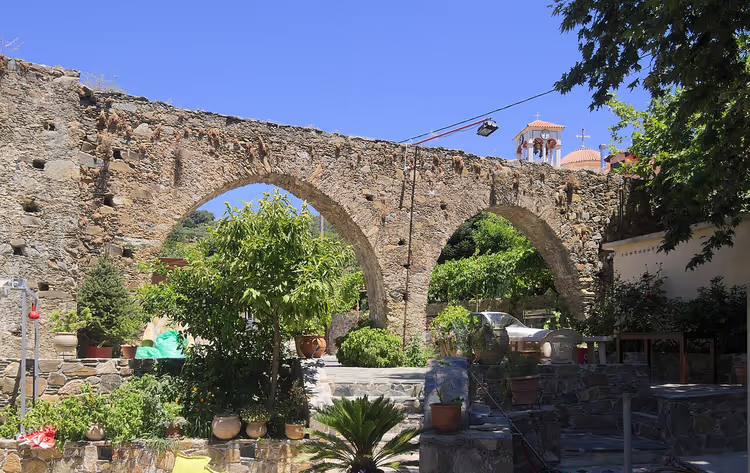
In October, the village of Elos in western Crete, near Kissamos, holds a chestnut festival. The chestnut groves here yield a generous harvest, and locals have turned the gathering into a big celebration. Guests try chestnut dishes and watch performances by theater artists and musicians.
The cuisine goes beyond dessert. Besides roasted and boiled chestnuts, cooks prepare grilled meat and traditional appetizers, and red wine is served at the table to complement the flavors. Chestnut recipes are as common here as in France or Italy.
- When: October.
- Where: the village of Elos near Kissamos, western Crete.
- Who it's for: if you want to spend a weekend in the mountains and try seasonal cuisine.
⁉️🤔 Frequently asked questions
When is the best time to go to Crete's festivals?
The season is spread out. In June, the Beach Festival takes place in Matala; in July and August, celebrations happen in Chania, Rethymno, and Houdetsi; in late August, the potato is celebrated in Zermiado; and in the fall comes the season of raki and chestnuts in Elos. In winter, the Rethymno Carnival remains.
Do I need to buy tickets in advance?
Many festivals have free admission. The Music Festival in Houdetsi and the Wine Festival in Rethymno welcome guests free of charge. You'll pay for transport and accommodation, and for the Rock Festival in Chania, tickets for the big nights sell out in advance, so get them before your trip.
How do I get to the venues without a car?
Some villages are far from major cities. Thrapsano is about 30 km from Heraklion, Houdetsi is 23 km (by map), Matala is about an hour away, and Elos requires driving to the west of the island. Public transport runs infrequently, so it's easier to rent a car or book a transfer.
What should I bring to a festival?
Comfortable shoes and a light jacket: evenings in the mountains are cool, and some festivals take place outdoors. Bring cash for the fairs, because small stalls don't always accept cards. In summer, add a hat and water.
Is the Rethymno Carnival suitable for children?
Yes. The carnival has a separate children's program: the "Treasure Hunt for Ancient Treasures" and parades where children take part alongside adults. Adults get costumes, dancing, and "kantades" serenades.
In short: what to book
Crete's festivals are scattered across the island, so choose by season. If you're going in July, put Thrapsano, Chania, and Rethymno on your itinerary. In August, the main evening awaits you in Houdetsi, along with the Potato Festival in Zermiado. In the fall, keep raki and chestnuts in Elos on your calendar.
If you're short on time, go with Rethymno: in July, the Renaissance Festival and the Wine Festival overlap there. For beach vibes, head south to Matala. Book accommodation in Rethymno, Chania, and Heraklion around festival dates, because hotels fill up in advance.
Check out hotels in Crete on Trip.com and island tours on GetYourGuide.

A small editorial team writing guides for independent travel. We travel ourselves, but we haven’t been everywhere, so we check prices, opening hours and how to get there against official sources.