
















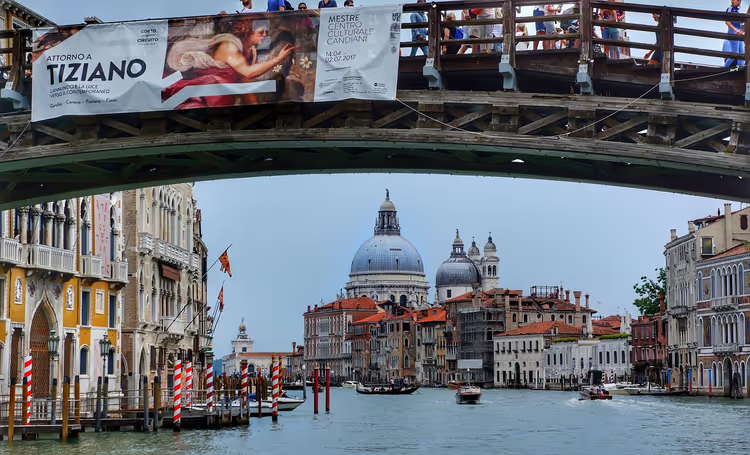
Venice by season: when is the best time to go and what to expect from the weather
Venice looks the same on postcards all year round. In reality, its months differ more than you'd expect: heat and crowds in July, fog and water in November, quiet and cheap hotels in January.
We've put together the weather, crowds, prices, and risks by season so you can pick the month that fits your trip, not someone else's review.
The short answer: for most travelers, the best time is May and September. Days are warm without being hot, lines are shorter than in July, and hotel prices haven't peaked yet.
Ad: this article contains affiliate links, we earn a commission if you book through them, at no extra cost to you.
Venice by season: a quick overview
💡 In short:
- Best months for most people: May, June, September, October.
- Want the carnival: late January and the first half of February.
- Want quiet and low prices: November, January, February outside carnival.
Venice operates year-round, but the load varies a lot. Tourist numbers peak in July and August. April, May, September, and October are also busy because those months have the most pleasant weather.
Below are average daytime temperatures based on climate norms, not a forecast for a specific day (as of 09/2026, Weather and Climate).
Season | Daytime | Tourists | Acqua alta | Prices | What to do |
|---|---|---|---|---|---|
Spring (April-June) | 12-20 °C | medium to high | low risk | above average | walks, gondolas, blossoms |
Summer (July-August) | 25-30 °C and above | very high | low risk | high | Lido beach, evening walks |
Fall (September-October) | 10-20 °C | high to medium | medium to high | average | museums, food, fog |
Winter (November-March) | 0-10 °C | low, except carnival | high | low, except carnival | museums, cafes, carnival |
January is the coolest, July and August are the warmest. Actual weather during your week can deviate from the norm, so check the forecast a few days before you leave and pack layers.
Spring in Venice: warmth and blossoms
Spring is a sensible compromise between weather and lines, and it's the best fit for a first trip. Days are already warm, but the heat doesn't weigh on you yet, and you can walk the narrow streets without constant breaks to catch your breath.

In May, daytime air warms up to about 20 °C; April stays cooler (as of 09/2026, Weather and Climate). Sudden rain is possible in April, so a compact umbrella will come in handy.
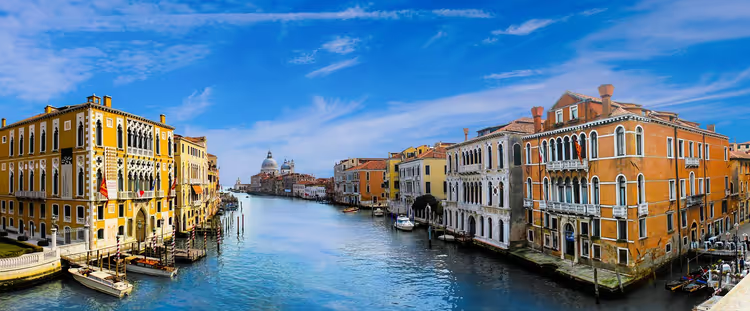
The main spring highlight is the blossoms. In late April and May, wisteria covers the walls of buildings, and even an overcast day looks dressed up.
June is warmer and livelier, but the city fills up in the second half of the month. Book your hotel and tickets in advance, otherwise your options will shrink to expensive places in the center.
In spring, daylight is noticeably longer than in winter, so you have enough time for both a museum and an evening walk along the canals. In April, it's warmer in the sun than in the shade, so a light jacket will still be useful.
Plan your entry to the main museums before the trip. Skip-the-line Venice museum tickets are bought online, so you don't lose your morning at the ticket office.
Pros: mild weather for walking and gondolas, fewer people than in July, long daylight hours.
The catch: hotel and ticket prices rise, sudden rain is possible in April.
Who it's for: a first trip and anyone who wants to explore the city on foot.
Summer in Venice: heat and crowds
Summer is the most popular season and the hardest for walking. In July and August, daytime temperatures can exceed 30 °C, and high humidity makes the heat feel sticky (as of 09/2026, Weather and Climate).
Lines at the main sights are longest in summer. Arrive at opening time or closer to evening, and you'll wait noticeably less.
If the heat gets to you, head to Lido beach. The vaporetto from the center goes there without transfers, and the sea air gives you a break from the stuffiness.
In the evening, mosquitoes appear near the water. Bring repellent if you plan to sit on the waterfront after sunset.
Long summer daylight helps photographers. After sunset, the waterfronts are lit up, and the city looks completely different from daytime. Midday is better spent planning a museum visit or a cafe break, not a long walk in the open sun.
Tours and boat trips are easier to book in advance. Venice tours on GetYourGuide help you reserve a spot for a specific time.
Pros: long sunny days, lively atmosphere, swimming at Lido, evening walks until dark.
The catch: heat and humidity, maximum lines, high prices for everything, mosquitoes in the evenings.
Not for: people who don't handle heat and humidity well.
Fall in Venice: fog and wine festivals
Fall brings calm back to the city. September is still warm and sunny, while October offers mild days and cool evenings, so walking is comfortable for most of the day.
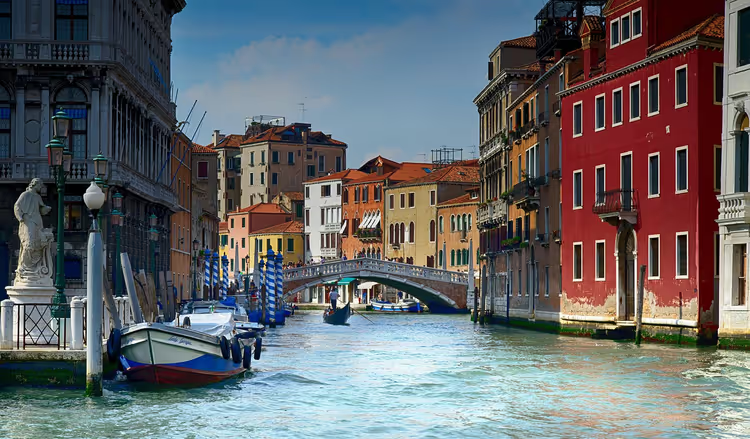
Many people consider Venice at its most beautiful in autumn. Fog wraps the palazzi, and the light becomes soft and warm.
In autumn, the Veneto region hosts wine and harvest festivals, so the food side of the trip is especially rich. You can fit in both the market and a tasting in the surrounding area.
In autumn, museums and galleries run on their regular schedule, and lines are shorter than in summer. Late October brings more rain, so a raincoat will be just as useful as an umbrella. In September you can still sit by the water without a jacket, but by November you need a warm layer.
The main risk in autumn is water. Acqua alta most often arrives in October, November, and December, and the flooding season runs through March (as of 09/2026, Venice tourism portal). The MOSE barrier closes when the water rises above 110 cm, so severe flooding is rare today.
Pros: comfortable temperatures, fewer people, beautiful scenery, and wine festivals.
The catch: risk of acqua alta, short days, more rain from late October.
Who it's for: couples and anyone who values atmosphere more than swimming.
Winter in Venice: quiet and carnival
Winter is a season of quiet and the best prices, carnival days aside. There are few tourists, fog hides the palazzi, and the air is cold and damp.
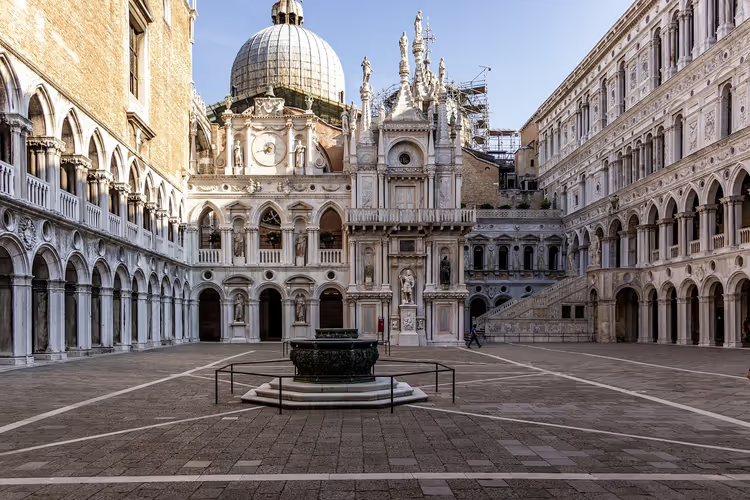
 © TeraGood · CC BYPhoto: TeraGood, CC BY (https://creativecommons.org/licenses/by/3.0), Wikimedia Commons
Frost here is usually mild, but the humidity makes the cold feel sharper. Bring a warm jacket and waterproof shoes, and you'll be comfortable even by the water.
Some sights close earlier in winter or take a short break, so check schedules in advance.
Outside carnival, winter is cheaper not only for hotels but also for flights, so the trip works out budget-friendly. It gets dark early in the evening, but in return you get the city almost without tourists and can have lunch without a reservation. If you're worried about flooding, keep an eye on the tide forecast and plan long walks for the first half of the day.
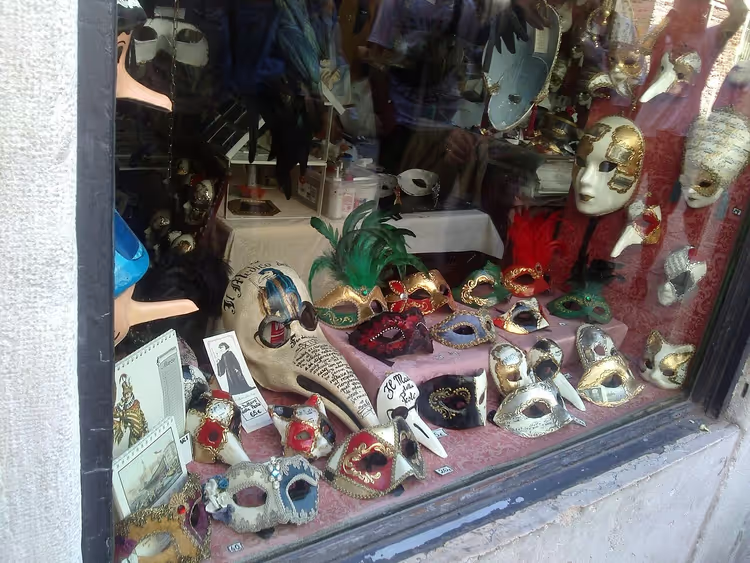
The main winter event is carnival. Carnival 2027 runs from January 23 to February 9, and during those days prices and crowds rise sharply.
Hotels for carnival dates get booked up months in advance. It's worth checking Venice hotels on Trip.com early and with free cancellation while there's still a good selection in the center.
Pros: few tourists outside carnival, low prices, a mystical atmosphere, carnival.
The catch: cold and damp, the highest risk of acqua alta, short daylight hours, some sights run on reduced schedules.
Who it's for: those seeking quiet, and carnival lovers.
Which season suits whom
There is no single right answer, it all depends on your priorities. Below are four typical scenarios that make it easy to pick a month.
You want comfortable weather and fewer people. Go in April, May, September, or October.
You want sun and the beach. July and August work well, but be ready for heat and lines.
You want quiet and savings. Choose November, January, or February outside carnival days.
You are going to the carnival. Plan your trip for winter and book your hotel several months ahead.
If you do not need the holiday peak, avoid Easter, carnival, and the beginning of September. In other weeks the city stays lively but manageable, and you can easily find a table at a cafe.
This approach helps you avoid overpaying and being disappointed in the city. Pick a month based on what matters to you, not on some average recommendation from the internet.
Practical tips for your trip
Book in advance. Hotels in the historic center and slots at top museums go first, especially in May, September, and during carnival.
Watch the water. Acqua alta season runs from autumn to March, so check the tide forecast before your trip (as of 09/2026, Venice tide forecast). Rubber boots and raised walkways solve the problem for a few hours.
Keep the entry fee in mind. The pilot entry fee was in effect on certain days from April 3 to July 26, 2026 and has not been charged since July 27, but the rules may return in future years (as of 09/2026, Contributo di Accesso).
Plan your logistics. From Marco Polo Airport, a bus and a water taxi will get you to the city, and within the city the vaporetto handles everything.
Check schedules in advance. Some museums have their own closing day and reduced hours on Sundays, so open the official pages before your trip. That way you do not lose a day to a closed door.
What to book in advance
Lock in museum slots, tours, and hotels several weeks ahead, and several months ahead for carnival. Flexible cancellation costs a bit more, but you do not lose money if your plans change.
Compare tours and activities in Venice
Tours and tickets in Venice
Guided tours, skip-the-line tickets and activities — most offers can be cancelled free of charge.
See offers on TiqetsThe widget loads once you give your consent.
⁉️🤔 Frequently asked questions
When does Venice have the fewest tourists?
It is quietest from November to February, excluding carnival days. During this period museum lines are short, and hotels in the center cost noticeably less. The main catches here are cold, dampness, and a higher risk of flooding. For walking around, bring waterproof shoes and a warm jacket.
Can you swim in Venice?
There are no beaches in the city itself; people swim on the island of Lido. The beach season there runs roughly from June to September. A vaporetto from the center takes you to Lido without transfers, so the trip takes part of a day. The lagoon water near the historic center is not meant for swimming.
Is it true that Venice floods in autumn?
Flooding does happen, but it usually lasts a few hours, not weeks. Acqua alta comes most often from October to December, and the season stretches to March. Before your trip, check the tide forecast for the day of your visit.
When should you go to the carnival?
The exact dates of the 2027 carnival are listed in the winter section. It is the most expensive and most crowded period of winter, so book hotels for those dates in advance. If you only want masks and costumes, come in the first days, before the city fills up completely.
Do you have to pay to enter Venice?
In 2026 the entry fee applied only on certain days from April 3 to July 26. The fee is not currently charged, and you can visit the city without paying. Further decisions are made by the municipality, so check the rules before your trip on the official portal.
What is the weather like in Venice in winter?
In winter it is usually cold and damp during the day, and frost is rare. Rain is frequent, and the risk of flooding is highest in these months. Bring a warm jacket, waterproof shoes, and gloves. Walks through empty streets in this weather turn out to be especially peaceful.
In short: what to book
For a first trip, choose May or September. November, January, and February outside carnival give you quiet and savings, while July and August give you heat and the beach.
First trip: May or September.
Carnival: late January and the first half of February 2027.
Savings and quiet: November or January.
Beach and sun: July or August.
A hotel in the center is better booked with free cancellation, so plans can change without losses: Venice hotels on Trip.com.
Lock in museum tickets and tours in advance: skip-the-line museum tickets and activities in Venice.

A small editorial team writing guides for independent travel. We travel ourselves, but we haven’t been everywhere, so we check prices, opening hours and how to get there against official sources.