
















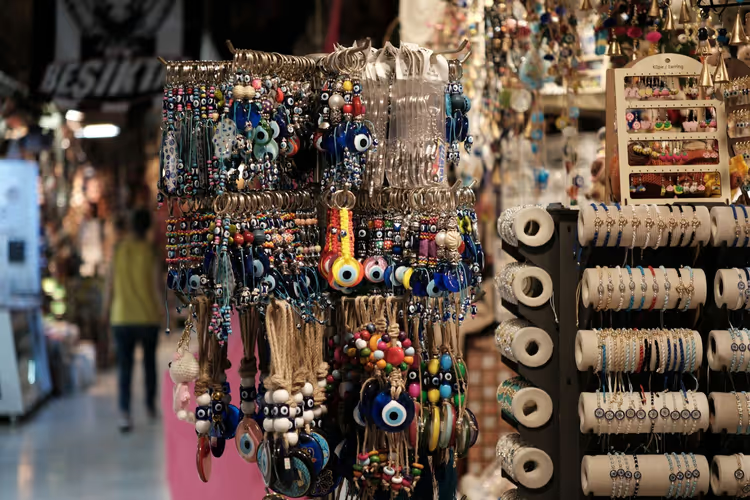
What to bring from Turkey: 25 souvenirs that will make it home
Turkish markets lure you in with bright displays, and leaving empty-handed is almost impossible. The tricky part is different: not every souvenir survives the trip home and is worth the money. We've rounded up twenty-five of the most popular Turkish goods and sorted them out for you.
Below you'll find a practical cheat sheet. It answers three questions: what to buy, what to watch for when shopping, and what the catch is with each option. That way you'll pick gifts that won't just gather dust on a shelf.
1. Turkish coffee and a copper cezve
💡 In short:
- Turkish coffee is brewed in a copper cezve and served with water.
- For a gift, get several small packs instead of one large one.
- Turkey's coffee tradition: added to the UNESCO list in 2013, verified 09/2026 on the official UNESCO website.
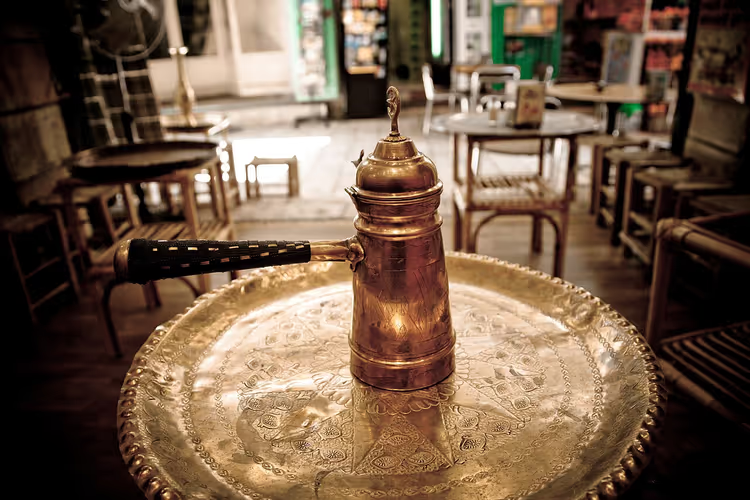 © Michael Plutchok · CC BY-SAPhoto: Michael Plutchok, CC BY-SA (https://creativecommons.org/licenses/by-sa/3.0), Wikimedia Commons
Turkish coffee doesn't grow in the country, but it has become its calling card. In 2013, UNESCO added Turkey's coffee culture to the intangible heritage list (UNESCO). The drink is easy to recognize by its fine grind, bold flavor, and delicate creamy foam.
Istanbul first encountered coffee in the mid-16th century, and public coffeehouses opened almost immediately. The ritual of unhurried conversation over a cup is considered a symbol of hospitality and friendship here. The drink is brewed in a copper cezve, heated on a tray of hot sand.
A glass of plain water is always served with the cup. First you rinse away the taste of food, and only then do you taste the coffee itself. For a gift, get several small packs: the aroma lasts longer, and the package takes up little room in your suitcase.
- Who it's for: people who brew coffee at home and appreciate the ritual.
- The catch: a large pack goes stale quickly; small packs stay more aromatic.
2. Tea from Black Sea Rize
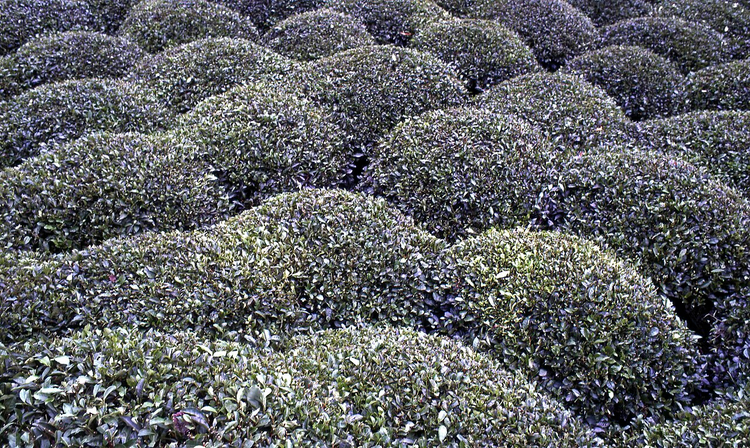 © Dosseman · CC BY-SAPhoto: Dosseman, CC BY-SA (https://creativecommons.org/licenses/by-sa/4.0), Wikimedia Commons
Tea reached Anatolia via the Great Silk Road, but the drink didn't catch on back then. It was only cultivated starting in the last century in the east, near the Black Sea. All Turkish tea still grows around Rize to this day (according to Çaykur).
Locals drink tea all day long. In families, the kettle sits on the stove almost constantly, and twenty to thirty cups a day is not unusual here. The drink is brewed in a special way: in a two-tier teapot, the concentrate goes on top and the boiling water below. The upper vessel is heated by steam and releases its aroma.
Tea is drunk from small glass cups, narrower at the top. Tea is offered everywhere here: in shops, offices, barbershops, and the question about a cup comes right after the greeting.
The drink is usually made very strong, so ask for it "light" if you're not used to that. For the trip, get a tin of Rize tea: it holds the aroma better than a cardboard box.
- Who it's for: lovers of strong black tea and home tea ceremonies.
- The catch: the strength is higher than what Europeans are used to, so it's worth asking for a weaker brew right away.
3. Eastern sweets: baklava and Turkish delight
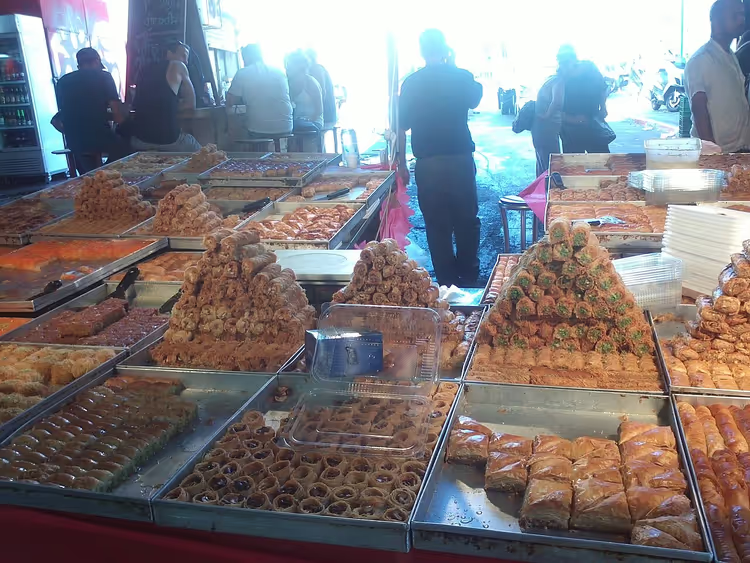 © Юкатан · CC BY-SAPhoto: Юкатан, CC BY-SA (https://creativecommons.org/licenses/by-sa/3.0), Wikimedia Commons
A trip doesn't count as complete without local desserts. Confectionery displays are packed with treats, and staying indifferent is hard. The downside is that many people bring home extra pounds along with the gifts.
Kadayif is baked from thin dough cut into fine shreds and soaked in syrup with almonds. Baklava is a layered pastry with nuts and honey. The dough is rolled so thin that the pattern of the pastry chef's table shows through the sheet.
Pişmaniye looks like little balls of thread and tastes like something between cotton candy and halva. It's made from boiled-down syrup stretched into the finest fibers. In some shops you can watch this work being done.
Turkish delight is familiar to you, but the local version is worth trying on its own. It's made from sugar and water with starch, and rose petal extract is added for aroma. The recipe is centuries old, so local confectioners stick to the old proportions.
Kadayif is often served with a spoonful of jam or whipped cream. Buy sweets in sealed boxes so they survive the trip.
- Who it's for: people bringing gifts for family and colleagues.
- The catch: the desserts are very high in calories and spoil quickly in hot weather.
4. Pomegranate sauce for meat and salads
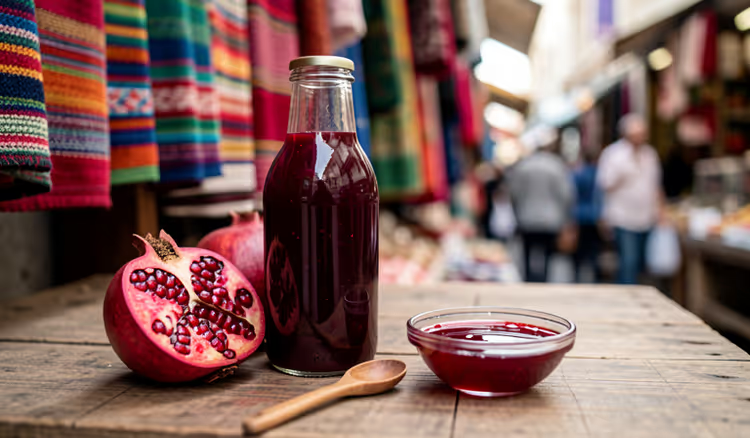 AIIllustrative image: AI-generated
Pomegranate sauce is juice boiled down to a thick consistency with a completely natural ingredient list. It was already used in the sultan's palace kitchen, and today it dresses salads and marinades. It pairs especially well with meat.
The taste is tangy and slightly sour, with a sweet aftertaste. It's not just a tasty but also a healthy gift: pomegranate boosts immunity and loads the body with vitamins. You can buy the sauce in a store or get it in bulk at the market.
Homemade sauce is thicker and more aromatic than store-bought. Just a teaspoon is enough for a salad, so it goes a long way. Check the ingredients: cheap versions are often thinned out with starch.
- The catch: industrial sauce often contains thickeners and extra sugar; homemade wins on flavor.
5. Spices from the eastern bazaar
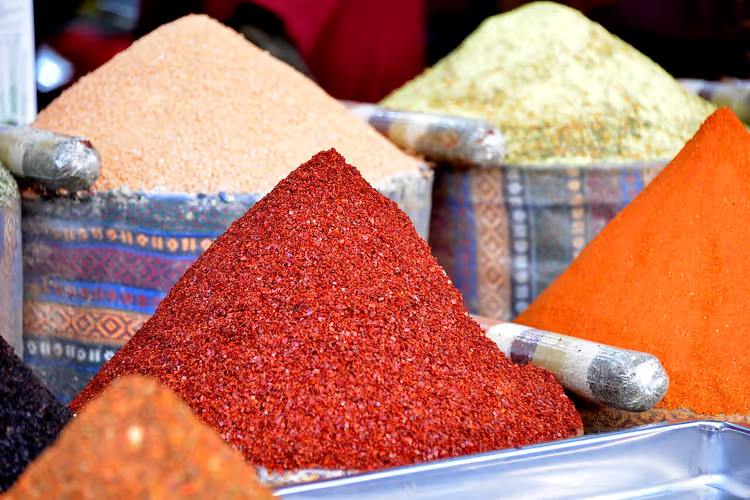 © Miomir Magdevski · CC BY-SAPhoto: Miomir Magdevski, CC BY-SA (https://creativecommons.org/licenses/by-sa/4.0), Wikimedia Commons
The eastern bazaar is the first place a tourist goes for spices. They are sold by weight here, and the whole market is saturated with a thick aroma. If you want a ready-made set, look for gift packaging in a supermarket.
Red pepper flakes are the favorite spice of local cooks. Even in cafes, a small bowl of them sits on the table next to the salt. When buying, look at the color: the darker, the hotter the taste.
Thyme is used more often in Turkey than in Europe, usually in dried form. It is added to soup and meat dishes. Isot is made from Urfa pepper: the spice is ground and dried in the sun for several days until it almost turns black.
Sumac is dried small berries with a sour taste, similar to pepper. You will most often find it in salads, but it is also good with rice. Dried mint is sold everywhere and goes into soups along with thyme, while fresh mint is not easy to find here.
Isot gives a dish heat with a smoky note. It is added to kebab and grilled vegetables. Freshly ground is more aromatic than store-bought packets.
- The catch: the heat of the flakes is hard to judge by appearance, so taste the spices right at the bazaar.
6. Extra virgin olive oil
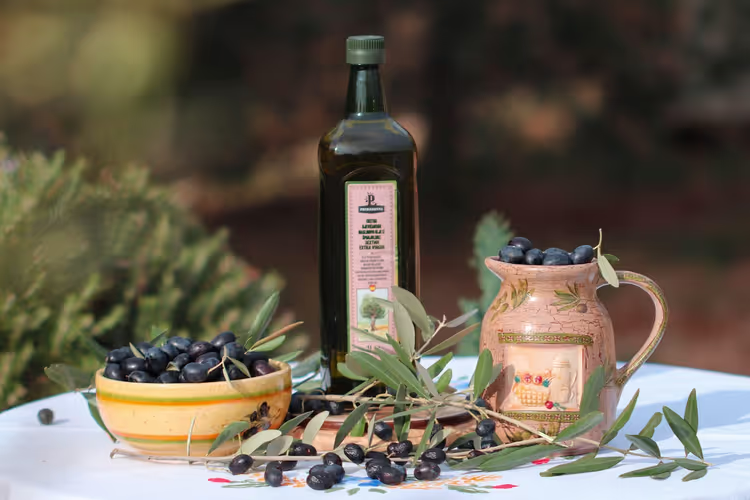
Turkey is among the largest olive oil producing countries (according to the International Olive Council). Huge areas here are devoted to olive groves, and the trees themselves are passed down from generation to generation.
For locals, the oil is cheap and high quality, so it is often brought home. If you cook a lot, get a large tin canister: it is convenient for travel and does not break. At the market, oil is cheaper than in souvenir shops, and you can also haggle there.
Look at the color and thickness. Good oil is thick, with a pleasant greenish tint, and the best is obtained by first cold pressing.
- The catch: a large canister weighs quite a bit, so keep an eye on your baggage allowance.
7. Turkish cheeses: tulum, kashar, and white cheese
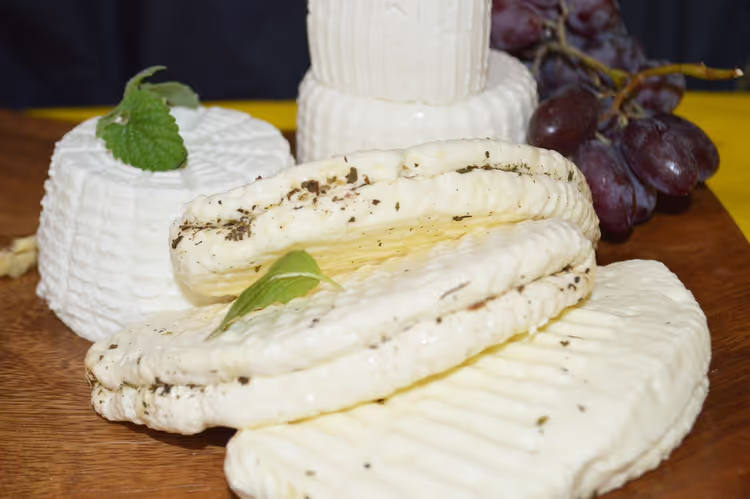
France and Switzerland are considered cheese countries, but Turkey can argue with that. Dozens of varieties are made here, and they are served both at breakfast and with wine.
White cheese resembles feta and is made from cow's, sheep's, or goat's milk. It is soft, delicate, and quite salty. Tulum is made using a special technique: the young cheese is tightly wrapped and kept in a cave for several months. Each region has its own recipe, with different additions.
Kashar looks like a yellow aromatic cheese, somewhat similar to Parmesan. It is hard but breaks easily into pieces, and is especially good with white wine. Combined with walnuts, the cheese is served as an appetizer.
- The catch: cheese from Turkey cannot be brought into the EU in personal luggage, so try it on the spot.
8. Anise vodka raki
 © Satirdan kahraman · CC BY-SAPhoto: Satirdan kahraman, CC BY-SA (https://creativecommons.org/licenses/by-sa/4.0), Wikimedia Commons
Turkey doesn't have a big reputation for producing strong spirits. There's one exception: the local anise vodka called raki. It's made from young grape wine with anise seeds added, which give it its signature aroma.
The drink is distilled twice, then aged in oak barrels for several months. The finished raki is very strong, with a persistent anise aftertaste. When you add water, it turns cloudy, and that's normal.
Raki is drunk slowly, like a cocktail, with toasts and light snacks. It's served with melon, salted almonds, cheese, sometimes fish, with Turkish music playing in the background. There are dedicated establishments for this, meyhanes, and it's more of a male tradition.
Raki comes in several grades, and prices vary widely: the most expensive ones are only affordable to wealthy people. The drink is sipped in small amounts, so even a small bottle lasts a long time.
You don't need a big bottle for a gift. Get several small sample bottles instead, so you can let someone try different grades.
- Who it's for: people who like anise drinks such as ouzo or sambuca.
- The catch: the drink is strong, and the anise flavor is far from universally liked.
9. Fresh and dried fruit
 © Güldem Üstün from Istanbul, TURKEY · CC BYPhoto: Güldem Üstün from Istanbul, TURKEY, CC BY (https://creativecommons.org/licenses/by/2.0), Wikimedia Commons
The mild climate and fertile soil make Turkey a land of fruit. Almost everything grows here, but not every fruit will survive the trip. Loquats and mulberries can only be tried on the spot.
The sweetest figs grow around Izmir. For a gift, dried figs are more practical: they travel well and work as a snack. Quince in Turkey is sweet and juicy, even though we're used to astringent fruit.
Bitter orange is a relative of the orange with a more sour taste and a bright aroma. Its juice is drunk with sugar and diluted with water, and its essential oil is highly valued. Jujube resembles large olives, grows on thorny trees, and has a delicate, pleasant taste.
For a gift, go with dried fruit: it takes up little space and doesn't get crushed in a suitcase. At the market, fruit is cheaper than at the hotel, and the seller often lets you taste before buying.
- The catch: fresh fruit doesn't travel well, so dried fruit is the better gift choice.
10. Pistachios from Antalya
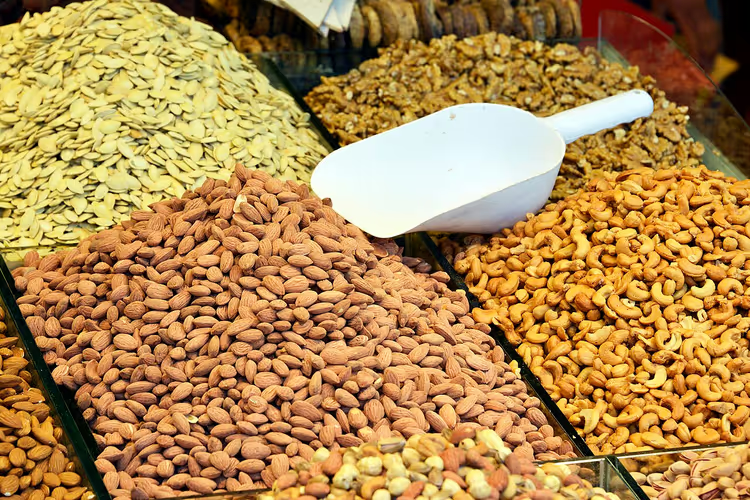 © Miomir Magdevski · CC BY-SAPhoto: Miomir Magdevski, CC BY-SA (https://creativecommons.org/licenses/by-sa/4.0), Wikimedia Commons
Almost every tourist brings home a bag of pistachios. Turkish nuts are bigger, fresher, and tastier than the ones sitting on regular store shelves. In ancient times they were considered royal food: a ruler ordered the entire harvest seized and allowed only the nobility to eat the nuts.
Most pistachios are grown in the provinces of Gaziantep and Şanlıurfa. At the local market they're the freshest, and you can try the nuts before buying. Buy them by weight in places where the seller offers a tasting.
- The catch: shelled nuts go stale quickly, so buy pistachios in the shell.
11. Olive-based cosmetics
Even people who usually buy everything at home bring olive cosmetics back from Turkey. Local products are cheaper than European equivalents, and the laws impose strict penalties for counterfeiting. The Dalan d'Olive brand is worth a look: it's the most popular olive oil-based brand.
Creams, gels, shampoos, and soap provide good moisturizing effects. Olive soap is sold in souvenir shops, markets, pharmacies, and herbal shops.
- The catch: olive soap is slightly drying to the skin, so it works better for people with oily skin.
12. Rose water from petals
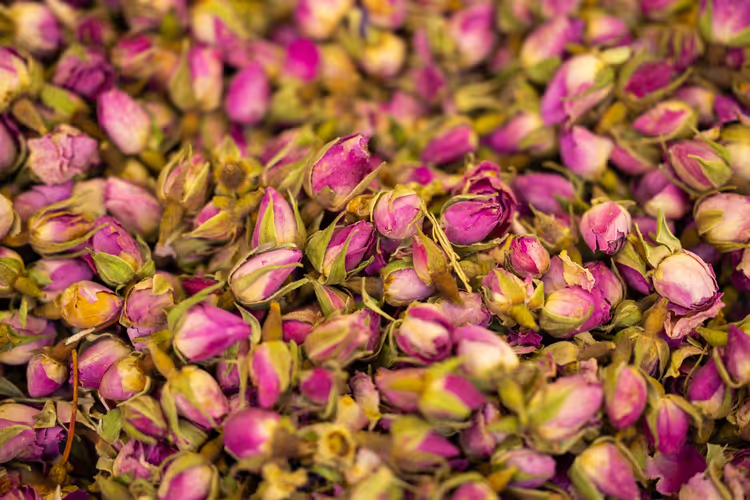
Rose water is sold everywhere, especially during the month of Ramadan. In cosmetics it's used to soothe and moisturize the skin, and in the kitchen it's added to desserts and to the traditional dish güllaç.
It's a byproduct of rose oil production. The base is distilled water, with rose essential oil as the additive. One liter requires processing hundreds of Damask rose flowers. You can buy a bottle at a pharmacy or cosmetics store.
13. Natural oils for the hammam
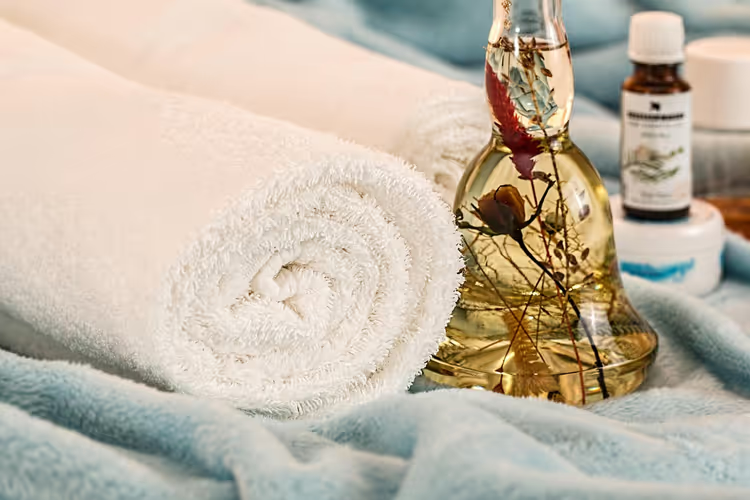
Natural oils in Turkey are inexpensive and good quality. Pick up a few bottles for home and for the bathhouse: in the hammam they're traditionally used during treatments. These oils moisturize the skin and leave a pleasant scent.
14. Medicines and pharmacy finds

Medicines aren't exactly a souvenir, but many tourists stock their home medicine cabinet in Turkey. Prices here are noticeably lower than for familiar equivalents. Local laws punish drug counterfeiting very severely, so you don't need to worry about quality.
Pharmacies are literally on every corner and are easy to spot by their green signs. Some medications are sold without a prescription, and the pharmacist will write the dosing instructions on the package. The language barrier won't be a problem: in tourist cities there's almost always a pharmacist on shift who speaks English.
Prices are the same across pharmacies, so there's no need to hunt for a cheaper location. Look at the active ingredient and dosage, not just the familiar brand name. Many medications are sold without a prescription, but it's better to confirm the ingredients with the pharmacist before buying.
Buy medicines in factory packaging with instructions so you don't make a mistake with dosing.
- The catch: names and dosages differ from what you're used to, so check the ingredients with the pharmacist before buying.
15. Turkish-made clothing and shoes
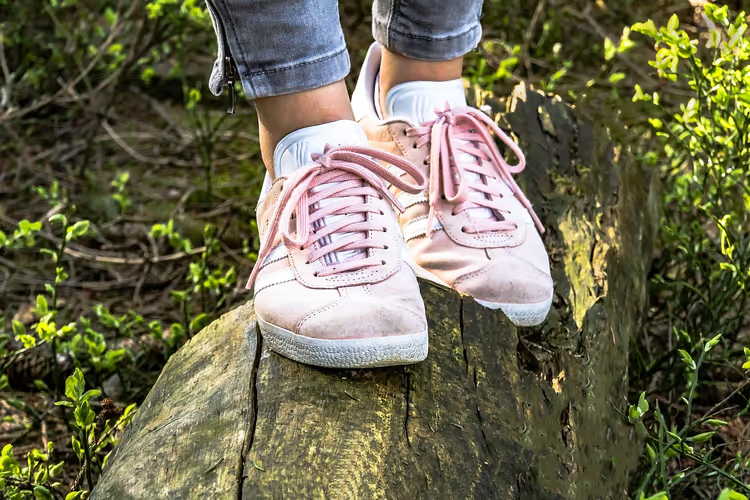
Turkish clothing is easy to find at home, but it's still worth bringing back. In Turkey the same items cost several times less because the local markup is much lower. Many companies keep production here to reduce costs.
You'll also find items from European brands, and it's not always counterfeit. Local manufacturers also maintain quality standards. You'll find everyday options and festive outfits for the whole family.
16. Natural fabrics: cotton, bamboo, silk
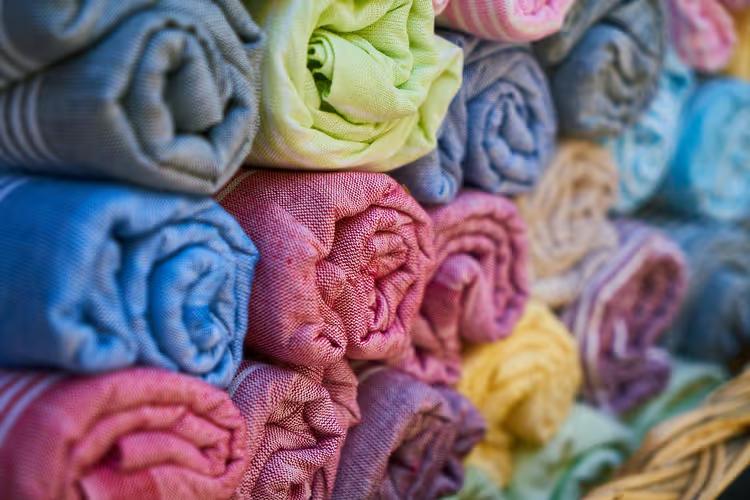
Textiles are among the goods worth bringing back from Turkey. The country is one of the major producers, so cotton and bamboo here are both high quality and inexpensive. Cotton clothing, jeans, and bed linen last for years and keep their appearance.
Silk fabrics and products made from them are excellent. The largest selection is in Alanya, where people most often buy silk scarves with intricate patterns and embroidery. Terry robes and towels also deserve attention.
For this kind of shopping, go to malls or factory stores: the selection is wider and the prices are fairer. At the market, the same textiles are often priced above their worth, and fancy boutiques sell luxury items at inflated prices.
- The catch: at markets, textile prices don't match the quality; for good items, go to a mall or a factory store.
17. Leather and fur from factories
Leather and fur have long been the country's calling card. A jacket, bag, or sheepskin coat is best bought directly at the factory: the selection is bigger and the price is lower. If you don't want to go to a factory, leather goods are easy to find at the market.
The Zeytinburnu district in Istanbul is very popular. Its competitor is Atatürk Caddesi in Antalya. Leather clothing can be made to order or bought at a fashion show, and local shoes are also known for their quality.
18. Copper cezve for coffee
A cezve is a vessel for Turkish coffee and one of the most popular souvenirs. Traditionally it's made of forged copper: the metal conducts heat well, so the water heats evenly and the coffee releases its flavor and aroma without boiling.
The cezve has a conical shape with a narrow neck. This keeps the foam on the surface longer and prevents essential oils from evaporating. The range is wide, from simple cheap models to exclusive ones.
The best choice is a copper cezve with hand engraving and a comfortable long handle. This souvenir makes an excellent gift, and making coffee becomes a beautiful ritual.
- The catch: copper requires care; this kind of cezve shouldn't be washed in the dishwasher.
19. Armudu glass tea cups
 © Bertilvidet · CC BYPhoto: Bertilvidet, CC BY (https://creativecommons.org/licenses/by/2.5), Wikimedia Commons
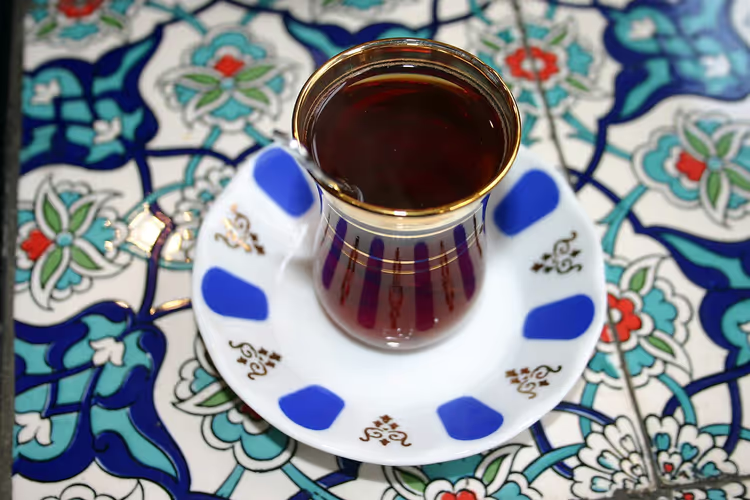
Tulip-shaped tea cups are called armudu. The shape is not just beautiful: the drink cools faster at the top, so you can sip without burning yourself. The bottom holds heat longer, keeping the tea at the optimal temperature.
Classic cups hold about one hundred milliliters, but larger ones are also available. They are usually made without a handle, though versions with a handle are produced for European buyers. Cups with ethnic ornaments look especially nice, and they often come with a cup holder.
A full tea set makes a great gift: a two-tier teapot, cups with holders and saucers. Sometimes the set includes an original cup holder. Coffee sets are also popular: two cups with saucers and spoons, a miniature sugar bowl, and a tray.
- The catch: thin glass breaks easily in transit, so carry the set in rigid packaging.
20. Two-tier teapot
 © Peretz Partensky from San Francisco, USA · CC BY-SAPhoto: Peretz Partensky from San Francisco, USA, CC BY-SA (https://creativecommons.org/licenses/by-sa/2.0), Wikimedia Commons
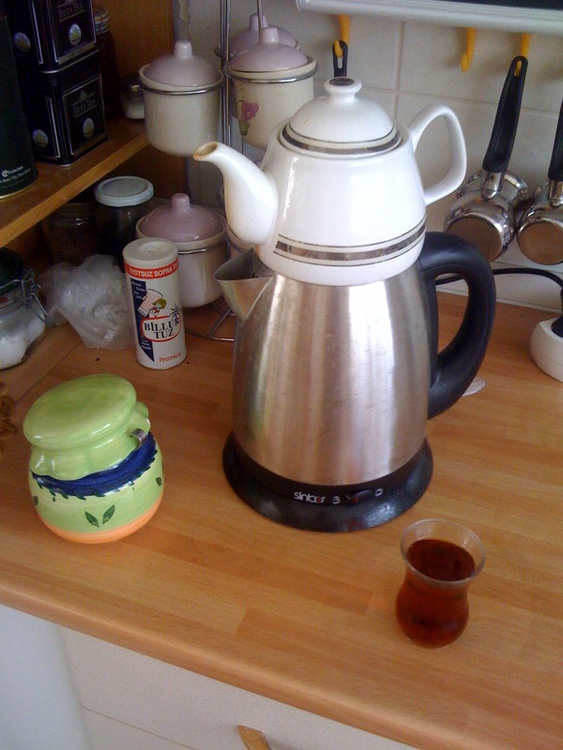
Tea made at home rarely tastes as good as it does in Turkey. The reason is the teapot: the local device works like a samovar and consists of two tiers. Water goes into the lower vessel, and tea leaves go into the upper one.
The whole thing is placed on the heat. After a few minutes, the tea leaves warm up in a double boiler and begin releasing their aroma. Then you pour boiling water from the lower tier over them, reduce the heat, and let it steep for about fifteen minutes.
For authenticity, get a copper teapot. It works well both at home and as a gift for a tea lover.
- The catch: a copper teapot cannot be used on an induction stove.
21. Hookah from an eastern market
 © PenArts · CC BYPhoto: PenArts, CC BY (https://creativecommons.org/licenses/by/3.0), Wikimedia Commons
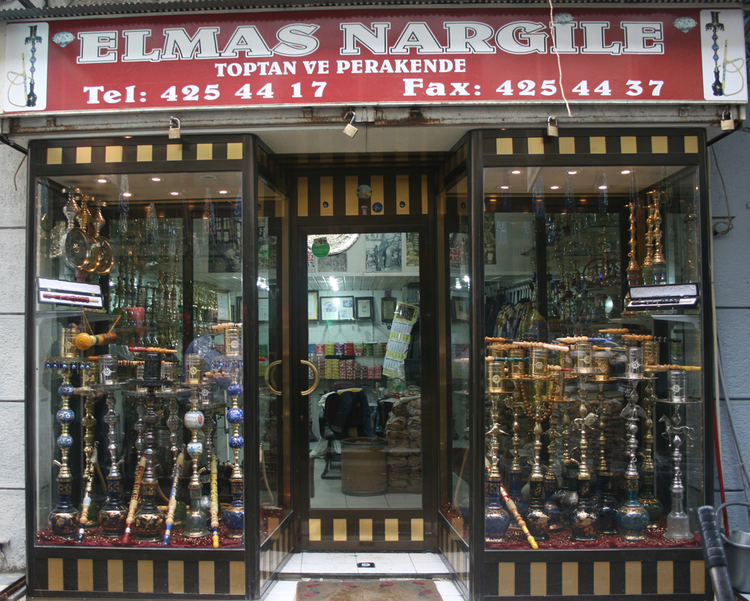
The hookah has long been a symbol of the East. Locals love long conversations over a smoke, so markets and souvenir shops are packed with hookahs of all shapes and sizes. At the market, it makes sense to bargain: sellers give discounts readily.
Pay attention to the size. Compact models are bought for interior decor, while larger ones are meant for regular smoking. Do not buy cheap aluminum hookahs: they do not last long at all.
Plan the transport in advance. Some airlines prohibit carrying a hookah in the cabin, so check the rules before your flight.
- The catch: some airlines do not allow hookahs in the cabin, so check the carrier's rules in advance.
22. Meerschaum pipes from Eskisehir
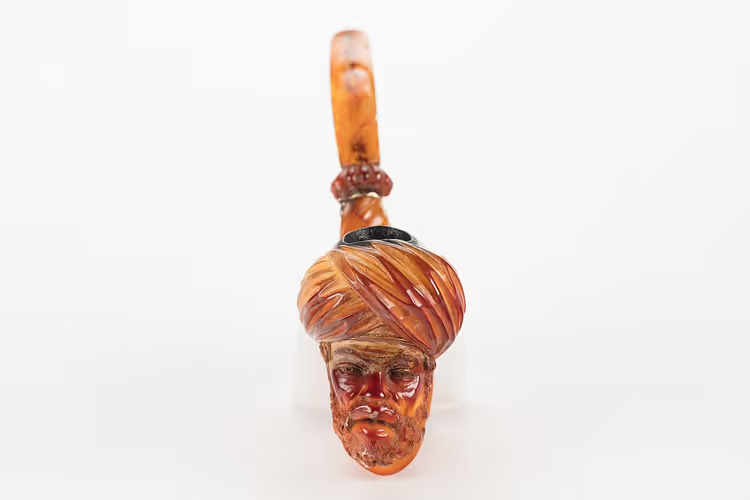 © Unknown author · CC BYPhoto: Unknown author, CC BY (https://creativecommons.org/licenses/by/4.0), Wikimedia Commons
A meerschaum smoking pipe is another unusual souvenir. The local name for the material is meerschaum, and it is mined in only one place in the world. That is the city of Eskisehir, more than 300 km from Istanbul. The material formed from the remains of ancient sea creatures.
Meerschaum heats evenly and not too much, absorbs excess moisture and tar, and does not burn itself. Pipes are decorated with carving and look impressive. The best ones are made from a single block and marked with a "Block Meerschaum" or "Solid meerschaum" stamp.
- The catch: a genuine pipe is expensive, and cheap fakes made from pressed meerschaum do not last long.
23. Onyx from Pamukkale
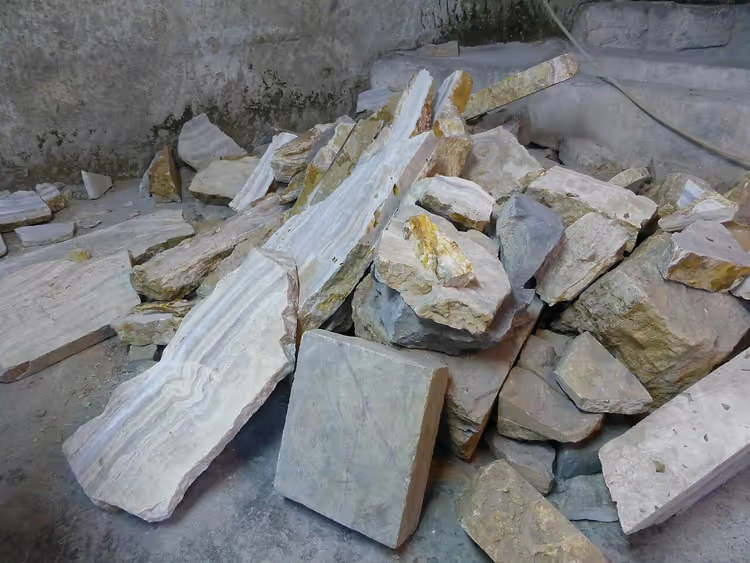 © Ji-Elle · CC BY-SAPhoto: Ji-Elle, CC BY-SA (https://creativecommons.org/licenses/by-sa/3.0), Wikimedia Commons
Turkey is one of the countries that mine onyx commercially, which is why onyx products are so popular with tourists. The onyx factory museum is located in the Pamukkale area, and visiting it is included in many tours. There you can see the stone processing workflow and a brand store with tableware, jewelry, and figurines.
Onyx resembles marble and is most often yellow, brown, beige, or greenish. The mineral is hard to fake, so you do not need to worry about quality. Genuine onyx partially lets light through: hold the stone up to a lamp and it will seem to glow from within.
Onyx is used for jewelry, tableware, figurines, and vases, so you can find a gift both for the home and for a collection.
- The catch: onyx is heavy, and large pieces take up luggage space and require protective packaging.
24. Ceramics from Kutahya
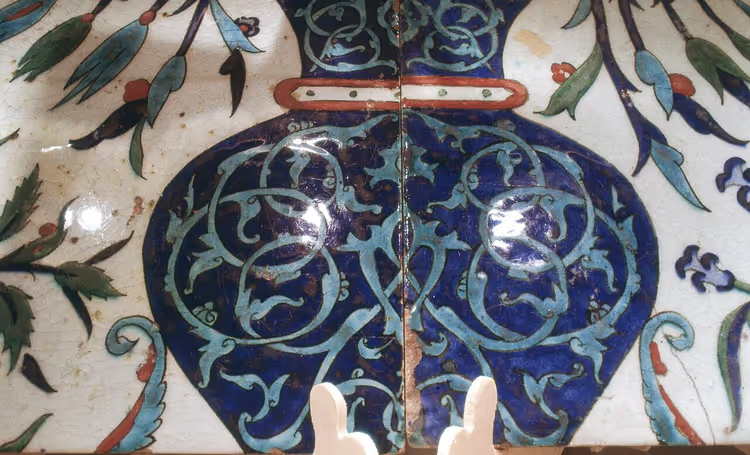 © Dosseman · CC BY-SAPhoto: Dosseman, CC BY-SA (https://creativecommons.org/licenses/by-sa/4.0), Wikimedia Commons
Ceramic products are sold literally everywhere: in small shops, stores, malls, and markets. Few tourists leave without a beautiful plate or cup. The city of Kutahya is considered the capital of Turkish ceramics.
Kutahya masters hold the secret of bright colors made from coral and cobalt blue. This painting style decorates white clay products, which are exported to many countries. In Antalya, artisans work with plant-based dyes, and the recipes for the mixtures were once kept within families and passed down through generations.
The tableware is very durable: it has a high quartz content, so it can be washed in a dishwasher. When tapped, it rings like porcelain. Ceramics are most often painted with floral ornaments, less often with geometric ones, and the favorite colors are blue, red, and green. Each shade has its own meaning, so the patterns read like a short story.
- The catch: ceramics are fragile, so on the road it is best to pack them separately and not check them in without protection.
25. Wool and silk carpets
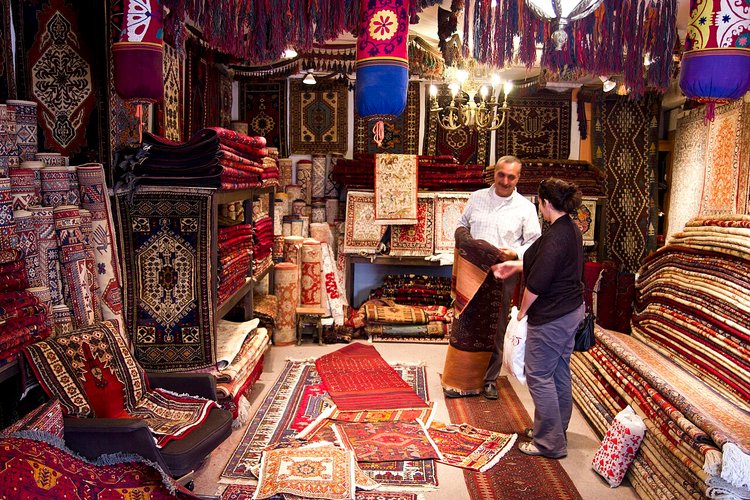 © William Neuheisel from DC, US · CC BYPhoto: William Neuheisel from DC, US, CC BY (https://creativecommons.org/licenses/by/2.0), Wikimedia Commons
Carpets in Turkey are made from wool, silk, or cotton. The price depends not on size but on density: the more knots per square meter, the more expensive the piece. The ornament also tells a story, and a traditional carpet preserves the narrative of the woman who wove it.
When buying, always ask for a certificate of authenticity. For a quality carpet, the seller will provide information about its origin, materials, and age. Choose the fabric based on its purpose: wool holds heat well, silk looks dressy, and cotton costs less.
Every knot is tied by hand, so a genuine carpet cannot be cheap. Carpets dyed with natural dyes hold their color longer, so over time the pattern fades gracefully.
- The catch: if a genuine handmade carpet is offered at a suspiciously low price, that is a reason to be wary.
⁉️🤔 Frequently asked questions
What is definitely worth bringing from Turkey as a gift?
Start with the classics: Turkish coffee, Rize tea, baklava, and Turkish delight. Add spices, olive oil, and pomegranate sauce. These gifts are inexpensive, travel well, and appeal to almost everyone.
Which souvenir should you choose for someone who does not like sweets?
Go with ceramics from Kutahya, a copper cezve, or armudu cups. These items last for years and remind the person of the trip every day. For the kitchen, spices and extra virgin olive oil work well.
How can you tell if a souvenir is genuine and not a fake?
Check the signs of authenticity in advance. For meerschaum pipes, look for the stamp and a solid block of meerschaum. For onyx, hold the stone up to the light. For a carpet, ask for a certificate. An honest seller will provide documents without being reminded.
How do you transport fragile souvenirs, ceramics, and glass?
Wrap each item separately and place it in a rigid box. Armudu cups and ceramics are best carried in hand luggage. Onyx is heavy, so check your baggage weight and remaining allowance in advance.
What should you do to keep gifts from spoiling in transit?
Buy sweets in sealed boxes. Cheese from Turkey cannot be brought into the EU in personal luggage. Transfer olive oil into an airtight container or buy a factory-sealed canister. Keep natural oils and rose water in the dark and away from heat.
In short: what is worth booking
If you are bringing gifts for family, go with sweets, tea, and coffee. If you want to surprise friends, choose ceramics from Kutahya, onyx, or armudu cups. For a practical person, spices, olive oil, and natural fabrics are a good fit.
Compare prices at the bazaar and the supermarket, check the ingredients and certificates. Put together your list in advance so you do not end up buying everything on the last day.

A small editorial team writing guides for independent travel. We travel ourselves, but we haven’t been everywhere, so we check prices, opening hours and how to get there against official sources.