
















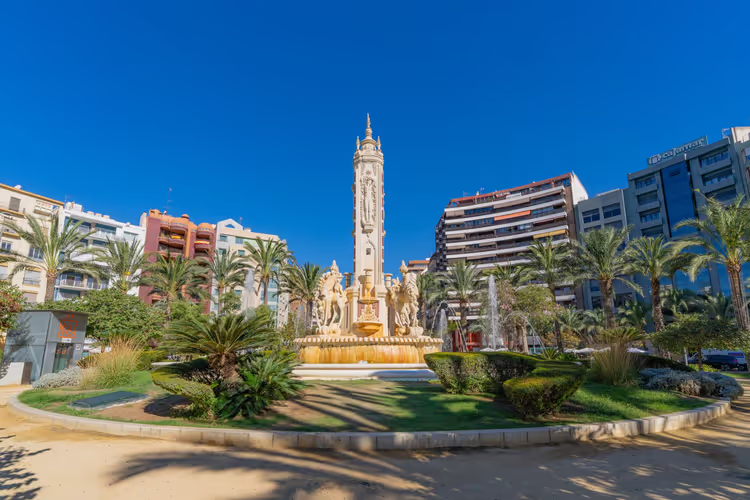
Ten museums in Alicante: what is free and where to get tickets
In Alicante there are more than a dozen museums, and almost all of them are free.
The tricky part is something else: each museum has its own hours, days off, and group rules, and old guidebooks still reference outdated prices. Only MARQ charges admission: €6, or €3 on Sundays and holidays (as of 09/2026, MARQ official website).
We put together ten museums in Alicante and checked admission prices on the official websites.
Ad: this article contains affiliate links, we earn a commission if you book through them, at no extra cost to you.
What to know before visiting the museums
💡 In short:
- Most Alicante museums let you in without a ticket: MACA, MUBAG, Museo de Aguas, Museo de las Hogueras, Museo de Belenes, and Museo Taurino.
- Plan one to two hours per museum, and set aside a separate trip for Jijona.
- Prices and hours: 09/2026, verified on the MARQ price list.
Before your trip, check the table below. It saves time: you can see right away where admission is free and who is closed on Mondays.
Museum | Admission | Closed |
|---|---|---|
MARQ | €6, €3 on Sundays and holidays (as of 09/2026, museum rates) | check the website |
MACA | free | Monday |
MUBAG | free | Monday |
Museo de Aguas de Alicante | free | Monday |
Museo de las Hogueras | free | Monday |
Museo de Belenes | free | check on site |
Museo Taurino | free | check on site |
The Ocean Race Museo | free | Monday and Tuesday |
Museo del Turrón (Jijona) | guided tour only | check |
Castillo de San Fernando | free, access on a schedule | check |
Free admission to city museums is listed according to the MUSEA museum network.
1. MARQ, the archaeological museum of Alicante
 © Concepcion AMAT ORTA… · CC BYPhoto: Concepcion AMAT ORTA…, CC BY (https://creativecommons.org/licenses/by/3.0), Wikimedia Commons
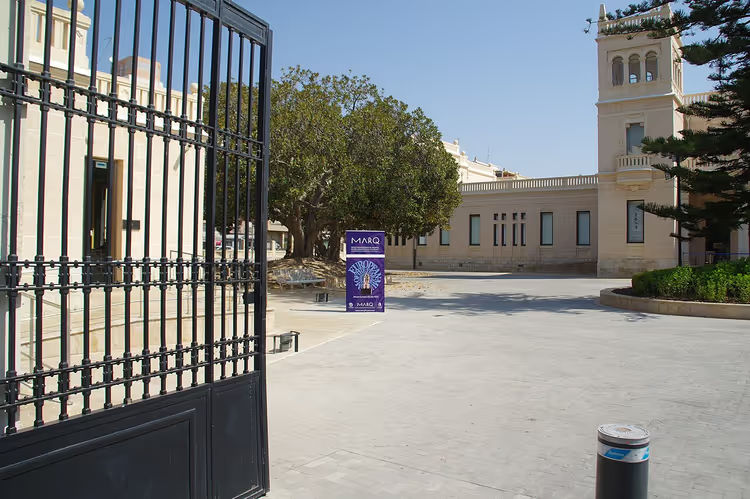
MARQ brings together finds from across the province of Alicante. Its history goes back to the last century, and since the early 2000s it has operated in a modern building at the foot of Mount Benacantil. The exhibition is organized by era: from the Bronze Age to the early modern period.
Five halls display Iberian amphorae, Roman weapons, jewelry, and finds from the Moral and Albufereta necropolises. Some objects are placed against recreated settings, so the displays are easy to understand without a guide. Multimedia screens complement the exhibition.
A ticket costs €6, or €3 on Sundays and holidays, and a combined ticket for MARQ, Lucentum, La Illeta dels Banyets, and Torre Almudaina costs €8 (as of 09/2026, MARQ rates page). It is valid for one day, and you can pay in cash or by card.
- Getting there: Plaza Dr. Gómez Ulla, about a 10-minute walk from the Explanada promenade (on the map).
- Cost: €6, reduced €3 for students and seniors (as of 09/2026, price list).
- Who it's for: those who want to understand the region's history in a single visit.
- The catch: the audio guide is paid and costs €1 (as of 09/2026, official rates).
2. MACA, the museum of contemporary art
 © Joanbanjo · CC BY-SAPhoto: Joanbanjo, CC BY-SA (https://creativecommons.org/licenses/by-sa/3.0), Wikimedia Commons
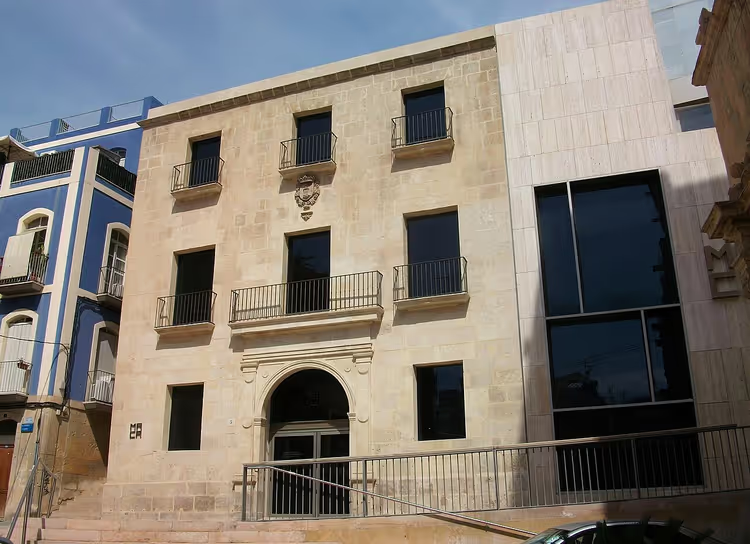
MACA occupies an old grain warehouse in the historic center. The contrast is immediate: a sober facade outside, bright galleries with metal structures and abstract painting inside. The facade is crowned with the name of a native of the city, the artist Eusebio Sempere.
His works make up the core of the collection: the artist gave the city hundreds of his pieces. A separate room is devoted to the avant-garde, with paintings by Dali, Picasso, Chagall and Miro. Locals are especially fond of Picasso's late 19th-century landscape "Alicante, view of the city."
Admission is free, closed on Mondays. An hour is enough to see it, and it's easy to combine with a walk through the Santa Cruz quarter.
- How to get there: Villavieja street, a two-minute walk from the waterfront (see map).
- Cost: free.
- Who it's for: lovers of modern art and 20th-century graphic art.
3. MUBAG, the Gravina Museum of Fine Arts
 © Joanbanjo · CC BY-SAPhoto: Joanbanjo, CC BY-SA (https://creativecommons.org/licenses/by-sa/3.0), Wikimedia Commons
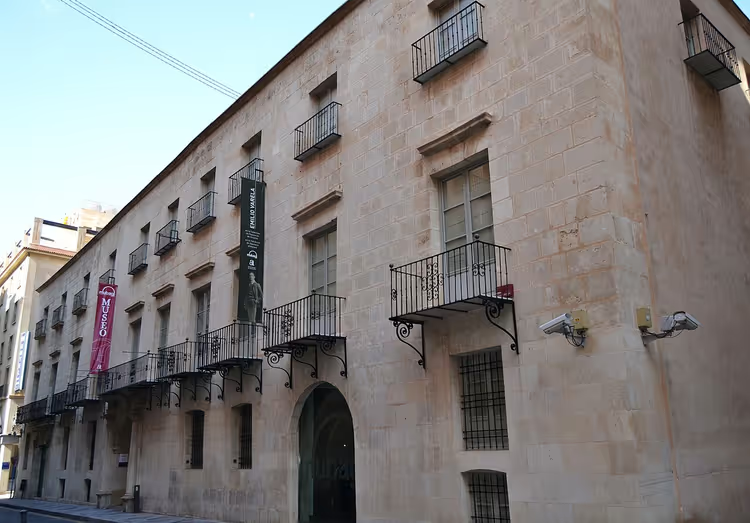
MUBAG is housed in the Gravina Palace, an 18th-century building in the center of Alicante. The collection is devoted to local artists: painting has been collected here since the 19th century, and it covers the period from the 16th century to the present day.
The permanent exhibitions show landscapes, portraits and social scenes by Alicante masters. Among the notable works, the portrait of Ferdinand VII by Vicente Lopez stands out. There are also graphic works, lithographs and pieces by avant-garde artists.
MUBAG is open Tuesday to Saturday from 10:00 to 20:00, on Sundays and holidays from 10:00 to 14:00, closed on Mondays (as of 09/2026, the city museum network). Admission is free.
- How to get there: 13-15 Gravina street, historic center, near the waterfront (see map).
- Cost: free.
- Who it's for: anyone interested in local painting, because all the permanent exhibitions are drawn from works by natives of Alicante.
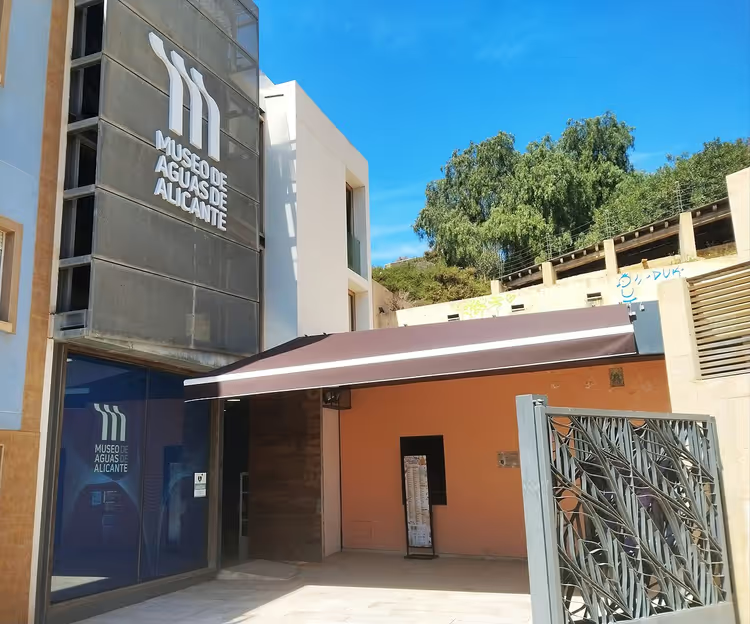
4. Museo de Aguas de Alicante
 © Varondán · CC BY-SAPhoto: Varondán, CC BY-SA (https://creativecommons.org/licenses/by-sa/4.0), Wikimedia Commons
Museo de Aguas de Alicante stands in the Old Town, on the slope of Mount Benacantil. It consists of three parts, and the most striking of them awaits you in the open air: the "Garrigos Wells," cut directly into the rock.
The oldest wells were cut in the 16th century; the rest came later, to a design by the engineer Garrigos. They had a filtration system, and the wells supplied the city with drinking water until the arrival of a central water supply.
A modern building was built nearby, where the history of Alicante's water supply is explained. The third part of the exhibition is interactive, so families with children often come here. Admission is free. After your visit, stop by the neighboring La Ereta park: it offers views over the city.
- How to get there: at the entrance to La Ereta park, about a 10-minute walk from the waterfront (see map).
- Who it's for: families with children, because the third part of the exhibition is designed to be interactive.
5. Museo de las Hogueras
 © Varondán · CC BY-SAPhoto: Varondán, CC BY-SA (https://creativecommons.org/licenses/by-sa/4.0), Wikimedia Commons
Museo de las Hogueras tells the story of the city's main festival, Hogueras de San Juan, which takes place at the end of June. The exhibits here are unusual: papier-mache figures that artisans make for the festival and then burn in the city streets.
The small building holds dozens of vivid characters: fairy-tale heroes, animals, grotesque couples. The best compositions are not burned but kept in the museum as reduced copies, so the collection grows year after year.
A separate part of the exhibition explains how the festival is prepared. It shows costumes, sketches, models and video recordings. Admission is free, and a visit takes no more than half an hour.
- Who it's for: those visiting Alicante at the end of June, because the museum helps you understand the festival's themes.
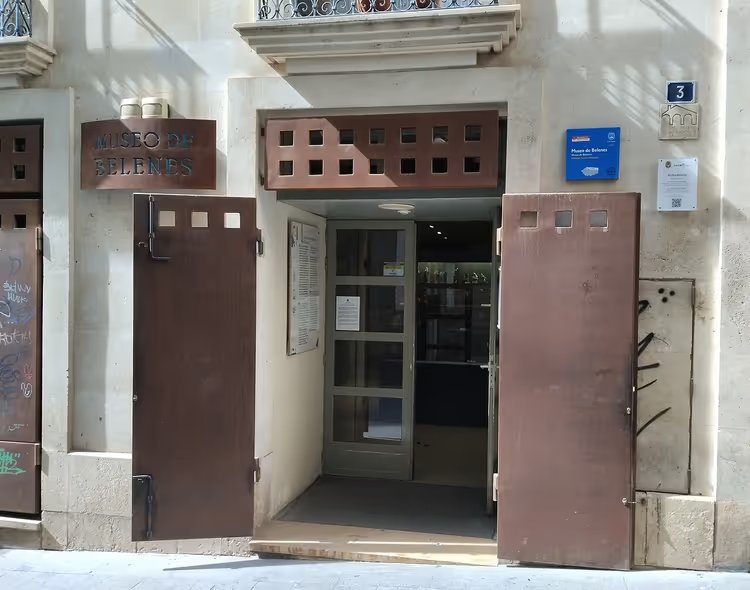
6. Museo de Belenes
 © Varondán · CC BY-SAPhoto: Varondán, CC BY-SA (https://creativecommons.org/licenses/by-sa/4.0), Wikimedia Commons
Museo de Belenes collects nativity scenes, that is, Christmas scenes. The museum was opened on the initiative of an association of artisans who make Christmas compositions. The exhibits come from different countries.
It brings together works by masters from Spain, Poland, Germany, Japan and Portugal. The compositions vary in style and material: from carved wood to painted ceramics. Admission is free.
- Who it's for: those visiting Alicante in winter, because the collection is tied to the Christmas holidays.
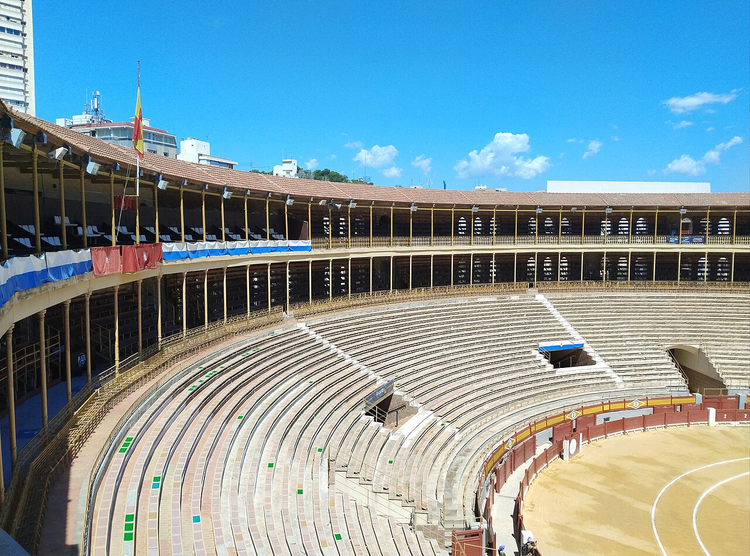
7. Museo Taurino
Museo Taurino stands next to the Plaza de Toros bullring and tells the history of bullfighting in Alicante. The permanent exhibitions show bullfighters' costumes from different eras, their portraits, awards and old photographs of fights.
 © Varondán · CC BY-SAPhoto: Varondán, CC BY-SA (https://creativecommons.org/licenses/by-sa/4.0), Wikimedia Commons
The first exhibition is devoted to the first generation of local bullfighters; the second introduces famous matadors of the 20th century. A separate part of the museum explains the breeding of fighting bulls. There are also posters by Spanish artists on display, and the library is made up of books about bullfighting.
Admission is free. The subject is specific, so go in if you're interested in bullfighting or the city's history.
- Who it's for: lovers of the city's history, because the museum stands right by the bullring, where tourists go anyway.
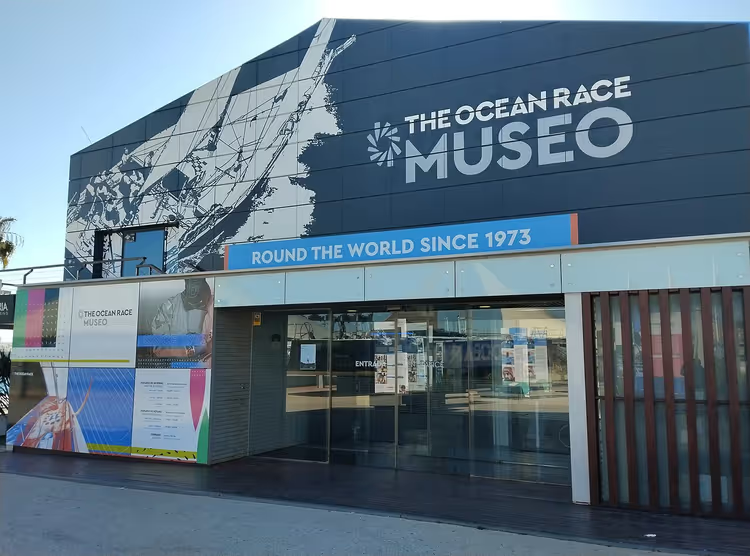
8. The ocean race museo
 © Varondán · CC BY-SAPhoto: Varondán, CC BY-SA (https://creativecommons.org/licenses/by-sa/4.0), Wikimedia Commons
The Ocean Race Museo used to be called the Volvo Ocean Race museum and occupies the historic building of the Maritime Station. The exhibition is dedicated to the round-the-world sailing regatta that has been held since the 1970s.
The halls show race footage, yacht models, and team equipment. In the control room there are simulators where you can feel like a yachtsman and sail a leg of the regatta in real time. Admission is free: in summer the museum is open Wednesday and Thursday from 10:00 to 16:00, Friday and Saturday from 10:00 to 18:00, Sunday from 10:00 to 14:00, closed Monday and Tuesday (as of 09/2026, theoceanrace.com).
- Who it's for: families and regatta fans, because there are 3D simulators.
- The catch: the museum is closed on Monday and Tuesday, and the summer schedule is shorter than the winter one.
9. Museo del Turrón in Gijón
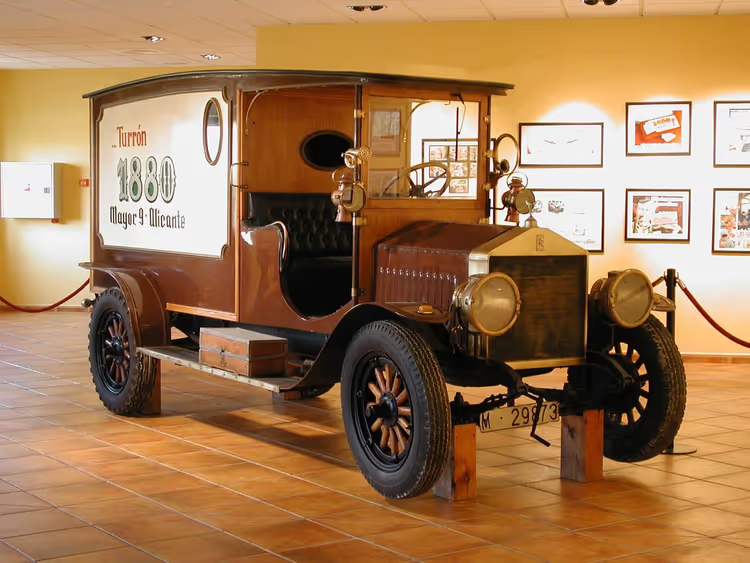 © Turrón 1880 · CC BY-SAPhoto: Turrón 1880, CC BY-SA (https://creativecommons.org/licenses/by-sa/4.0), Wikimedia Commons
Museo del Turrón is located in Gijón, on the grounds of a confectionery factory. It is dedicated to turrón, a Christmas dessert made from almonds and honey that was first made in this region. From Alicante, it's easier to get here by car.
Three floors show how production has changed: from stone crushers and millstones to modern machines. Display cases hold packaging of all varieties of turrón, and at the end of the tour a film about the technology is shown. Every visitor receives a piece of fresh turrón, and you can buy it in the local shop.
You can only enter with a guided tour, so check the time and price on the museum's official website.
- How to get there: about half an hour by car from Alicante via the highway (according to the map).
- The catch: you can't enter the museum without a tour (according to museodelturron.com).
10. Castillo de San Fernando
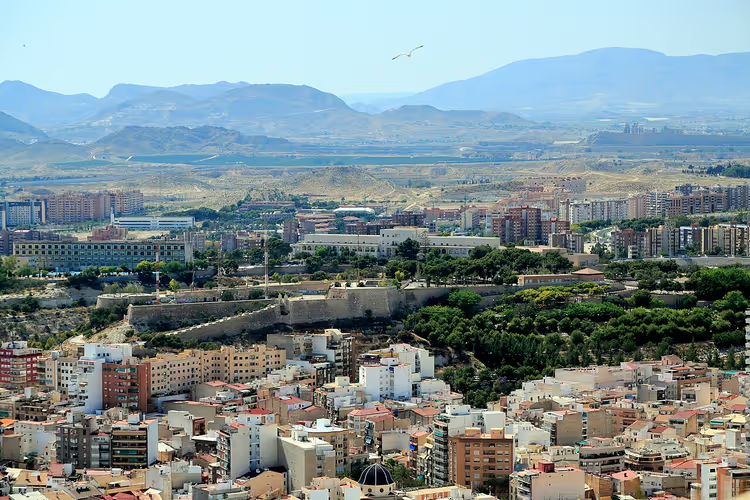 © Falk2 · CC BY-SAPhoto: Falk2, CC BY-SA (https://creativecommons.org/licenses/by-sa/4.0), Wikimedia Commons
Castillo de San Fernando rises on a hill near the center of Alicante. The fortress was built as a defense against Napoleon's army, and construction was led by military engineer Pablo Sastre. It consists of two parts, a northern bastion and a southern one, connected by transitional walls.
Defensive structures on the slopes were added to the main buildings, and a moat surrounded the foot of the hill. Inside, a bunker was built with water and food supplies, and soldiers' barracks have also survived. Today the fortress has a small park with playgrounds and sports fields.
The interior rooms are not open to visitors every day, so check the tour schedule in advance. The park around the fortress is freely accessible.
- How to get there: on a hill above the city center, about 15 minutes on foot from the promenade (according to the map).
- Cost: the park is free.
Museums of Alicante on the map
Almost all the museums on the list are in the center or nearby, so the route is easy to do on foot. Below is a map with the points, and the distance between neighboring sites rarely exceeds a fifteen-minute walk (according to the map).
10 best museums of Alicante
Places on the map
- 1MARQ, Archaeological Museum Finds from the Bronze Age to modern times, paid entry
- 2MACA, Museum of Contemporary Art Works by Eusebio Sempere, Dalí, Picasso, Chagall and Miró
- 3MUBAG, Gravina Museum of Fine Arts Paintings by Alicante masters in the 18th-century Gravina Palace
- 4Water Museum Garrigós wells cut into the rock, history of the water supply
- 5Fogueres Museum Papier-mâché figures from the Hogueras de San Juan festival
- 6Belén (Nativity) Museum Nativity scenes by masters from Spain, Poland, Germany and Japan
- 7Bullfighting Museum Bullfighter costumes and the history of bullfighting in Alicante
- 8The Ocean Race Museo Exhibition on the round-the-world sailing race in the Maritime Station building
- 9Turrón Museum in Jijona History of the Christmas dessert's production, guided tours only
- 10San Fernando Castle Fortress against Napoleon's army on a hill above the centre
If you're flying into Alicante, a transfer from Alicante airport on Kiwitaxi will come in handy. See tickets to individual museums and city tours below.
Tours and tickets in Alicante
Guided tours, skip-the-line tickets and activities — most offers can be cancelled free of charge.
See offers on TiqetsThe widget loads once you give your consent.
⁉️🤔 Frequently asked questions
How much do museums in Alicante cost?
Almost all city museums are free: MACA, MUBAG, Museo de Aguas, Museo de las Hogueras, Museo de Belenes, and Museo Taurino (according to the Alicante museum network, 09/2026). Only MARQ charges admission (as of 09/2026, MARQ official website).
Which Alicante museum should I see first?
Start with MARQ: it gives you context for the other museums and covers the entire history of the region, from the Bronze Age to the early modern period. After that, it makes sense to walk through the center, where MACA and MUBAG are located.
How much time do the museums take?
One museum usually takes one to two hours, and allow more time for MARQ. Jijona is a separate trip, so it's best to set aside half a day for it (see the map).
Are Alicante museums open on Mondays?
Some museums are closed on Mondays: MUBAG and the city museums are off. MARQ and Museo del Turrón follow their own schedules, so check the official website before your visit (as of 09/2026).
Is it worth going to Jijona for the turrón museum?
Yes, if you're interested in the craft and willing to head out of town: the drive takes about half an hour by car. Visits are guided only, and at the end everyone gets a piece of fresh turrón.
Find hotels
Compare prices across booking sites and filter for rooms with free cancellation.
Compare prices on Discover CarsThe widget loads once you give your consent.
In short: what's worth booking
If you're in Alicante for the first time, start with MARQ: it helps you understand the other museums. In hot or rainy weather, choose MACA and MUBAG, because they're in the center and indoors.
- If you're with kids: go for Museo de Aguas and The Ocean Race Museo.
- If you're into art: MACA and MUBAG.
- If you have a car: add Museo del Turrón in Jijona.
For tours and tickets around the city, check GetYourGuide.

A small editorial team writing guides for independent travel. We travel ourselves, but we haven’t been everywhere, so we check prices, opening hours and how to get there against official sources.