
















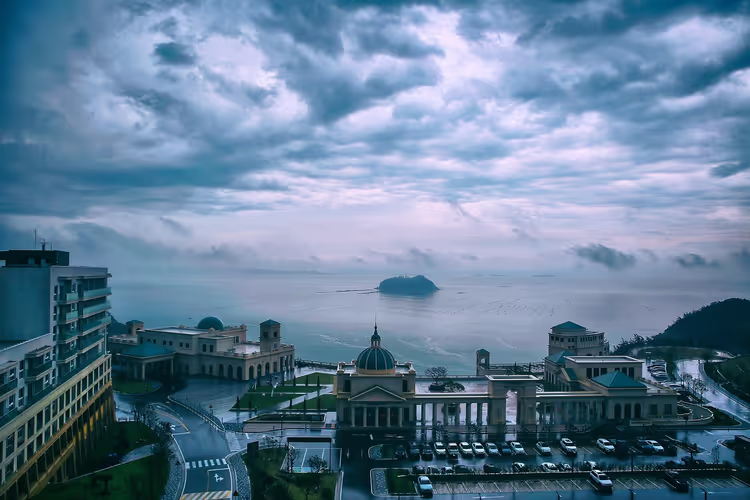
Where to go in Tunisia: 12 resorts for beach, thalassotherapy and holidays with children
Tunisia has 1,250 kilometers of sandy beaches (as of 09/2026, Tunisian National Tourist Office). Choosing among twelve resorts is harder than it seems.
One of them buzzes with clubs and water parks, another lives on thalassotherapy and quiet. To enter, you need a valid passport; a national ID card is not accepted (as of 09/2026, Auswärtiges Amt).
Below are all Tunisia's resorts in order: character, beach, and who each one suits. At the end you'll find sections on family vacations, the best season, and a map.
Ad: this article contains affiliate links, we earn a commission if you book through them, at no extra cost to you.
1. Hammamet
💡 In short:
- Hammamet combines beach, thalassotherapy, and nightlife in Yasmine Hammamet.
- Choose it if you want European-level service in large hotels with their own grounds.
- See the old town in the morning, before the heat and tour groups arrive.
 © Marc Ryckaert ( MJJR ) · CC BYPhoto: Marc Ryckaert ( MJJR ), CC BY (https://creativecommons.org/licenses/by/3.0), Wikimedia Commons
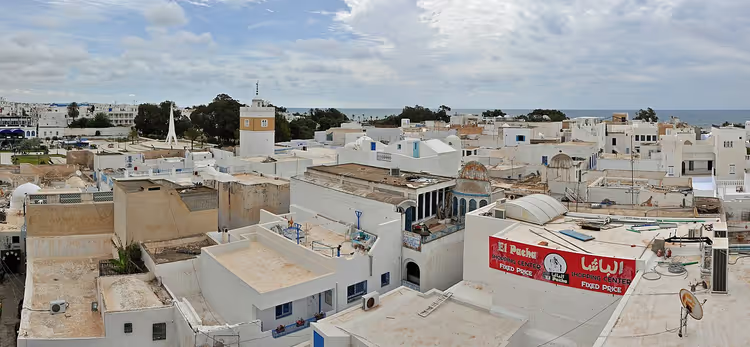
Hammamet stays conservative, yet it is considered one of the country's most respectable resorts. It sets European service standards and lets you combine beach time, treatments at thalassotherapy centers, and nightlife. Since the twentieth century, prominent European and American families have been coming here.
From the region's ancient wars, a beautiful Spanish fort remains in the old town. It stands apart from Yasmine Hammamet, the tourist zone with hotels and a promenade. Blue water and soft sand have made the local beaches a classic vacation choice, and seafood dishes have become the signature of its restaurants. One of them, Le Barberousse, holds a rare-for-the-city alcohol license.
2. Sousse
 © BishkekRocks 15:01, 29 December 2005 (UTC) · CC BY-SAPhoto: BishkekRocks 15:01, 29 December 2005 (UTC), CC BY-SA (http://creativecommons.org/licenses/by-sa/3.0/), Wikimedia Commons
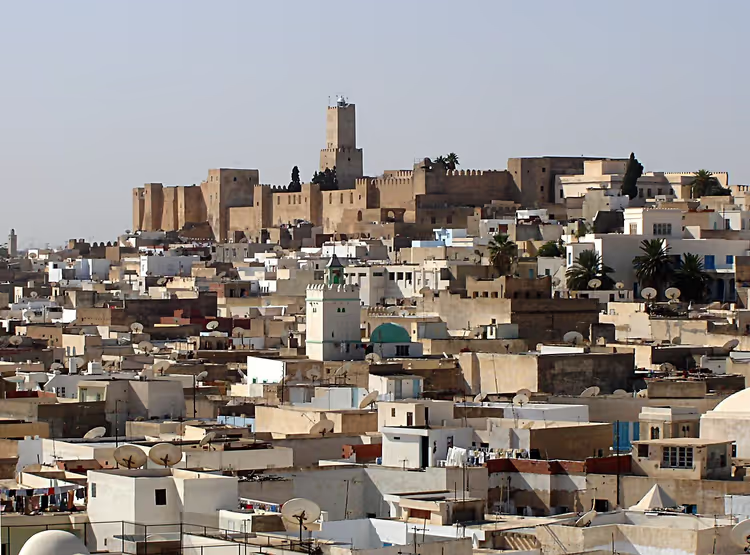
Sousse suits those who want history steps away from the beach. The city's historic center is known for its olive groves, and the old medina streets are remarkably well preserved and still draw tourists. It's worth visiting the Ribat, an ancient fortress-monastery with tiny cells. The local museum holds a large collection of mosaics, and the eastern bazaars remain a place of endless haggling: you'll find antiques, gold, silver, copper, and olive wood items here.
The city sits comfortably in a quiet bay, so beach time here is especially peaceful. Fine-sand beaches frame clean water and exotic gardens. Sousse has plenty of seafood restaurants. If you're traveling with kids or have a sweet tooth, stop by the Ice Cream House, which serves over a hundred flavors.
3. Monastir
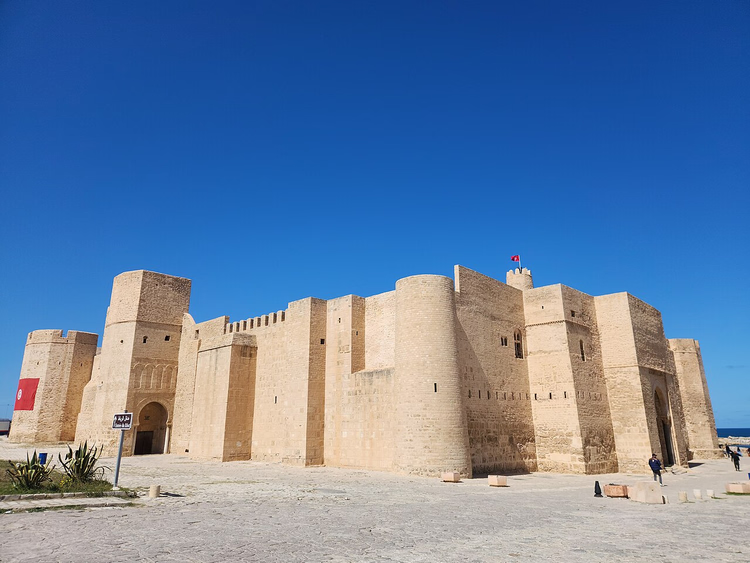
Monastir grew through the efforts of the Phoenicians and later became a Roman outpost. It was from here that Caesar launched his campaign against Pompey. After that, rulers succeeded one another: Spaniards, Ottomans, corsairs. Such a rich past left behind many monuments. The old town's main landmark, the Bourguiba Mausoleum, is visible from afar. The Ribat now houses the Islamic Museum with a collection of Fatimid-era glass, and nearby rises the grand Bourguiba Mosque.
 © Habib M'henni · CC BY-SAPhoto: Habib M'henni, CC BY-SA (https://creativecommons.org/licenses/by-sa/4.0), Wikimedia Commons
The city sits among tropical gardens. Several small islands belong to it, and they are well suited for diving if you're willing to take a course at a local school. Monastir is calmer than Hammamet and has fewer nightlife venues. But it offers a full range of entertainment: a yacht club, a riding school, golf courses, and the large Adam Park amusement park.
Hotels in Monastir on Trip.com
4. Djerba Island
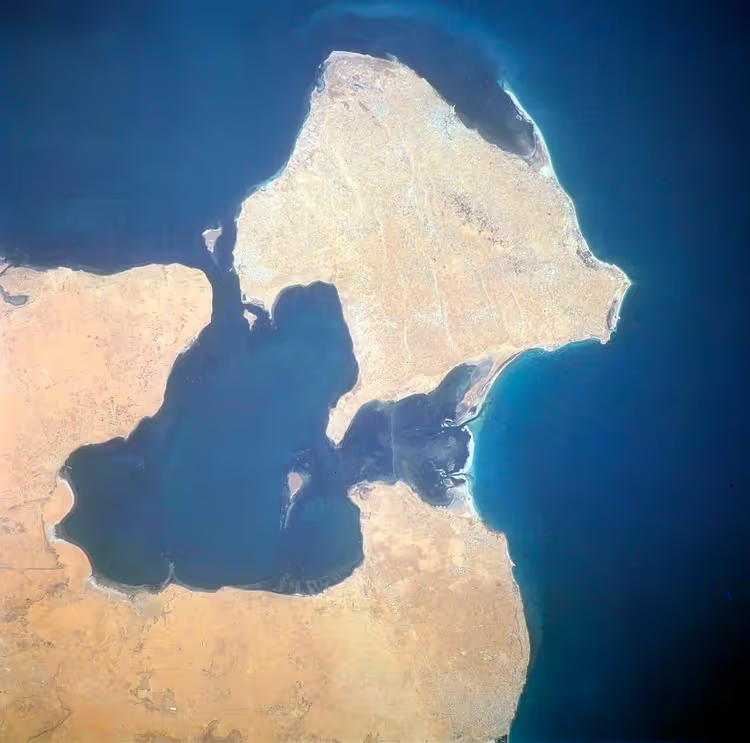
Djerba remains the largest island on the African coast. A narrow causeway bridge connects it to the mainland in the southeast, and a ferry crossing operates on the other side. Traveling here feels like retracing Odysseus's voyage, as it was on Djerba that he encountered the lotus-eaters. But even without that, the Eastern flavor combined with European quality keeps your attention.
If you believe the brochures, you will head to the northeast of the island, where the water is turquoise and the sand is fine. On the rest of the coast, you will most likely be met by waves lapping against a mix of clay, silt, stones, and sand. The catch: this kind of landscape is not for everyone and does not replace a sandy beach.
The island's second asset, its local thalassotherapy centers, is also tied to history. This part of North Africa once belonged to the French, and they were the ones who began developing Djerba's wellness potential. Today, most local specialists still receive their training in France.
5. Tunis
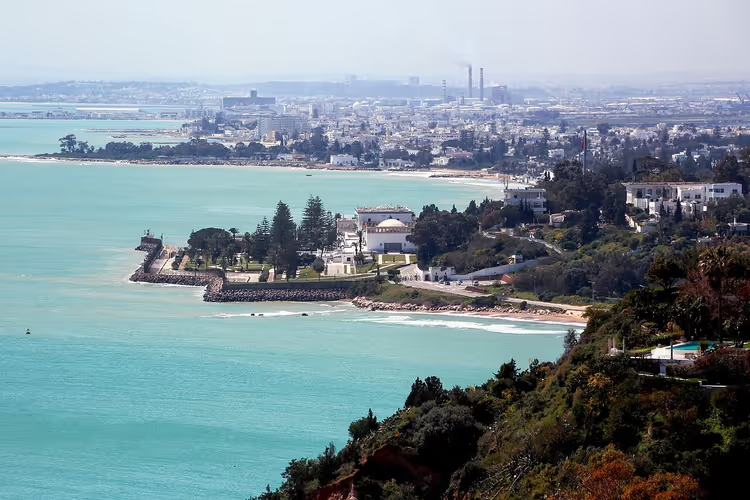 © Fjmustak · CC BY-SAPhoto: Fjmustak, CC BY-SA (https://creativecommons.org/licenses/by-sa/4.0), Wikimedia Commons
The country's capital turned out to be a colorful and noisy city, where African, Mediterranean, Arab, and European influences blend together. Some people choose to stay in Old Tunis with its Zitouna Mosque, the mausoleum of the Turkish beys, and the loud bazaars. Others are won over by the neighborhoods built in classic French style, including the National Dramatic Theater, whose ensemble is hard to forget.
Within the city limits there are hundreds of hotels, from affordable to very expensive. The latter are usually located near Carthage and offer, for example, a view of the presidential palace. For you, this means choosing between the bustling medina and a quiet area by the sea.
6. Mahdia
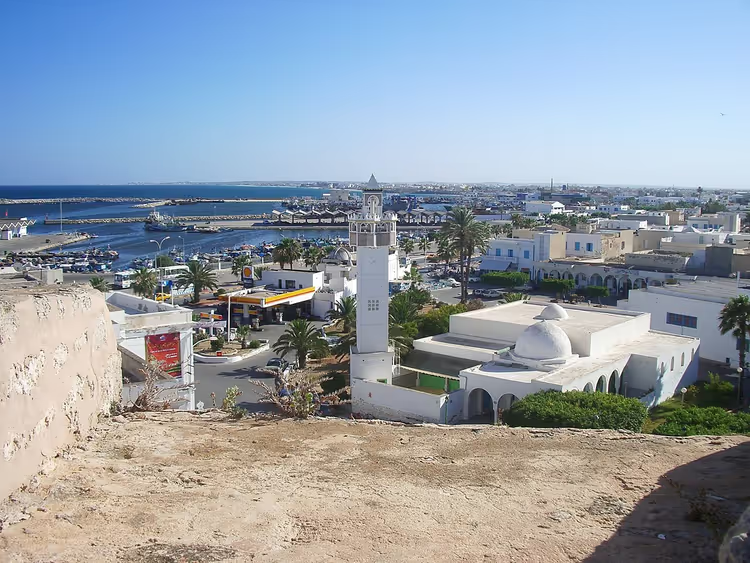 © Jaume Ollé · CC BYPhoto: Jaume Ollé, CC BY (https://creativecommons.org/licenses/by/3.0), Wikimedia Commons
Mahdia occupies Cape Africa. Most of the city consists of the Old Town, while the modern neighborhoods with infrastructure extend inland and stretch along the coast. Mahdia was founded by the Fatimids in 916 as a new capital on the site of a Phoenician settlement. Later, the city changed hands as the French, Spanish, and Turks vied for power.
Today, Mahdia remains a calm place with wide beaches and is well suited for a family vacation. Clean water and underwater beauty have made diving popular, and several schools are open for beginners, so you can start from scratch. The city is still an active key port. It is famous for three things: night fishing, gold and silver embroidery on fabric, and fish markets.
7. Nabeul
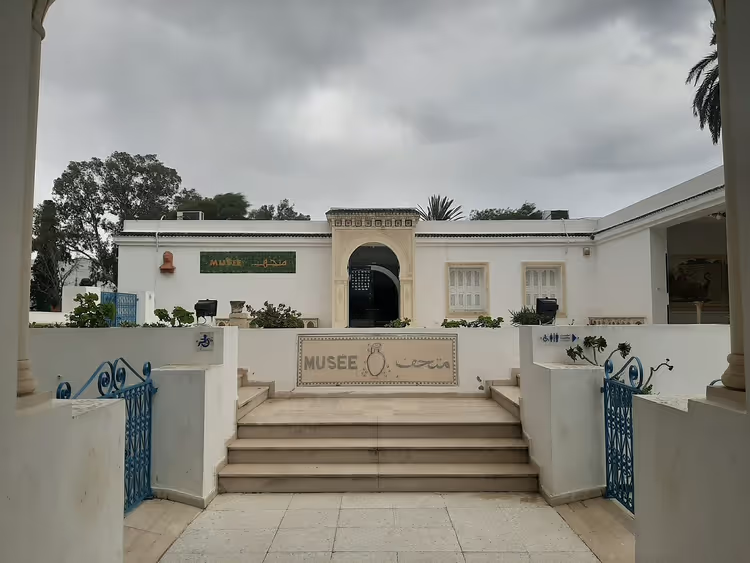 © Habib M'henni · CC BYPhoto: Habib M'henni, CC BY (https://creativecommons.org/licenses/by/4.0), Wikimedia Commons
Nabeul is considered one of the most fertile spots on the coast, especially for tourism. Picturesque grottoes adorn the shore, and the air smells of salt mixed with oranges, grapes, and oleanders. Winemaking and traditional crafts thrive here. Nabeul remains a center of pottery, with most of the old workshops located on Sidi Barket Street.
Not far from the city lies the tiny village of El Haouaria, which crowns Cape Bon. Stop by if you want to see a classic Tunisian way of life that has not changed for centuries. Fans of falconry will also appreciate the place. For a gourmet, Nabeul is a gift as well: authentic dishes whose recipes have been forgotten in the rest of Tunisia are still prepared here. Try the chorba soup or rice cooked in orange blossom water, you will not be served that in an ordinary hotel.
8. Gammarth
 © Citizen59 · CC BY-SAPhoto: Citizen59, CC BY-SA (https://creativecommons.org/licenses/by-sa/3.0), Wikimedia Commons
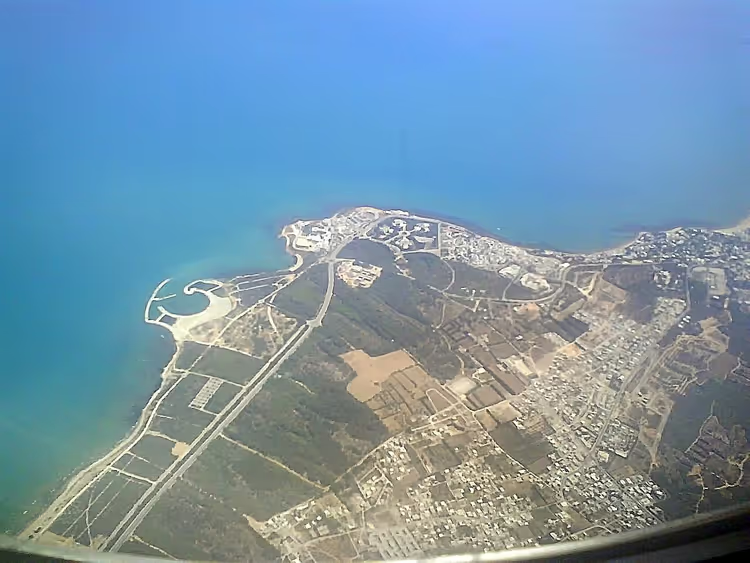
Gammarth competes with the oldest cultural centers of the Mediterranean. During excavations on Gammarth Hill, ancient catacombs were discovered that were built no less than eighteen centuries ago. They are believed to date back to the Roman conquests. The city's real heyday began later, after gaining independence from France, when the area's tourism potential opened up more freely.
Carthage is about seven kilometers away. Gammarth itself has few major attractions, although the old town's character has been preserved quite well. This resort is fairly exclusive: each hotel offers its own set of entertainment and owns its own stretch of beach. Choose Gammarth if you want a quiet, high-end vacation without noisy streets.
Hotels in Gammarth on Trip.com
9. Zarzis
 © BAKRAOUI Bilel · CC BY-SAPhoto: BAKRAOUI Bilel, CC BY-SA (https://creativecommons.org/licenses/by-sa/4.0), Wikimedia Commons
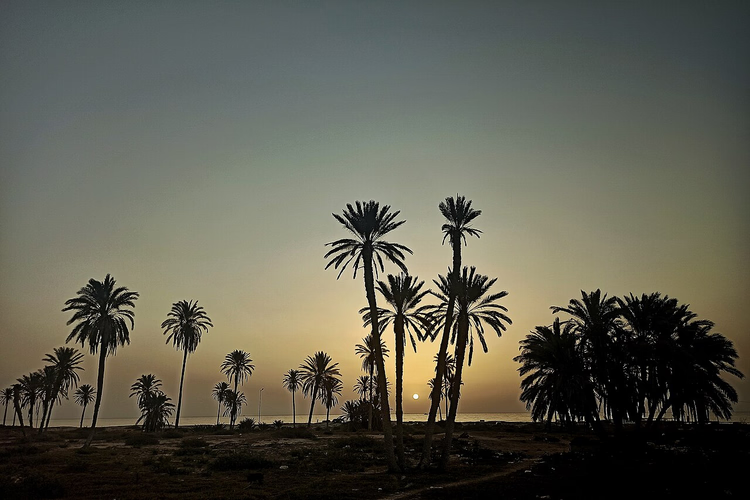
Zarzis sits almost on the border with Libya, which partly explains its low popularity. The city's historical past is comparable to that of Carthage itself: for centuries Zarzis was a key port on the route to North Africa, with brisk trade flowing to the West. Today it is a small seaside town where you will struggle to find a five-star hotel, but you also will not find crowds of tourists.
What Zarzis does offer is a gateway to the desert. Sahara tours stay with you for a long time: authentic nomadic settlements, troglodyte dwellings, camel rides, and a trip to Gigthis, a Roman city. You will also enjoy the local cuisine: Zarzis is considered one of the region's standout food destinations, and local spices make the best souvenir.
10. Tabarka
 © Citizen59 · CC BY-SAPhoto: Citizen59, CC BY-SA (http://creativecommons.org/licenses/by-sa/3.0/), Wikimedia Commons
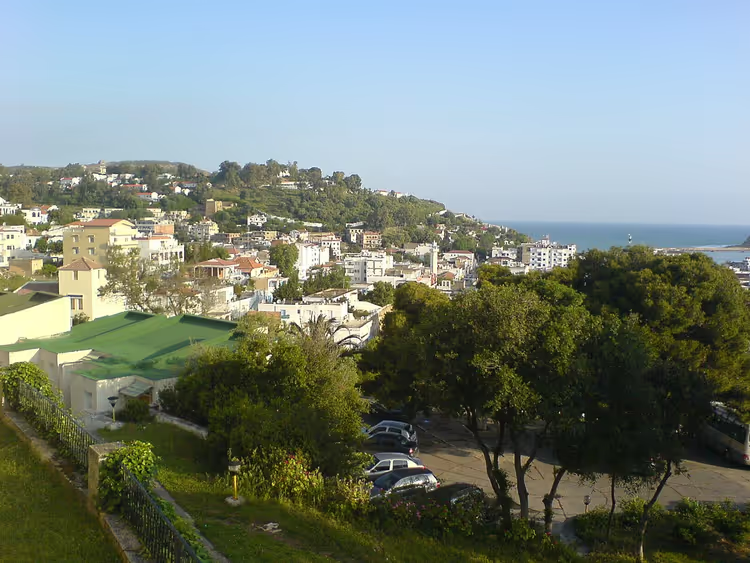
Tabarka is known as the coral jewel of the northern coast. It lies in a sheltered cove behind a dense wall of hills and thick forest. Centuries-old oaks and pines form the backdrop to the seascape. Just to the west is the island of the same name, where a fortress and a lighthouse once stood.
The landscape here changes quickly: flat beaches give way to sharp headlands that cut abruptly into the water. Clear water and vibrant reefs make Tabarka a good fit for beginner divers, and you can take your first lesson right here. Fishing is widespread, so you can actually join in catching lobsters, sea urchins, or large shrimp. From Tabarka you can also visit Lake Ichkeul near Bizerte, where European birds gather for the winter. The surrounding area is a protected nature reserve.
11. Enfidha
 © Camille56 · CC BYPhoto: Camille56, CC BY (https://creativecommons.org/licenses/by/4.0), Wikimedia Commons
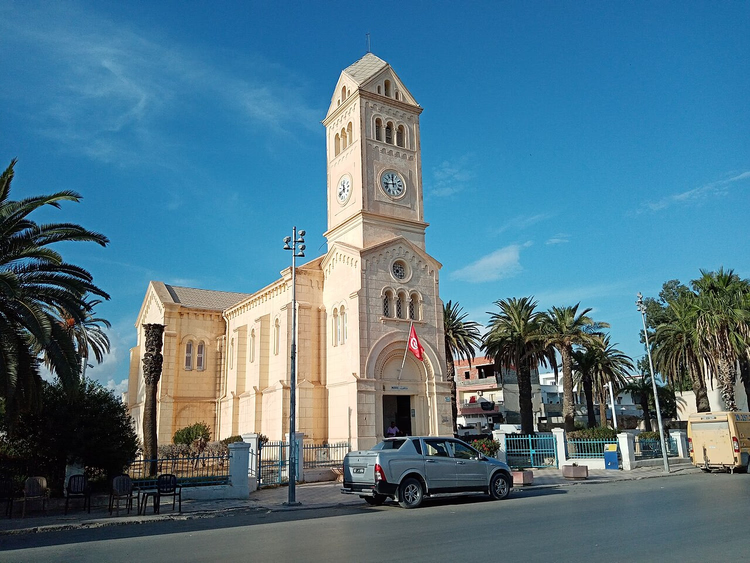
Enfidha lies on the railway line from Sousse to Tunis, near the Gulf of Hammamet. If you find yourself here, visit Henchir Chigarnia, a small settlement with an ancient museum. Its complex includes a church and the once-large fortress of Uppenna. The church contains well-preserved mosaic epitaphs.
Overall, Enfidha is not rich in attractions. It sits among old plantations established by the Franco-African Enfidaville company. Olives, grapes, and many grain crops are still grown here. You are guaranteed clean air, bright landscapes, and solitude.
12. Kerkennah Islands
 © Pratyeka · CC BY-SAPhoto: Pratyeka, CC BY-SA (https://creativecommons.org/licenses/by-sa/3.0), Wikimedia Commons
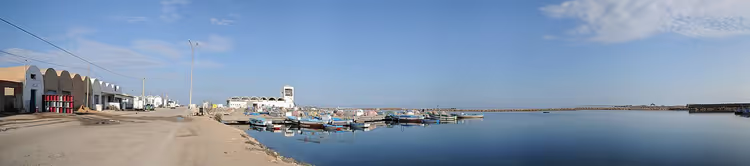
The Gulf of Gabes is known for two things: the busy port of Sfax and the Kerkennah archipelago, which consists of seven large islands. Start your journey at the ferry terminal on the mainland. The first island you will encounter is Gharbi, connected to Chergui Island by an old Roman causeway. These are the two largest islands in the chain.
The resort infrastructure here is underdeveloped, which makes Kerkennah a better fit than most for the definition of a stress-free escape. Thanks to gently sloping shores and calm water, the local beaches are considered good for children. Octopus fishing is common on Kerkennah, and you can join in too. It is prepared so often that octopus dishes are served for breakfast, lunch, and dinner.
Hotels on Kerkennah on Trip.com
Which resort to choose for a family vacation
There are no kids-only resorts in Tunisia. Essentially, you can pick any of them and find at least one hotel focused on children's activities. Quiet resorts like Nabeul, Tabarka, and Gammarth are best avoided: only adults will truly appreciate them. If you want your child to remember the trip, choose a livelier place.
Hammamet is home to the Carthage Land entertainment complex with rides and interactive exhibits. The park is open from 10:00 to 18:00 (as of 09/2026, official website), and nearby there is a water park with a children's area. If you are planning on Sousse, look for a hotel near Port El Kantaoui: the beaches are cleaner there, and kids can enjoy a ranch, a mini zoo, and a botanical garden.
Djerba is also a good option. It is the warmest resort in the country, with dozens of mini-ranches, zoos, water slides, and kids' clubs. It is also home to Djerba Explore park with the only crocodile farm in Tunisia: the park houses about 400 Nile crocodiles, and the museum and farm are open from 9:00 to 18:00 (as of 09/2026, official website). Mahdia and Monastir are also among the top choices for family vacations.
Best time to visit
The choice of season depends on how you picture your vacation. If you are planning a relaxed wellness trip and the "right" month does not matter to you, thalassotherapy centers operate year-round. If you want to add sightseeing to your trip, go in early spring. The exhausting heat has not arrived yet, so walking around medinas and ruins is comfortable.
For a beach vacation, it is best to go from early April to the second half of June. The water is already warming up, but the real African heat has not set in yet. The summer months are considered high season, although July and August are not suitable for families with children: you risk getting burned rather than tanned. By September, the velvet season begins. Beaches empty out, the weather becomes dry and warm, and prices drop along almost the entire coast. For many readers, September is the most comfortable month in Tunisia.
Tunisia resorts on the map
All twelve resorts from this list are marked on the map below. Open it to estimate the distances between Hammamet, Sousse, and Djerba before booking.
12 resorts of Tunisia
Places on the map
- 1Hammamet Beach, thalassotherapy and evening life in Yasmine Hammamet
- 2Sousse Medina and Ribat a step from the beach in a quiet bay, mosaic museum
- 3Monastir Bourguiba Mausoleum, Islamic Museum in the Ribat, yacht club and golf
- 4Djerba The country's warmest island, thalassotherapy centres and parks for children
- 5Tunis The capital with the Zitouna Mosque, bazaars and French-built quarters
- 6Mahdia Cap Africa, wide beaches, diving schools and fish markets
- 7Nabeul A centre of pottery and winemaking, grottoes on the shore
- 8Gammarth A gated resort with private hotel beaches, Carthage seven kilometres away
- 9Zarzis A quiet port near the Libyan border, from here tours to the Sahara depart
- 10Tabarka A bay among hills and forest, reefs for beginner divers
- 11Enfidha Plantations by Hammamet Bay and the ancient museum of Henchir Chigarnia
- 12Kerkennah An archipelago off Sfax with gently sloping shores and octopus fishing
- 13Port El Kantaoui A resort marina near Sousse with clean beaches, a ranch and a mini zoo
⁉️🤔 Frequently asked questions
Which Tunisian resort should I choose for a first trip?
For a first trip, Hammamet or Sousse are the most common choices. In Hammamet, the beach, thalassotherapy, and nightlife are all in one place, while Sousse adds nearby Roman history and a medina. Both resorts are conveniently connected to Enfidha Airport, so the transfer takes little time.
How much does a vacation in Tunisia cost?
There is no single exact price; it depends on the season, hotel, and booking date. During the velvet season, starting in September, prices drop along the entire coast. Compare hotel prices on Trip.com closer to your travel date and choose an option with breakfast and free cancellation.
When is the best time to go to Tunisia for the sea?
From early April to the second half of June and all of September. During these periods, the water is already or still warm, and the African heat does not get in the way of walking around. July and August are not for everyone, especially families with children, due to high temperatures and sunburn on the beach.
Where are the best beaches for children in Tunisia?
Gentle shores and calm water can be found on Kerkennah and Djerba. In Sousse, look for a hotel near Port El Kantaoui, and in Hammamet, consider Yasmine Hammamet. Mahdia and Monastir are also convenient for families with their even sandy beaches and shallow water near the shore.
Do I need a visa to travel to Tunisia?
For a short tourist trip, a visa is usually not required, but you do need a valid passport; a national ID card is not accepted (as of 09/2026, German Federal Foreign Office). Check the exact requirements before your flight, as they can change.
In short: what to book
If you are visiting Tunisia for the first time and want it all, book a hotel in Hammamet or Yasmine Hammamet. For history and a medina near the beach, Sousse is a good fit, and for quiet and diving, look at Tabarka and Kerkennah. Families with children will find Sousse near Port El Kantaoui or Djerba with its parks more convenient. Compare options in advance so you can choose the area and price without rushing.

A small editorial team writing guides for independent travel. We travel ourselves, but we haven’t been everywhere, so we check prices, opening hours and how to get there against official sources.