
















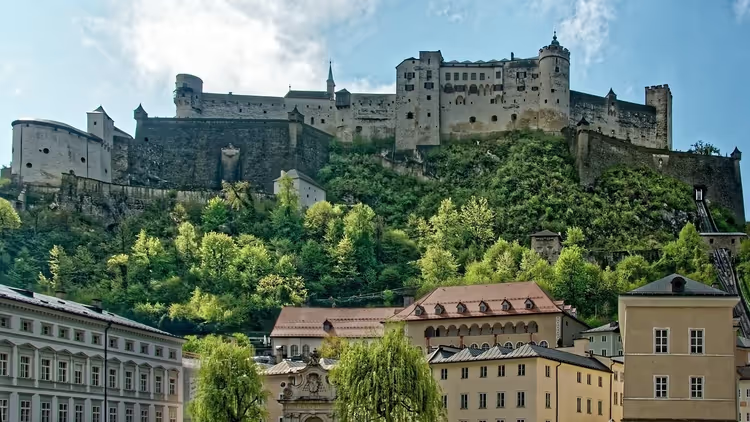
25 Places in Salzburg: tickets, opening hours and what to see in a day
Salzburg fits between the Salzach River and two mountains. Plan more than one day for the city, otherwise half the list will stay unseen. We picked 25 sights and added practical details to each: tickets, opening hours, and directions. Hohensalzburg Fortress covers 32,000 m² and has been growing since the 11th century (as of 09/2026, fortress website). Mark what appeals to you on the map and build your own route.
Ad: this article contains affiliate links. We earn a commission if you book through them, at no extra cost to you.
1. Hohensalzburg Fortress
 © C.Stadler/Bwag · CC BY-SAPhoto: C.Stadler/Bwag, CC BY-SA (https://creativecommons.org/licenses/by-sa/4.0), Wikimedia Commons
💡 In short:
- The fortress is best visited before noon, before tour groups arrive.
- For the museums, get combined tickets, they are cheaper than single ones.
- Opening hours and prices: 09/2026, verified on the official Salzburg tourist office website
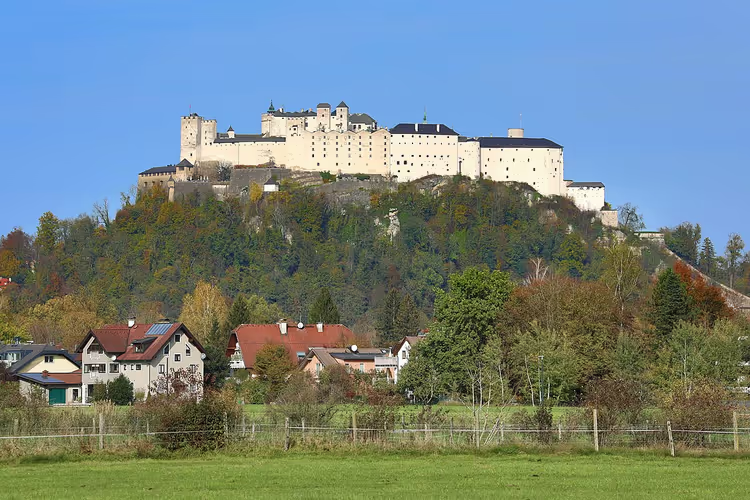
Hohensalzburg has been growing since the 11th century and became one of the largest fortress structures in Central Europe. The complex covers 32,000 m² (as of 09/2026, official website). The walls served more than just defense. In the 15th and 16th centuries, nobility took shelter here during peasant uprisings, and later the prince-archbishops set up a residence inside the fortress. Today you go up by funicular or on foot and see the Golden Hall, the Golden Chamber, and Gothic woodcarving. The towers offer a panorama of the entire city.
- How to get there: funicular from Festungsgasse or walk up Steingasse.
- Cost: paid entry, check the current price on the official website.
- The catch: by noon there is a line at the ticket office, come at opening time.
2. Mozart's Residence
 © Andrew Bossi · CC BY-SAPhoto: Andrew Bossi, CC BY-SA (https://creativecommons.org/licenses/by-sa/2.5), Wikimedia Commons
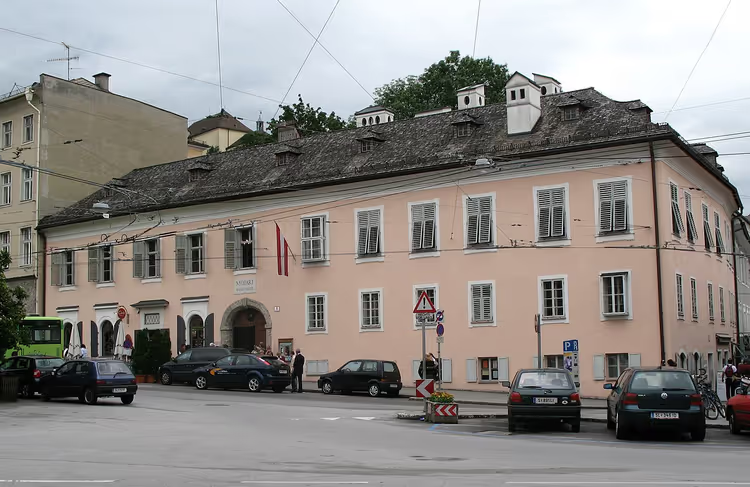
The Mozart family lived here from 1773 to 1787, and the eight rooms of the apartment were later turned into a museum. In the archives the house is called the "Dancing Master's House": from 1713 it hosted dance lessons for the noble elite. You will see original instruments, documents, and the first published opus by the young Amadeus. A separate story concerns the "Miserere": copying the score of the cathedral chapel was forbidden, but the boy memorized it by ear and wrote it down from memory. Part of the building was damaged in an air raid in 1944, and the house was later restored for the Mozarteum Foundation.
- How to get there: Makartplatz square, about 400 m from Residenzplatz (on the map).
- Cost: paid entry, tickets are sold on the official website.
- The catch: the rooms are small, and in high season it gets crowded inside.
3. Zoo
 © papa1234 · CC BYPhoto: papa1234, CC BY (https://creativecommons.org/licenses/by/3.0), Wikimedia Commons
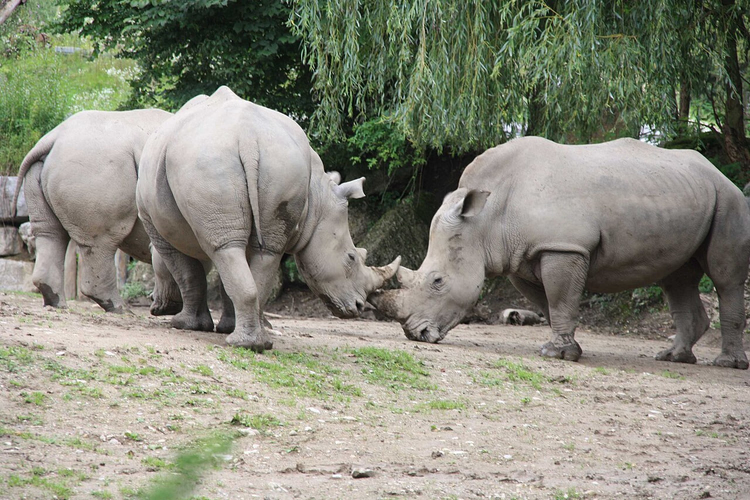
The zoo on Hellbrunn Hill dates back to the 16th century, when it was a princely menagerie for hunting. Tiergarten Hellbrunn in its current form opened in 1961. The animals are grouped geographically: there is an African safari corner, enclosures for Eurasia and South America. Kids usually enjoy the alpacas, lemurs, pink flamingos, and white peacocks. Feeding the animals with outside food is prohibited; special feed is sold at the entrance.
- How to get there: a separate path leads from Hellbrunn Palace to the zoo, partly uphill.
- Cost: check tickets and opening hours on the official website.
- The catch: the grounds are on a slope, pushing a stroller uphill is hard.
4. House of Nature
 © MatthiasKabel · CC BY-SAPhoto: MatthiasKabel, CC BY-SA (https://creativecommons.org/licenses/by-sa/3.0), Wikimedia Commons
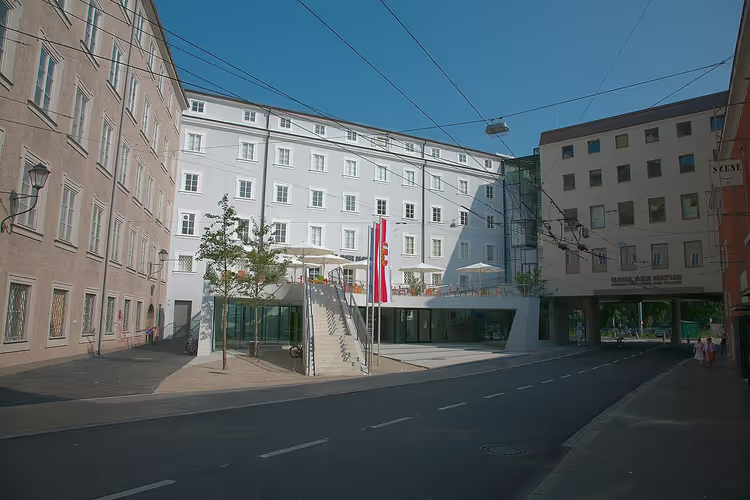
Haus der Natur covers more than 7,000 m² and is considered the city's most popular museum (as of 09/2026, official website). The museum's main draw is the aquarium with reef sharks, tropical fish, and Amazon species. Next to it is a terrarium with snakes, lizards, and turtles. In the space hall, you'll see the structure of the universe and the planetary system. In the Science Center, exhibits can be touched, so it's easy to spend a long time here.
- Getting there: Museumsplatz 5, entrance from the square in front of the Old Town.
- Cost: tickets are sold on the official website.
- The catch: on weekends the aquarium is full of kids and noisy.
5. Hellbrunn Palace
 © Nicholas Even (own work) · CC BYPhoto: Nicholas Even (own work), CC BY (https://creativecommons.org/licenses/by/2.5), Wikimedia Commons
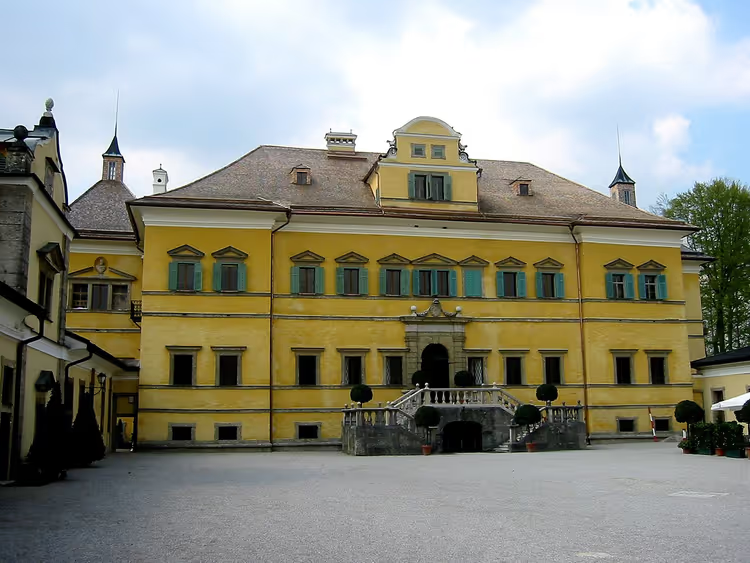
Hellbrunn was built by Prince-Archbishop Markus Sittikus in 1613-1615 as a country palace for entertainment (as of 09/2026, palace website). The Trick Fountains have been operating here for more than 400 years: they suddenly shoot from grottoes, steps, and stone tables, soaking unsuspecting guests. The palace is open daily from 9:30 to 18:30 (as of 09/2026, official website). The surrounding park is open for walks, and the fountains are shown only with a guided tour. Get a guided ticket to Hellbrunn on GetYourGuide to skip the ticket line.
- Getting there: bus 25 from the center to the Schloss Hellbrunn stop.
- Cost: the palace and fountain tickets are bought together.
- The catch: you will definitely get wet at the fountains, bring a raincoat.
6. Residenzplatz
 © Diego Delso · CC BY-SAPhoto: Diego Delso, CC BY-SA (https://creativecommons.org/licenses/by-sa/4.0), Wikimedia Commons
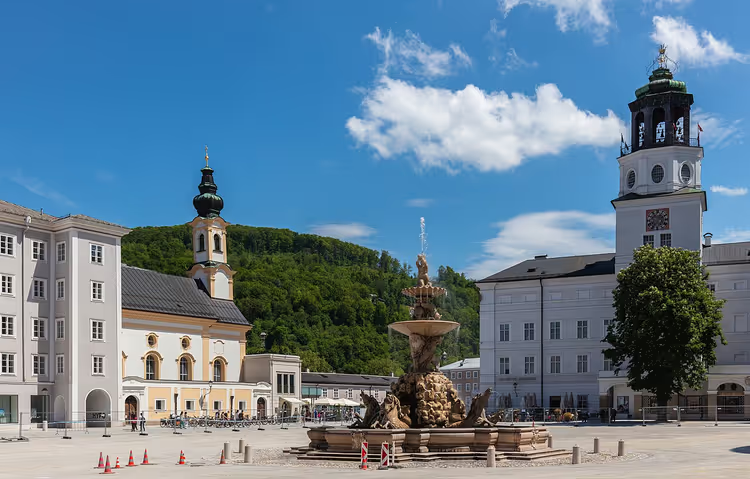
Residenzplatz lies in the very heart of the Old Town and is named after the prince-archbishops. The square is adorned by the Residenzbrunnen fountain, installed in 1661 to a design by an Italian architect. To the east it is enclosed by the Glockenspiel tower of the New Residence, to the south by the cathedral walls. The carillon plays classical music three times a day: at 7:00, 11:00, and 18:00 you'll hear melodies by Mozart. The tradition dates back to 1704, and this is one of the few sounding squares in Europe.
- Getting there: on foot from the station across Staatsbrücke, about 20 minutes (per the map).
- Cost: free.
- The catch: during the day the square is full of tour groups.
7. Getreidegasse
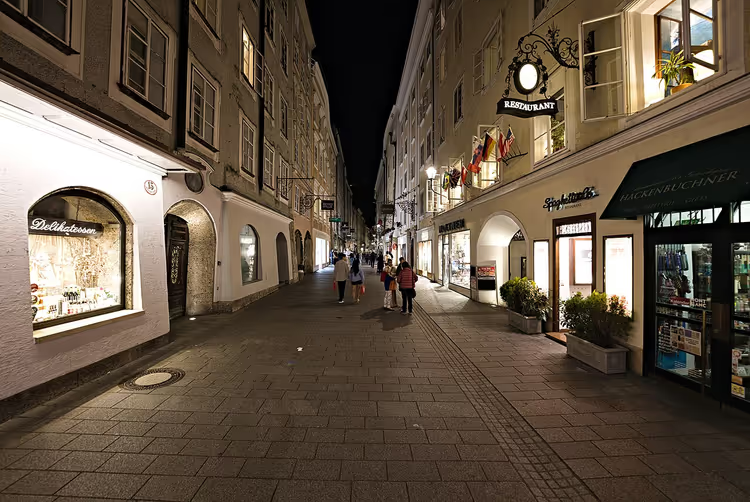
The narrow Getreidegasse runs through the Old Town and was formerly called the Grain Lane. Wolfgang Amadeus Mozart was born at house No. 9, where the Geburtshaus museum now operates. Along the street are antique shops, boutiques, and coffee houses where you can try Viennese coffee. From here it's easy to reach the Cathedral Quarter: one ticket covers five museums. The street itself and the quarter are part of the UNESCO World Heritage list. Walk it in the morning, while the shop windows are open and the passage isn't packed with people.
- Getting there: parallel to Residenzplatz, with access from both sides.
- Cost: the walk is free, museums are paid.
- The catch: during the day the flow of people is dense, inconvenient with a stroller.
8. Mirabell Palace
 © Przemek Pietrak · CC BY-SAPhoto: Przemek Pietrak, CC BY-SA (https://creativecommons.org/licenses/by-sa/3.0), Wikimedia Commons
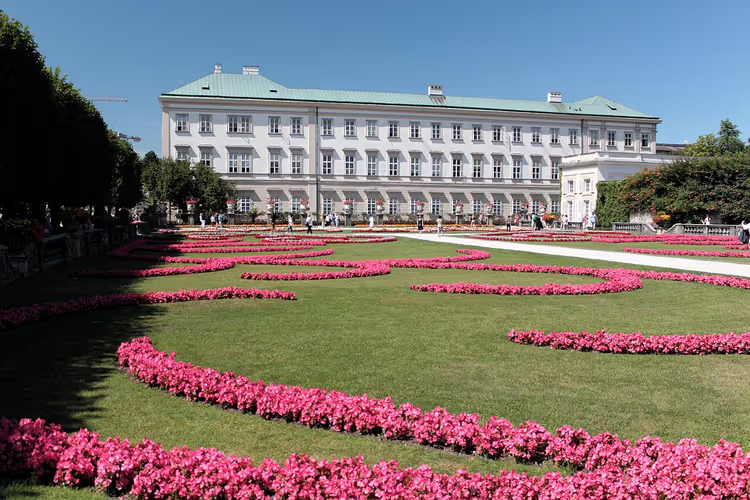
Schloss Mirabell was built in 1606 by Prince-Bishop Wolf Dietrich von Raitenau as a summer residence. The palace was originally intended for secret meetings with Salome Alt. When rumors reached Rome, the archbishop was removed, and his nephew renamed the estate Mirabell, "very beautiful." After the fire of 1818, the building was rebuilt and an English-style garden was laid out. The interiors and furniture have hardly survived, but the park with its fountain, rose garden, and Dwarf Garden is open to you all day.
- Getting there: about 5 minutes on foot from Makartplatz (per the map).
- Cost: the garden is free, palace entry is paid separately.
- The catch: the palace has few surviving halls, the main thing here is the park.
9. Open-air museum
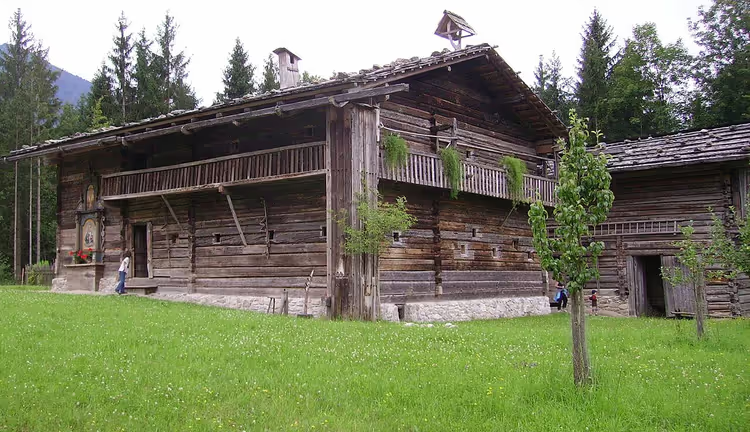
The Salzburger Freilichtmuseum spreads across more than 50 hectares. Dozens of authentic buildings from different regions of Austria were brought here: a church, a school, a mill, farmhouses, and craft workshops. The oldest exhibit dates back to 1442. At the museum you will see how Austrian peasants lived, what they used in daily life, and which crafts sustained the village. A small train runs through the grounds, and there are places to rest and grab a bite. School and university students come here for ethnography classes.
- Getting there: the museum is in the suburbs; driving or taking the bus is easier.
- Cost: the ticket is valid all day; check the hours on the official website.
- The catch: getting there without a car takes a long time.
10. Residenzgalerie
 © Andrew Bossi · CC BY-SAPhoto: Andrew Bossi, CC BY-SA (https://creativecommons.org/licenses/by-sa/2.5), Wikimedia Commons
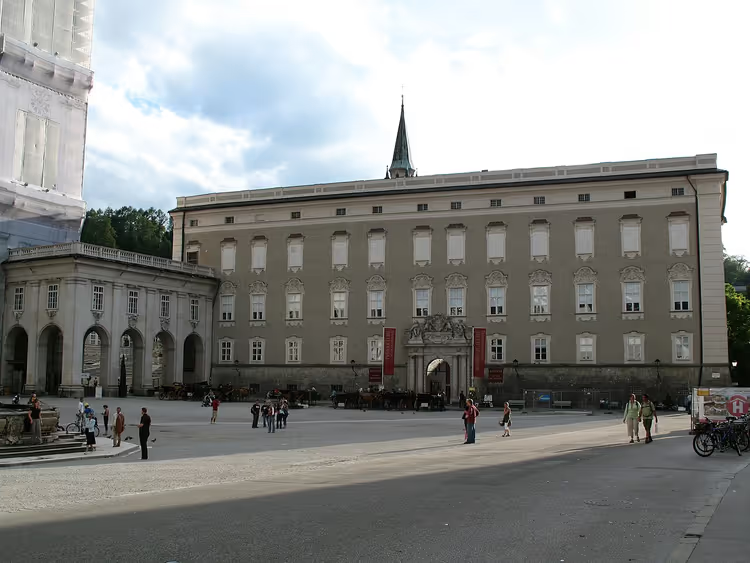
The Residenzgalerie is located on the third floor of the Residenz, in the pedestrian zone of the Old Town. Its rooms house Dutch, French, and Italian schools from the 17th to 19th centuries. You will see paintings by Rembrandt, Bruegel, and Rubens, as well as works by Ender, Waldmüller, and Amerling. The collection was expanded by patrons, and some paintings were bought from Count Czernin, who assembled them in Vienna between 1800 and 1845. The gallery's holdings continue to grow today.
- Getting there: enter from Residenzplatz, next to the cathedral.
- Cost: admission is paid; tickets are available on the official website.
- The catch: the rooms are small, so you can cover them in a single visit.
11. Salzburg Cathedral
 © Ray Swi-hymn from Sijhih-Taipei, Taiwan · CC BY-SAPhoto: Ray Swi-hymn from Sijhih-Taipei, Taiwan, CC BY-SA (https://creativecommons.org/licenses/by-sa/2.0), Wikimedia Commons
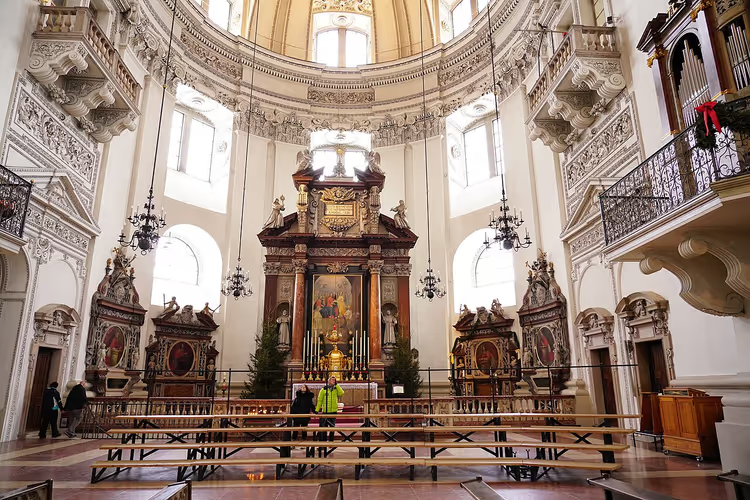
Salzburger Dom seats several thousand worshippers and is visible from many points around the city. The first building was consecrated in 774, and in 1167 the cathedral burned down and was rebuilt from scratch. Its current appearance took shape in 1614-1628 in the early Baroque style. Note the baptismal font where Mozart was baptized and the main altar. Entry to the church is free, but during services tourists are asked not to walk through the center.
- Getting there: exit to Domplatz from Residenzplatz.
- Cost: free entry, donations welcome.
- The catch: on Sunday mornings part of the space is closed to tourists.
12. Museum of Modern Art
 © Photo: Andreas Praefcke · CC BYPhoto: Photo: Andreas Praefcke, CC BY (https://creativecommons.org/licenses/by/3.0), Wikimedia Commons
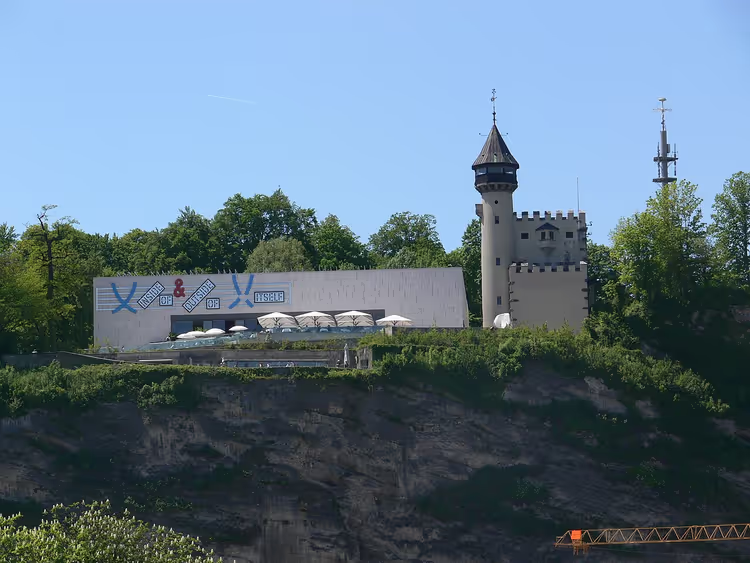
Museum der Moderne stands on the Mönchsberg cliff above the rooftops of the Old Town. The building was completed in 2004 to a design by the Munich firm Hoff and Zwing, with marble used for the cladding. You ascend via glass staircases, and at each level the city opens up from a new angle. The collection includes painting and graphic art from the 20th and 21st centuries: Haas, Wurm, Kokoschka, and other artists. Part of the collection is displayed in the museum's second building on Makartplatz. Downstairs there is an art cafe and a shop.
- Getting there: take the Mönchsberg-Aufzug elevator from Anton-Neumayr-Platz; walking up takes longer.
- Cost: paid entry, the ticket is valid at both buildings.
- The catch: the collection is contemporary, so it won't appeal to everyone.
13. St. Peter's Abbey
 © Manfred Werner - Tsui · CC BY-SAPhoto: Manfred Werner - Tsui, CC BY-SA (https://creativecommons.org/licenses/by-sa/3.0), Wikimedia Commons
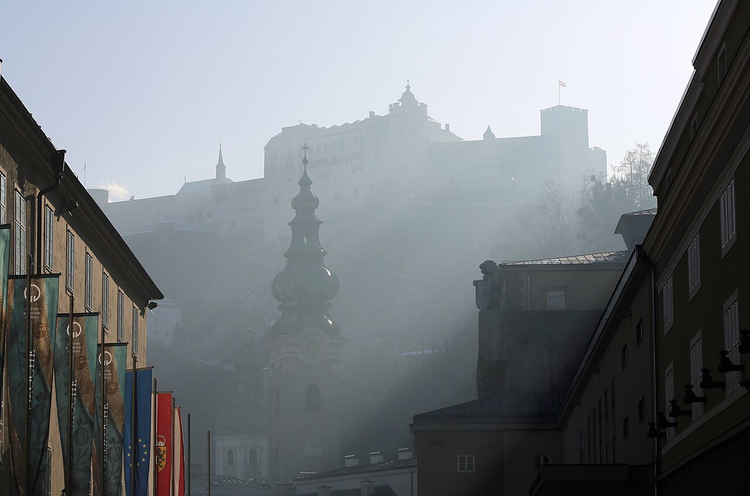
The monastery of Stift Sankt Peter began to be built in the 7th century at the initiative of Saint Rupert, the patron saint of Salzburg. It is the oldest continuously operating monastery in the German-speaking lands, and it brings together a church, catacombs, hermit cells, a library, and an old cemetery. In 1622 the Catholic University was founded here, and its library held manuscripts by Mozart and Haydn. The composer wrote his Mass in C minor for the monastery, and it is still performed at concerts today. Fires destroyed the buildings, but the ensemble was restored in the Baroque style.
- Getting there: Sankt-Peter-Bezirk 1, just behind the cathedral.
- Cost: entry to the church is free, the catacombs are paid.
- The catch: only part of the monastery grounds is open to visitors.
14. St. Peter's Cemetery
 © Isiwal · CC BY-SAPhoto: Isiwal, CC BY-SA (https://creativecommons.org/licenses/by-sa/4.0), Wikimedia Commons
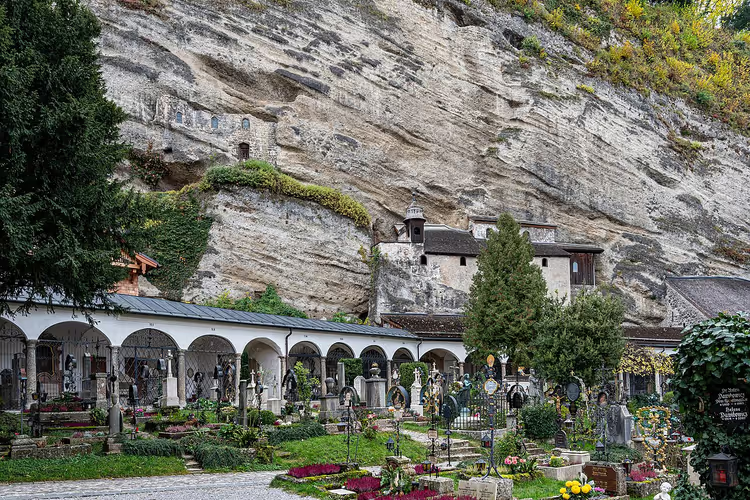
St. Peter's Cemetery is considered one of the oldest in Europe. Priests, scholars, artists, and Mozart's sister Nannerl are buried here. The graves look modest, but behind the wrought-iron railings stand Gothic chapels and family crypts. The oldest burial dates back to 803. Mozart played the organ in the neighboring church, and later films were shot in this setting. At the entrance to the catacombs you will find niches of the first Christians. The place is quiet, with fewer tourists than in the Cathedral Quarter.
- Getting there: just behind the church of St. Peter's Abbey.
- Cost: free entry.
- The catch: it is an active cemetery, so keep quiet.
15. Nonnberg Abbey
 © Carsten Steger · CC BY-SAPhoto: Carsten Steger, CC BY-SA (https://creativecommons.org/licenses/by-sa/4.0), Wikimedia Commons
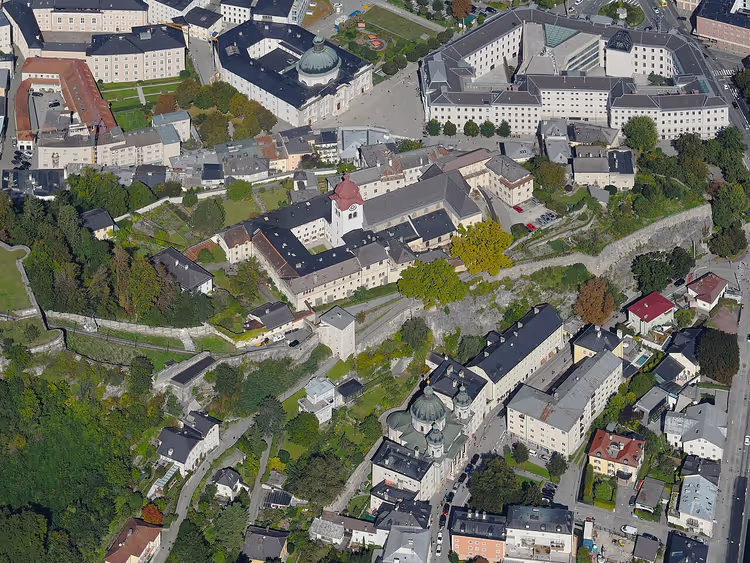
Nonnberg operates as an active Benedictine convent at the foot of the fortress hill. The Romanesque basilica was founded at the turn of the millennium by order of Emperor Henry II and consecrated in 1009. The first abbess was Saint Erentrude, the patron saint of Salzburg, and her tomb is in the crypt of the Church of Our Lady. Inside, frescoes, wall paintings, and a late Gothic altar with the Virgin Mary have been preserved. This place is connected with the story of the novice Maria von Kutschera, which became the basis for the musical "The Sound of Music." Book a Sound of Music tour on GetYourGuide if you want to see more filming locations.
- Getting there: climb from Kaigasse up the Nonnbergstiege staircase.
- Cost: the church is open free of charge, the convent quarters are closed.
- The catch: only the church is open to visitors.
16. Christmas Museum
 © Photo: Andreas Praefcke · CC BYPhoto: Photo: Andreas Praefcke, CC BY (https://creativecommons.org/licenses/by/3.0), Wikimedia Commons
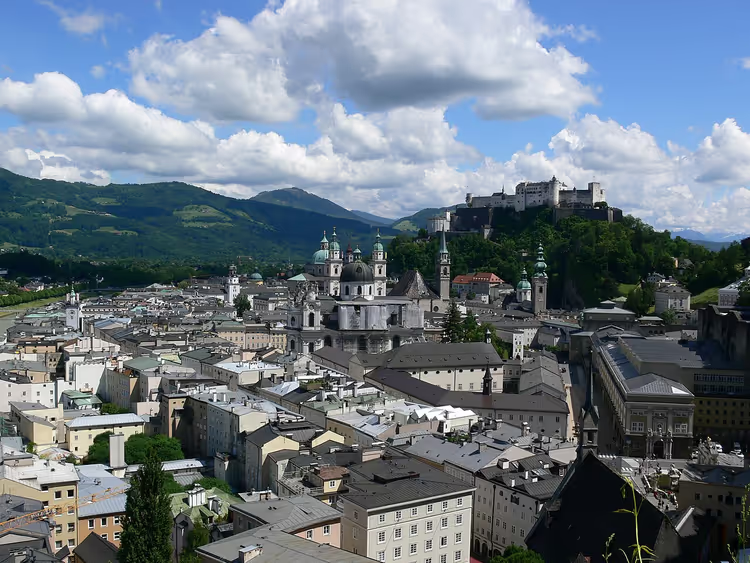
Weihnachtsmuseum has assembled Christmas tree ornaments, cards, and gifts from 1840 to 1940. Ursula Kloiber spent almost forty years building the collection, and in 2014 the exhibition moved into the former Cafe Glockenspiel on Mozartplatz. Here you will see a Christmas tree from the First World War era, figurines from "The Nutcracker," and mechanical toys that tell the story of Christmas. There are no modern string lights; all the exhibits are pre-war. The museum is small but atmospheric.
- Getting there: Mozartplatz 2, entrance from the square.
- Cost: tickets are bought on site; check opening hours on the website.
- The catch: there are few rooms, so the visit doesn't take long.
17. Red Bull Hangar-7 exhibition pavilion
 © User:MatthiasKabel · CC BYPhoto: User:MatthiasKabel, CC BY (https://creativecommons.org/licenses/by/2.5), Wikimedia Commons
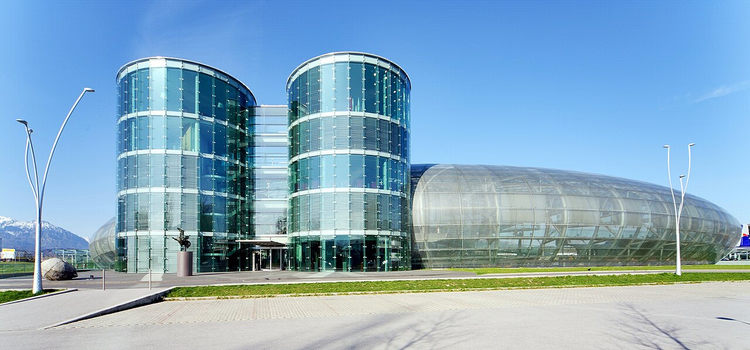
Hangar-7 near Salzburg Airport showcases the Red Bull aircraft collection. Under a vault of metal supports stand rare sport planes and helicopters. The blue night lighting turns the hangar into an unusual sight. Inside you can try a flight simulator and feel like a pilot. Nearby there are restaurants and a bar, and over Lake Wolfgangsee air shows featuring the museum's aircraft are sometimes held. Entry to the pavilion is free.
- Getting there: the complex is at the airport; it's easier by car or taxi.
- Cost: viewing is free, food at the restaurants is paid.
- The catch: public transport runs infrequently.
18. Leopoldskron Palace
 © Simon1976 · CC BY-SAPhoto: Simon1976, CC BY-SA (https://creativecommons.org/licenses/by-sa/3.0), Wikimedia Commons
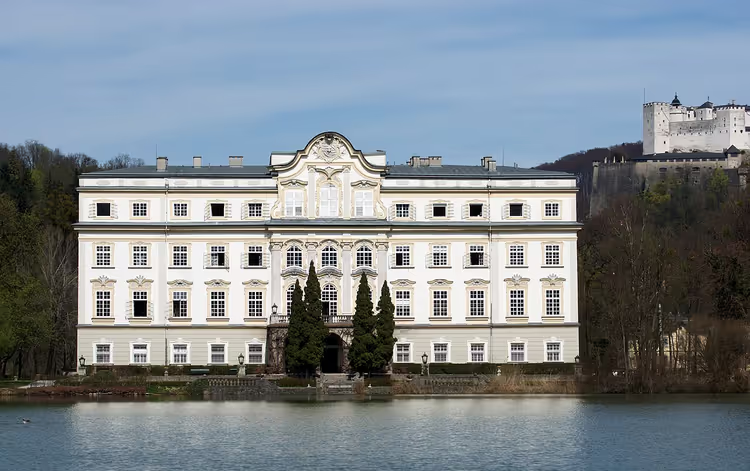
Schloss Leopoldskron stands on the southern edge of the city, by a small lake. The Rococo palace was built in 1736 for the family of Leopold Firmian. Later the owners changed, and in 1918 the estate was bought by a theater director, who carried out a renovation. Winston Churchill visited here, and Austria's creative elite discussed the idea of the Salzburg Festival. Today it is an upscale hotel, and you can only get inside as a guest.
- Getting there: south of the city, stop at Leopoldskroner Weiher.
- Cost: viewing from outside is free; inside is for hotel guests only.
- The catch: the grounds are private, and tourists are not allowed into the park.
19. Franciscan Church
 © MatthiasKabel · CC BY-SAPhoto: MatthiasKabel, CC BY-SA (https://creativecommons.org/licenses/by-sa/3.0), Wikimedia Commons
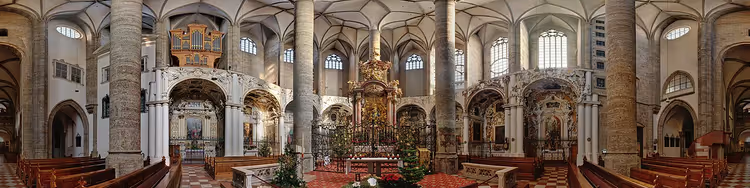
Franziskanerkirche stands on the site of the Roman settlement of Juvavum and is one of the oldest churches in the city. The church burned down several times: after the fire of 1167 it took a long time to restore, and work was completed only by 1223. In the 15th century a Gothic tower was added to the building, later a bell tower, and in the 19th century a spire. Inside you will see the high altar and the Romanesque foundation beneath the Gothic vaults. The church is active and entry is free, but viewing is limited during services.
- Getting there: Franziskanergasse, between Residenzplatz and Getreidegasse.
- Cost: free entry.
- The catch: the interior is more modest than the cathedral's.
20. Archbishop's Residence
 © osmplus_org · CC BY-SAPhoto: osmplus_org, CC BY-SA (https://creativecommons.org/licenses/by-sa/4.0), Wikimedia Commons
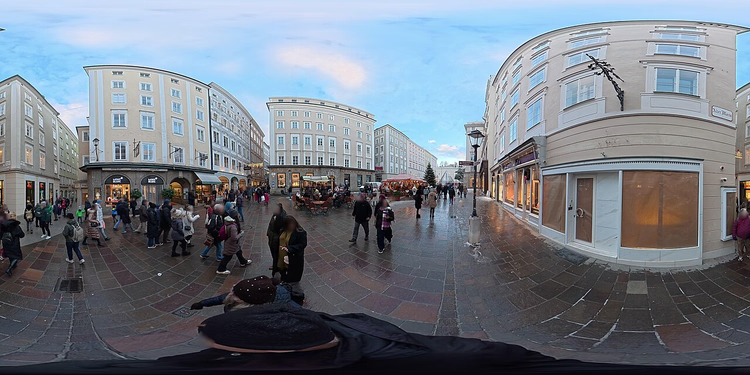
Alte Residenz served as the palace of Salzburg's rulers, who held both princely and ecclesiastical titles. The building dates to 1120 and was rebuilt several times, with major work carried out by Wolf Dietrich von Raitenau at the turn of the 16th and 17th centuries. You walk through the palace's rooms in an enfilade: the throne room, the banquet hall, and the private apartments. Today the Old Residence houses a treasury with tiled stoves, Venetian mirrors, crystal chandeliers, and ceiling frescoes. A standout piece is Rembrandt's "Portrait of a Praying Woman," for which he used his mother as the model. Tickets to the gallery and treasury are combined; check the price at the ticket office.
- Getting there: entrance from Residenzplatz, next to the cathedral.
- Cost: a combined ticket covers the gallery and treasury.
- The catch: some rooms are closed for restoration.
21. Marionette theater
Salzburger Marionettentheater operates as an opera and drama theater with puppets. The puppets, about the size of a child, perform classical works, and puppeteers control them from above using a complex system of strings. The repertoire is built around Mozart's operas and the musical "The Sound of Music." The company got its own building in 1971, and the theater has toured all over the world. It's worth booking tickets in advance: the auditorium is small and fills up quickly. Book Old Town tours on GetYourGuide to combine a performance with a walking tour.
- Getting there: Schwarzstraße 24, near Makartplatz.
- Cost: tickets are sold on the theater's official website.
- The catch: performances are in German.
22. Kapuzinerberg Hill
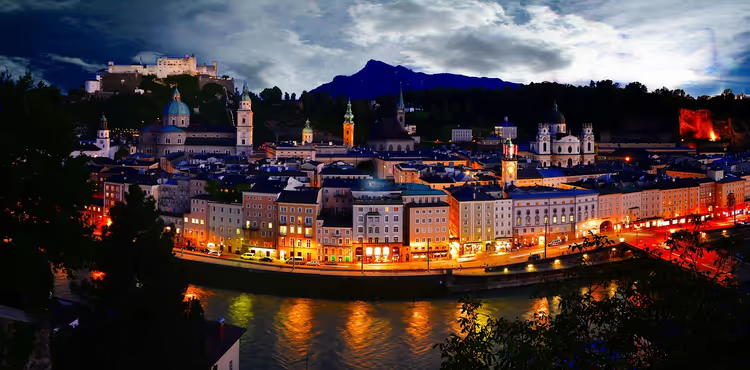
Kapuzinerberg rises across from the Old Town and is named after the Capuchin monastery at its foot. A long staircase leads to the top, and it is best not to climb it in the heat. There is no funicular here, but along the way you will pass a bust of Mozart and scenes from the life of Christ carved into the rock. From the top you get the best view of the fortress and the tiled rooftops. The forest has marked trails and benches, bring water with you, and at the top there is a restaurant styled as a hunting lodge.
- Getting there: enter from Franz-Josef-Kai, then walk uphill.
- Cost: free.
- The catch: the climb is steep and tough in the heat.
23. Untersberg Mountain
 © Jörg Braukmann · CC BY-SAPhoto: Jörg Braukmann, CC BY-SA (https://creativecommons.org/licenses/by-sa/4.0), Wikimedia Commons
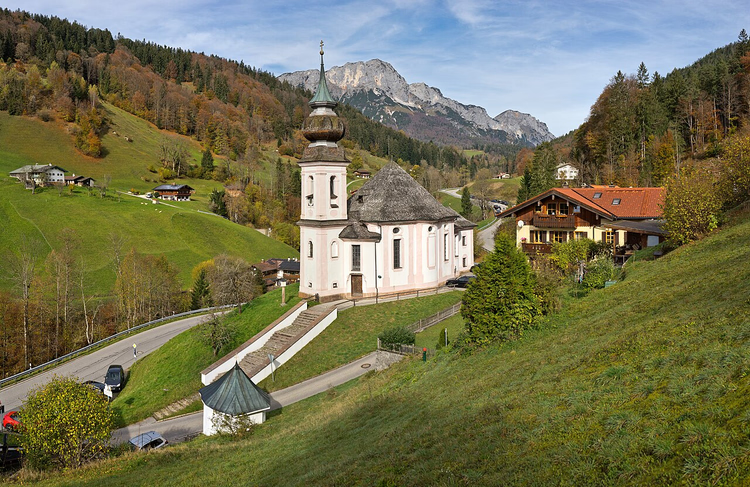
Untersberg lies on the border between Austria and Germany, and the easiest way up is by cable car. The aerial tramway has been operating since 1961 and carries tens of thousands of passengers a year. From the upper station you see the foothills of the Alps and all of Salzburg. The summit has viewing platforms, a cafeteria, and a lounge area where you can warm up in cold weather. It is windy here in both winter and summer, so bring a jacket. Hiking enthusiasts walk down on foot.
- Getting there: bus from the center to the Untersbergbahn station.
- Cost: the cable car ticket is paid, check hours on the official website.
- The catch: in cloudy weather you cannot see anything from the summit.
24. Volksgarten Park
 © Juplauris · CC BY-SAPhoto: Juplauris, CC BY-SA (https://creativecommons.org/licenses/by-sa/4.0), Wikimedia Commons
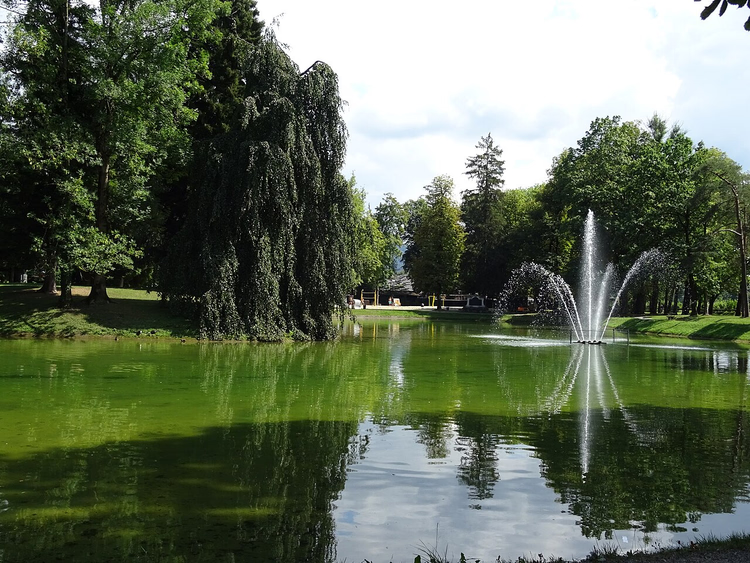
Volksgarten, or Franz Josef Park, was laid out on the right bank of the Salzach. The name translates as "people's park," and its second name honors Emperor Franz Josef. It has lawns, rose gardens, ponds with water lilies, and running paths, and an outdoor pool operates in summer. Architect Ludwig Remy's design dates back to 1817, and evening lighting turns the alleys into a quiet place for a stroll. You come here to escape the crowds of the Old Town. The park is open around the clock.
- Getting there: Staatsbrücke bridge, then along the right bank.
- Cost: free entry.
- The catch: the alleys are dimly lit in the evening.
25. St. Andrew's Church
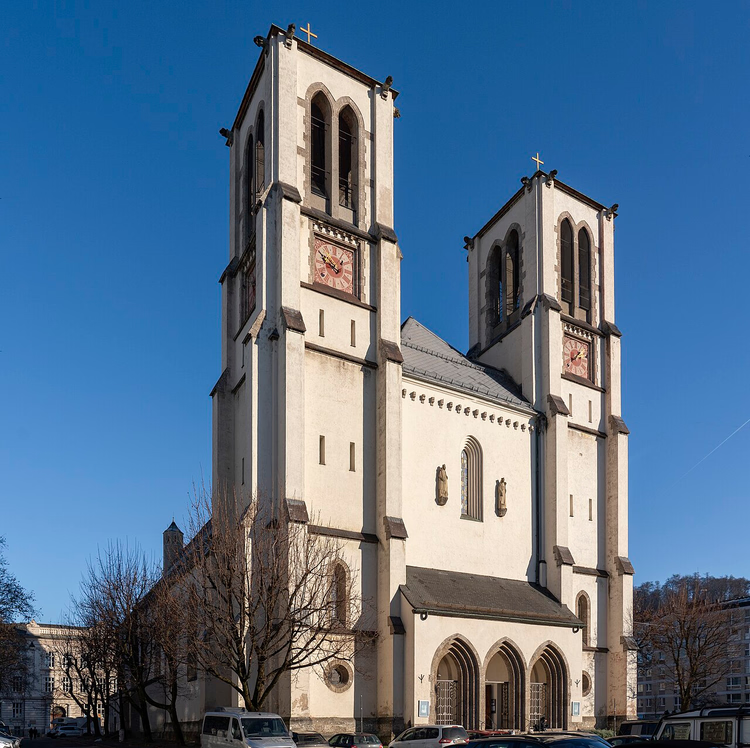 © Thomas Ledl · CC BY-SAPhoto: Thomas Ledl, CC BY-SA (https://creativecommons.org/licenses/by-sa/4.0), Wikimedia Commons
Andreaskirche stands across the street from Mirabell Palace. The first building was constructed in the Gothic style, after 1750 the facade received Baroque elements, and later the church was rebuilt in the Neo-Gothic spirit. The fire of 1818 nearly led to its demolition: the church was slated for removal to widen the road, but the townspeople defended it. After the bombing of 1944, its appearance was restored and the domes with crosses were brought back. You can go inside at any time, and on Thursdays the Schrannenmarkt food market operates across from it with cheeses, sausages, and baked goods.
- Getting there: entrance from Mirabellplatz, parking nearby.
- Cost: free.
- The catch: the facade looks modest compared to Mirabell.
Salzburg sights on the map
25 sights of Salzburg
Places on the map
- 1Hohensalzburg Fortress 32,000 sq m of walls from the 11th century, ascent by cable car or on foot
- 2Mozart Residence The family's flat on Makartplatz with genuine instruments and scores
- 3Hellbrunn Zoo About 800 animals on the slope, enclosures divided by continent
- 4House of Nature Over 7,000 sq m, a shark aquarium, terrariums and a space hall
- 5Hellbrunn Palace Country palace from 1613 and the Trick Fountains, 9:30-18:30
- 6Residenzplatz The central square with a fountain from 1661 and the Glockenspiel carillon
- 7Getreidegasse street Historic street with the house where Mozart was born, UNESCO heritage
- 8Mirabell Palace Summer residence from 1606, a park with a rose garden and the Dwarf Garden free
- 9Open-air museum Over 50 hectares of authentic buildings, the oldest from 1442
- 10Residenz Gallery Dutch, French and Italian painting from the 17th-19th centuries
- 11Salzburg Cathedral Baroque from 1614-1628, the font where Mozart was baptised, free entry
- 12Museum of Modern Art A building on the Mönchsberg cliff, 20th-21st century painting and photography
- 13St. Peter's Abbey The oldest active monastery, with catacombs and a library
- 14St. Peter's Cemetery One of the oldest in Europe, Mozart's sister is buried here
- 15Nonnberg Abbey A women's Benedictine convent, consecrated in 1009
- 16Christmas Museum Christmas decorations and postcards from 1840-1940 on Mozartplatz
- 17Hangar-7 A collection of Red Bull aircraft and helicopters by the airport, free entry
- 18Leopoldskron Palace Rococo from 1736 by a lake, today a hotel, interior for guests only
- 19Franciscan Church One of the city's oldest churches, a Romanesque foundation under the vaults
- 20Archbishop's Residence The old residence with a suite of halls and a treasury
- 21Marionette Theatre Puppets perform Mozart's operas and The Sound of Music, book tickets in advance
- 22Kapuzinerberg mountain Climb up the steps opposite the Old Town, with a view of the fortress
- 23Untersberg mountain Cable car since 1961, viewing platforms and a café at the top
- 24Volksgarten park Franz Josef Park on the right bank, ponds and an open-air pool in summer
- 25St. Andrew's Church Opposite Mirabell, the Schrannenmarkt market is nearby on Thursdays
All 25 points are marked on the map: save it to plan your route by day. The center is compact, you can walk between Residenzplatz and Getreidegasse, but Hellbrunn, Untersberg, and the open-air museum are better reached by transport. Decide in advance which museums interest you most and visit them on the first day.
Tours and tickets in Salzburg
Guided tours, skip-the-line tickets and activities — most offers can be cancelled free of charge.
See offers on TiqetsThe widget loads once you give your consent.
⁉️🤔 Frequently asked questions
How many days do you need for Salzburg?
One day is enough for the center: you can cover the fortress, Residenzplatz, the cathedral, and Getreidegasse on foot. Museums, the zoo, and Hellbrunn will take another day. If you add Untersberg and the open-air museum, plan for a third day.
How much does entry to Hohensalzburg Fortress cost?
Check the exact price on the fortress's official website, as it varies by season. The ticket includes the funicular ride and access to the main halls. An online ticket is cheaper and lets you skip the line at the ticket office. There are separate rates for children and families.
When is the best time to visit Salzburg?
The peak is in July and August, when the center is full of tour groups. In May, June, and September the weather is mild and the streets are less crowded. In winter the Christmas markets operate, but many sights close earlier. Museums and Hellbrunn are best visited in the off-season.
What to see in Salzburg with kids?
Kids usually enjoy Tiergarten Hellbrunn zoo, the House of Nature with its aquarium, and the marionette theater. At Mirabell, the Dwarf Garden will keep them entertained, and at Hellbrunn, the Trick Fountains. The cable car up Untersberg is a good option, the ride is short and spectacular. Check age restrictions for performances in advance.
Do you need a car in Salzburg?
You do not need a car for the center: the Old Town is compact and pedestrian-friendly. Buses will take you to Hellbrunn, the zoo, and the Untersberg cable car. A car is useful for the open-air museum and trips around the surrounding area. Parking in the center is paid and expensive.
In short: what to book
If you have one day, start with Hohensalzburg Fortress, then walk down to Residenzplatz and the cathedral. If you are traveling with kids, set aside a day for the zoo and the House of Nature. If you love art, choose the Residenzgalerie and the Museum der Moderne. Buy tickets for the fortress and Hellbrunn Palace online to avoid waiting at ticket offices. Plan your route using the map and leave time for unplanned stops.

A small editorial team writing guides for independent travel. We travel ourselves, but we haven’t been everywhere, so we check prices, opening hours and how to get there against official sources.