
















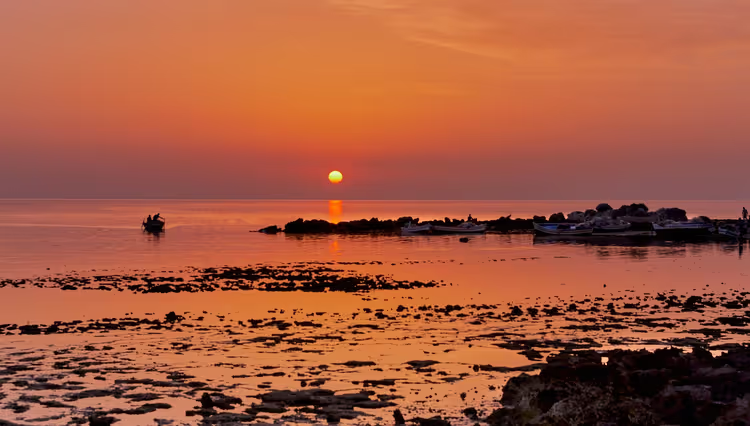
Djerba: when to go, where to stay and what to see
Djerba offers more than just a beach and all-inclusive resorts. The island covers 514 km² and is considered the largest in North Africa (according to Wikipedia's Djerba page). In September 2023, UNESCO added Djerba to its World Heritage list.
The island is not well suited to those who want to explore everything on foot. The capital Houmt Souk, the Midoun hotel zones, the port of Ajim, and the pottery village of Guellala are spread across different ends of the island. For independent travel between them, renting a car is the most convenient option.
Below we'll cover when to go, where to stay, and what to see.
Ad: this article contains affiliate links, we earn a commission if you book through them, at no extra cost to you.
Djerba at a glance
💡 In short:
- Sea and beach: from June to September the water warms up to 28 °C, comfortable for almost everyone to swim.
- In winter, daytime temperatures are around 16 °C and rain is possible, but pink flamingos winter in the lagoon.
- Houmt Souk, Midoun, and Guellala are dozens of kilometers apart, so renting a car is the better value.
The island has olive groves, salt flats, and long sandy beaches. It is connected to the mainland by a causeway that was first built in Roman times.
The island's life revolves around several towns. Houmt Souk is home to the port and the main market, Midoun is considered the tourist center, Ajim is known for fishing, and Guellala for pottery. You'll be traveling between them by taxi or rental car.
When to go: weather and season
The weather on Djerba is mild year-round, but seasons differ greatly in price and hotel occupancy. Daytime temperatures range from 16 °C in winter to 33 °C in summer (according to Vacation Weather Map, 09/2026).
Period | Weather | Who it suits |
|---|---|---|
June-September | Hot and dry, warmest sea | Those coming for the beach |
April-May, October-November | Mild weather, cooler sea | Sightseeing and walks |
December-March | Cool, occasional rain | Flamingo watching |
In May you can already swim, but the water is still cool, so bring a warm sweater for the evenings.
In winter the island empties out, hotels get cheaper, and pink flamingos appear in the lagoon. The birds stay here from late winter to early spring.
Beaches and hotels: what you need to know
Beaches stretch along the eastern coast of the island, where almost all of the tourist development is located. The main hotel zones are called Midoun, Sidi Mahrez, and Aghir. Most resorts occupy the first line, each with its own stretch of sand, a pool, and all-inclusive dining. Hotels have spas, dive clubs, and windsurfing rental points on site.
Who it's for: families with children and those who want to stay within the resort. Not for: travelers who plan to head out every day, as the remote hotel zones are isolated.
If you're coming for the beach, start by comparing options: Djerba hotels on Trip.com show the nightly rate for your dates.
What to see on the island
Djerba doesn't have many historical monuments, but almost all of them are clustered around Houmt Souk.
Start with Borj El Kebir Fort right by the port. It is the island's largest and best-preserved fortress, founded in 1289 on the site of a Roman fortification (according to the Djerba guide). People climb up here mainly for the view over the fishing harbor.
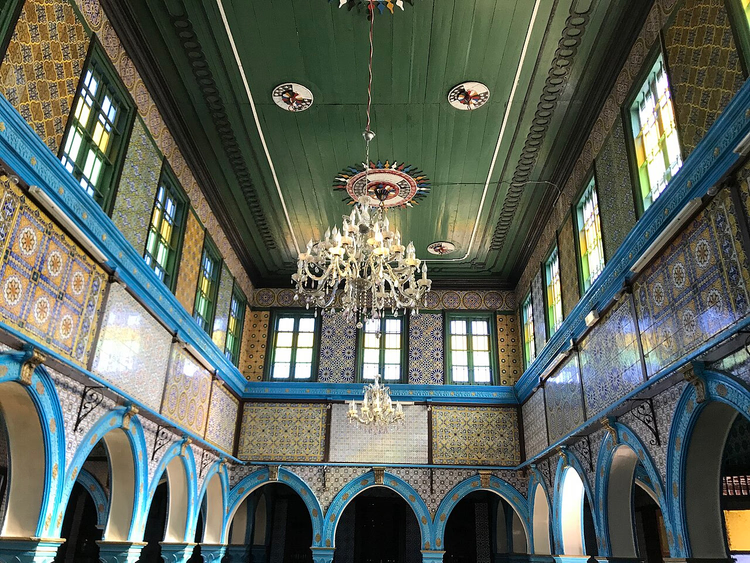
The El Ghriba Synagogue southwest of Houmt Souk is considered one of the oldest active synagogues in North Africa. Inside, it is decorated with blue-and-white ceramic tilework, and every spring pilgrims from around the world gather here for the Lag BaOmer holiday. Tourists are allowed in, but the dress code is strict: shoulders and knees must be covered.
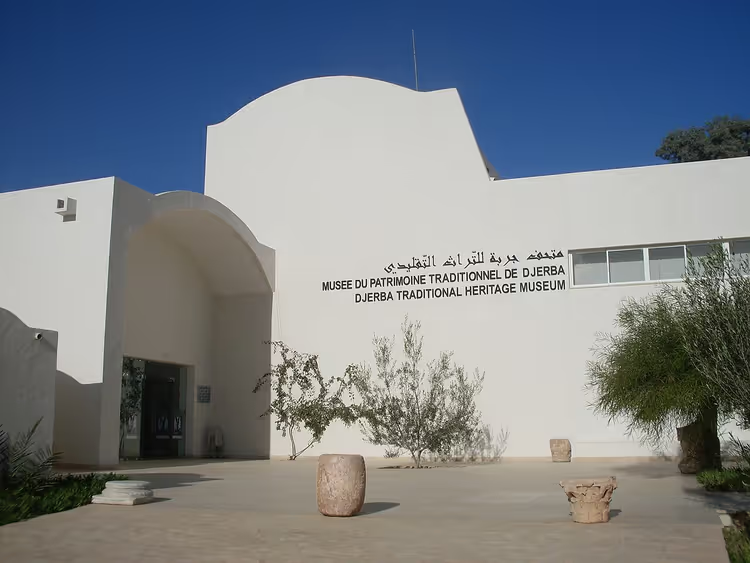
The Sidi Zitouni Mausoleum now operates as a local history museum. Inside you can see ceramics, carved wood, jewelry, and everyday Tunisian household items. Further along the route is the Houmt Souk medina: a maze of narrow streets, market rows, and small cafes.
The old town is also home to three old mosques: Jemaâ el Ghorba, Ech Cheikh, and Jemaâ Ettrouk. Each was designed in its own style, and together they give a good sense of the local architecture.
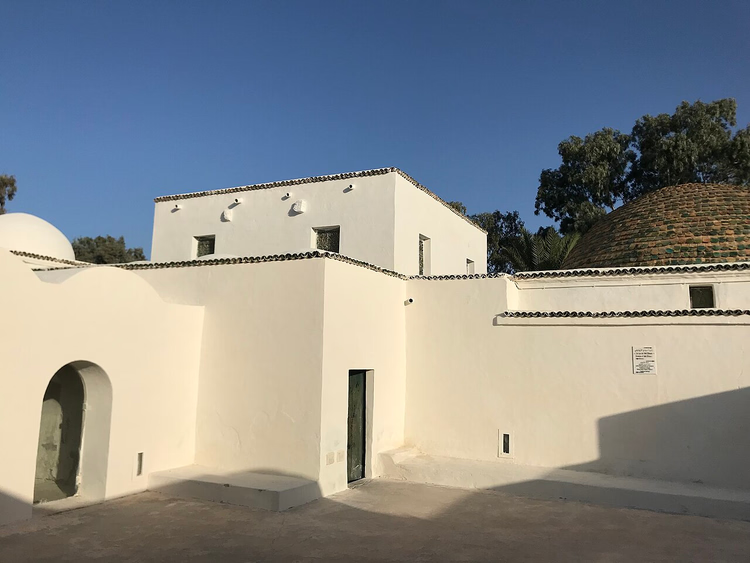
As you explore the island, you will notice menzels: massive square houses with a white dome and an inner courtyard. From the outside, they look more like fortresses than homes.
 © Mohatatou · CC BY-SAPhoto: Mohatatou, CC BY-SA (https://creativecommons.org/licenses/by-sa/4.0), Wikimedia Commons
Guided tours of these sites are easy to book in advance: Djerba tours on GetYourGuide.
Things to do: golf, desert, and diving
There is no shortage of things to do on Djerba, and everyone can find something they enjoy. Golfers will like the Djerba Golf Club course, while those who enjoy gambling can visit one of Africa's largest casinos at one of the hotels.
Thrill-seekers will enjoy a jeep safari into the Sahara. Over the course of a day, you head deep into the mainland, ride across dunes, and see desert villages. Divers also have plenty to see: several shipwrecks lie at depths of a few dozen meters, and local clubs run dives to them.
 © Mohatatou · CC BY-SAPhoto: Mohatatou, CC BY-SA (https://creativecommons.org/licenses/by-sa/4.0), Wikimedia Commons
Nightlife keeps going until morning. Dozens of clubs operate in the hotel zones, and the largest open-air venue is called Sunset Beach Djerba.
For a lazy day, Djerba Explore Park in Midoun, near the Taguermess lighthouse, is a good choice. It brings together a crocodile farm, the largest in the Mediterranean, several museums, and a cultural village. The park is ten minutes from the main hotels (according to the Djerba Explore Park website).
Some visitors are more drawn to thalassotherapy: treatments using seawater and seaweed are offered at spas in the major hotels.
Djerba food and souvenirs
The flavors of Tunisian cuisine may seem unfamiliar to many visitors. The main dish here is couscous, and Tunisians insist there are a great many ways to prepare it. Hot dishes are almost always served for two, so order carefully: portions are large.
A nice budget detail: cold starters are not on the bill. By default, you will be served olives, a tuna appetizer, spicy harissa sauce, and mechouia salad. If you order a hot fish or meat dish, the side dish is also free.
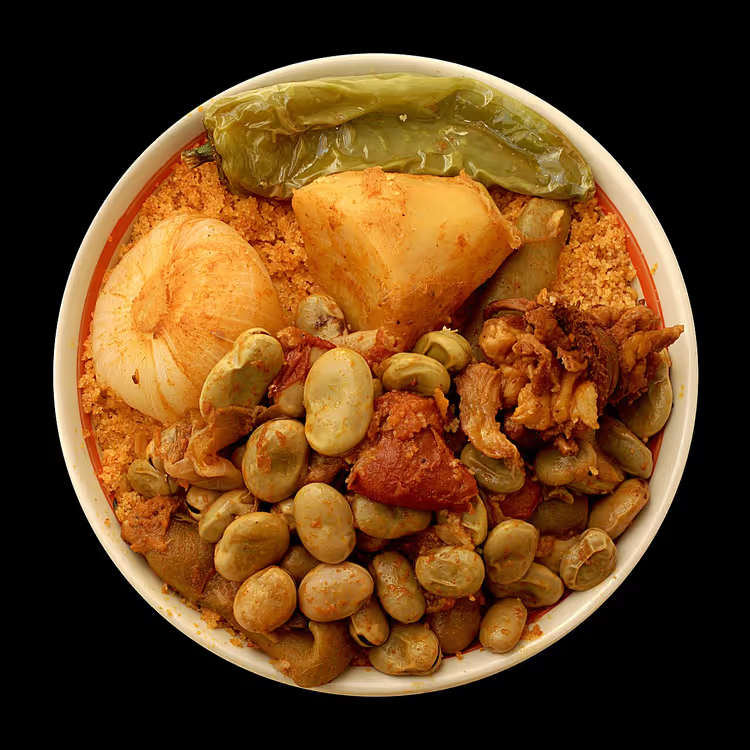 © Habib M'henni · CC BY-SAPhoto: Habib M'henni, CC BY-SA (https://creativecommons.org/licenses/by-sa/3.0), Wikimedia Commons
For the best fish in Tunisia, head to Houmt Souk. There you can also get a glass of local wine and try date liqueur, while kids will like "lagmi" made from dates.
Souvenirs are best bought in the southern part of the island, in the village of Guellala. It is the center of the pottery craft: painted jugs, clay dishes with national patterns, and small home goods. Prices here are low, and the selection is better than in hotel shops.
Getting there and getting around
Djerba is connected to the mainland by a causeway, and a ferry runs from Jorf to Ajim. You can reach the island by car, bus, or taxi from the city of Tunis. From Djerba-Zarzis Airport to the Midoun hotels is about twenty kilometers (according to the park's logistics page). Houmt Souk is closer to the airport, about 8-10 km.
Public transportation on the island is limited, and schedules are inconvenient. The easiest option is to rent a car on Djerba or book taxis through your hotel.
Tours and tickets in Djerba
Guided tours, skip-the-line tickets and activities — most offers can be cancelled free of charge.
See offers on KiwitaxiThe widget loads once you give your consent.
Airport transfer is worth booking in advance, especially if your flight arrives late in the evening.
⁉️🤔 Frequently asked questions
When is the best time to visit Djerba?
For the beach, choose the period from June to September, when the sea is warmest and rain is rare. If you don't handle heat well, go in May or October: the weather is still mild and there are fewer tourists. In winter the island is cool, but that's when pink flamingos stand in the lagoon.
Can you swim in Djerba in winter?
Technically yes, the sea here doesn't cool down as much as in northern Tunisia. But daytime temperatures are around 16 °C, it's often windy and rainy, so in winter people mostly swim in hotel pools. Bring warm clothes and plan excursions rather than lying on the beach.
Do you need a car in Djerba?
If you're staying at a resort and don't plan to go far, taxis and transfers will be enough. For independent trips between Houmt Souk, Ajim, and Guellala, renting a car is more convenient: distances here are measured in tens of kilometers.
What can you see in one day?
Start with Borj El Kebir fort and the medina in Houmt Souk, then stop by the El Ghriba synagogue. In the afternoon, head to Guellala for ceramics, and finish at Djerba Explore park with its crocodile farm.
What local food should you try?
Try couscous, mechouia salad, and fresh fish in Houmt Souk. Cold appetizers and side dishes are usually not included in the bill, so lunch will be cheaper than it seems. For dessert, look for date liqueur, and kids will love lagmi juice.
In short: what's worth booking
If you're going for the beach and want all-inclusive, book a beachfront hotel in Midoun. If you want to explore the island on your own, add a car rental to your booking. Families with kids should set aside a day for Djerba Explore park.
It's convenient to compare accommodation options on Trip.com.

A small editorial team writing guides for independent travel. We travel ourselves, but we haven’t been everywhere, so we check prices, opening hours and how to get there against official sources.