
















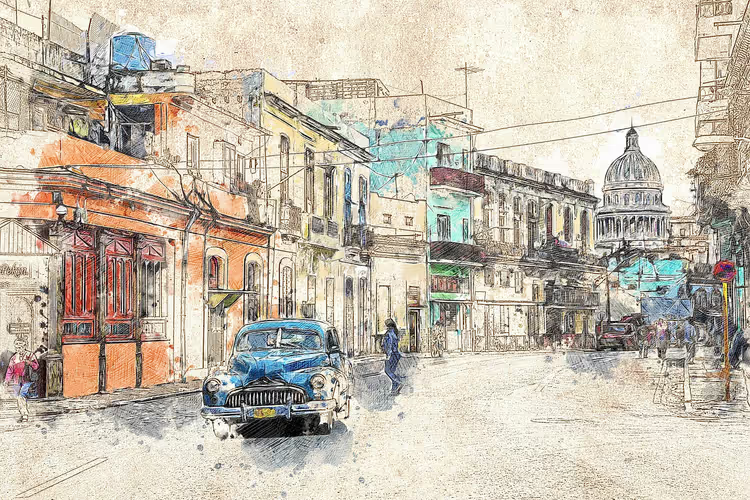
15 Havana guided tours: routes, duration and drawbacks
Finding a guide in Havana who speaks English or German is possible. The price depends on the recommendation and the group size, so agree on the amount in advance. Many guides charge per group rather than per person, and for a group of three or four people this works out cheaper.
Below are 15 routes in Havana and around it: sightseeing walks, fortresses, Hemingway sites, Viñales and Cienfuegos. For each one you'll find what to see, how much time to allow and where to save money. The first rule is simple: buy tickets for entry sites in advance. The Capitol only admits visitors in timed groups, Tuesday through Saturday, at 10:00, 11:00, 14:00 and 15:00 (as of 09/2026, Infotur).
Ad: this article contains affiliate links, we earn a commission if you book through them, at no extra cost to you.
1. A sightseeing tour of Havana far and wide
💡 In short:
- Take a guide for a full day: in six hours you cover the Old Town, Prado and the Malecón.
- Agree on a price per group, not per person, and lock in the amount before you start.
- Bring water and a cap: half the route is in the open sun.
- Prices and opening hours: 09/2026, verified on the official Infotur portal.
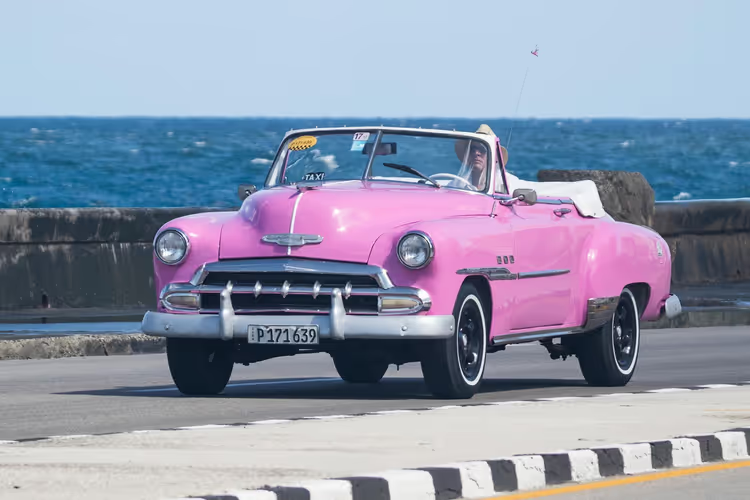
The classic way to see Havana in one day: a car with a driver plus a guide who knows where to turn. In the morning you drive through the historic districts, in the afternoon you walk through the Old Town, and in the evening you watch the sunset on the Malecón. This route saves you energy and time.
The program usually includes the Capitol with its huge dome, the Grand Theatre of Havana and the Prado boulevard. The guide shows both the polished and the unpolished side of the city: next to restored mansions stand roofless houses where people still live. Without a guide you're unlikely to tell these blocks apart.
The walking part is best planned around Cathedral Square and the Almendares forest park.
- Route: Old Town, Prado, Malecón, Cathedral Square, Almendares.
- Duration: about six hours including a break.
- Who it's for: for a first trip, when you want to get an overall picture of the city.
- Not for: those who aren't willing to walk in the heat.
- The catch: the midday sun, ask the guide to plan the route so you're in the shade in the middle of the day.
2. The history of colonial Havana in one walk
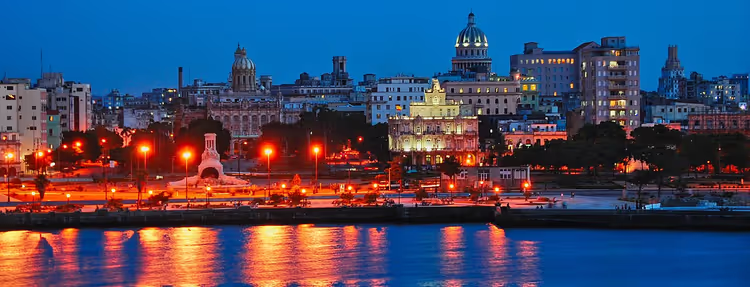 © Gabriel Rodríguez · CC BY-SAPhoto: Gabriel Rodríguez, CC BY-SA (https://creativecommons.org/licenses/by-sa/2.0), Wikimedia Commons
A walking tour of the old quarters is worth taking if you want to understand the logic of the city. Cuba was the key to the New World: Spanish crown silver and gold passed through Havana. The guide will show how this status is reflected in the architecture.
The late 19th century turned Havana into a center of the independence struggle, and the 20th century tied it to the names of Fidel Castro and Che Guevara. History here is read from the facades: you see both colonial mansions and buildings from the socialist period.
The Cathedral of Saint Christopher deserves special attention: an 18th-century baroque facade with columns and two asymmetrical bell towers. Nearby you'll see mansions that Spanish aristocrats built for themselves.
- Route: old quarters, Cathedral Square, Cathedral of Saint Christopher.
- Duration: a half-day walking tour.
- Price: guides charge per group, confirm the amount and payment currency before the tour starts.
- Who it's for: for those interested in history, not just the beach.
- The catch: the streets are uneven, you'll need closed-toe shoes.
3. From Varadero to Havana via Matanzas
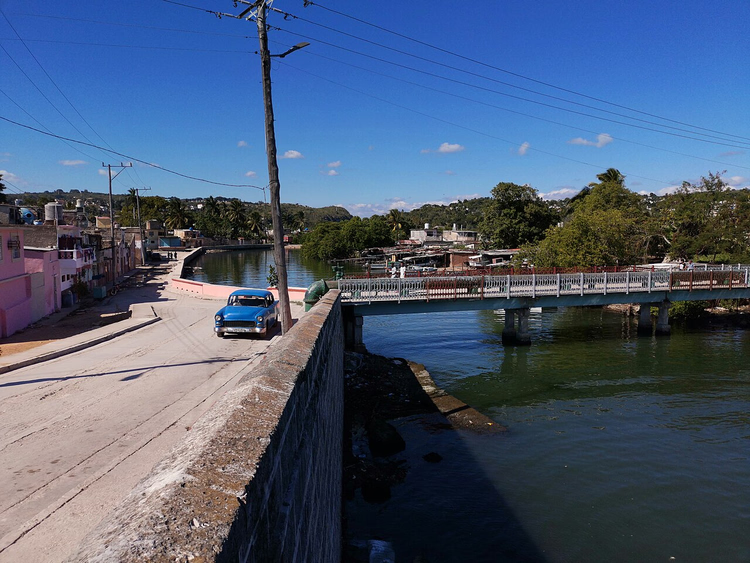 © Nord794ub · CC BY-SAPhoto: Nord794ub, CC BY-SA (https://creativecommons.org/licenses/by-sa/4.0), Wikimedia Commons
If you're staying in Varadero, it makes sense to go to Havana with a stop in Matanzas. The city stands on the banks of two rivers connected by five bridges, and it's almost as colorful as the capital.
From there the route continues through Havana's squares and neighborhoods. The guide shows the old fountain, the cathedral, the Ministry of the Interior building with the portrait of Che Guevara and the fortifications. Without a car you can't cover all these points in one day.
The drive takes more than two hours, so leave in the morning. According to the Viazul bus schedule, there are daily services from Varadero to Havana (as of 09/2026, Viazul). For a group, a private transfer with hotel pickup is more convenient.
- Route: Varadero, Matanzas, Havana.
- Duration: a full day including travel.
- Who it's for: for those vacationing at the resort who want to see the capital.
- The catch: a lot of time on the road, you'll spend fewer hours in Havana itself than it seems.
4. Fall in love with Havana in four hours
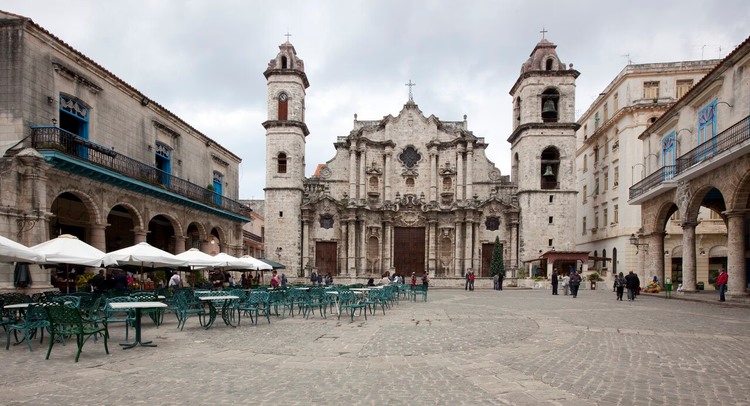
A short walking tour for those who have only one free day in Havana. In half a day you cover the historic center and start telling apart the local Baroque and Neoclassical styles.
The route is built around four squares: Plaza de Armas, Plaza de la Catedral, Plaza de San Francisco, and Plaza Vieja. Each square has its own character and its own history, which the guide shares along the way.
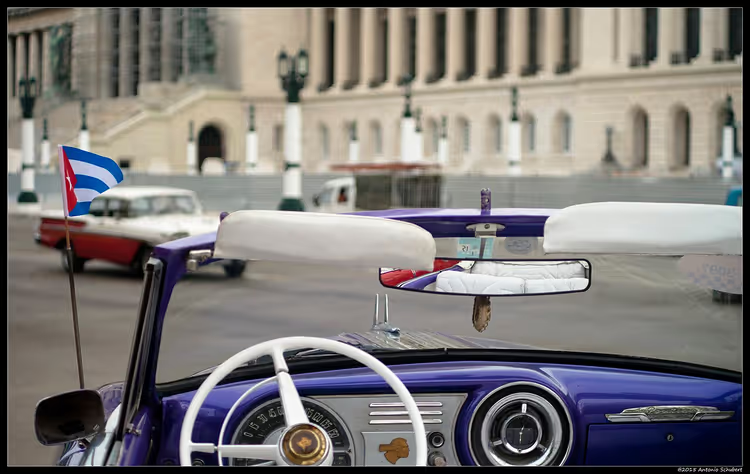
Colorful vintage cars drive through the streets constantly, and that is part of the local atmosphere. During a break you step into atmospheric bars and old Old Town hotels, where you can rest in the shade.
- Route: four historic squares of Old Havana.
- Duration: four hours on foot.
- Who it's for: those who have only one day in Havana.
- The catch: you will be walking on cobblestones and with almost no shade.
5. In Hemingway's footsteps: from Ambos Mundos to Finca Vigía
 © Marcello Curto · CC BYPhoto: Marcello Curto, CC BY (https://creativecommons.org/licenses/by/4.0), Wikimedia Commons
Hemingway lived in Cuba for more than twenty years and wrote The Old Man and the Sea here. The route through his places starts at the Ambos Mundos hotel in the center of Old Havana. On the fifth floor, the room where the writer lived has been preserved and turned into a small museum.
Next, the group goes through the bars where Hemingway used to stop for daiquiris. At El Floridita and La Bodeguita del Medio you will see archival photos with autographs, and by the counter of one of the establishments stands a life-size bronze statue of the writer.
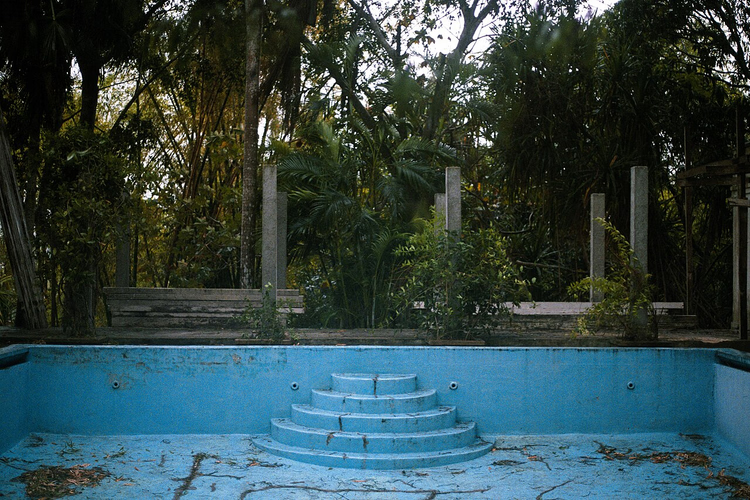
The final stop on the route is the Finca Vigía estate in the San Francisco de Paula suburb. A one-story stone house is surrounded by a park with tall trees, and inside, the furnishings from the writer's lifetime have been preserved. You will see bookshelves, clothing, hunting trophies, and the boat Pilar, which sits in the garden in permanent dock.
Check themed tour options in advance: Hemingway tours on GetYourGuide.
- Route: Ambos Mundos, El Floridita, La Bodeguita del Medio, Finca Vigía.
- Duration: about six hours including the drive to the suburb.
- Who it's for: those who have read Hemingway or love literary places.
- The catch: Finca Vigía is in a suburb, so you will spend part of the day in a car.
6. A custom tour of non-touristy Havana
 AIIllustrative image: AI-generated
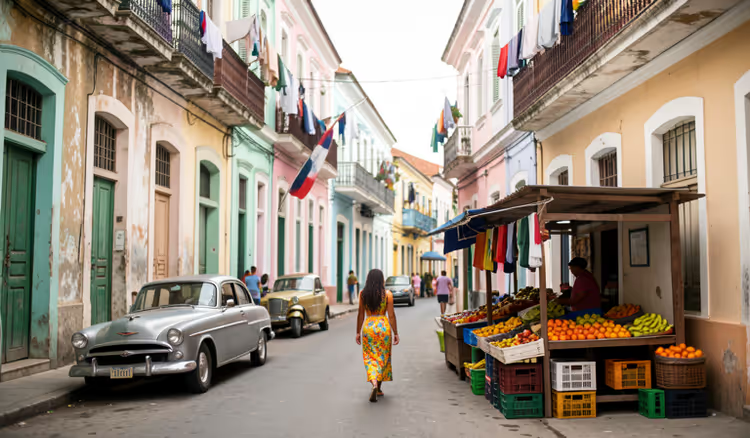
This route shows Havana without the postcard views. A couple of blocks from the center, everyday life begins: markets, beauty salons, religious shops, and lines at grocery stores.
The guide will lead you past the Partagás tobacco factory and tell you about the Cuban triad: tobacco, rum, and coffee. Then you turn a corner and see half-ruined houses next to restored mansions. The contrast here is stronger than in the center.
You can break up the walking part with a ride in a vintage car along the Malecón. Waves crash against the parapet and spray the cars, so you get an extra dose of impressions.
- Route: non-touristy neighborhoods, the Partagás tobacco factory, the Malecón.
- Duration: about two hours on foot plus a car ride.
- Who it's for: those who have already seen the center and want to understand how the city really lives.
- The catch: the route passes through poor neighborhoods, so you should not photograph people without permission.
7. Las Terrazas and the Viñales valley
 © Rob Oo from NL · CC BYPhoto: Rob Oo from NL, CC BY (https://creativecommons.org/licenses/by/2.0), Wikimedia Commons
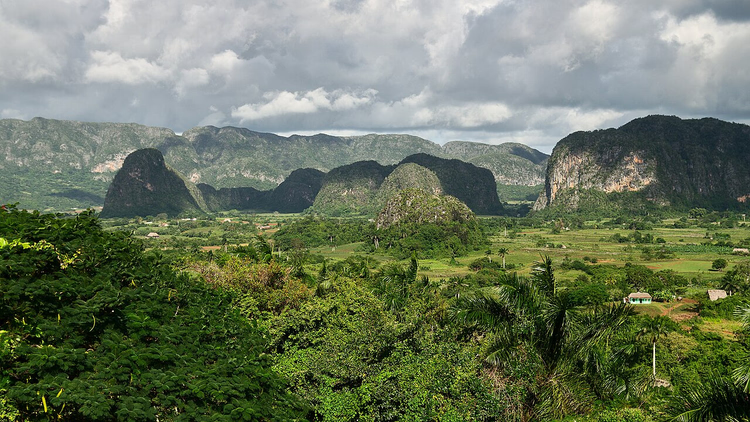
Outside Havana, the landscape changes: instead of streets, you see mogote hills, tobacco plantations, and karst caves. Las Terrazas is in Artemisa Province, and Viñales is in Pinar del Río Province. This route works well for a day away from the city.
In the settlement of Las Terrazas, you'll see a valley with steep hills covered in dense forest. The centerpiece of the program is Lake San Juan, with clearings of exotic plantings. Millions of cedar, teak, mahogany, and almacigo seedlings have been planted around it.
From the lake, trails lead to a waterfall and an observation terrace. Along the way, you can take a boat ride, visit a gallery of local artists, and have coffee at Café María. Some tours include a visit to a ranch with lunch.
- Route: Viñales, Las Terrazas, Lake San Juan.
- Duration: a full day including travel.
- Who it's for: those who want to see nature, not the city.
- The catch: it's a long drive, and you'll spend most of the day in the car.
8. Havana with the taste of rum, cigars, coffee, and salsa
 © Antonio Schubert from Rio de Janeiro, Brasil · CC BY-SAPhoto: Antonio Schubert from Rio de Janeiro, Brasil, CC BY-SA (https://creativecommons.org/licenses/by-sa/2.0), Wikimedia Commons
This route is for those who came for the flavors. The core of the walk is Obispo Street, the main artery of the Old Town, with museums, souvenir shops, cafeterias, and bars.
At the cigar factory, you'll see how Cuban cigars are rolled, from leaf to finished brand. Then come tastings: rum, coffee, and, of course, a daiquiri at the bar where it has been made for decades.
In the evening, it's worth staying for dance show programs in bars and taverns. Salsa here doesn't sound like it's for tourists; it's part of everyday life, and you'll feel that quickly.
- Route: Obispo Street, cigar factory, Old Town bars.
- Duration: half a day without the evening program.
- Who it's for: those who want to taste rum and cigars, not just look at them.
- The catch: tastings aren't included in the price with every guide, so check in advance.
9. Cuban street art: Jaimanitas and Callejón de Hamel
 © Yoeztudioz · CC BY-SAPhoto: Yoeztudioz, CC BY-SA (https://creativecommons.org/licenses/by-sa/4.0), Wikimedia Commons
In Havana, facades and fences have long since turned into a gallery. The Jaimanitas neighborhood was painted by artist José Fuster: mosaics cover walls, roofs, doors, benches, and even bus stops.
Among the images, you'll find mermaids, roosters, crocodiles, flowers, and heroes of the revolution. Each composition tells its own story, so without a guide it's easy to miss half the symbols.
The second stop on the route is Callejón de Hamel, a street with murals and Afro-Cuban motifs. On Sundays, drums play and people dance here, so you'll catch a live performance.
- Route: Jaimanitas, Callejón de Hamel.
- Duration: about six hours including transfers.
- Who it's for: those who love contemporary art and photography.
- The catch: narrow streets and little shade, so bring water.
10. Havana: full immersion

This format is for those who don't want to rush from one stop to the next but want to understand the city. Over the course of a day, you'll cover the Gran Teatro, the Capitol, palace ensembles, and old hotels that remember another era.
The route goes through pedestrian boulevards, waterfronts, squares, and park areas. You'll see both the grand center and the back streets where facades are crumbling right above the sidewalk.
Toward evening, the group heads to the Miramar district along the ocean. Embassies, offices of international organizations, and private villas stand here, and the main avenue is lush with tall trees. You're unlikely to get here on your own if your visit is short.
- Route: Gran Teatro, Capitol, old center, Miramar.
- Duration: six hours.
- Who it's for: those who want to see both the center and the upscale neighborhoods.
- The catch: the program is packed, and your legs will be tired by evening.
11. Havana's old fortresses
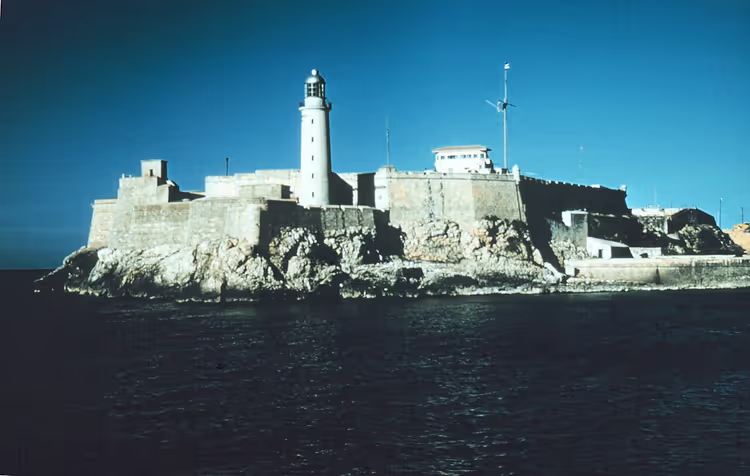
Havana Bay was defended by four fortresses, and you can visit all four in a single outing. The Spanish poured enormous sums into these walls because gold from the Americas passed through the port.
The program includes El Morro, La Fuerza, La Cabaña, and La Punta. Thick walls, narrow embrasures, corner towers, and artillery pieces convey the feel of another era. Today, almost all the forts operate as museums and welcome visitors.
El Morro and La Cabaña are part of the Parque Histórico Militar Morro-Cabaña, where a cannon is fired in the evenings (according to Lonely Planet). The evening ceremony is worth seeing if you're staying in Havana for several days.
Want to go with a guide: Havana fortress tours on GetYourGuide.
- Route: El Morro, La Fuerza, La Cabaña, La Punta.
- Duration: half a day.
- Who it's for: those who love fortifications and views of the bay.
- The catch: you'll have to drive between forts; the whole route can't be done on foot.
12. Cuba's religious character
 © RG72 · CC BY-SAPhoto: RG72, CC BY-SA (https://creativecommons.org/licenses/by-sa/4.0), Wikimedia Commons
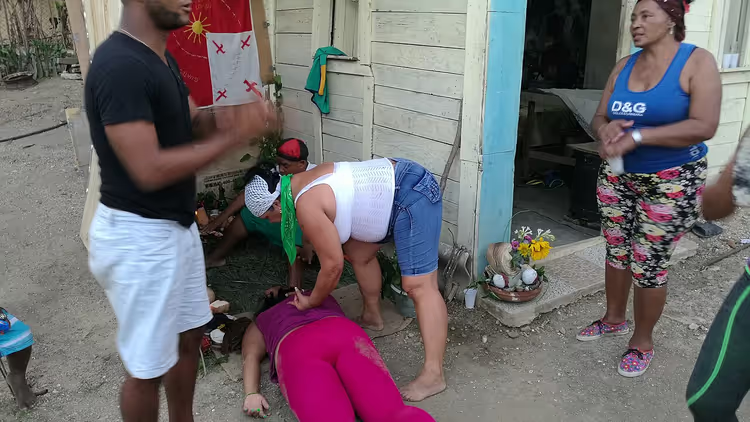
Most Cubans combine Catholicism with African Santería. For a tourist, this looks like ritual dances to drums and altars set up right in courtyards.
The route starts in Almendares Park, where vines and ivy densely wrap around tree trunks. A river runs through the park, and rituals are performed along its banks, so you'll see traces of offerings: feathers, bones, coins.
Next, the group heads to Callejón de Hamel, a small center of Afro-Cuban folklore. On Sundays, musicians and dancers perform here, and house facades are decorated with murals featuring religious quotes. The route ends in Regla, at the Nuestra Señora de Regla church, dedicated to the patroness of the sea.
- Route: Almendares, Callejón de Hamel, Regla.
- Duration: half a day.
- Who it's for: those who want to see rituals, not just churches.
- The catch: the park is humid, so bring mosquito repellent.
13. Malecón at sunset
 © Antonio Schubert from Rio de Janeiro, Brasil · CC BY-SAPhoto: Antonio Schubert from Rio de Janeiro, Brasil, CC BY-SA (https://creativecommons.org/licenses/by-sa/2.0), Wikimedia Commons
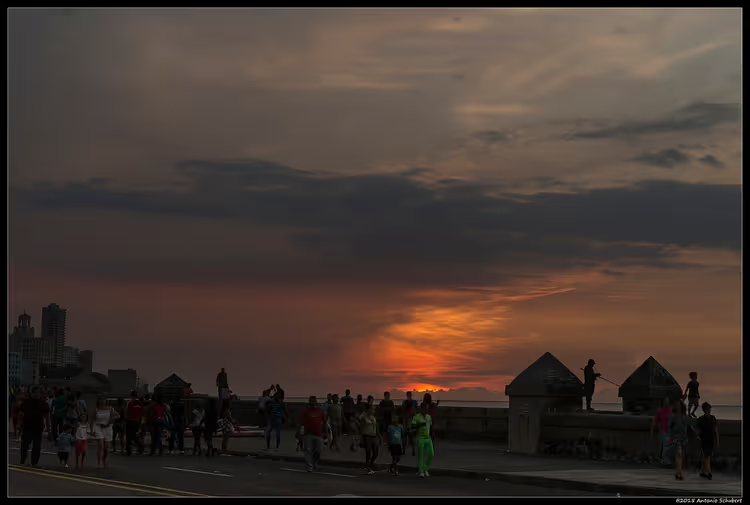
The Malecón starts at the San Salvador de la Punta fortress and stretches along the bay for seven kilometers. It's both a roadway and a narrow pedestrian path right by the seawall.
Locals call the seawall the longest bench in Havana: in the evening, hundreds of people sit on it. During the day it's sunny and open; at sunset the city changes color; and at night the waterfront gets lively.
Architecturally, you'll see the high-rise National Hospital building and the legendary Hotel Nacional de Cuba. Sculptures along the waterfront recall the battles for independence. You can end the walk at one of the bars with Cuban cocktails.
- Route: Malecón from the San Salvador de la Punta fortress.
- Duration: four hours including stops.
- Who it's for: those who want to see the sunset and the city's evening life.
- The catch: it's windy right by the seawall, and in a storm the spray reaches the road.
14. Havana at night and hot Caribbean rhythms
 © Knomrm · CC BY-SAPhoto: Knomrm, CC BY-SA (https://creativecommons.org/licenses/by-sa/4.0), Wikimedia Commons
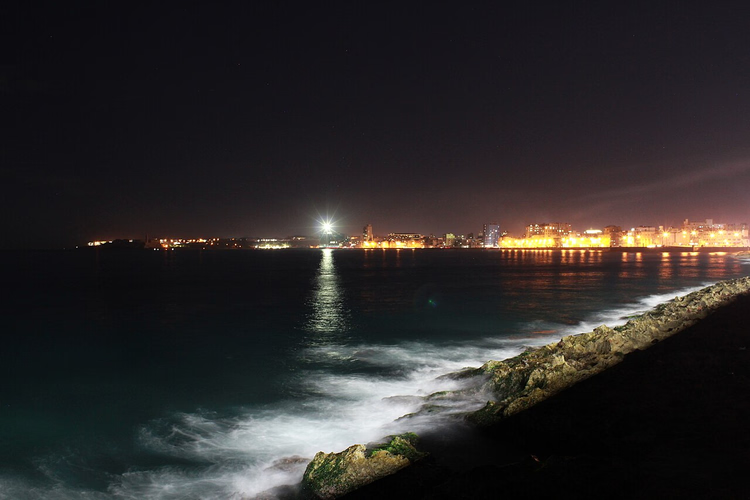
After ten in the evening, Havana shows a different side. Bars and clubs open, salsa fills the streets, and guides lead groups through the illuminated neighborhoods.
The night walk route passes through Plaza Vieja, Teniente Rey, O'Reilly, and Mercaderes streets, Plaza de San Francisco, and then through the Vedado and Miramar districts. Along the way, you'll see restored mansions with colorful facades and hear live music right from the windows.
In the bars, you'll be offered mojitos and Cuban snacks, and the guide will point out where show programs run every evening. The night walk is shorter than the daytime one but takes more energy than it seems.
- Route: Plaza Vieja, Teniente Rey, O'Reilly, Mercaderes, Vedado, Miramar.
- Duration: an evening walk of about four hours.
- Who it's for: those who want to hear salsa performed live.
- The catch: it's better to go out on the night streets with a guide, not alone.
15. Cienfuegos and El Nicho waterfall
 © kuhnmi · CC BYPhoto: kuhnmi, CC BY (https://creativecommons.org/licenses/by/2.0), Wikimedia Commons
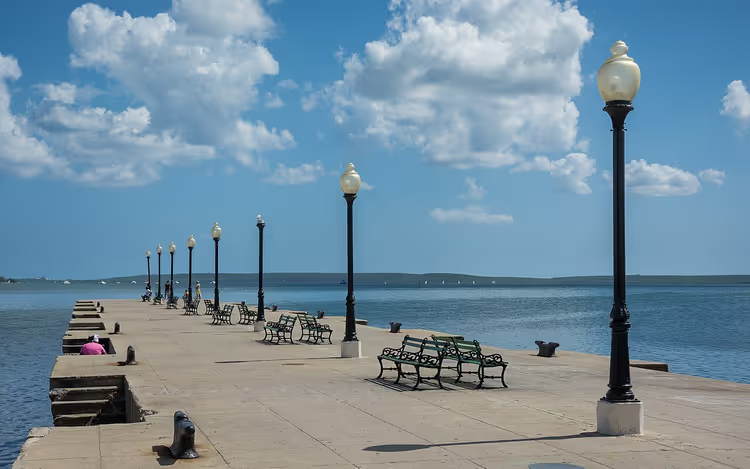
Cienfuegos was founded by French settlers, and it shows in the architecture. The city on the southern coast is considered one of the tidiest in Cuba, and a trip here combines a colonial center with nature.
The city's main square, Plaza Martí: a park with a rotunda and a triumphal arch, surrounded by palaces with columns, arches, stucco work, and balconies. It's also worth seeing Palacio de Valle in Moorish-Gothic style; its facade is notable for carved columns and delicate ornamental details.
From there the route heads into El Nicho park in the foothills. Trails lead through tropical greenery to a waterfall about ten meters high, and nearby there are ranch-style restaurants serving Cuban food. You can swim at the waterfall, but the water is cool even in the heat.
- Route: Plaza Martí, Palacio de Valle, El Nicho park.
- Duration: a full day including travel.
- Who it's for: those who want to add nature and a second city to their Havana trip.
- The catch: the drive one way takes several hours, so you need to leave early.
Tours and tickets in Havana
Guided tours, skip-the-line tickets and activities — most offers can be cancelled free of charge.
See offers on GetYourGuideThe widget loads once you give your consent.
⁉️🤔 Frequently asked questions
How much does a Havana tour with an English- or German-speaking guide cost?
Guides in Havana quote a price per group, not per person. The cost depends on the length, transport, and language: a half-day walking tour is cheaper than a trip to Viñales or Cienfuegos. Before booking, ask whether fortress entry fees, tastings, and lunch are included. Lock in the price before the tour starts and confirm the currency for payment.
Can you find a guide on the spot rather than in advance?
Yes, in Old Havana and on the Malecón guides approach you themselves. But booking in advance gives you a clear route, a set price, and a guide who speaks English or German. On the spot it's easy to end up in a group speaking the wrong language or to overpay for a "VIP" experience. If you're visiting for a short time, book in advance.
Where do you buy tickets for the Capitol and the fortresses?
Entry tickets are sold on site, but it's better to check tour times in advance. The Capitol admits visitors in scheduled groups (as of 09/2026, Infotur). El Morro and La Cabaña are accessed with the historic park ticket; in the evening they fire the cannon there.
What should you bring for a day in Viñales or El Nicho?
Bring water, a cap, comfortable shoes, and cash. There are few ATMs in the nature reserves, and cards aren't accepted everywhere. A swimsuit comes in handy at the waterfall and at Lake San Juan. Warm clothes aren't needed: it's hot during the day, and evenings in Havana are warm too.
Is it dangerous to walk around Jaimanitas and non-touristy neighborhoods?
The Jaimanitas area and the streets around Callejón de Hamel are calm during the day; you'll see plenty of tourists with cameras there. Go with a guide in a group, don't flash your gear, and don't turn into dead-end alleys after dark. Book a taxi back through your hotel.
In short: what's worth booking
- If you have one day: take an overview tour across the city; it covers Old Havana, Prado, and the Malecón.
- If you want nature: plan a separate day for Viñales or El Nicho; the drive eats up half the time.
- If you came for history: choose a walk through colonial Havana and the fortresses.
- If you're staying in Varadero: don't try to squeeze Havana into half a day; take a full day with a stop in Matanzas.
Compare routes and book a guide in advance: Havana tours on GetYourGuide.

A small editorial team writing guides for independent travel. We travel ourselves, but we haven’t been everywhere, so we check prices, opening hours and how to get there against official sources.