

















12 Tricks against pickpockets: how to keep your money and documents safe on a trip
One shove in a subway car, and your wallet disappears along with your card.
Pickpockets work in crowds, near ATMs, and at markets, usually in teams: one distracts you while the second takes your phone or wallet. In 2025, 95,184 pickpocketing cases were registered in Germany, with losses totaling €32.4 million (as of 09/2026, Police Crime Prevention of the Federal States and the Federal Government). Only 6.9% of these cases are solved, so protection comes down to habits, not the police.
Most thefts can be prevented with simple actions. Below are techniques that work in the subway, at markets, and in tourist centers. Some take only seconds: a closed zipper, a passport copy in a different bag, a covered PIN.
💡 In short:
- Keep your wallet and phone in an inside pocket that zips shut.
- Split your cash and cards across two or three places, don't keep everything together.
- Leave your passport in the hotel safe and carry a copy with you.
Ad: this article contains affiliate links, we earn a commission if you book through them, at no extra cost to you.
1. Keep your wallet in an inside pocket
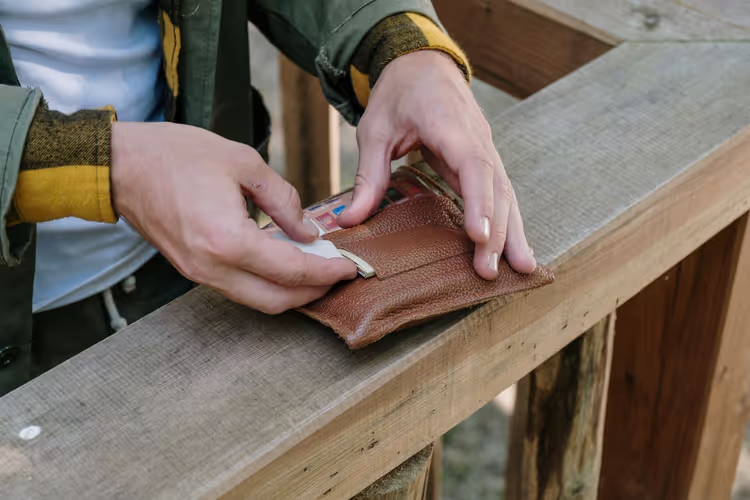
Carry your wallet and bank cards in an inside pocket of your jacket or blazer that zips shut. The back pocket of jeans and an open bag make a thief's job easier. If you wear a backpack, make sure it's fully zipped and choose models with hidden zippers against your back. Police advise keeping money, documents, and valuables in closed inside pockets (as of 09/2026, Police Crime Prevention of the Federal States and the Federal Government).
2. Choose a slash-proof backpack or bag
For trips to big cities, there are anti-theft bags and backpacks. Their fabric can't be cut with a knife, zippers are hidden behind material, and pockets block the scanning of bank cards. These models cost more than regular ones, but your phone and cards stay with you even in a crush. Look for a combination lock and a hidden pocket that sits against your back. Wear the bag across your body with the lock facing you.
3. Wrap your bag strap around a chair leg
In cafes and restaurants, don't hang your bag on the back of a chair. Wrap the strap around a chair or table leg and keep the bag pressed against you. A thief won't be able to grab it quickly and run, and you'll feel the tug immediately. On a train, put your suitcase under your feet, not on a rack at the other end of the car. The same trick works in an airport waiting area.
4. Don't sit near open windows and doors
Choose a spot away from open windows and doors, especially in cafes, buses, and on terraces. Through an open window, a thief can snatch a bag or phone off the table in a couple of seconds. If you can't sit away from them, keep your phone in your hand or in a closed pocket and press your bag against the wall. Don't leave your belongings on the windowsill.
5. Split your cash and cards across different places
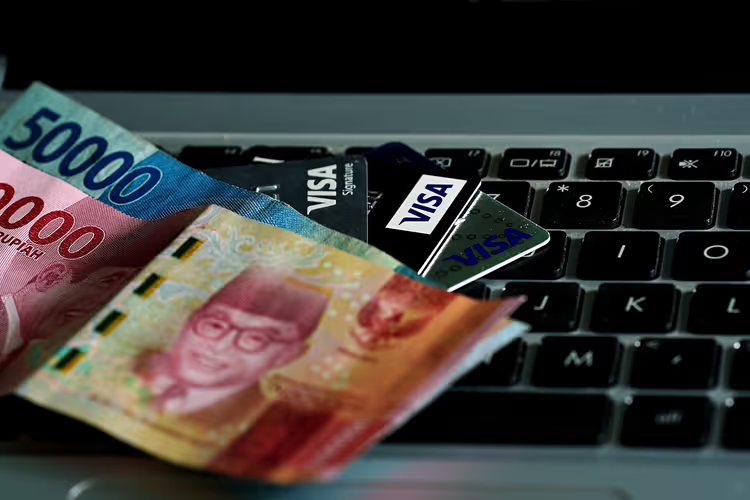
Don't keep all your money in one wallet. Split your cash across two or three places: some in your wallet, some in a closed pocket, some in your bag. Keep two bank cards separate from each other, so a theft doesn't leave you without funds. Leave a backup card in the hotel safe. Even a small amount in a hidden pocket helps when your wallet goes missing.
6. Leave jewelry and unnecessary valuables at home
Expensive watches, rings, and chains only attract attention when you travel. Metal glints from far away, and a chain can be snatched faster than you can react. Leave jewelry at home and take simple items: one pair of earrings, an understated watch. On public transport and at markets, don't flash your money or count cash in public.
7. Don't leave your phone on the table in a cafe
A smartphone on the table becomes the easiest trophy. A thief walks by, covers it with a napkin, and carries it off with the tray. Keep your phone in your pocket or on your lap, and put only utensils on the table. If you need to answer a message, don't turn your back to the room and keep your bag in front of you.
8. In a crowd, empty your pockets and tighten your straps
In the subway, at concerts, and in underpasses, pickpockets work in the crush. Put your phone and wallet in an inside pocket and keep your hands on your bag or in your pockets. Pull your backpack straps closer to your shoulders: you'll feel a tug immediately, and it becomes harder to rip the bag out of your hands. Police note that thefts on urban public transport peak during the evening rush hour (as of 09/2026, Police Crime Prevention of the Federal States and the Federal Government).
9. Leave your passport at the hotel and keep copies separate
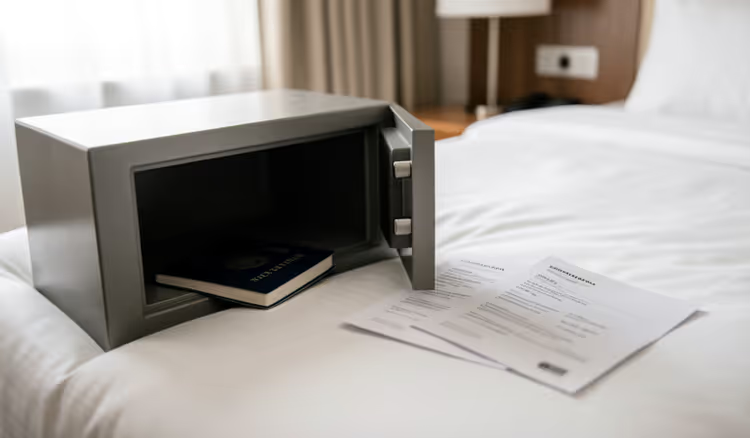
Carrying your passport in your pocket at all times is risky. Leave the original in the hotel safe or in your room if the staff can be trusted. Carry a color copy and your driver's license with you, and put a second copy in a different bag or email it to yourself. Losing a passport abroad costs more than any excursion: the consulate issues the documents for your return (as of 09/2026, Auswärtiges Amt).
 AIIllustrative image: AI-generated
10. Stay away from "accidental" strangers
Pickpockets often work in teams and stage a short performance. One "accidentally" bumps into you in a crowd, a second helps pick up your bag, a third takes your wallet. Police describe several typical scenarios: the "flower trick," "fake tourists" with a map in hand, the "pusher" on the escalator. They all serve one purpose: to distract you for a few seconds (as of 09/2026, Police Crime Prevention of the Federal States and the Federal Government).
Thief tactics | How to respond |
|---|---|
"Flower trick," hugs on the street | Don't let them get close, keep your bag in front of you |
"Fake tourists" with a map | Don't take a stranger's map in both hands |
"Pusher" on the escalator | Step away from the edge, press your bag against your body |
Someone spills a stain on you | Don't let go of your bag while they "help" |
Steer clear of pushy "helpers," beggars, and overly friendly strangers. Keep your bag in front of you when someone gets too close. If a stranger asks for directions, answer briefly and don't let go of your things.
11. Check the ATM before withdrawing and cover your PIN
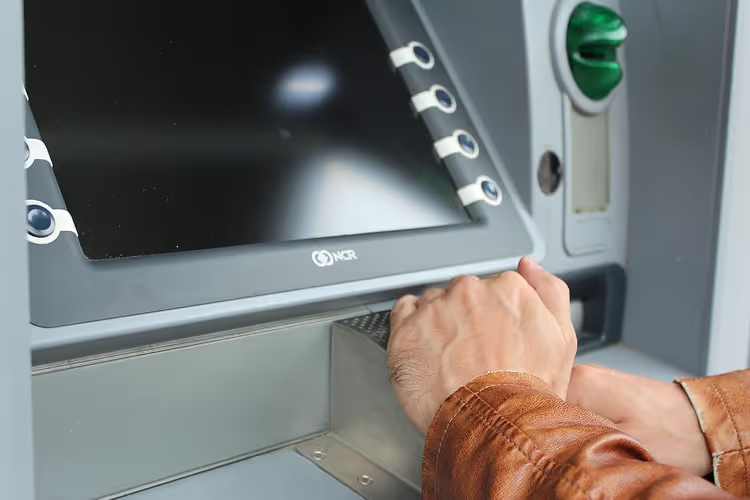
Before withdrawing cash, inspect the ATM. Overlays on the keypad, an extra frame around the card slot, and strange parts on top: signs of skimming. Cover the keypad with your free hand when entering your PIN. If the machine behaves oddly or a suspicious person is hanging around, cancel the transaction and go to a bank branch (as of 09/2026, Police Crime Prevention of the Federal States and the Federal Government). Don't ask strangers for help, even if your card is stuck.
12. If a theft happens: police, card blocking, consulate
First, report the theft to the police: without a report, there will be no insurance payout and no documents for the consulate. Block your card immediately through the German blocking service 116 116, from abroad the number is +49 116 116. Not all banks are connected to this service (as of 09/2026, Police Crime Prevention of the Federal States and the Federal Government). Then call your bank and check your account activity. With the police report, go to the consulate for a document to return home. If your phone was stolen, change your passwords for email, banking, and messaging apps.
⁉️🤔 Frequently asked questions
Where do pickpockets work most often?
On urban public transport, at markets, near shopping centers and ATMs. According to police, on long-distance trains most thefts occur at the start of the holiday season. The most dangerous situations are crushes: boarding a train, escalators, store closing time, and holiday crowds (as of 09/2026, Police Crime Prevention of the Federal States and the Federal Government).
Should you carry your passport with you every day?
Usually not. Leave the original in the hotel safe and take a copy with you when you go out. You'll need the original for check-in, currency exchange, and tax refunds on purchases. Check the country's rules in advance: in some places you're required to carry the document with you. Keep the copy separate from your wallet so a thief can't take everything at once.
Who do you call to block a card?
The number 116 116 and the blocking procedure are described in section 12 (as of 09/2026, Police Crime Prevention of the Federal States and the Federal Government). A blocked card will be reissued, and disputed charges are usually refunded by the bank after you file a claim. Keep the number in your memory, not just in your phone, which could disappear.
Does insurance cover stolen items?
It depends on the policy. Some plans cover theft of cash, electronics, and documents, while others cover only medical treatment and trip cancellation. Check the limits and deductible before you leave. Read about why you need a police report in section 12.
What should you do if your phone is stolen?
Lock the device remotely and unlink your bank cards from your mobile wallet. Read about passwords and filing a police report in section 12. The report is also needed by your mobile carrier to restore your SIM card. If device tracking is enabled, try to locate it, but don't confront the thief yourself.
In short: what's worth booking
If you're choosing a hotel for a big city: look not only at the neighborhood but also at the in-room safe and 24-hour front desk. If you plan to walk around with tech and a camera: compare insurance terms in advance, compare options. If you're traveling with family or a group: give each adult their own card and a copy of the documents.
Start with a zipped inside pocket: one habit saves your entire vacation.

A small editorial team writing guides for independent travel. We travel ourselves, but we haven’t been everywhere, so we check prices, opening hours and how to get there against official sources.