
















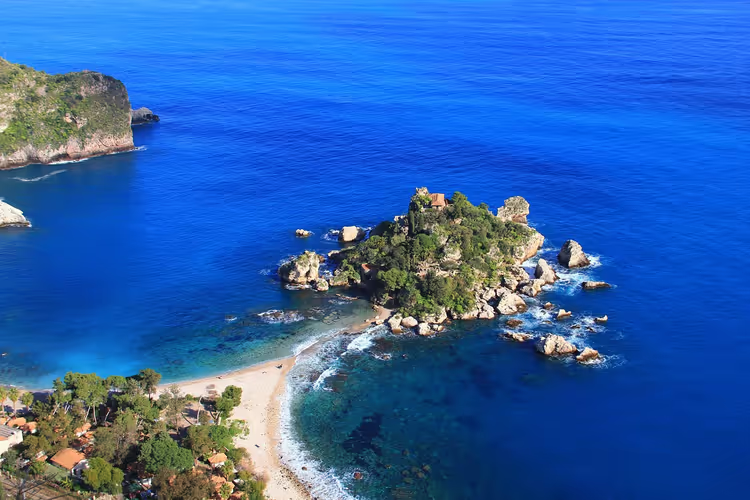
17 Best resorts in Sicily: where to swim, what to see and when to go
Sicily is washed by three seas, so you can swim here longer than in the rest of Italy. In a single trip you can swim in a warm lagoon, climb to the crater of Etna, and have dinner in a fishing village. There is only one complication: the island is large, and its resorts differ greatly in weather, beaches, and nightlife.
The north is open to the winds and covered with sand, the east buzzes with parties near Taormina, and the south holds long sandy spits. In 2026, 16 beaches and towns in Sicily received the Blue Flag quality mark (as of 09/2026, official Sicily tourism portal). Below are 17 resorts on the island: for family vacations, for lively groups, and for quiet couples.
Ad: this article contains affiliate links, we earn a commission if you book through them, at no extra cost to you.
How to choose a resort in Sicily
💡 In short:
- North (Palermo, Cefalù, San Vito Lo Capo): sandy beaches and wind, convenient for families.
- East (Taormina, Giardini Naxos, Catania): rocks, coves, and parties until morning.
- South (Marina di Ragusa, San Lorenzo, Marzamemi): long sand and the Blue Flag.
- Season and beach infrastructure: as of 09/2026, checked on the official Sicily tourism portal.
First choose the side of the island, and only then a specific town. The coasts differ in sea, beach surface, and wind strength. The table below gives a short comparison.
Coast | Sea | Beaches | Who it's for |
|---|---|---|---|
North | Tyrrhenian | wide sand, wind | families, couples |
East | Ionian | pebbles and rocks | young people |
South | Mediterranean | long sandy spits | families, quiet vacations |
Below we will go through all 17 resorts in order: with photos, the route, and a tip on what to book in advance.
1. Palermo: the capital and Mondello beach
It makes sense to start getting to know the island from the capital. Palermo combines palaces, noisy markets, and a sandy beach in the suburbs, so you can alternate sightseeing with swimming. Fans of history will love the old town, and for local color it is worth heading out to Bagheria or Monreale.
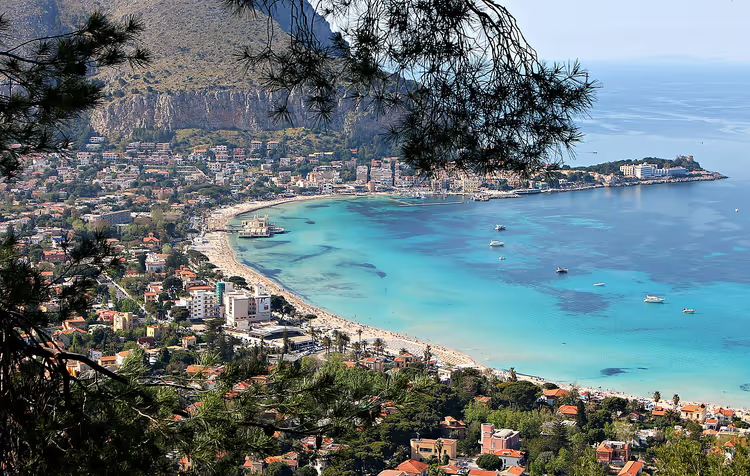 © Andrea Calcagno from PALERMO, Italia · CC BY-SAPhoto: Andrea Calcagno from PALERMO, Italia, CC BY-SA (https://creativecommons.org/licenses/by-sa/2.0), Wikimedia Commons
- Location: northwest of the island, a city bus runs to Mondello beach.
- Who it's for: families, couples, and nightlife lovers in one city.
- The catch: in summer the center is stuffy, and free parking is scarce.
- Where to look for hotels: Hotels in Palermo on Trip.com
2. San Vito Lo Capo: sand and a gentle entry
The village sits about an hour's drive west of Palermo and revolves around a single beach. A wide white strip of sand stretches beneath Monte Monaco and along the seafront with affordable three- and four-star hotels. The entry into the sea is gentle, the bottom is sandy, and there are almost no currents, so swimming here is calm even with children.
 © Giorgio Galeotti · CC BY-SAPhoto: Giorgio Galeotti, CC BY-SA (https://creativecommons.org/licenses/by-sa/4.0), Wikimedia Commons
In August the town fills to capacity, so book accommodation in advance. In other months the seafront stays quiet, and the water remains warm all season.
- Location: west of Palermo, about an hour away.
- Who it's for: families with small children and couples.
- The catch: in August the beach is overcrowded, and there are few other activities.
- Where to look for hotels: Hotels in San Vito Lo Capo on Trip.com
3. Trapani: salt mills and the island of Favignana
Trapani lies in the northwest, about a hundred kilometers from Palermo. The city is known for its cathedrals, squares, and old salt mills, and nearby rises Erice with its narrow streets. The city beaches themselves are spacious, but in appearance they fall short of the neighboring ones.
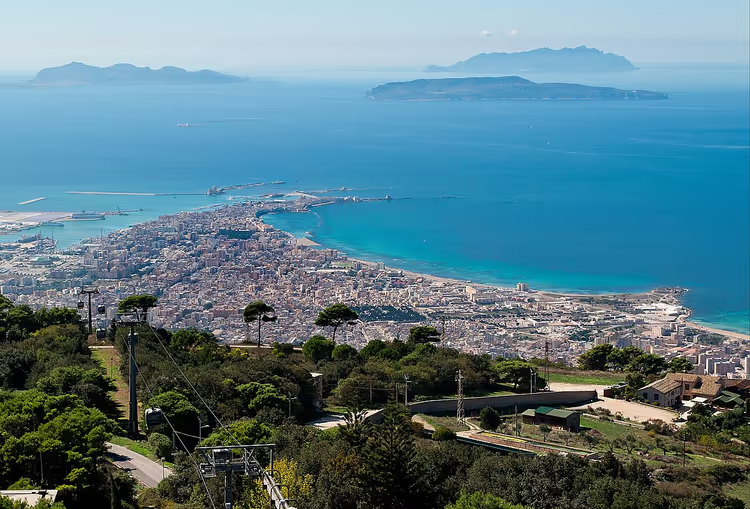 © Myke Bryan · CC BYPhoto: Myke Bryan, CC BY (https://creativecommons.org/licenses/by/2.0), Wikimedia Commons
Many people take a boat from here to the island of Favignana: it has free wild beaches and clear water. The swimming season in Trapani starts in late spring and lasts until mid-November.
- Location: northwest, about a hundred kilometers from Palermo.
- Who it's for: couples and travelers who want the sea with a side of history.
- The catch: beaches within the city limits look more modest than those on Favignana.
- Where to look for hotels: Hotels in Trapani on Trip.com
4. Cefalu: a cliff above a sandy shore
Cefalu sits on the Tyrrhenian Sea and is memorable for the cliff looming directly over the town. During the day you swim at the sandy beach outside the walls of the Old Town, and in the evening you stroll through narrow streets lined with hotels, villas, and restaurants. Families, young people, and couples all love this place equally.
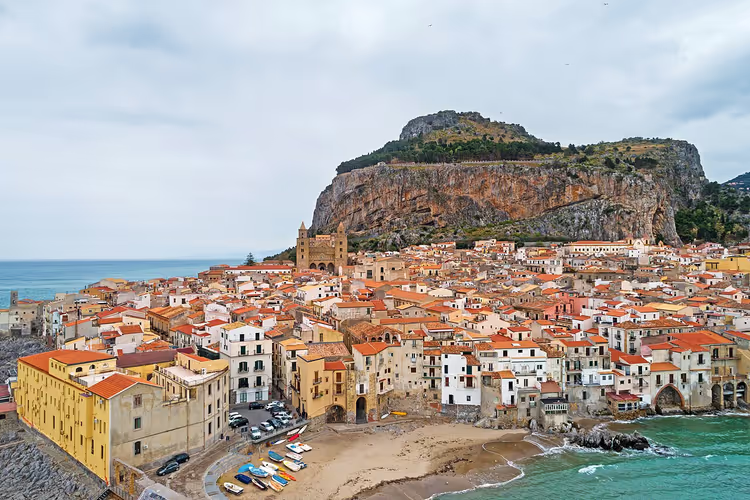 © Ludvig14 · CC BY-SAPhoto: Ludvig14, CC BY-SA (https://creativecommons.org/licenses/by-sa/4.0), Wikimedia Commons
Nearby is Mazzaforno: one half of the beach is sandy, the other is mixed with pebbles. In spring and autumn it is quieter here, while at the height of the season the shore fills up with umbrellas and loungers.
- Location: east of Palermo, about an hour away.
- Who it's for: families with children and couples who want both history and the sea.
- The catch: in July and August the beach gets crowded.
- Where to look for hotels: Hotels in Cefalu on Trip.com
5. Milazzo: a headland, a fortress, and two shores
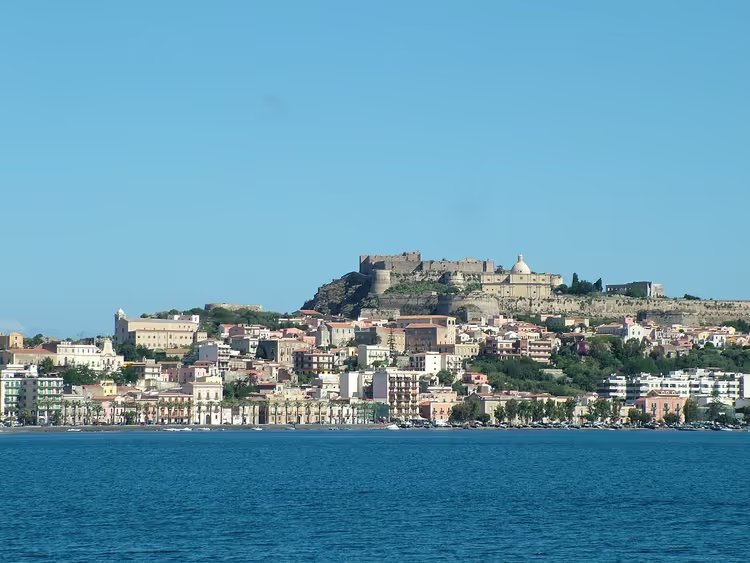
Milazzo stretches into the sea as a long headland, so the town effectively has two shores. To the east runs the Garibaldi waterfront with palm trees and the port, while to the west lies a wide town beach of fine pebbles. The water near the shore is clear, and the Aeolian Islands are visible on the horizon.
 © Clemensfranz · CC BYPhoto: Clemensfranz, CC BY (https://creativecommons.org/licenses/by/2.5), Wikimedia Commons
The main street runs through the center with mansions, hotels, and restaurants. Above the town rises a Norman fortress, and walking along its wall is a pleasant way to take in the view of the bay.
- Location: west of Messina, about an hour away.
- Who it's for: travelers who want to combine beach time and architecture.
- The catch: the beach is pebbly, not sandy.
- Where to look for hotels: Hotels in Milazzo on Trip.com
6. Messina: the strait and a cathedral with a bell
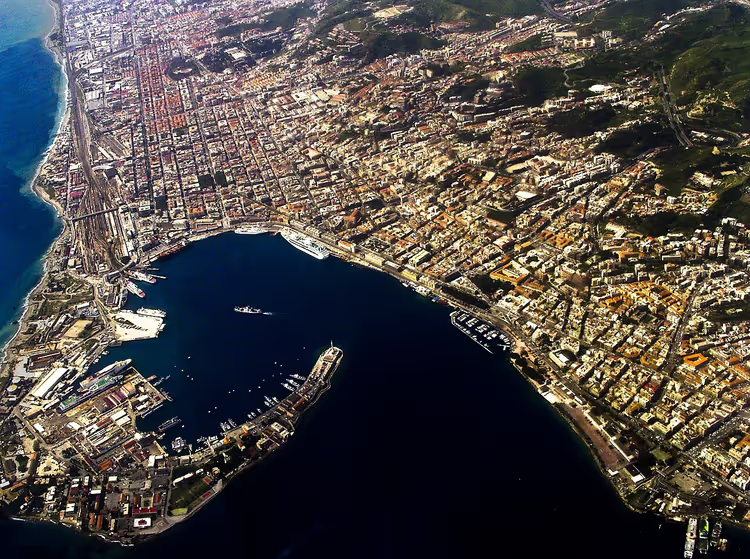
Messina is the island's third-largest city and sits right on the strait. Thanks to its subtropical climate, it stays warm here almost all year round, and the greenery never disappears even in winter. The town beach of fine pebbles runs along the narrowest point of the strait, where you can see the coast of mainland Italy.
 © Stefano Barillà. Original uploader was StefanoBarillà at it.wikipedia . Later version(s) were uploaded by Neon97 at it.w · CC BY-SAPhoto: Stefano Barillà. Original uploader was StefanoBarillà at it.wikipedia . Later version(s) were uploaded by Neon97 at it.w, CC BY-SA (https://creativecommons.org/licenses/by-sa/3.0), Wikimedia Commons
In the city you should see the cathedral with one of Italy's largest bells, the Fountain of Neptune on the square, and the seafront park. Along the shore you will find cafes, shops, and hotels of various classes.
- Location: northeast of the island, by the strait to the mainland.
- Who it's for: those heading further east who want to stop for the night.
- The catch: the city is a port town, and the beach within the city limits is small.
- Where to look for hotels: Hotels in Messina on Trip.com
7. Taormina: a theater above the sea and evening streets
Taormina hangs on a cliff high above the shore and is considered the island's most elegant resort. During the day you visit the ancient theater with views of Etna, and in the evening you wander down streets filled with restaurants, bars, and clubs. The beaches within the town limits are small, pebbly or rocky, but well equipped.
 © John Menard from Phoenix, USA · CC BY-SAPhoto: John Menard from Phoenix, USA, CC BY-SA (https://creativecommons.org/licenses/by-sa/2.0), Wikimedia Commons
In high season the town is packed, and hotel prices rise. It is more economical to come in spring or during the velvet season in autumn, when accommodation gets cheaper and the sea remains warm.
- Location: east coast, above Giardini Naxos.
- Who it's for: young people, couples, and lovers of beautiful views.
- The catch: in summer the center is full of tourists, and prices are above average.
- Where to look for hotels: Hotels in Taormina on Trip.com
8. Castelmola: a village above Taormina
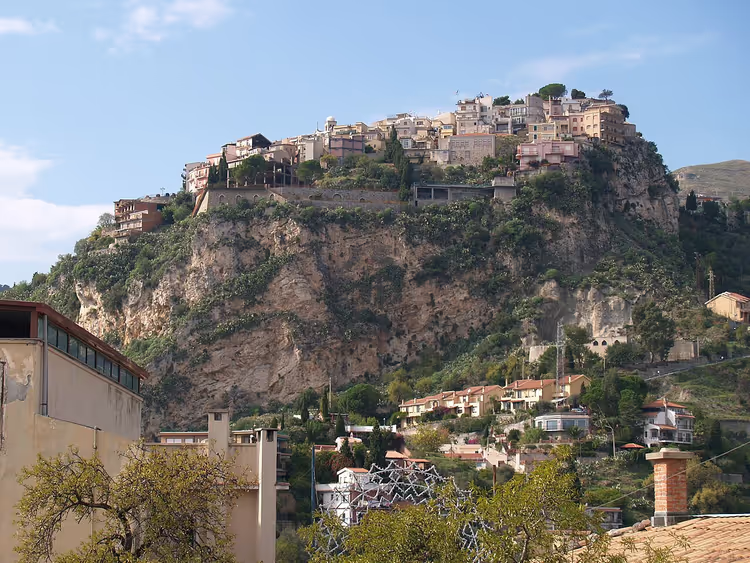
Castelmola sits high in the mountains above Taormina and opens up a panorama of the Bay of Naxos. A bus and a long stone staircase lead up to the village, and at the top the remains of an ancient fortress survive. Narrow streets, old cafes, and churches make it a quiet alternative to the busy shore.
 © Arnoldius · CC BY-SAPhoto: Arnoldius, CC BY-SA (https://creativecommons.org/licenses/by-sa/2.5), Wikimedia Commons
The local Bar Turrisi is known for its unusual interior and old Sicilian charms. The cool mountain air, olive and citrus groves, and the sunset view are worth a separate trip.
- Location: in the hills above Taormina, about half an hour away.
- Who it's for: those who want cool air and views instead of the beach.
- Where to look for hotels: Hotels in Castelmola on Trip.com
9. Letojanni: the promenade and a calm sea
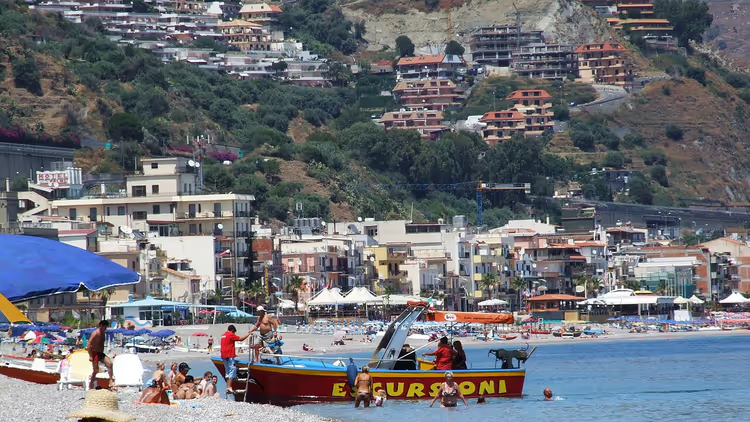
Letojanni was once a fishing village and is now considered a quiet part of the Taormina resort area. A palm-lined promenade runs along the shore for about a mile. The pebble beach has a gentle entry into turquoise water, and small hotels, restaurants, and shops line the walkway.
 © Castielli · CC BY-SAPhoto: Castielli, CC BY-SA (https://creativecommons.org/licenses/by-sa/3.0), Wikimedia Commons
You can walk the whole town in half an hour, and in high season it hosts festivals, exhibitions, and concerts. In 2026, Letojanni's central beach again received the Blue Flag (as of 09/2026, 2026 Blue Flag list).
- Location: between Taormina and Messina, on the Ionian Sea.
- Who it's for: couples and families looking for a quiet shoreline.
- Where to look for hotels: Hotels in Letojanni on Trip.com
10. Aci Castello: a castle above the water
Aci Castello hugs a rocky coastline not far from Catania. At the entrance you're greeted by a Norman castle that seems to grow out of the rock, and today it houses the Etna mineral museum. The shore here is rocky, with clear water, so the spot is popular with underwater enthusiasts.
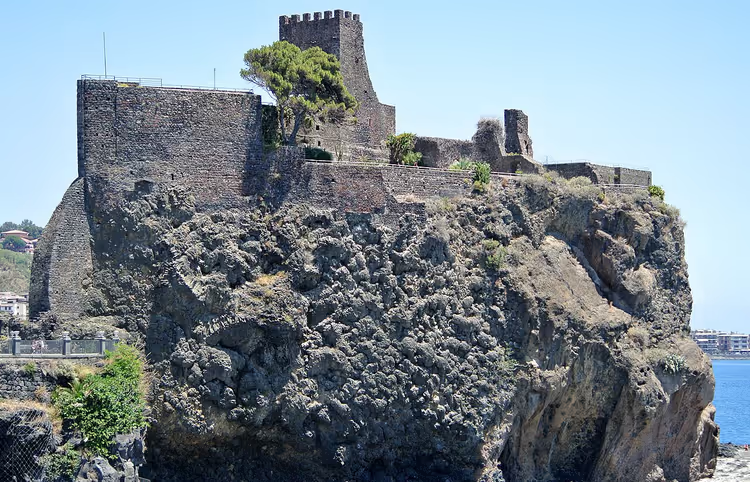
You can rent a boat or a pedal boat and explore the coastline from the water. Locals choose the small stone beach for its quiet, even though the bottom underfoot is hard.
- Location: about fifteen minutes from Catania.
- Who it's for: snorkeling fans and those seeking a quiet getaway.
- The catch: the beach is rocky, with no sandy entry.
- Where to look for hotels: Hotels in Aci Castello on Trip.com
11. Acitrezza: the Cyclops bay and black rocks
Acitrezza spreads out in a quiet bay north of Catania. It has its own black volcanic rock formations and a stone plateau that locals call the Cyclops' throne. The water in the bay is clear, which is why divers come here from all over Europe.
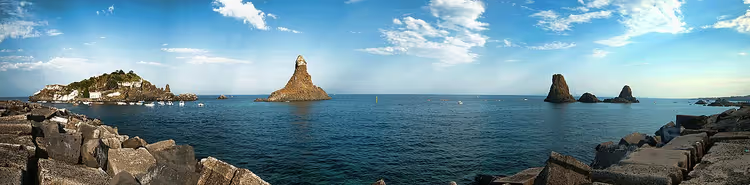 © forastico from Milano, Italia · CC BYPhoto: forastico from Milano, Italia, CC BY (https://creativecommons.org/licenses/by/2.0), Wikimedia Commons
An old church stands on the shore, and hotels ranging from three to five stars, villas, and small guesthouses line the beaches. Swimming here is more on the active side: the entry is rocky, but the underwater scenery is stunning.
- Location: about fifteen minutes north of Catania.
- Who it's for: divers and travelers who love rocky coastlines.
- The catch: the beach is rocky, with no sandy entry.
- Where to look for hotels: Hotels in Acitrezza on Trip.com
12. Giardini Naxos: sand south of Taormina
Giardini Naxos stretches along the Ionian Sea south of Taormina. Cafes, restaurants, boutiques, and upscale hotels fill the promenade, while the town beach remains free. The sand here is fine and the entry into the sea is gentle, so it's easy to swim even with children.
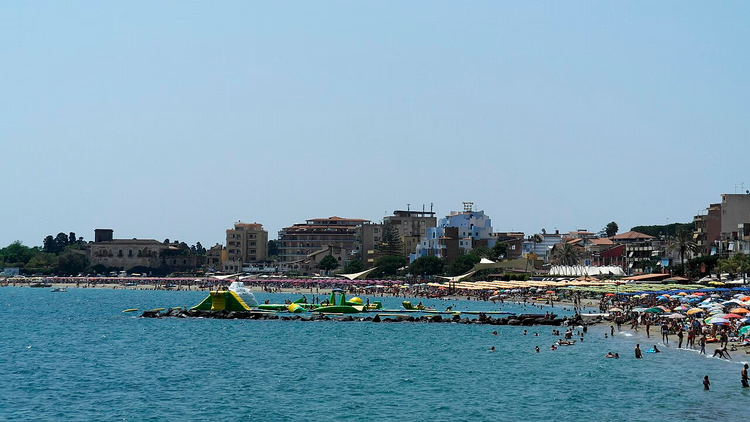 © trolvag · CC BY-SAPhoto: trolvag, CC BY-SA (https://creativecommons.org/licenses/by-sa/3.0), Wikimedia Commons
On Cape Schisò, an archaeological museum tells the story of the Greeks who founded the city in ancient times. A castle rises nearby, and temples from different eras stand side by side on the streets.
- Location: south of Taormina, on the east coast.
- Who it's for: families and couples who want the sea right by their hotel.
- Where to look for hotels: Hotels in Giardini Naxos on Trip.com
13. Catania: the volcano, shopping, and two beaches
Catania is a large port city in the southeast, and Mount Etna looms over it. By day you browse shops and boutiques, and by evening you head down to the lively sandy beach with hotels, bars, and clubs. On the other side of the city lies a wild shoreline with black volcanic sand.
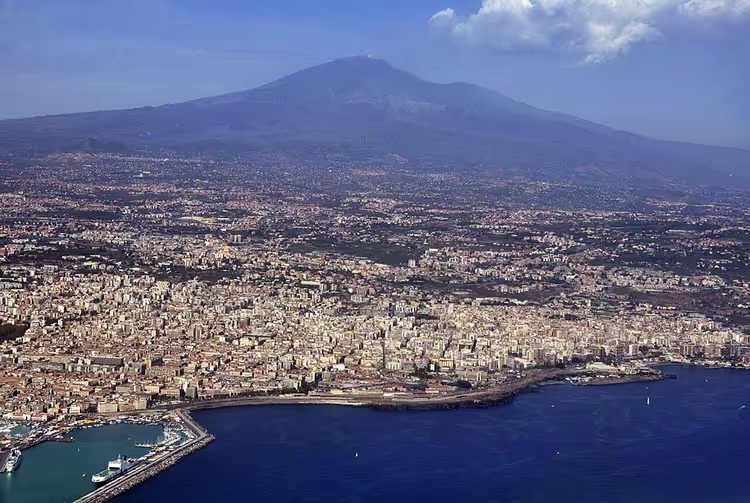 © stefan_fotos from Leipzig, Germany · CC BY-SAPhoto: stefan_fotos from Leipzig, Germany, CC BY-SA (https://creativecommons.org/licenses/by-sa/2.0), Wikimedia Commons
Nearby there's an outlet village with big discounts, where people go for shopping. In the surrounding area you'll find the Alcantara Gorge and lava rock formations along the coastline.
- Location: southeast of the island, at the foot of Mount Etna.
- Who it's for: active travelers and shopping lovers.
- The catch: the wild black-sand beach is awkward for getting into the sea.
- Where to look for hotels: Hotels in Catania on Trip.com
14. Syracuse: Ortigia and sand outside the city
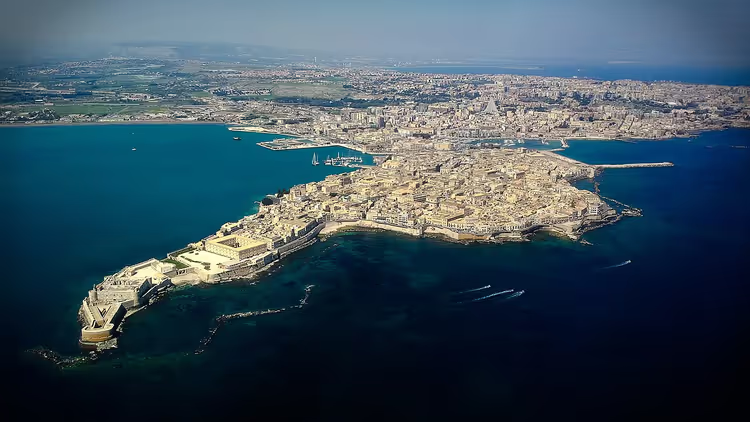
Syracuse sits on steep cliffs, so the shores themselves are rocky and inconvenient for swimming. For a beach you head out of town, most often to Fontane Bianche beach with its light sand. The bottom there is even, and the warm sea lasts from May through November.
 © Agostino Artnoir Sella · CC BY-SAPhoto: Agostino Artnoir Sella, CC BY-SA (https://creativecommons.org/licenses/by-sa/2.0), Wikimedia Commons
Fans of antiquity spend their time in the old town of Ortigia, and from here people also take trips to Mount Etna and Scicli. Because of all the driving to beaches, the city is not a great fit for vacations with small children.
- Location: southeast of the island, on the Ionian Sea.
- Who it's for: couples and lovers of ancient architecture.
- Not for: families with small children who need a beach nearby.
- Where to look for hotels: Hotels in Syracuse on Trip.com
15. San Lorenzo: a nature reserve and white sand
After Syracuse begins a stretch of southern resorts, and San Lorenzo is one of the brightest here. The beach with soft white sand borders the Vendicari nature reserve, where flamingos, white herons and cormorants winter. The gentle sandy entry and warm turquoise sea are convenient for vacations with children.
Villas and hotels with playgrounds, kids' clubs and restaurants stand right by the beaches. A medieval castle rises nearby, and the surrounding towns are notable for their Sicilian Baroque architecture.
- Location: south of Syracuse, next to the Vendicari nature reserve.
- Who it's for: families with children and nature lovers.
- Where to look for hotels: Hotels in San Lorenzo on Trip.com
16. Marzamemi: citrus groves and seaside evenings
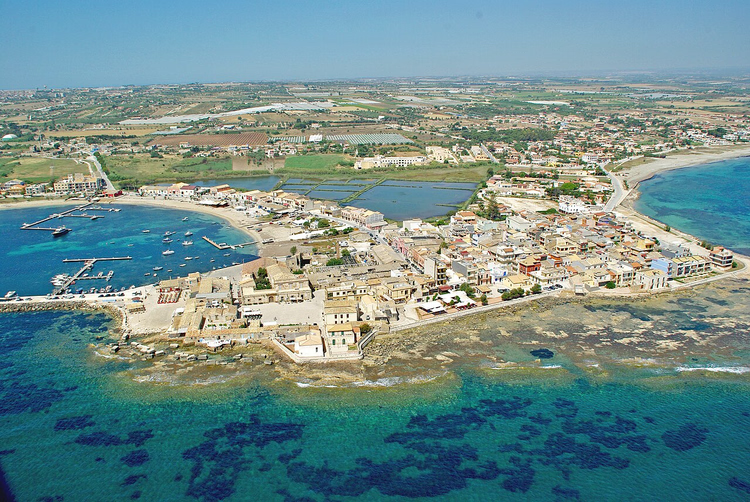
Marzamemi was founded by the Arabs, and from an old fishing village it has turned into one of the most picturesque towns on the island. Citrus plantations, olive trees and vineyards stretch all around, and the air smells of the sea. The town beaches are free, with a gentle slope into the water, which suits families too.
 © fotovideomike from Italia (Michele Ponzio, @michele_ponzio ) · CC BY-SAPhoto: fotovideomike from Italia (Michele Ponzio, @michele_ponzio ), CC BY-SA (https://creativecommons.org/licenses/by-sa/2.0), Wikimedia Commons
Along the beaches there are small restaurants serving seafood dishes, and live music plays in the evenings. In July an open-air film festival takes place here, and in August the town celebrates the feast of Saint Francis with yacht races.
- Location: southern Sicily, on the Ionian Sea.
- Who it's for: families and couples who love food and the sea.
- Where to look for hotels: Hotels in Marzamemi on Trip.com
17. Marina di Ragusa: a long beach with a flag
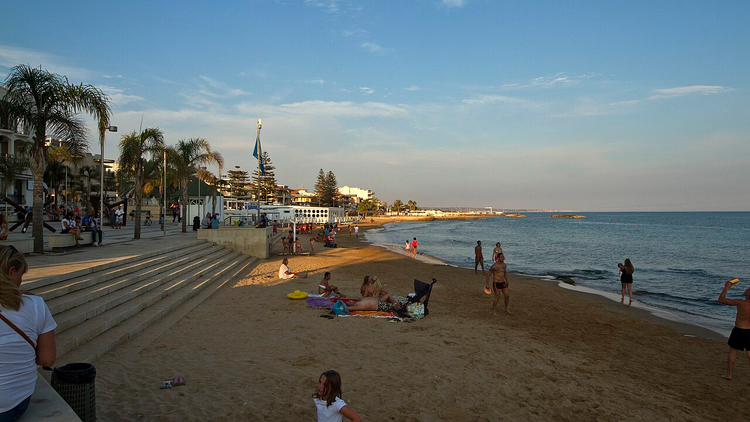
Marina di Ragusa closes out the island's southern coast and opens directly onto the Mediterranean Sea. The promenade runs above the beach and ends at a marina for yachts, while cafes and restaurants with water views line the walkway. The town beach, one and a half kilometers long, ranks among the best on the island.
 © trolvag · CC BY-SAPhoto: trolvag, CC BY-SA (https://creativecommons.org/licenses/by-sa/3.0), Wikimedia Commons
The sand here is fine and light, the entry into the sea is gentle, and the infrastructure is well thought out. In 2026 the beach was again awarded the Blue Flag (as of 09/2026, FEE award). Accommodation is available even in peak season: from budget hotels to comfortable apartments.
- Location: south of the island, on the Mediterranean Sea.
- Who it's for: families, couples, and anyone who values a clean sandy shore.
- Where to look for hotels: Hotels in Marina di Ragusa on Trip.com
Which resort to choose for a family vacation
Sicily's coastlines are convenient for traveling with children. Well-maintained beaches with soft sand, a gentle slope into the water, and warm lagoon water are suitable even for toddlers. On the northern coast, these are Mondello near Palermo, San Vito Lo Capo, and the Cefalù waterfront: the sea is calm, the water near the shore is shallow, and there are almost no holes or currents.
Beach infrastructure, in addition to the usual amenities, offers playgrounds, cafes, and restaurants with children's menus. Near Mondello, kids can have fun at a water park. The Ionian Sea also has plenty of Blue Flag beaches, both sandy and pebbly.
Families often choose Lido Mazzarò below Taormina and the beaches of Giardini Naxos, where they stay in quiet guesthouses. From Catania to Syracuse stretches several good sandy beaches, and a water park operates near Syracuse.
At the very south lies Santa Maria del Focallo, one of the island's best family resorts. In 2026, this beach made the Blue Flag list (as of 09/2026, Regione Siciliana). The fine-sand shore is surrounded by dunes, the entry into the sea is gentle, and hotels stand close to the water.
Which resort to choose for a young crowd
Beach season runs from May through October, and many of the island's resorts cater to younger travelers. During the day there are water activities, and at night the bar and club scene comes alive.
The island's capital, Palermo, draws groups with its variety of nightlife. On the northern coast, Cefalù works well for younger visitors: the seafront is lined with restaurants, bars, and pubs. The larger town of Castellammare del Golfo keeps pace too, with bars and clubs operating near the historic castle.
In the fall, San Vito Lo Capo hosts a couscous festival with concerts and street performances.
The resorts on the eastern coast near Taormina are known for beach sports, hotels, and club parties. Giardini Naxos leads the way, attracting large groups: the town doesn't sleep, and open-air shows and concerts run through the night.
In the southern rankings, Marina di Ragusa comes first. During the day there are water activities, and after dark the golden beaches turn into open-air discos. The seafront draws hundreds of people to its nightclubs and pubs.
Young travelers on Sicily usually split the day into two parts: morning and afternoon by the sea, evening in town. On the east coast, Taormina and Giardini Naxos are convenient for this; on the south, Marina di Ragusa; and on the north, Cefalù. During high season, parties happen almost every night, and when the shoulder season arrives the number of clubs drops, but accommodation prices fall too.
Best beaches and what makes them special
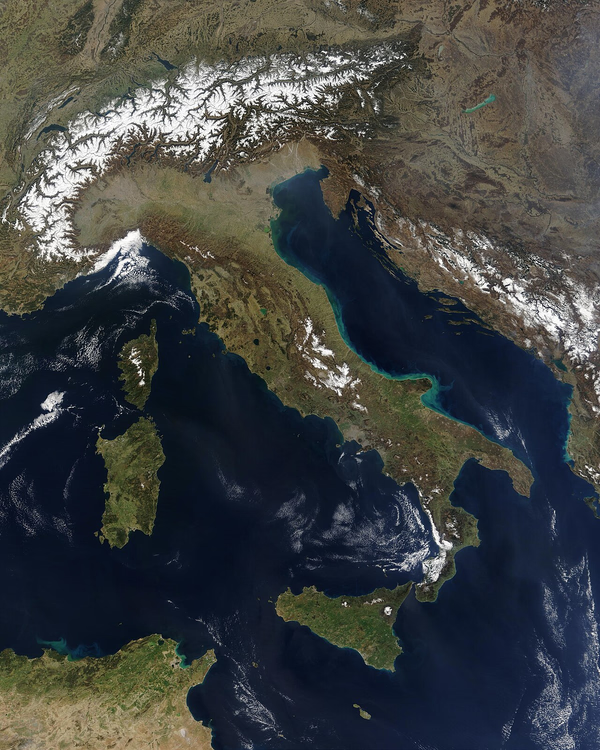
With so many beaches on the island, it's hard to pick the best. Many fly the Blue Flag, which signals clean water, good infrastructure, and solid services. Below are five free beaches that travelers recommend most often.
Mondello Beach near Palermo
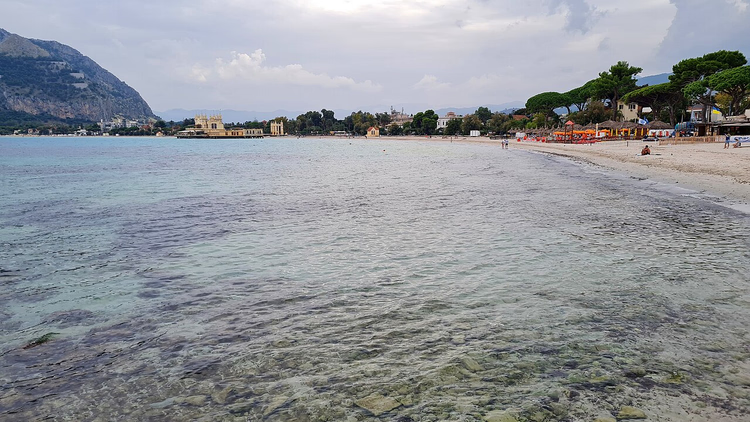
Mondello sits in a bay below Palermo, between Monte Gallo and Monte Pellegrino. White sand gives way to a gentle slope, and the bottom deepens gradually, which makes it easy for swimming with children. Cafes, changing rooms, showers, a rental point, a first-aid station, and lifeguards make the shore genuinely comfortable.
 © Derbrauni · CC BYPhoto: Derbrauni, CC BY (https://creativecommons.org/licenses/by/4.0), Wikimedia Commons
Nearby are upscale hotels, villas, and yacht clubs, plus a water park. That's why families with children, younger travelers, and well-heeled tourists all come here.
Cefalù Beach by the old town
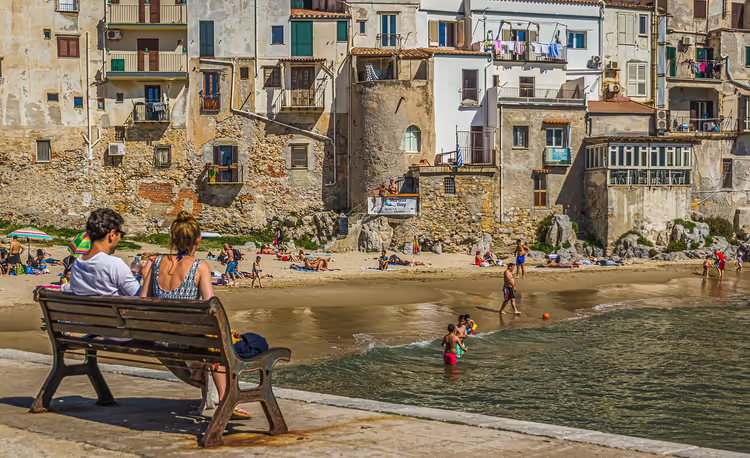
Cefalù Beach is washed by the turquoise Tyrrhenian Sea and lies in the town of the same name. Soft white sand slopes down to the water, the shore is shallow, and the bottom is even. This spot suits safe swimming and relaxed sunbathing.
In July and August the beach is packed, while June and September are the most comfortable months. Dozens of three- and four-star hotels on the first line offer pools and playgrounds, and a stroll along the cafe-lined seafront rounds out the stay.
Giardini Naxos beaches on the east coast
The beaches of Giardini Naxos are famous across the island. The long shoreline is divided into free and paid sections, with little difference in sand quality. Paid beaches come with umbrellas, loungers, and water activities.
The free sections have showers, changing cabins, bars, and cafes, and in the evenings entertainment is organized on the shore. The town has plenty of restaurants serving Mediterranean menus and fish dishes.
Fontane bianche beach near Syracuse
 © Davide Mauro · CC BY-SAPhoto: Davide Mauro, CC BY-SA (https://creativecommons.org/licenses/by-sa/4.0), Wikimedia Commons
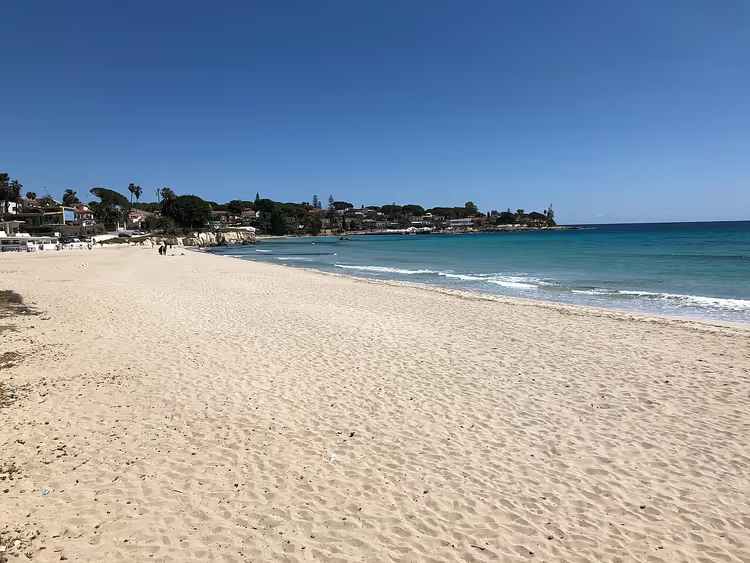
Fontane Bianche lies about ten kilometers south of Syracuse. The small village is known for its golden sandy beach and freshwater springs that bubble up right out of the ground. The entry into the sea is gradual, and the water near the shore warms up quickly, which families with children appreciate.
Part of the beach is lined with sprawling palm trees, and villas set in gardens stand along the shore. The area offers around a hundred lodging options: hotels from three to five stars, apartments, and villas, including some right by the beach.
Marina di Ragusa Beach on the south coast
The beaches of Marina di Ragusa stretch along the island's southernmost edge and stay with you long after. A strip of fine golden sand is framed by dunes, and the entry into the clear water is gentle. It's an easy place to sunbathe and alternate that with swimming.
The beach has earned the Blue Flag for water quality. On the shore there's a first-aid station, lifeguard towers, showers, toilets, and rentals for loungers, umbrellas, and towels. Along the first line stand high-end hotels with pools and restaurants.
Along the Ionian Sea, it's worth noting Mortelle near Messina, La Playa in Catania, Spinazza in Marzamemi, as well as San Lorenzo and Cala Mosche near the Vendicari nature reserve. On the Mediterranean side, the beaches near Porto Palo di Capo Passero at the island's southernmost tip deserve attention.
The Blue Flag is awarded by the international organization FEE, and it considers not only water quality but also safety, accessibility, and environmental care. That's why flagged beaches work well for both families and travelers with limited mobility. Arrive in the morning: by midday in high season there's almost no free space left by the water.
Best time to visit
 © M Adam · CC BYPhoto: M Adam, CC BY (https://creativecommons.org/licenses/by/3.0), Wikimedia Commons
Sicily enjoys a mild subtropical climate, so you can visit almost year-round. The choice depends on what matters more to you: the beach or exploring historic sights. Below is a quick look at the two seasons.
High season from May through November
High season opens in early May and runs until mid-November, when the weather suits beach vacations. The water is warm during this period, and most resorts operate at full capacity.
Low season from November through April
Low season starts in the second half of November and continues through late April. During these months people come to the island for thermal springs, mountain air, and historic sites. Daytime temperatures reach about eighteen degrees, nights are cooler, and rain and wind occur from time to time. In winter, snow settles on the slopes of Mount Etna, drawing downhill skiers. April dresses the island in blossoms, and daytime temperatures climb back to nearly eighteen degrees.
The swimming season was verified on 09/15/2026 on the official Sicily tourism website. For a well-rounded trip, June works best, and the most budget-friendly vacation is in June and September.
In high season, hotels, cafes, and rental shops operate all day, and in May and October the beaches are still uncrowded. If you're planning sightseeing, spring and fall beat summer: the heat eases off, and lines at attractions are shorter. In winter, the island draws visitors with seasonal sales and cheap citrus at the markets.
Sicily resorts on the map
The island's resorts are scattered across all three coasts, so it helps to see them on a map right away. Mark in advance which coasts you want to combine into one trip: transfers between the north and south take several hours. Below is an interactive map of Sicily with the main resorts.
Resorts of Sicily
Places on the map
- 1Trapani Salt mills, a boat to Favignana Island
- 2Cefalù A cliff above a sandy beach and the narrow streets of the old town
- 3Milazzo A cape with two shores and a Norman fortress
- 4Messina Strait to the mainland, a cathedral with one of Italy's largest bells
- 5Taormina Ancient theatre with a view of Etna, the island's most elegant resort
- 6Castelmola Mountain village above Taormina with a panorama of Naxos Bay
- 7Letojanni Quiet promenade with palm trees and a pebble beach
- 8Aci Castello Norman castle on a cliff, Etna minerals museum
- 9Acitrezza Cyclops Bay with black volcanic rocks
- 10Giardini Naxos Sandy beach south of Taormina, archaeological museum
- 11Giardini Naxos Beach A long stretch of coast, free and paid sections
- 12Catania A port city at the foot of Etna, two different types of beach
- 13Syracuse The old town of Ortigia, Fontane Bianche beach outside the city
- 14Fontane Bianche Beach Golden sand and freshwater springs bubbling up from the ground
- 15San Lorenzo White sand near the Vendicari nature reserve
- 16Marzamemi A former fishing village of Arab origin
- 17Marina di Ragusa A long Blue Flag beach in the south of the island
⁉️🤔 Frequently asked questions
When is the best time to go to Sicily?
The swimming season opens in early May and lasts until mid-November, and the warmest sea is in June and September. In July and August, popular beaches are crowded and prices are higher. The low season also works for sightseeing: daytime temperatures reach about eighteen degrees, and rain is infrequent.
Where in Sicily should you vacation with kids?
The northern beaches are convenient for families: Mondello near Palermo, San Vito Lo Capo, and the Cefalù waterfront. They have calm water, a gentle slope, and shallow depth near the shore. In the south, Santa Maria del Focallo and San Lorenzo are good options, and there's a water park near Syracuse. Look for a hotel close to the water so you don't have to drive to the beach.
Which resort to choose for young people?
For nightlife, Palermo, Cefalù, and Castellammare del Golfo in the north work well, as does Giardini Naxos near Taormina. On the southern list, Marina di Ragusa comes first, where beaches turn into open-air clubs. Book accommodation near the waterfront so you don't spend your evenings on the road.
Are beaches in Sicily paid?
Most beaches on the island are free; you pay to rent an umbrella and a lounger. You can lay out your own towels in the public areas, and showers and toilets are usually nearby.
Do you need a car to get around the resorts?
A car makes the trip much easier: the resorts are spread across three coasts, and some beaches are outside town. If you're based in Palermo, Taormina, or Catania, you can get by with trains and buses, but with a car you'll see more in the same amount of time.
In short: what to book
For a relaxed beach vacation, choose the south of the island; for parties, the east; and for sightseeing and a big-city atmosphere, the north. Here's a quick cheat sheet by company.
- If you have kids: Mondello, San Vito Lo Capo, or Santa Maria del Focallo.
- If you're going with friends: Giardini Naxos or Marina di Ragusa.
- If you want peace and quiet: San Lorenzo or Marzamemi.
- If you love history: Palermo, Syracuse, and Taormina.
Compare hotels in Sicily on Trip.com and tours on GetYourGuide. Book in advance: during the season, the good options go first.

A small editorial team writing guides for independent travel. We travel ourselves, but we haven’t been everywhere, so we check prices, opening hours and how to get there against official sources.