
















Croatia or Bulgaria: which resort to choose for a beach holiday
Croatia and Bulgaria share the same vacation season. Both countries promise a warm sea, hotels for any budget, and direct flights from most European cities. But the way vacations work in each country is different, and the choice depends on your habits.
Croatia bets on its rocky coastline, old towns, and gastronomy. Bulgaria wins with wide sandy beaches and low package prices. The difference is noticeable from the very first day of the trip.
Who it's for: Croatia suits those who value nature and want to explore the country by car. Bulgaria wins over those who need sand and all-inclusive. Below we compared the season, beaches, hotels, and entertainment so you can choose the option that fits your budget.
Ad: this article contains affiliate links, we earn a commission if you book through them, at no extra cost to you.
Croatia vs Bulgaria: in short
💡 In short:
- Croatia: pebble and stone beaches, clean Adriatic, swimming season from May to October.
- Bulgaria: sandy Black Sea beaches, many all-inclusive hotels, season from June to September.
- Families with children more often choose Bulgaria because of the gentle entry into the water, while nature and old towns draw people to Croatia.
- Currency: both countries use the euro, Croatia switched to it in 2023, Bulgaria in 2026 (European Central Bank website).
Territory and currency
Croatia is located in the western part of the Balkan Peninsula and faces the Adriatic Sea. The country's capital, Zagreb, sits away from the coast, while all resort life is concentrated on the shore. The official language is Croatian, but English and German are widely spoken in tourist areas.
Bulgaria occupies the eastern part of the Balkans and is washed by the Black Sea. The capital, Sofia, lies in the center of the country, while resorts stretch along the coast. The official language is Bulgarian with Cyrillic script, but hotel staff will understand you in English.
Both countries are in the European Union, and both have already switched to the euro. Croatia did so on January 1, 2023 (ECB), Bulgaria from January 1, 2026 (ECB). For you, this means simple math on vacation: one currency, no exchange offices, and no hidden fees.
Popular resorts in Croatia and Bulgaria
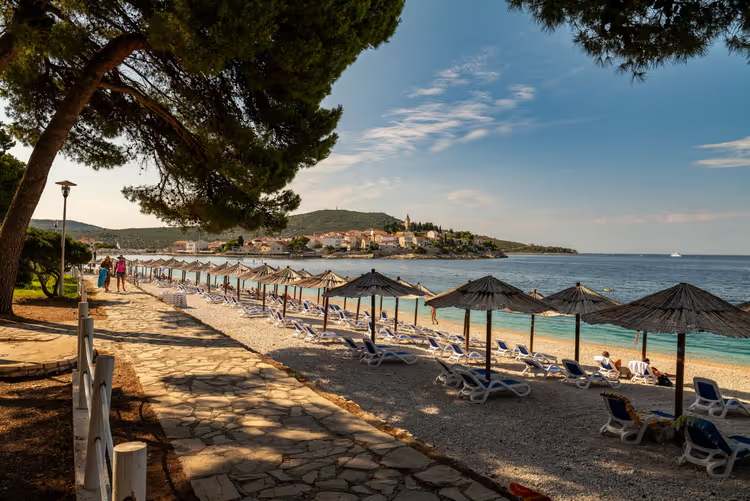
In Croatia, beach vacations divide into three zones. The Istrian peninsula in the west, the largest in the Adriatic, is known for its Venetian towns and long coastline (according to the Istria tourist board). From here it's easy to take a trip to Italy, which is why Istria is often chosen by road-trippers.
Central Dalmatia starts south of Zadar, with Split as its main city. Here you should pick a town based on your pace: party lovers will enjoy Split, young people looking for activities will like Baska Voda, and families and couples will prefer Makarska. Makarska is considered the most expensive resort in Central Dalmatia.
Southern Dalmatia stretches toward mountains and islands. Dubrovnik, Cavtat, and the islands of Kolocep and Lopud offer secluded coves and scenic views. It's harder here with small children: the shore is often rocky.
Bulgaria offers two types of vacations: beach on the Black Sea in summer and ski in the mountains in winter. The country has dozens of resorts, and the most famous are Sunny Beach and Golden Sands. Sunny Beach is the choice for young people: it has a long sandy strip, many bars and clubs. Golden Sands is considered a greener and calmer option with the same infrastructure.
Families more often choose Nessebar, Sveti Vlas, Albena, and Elenite. It's quieter here, hotels sit closer to the water, and historic quarters are easy to reach on foot. If you need sand and all-inclusive at a lower price, look at Sozopol, Pomorie, and Obzor. It's convenient to compare options in advance: find a hotel in Bulgaria on Trip.com.
 © Olgierd Rudak · CC BY-SAPhoto: Olgierd Rudak, CC BY-SA (https://creativecommons.org/licenses/by-sa/4.0), Wikimedia Commons
Climate and season
The Croatian coast has a Mediterranean climate. Summers are hot and dry, winters are mild and rainy, and the swimming season is long: the sea stays warm from May to October. Istria has a slightly cooler and drier climate than Dalmatia, so it's easier to breathe there at the height of summer.
Bulgaria lies in a temperate continental zone. Summers here are hot, autumn is long and sunny, winters are mild, and the mountains have snow. The swimming season is shorter and usually fits into June to September, but the water warms up quickly.
For planning, this means a simple rule. You can go to Croatia in the shoulder season all the way through October. In Bulgaria, it's better to book July or August, otherwise you risk catching a cool sea. If your vacation falls at the end of September, choose the Croatian coast.
Sea, nature, beaches
Croatia's coast is washed by the Adriatic Sea. It's famous for its transparent water and rich underwater world, which attracts divers. The shores here vary: in Istria, sandy beaches sit next to cliffs, and coniferous and deciduous forests often come right down to the water. Vineyards and hills add color to the landscape.
In Central Dalmatia, the shore is covered with fine pebbles, which keeps the water clean. Secluded coves hide between the islands, and the pine-scented air is good for those with sensitive airways.
Southern Dalmatia is a land of mountains and islands. Palm trees grow next to pines here, and beaches can be pebbly or have concrete platforms. Near Dubrovnik there is sand. Keep in mind in advance: Croatia has many nudist beaches, and it's worth knowing before the trip. The water in the Adriatic is very clean, so bring a snorkeling mask: near the rocks you can see the bottom meters deep.
Bulgaria is washed by the Black Sea in the east. In summer, the water near sandy shores warms up quickly, so swimming is comfortable even with children. The underwater world is poorer, but divers are drawn to sunken objects and underwater caves.
Most of the country is covered by mountains, hills, and forests, while vast steppes lie in the northeast. Citrus trees grow near the border with Greece and Turkey. The beaches of well-known resorts are covered with fine golden sand and equipped with loungers.
The practical difference for you is this: in Croatia you enter the water over pebbles or stones, so special water shoes will come in handy. In Bulgaria, sand and a gentle entry are convenient for children and those who are not confident swimmers.
 © Michal Klajban · CC BY-SAPhoto: Michal Klajban, CC BY-SA (https://creativecommons.org/licenses/by-sa/4.0), Wikimedia Commons
Hotels: what to expect from the stock
Croatia offers several hundred hotels, and many of them were built long ago. Categories range from one to five stars, but three stars are the most common. There are few hostels, and they are not available at every resort. Construction continues in summer, so the supply grows every year.
Before booking, check the year of the last renovation: the old stock is the main risk of local accommodation. The all-inclusive system is rare in Croatia. It's usually breakfast or half board, so factor in dinner expenses. To find an option that fits your budget, find a hotel in Croatia on Trip.com.
In Bulgaria there are several thousand hotels, and the stock is also not new. Most options have three stars, but modern four- and five-star hotels open every year. Hostels are available at all major resorts.
Bulgaria's main advantage is the all-inclusive format and on-site pools. For families with children, this lowers costs and simplifies the day. What to choose: for atmosphere and an old town, pick small hotels in Croatia; for a sandy beach and full board, pick Bulgarian complexes.
Entertainment and active recreation
You won't get bored in Croatia. Boat trips and sailing cruises, diving, fishing, hunting, and rafting on mountain rivers are all available. Almost every town has ancient monuments, and festivals, celebrations, and exhibitions take place in summer.
For active travelers, there are hiking routes through national parks and bike trips between islands. You can find an excursion that fits your route here: tours and activities on GetYourGuide.
Bulgaria is stronger in mass entertainment. Resorts have golf courses, basketball courts, and water sports stations. Diving is also developed: bases exist along almost the entire coast.
A separate topic is ecotourism. The country has dozens of nature reserves and national parks, so hiking, horseback riding, cycling routes, and rock climbing are all available. The choice is simple: Croatia for water and national parks, Bulgaria for golf, sports facilities, and sea activities.
Nightlife and restaurants
For nightlife in Croatia, people head to the island of Pag. The resort of Novalja is known for beach parties that go around the clock: there are many clubs, bars, and discos. In Istria, Rovinj is considered the club center, and in Northern Dalmatia evening life buzzes in Zadar.
Croatian cuisine relies on seafood, olive oil, and wine. Coastal restaurants serve fresh fish, and family-run konobas with home cooking line the roads. Portions here are large, and dinner easily turns into a long evening.
Bulgaria concentrates its bars and clubs in two resorts. Sunny Beach is considered the liveliest spot, while Golden Sands offers a similar selection at a calmer pace. Other resorts offer far fewer evening entertainment options.
The local cuisine is simple and hearty: salads with white cheese, grilled meat, local wine, and rakia. Dinner at a resort restaurant costs less than in Croatia, which is a noticeable plus for large groups.
Shopping
Croatia has many shops and boutiques. They sell designer items and locally made goods, and Italian brands dominate among European labels. Markets carry clothing from Turkey and China.
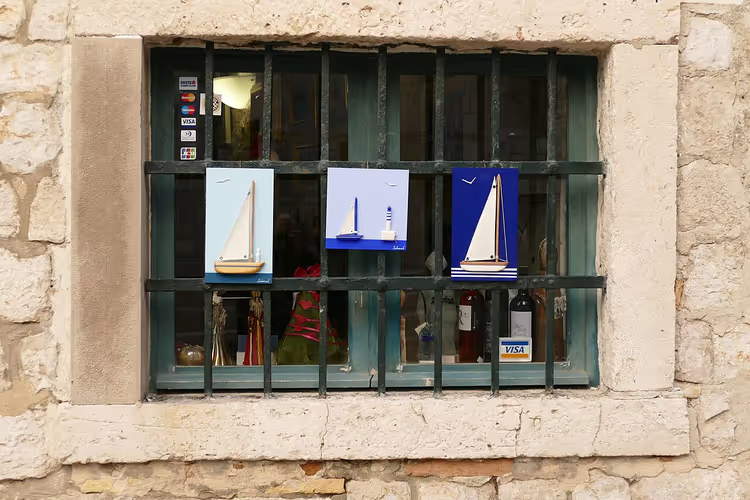
As souvenirs from Croatia, people bring stone items, paintings by local artists, and wine. For shopping, head to the old quarters: there are more small shops with local goods there.
 © donald judge · CC BYPhoto: donald judge, CC BY (https://creativecommons.org/licenses/by/2.0), Wikimedia Commons
In Bulgaria, it's not worth hunting for famous brands: there are almost none. But there are plenty of local goods. Buy embroidered shirts and blouses, linen items, rugs, and jewelry, as well as inexpensive costume jewelry.
Pay special attention to cosmetics based on rose oil: it's the country's calling card and a great souvenir. For you, shopping in Croatia is closer to the European level, while Bulgaria wins with local crafts and prices.
Sights
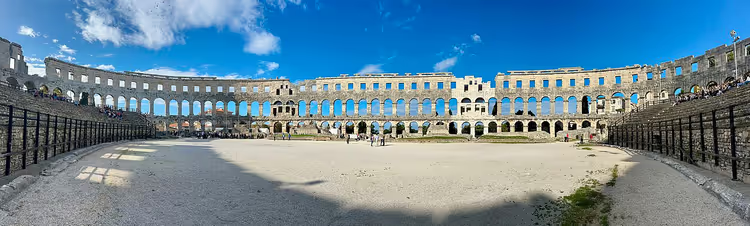
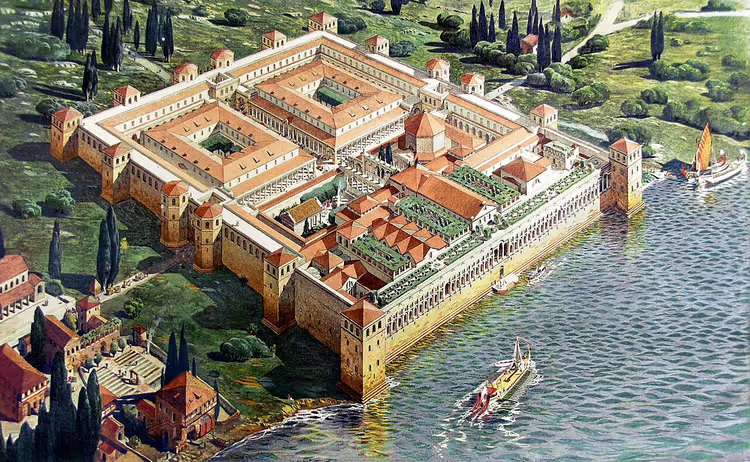
In Croatia, every resort has something to see. There are many cathedrals, monasteries, and churches, as well as monuments from the Roman era. Diocletian's Palace in Split and the amphitheater in Pula are among the country's main attractions.
Dubrovnik and Porec are known for their old quarters, while natural highlights include Plitvice Lakes, the island of Brac, and the botanical garden on the island of Lokrum. Plan at least one day for a national park: in season, it's better to buy tickets in advance.
Bulgaria has many natural monuments. The Stone Forest is worth seeing: a field of vertically standing stone blocks over a vast area. Traces of the Roman and Byzantine eras are found throughout the country: thermal baths, ancient fortresses, and the ruins of Nessebar.
A separate topic is Orthodox monasteries: Bulgaria has hundreds of them, and many are open to visitors. Add museums and exhibitions, and you get a rich sightseeing program. For you, Bulgaria offers history together with nature and often inexpensive entry fees, while Croatia wins with well-kept old towns.
⁉️🤔 Frequently asked questions
Which resort to choose for a vacation with children?
Pick the Bulgarian Nessebar, Sveti Vlas, Albena, or Elenite. They have fine sand, a gentle entry into the water, pools, and an all-inclusive format that simplifies the day. People also vacation in Croatia with children, but the shore is often pebbly or rocky, so you need special water shoes for entering the sea.
Where is it cheaper to vacation: Croatia or Bulgaria?
Bulgaria usually works out cheaper. The reason is the all-inclusive format, sandy beaches, and a large number of inexpensive hotels. Croatia is more expensive, especially Makarska and Dubrovnik, but it offers old towns, a clean Adriatic, and a longer swimming season.
Can you swim in Croatia in September?
Yes, September in Croatia remains a warm month. The sea holds a comfortable temperature until October, and there are fewer people on the beaches than in July and August. For you, this is a good compromise: mild weather, free loungers, and prices below peak.
Where are nature and beaches better?
Nature is stronger in Croatia: national parks, islands, and pine forests right by the water. Beaches are more convenient in Bulgaria: wide golden sand and a gentle entry. Choose by priority: scenic coves or comfortable sand for swimming.
What currency should you pay with in Croatia and Bulgaria?
Both countries use the euro. For you, this is convenient: no need to exchange money twice and calculate rates in every shop.
In short: what to book
Croatia and Bulgaria serve different needs, so choose based on your priorities, not on package price.
- If you're a family with children: pick Nessebar, Sveti Vlas, or Albena, where there's sand and all-inclusive.
- If you want nature and old towns: pick Istria, Central or Southern Dalmatia with national parks nearby.
- If you need a long season: Croatia gives you a warm sea until October.
- If budget matters: Bulgaria is usually cheaper at a comparable hotel level.
Book your hotel in advance, because in July and August the best options go first. Start with dates and resort, then compare specific hotels calmly after that.

A small editorial team writing guides for independent travel. We travel ourselves, but we haven’t been everywhere, so we check prices, opening hours and how to get there against official sources.