
















Where to go with children in Spain: 17 resorts and their seasons
Spain welcomes families with children almost all year round. Warm seas, gentle water entry, and well-developed infrastructure make it one of the most convenient family destinations in Europe.
Choosing one resort out of dozens is not easy. The islands and mainland coasts differ in climate, sea, prices, and flight length, and a mistake costs a week of vacation. Spain leads the world in the number of Blue Flag beaches: in 2026, 677 shores received the award (as of 05/2026, El Español).
Below are seventeen proven regions of Spain where kids are comfortable and parents can relax. We organized them by season, highlighted the strengths of each, and noted what to consider in advance.
Ad: this article contains affiliate links, we earn a commission if you book through them, at no extra cost to you.
How to choose a resort for kids
💡 In short:
- The islands offer swimming almost all year round, but the flight is longer.
- The mainland coasts are closer, but the season is shorter.
- For toddlers, look for sheltered bays with gentle entry and lifeguards.
- Season and family beaches: 09/2026, according to the official Spain tourism office.
Resorts in Spain fall into two broad camps. The Mediterranean coasts open the season in late spring and keep it going until early fall, the water warms up quickly, and the sea entry is gentle almost everywhere. The Canary Islands operate year-round because they lie closer to Africa and stay warm even in winter.
For a family with toddlers, three things matter: shallow water in a bay, shade, and lifeguards. Look for Blue Flag beaches: the designation goes to shores with clean water, showers, toilets, and lifeguards on duty. Hotels in resort areas are usually a five-to-ten-minute walk from the shore, and kids' pools and clubs are part of the standard offering.
The easiest way to start is with a short list, it saves time.
If you need | Choose |
|---|---|
Swimming all year round | Tenerife and Gran Canaria |
A short flight | Costa Brava and Costa Dorada |
A quiet beach for toddlers | Santa Susanna and Formentera |
Parks and attractions | Salou and Benidorm |
Nature and coves | Menorca and Lanzarote |
City and gastronomy | San Sebastián |
Next, seventeen regions, starting with the Canary Islands.
1. Tenerife
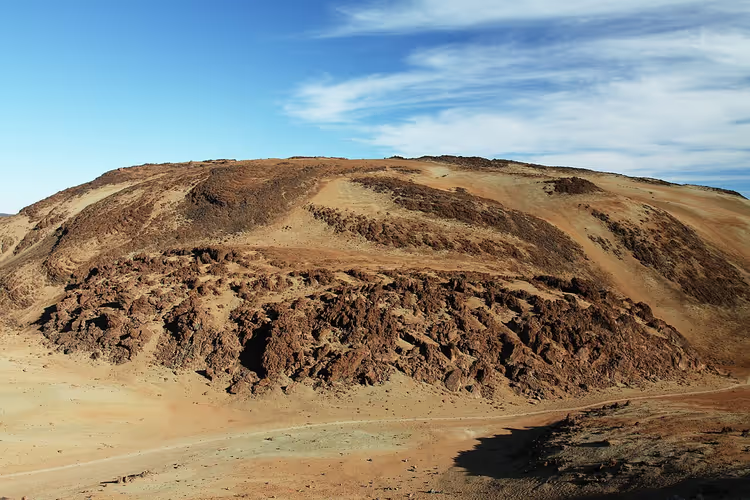 © Chmee2 · CC BY-SAPhoto: Chmee2, CC BY-SA (https://creativecommons.org/licenses/by-sa/3.0), Wikimedia Commons
Tenerife, the largest island of the Canary archipelago, lies in the Atlantic off the coast of Africa. It stays warm here all year round, and you can swim even in winter. The southern coast is shielded from clouds by mountains and gets more sun than the northern coast.
The island's family areas, Las Américas and Los Cristianos, sit right by the water. The beaches here come in two types: man-made golden ones and black volcanic ones. The water is brisk even in summer, but there are almost no big waves, so swimming with kids is easy. The shore is empty in the morning; after lunch it is better to stay by the pool.
There are enough activities for the whole trip. The lineup includes a water park with slides, diving, boat trips, and bird sanctuaries. The mountainous part of the island is worth seeing on a clear day, but it is cool at the top, so bring jackets. The drive from the hotels to the farther parks takes about an hour, and it is more convenient to rent a car for the entire stay.
- The catch: the flight is longer than to the mainland, and the ocean water is cooler than the Mediterranean.
Hotels in Tenerife on Trip.com
2. Gran Canaria
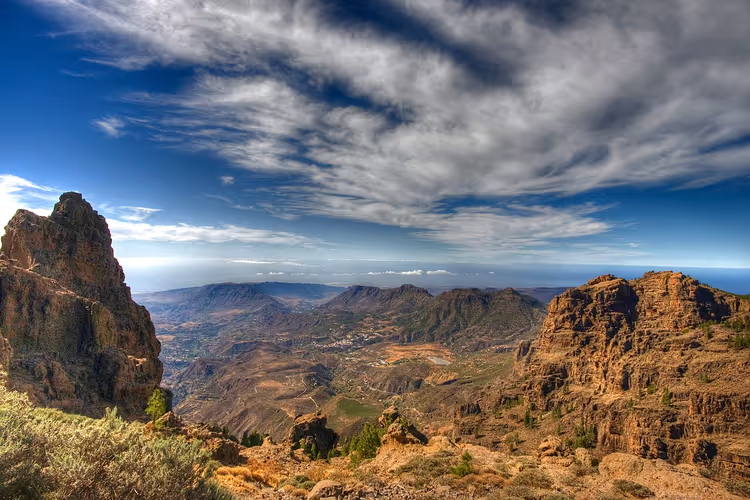 © El Coleccionista de Instantes Fotografía & Video · CC BY-SAPhoto: El Coleccionista de Instantes Fotografía & Video, CC BY-SA (https://creativecommons.org/licenses/by-sa/2.0), Wikimedia Commons
Gran Canaria, the second-largest island of the archipelago, welcomes millions of tourists every year. Golden shores stretch along the coast, and the water stays warm for most of the year. The island lies south of Tenerife, so winter is barely felt here.
The Maspalomas dunes are considered the main natural attraction for families. The sandy hills stretch all the way to the sea, and you can walk on them barefoot. Nearby, water parks with pools and slides for different ages are open, so it is easy to split the day between the sea and entertainment.
Kids enjoy the zoos, botanical gardens, and the Wild West-style Sioux City park. Here you can also ride camels and watch a show with trained birds. A beach day is easy to combine with a trip to the mountains: the drive takes half a day, and the views on the way back open up wide.
- The catch: the south of the island is arid, there is little greenery, and the landscape resembles a desert.
Gran Canaria hotels on Trip.com
3. Lanzarote
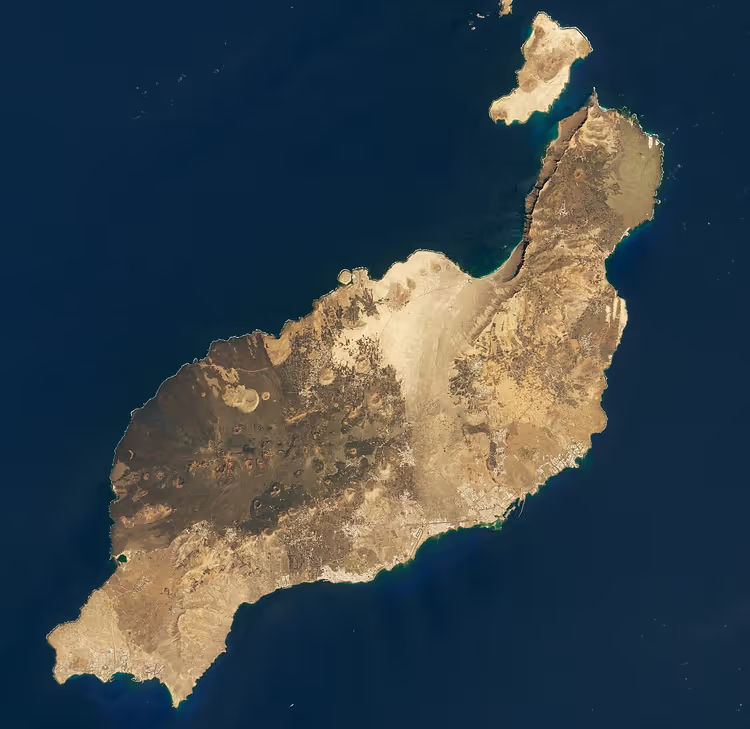
Lanzarote, the fourth-largest island of the Canary archipelago, is almost devoid of the usual greenery. It is home to hundreds of extinct volcanoes, and fields of solidified lava reach all the way to the coast. The landscapes resemble lunar ones, and for that alone the island is worth a separate trip.
The northern part is better suited for a family vacation. There are several cozy coves there, sheltered by rocks, with gentle entry and calm water. The beaches are covered with sand of different colors, from white to black. The waves here are weaker than on open shores, so swimming with toddlers is easier.
The island's activities are tied to nature. Water parks, botanical gardens, and nature reserves are open, and hiking trails lead to mountain peaks with panoramic views. In the lava cave with six-kilometer galleries, it is cool even in the heat, so schedule that excursion for midday. Bring comfortable shoes: the ground is rocky almost everywhere.
- The catch: the shores are often rocky, and calm coves with gentle entry are mostly in the north.
4. Costa Brava
 © Txllxt TxllxT · CC BY-SAPhoto: Txllxt TxllxT, CC BY-SA (https://creativecommons.org/licenses/by-sa/4.0), Wikimedia Commons
Costa Brava, the rocky coast of Catalonia, starts an hour's drive from Barcelona. Sheer cliffs, pine groves, and emerald coves create the scenery people come here for. The coastline is heavily indented, so even in high season you can find a quiet spot.
Small towns with promenades, hotels, and restaurants line the coast. Families with children will like Blanes: a calm atmosphere, well-equipped beaches, and proximity to Barcelona. From Blanes it's easy to take a day trip to the city and be back by dinner.
There's plenty of entertainment for kids: playgrounds, water attractions, parks with carousels, and botanical gardens. In the evening it's pleasant to stroll along the promenade, where cafes and shops stay open. The beaches here are sandy and pebbly, and the water is clear. Bring water shoes if your child doesn't like stones underfoot.
- The catch: in high season the coast gets crowded with tourists, and some beaches are pebbly.
Costa Brava hotels on Trip.com
5. Costa Dorada
 © Elena Martinez Chacon · CC BY-SAPhoto: Elena Martinez Chacon, CC BY-SA (https://creativecommons.org/licenses/by-sa/3.0/es/deed.en), Wikimedia Commons
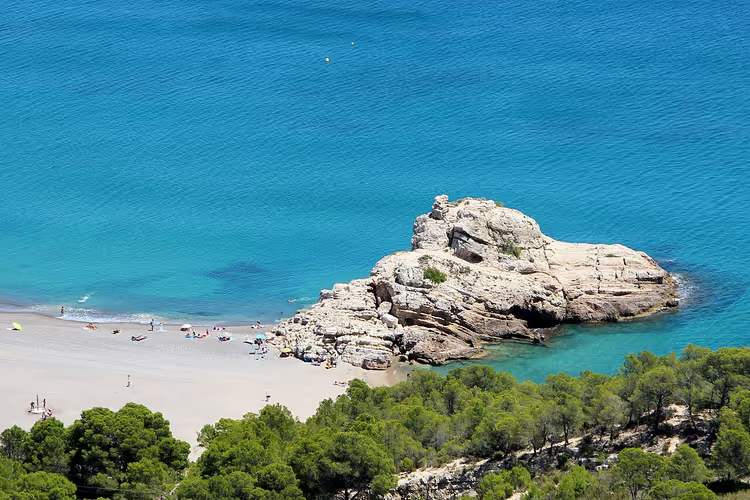
Costa Dorada, the southern coast of Catalonia, is known for its golden sand and shallow bays. Mountains shield the coast from cold winds, so the sun shines here almost year-round. Fishing villages sit alongside hotels, restaurants, and quiet coves.
The coast's main family resort is Salou. It has long sandy beaches, a gentle entry into the sea, and playgrounds along the shore. The central promenade is decorated with fountains and flower-lined walkways, and cafes stay open in the evenings. The streets are planted with tall palm trees, whose shade offers a welcome break.
The main reason to come here with kids is PortAventura park. It brings together carousels, roller coasters, and shows for all ages, so plan at least a full day for the park. A water park and boat trips round out the itinerary. Evenings on the promenade are cool, so bring light jackets for the kids.
- The catch: in summer the coast is hot and crowded, especially in Salou.
Costa Dorada hotels on Trip.com
6. Costa del Maresme
 © Azsuzs · CC BY-SAPhoto: Azsuzs, CC BY-SA (https://creativecommons.org/licenses/by-sa/4.0), Wikimedia Commons
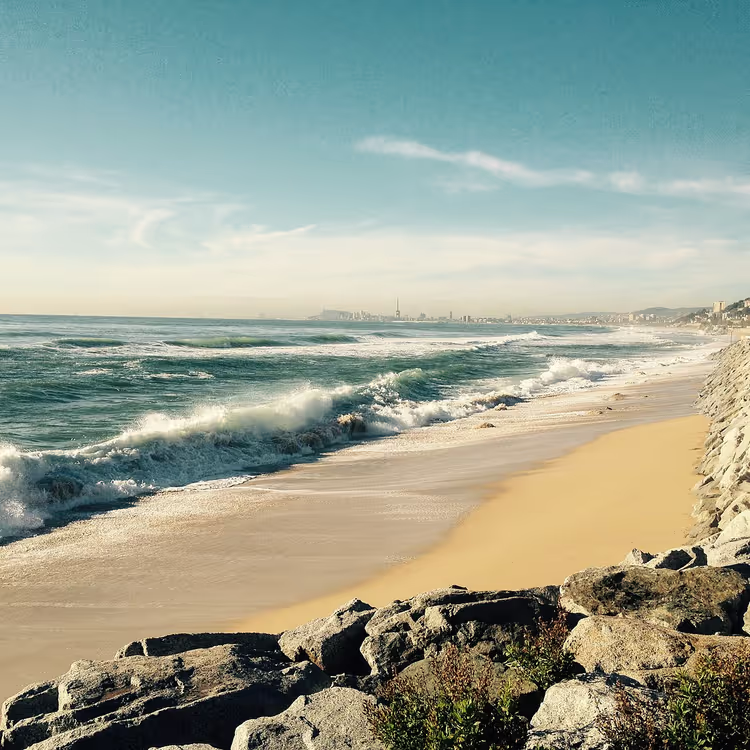
Costa del Maresme stretches north of Barcelona and is considered one of the calmest coastlines in Catalonia. The sun shines here most of the year. The beaches have golden sand and azure water.
The ideal family town is Santa Susanna. The resort is surrounded by pine forests, with hotels, shopping centers, and restaurants within walking distance. The coast has playgrounds, and you can rent pedal boats, boats, and water skis. The water near the shore is shallow and calm, which is convenient for toddlers.
The historic part of the resort sits on the hills. Seventeenth-century houses, a watchtower, and a restored castle survive here. A mineral water spring flows in the parks. After lunch, stroll in the shade of the pines. The beaches here are short, so it's best to claim a spot by the water in the morning.
- The catch: the coastline is narrow, and the beaches are shorter than in southern Spain.
Costa del Maresme hotels on Trip.com
7. Costa Blanca
 © Diego Delso · CC BY-SAPhoto: Diego Delso, CC BY-SA (https://creativecommons.org/licenses/by-sa/3.0), Wikimedia Commons
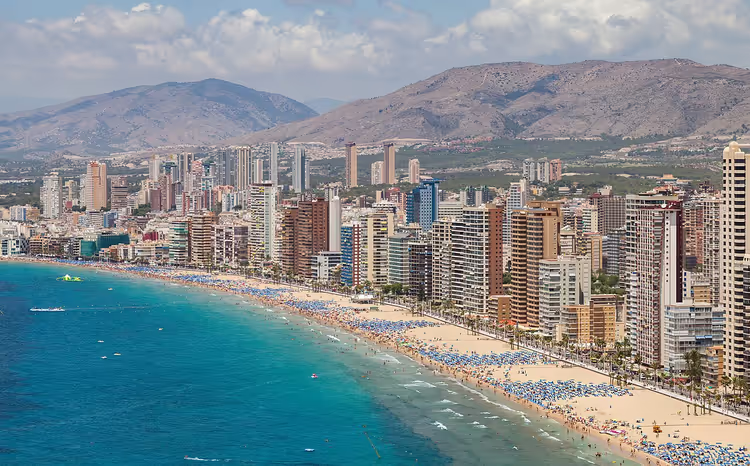
Costa Blanca, the coast of Alicante province, is known for its white sand and warm sea. Palm, olive and orange groves, white cliffs and evergreen valleys form a gentle southern landscape. Mountains block cold air masses, so the climate here stays mild almost all year round.
The coast's most famous resort, Benidorm, surprises visitors with high-rise buildings right by the sea. The beaches regularly receive the Blue Flag: sand and water pass strict inspections. The promenade is wide, with a smooth surface, making it ideal for stroller walks.
The infrastructure is designed for families. There are water parks, zoos, nature reserves and botanical gardens, and the avenues lined with tropical trees offer easy shelter from the sun. Hotels of various star ratings sit next to bars and cafes, so dinner never requires a long trip. In the evening the promenade is busy but relaxed.
- The catch: in Benidorm, high-rise buildings block part of the sea view.
Costa Blanca hotels on Trip.com
8. Costa Tropical
 © Feranza · CC BY-SAPhoto: Feranza, CC BY-SA (https://creativecommons.org/licenses/by-sa/3.0), Wikimedia Commons
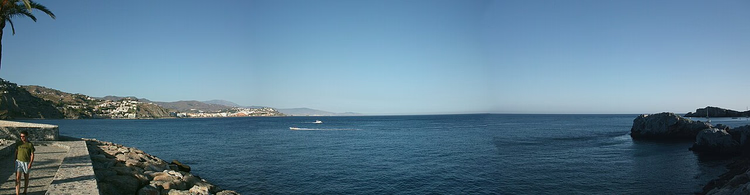
Costa Tropical, the coast of Granada province, lies between the sea and the mountains. The Sierra Nevada range protects the shore from northern winds and summer heat, so the climate here is mild almost all year round, with an average annual temperature around twenty degrees Celsius.
The resorts suit families who want a quiet vacation without crowds. The beaches are wide and well equipped, with loungers, shade canopies and changing rooms. Quiet coves alternate with rocky cliffs and tropical plant plantations. At the center of the coast stands Salobrena, with first-class beaches and monuments of Moorish architecture, and traces of the Arab period remain visible on its streets.
- The catch: the coast is rockier and less developed than Costa del Sol.
Costa Tropical hotels on Trip.com
9. Costa del Sol
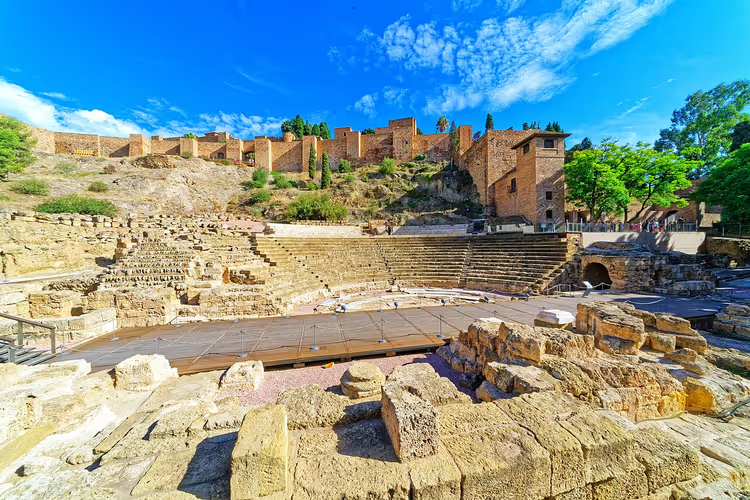 © Holger Uwe Schmitt · CC BY-SAPhoto: Holger Uwe Schmitt, CC BY-SA (https://creativecommons.org/licenses/by-sa/4.0), Wikimedia Commons
Costa del Sol, Spain's southernmost and hottest coast, belongs to Malaga province. It has coarse sand, rocky coves and a dry climate. The sun shines almost three hundred days a year, and many beaches carry an environmental quality label.
For a family vacation, the coast works well thanks to its long season and dense hotel base. The resorts of Torremolinos, Benalmadena and Nerja offer green streets, well-kept promenades and hotels of various star ratings. Each town has its own lineup: water parks, play centers, dolphinariums and amusement parks. It is hot during the day, so plan excursions for the morning and leave swimming for the evening.
- The catch: in July and August the heat is intense, and walking during the day is difficult.
Costa del Sol hotels on Trip.com
10. Costa del Garraf
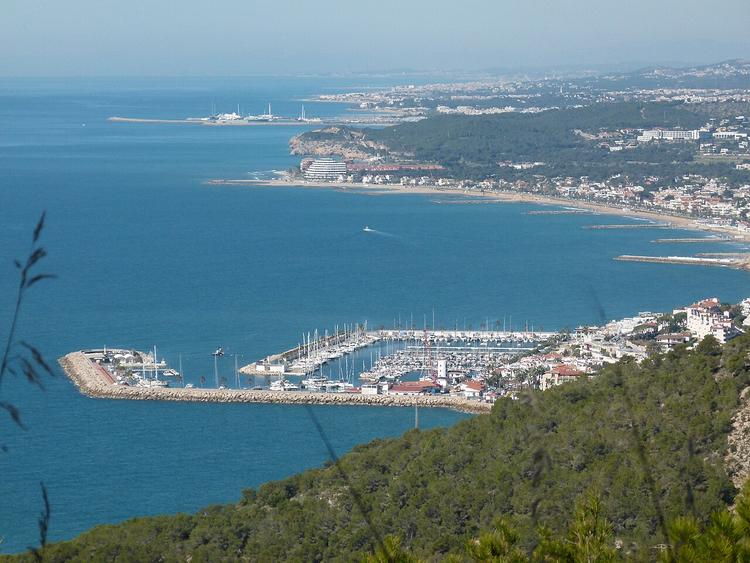
Costa del Garraf, a short stretch of coast half an hour from Barcelona, is framed by a hilly ridge. The terrain creates picturesque, intimate coves, and sandy beaches alternate with quiet villages. The resort suits those who want to combine the sea with trips into the city.
 © Pere López Brosa · CC BY-SAPhoto: Pere López Brosa, CC BY-SA (https://creativecommons.org/licenses/by-sa/4.0), Wikimedia Commons
The coast's main town, Sitges, has preserved palaces, churches and medieval-looking streets. The modern part is built up with hotels, boutiques and restaurants. The beaches have a gentle slope and hold an international quality label, so swimming with children here feels safe. During the day you can rent a yacht, and from the town it is easy to reach Barcelona and return by evening.
The coast is short, so everything you need is close by: the beach, the hotel and the town center. A suburban train runs between Sitges and Barcelona, so you do not need a car for this trip. For children there are playgrounds and calm stretches of water near the shore. In the evening, restaurants with sea views open in the old town. A morning walk through the cobbled streets takes about an hour, and then you can return to the beach. Buy train tickets from the machine at the station, it is cheaper than a taxi.
- The catch: Sitges is popular at night too, and the center can get noisy.
Costa del Garraf hotels on Trip.com
11. Costa de la Luz
 © Emilio J. Rodríguez Posada · CC BY-SAPhoto: Emilio J. Rodríguez Posada, CC BY-SA (https://creativecommons.org/licenses/by-sa/2.0), Wikimedia Commons
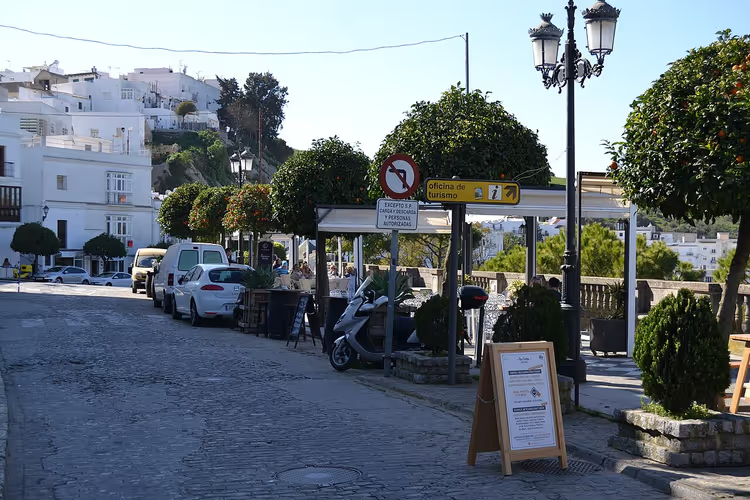
Costa de la Luz, the Atlantic coast of Andalusia, borders Portugal. There are no crowds here, but there are long golden beaches, pine forests, and wild dunes. The Atlantic brings cooler air, so the heat is easier to bear than on the Mediterranean.
The region suits families who value peace and quiet. The shores are gently sloping, with breakwaters, so swimming with children is calm, and rental shops have gear for water sports. The towns sit on low green hills. The typical Andalusian town of Chiclana de la Frontera preserves white houses with red tile roofs and traces of Moorish history.
In the evening by the ocean, you will want a light sweater even in July. But the water is clean, and the beaches are wider than in the east of the country. From the hills you get a view of the ocean. For dinner, look for fish restaurants near the port. The beaches here are rarely crowded, and you will find a lounger and umbrella without a fight. Kids will love the shallow lagoons, which stay warm longer than the open ocean.
- The catch: windier than the Mediterranean, and noticeably fewer entertainment options.
Hotels in Costa de la Luz on Trip.com
12. Lloret de Mar
 © Xavigivax · CC BY-SAPhoto: Xavigivax, CC BY-SA (https://creativecommons.org/licenses/by-sa/3.0), Wikimedia Commons
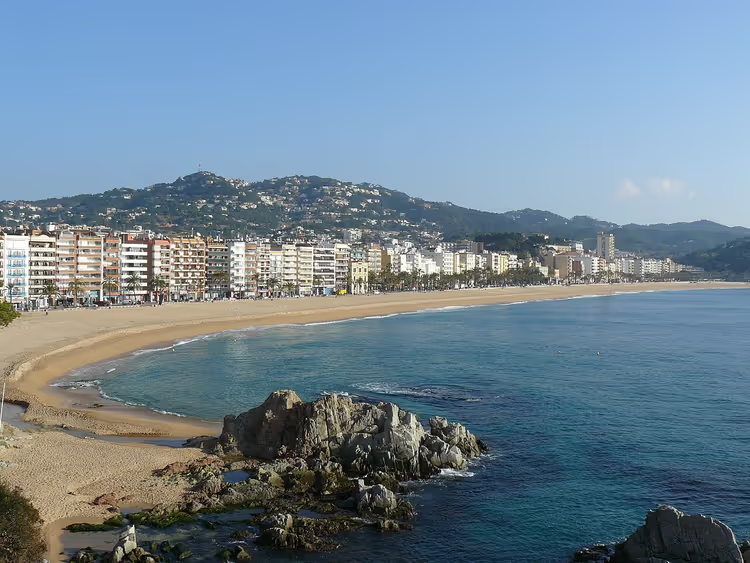
Lloret de Mar, the most famous resort on the Costa Brava, has come a long way over a thousand years from a small village to a major tourist center. Pine-covered cliffs divide the shore into cozy coves. The beaches here have coarse sand and clean water, and the hills protect them from wind and currents.
Along the palm-lined promenade there are hotels, bars, and restaurants, and in summer there are festivals, carnivals, and concerts. For active travelers there is a water park, a botanical garden, a cat museum, fishing, and yacht trips. For families, we recommend the northern areas: they are quieter and have no nightclubs. You can walk to the beach from any hotel.
- The catch: the central part of the resort is noisy because of the clubs, so choose the north.
Hotels in Lloret de Mar on Trip.com
13. Ibiza
 © anibal amaro · CC BYPhoto: anibal amaro, CC BY (https://creativecommons.org/licenses/by/3.0), Wikimedia Commons
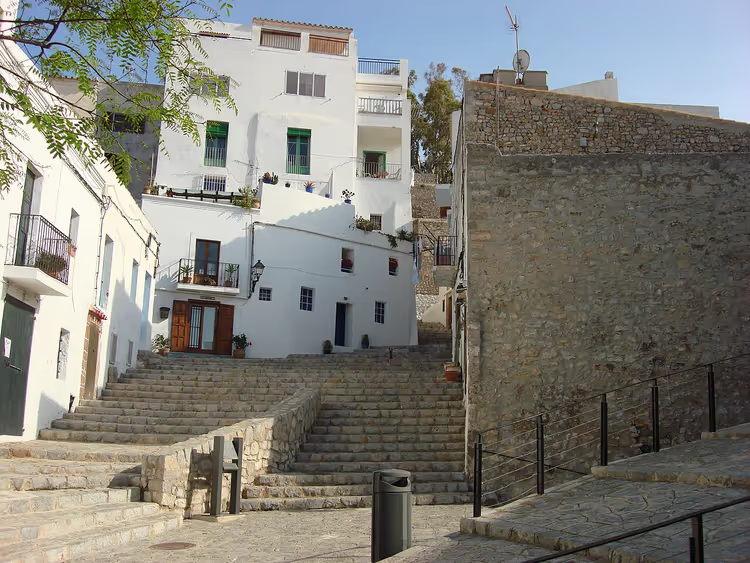
Ibiza, the third largest island in the Balearic archipelago, is known as the nightlife capital of Europe. It is also comfortable with kids: azure water, pine groves, and cliffs make the island beautiful at any time. Quiet beaches are easy to find away from the clubs.
The hotel base is large, and there are family-friendly complexes. For children there are water parks with pools and slides, and amusement parks with carousels and playgrounds. During the day the resort looks completely different than at night. The capital has preserved fortress walls, old houses, and cobbled streets that remember past eras.
Beach time is easy to alternate with walks along pine trails and viewpoints. In the morning the water is calmer, so with little ones it is better to come before noon. The northern part of the island is noticeably quieter than the capital. Book a car in advance: in summer there are fewer available cars. The ferry to Formentera takes about half an hour, so the islands are easy to combine in one trip. The beaches on the north side have fewer people, but the water is cooler.
- The catch: high prices and loud nightlife in the island's capital.
14. Mallorca
 © Pierre Markuse from Hamm, Germany · CC BYPhoto: Pierre Markuse from Hamm, Germany, CC BY (https://creativecommons.org/licenses/by/2.0), Wikimedia Commons
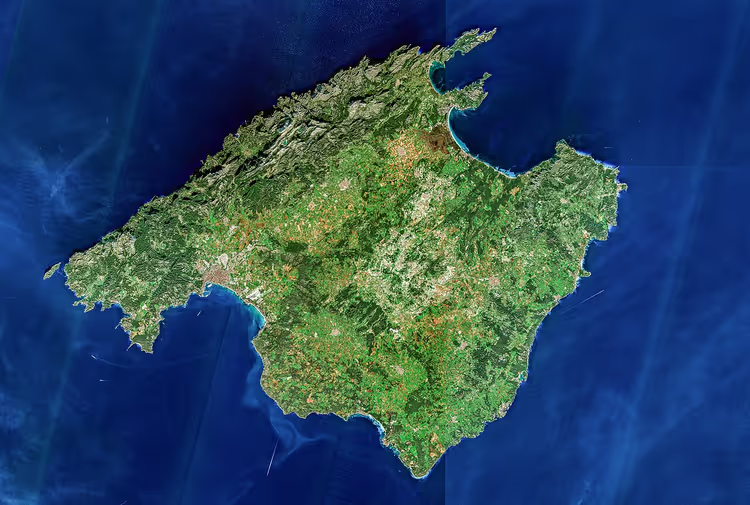
Mallorca, the largest island in the Balearic archipelago, welcomes millions of tourists every year. There is room for everyone: white-sand beaches, coves, olive groves, and pine forests. The island's infrastructure is considered one of the best in the Mediterranean.
The capital, Palma de Mallorca, the island's main city, is proud of its historic buildings. The narrow streets are pleasant to walk with children, and the seafront boulevard with colored tiles is lined with shops, museums, and cafes. Among the sights, the Gothic La Seu Cathedral, the Almudaina Palace, and Bellver Castle stand out. For beach time, the coves in the east and north are a good fit: the water there is clear and calm.
- The catch: in peak season the beaches are packed, and the capital is expensive.
Hotels in Mallorca on Trip.com
15. Menorca
 © Ben Salter from Wales · CC BYPhoto: Ben Salter from Wales, CC BY (https://creativecommons.org/licenses/by/2.0), Wikimedia Commons
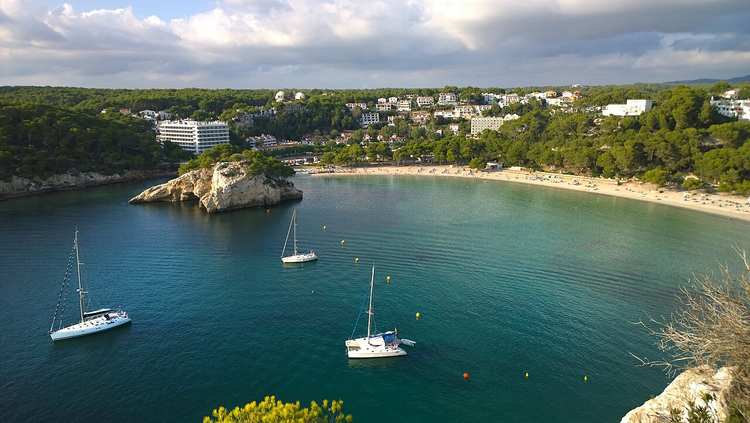
Menorca, an island in the Balearic archipelago, lives at an unhurried pace. The entire territory has been declared a UNESCO biosphere reserve, so development is limited here and the shores remain wild and clean. The landscapes are full of contrast: meadows, hills, cliffs, and rocky stretches alternate with one another.
The island's main asset is its secluded coves. Cliffs protect them from the waves, so swimming with children is calm. There are few hotels, mostly small buildings with green courtyards. Family resorts include Mahon, Ciutadella, and Sant Lluis. Kids will enjoy the water parks, zoos, and amusement parks, while adults will find the old fortresses, caves with rock paintings, and lighthouses interesting. Getting to the coves without a rental car is difficult.
- The catch: there are few direct flights; travelers often fly through Mallorca or Barcelona.
16. San Sebastian
 © Keta · CC BY-SAPhoto: Keta, CC BY-SA (https://creativecommons.org/licenses/by-sa/2.5), Wikimedia Commons
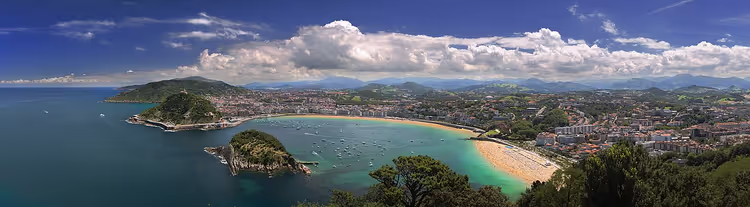
San Sebastian sits in northern Spain on the Bay of Biscay, half an hour from the French border. The city is known for its elegant buildings, green boulevards, and a wide beach along the promenade. Pine forests on the hills add contrast to the scenery.
The main stroll runs along the promenade around the bay. The beach is spacious, with playgrounds and water attractions, and a small island is visible in the center of the bay. The water in the bay is cool, but the shore is protected from waves. Fountains surrounded by sculptures play in the squares, and historic buildings and basilicas recall the city's aristocratic past.
- The catch: swimming is comfortable only in summer; the water in the Bay of Biscay is cool.
San Sebastian hotels on Trip.com
17. Formentera
 © Fabian Hurst · CC BY-SAPhoto: Fabian Hurst, CC BY-SA (https://creativecommons.org/licenses/by-sa/4.0), Wikimedia Commons
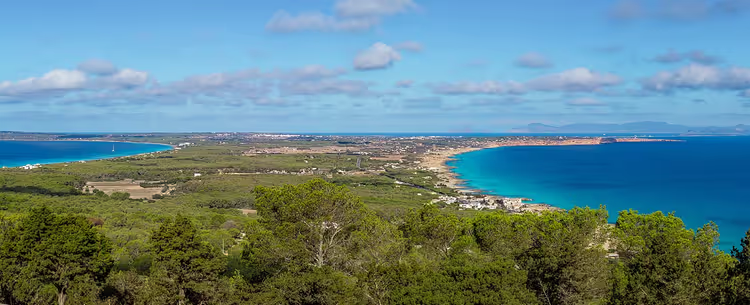
Formentera, a tiny island south of Ibiza, lives at a measured pace. The island is about twenty kilometers long, and the water is so clear you can see the bottom. Its azure color comes from underwater meadows of Posidonia seagrass. There are no high-rise hotels here, so the horizon stays clean.
The island's resorts suit families with any kind of request. Well-kept white-sand beaches are equipped with loungers and shade canopies, and the water is calm. Snorkeling, kayaking, sailing, and pedal boats are available on the sea. An old lighthouse and a windmill stand on the cliff near the village of La Mola, and a medieval basilica survives in the main town. Book accommodation in advance: there are few hotels.
- The catch: there are few hotels, and lodging gets snapped up quickly in season.
When to go to Spain with kids
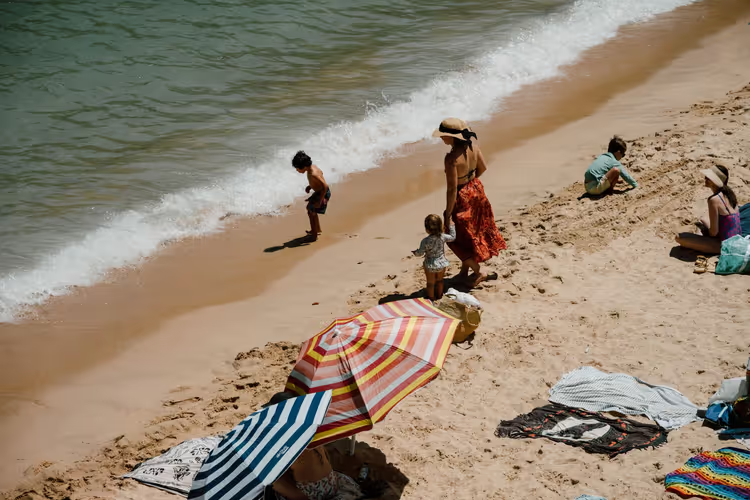
Spain welcomes tourists year-round, but the best season for a trip with children runs from May through September. In the Canary Islands, the swimming season never stops, even in winter.
For families, the small things matter: shade, lifeguards, and nearby cafes. In resort towns, all of this is usually right by the shore.
Spain resorts for family vacations on the map
All seventeen resorts are marked on the map. This makes it easier to gauge the distances between the islands and the mainland coasts.
Spain's Resorts for a Family Holiday with Kids
Places on the map
- 1Tenerife Warm all year round, the family districts of Las Américas and Los Cristianos
- 2Gran Canaria The Maspalomas dunes and water parks for all ages
- 3Lanzarote Volcanic landscapes, secluded coves in the north of the island
- 4Costa Brava Rocky coast of Catalonia, family-friendly Blanes
- 5Costa Dorada PortAventura theme park and the family resort of Salou
- 6Costa del Maresme Quiet coast north of Barcelona, the resort of Santa Susanna
- 7Costa Blanca White sand of Alicante province, the resort of Benidorm
- 8Costa Tropical Granada's coast sheltered by the Sierra Nevada, Salobreña
- 9Costa del Sol The southernmost coast, Torremolinos and Benalmádena
- 10Costa del Garraf Intimate coves half an hour from Barcelona, the resort of Sitges
- 11Costa de la Luz Atlantic coast of Andalusia, quiet beaches
- 12Lloret de Mar A major Costa Brava resort, quiet northern areas
- 13Ibiza Nightlife capital with quiet family beaches
- 14Mallorca The capital Palma de Mallorca and coves in the east of the island
- 15Menorca UNESCO biosphere reserve, secluded coves
- 16San Sebastián A city on the Bay of Biscay with a wide beach along the promenade
- 17Formentera Clear water and white sand south of Ibiza
⁉️🤔 Frequently asked questions
Where in Spain can you swim year-round?
You can swim year-round in the Canary Islands. Tenerife, Gran Canaria, and Lanzarote lie closer to Africa, so the water stays acceptable even in winter. On the mainland, the season is shorter: the sea warms up from May through September. For families with toddlers, choose the south of Tenerife or Gran Canaria, where there are fewer waves and more sun.
Which resort should you choose for a first vacation with kids?
Start with Tenerife or the Costa Brava. The island offers stable weather and ready-made infrastructure, while the Catalan coast wins with a short flight and proximity to Barcelona. If you want quiet, look at Formentera or the Costa de la Luz. Both options are convenient for a first trip with a child.
Do you need a car for a family vacation in Spain?
At resorts, you can often manage without one: hotels are close to the beach, cafes, and shops. A car is useful on Mallorca, Menorca, and Formentera, where beaches are scattered across the island. In cities, parking is paid, so budget for it in advance. For short trips, a bus or taxi is enough.
When is the best time to go to Spain with kids?
The optimal period runs from May through September: the air is moderately warm, the sea is warm, and school holidays coincide with the season. In July and August, the south is very hot, so plan excursions for the morning. In the Canary Islands, vacationing is comfortable in any month of the year.
What should you take to the beach in Spain?
Take hats, sunscreen, and water: in the south, the sun is strong even on a cloudy day. For toddlers, armbands and an inflatable ring will come in handy. A beach towel and a sun umbrella are also useful. Many beaches have lifeguards, but you still need to watch your children yourself.
In short: what to book
If you want a stable climate and winter swimming, choose Tenerife or Gran Canaria. For a short flight and trips to Barcelona, the Costa Brava and Costa del Maresme are a good fit. For families with toddlers, we recommend the quiet coves of Formentera and Menorca, and for entertainment lovers: the Costa Dorada and Salou.
Hotels in resort areas get booked up well in advance, so reserve your accommodation several months before the trip. Finding a hotel on Trip.com is convenient by dates: you can see prices and reviews there. Book your airport transfer in advance so you don't have to look for a car with kids after the flight.

A small editorial team writing guides for independent travel. We travel ourselves, but we haven’t been everywhere, so we check prices, opening hours and how to get there against official sources.