
















Resorts of Spain: 17 destinations and the best season to visit
Choosing among 17 destinations is not easy: some people go for Ibiza's nightlife, others for Menorca's quiet. Families look for a gentle slope into the sea, while couples seek secluded coves. A wrong choice costs a lot: a week at a club will wear you out, and a deserted cove will get boring.
This guide is based on official data. In 2026, Spain once again became the world leader in Blue Flag beaches: 677 beaches received the award (as of 05/2026, ADEAC association). Below, all 17 destinations are broken down by type of vacation and season.
You will understand where to catch waves, where to party until morning, and where to relax with kids.
Ad: this article contains affiliate links, we earn a commission if you book through them, at no extra cost to you.
How to choose a resort in Spain
💡 In short:
- Decide why you are going: beach, nightlife, family, or a quiet getaway.
- Match the destination to the season: the south and the islands are comfortable from May through October, while the north is milder in summer.
- Beaches and season: 09/2026, verified on the official website of the Spanish tourism office.
Our picks for different trips:
Goal | Destination | Why |
|---|---|---|
Most beaches | Costa Blanca | Record for Blue Flags and sunshine |
Balearics | Mallorca and Menorca | Two neighboring islands with different rhythms |
Warm in winter | Tenerife | Mild weather year-round |
Family vacation | Costa Blanca and Tenerife | Gentle slope into the sea and entertainment |
Nightlife | Ibiza and Benidorm | Clubs and festivals |
Food | San Sebastian | Fine dining and seafood |
Below, we break down each destination separately. That makes it easier to match it with your vacation scenario.
1. Ibiza
 © JetCamp.com from Delft, The Netherlands · CC BYPhoto: JetCamp.com from Delft, The Netherlands, CC BY (https://creativecommons.org/licenses/by/2.0), Wikimedia Commons
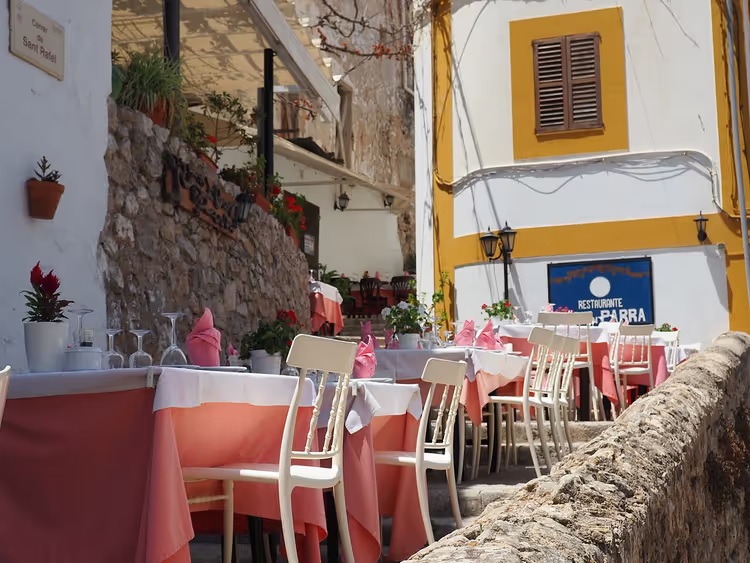
Ibiza holds its reputation as Europe's club capital. The center of nightlife is Sant Antoni, where well-off young Brits go, and the club season falls in summer. Prices here during this period are among the highest in the Mediterranean, and that does not put everyone off.
Behind the neon signs, it is easy to miss the other Ibiza. The old part of town has preserved its medieval buildings, and beyond the city limits begins a world of defensive towers and deep grottoes. In the north of the island, you will find secluded coves with clear water, where families and couples relax in peace.
- Who it's for: couples and groups who want beaches and nightlife.
- Not for: those looking for quiet and low prices in July and August.
- The catch: in high season, hotels get more expensive, and parties in Sant Antoni can be heard until morning. Hotels in Ibiza on Trip.com
2. Mallorca
 © Pierre Markuse from Hamm, Germany · CC BYPhoto: Pierre Markuse from Hamm, Germany, CC BY (https://creativecommons.org/licenses/by/2.0), Wikimedia Commons
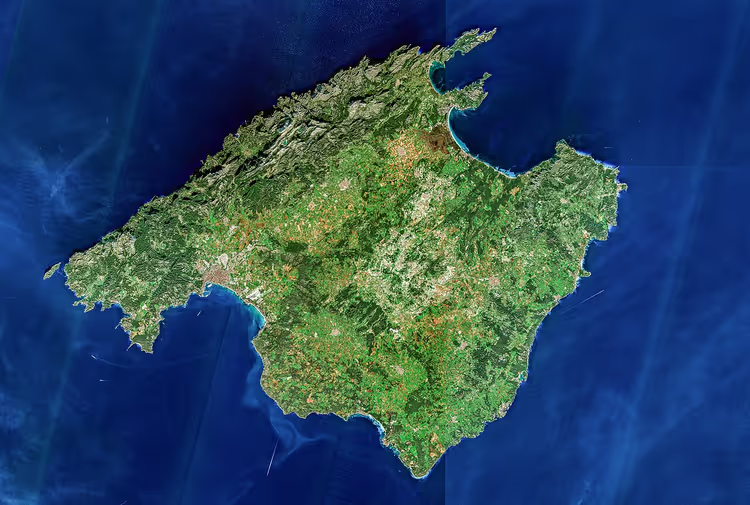
Mallorca is the liveliest island in the Balearic archipelago. In high season, both celebrities and families vacation here, so the resorts are packed to the brim. The farther you go from the coast into the island's interior, the lower the prices and the fewer tourists around.
The nature here is diverse: cliffs for climbing, reefs for diving, and long sandy beaches. For a family vacation, Cala d'Or with its cozy little coves is a good fit. Young people choose s'Arenal with its club scene and affordable prices, while those seeking quiet nature should head to Paguera.
- Who it's for: families, couples, and active vacation lovers.
- Not for: those who dislike crowds.
- The catch: in July and August, the main resorts are very crowded. Hotels in Mallorca on Trip.com
3. Menorca
 © SentinelHub · CC BYPhoto: SentinelHub, CC BY (https://creativecommons.org/licenses/by/2.0), Wikimedia Commons
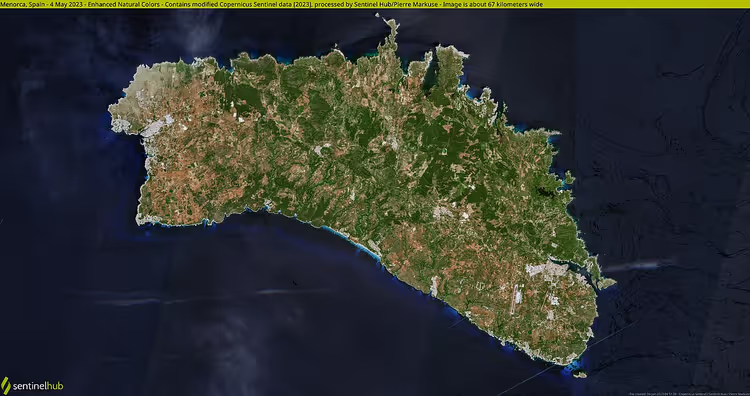
Menorca is the second-largest island in the Balearic archipelago, and its character is very different from Mallorca. It is called the island of lights and winds: the Phoenicians told of strange lights on its steep shores, and this mystery remains unsolved to this day.
The island is among the most expensive resort areas in Spain, but you will not see giant hotel complexes here. The territory is a designated biosphere reserve, so high-rise construction is banned, and house walls are painted white. Even in high season, Menorca is calmer than Mallorca, and people come here for a laid-back vacation.
- Who it's for: couples and travelers who value quiet and nature.
- Not for: fans of loud parties and large hotels.
- The catch: prices are above the Spanish average, and there is less entertainment. Hotels in Menorca on Trip.com
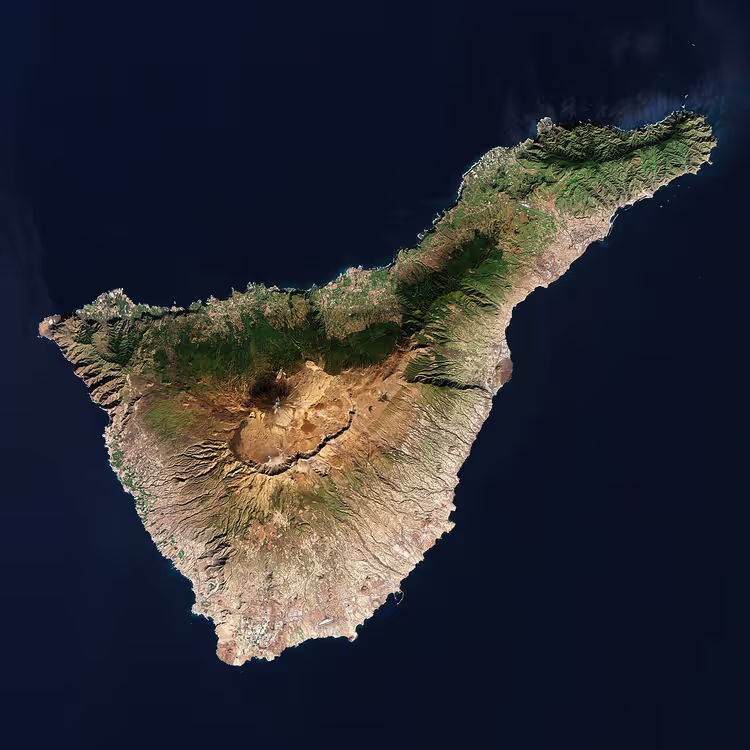
4. Tenerife
 © European Space Agency · CC BY-SAPhoto: European Space Agency, CC BY-SA (https://creativecommons.org/licenses/by-sa/3.0/igo/deed.en), Wikimedia Commons
Tenerife is the largest island in the Canary archipelago. A vacation here has long become a classic, because there is entertainment for every taste. Families will like Puerto de la Cruz, while those who want to dance until morning should head to Costa Adeje.
The island's climate is mild year-round. The average temperature stays around 22 °C, and the sun shines more than 3,000 hours a year (according to the Spanish tourism office). Windy beaches attract surfers, while calm lagoons are favored by divers. With kids, check out Loro Parque: it has a water park, an old botanical garden, and a zoo.
- Who it's for: families, surfers, and anyone who wants warmth in winter.
- Not for: those who expect only beaches from the island.
- The catch: in the south during high season, the beaches are overcrowded. Hotels in Tenerife on Trip.com
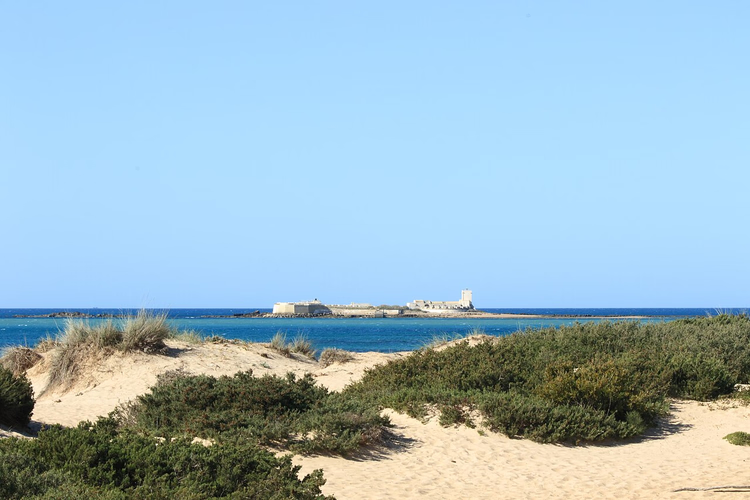
5. Costa del Sol
 © PEPE GADEIRAS · CC BY-SAPhoto: PEPE GADEIRAS, CC BY-SA (https://creativecommons.org/licenses/by-sa/4.0), Wikimedia Commons
Costa del Sol, or the "Sun Coast," has long been a favorite of celebrities and athletes, who build villas here. The waterfronts are always busy: the marinas are packed with yachts, and beach discos run until morning.
Make an adjustment for the water. Because of Atlantic currents, the sea stays cool even in the heat, so lovers of warm water should look at other shores. Inland, you'll find Frigiliana in the mountains and the Nerja caves, and nearby there's a safari park with animals from every continent.
- Who it's for: nightlife and sightseeing enthusiasts.
- Not for: those coming for a warm sea.
- The catch: the water is cooler than at neighboring Mediterranean resorts. Hotels on the Costa del Sol on Trip.com
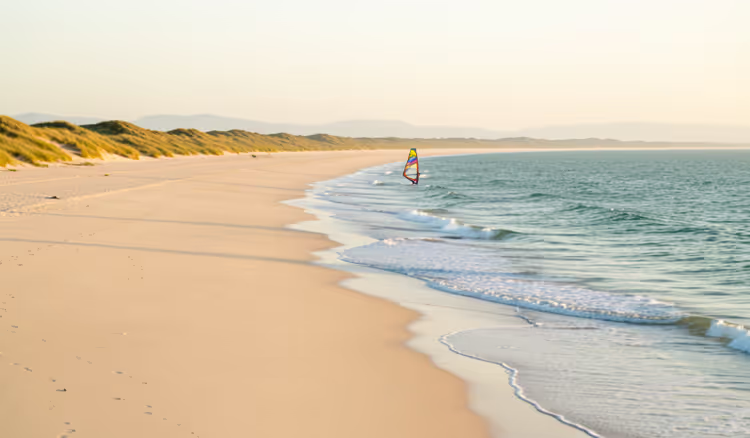
6. Costa de la Luz
 AIIllustrative image: AI-generated
The "Coast of Light" is washed by the Atlantic and borders Portugal. There's no round-the-clock bustle here: a vacation on the Costa de la Luz is unhurried and calm. The warm climate and wide open spaces attract windsurfers and sailors.
The beaches here are longer than on the Costa del Sol, the sand is finer and almost pure white. Many local beaches receive the Blue Flag every year. Plan your trip around the carnival: the festivities in Cadiz take place in February. The Rocío pilgrimage in Almonte brings together the best voices of Andalusia at Pentecost, in May or June.
- Who it's for: windsurfers, sailors, and lovers of a quiet vacation.
- Not for: those looking for club life.
- The catch: the ocean here is cooler than the Mediterranean. Hotels on the Costa de la Luz on Trip.com
7. Costa de Almería
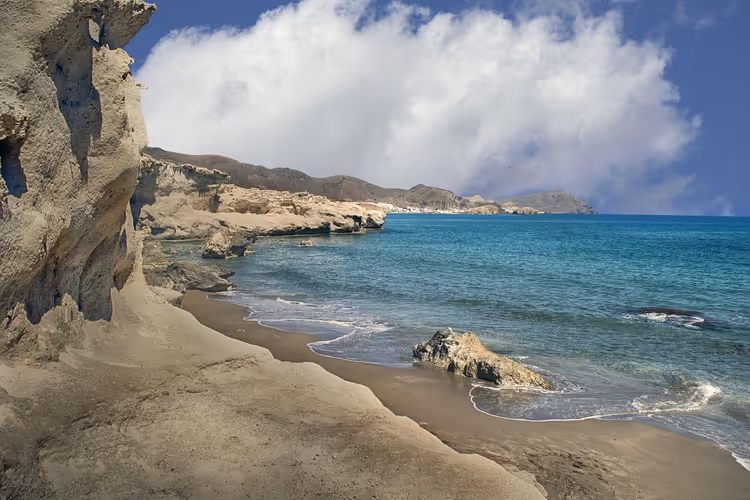
Costa de Almería belongs to Andalusia, so it combines beaches and architectural landmarks. The coast is often called "white": the cliffs sparkle in the sun and resemble a scattering of sugar. The resort is young, and the local hotel complexes were built relatively recently.
The center of tourism is the city of Almería, founded back in Roman times. Its port was called "the Great," and after the Arab conquest it became the "Mirror of the Sea." The second center, Mojácar, has preserved the look of rural Spain with narrow streets and a waterfront promenade. For a vacation with children, Roquetas de Mar is the best choice.
- Who it's for: families and those who combine beaches with sightseeing.
- Not for: those looking for a historic center right by the sea.
- The catch: the resort is young, so some areas are still being developed. Hotels on the Costa de Almería on Trip.com
8. Costa Blanca
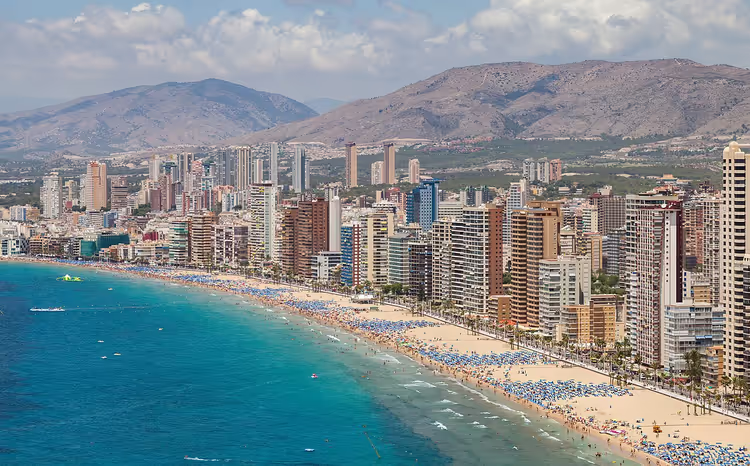 © Diego Delso · CC BY-SAPhoto: Diego Delso, CC BY-SA (https://creativecommons.org/licenses/by-sa/3.0), Wikimedia Commons
Competing with the White Coast on beach quality is nearly impossible. Costa Blanca holds the record for the most Blue Flag beaches and the most sunny days. Compared with Costa Dorada, it is cheaper and feels less crowded.
People come here for clean beaches, warm weather, and grottoes all along the coast. Ancient villages have kept their local character, and golfers will find well-maintained courses. The main resorts usually include Gandia along the Serpis River, Calpe with its old watchtower, Javea with its fruit orchards, and Villajoyosa with its August festivals.
- Who it's for: families with children and beach lovers.
- Not for: those who want to stroll through large historic cities.
- The catch: in high season, hotels and apartments get booked up well in advance. Costa Blanca hotels on Trip.com
9. Costa Brava
 © Green slash · CC BY-SAPhoto: Green slash, CC BY-SA (https://creativecommons.org/licenses/by-sa/3.0), Wikimedia Commons
Costa Brava means "Wild, rocky coast," and it is also called the "Coast of the Brave." It belongs to Catalonia, where traditions run deep and the sun shines almost all the time. The scenery here is genuinely impressive: green Pyrenees peaks, pine-covered slopes, and coves with white sand and pebbles.
These shores were settled by the ancient Greeks, Iberians, and Romans. Costa Brava resorts are all different from one another. Tossa de Mar has preserved fortresses and an old casino, Figueres is the city of the surrealist Dali, and Lloret de Mar is considered the most developed in terms of infrastructure. The coast stretches from Blanes almost to the French border, so on one trip you can see both quiet coves and lively resorts. Many beaches are reached by winding mountain roads, but the water near the shore stays crystal clear.
- Who it's for: couples, families, and nature lovers.
- Not for: those who want wide sandy beaches without rocks.
- The catch: beaches are often small and pebbly, and crowded in season. Costa Brava hotels on Trip.com
10. Costa Dorada
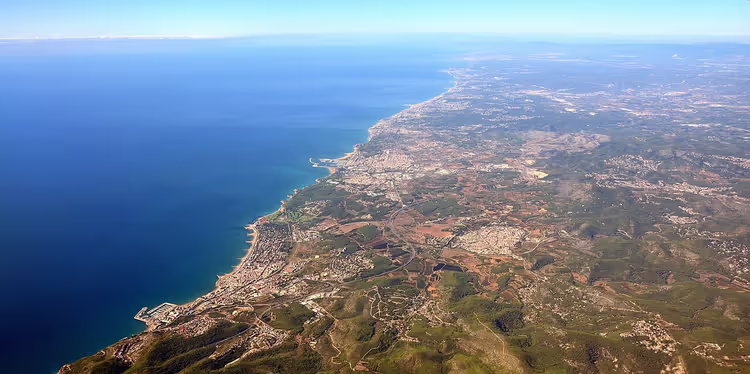 © Mike McBey · CC BYPhoto: Mike McBey, CC BY (https://creativecommons.org/licenses/by/2.0), Wikimedia Commons
Costa Dorada, or the "Golden Coast," stretches between the rice fields of the Ebro River and a chain of towns west of Barcelona. The beaches here have a golden tint that sets them apart from other Spanish coasts. For lively vacations, head to the central and western parts; for quiet, go to the Ebro area.
The main reason to come here with children is PortAventura World, one of the largest amusement parks in Europe. History lovers will enjoy Tarragona with its Roman ruins and medieval center. Nightlife is concentrated in Salou and La Pineda. Plan your park visit in advance: in high season it is better to buy tickets online so you don't have to wait in line at the ticket office.
- Who it's for: families with children and amusement park fans.
- Not for: those looking for secluded, unspoiled beaches.
- The catch: Salou gets very noisy in August. Costa Dorada hotels on Trip.com
11. Costa Verde
The Green Coast runs along the Atlantic and is considered one of the main resort areas of northern Spain. Fishing and surfing draw visitors from all over Europe. Trips usually start from the ancient port of Llanes, surrounded by picturesque villages.
The beaches at the mouth of the Villaviciosa estuary are famous among surfers. One of the region's oldest industrial cities is Gijon, next to which lies Costa Verde's main beach, San Lorenzo. For diving, head to Moniello beach with its brown sand; Concha de Artedo offers the best panoramas of the northern coast, while Cavedo has kept the charm of a small seaside town. Apple orchards come right up to the sandy shallows, so the landscape here is nothing like the southern resorts.
- Who it's for: surfers, anglers, and fans of a relaxed pace of travel.
- Not for: those coming for heat and a warm sea.
- The catch: the Atlantic water is cool even in summer. Hotels on the Costa Verde on Trip.com
12. Cantabria
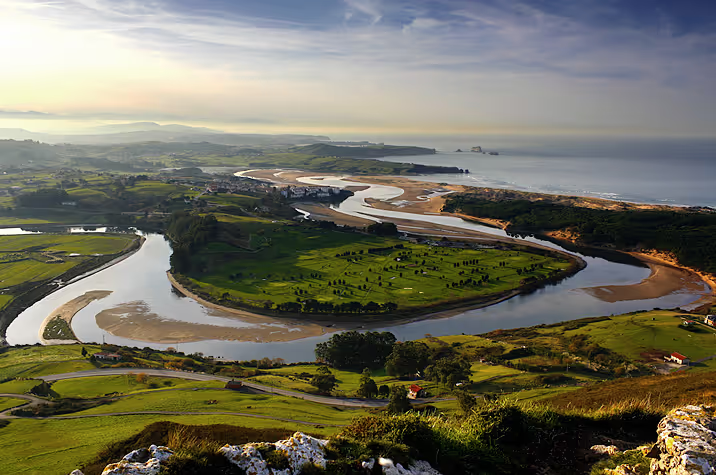 © David Sotelo · CC BYPhoto: David Sotelo, CC BY (https://creativecommons.org/licenses/by/2.0), Wikimedia Commons
Spaniards themselves call Cantabria the "Land of Joy." The region is small but surprisingly diverse: mountain ranges, fertile valleys, and bays follow one after another. A warm, dry wind called the surada blows here toward the coast.
Among the natural highlights is Picos de Europa National Park and the dune system at the mouth of the Pas River. Cantabria's wealth is its cultural landmarks, many of which are protected by UNESCO. The Altamira Cave with its ancient paintings is compared to the "Sistine Chapel" of the Stone Age, and the local settlements have preserved the Pasiego culture. The region's many faces surprise even those who are not visiting for the first time.
- Who it's for: nature, mountain, and archaeology lovers.
- Not for: those who want only a beach vacation.
- The catch: the swimming season starts later than in the south. Hotels in Cantabria on Trip.com
13. San Sebastian
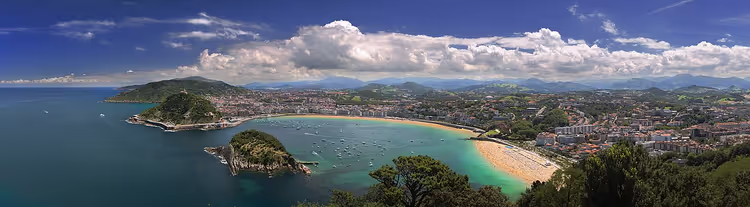 © Keta · CC BY-SAPhoto: Keta, CC BY-SA (https://creativecommons.org/licenses/by-sa/2.5), Wikimedia Commons
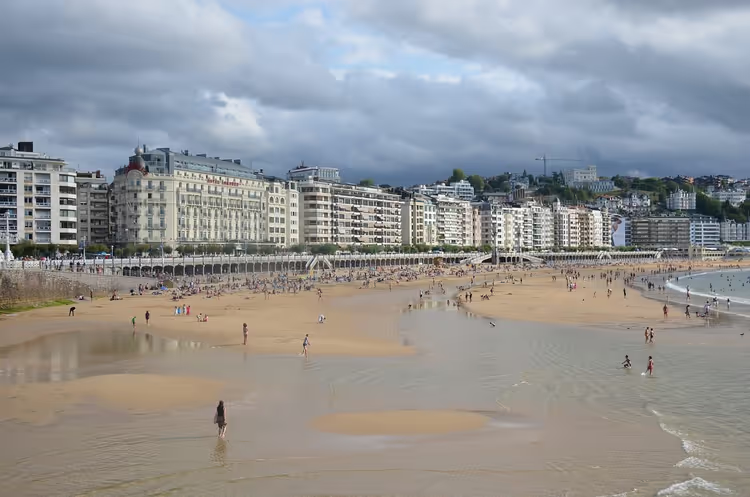
San Sebastian is the largest city in the Basque Country, which locals call Donostia. For a long time it remained a small fishing village and lived off its busy port, trading with France and England.
The city gained its reputation as a fashionable resort under the royal court and eventually became one of the most expensive cities in Spain. In return, the service here is high-end. Gastronomy has long been San Sebastian's calling card: local restaurants and bars serving pintxos compete in craftsmanship. The city is built around a convenient bay, with urban beaches stretching along it, so you can swim right in the center.
- Who it's for: foodies and couples willing to pay for a high level of service.
- Not for: those looking for an affordable beach vacation.
- The catch: hotel and dinner prices are among the highest in the country. Hotels in San Sebastian on Trip.com
14. Costa Tropical
The Tropical Coast lies close to Africa, so the climate here is noticeably warmer. Mountain ranges protect the coast from northern winds. Besides beaches, the region is interesting for its landmarks: Roman aqueducts, Arab "white towns," and Phoenician necropolises.
The province's main city is Granada, with the Generalife gardens, one of the country's most visited attractions. Salobrena has preserved the look of the Arab world, while Motril boasts the best beaches on the Costa Tropical and suits those who enjoy active travel. The proximity to Africa makes the water here warmer than on the country's other Mediterranean shores.
- Who it's for: lovers of warm seas and sightseeing routes.
- Not for: those who handle summer heat poorly.
- The catch: in July and August the heat is hard to bear. Hotels on the Costa Tropical on Trip.com
15. Benidorm
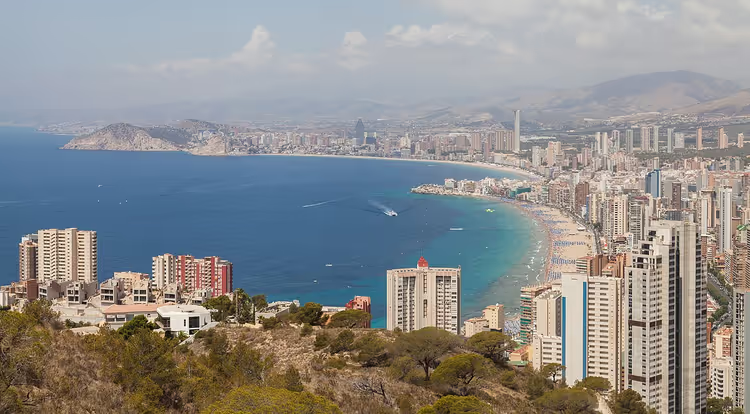 © Diego Delso · CC BY-SAPhoto: Diego Delso, CC BY-SA (https://creativecommons.org/licenses/by-sa/3.0), Wikimedia Commons
Benidorm grew out of an unremarkable fishing town and today is considered Spain's Las Vegas, only more compact. There is entertainment for every taste here: spearfishing, shopping, and ethnographic routes. The city is divided into historic and modern parts.
The old part has preserved neighborhoods with narrow streets where crowds of tourists struggle to pass each other. The city's main artery is the promenade with supermarkets, restaurants, and boutiques. Concerts and festivals, from food to music, often take place on the central Plaza de Toros.
- Who it's for: groups and fans of lively vacations.
- Not for: those looking for a quiet family resort.
- The catch: in season the promenade is always crowded. Hotels in Benidorm on Trip.com
16. Barcelona
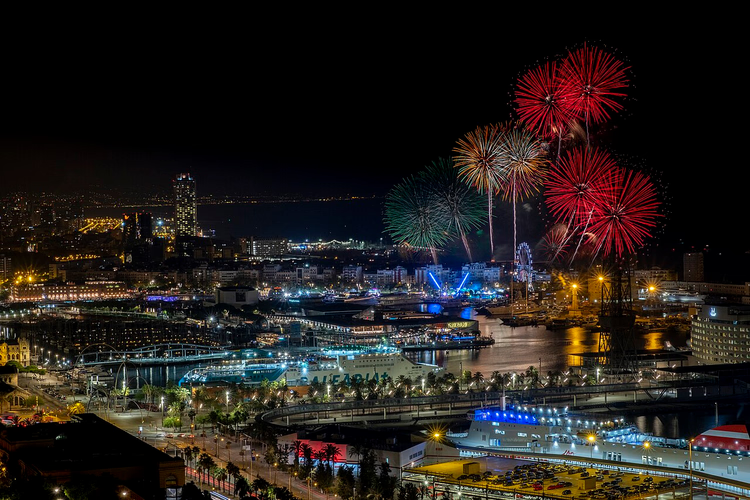 © Manel Subirats · CC BY-SAPhoto: Manel Subirats, CC BY-SA (https://creativecommons.org/licenses/by-sa/4.0), Wikimedia Commons
Barcelona is a proud, vibrant and loud city. Gaudí and Dalí worked here, and the city's energy is felt on every street. To touch history, you just need to step out of your hotel: almost every stone in the old part has its own legend.
The Gothic Quarter flows seamlessly into the regular grid of the new city, and there are so many museums that a week is not enough to see them all. The favorite beach of locals and tourists is Barceloneta, east of the center. Further along the coast are Icària and Mar Bella beaches. The resort town of Sitges lies southwest of Barcelona. From the old port to the Gothic Quarter is an easy walk, so you won't need a car in the center.
- Who it's for: lovers of cities, architecture and beaches in one place.
- Not for: those who want a quiet resort without a city.
- The catch: in summer the center is hot and very crowded. Barcelona hotels on Trip.com
17. La Manga del Mar Menor
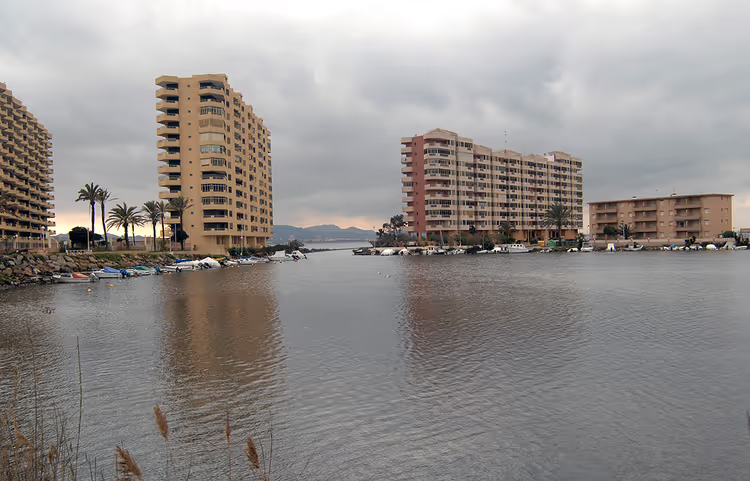 © V & A · CC BYPhoto: V & A, CC BY (https://creativecommons.org/licenses/by/3.0), Wikimedia Commons
La Manga del Mar Menor is usually shortened to La Manga. It's a narrow sandy spit in eastern Murcia: on both sides of you there is only sand and azure sea. The town separates the Mar Menor, one of Europe's largest lagoons, from the Mediterranean Sea, which is why La Manga is called a "two seas" resort.
The local beaches are considered some of the cleanest in Europe. There are almost no clearly defined beach zones here: it's endless golden stretches of sand. At Cabo de Palos you can rent snorkeling and diving gear, and Playa de Galúa beach is taken over by kitesurfers. There are few architectural landmarks, but the nature is impressive, and hiking trails run along the spit. The spit is so narrow that you can see the sea from both sides from almost anywhere in town.
- Who it's for: families, kitesurfers, and fans of long sandy beaches.
- Not for: those who come for history and architecture.
- The catch: getting around the spit without a car is inconvenient. La Manga hotels on Trip.com
Vacations with kids: what to choose
If you're traveling with kids, look at destinations with a mild climate and a gentle slope into the water. Barcelona works well thanks to its Mediterranean weather, clean beaches, and plenty of entertainment for any age. It's easy to keep kids busy here, even if the sea isn't the main focus.
The Costa Blanca has long been considered a children's health resort: the climate is milder than in the south, so young travelers handle the heat more easily. The catch is that finding an available room in high season is hard, so book in advance. The Costa Dorada suits active vacations: PortAventura World delights kids. And Tenerife adds a touch of the exotic: birds and animals, lemur encounters, and adventures in local parks will be remembered for a long time.
- Who it's for: families with kids of any age.
- The catch: seaside accommodation in July and August gets more expensive and sells out fast. Family vacation hotels on Trip.com
Resorts for young people
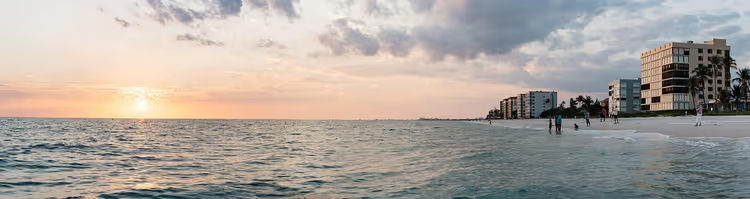
For young people, the main thing is nightlife, festivals, and entertainment. Benidorm on the Costa Blanca is considered the loudest: clubs here stay open until morning. The only place that can compete is Ibiza, Spain's club capital, where famous DJs come to play.
Lloret de Mar offers a different option: a visual arts festival and the popular Clon Festival, where young people are especially active participants. Magaluf leans into modern attractions: a house of wonders with mirror corridors, adventures on a pirate ship, and a large water park. Rounding out the top five is Salou, the region's gastronomic hub with PortAventura World nearby.
- Who it's for: groups of friends and young people coming for clubs and festivals.
- The catch: in season, accommodation prices rise and the noise doesn't stop at night. Hotels for a trip with friends on Trip.com
The best beaches in Spain
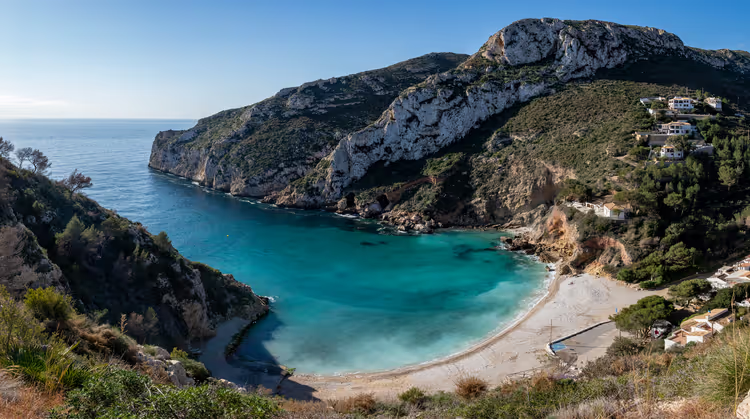
Spanish beaches have long become a brand of their own, and no wonder: people expect comfort and beautiful views from them. Aiguablava beach lies in the very heart of a bay next to a tiny village near Girona and is considered one of the best on the Costa Brava.
Granadella beach sits snugly in a small cove near Jávea. The cove is narrow, so the water here is clear, and colorful fish can be seen right from the rocks. Macarella beach impresses with its sand color, which has earned it the name blue tourmaline. And Bolonia is set among truly wild nature.
- Who it's for: those who choose a resort for a specific beach.
- The catch: in high season, popular coves are hard to reach by car.
When to go
High season for beach vacations in Spain runs from May through October. In the north of the country, the swimming season only starts by June. The tourist peak falls in July and August: finding an available hotel room is almost impossible if you haven't booked in advance.
June and September are usually more comfortable than July and August: the water is warm and there are fewer people. May is quiet too, but the sea is still cool. In the Canary Islands you can swim year-round. In winter, tourist life doesn't stop: ski resorts open. Before your trip, it's worth comparing insurance options, especially if you plan to rent a car.
⁉️🤔 Frequently asked questions
Which resort in Spain should you choose for a first beach vacation?
For a first trip, the Costa Blanca or Costa Dorada are good options. They have warm seas, developed infrastructure, and convenient access from Barcelona and Alicante airports. If you want warmth year-round, go with Tenerife.
Where is it warmest in Spain in winter?
In winter, the Canary Islands are best. On Tenerife and Gran Canaria, temperatures stay comfortable, so you can swim year-round (according to Spain's tourism office). The southern Mediterranean is cooler in winter but works well for walks and sightseeing without the heat.
How many beaches in Spain have Blue Flag status?
In 2026, 677 beaches received the award, and Spain kept its first place in the world by number of awarded beaches (as of 05/2026, ADEAC). Most awarded beaches are on the Mediterranean coast, including the Costa Blanca and Costa Brava.
When is the best time to go to Spain's beaches?
The best months are June and September: the water is warm and there are fewer tourists. In May the sea is still cool. In July and August the peak season hits, prices rise, and available rooms get booked up in advance. In the north of the country, the swimming season only starts around June.
Where is the best nightlife in Spain?
The club capital of the country is Ibiza: famous DJs come here, and the season lasts all summer. The second option is Benidorm on the Costa Blanca, which is called the Spanish Las Vegas. For festivals, Lloret de Mar is a good choice with its music program.
In short: what to book
If you want beaches and a mild climate, go for the Costa Blanca or Tenerife. For nightlife, head to Ibiza or Benidorm, while a quiet vacation with nature awaits in Menorca and on the Costa Verde. For a trip with kids, choose the Costa Blanca or Tenerife.
Accommodation in high season gets booked up quickly, so reserve in advance: hotels in Spain on Trip.com. If you are planning a car rental or mountain routes, compare insurance options in advance. This way you lock in the price and don't waste time on the spot.

A small editorial team writing guides for independent travel. We travel ourselves, but we haven’t been everywhere, so we check prices, opening hours and how to get there against official sources.