
















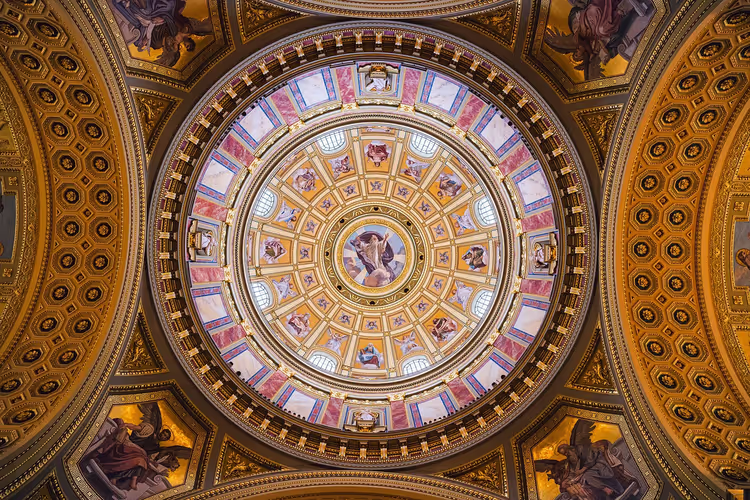
20 Best museums in Budapest: what to see and who each one suits
In Budapest there are more than twenty museums. You won't cover even half of them in one visit. Some hold a coronation mantle made of Byzantine silk, others display a Roman water organ, and still others unsettle you with the basement of the House of Terror.
Below are twenty museums with collections, opening hours, and honest catches. You'll pick five or six to your taste and easily plan three days in the capital.
Ad: this article contains affiliate links, we earn a commission if you book through them, at no extra cost to you.
Which Budapest museums to choose
💡 In short:
- Choose the Hungarian National Museum for the country's history, and the House of Terror for the 20th century.
- With kids, go to the Palace of Wonders, the Railway Park, or the Agricultural Museum.
- Plan two museums per day, because the exhibitions are large and the ticket line grows by midday.
- Prices and opening hours: 09/2026, verified on the official website of the Hungarian National Museum.
For a quick selection, here's a table by interest.
If you care about | Start with |
|---|---|
Hungarian history | Hungarian National Museum |
Painting and sculpture | Hungarian National Gallery |
Antiquity | Aquincum Museum |
The 20th century and repression | House of Terror |
Kids and experiments | Palace of Wonders |
An unusual format | Hospital in the Rock Museum |
Folk culture | Museum of Ethnography |
1. Hungarian National Museum
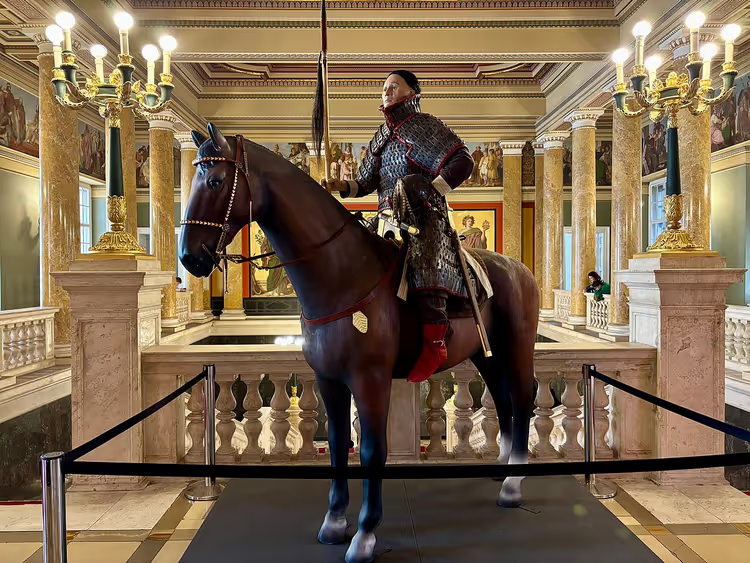
The museum grew out of the collection of Count Ferenc Széchényi, who donated it to the nation in the early 19th century. A few decades later it got its own building on Múzeum Boulevard, a few hundred meters from the Danube. The neoclassical facade with columns and a portico is itself considered an architectural monument.
Inside there are seven permanent exhibitions. On the lower level you'll find a Roman lapidarium with fragments of tombs, frescoes, and sculptures. One floor up is the main relic, a thousand-year-old coronation mantle made of Byzantine silk. A full-price ticket costs 3,500 forints, and the museum is open Tuesday through Sunday from 10:00 to 18:00 (as of 09/2026, museum pricing page).
- Who it's for: for those who want to understand the country's history in a single visit.
- Cost: full-price ticket 3,500 forints, family ticket 7,200 (as of 09/2026, verified).
- The catch: the ticket office closes one hour before the galleries do, so don't arrive right before closing time.
2. Hungarian natural history museum
 © 77csoda · CC BY-SAPhoto: 77csoda, CC BY-SA (https://creativecommons.org/licenses/by-sa/3.0), Wikimedia Commons
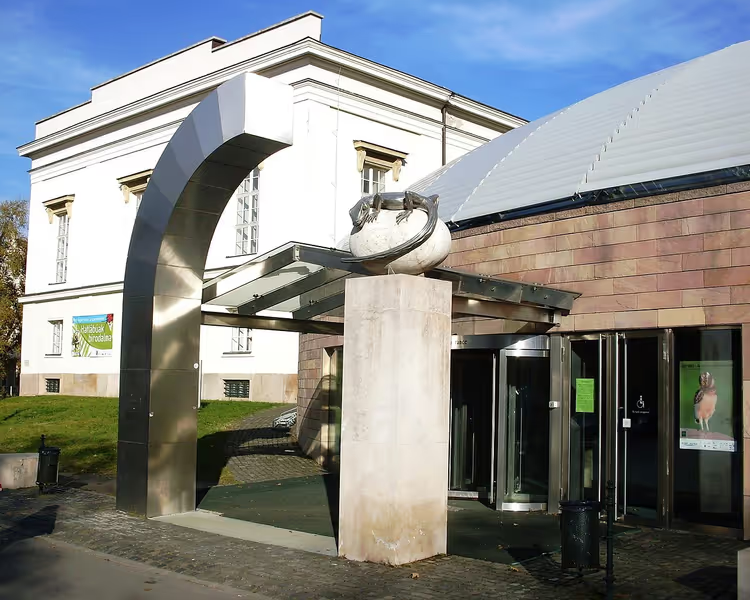
This is the country's oldest scientific collection, and it began with books and coins. In the early 19th century, Count Ferenc Széchényi donated his personal library to the society, and nine years later it was joined by paleontological finds from Archduke Joseph Rainer. The collection only grew from there.
Today the museum occupies the Ludovica Academy building. The exhibition is divided into zones: mineralogy, zoology, botany, paleontology, and anthropology. Kids usually can't be pulled away from the hall with remains of dinosaurs, mammoths, and saber-toothed tigers. Nearby stands a life-size model of a caveman.
- Who it's for: for families with children and paleontology enthusiasts.
- Not for: those looking for interactive exhibits, as some of the display cases here are traditional.
3. Museum of Ethnography
 © Pasztilla aka Attila Terbócs · CC BY-SAPhoto: Pasztilla aka Attila Terbócs, CC BY-SA (https://creativecommons.org/licenses/by-sa/4.0), Wikimedia Commons
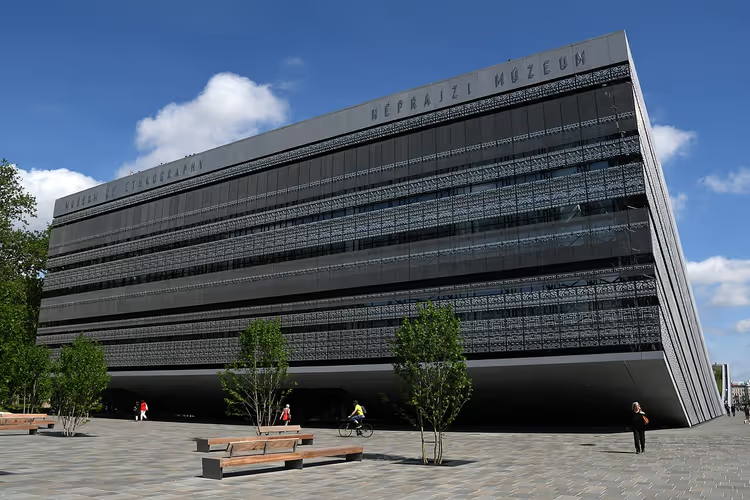
This is one of the largest ethnographic collections in Europe, with hundreds of thousands of items. It describes the life of the Hungarian people from prehistoric times to the present day: peasant life, hunting, customs, crafts, national music, and animal husbandry.
In 2022 the museum moved into a new building at the entrance to City Park, and its curved roof was turned into an observation deck (as of 09/2026, official website). Before that it occupied the former Palace of Justice opposite the parliament. Separate halls are devoted to the cultures of Australia, Oceania, Africa, and Eurasia. Allow at least two hours for the visit, because there are many halls.
- Who it's for: for those interested in everyday life and crafts, not just painting.
- The catch: the exhibition is large, so you can't see it on the run.
4. Houdini House Museum
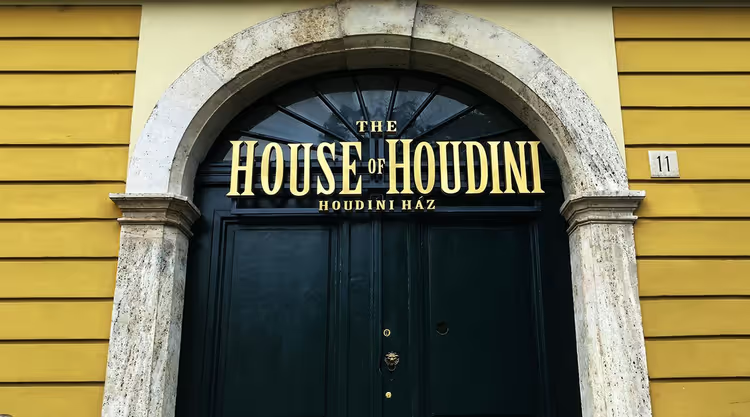 © PRmachine · CC BY-SAPhoto: PRmachine, CC BY-SA (https://creativecommons.org/licenses/by-sa/4.0), Wikimedia Commons
The museum is located in the Castle Quarter, a hundred meters from the Royal Palace. The idea for the Harry Houdini exhibition came from illusionist David Merlini. Buying a ticket isn't enough to get in: at the entrance, each guest has to solve a mysterious message prepared just for them.
The exhibition is built around Houdini's personal belongings, books, letters, performance props, and vintage posters. Here you'll see the water tank and handcuffs whose public escape launched his fame. Among the exhibits are a replica of the Chinese Water Torture Cell and old performance posters. A small theater hall regularly hosts an interactive show.
- Who it's for: magic lovers and those visiting with teenage kids.
- The catch: the rooms are small, and the entrance puzzle takes time.
5. Hungarian railway history park
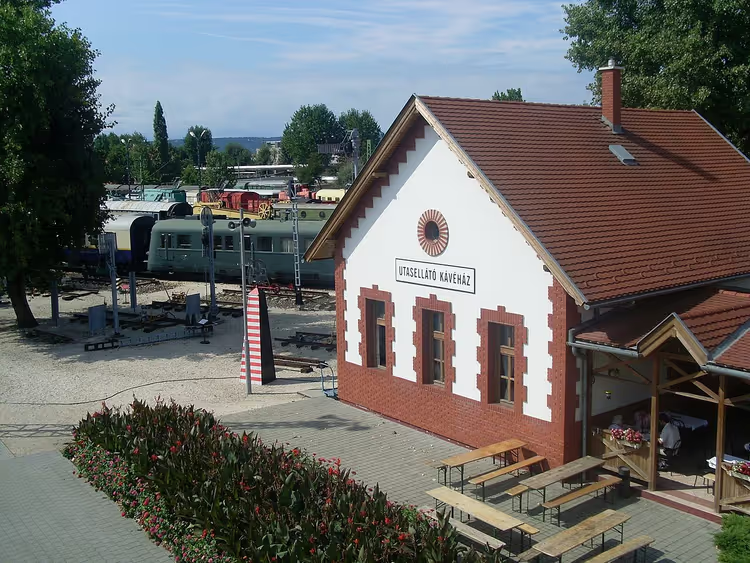 © Simeon87 · CC BY-SAPhoto: Simeon87, CC BY-SA (https://creativecommons.org/licenses/by-sa/3.0), Wikimedia Commons
Since the late 20th century, an open-air museum has operated in Budapest's northern depot. All the exhibits stand on rails, including a government Chaika limousine and a steam engine from the last third of the 19th century. There are no modern trains here: the locomotives and carriages on display served in past centuries.
Among the rarities is a dining car from the Orient Express, which carried passengers from Paris to Constantinople starting in the late 19th century. This is more of an entertainment center than a dull exhibition. Kids can ride a hand-powered draisine and a miniature steam locomotive, and pull levers in a locomotive cab.
- Who it's for: families with children and railway fans.
- The catch: it's an open-air exhibition, so in the rain you'll be walking around with an umbrella.
6. Hungarian National Gallery

The gallery occupies part of the Royal Palace and dates back to the mid-20th century. The collection is arranged chronologically and begins in the 12th century, with the Gothic and medieval periods. On the ground floor you'll find Renaissance and Baroque works by Hungarian and Austrian masters.
The main treasures here are 19th-century paintings and sculpture. Among the canvases are The Women of Eger by Bertalan Székely, The Siege of Buda by Gyula Benczúr, and The Last Day of a Condemned Man by Mihály Munkácsy. The upper floors house 20th-century Hungarian art: expressionism, surrealism, pop art, and hyperrealism.
- Who it's for: those who want to see Hungarian art in one place.
- Not for: those in a hurry, the gallery is spread across several levels of the palace.
7. Museum of Applied Arts
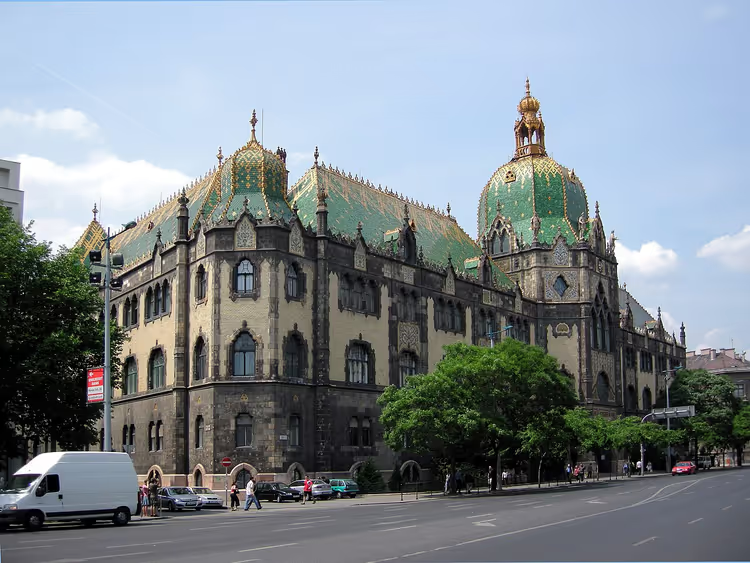
The museum opened in the late 19th century in a building that is itself an exhibit. It was designed by Gyula Pártos and Ödön Lechner, and the cladding was made at the Zsolnay porcelain factory. The distinctive roof with a central dome is covered in bright green tiles, and the lobby greets you with Moorish style.
The collection is dedicated to European applied arts from the Middle Ages to the present day. It is divided into five sections: furniture, ceramics, jewelry, textiles, and glass. The main treasures include Esterházy family jewels, antique clocks, musical instruments, and oriental tapestries.
- Who it's for: lovers of architecture and decorative arts.
8. Hungarian Jewish Museum
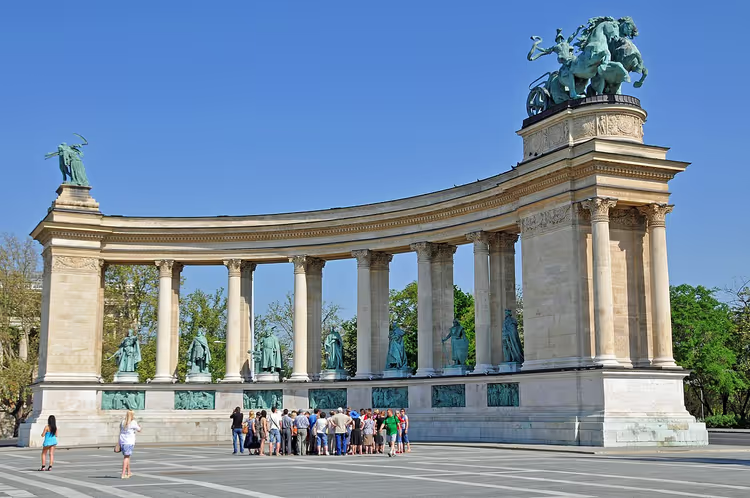 © Dennis G. Jarvis · CC BY-SAPhoto: Dennis G. Jarvis, CC BY-SA (https://creativecommons.org/licenses/by-sa/2.0), Wikimedia Commons
The museum opened in the first half of the 20th century on the site of the house where Theodor Herzl was born. The exhibition tells the story of the history and culture of the Jewish community in Hungary: ceremonial objects, books, furniture, and everyday items. A large part is dedicated to the Holocaust.
Nearby are a cemetery with graves of victims of Nazism and the Raoul Wallenberg Memorial Park, honoring the Swedish diplomat who saved Hungarian Jews. A few steps away stands the Great Synagogue on Dohány Street, the largest in Europe. The collection grows through private donations.
- Who it's for: those studying 20th-century history and the Jewish community of Europe.
- Not for: young children, the subject matter is too heavy.
9. Aquincum Museum
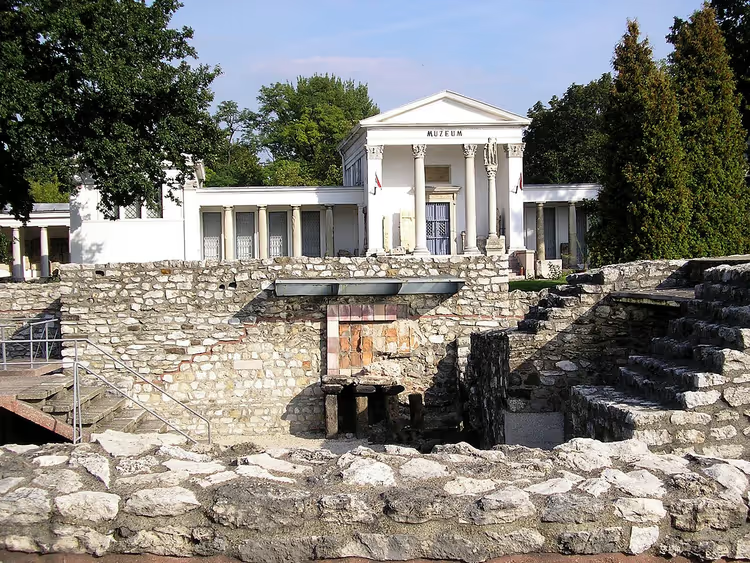
Aquincum was the capital of the Roman province of Pannonia and the first settlement on the site of Budapest. The remains were found by accident in the late 18th century: a local resident, István Schönvisner, was digging a cellar and came across the remains of an ancient sewer system. Excavations began later, and the museum appeared around the same time.
Today it is an archaeological park covering roughly a third of the ancient city's territory. Walking along the paths, you'll see fragments of an aqueduct, the ruins of an amphitheater, temples, baths, and fortress walls. The museum building displays coins, statues, sarcophagi, and gladiator weapons. A particular rarity: a reconstructed 3rd-century water organ and mosaic floors depicting Diana and Hercules.
- Who it's for: lovers of antiquity and archaeology.
- How to get there: take the HÉV suburban train to Aquincum station, then walk.
- The catch: a significant part of the exhibition is outdoors.
10. House of Terror
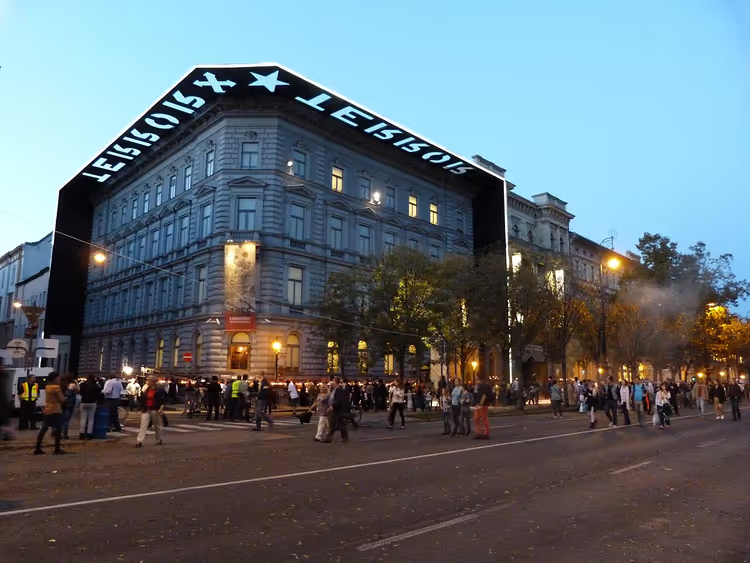 © Derzsi Elekes Andor · CC BY-SAPhoto: Derzsi Elekes Andor, CC BY-SA (https://creativecommons.org/licenses/by-sa/3.0), Wikimedia Commons
The museum opened in the early 21st century in a building that remembers both regimes. It housed the headquarters of the Nazi Arrow Cross Party, and after the war, the State Security Authority. The building was constructed in the late 19th century, and already in the last century it served political purposes. The gray building on Andrássy Avenue became a symbol of repression.
The word TERROR is carved into the cornice, casting a shadow on the facade on sunny days. Inside, you'll find instruments of torture, posters, documents, and photographs. The heaviest rooms are in the basement: cells and torture chambers. The museum is closed on Mondays and open from 10:00 to 18:00, with the ticket office closing at 17:30 (as of 09/2026, official website).
- Who it's for: those who want to understand 20th-century Hungary.
- Not for: small children and sensitive people.
- The catch: lines at the entrance can be long, so it's best to allow extra time for tickets.
11. Military History Museum
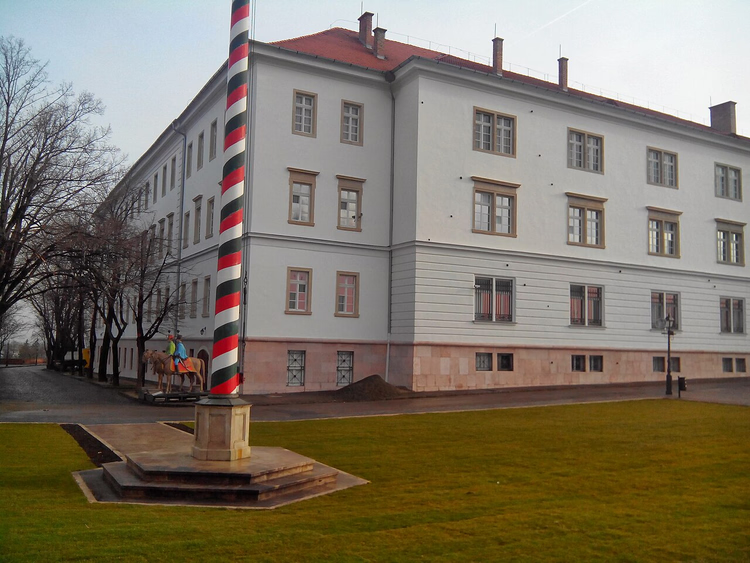 © Verőczi Zoltán · CC BYPhoto: Verőczi Zoltán, CC BY (https://creativecommons.org/licenses/by/3.0), Wikimedia Commons
The museum occupies a former barracks of Buda Castle, which was converted for this purpose in the early 20th century. Inside are tens of thousands of items: weapons, medals, uniforms, banners, field medical kits, and archival documents. Cannons and a Maxim machine gun stand in the courtyard. The building is unremarkable from the outside, but inside there are three floors of exhibits and relics.
In the halls you'll see an airplane suspended from the ceiling, models of combat vehicles, trenches with soldier figures, and a recreated room that survived a bombing at the end of World War II. Children enjoy the chance to hold a Degtyaryov machine gun and a PPSh submachine gun. Tip: before your visit, refresh your memory of the main events of Hungarian history, and the exhibits will be easier to read.
- Who it's for: those interested in military history and weapons.
- Location: in Buda Castle, a couple of minutes from the Royal Palace.
12. Hospital in the Rock Museum
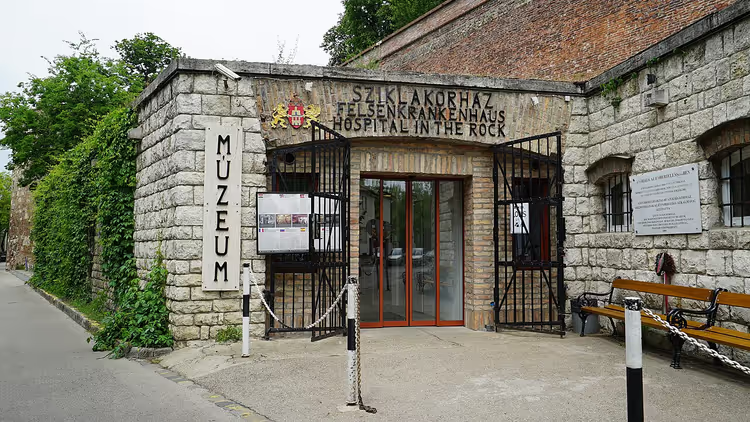 © Hospital in the Rock Marketing · CC BY-SAPhoto: Hospital in the Rock Marketing, CC BY-SA (https://creativecommons.org/licenses/by-sa/4.0), Wikimedia Commons
Beneath Buda Castle lies a multi-kilometer labyrinth of tunnels and cellars. In the late 1930s, it was converted into an air-raid shelter, and during World War II a large underground hospital was established there.
Later, the wounded were brought here during the mid-20th-century uprising, after which the premises were classified and converted into a bunker for a chemical or nuclear attack. Since the early 21st century, the underground space has operated as a museum. The exhibition recreates scenes from hospital life, with wax figures playing the roles of doctors, nurses, and patients. Separate rooms display medical supplies, gas masks, and equipment from the mid-20th century.
- Who it's for: those interested in unusual locations and military history.
- The catch: the descent into the underground follows narrow passages, so it's cramped with a stroller.
13. Műcsarnok Exhibition Hall
 © karel291 · CC BYPhoto: karel291, CC BY (https://creativecommons.org/licenses/by/3.0), Wikimedia Commons
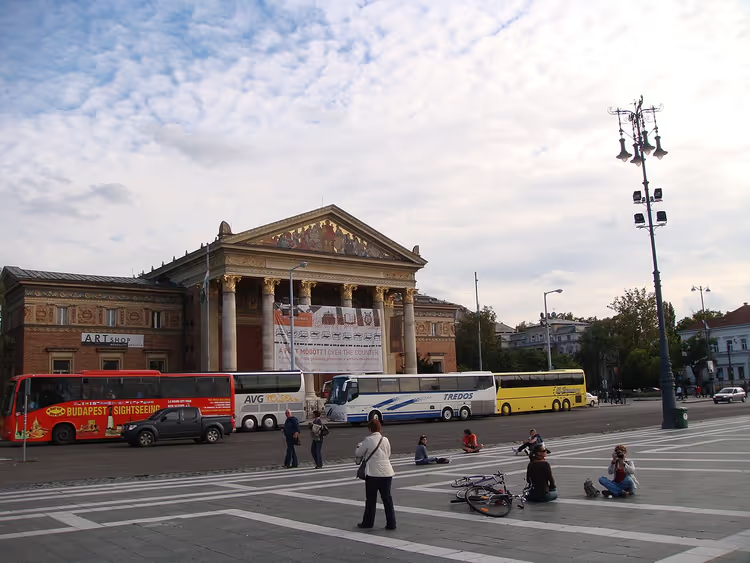
On Heroes' Square stands a neoclassical building with Corinthian columns and a mosaic on the pediment. It is the country's largest fine arts exhibition center, and it has no permanent collection. The spacious halls are given over to large installations.
Műcsarnok showcases contemporary artists and temporary exhibitions: modernism, avant-garde, surrealism, pop art. It has displayed works by János Aknay, wooden figures by Zsolt Jószay, and photographs by the American Alex Webb. A separate hall shows a 3D film about Hungary.
- Who it's for: those who follow contemporary art.
- The catch: there is no permanent exhibition, so the experience depends on the current show.
14. Museum of Fine Arts
 © I would appreciate being notified if you use my work outside Wikimedia. More of my work can be found in my personal gall · CC BYPhoto: I would appreciate being notified if you use my work outside Wikimedia. More of my work can be found in my personal gall, CC BY (https://creativecommons.org/licenses/by/3.0), Wikimedia Commons
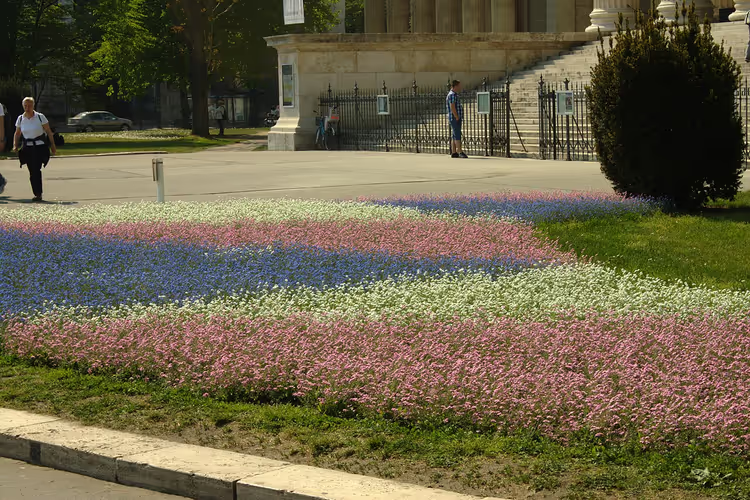
Opposite Műcsarnok stands the Museum of Fine Arts. The core of the collection was established with works from the Esterházy family, and the museum itself opened in the early 20th century. The Egyptian hall impresses with mummies and stelae from ancient Thebes. The classical antiquities hall surprises with marble statues and jewelry.
The prints and drawings department holds sketches by Rubens, Rembrandt, Leonardo da Vinci, and Chagall. The main part of the collection is the Old Masters' Gallery. Here you'll see paintings by European artists from the 13th to 18th centuries: Cranach, Dürer, Holbein, Raphael, and Titian. It's a good half-day plan in any weather.
- Who it's for: lovers of classical painting and ancient cultures.
- The catch: the permanent exhibition is enormous, and you can't cover it in a single visit.
15. Palace of Wonders
 © Pasztilla aka Attila Terbócs · CC BY-SAPhoto: Pasztilla aka Attila Terbócs, CC BY-SA (http://creativecommons.org/licenses/by-sa/3.0/), Wikimedia Commons
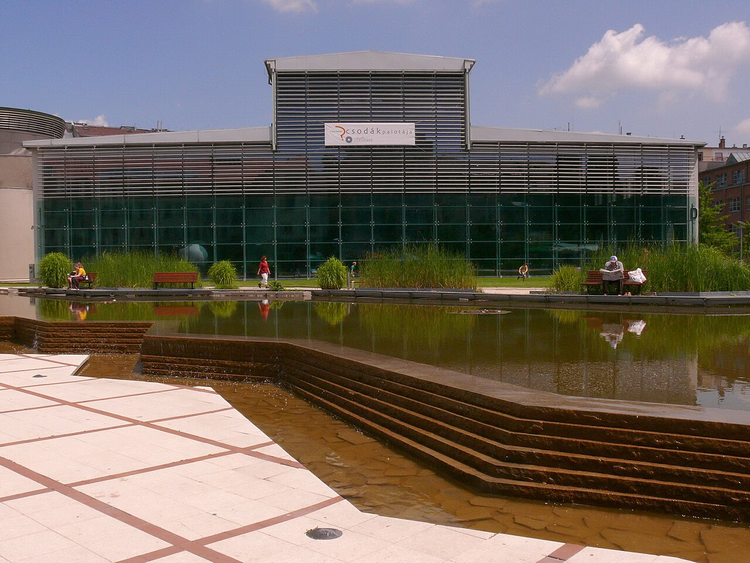
This is a large interactive center for children where science is hands-on. Here you can lie on a bed of nails, experience being a human embryo, turn into a giant and a dwarf, and complete quests. Through play, children grasp physics, chemistry, and mathematics.
For the youngest visitors, there are simple puzzles, pictures, toys, sound and light installations, and levers to pull. An electromagnetic shooting gallery and a music room operate separately. Adults will also find it interesting: most exhibits are designed for shared play.
- Who it's for: families with children, including preschoolers.
- The catch: the center is designed for families, so adults without children will find little to do here.
16. Budapest History Museum
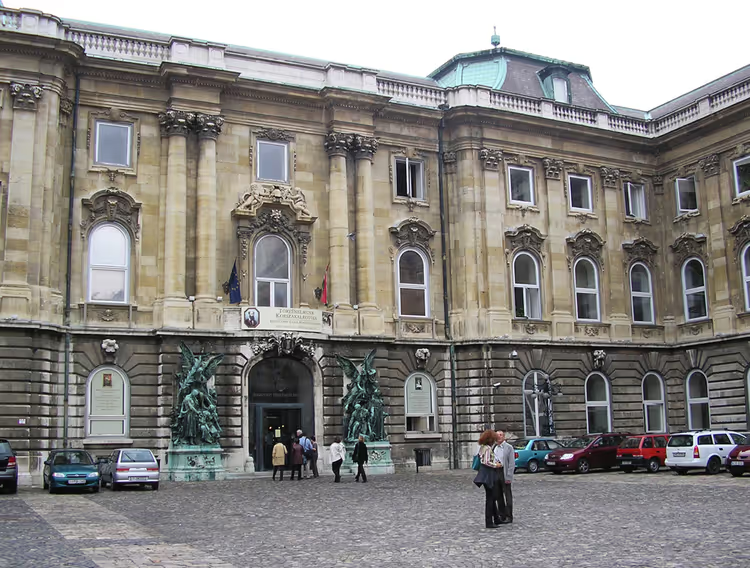
The museum occupies a wing of the Royal Palace and tells the story of the capital from ancient times to the present day. The halls on prehistoric and ancient eras display archaeological finds: utensils, craft items, tombstones, statues, coins, textiles, and weapons. A separate room is dedicated to works by local painters.
On the upper floors, artifacts from the Roman Empire to the modern era are exhibited. In the 1970s, excavations in the castle's northern courtyard uncovered dozens of sculpture fragments from the era of Emperor Sigismund, and today they are displayed in the mezzanine. Nearby, the ruins of a medieval fortress and a Renaissance palace, a 14th-century chapel, and Gothic royal chambers have been recreated.
- Who it's for: those who want to connect the city and its walls into a single story.
- Location: in a wing of the Royal Palace, next to the Hungarian National Gallery.
17. Kiscelli Museum
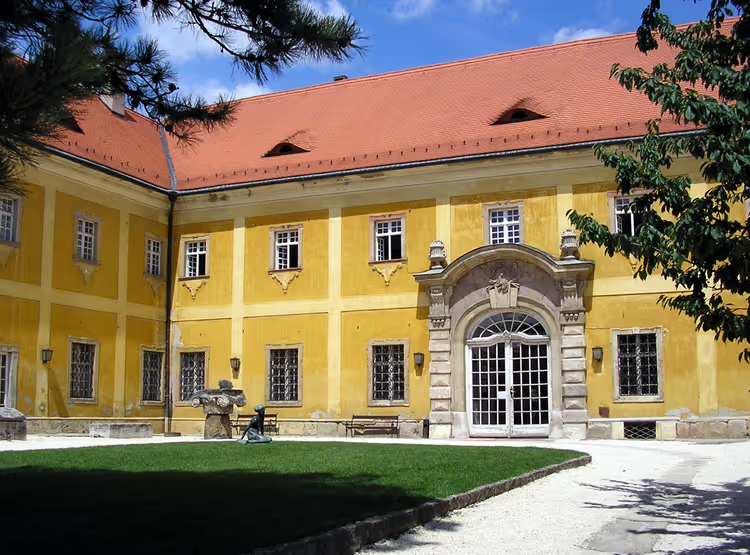
The collection is housed in a Baroque 18th-century building originally constructed as a monastery for the Trinitarian order. In the early 20th century it was restored, and its new owner, the manufacturer and collector Miksa Schmidt, opened a collection of rare furniture here. After World War II, the building was bequeathed to the city.
Today, in the bright halls you'll see engravings, antique pharmacy equipment, printing presses, furniture, and clock mechanisms. On the ground floor there's a picture gallery with 20th-century Hungarian painting. Concerts are held in the inner courtyard and the neighboring church.
- Who it's for: those who are tired of huge museums and want a quiet collection.
- The catch: the museum is in Buda, and it's not a short trip from the center.
18. Ludwig Museum
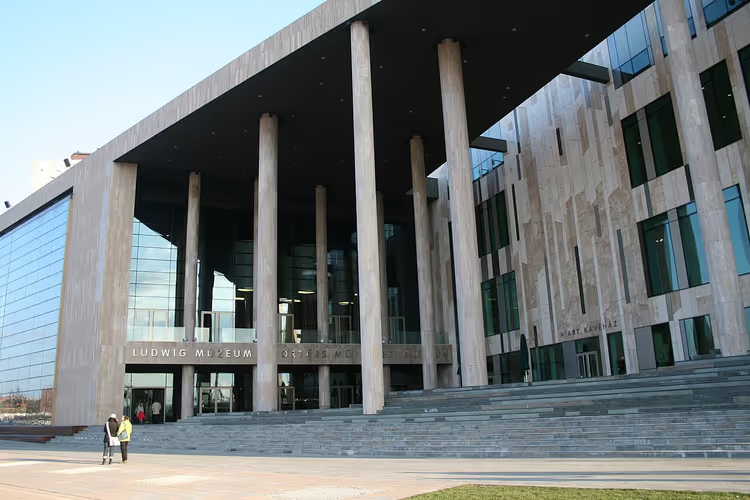 © Peter Siroki from Budapest, Hungary · CC BYPhoto: Peter Siroki from Budapest, Hungary, CC BY (https://creativecommons.org/licenses/by/2.0), Wikimedia Commons
The modern building on the banks of the Danube stands in sharp contrast to the palaces of old Pest. It houses a collection of contemporary art: pop art, surrealism, expressionism, and tachisme. The core of the collection was established by the German patron Peter Ludwig.
Fans of classical art may find it disorienting. At the entrance stands a stuffed pig, and a screen shows its transformation into a model. Across three floors you'll find works by 20th-century Hungarian, American, Italian, Russian, and French artists: Picasso, Claes Oldenburg, Kazimir Malevich, Andy Warhol, Wassily Kandinsky.
- Who it's for: those who love contemporary art and aren't afraid of provocation.
- Not for: those expecting a classical gallery.
19. Marzipan museum
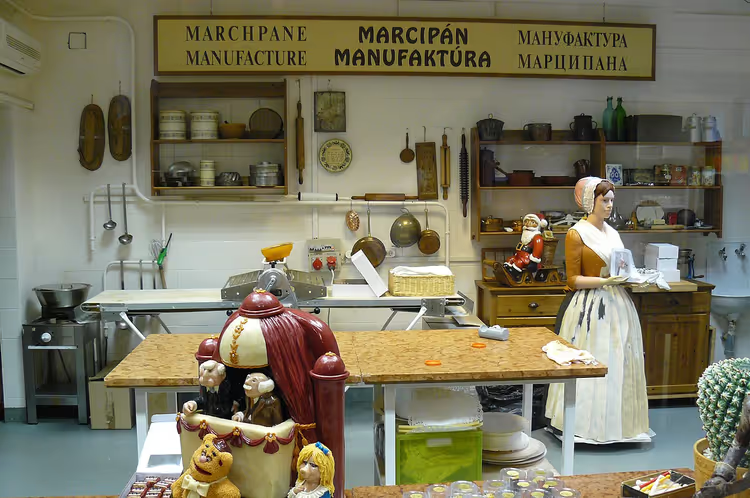 © MOs810 · CC BY-SAPhoto: MOs810, CC BY-SA (https://creativecommons.org/licenses/by-sa/4.0), Wikimedia Commons
This museum is in Szentendre, a half-hour drive north of Budapest. The town on the Danube is loved for its baroque churches and narrow streets. The marzipan museum opened in the late 20th century, and its exhibits took tons of sweet almond paste to create. The founder, culinary artist Károly Szabó, sculpted the figures by hand.
Here you'll find edible busts of Count Széchenyi, to whom Budapest owes the Chain Bridge, alongside Lajos Kossuth. The museum's pride is a sweet canvas depicting Maria Theresa and her eleven children. Nearby are fairy-tale characters, building models, and figurines of celebrities. Once a week, the workshop demonstrates how marzipan sculptures are made and restored, and the confectionery sells candies, wines, and liqueurs.
- Who it's for: sweet tooths and families with children.
- The catch: it's a separate trip to Szentendre, not a museum in central Budapest.
20. Museum of agriculture
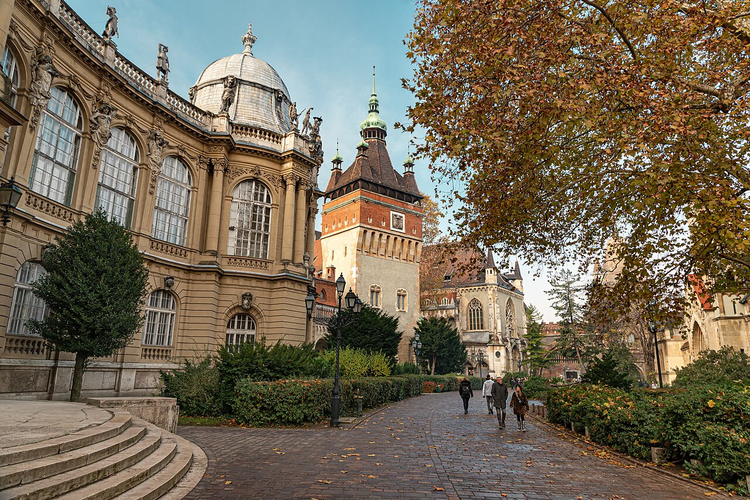 © Jorge Franganillo · CC BYPhoto: Jorge Franganillo, CC BY (https://creativecommons.org/licenses/by/2.0), Wikimedia Commons
The museum operates in Vajdahunyad Castle (Vajdahunyad vára), which combines all architectural styles at once. The cardboard pavilion was built for Hungary's millennium celebrations in the late 19th century and dismantled after the festivities. The stone replica was erected in the early 20th century. Visitors are greeted by wrought-iron Gothic gates.
The exhibits present peasant life in a simple and visual way. The halls display ancient and modern farming tools, traditional ovens, peasant clothing, hunting and fishing trophies, herbariums, and animal models. Many items can be touched, and the wine section explains production technology and offers tastings.
- Who it's for: families with children and anyone interested in rural life.
- The catch: some halls are designed for children and may seem simplistic to adults.
We've covered twenty museums, but in three days you can realistically manage five or six. Pick from the table above and don't try to see everything at once.
Tours and tickets in Budapest
Guided tours, skip-the-line tickets and activities — most offers can be cancelled free of charge.
See offers on TiqetsThe widget loads once you give your consent.
Budapest museums on the map
Below is a map showing the museums from this selection. Open it on your phone and plan your route by district: most sites are on the Pest side, some are in Buda, and the marzipan museum is separately in Szentendre.
Museums of Budapest
Places on the map
- 1Hungarian National Museum The Holy Crown of St. Stephen and the coronation mantle of Byzantine silk
- 2Hungarian Natural History Museum The country's oldest scientific collection, dinosaur and mammoth halls
- 3Museum of Ethnography One of the largest ethnographic collections in Europe
- 4Houdini House-Museum The illusionist's personal belongings, props and old performance posters
- 5Hungarian Railway History Park Open-air museum with steam locomotives and a dining car
- 6Hungarian National Gallery 19th-century painting and sculpture in part of the Royal Palace
- 7Museum of Applied Arts Furniture, ceramics, jewelry and Oriental tapestries
- 8Hungarian Jewish Museum History and culture of Hungary's Jewish community, the Holocaust theme
- 9Aquincum Museum Archaeological park on the site of the capital of Roman Pannonia
- 10House of Terror Building of the Nazi headquarters and state security authority
- 11Hospital in the Rock Underground hospital and bunker beneath Buda Castle
- 12Műcsarnok The country's largest fine art exhibition center
- 13Museum of Fine Arts Egyptian and Antiquities halls, Old Masters' Gallery
- 14Palace of Wonders Interactive center for kids, hands-on science
- 15Budapest History Museum History of the capital from ancient times to today
- 16Kiscelli Museum Baroque building, engravings, furniture and clockworks
- 17Ludwig Museum Contemporary art on the Danube bank, the Peter Ludwig collection
- 18Marzipan Museum The world's only marzipan museum, in Szentendre
- 19Agricultural Museum Vajdahunyad Castle, peasant life and farming tools
⁉️🤔 Frequently asked questions
How much does admission to Budapest museums cost?
Prices vary. A full-price ticket to the Hungarian National Museum costs 3,500 forints (as of 09/2026, museum rates). Students and seniors get discounts almost everywhere, and on some days admission is free. Check the exact rates on the specific museum's website before your trip.
Which days are museums closed?
Most often the day off falls on Monday. The Hungarian National Museum and the House of Terror are closed on that day (as of 09/2026, Hungarian National Museum website, House of Terror website). Smaller museums and galleries may also be closed on Tuesday. Check the schedule on the official website before visiting.
Can I buy tickets online?
Yes, major museums offer online ticket sales, which saves time in line. For the Hungarian National Museum, tickets are available both online and at the ticket office (as of 09/2026, museum online tickets). Check whether you need a specific entry time slot.
How long does one museum take?
For a large exhibition, allow half a day; for a small one, an hour is enough. The Museum of Ethnography asks visitors to allow at least two hours, while the Museum of Fine Arts and the Hungarian National Gallery easily take half a day. Don't schedule more than two museums in one day.
Is the Budapest Card worth it?
According to the Hungarian National Museum, the card covers permanent exhibitions and gives a twenty percent discount on temporary exhibitions (as of 09/2026, Budapest Card terms). This is worth it if you plan to visit several museums in a short time. Do the math in advance to see whether it pays off for you.
In short: what's worth booking
Three days in Budapest let you cover the museums without rushing. If it's your first time in the city, start with the Hungarian National Museum and the gallery in the Royal Palace.
If you have one day: the Hungarian National Museum and a walk around the Royal Palace.
If you're traveling with kids: the Palace of Wonders and the Railway History Park.
If you're interested in the 20th century: the House of Terror and the Hospital in the Rock Museum.
Museum tickets in advance: compare on Tiqets.
Guided city tours: see options on GetYourGuide.
A central hotel for a couple of nights: prices on Trip.com.

A small editorial team writing guides for independent travel. We travel ourselves, but we haven’t been everywhere, so we check prices, opening hours and how to get there against official sources.