
















20 Best museums in Barcelona: tickets, hours and what to see
Barcelona packs more than twenty museums into one small area. You are unlikely to cover them all in a single trip. We picked the twenty most interesting ones, from early Picasso and Dalí's surrealism to chocolate sculptures and science at CosmoCaixa.
Admission to Museu Picasso costs €14 online and €15 at the ticket office (as of 09/2026, official website). Below you will find opening hours, closed days, prices, and the nearest metro. Keep one rule in mind: Monday is closed almost everywhere, so build your weekly itinerary around that.
Ad: this article contains affiliate links, we earn a commission if you book through them, at no extra cost to you.
1. Picasso Museum
💡 In short:
- For painting, start with Museu Picasso and the National Art Museum of Catalonia.
- Buy your ticket online: weekend slots sell out several days in advance.
- Monday is a closed day at most museums on the list.
- On the first Sunday of the month, many museums offer free admission.
- Prices and opening hours: 09/2026, verified on the official Picasso Museum website.
 © Xavier Badia Castellà · CC BY-SAPhoto: Xavier Badia Castellà, CC BY-SA (https://creativecommons.org/licenses/by-sa/3.0), Wikimedia Commons
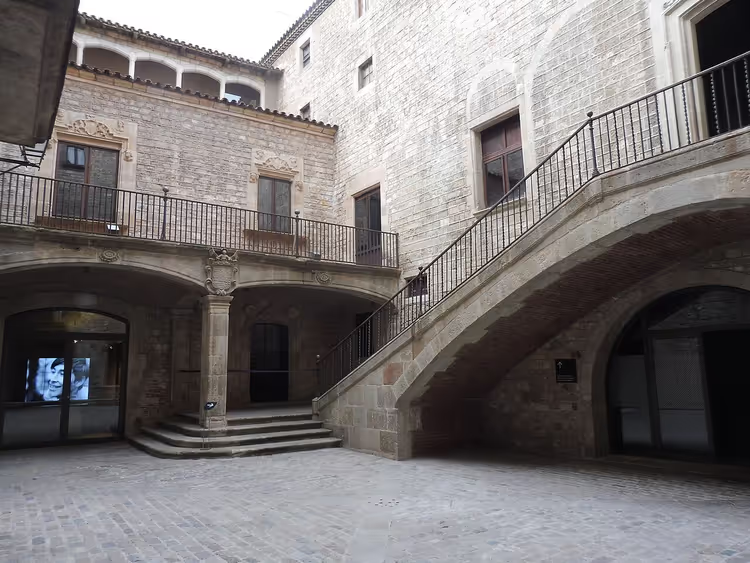
Museu Picasso occupies five medieval chambers in the Berenguer de Aguilar palace on Montcada street. The artist insisted that the museum open in Barcelona rather than in Málaga, where he was born. The palace is an exhibit in itself: Gothic arches, an inner courtyard, stone staircases. Because of this, the collection reads as an extension of the street rather than a separate display case.
It houses Picasso's early works: pencil sketches, studies, engravings, and paintings from his Blue and Rose periods. The core of the collection consists of drawings the artist gave to his friend and secretary Sabartés. The key part of the collection, the "Las Meninas" series based on Velázquez, includes several dozen variations of a single composition. Ceramics and bronze sculpture are exhibited nearby.
Admission costs €14 online and €15 at the ticket office (as of 09/2026, Museu Picasso website). On Sunday afternoons there is a free window, but that is when the line on Montcada is longest. Take a Tuesday or Wednesday morning slot: you will get in faster and see the rooms almost empty.
- Who it's for: admirers of early Picasso and Cubism.
- Not for: those expecting large late-period canvases.
- The catch: closed on Mondays, and weekend slots sell out in advance.
- Getting there: Jaume I, Arc de Triomf, or Liceu metro, then walk through the Gothic Quarter.
2. Salvador Dalí Museum
 © Enric · CC BY-SAPhoto: Enric, CC BY-SA (https://creativecommons.org/licenses/by-sa/4.0), Wikimedia Commons
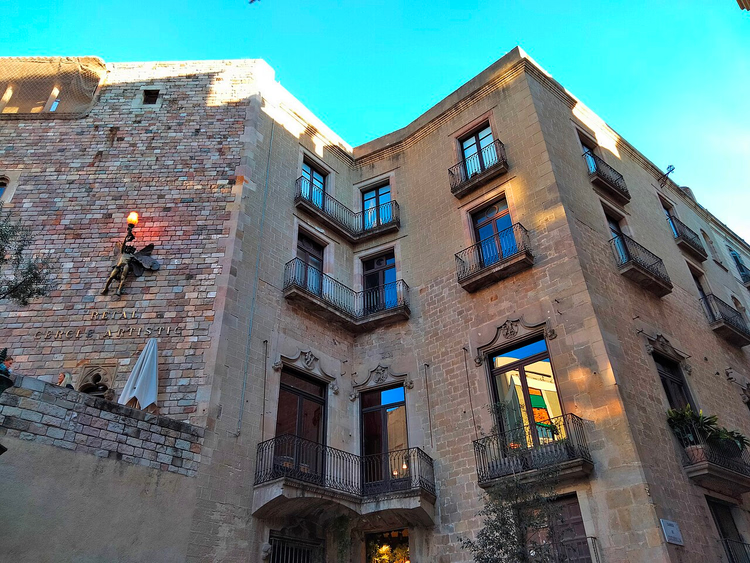
The permanent Dalí exhibition occupies the halls of Reial Cercle Artístic, the Royal Artistic Circle in the Gothic Quarter. The circle opened in the late 19th century as an artists' club, and the Dalí museum appeared here much later. It is more modest than the museum in Figueres, but it is easy to reach on foot from the center.
Some of the works came from private collections, so the collection turned out intimate and quite unlike the halls in Figueres.
The visit follows a loop: first the sculptures in the courtyard, then the halls with graphic works, glass, and installations. The subjects are recognizable, but presented more calmly than in the larger museums. If you have already seen the Dalí Theatre-Museum in Figueres, you will appreciate the difference in scale here: the entire exhibition fits on one floor. For a first introduction to Dalí it is too small, but for a repeat visit it works better.
Right at the entrance you are greeted by a huge egg, the symbol of life according to Dalí, and a sculptural portrait of the artist with a dolphin on his head. Inside are bronze sculptures, sketches, decorative glass pieces, and installations. The exhibits are densely arranged, and the visit takes about an hour.
- Who it's for: surrealism fans who have already seen Figueres.
- Not for: those expecting a large retrospective.
- The catch: the collection is smaller than at the Dalí museum in Figueres.
- Getting there: Liceu or Jaume I metro, then about ten minutes on foot to the square in front of the cathedral.
Address: Dels Ars street, next to the Cathedral of Saint Eulalia.
3. Museum of Contemporary Art
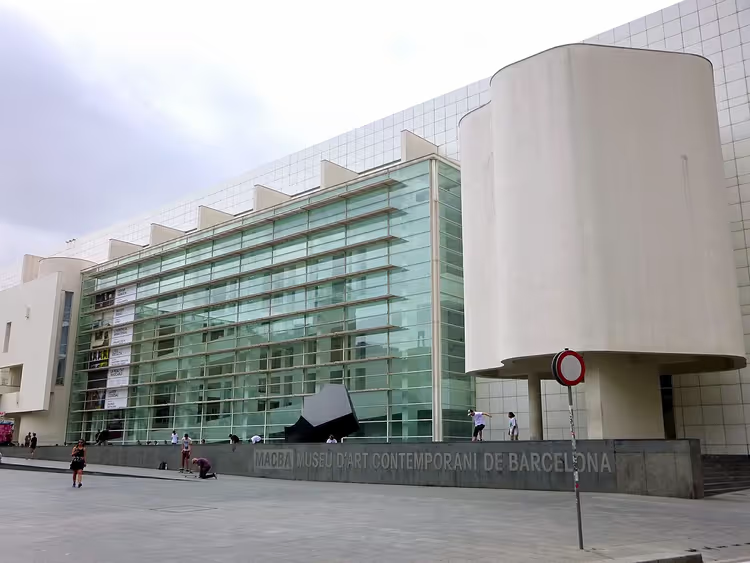
The MACBA building on Plaça dels Àngels is impossible to confuse with the neighboring mansions. The white rectangular box with a huge glass facade was designed by Richard Meier, and the museum opened here in the mid-nineties. It stands out against the Gothic surroundings, and that is part of the concept.
Inside you will see works by 20th-century Spanish artists, arranged by decade, from the postwar years to the present. In addition to the permanent collection, there are temporary exhibitions. They change every few months, so the program is always different.
The museum stands on Plaça dels Àngels, between Universitat and Catalunya stations. Ticket prices are in the mid-range, with reduced rates for students and seniors. Buy your ticket online if you want to skip the ticket office.
- Who it's for: lovers of 20th-century art and modernist architecture.
- The catch: on weekends a line forms at the ticket office, and some halls are closed for exhibition changes.
- Getting there: Universitat or Catalunya metro, about five minutes on foot.
4. Chocolate Museum
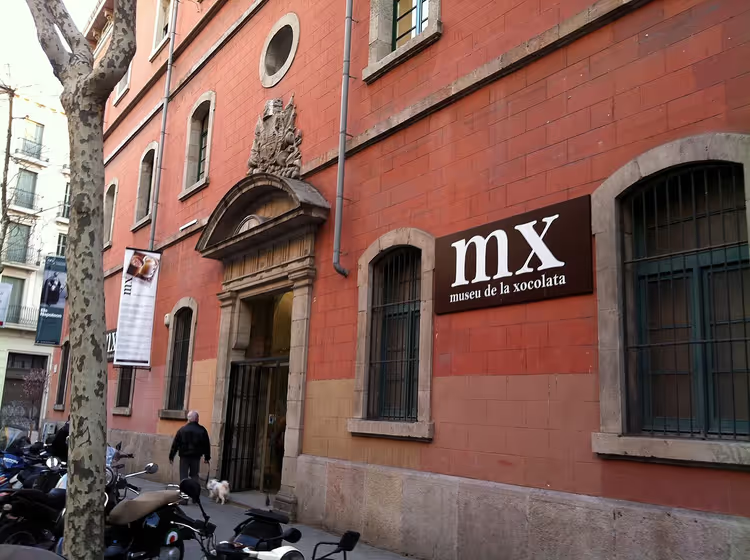 © Kippelboy · CC BY-SAPhoto: Kippelboy, CC BY-SA (https://creativecommons.org/licenses/by-sa/3.0), Wikimedia Commons
Museu de la Xocolata operates out of a historic confectionery and tells the story of cocoa from indigenous peoples to European masters. Every guest gets a chocolate bar at the entrance, which kicks off the visit. This is the most kid-friendly museum in the selection, and it's always noisy here.
Europeans figured out how to mix ground beans with sugar, and the drink became sweet.
A separate scene is dedicated to Don Quixote: windmills, his faithful squire, and animals are all sculpted from chocolate. Nearby stand miniature replicas of Gaudí's houses and other architectural landmarks, as well as figures of historical figures. Many of the figures are made in the museum's workshop, so the exhibition changes from time to time.
Kids have an easier time here than in art galleries: the figures can be viewed up close and you can see how chocolate becomes sculpture. The museum is in the Gothic Quarter, not far from the Arc de Triomf, and you can also walk from Jaume I station.
Workshop tickets are sold separately and are best booked in advance.
Admission is in the lower price range; check the exact price on the museum's website. It's closed on Tuesdays, and on the first Sunday of the month admission is free. Come at opening time: by midday, families with kids pile up at the ticket office.
- Who it's for: families with kids and anyone with a sweet tooth.
- Not for: those looking for a serious art collection.
- The catch: closed on Tuesdays, and the free Sunday draws a line.
- How to get there: Arc de Triomf metro, then walk to Jonqueres street.
5. Gaudí House Museum
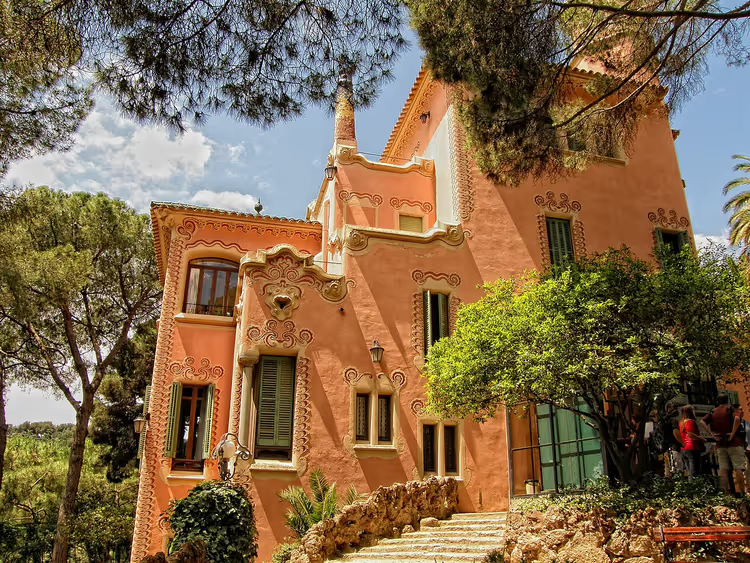 © Andrei Dan Suciu · CC BYPhoto: Andrei Dan Suciu, CC BY (https://creativecommons.org/licenses/by/3.0), Wikimedia Commons
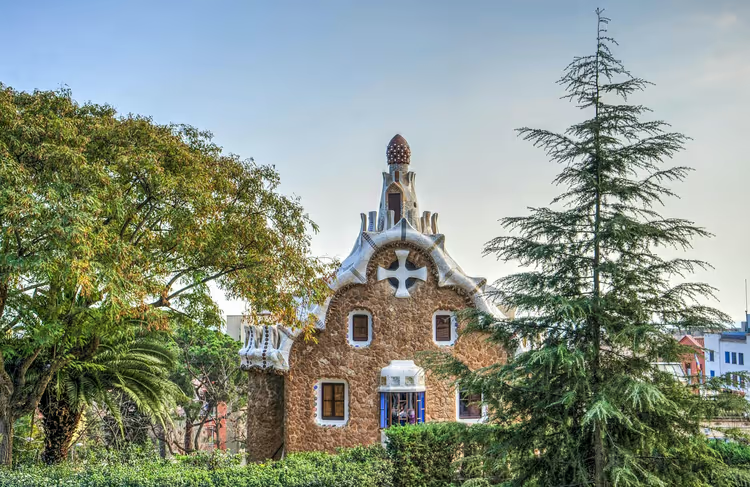
Casa Museu Gaudí sits in Park Güell, inside the very development the architect designed. The fairytale house with towers and mosaics was built as a show home for the future estate. Today it's a small museum with Gaudí's personal belongings, furniture, and paintings.
The house is easy to combine with a stroll through Park Güell, but the park ticket is sold separately. In high season, entry is by time slot only, so book your time in advance. Put the park in the morning, before the sun gets intense and while there are fewer people.
- Who it's for: Gaudí fans and lovers of trencadís mosaic.
- The catch: the house is small, and Park Güell gets very crowded in summer.
- How to get there: walk from Lesseps or Vallcarca metro uphill, or take a bus to Olot street.
Get skip-the-line Park Güell tickets on GetYourGuide.
6. Maritime museum
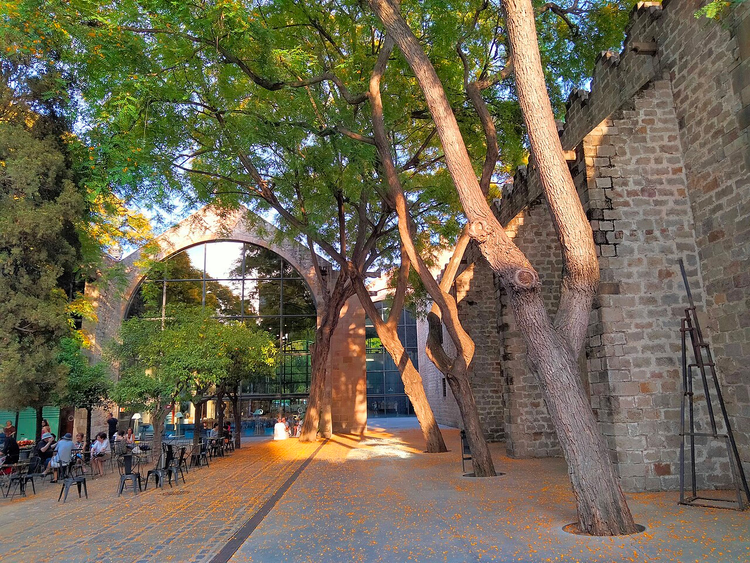 © Enric · CC BY-SAPhoto: Enric, CC BY-SA (https://creativecommons.org/licenses/by-sa/4.0), Wikimedia Commons
Barcelona's Maritime Museum occupies the building of the Royal Shipyard, Drassanes. It is a rare example of medieval Gothic industrial architecture, and the vaulted ceilings alone are worth the visit. The museum opened in the late 1920s, and here you will see the key chapters in the history of the Spanish fleet.
Under the shipyard arches you'll find models of military and passenger vessels, navigational instruments, antique maps, and marine paintings. The main exhibit stands at the dock: the three-masted schooner Santa Eulàlia, which has belonged to the museum since 1997. It's worth seeing even without a ticket, right from the waterfront.
A separate hall covers navigation: sextants, compasses, logs, and antique maps show how sailors found their way. Another is dedicated to the art of marine painters who depicted the sea and ships. Under the shipyard vaults stand restored rowboats and barges, and you can get close to them and examine the planking.
The museum is open seven days a week, except for a few public holidays each year. If you're visiting with children, start with the sailing ships at the dock: they make a stronger impression than the display cases.
- Who it's for: families and anyone interested in the history of ships.
- The catch: the museum is closed on certain public holidays, so check the calendar on the website.
- How to get there: Drassanes metro station, the exit leads directly to the shipyard.
7. FC Barcelona museum
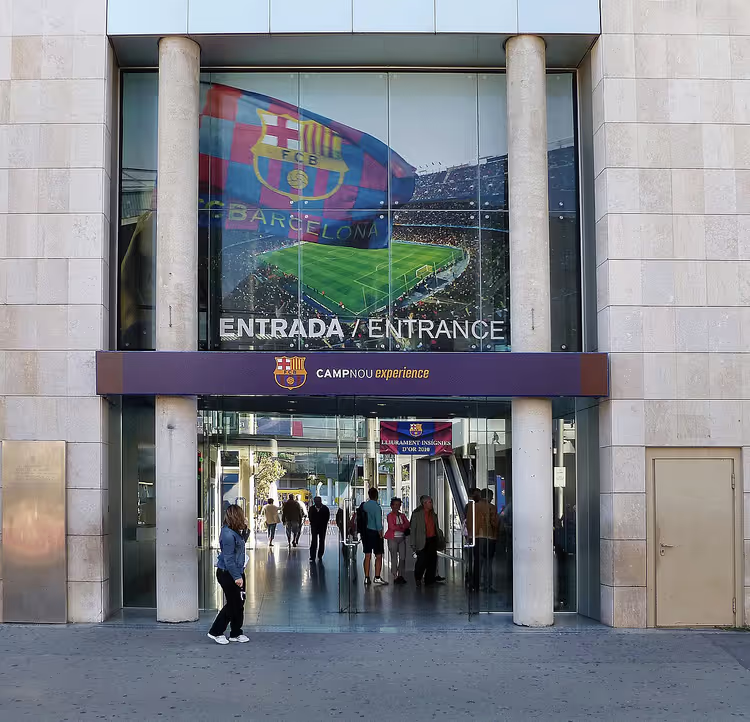 © JoJan · CC BYPhoto: JoJan, CC BY (https://creativecommons.org/licenses/by/3.0), Wikimedia Commons
The FC Barcelona museum opened next to Camp Nou and occupies three halls. Even people far from football know the names of Maradona and Messi, and both have their place here. The exhibition is built around interactive experiences rather than display cases of medals.
The first hall features a touchscreen with the club's history, goal highlights, and match statistics. The second displays balls, paintings by Dalí and Tàpies, and players' personal items. The trophy hall is crowned by the Champions League cup, which you can have your photo taken with for an extra fee.
The museum opened in the early 1980s and has since grown into a standalone attraction at the stadium. The tour takes you not only through the halls but also through the Camp Nou stands, so the ticket should be seen as a tour of the entire arena. There is no separate museum ticket; admission is included in the stadium tour price.
Among the exhibits, Ronald Koeman's and Leo Messi's boots stand out, as does Maradona's shirt. Walking through the halls and the arena comfortably takes over an hour, so don't squeeze the visit between two other museums. If you're with children, start with the interactive hall: that's where they'll be least bored.
- Who it's for: fans and families with children.
- Not for: those indifferent to football.
- The catch: there is no separate museum ticket; admission is only available as part of the stadium tour.
- How to get there: Maria Cristina, Les Corts, Collblanc, or Badal metro stations.
8. Wax museum
 © Dr.Wiki · CC BY-SAPhoto: Dr.Wiki, CC BY-SA (https://creativecommons.org/licenses/by-sa/3.0), Wikimedia Commons
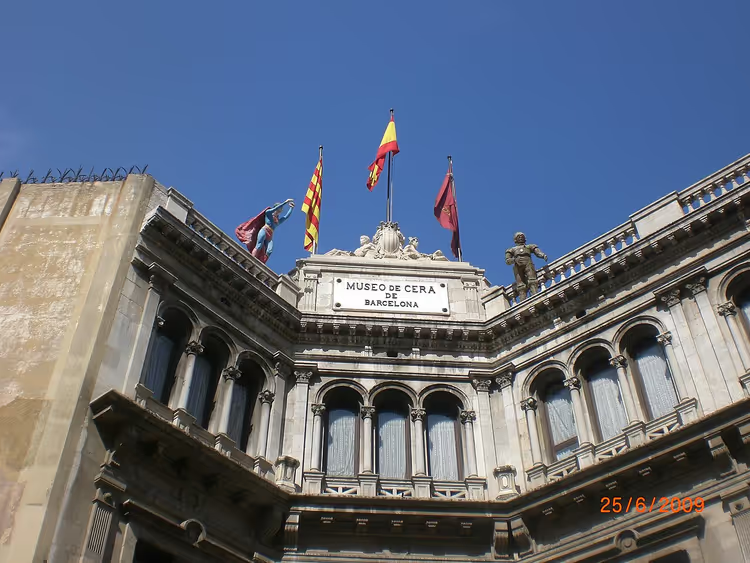
Museu de Cera is housed in a former bank building on the Banca passage. The museum opened in the early 1970s and has assembled a collection of figures of real people, movie characters, and literary figures. You'll walk past historical and political figures, then head up to the second floor to actors and athletes.
A separate scene recreates Jules Verne's Nautilus: through the portholes you can see the seabed with fantastic creatures. Nearby there's a room styled as a torture chamber, which not everyone goes into. The figures reproduce the features, poses, and hair color of the originals quite accurately.
- Who it's for: families with children and movie lovers.
- The catch: in the low season the museum closes for a midday break, which is worth factoring into your day's plan.
- How to get there: Drassanes metro station, green line, then a couple of minutes on foot.
9. Museum of optical illusions
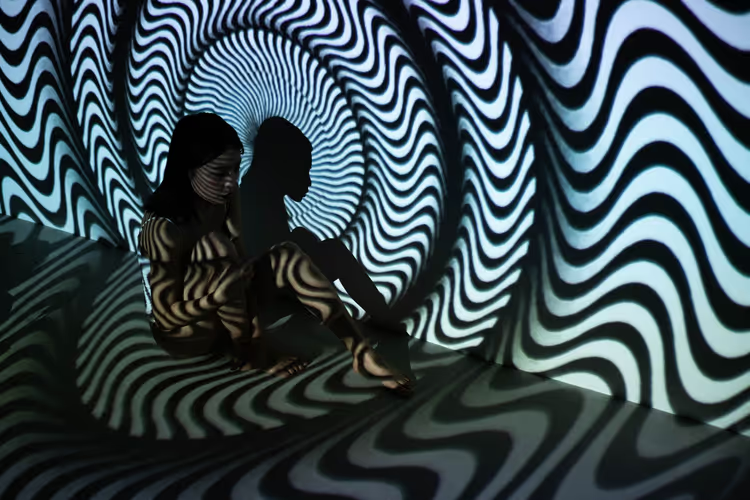
Museu d'Il·lusions Óptiques is the youngest in this selection and the first in Europe with 3D images. Here you stand among pirates, run from zombies, and climb aboard the deck of the Titanic. Photography is allowed for everyone, and there are floor markers showing the best angles.
In addition to the halls, the museum has a bar with optical tricks and short shows. The program changes, so no two visits are alike. An hour is enough to see everything, unless you linger at every installation.
- Who it's for: families, teenagers, and anyone who loves taking photos.
- The catch: the museum is open only four days a week; the halls are closed on the other days.
- How to get there: Urquinaona metro station, then walk to Jonqueres street.
10. Joan Miró museum
 © Canaan · CC BY-SAPhoto: Canaan, CC BY-SA (https://creativecommons.org/licenses/by-sa/4.0), Wikimedia Commons
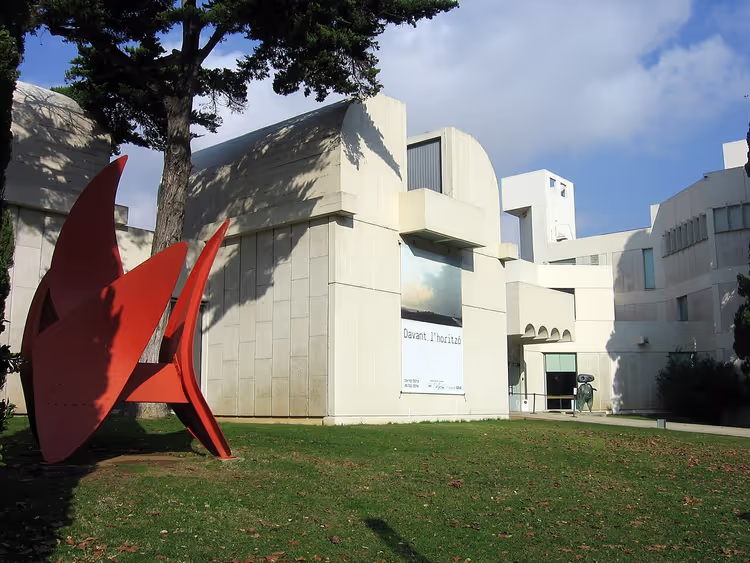
The Joan Miró Foundation stands on Montjuïc in a white building designed by the artist's friend, architect Sert. The first major exhibition took place here in the late 1960s, and the museum itself opened in the mid-1970s. The architecture alone tells you that surrealism awaits inside.
The foundation holds an enormous collection: thousands of works by Miró himself, as well as graphics and sculpture by other masters. The artist worked on canvas, ceramics, and fabric, so the halls differ in material. The terrace offers a view of the city, and it's included in the ticket.
Admission costs €17 online and €18 at the ticket office; the museum is open Tuesday through Saturday from 10 to 8, and Sunday from 10 to 7 (as of 09/2026, Fundació Joan Miró website). Closed on Mondays. Book a morning slot: by midday the halls are noticeably more crowded.
- Who it's for: fans of abstraction and surrealism.
- The catch: there's no metro nearby; you'll have to get there by bus or cable car.
- How to get there: buses to the Fundació Joan Miró stop or the Montjuïc funicular.
For museum and Montjuïc tours, check GetYourGuide.
11. Barcelona history museum
 © Enric · CC BY-SAPhoto: Enric, CC BY-SA (https://creativecommons.org/licenses/by-sa/4.0), Wikimedia Commons
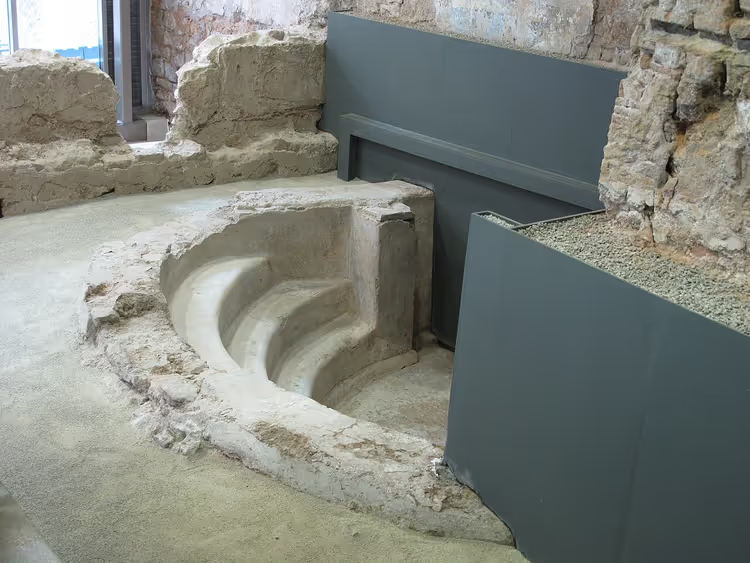
The Barcelona History Museum occupies the Casa Clariana-Padellàs mansion on King's Square in the Gothic Quarter. The main part of the collection lies underground: excavations here uncovered an entire Roman quarter. An elevator takes you down into an underground city with streets, baths, and sewers.
The structures are over two thousand years old, and they reveal the layout of ancient Barcino. Today King's Square lies above the excavations, where the counts' palace once stood. The underground route leads past the foundations of houses, workshops, and wine warehouses.
The above-ground section is especially rich in Roman-era finds: sculptures, portraits, coins, and medals from different periods. A separate section is devoted to crafts and urban daily life, and it also houses antique engravings, tableware, and furniture. A single ticket gives you access to both the main building and the underground section; no extra payment is needed.
The above-ground halls contain tens of thousands of exhibits, from the Neolithic to the last century.
- Who it's for: families and anyone who wants to see Roman Barcelona.
- The catch: closed on Mondays, and the free first Sunday draws a crowd.
- How to get there: Jaume I metro station, two minutes on foot to King's Square.
12. Museum of the history of Catalonia
 © José Luiz · CC BY-SAPhoto: José Luiz, CC BY-SA (https://creativecommons.org/licenses/by-sa/3.0), Wikimedia Commons
The Museum of the History of Catalonia is located in the Old Port, in the restored warehouses of the Palace of the Sea. The exhibition spans several floors and traces the region's history from ancient times. The chronology begins with the remains of Homo erectus and Neolithic tools.
Next come halls about the Greeks, Phoenicians, and Iberian civilization. The medieval exhibitions cover the growth of cities, trade, Romanesque and Gothic art, as well as chapters on epidemics and famine. The route ends with halls on the Baroque, the Civil War, and industrial growth.
- Who it's for: those who want to understand Catalonia's context in a single visit.
- The catch: opening hours have changed more than once, so check the times on the museum's official website before your trip.
- How to get there: Barceloneta or Drassanes metro station, then walk along the port.
13. National art museum of Catalonia
 © MARIA ROSA FERRE ✿ from Vilafranca del penedes, Catalunya · CC BY-SAPhoto: MARIA ROSA FERRE ✿ from Vilafranca del penedes, Catalunya, CC BY-SA (https://creativecommons.org/licenses/by-sa/2.0), Wikimedia Commons
The National Art Museum of Catalonia occupies the National Palace on Montjuïc hill. The terrace in front of the entrance already offers a panoramic view of the city, and many people come up here just for that view. Inside, several permanent exhibitions lead from Romanesque art to modern art.
The core of the collection is Romanesque frescoes removed from the walls of Pyrenean churches. Then come Gothic, Renaissance, and Baroque works, followed by a collection of 19th and 20th century painting. A separate section is devoted to numismatics, with coins dating back to antiquity.
The museum is closed on Mondays; on other days it is open from morning to evening, and on Sundays until midday (as of 09/2026, MNAC website). The general ticket is valid for two days, and children enter free. Access to the terrace is paid separately.
- Who it's for: lovers of Romanesque art and panoramic views.
- The catch: closed on Mondays, and the terrace ticket is an extra charge on top of admission.
- Getting there: Espanya metro station, then walk or take the escalators up Montjuïc.
Tickets for Barcelona museums are easy to compare on Tiqets.
14. Frederic Marès Museum
 © José Antonio Gil Martínez from Vigo, Spain · CC BYPhoto: José Antonio Gil Martínez from Vigo, Spain, CC BY (https://creativecommons.org/licenses/by/2.0), Wikimedia Commons
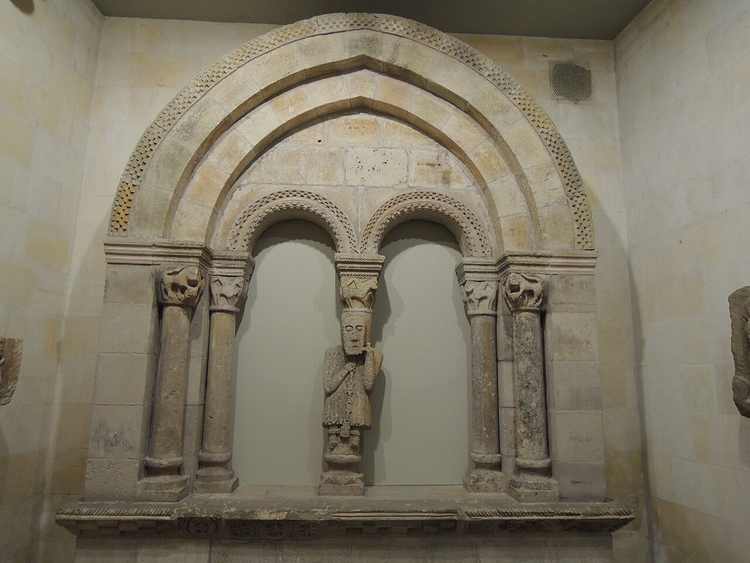
The Frederic Marès Museum is tucked away in the courtyard of the Royal Palace on Plaça de Sant Iu. The artist and collector spent his life gathering sculpture, and the collection bears his name. The rooms are small, but the exhibits are densely packed.
The core of the collection consists of ancient sculptures from Iberia, Ancient Greece, and Carthage. A separate exhibition is dedicated to masters from Aragon and Castile who worked in the 15th century, and another focuses on crucifixes and crosses made of wood and metal. On the second floor you will see works by masters from the 15th to 19th centuries and Catalan sculptors, as well as the "Sentimental Museum" with keys, snuffboxes, opera glasses, and old money.
- Who it's for: those interested in sculpture and everyday life of past centuries.
- The catch: closed on Mondays, and on the first Sunday of the month admission is free and crowded.
- Getting there: Jaume I metro station, then walk to the square in front of the cathedral.
15. Motorcycle Museum
Museo de la Moto opened in the early part of the last decade and occupies the lower floors of the medieval monastery of Sant Felip Neri. The museum's floor space is modest, but the collection is dense. It tells the story of the Catalan motorcycle, a significant part of the global industry.
The permanent exhibition spans more than a century and showcases products from over a hundred motorcycle factories in the region. The main spots go to the Montesa, Bultaco, OSSA, and Derbi brands, which earned recognition far beyond Spain. The museum periodically displays rare small-series models and hosts presentations of new projects.
The museum has a shop selling accessories and technical literature, which you can visit without a ticket.
- Who it's for: fans of machinery and retro motorcycles.
- The catch: closed on Mondays, and the museum takes a midday break.
- Getting there: Liceu or Jaume I metro station, then walk through the Gothic Quarter.
16. Natural Science Museum
 © pere prlpz · CC BY-SAPhoto: pere prlpz, CC BY-SA (https://creativecommons.org/licenses/by-sa/3.0), Wikimedia Commons
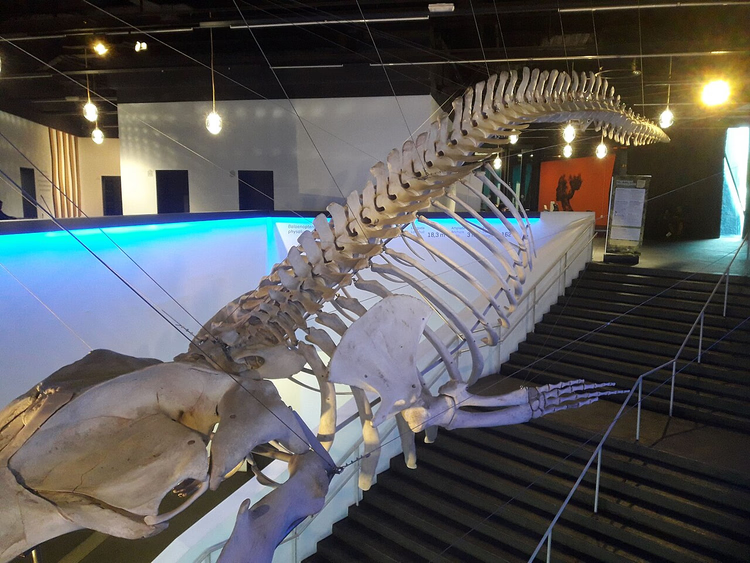
The Barcelona Natural Science Museum has more than a century of history and millions of specimens. The collection is spread across several sites: the blue Forum building, a pavilion in Ciutadella Park, and the Botanical Garden on Montjuïc. The main exhibition, the Blau museum, occupies two floors of the Forum building.
A whale skeleton greets you in the lobby. Then come darkened halls about the origins of life, with light, sound, and video. Display cases hold rocks, minerals, and precious stones, alongside fungi, algae, and microorganisms. A separate collection consists of dried insects and stuffed animals.
Admission is in the low double digits, children get a discount, and on the first Sunday of the month many sites offer free entry. Opening hours differ between the Blau museum and the Botanical Garden, so check the official website before your visit.
- Who it's for: families and schoolchildren.
- The catch: the collection is spread across different buildings, so you will have to travel between sites.
- Getting there: the Blau museum is served by El Maresme | Fòrum metro station; the pavilion in Ciutadella Park is served by Arc de Triomf station.
17. CosmoCaixa Science Museum
 © Jirka Dl · CC BY-SAPhoto: Jirka Dl, CC BY-SA (https://creativecommons.org/licenses/by-sa/3.0), Wikimedia Commons
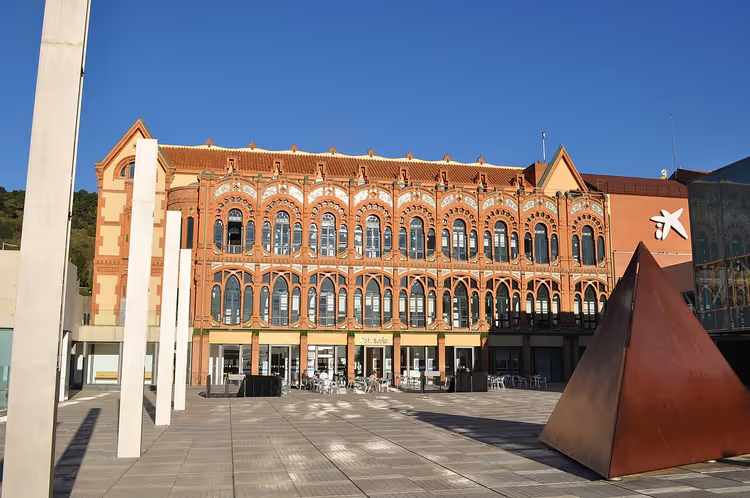
CosmoCaixa stands on the outskirts of the city at the foot of Tibidabo and occupies a huge building. It is a science museum run by the la Caixa foundation, and everything here is designed for you to touch, climb down, and experiment. Two satellite dishes stand in front of the entrance, transmitting sound to each other.
Inside, you descend in a spiral around an Amazonian tree and ride up on a glass escalator. The halls feature a Foucault pendulum, a model of a flooded Amazon forest, and a cross-section of the earth. Separate installations demonstrate lightning, tornadoes, volcanic eruptions, and earthquakes, and the museum has a planetarium.
Admission costs €8, and children under 16 enter free (as of 09/2026, CosmoCaixa website). The museum is open Tuesday through Sunday from 10 to 20, closed on Mondays. On the first Sunday of the month admission is free for everyone, and it is best to arrive at opening time.
- Who it's for: families with children and anyone who loves interactive museums.
- The catch: there is no metro nearby, so allow an extra half hour for the journey.
- Getting there: commuter train to Avinguda Tibidabo station or bus, then a few minutes on foot.
For tickets to CosmoCaixa and other science museums in the city, see GetYourGuide.
18. Archaeology Museum of Catalonia
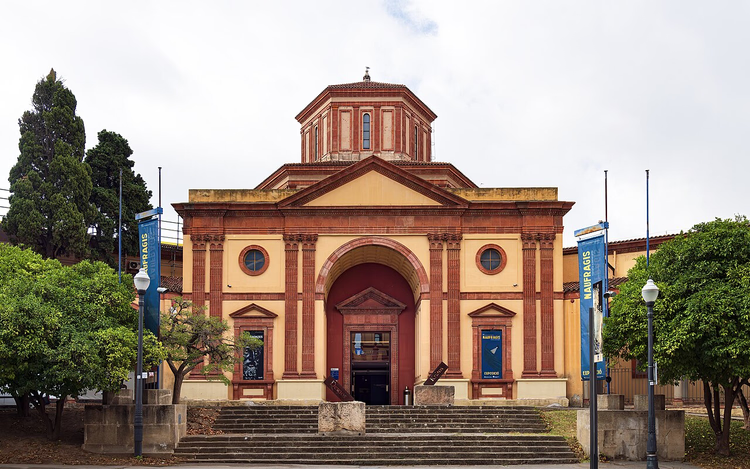
The Archaeology Museum of Catalonia occupies the former Palace of Graphic Arts in Montjuïc Park. The exhibition is divided into thematic collections and shows the development of tools, household items, crafts, and clothing. It clearly illustrates how daily life changed from prehistoric times to antiquity.
 © Didier Descouens · CC BY-SAPhoto: Didier Descouens, CC BY-SA (https://creativecommons.org/licenses/by-sa/4.0), Wikimedia Commons
The route leads through finds from excavations across Catalonia. Ceramics, jewelry, and weapons from different eras deserve special attention, as do burial objects. The rooms are small, so the visit will not take the whole day.
- Who it's for: those interested in archaeology and ancient history.
- The catch: the museum is closed on Mondays and on certain holidays.
- Getting there: Espanya or Poble Sec metro station, then walk up Montjuïc.
19. Casa Milà
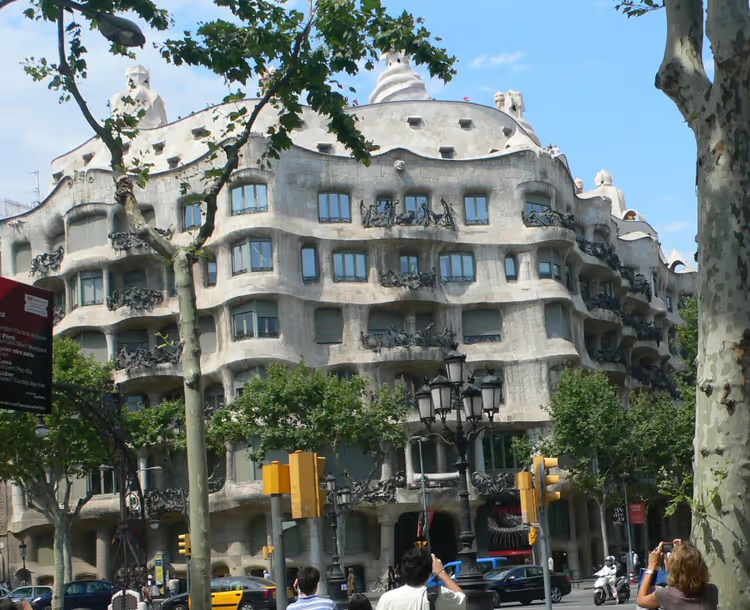 © PhotoZuZ · CC BY-SAPhoto: PhotoZuZ, CC BY-SA (https://creativecommons.org/licenses/by-sa/3.0), Wikimedia Commons
Casa Milà, or La Pedrera, stands on Passeig de Gràcia and is a UNESCO World Heritage site. It is Gaudí's last secular work, built in the early twentieth century. The wavy stone facade resembles a cliff, and the interior is just as surprising.
The building has no load-bearing walls; a frame supports the layout. One floor is devoted to an exhibition about Gaudí's work, another recreates an early twentieth-century apartment with furniture, dishes, and clothing. The main attraction here is the roof: chimneys shaped like warriors and monsters turn it into a sculpture garden.
The building is open daily, with separate evening sessions on the roof. It is best to book tickets in advance, because daytime visit slots sell out quickly. If you want to see the roof without crowds, choose the first morning session.
- Who it's for: Gaudí fans and architecture lovers.
- The catch: roof access is by timed entry, and without a pre-purchased ticket you may not get in.
- How to get there: Diagonal or Provença metro station, the exit leads directly to the building.
Get Casa Milà tickets with an audio guide on GetYourGuide.
20. Poble Espanyol
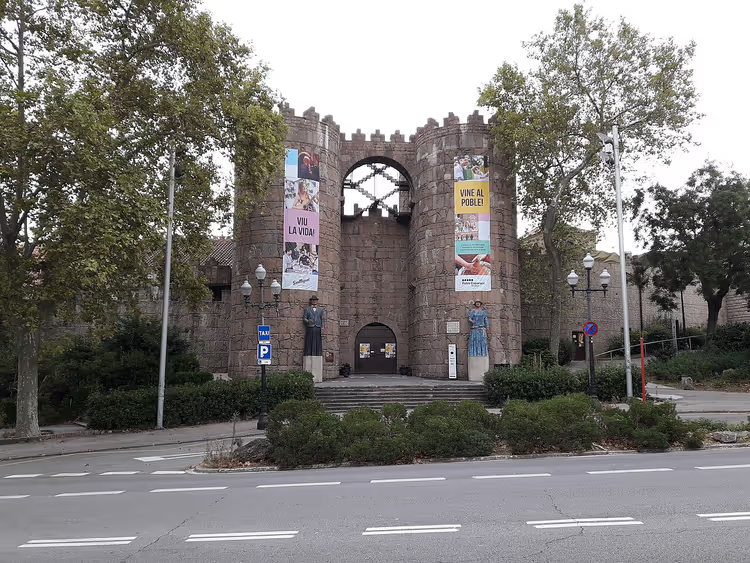 © pere prlpz · CC BY-SAPhoto: pere prlpz, CC BY-SA (https://creativecommons.org/licenses/by-sa/3.0), Wikimedia Commons
Poble Espanyol on Montjuïc works as an open-air museum, with replicas of buildings from all over Spain. The entrance leads through the medieval Ávila gate, and then Plaza Mayor opens up. From there, streets branch out to the quarters of Andalusia, Galicia, the Balearic Islands, Valencia, the Basque Country, and Catalonia.
More than a hundred buildings reproduce castles, townhouses, village dwellings, and monasteries. Potters, weavers, glassblowers, and leatherworkers work in the workshops, where you can watch them and buy their products. A single ticket allows multiple entries and exits throughout the day, which many visitors take advantage of.
- Who it's for: those who want to see all of Spain in a couple of hours.
- The catch: opening hours vary by day of the week, so check the website before visiting.
- How to get there: Espanya metro station, then walk or take the escalators up Montjuïc.
Tours and tickets in Barcelona
Guided tours, skip-the-line tickets and activities — most offers can be cancelled free of charge.
See offers on TiqetsThe widget loads once you give your consent.
How to save money in Barcelona?
Barcelona is an expensive city, but there are simple ways to pay less. First rule: watch for free admission windows. On the first Sunday of the month, many museums offer free entry, and some open free admission on Sunday afternoons.
If you plan to visit at least three museums, the Articket is a better deal. One ticket gives you entry to six major museums in the city and is valid for almost a year. For transport, get the Hola BCN card for several days, it works out cheaper than single tickets.
A public transport pass for two to five days is easy to buy on GetYourGuide.
The hop-on hop-off bus helps you cover the city on a short visit. The routes connect the main districts and Montjuïc, and you get off wherever interests you.
A sightseeing bus in Barcelona for one or two days is available on GetYourGuide.
- Who it's for: those visiting at least three museums per trip.
- The catch: transport cards and passes do not include museum entry, those are separate expenses.
⁉️🤔 Frequently asked questions
When are Barcelona museums free?
On the first Sunday of the month, many museums offer free entry, including Museu Picasso, CosmoCaixa, and the Barcelona History Museum. Some museums also open free admission on Sunday afternoons. Check official websites for exact windows, because schedules change by season.
How many days do you need for Barcelona museums?
For the twenty museums on the list, you need at least a week if you visit two per day. In one day, you can realistically cover three museums close together, for example Museu Picasso, the Marès Museum, and the Barcelona History Museum in the Gothic Quarter. Don't plan more than three, otherwise the impressions blur together.
Which Barcelona museums are interesting for children?
Children usually enjoy the Chocolate Museum, CosmoCaixa, and the Museum of Optical Illusions. At CosmoCaixa you can touch exhibits and walk down the spiral, and at the Chocolate Museum they hand you a chocolate bar at the entrance. The Museum of Optical Illusions is open only four days a week, so keep that in mind.
Are museums closed on Mondays?
Yes, Monday is a day off for most museums on the list, including Museu Picasso, MACBA, the Joan Miró Foundation, and CosmoCaixa. The Maritime Museum and Casa Milà are open, so Monday is a good day to dedicate to them. Plan your route in advance so the day doesn't go to waste.
Do you need to buy tickets in advance?
Yes, on weekends and in high season, time slots sell out several days ahead. Museu Picasso, Casa Milà, and Park Güell sell timed entry, so without a reservation you risk standing in line. Online tickets are often cheaper than at the ticket office, so get them before your trip.
In short: what to book
If you're short on time, go for Museu Picasso and the National Art Museum of Catalonia: they give the best overview of the city's painting. If you're traveling with children, prioritize CosmoCaixa, the Chocolate Museum, and the Museum of Optical Illusions. If you're interested in history, start with the Barcelona History Museum and the Maritime Museum, then add the Archaeology Museum.
Book tickets to the main museums in advance, choose a hotel near the metro, and arrange insurance before your flight. That way you won't lose time in lines and can comfortably cover more than half the list in one trip.
Tickets and tours are on GetYourGuide, hotels in Barcelona on Trip.com, and insurance options are easy to compare here.

A small editorial team writing guides for independent travel. We travel ourselves, but we haven’t been everywhere, so we check prices, opening hours and how to get there against official sources.