
















 AIIllustrative image: AI-generated
25 Amsterdam museums: what to see and how to buy a ticket with a time slot
Amsterdam has several dozen museums, and choosing the main ones for a short trip is not easy. Some operate on timed entry slots, and weekend tickets sell out weeks in advance. Below we have gathered the city's museums worth adding to your plan: what to see inside, who each one suits, and how to avoid standing in line.
Ad: this article contains affiliate links, we earn a commission if you book through them, at no extra cost to you.
1. Van Gogh Museum
💡 In short:
- It houses the world's largest collection of works by Vincent van Gogh.
- Tickets are sold only by entry time, so book your slot in advance.
- Prices and opening hours: 09/2026, verified on the official Van Gogh Museum website.
 © Warrox · CC BYPhoto: Warrox, CC BY (https://creativecommons.org/licenses/by/2.5), Wikimedia Commons
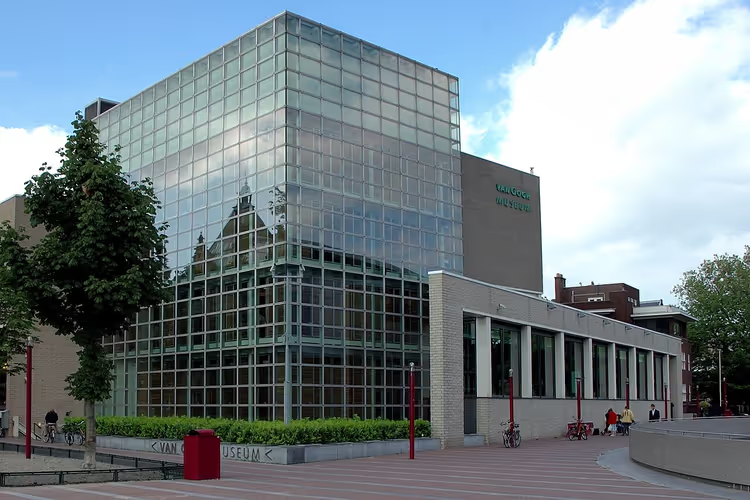
The collection grew out of the artist's family's personal holdings. After his death, his sister-in-law and nephew preserved the paintings, drawings, and letters, and later donated them to the city. Today the galleries divide Vincent's work into periods of his life: the early rural era with "The Potato Eaters," portraits and still lifes with "Sunflowers," and then vivid landscapes such as "Wheatfield with Crows."
The museum building itself is recognizable by its rounded silhouette: one half is glazed, the other closed. Next to Vincent's works hang canvases by the contemporaries he argued with and corresponded with, from Monet to Picasso.
Tickets are sold by entry time, so first choose a slot on the official website, then plan your day. In summer, morning windows sell out fastest, while evening slots are quieter. Children enter free, but check the age threshold when purchasing.
Van Gogh Museum ticket on GetYourGuide
2. National Maritime Museum
 © Fernando · CC BY-SAPhoto: Fernando, CC BY-SA (https://creativecommons.org/licenses/by-sa/4.0), Wikimedia Commons
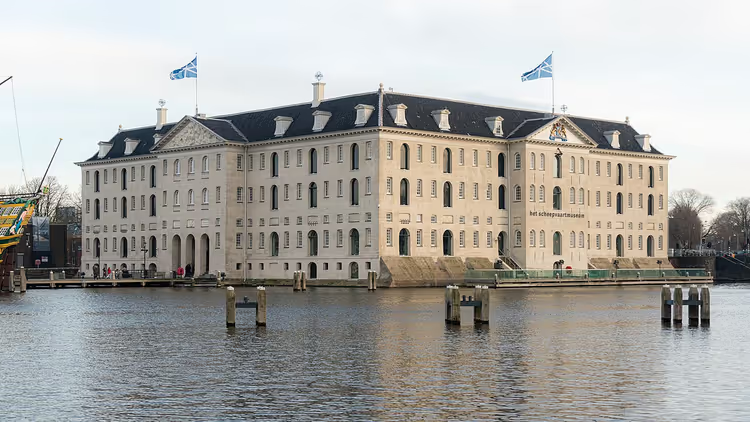
The former admiralty warehouse remembers the days when Amsterdam was one of Europe's main ports. The roof was rebuilt so that the sky is visible through the steel framework. Inside are ship models, atlases, compasses, and interactive maps, and the tour takes place in semi-darkness with blue lighting. It feels as if you are standing on board a ship.
For children, there is a separate story here. You can step into the open mouth of a huge whale and learn how marine mammals work. The route ends at a real sailing ship, where young visitors play pirates.
There are also quiet galleries with cartography inside: atlases and maps used to chart routes to the colonies lie there, with sculptures of seafarers standing nearby. If details matter more to you than attractions, start with those. It is easier to buy a ticket online so you do not stand at the ticket office on weekends. Check opening hours and prices on the museum's official website.
National Maritime Museum ticket on GetYourGuide
3. Madame Tussauds
 © MatteoNL97 · CC BYPhoto: MatteoNL97, CC BY (https://creativecommons.org/licenses/by/4.0), Wikimedia Commons
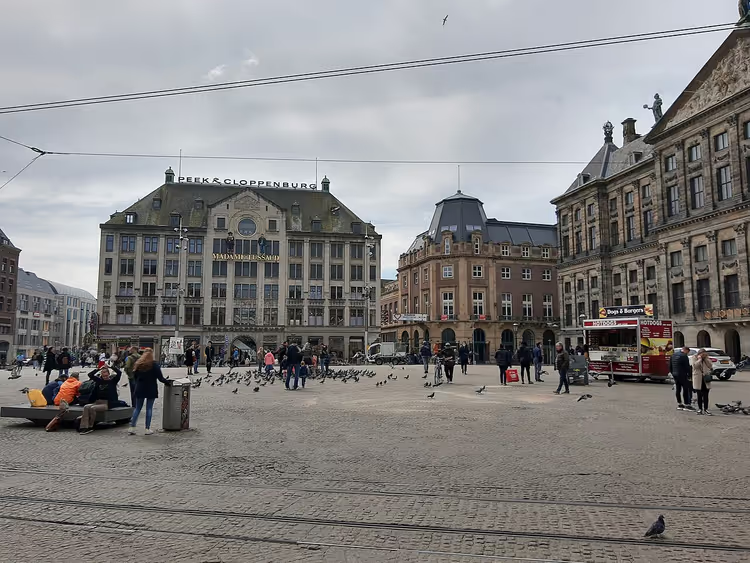
Madame Tussauds' wax figures have spread around the world, and Amsterdam got its own branch on Dam Square. The rooms have local flavor: a pirate greets you at the entrance, then come peasants and craftsmen in folk costumes, and nearby stand Rembrandt and other Dutch painters.
Then the usual lineup of celebrities begins: actors, musicians, politicians, and Madame Tussauds herself. A separate room is devoted to crime-story characters, and sensitive visitors are advised to skip it. You are allowed to hug and photograph the figures, so families often come here. Among the figures you will easily recognize Marilyn Monroe, Angelina Jolie, Lenin, Gorbachev, and Barack Obama. The line here is often longer than at neighboring museums.
Check tickets and opening hours on the museum's official website. On weekends it is crowded, so aim for the morning. Sometimes a combo with the neighboring attraction is a better deal.
Madame Tussauds and Amsterdam Dungeon tickets on GetYourGuide
4. Willet-Holthuysen Museum
An heiress and an antiques collector joined their lives and fortunes, and bequeathed their canal house to the city. There was one condition: keep the interior exactly as it was when the owners lived there. So the mansion became a museum where it seems as if the owners have just stepped out for a minute.
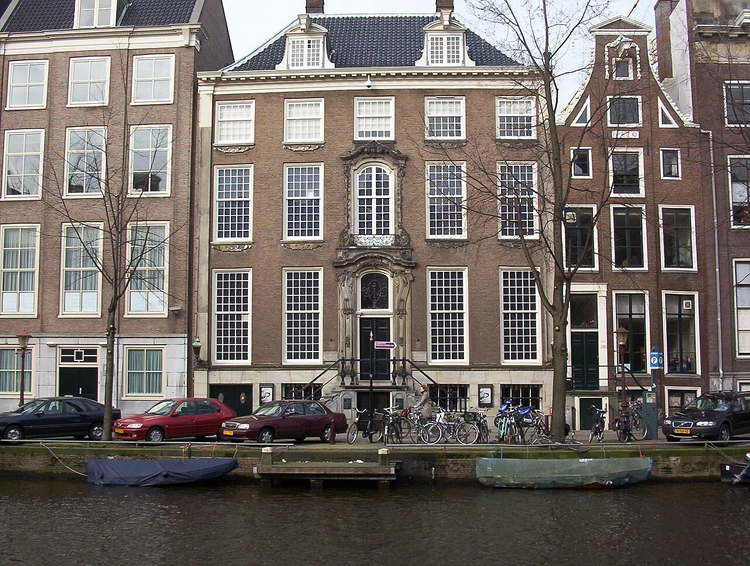
The floors are filled with furniture and household objects from past centuries, which you are not allowed to touch. In the kitchen, you can make yourself tea for a small fee. This is a quiet museum for those tired of crowds: tour groups almost never make it here, and you walk through the rooms nearly alone.
Before visiting, check the current opening hours: small private houses often change their schedule, and some rooms are closed for restoration.
5. Diamond Museum
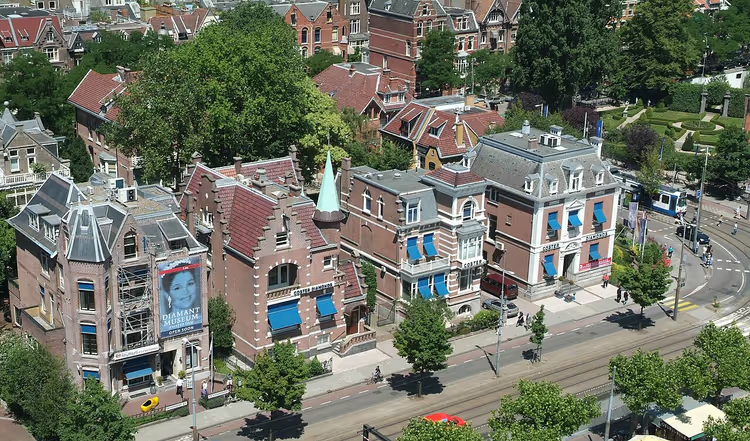
The exhibition is entirely about diamonds: how they are mined, cut, and appraised. The most memorable exhibit here is unusual: a monkey skull completely covered in stones. You will also be shown how to tell a fake from a real diamond and learn about jewelry craftsmanship.
A separate part of the story is devoted to cutting: you will see how a stone becomes a piece of jewelry and why two similar diamonds cost different amounts.
The museum is compact, and an hour is usually enough to see it. Check the price and hours when buying a ticket.
Entrance ticket to the Diamond Museum on GetYourGuide
6. Heineken Experience
 © User:Mtcv · CC BY-SAPhoto: User:Mtcv, CC BY-SA (https://creativecommons.org/licenses/by-sa/3.0), Wikimedia Commons
The old Heineken brewery in the center has been turned into an interactive museum. The company has kept its recipe for almost two centuries, and the tour tells this story through screens, rooms, and attractions. Drinks are included in the price, and the stables show the horses that used to deliver the products.
Entry is for adults only. It is noisy and crowded inside even on weekdays, so get a ticket for the morning. Check hours and prices on the official website.
Heineken Experience ticket on GetYourGuide
7. Rembrandt House Museum
 © 14:43, 17 October 2006 · CC BY-SAPhoto: 14:43, 17 October 2006, CC BY-SA (http://creativecommons.org/licenses/by-sa/3.0/), Wikimedia Commons
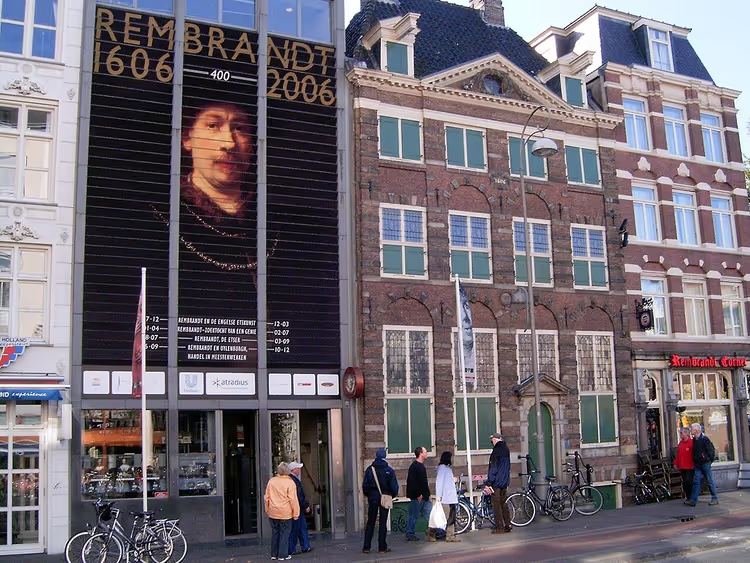
Rembrandt bought this house at the peak of his fame, and at the end of his life he went bankrupt and sold off his property. Later the mansion was bought back and its interior restored according to an inventory, so the rooms show the daily life of a workshop from that era. Works by the artist himself and his pupils hang here, along with a collection of prints and objects. The first rooms show a cheerful period: masquerades, wealthy living, and "The Prodigal Son in the Tavern." After his wife's death, the tone changes: the works grow sadder and feature more portraits of old people, while the artist himself heads toward bankruptcy.
The house stands on Jodenbreestraat in the former Jewish Quarter. The route is built around the workshop where he painted and taught, and the living quarters with a kitchen and bed. The rooms are cramped, and on a rainy day a line forms here.
Choose your time slot in advance on the official website. In the morning there are noticeably fewer people than after noon.
Entrance ticket to the Rembrandt House on GetYourGuide
8. NEMO Museum
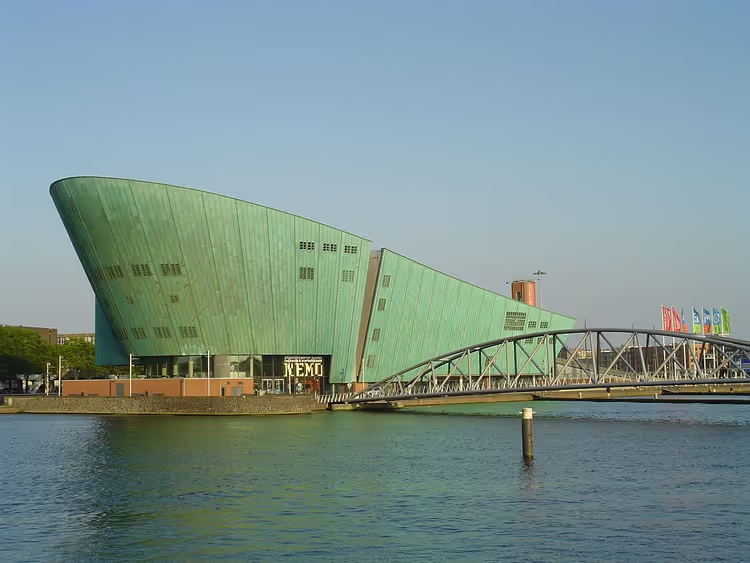
The museum building looks like a huge ship moored by the water, and everything inside is designed for children. On one floor, they explore how the human body works and hold visual shows. On another, they explain nature, the water cycle, and how different materials are made.
Higher up, experiments and activities involving the brain begin, and the top level is given over to playrooms and a cafe. Children here do not just look: they touch, turn, and sort things, so people come for half a day, not just an hour.
The museum is closed on Mondays and is open during the day on other days. Check time slots and tickets on the official website. With kids, allow extra time: the halls are large, and you won't be able to leave quickly.
9. Rijksmuseum
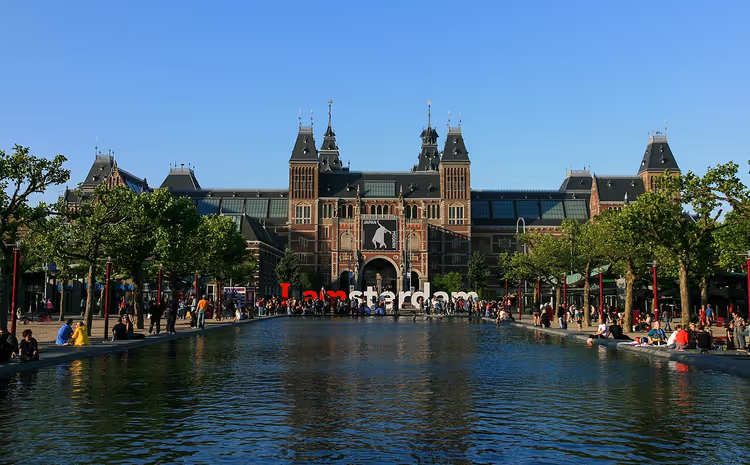 © Marco Almbauer · CC BY-SAPhoto: Marco Almbauer, CC BY-SA (https://creativecommons.org/licenses/by-sa/3.0), Wikimedia Commons
The country's main museum grew out of a collection of Dutch art that outgrew its old walls. The building blends neo-Gothic and Renaissance styles, and the facade alone is worth a visit. Inside you'll find paintings, porcelain, ship models, dollhouses, and old books.
The collection is arranged chronologically and divided into zones, so you can't cover it all in one day. Choose the periods that interest you in advance, and don't try to see everything at once. People come here specifically for Rembrandt's "The Night Watch."
It's easier to buy tickets online so you can skip the ticket office line. Check opening hours and prices on the official Rijksmuseum website.
Rijksmuseum: priority entrance ticket on GetYourGuide
10. Museum of Bags and Purses
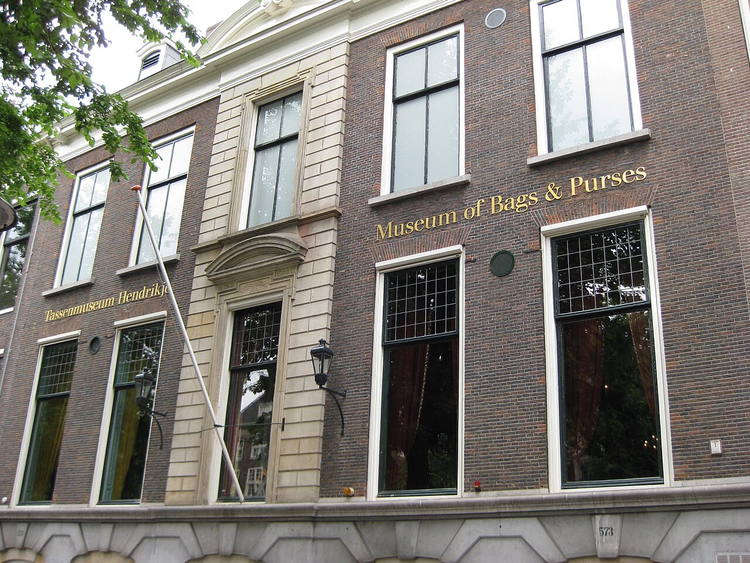 © Marion Golsteijn · CC BY-SAPhoto: Marion Golsteijn, CC BY-SA (https://creativecommons.org/licenses/by-sa/3.0), Wikimedia Commons
Hendrikje Ivo's collection was assembled over decades and grew into a dedicated museum on the canal. It shows how bags and accessories changed from the Middle Ages to the present day, with works by famous designers displayed alongside old purses.
If the subject isn't your thing, you can watch a film over a cup of coffee on the ground floor. The exhibits are not for sale, but you can buy pieces by contemporary makers in the shop.
Before you go, check the current hours and museum status: small private collections sometimes move or close.
Admission ticket to the Museum of Bags and Purses on GetYourGuide
11. Anne Frank House
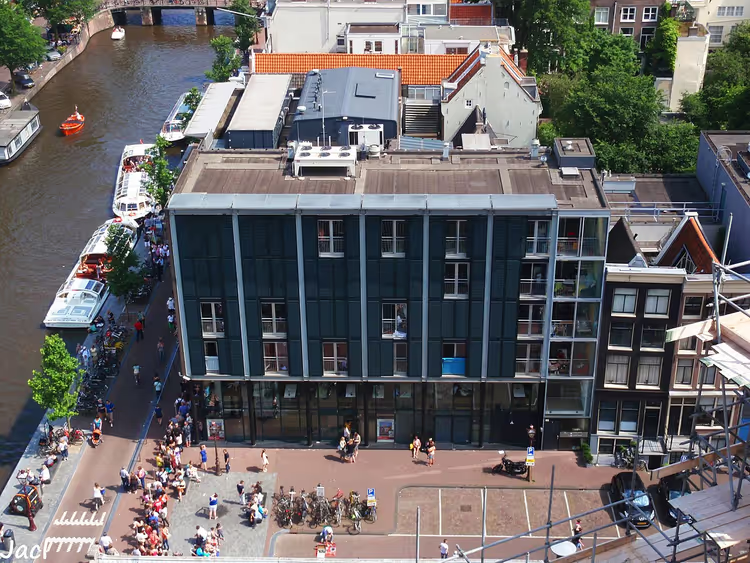 © Jose A. · CC BYPhoto: Jose A., CC BY (https://creativecommons.org/licenses/by/2.0), Wikimedia Commons
During World War II, Anne Frank's family hid for almost two years in a concealed part of a canal house. The door to the hiding place was hidden by a bookcase, and during the day they couldn't even make noise. The family was arrested shortly before the end of the war, and the house became a museum in memory of the victims of the Holocaust.
It holds the original diary of Anne with her writings and photographs, as well as objects and documents from that period. The rooms are small and the route goes in one direction, so you won't be able to linger at the display cases. The furniture, photographs on the walls, and the girls' height marks have been preserved inside, and a small exhibition about the fates of other victims is nearby. The atmosphere is heavy, so it's best to set aside quiet time for the visit.
Tickets are sold only online and months in advance, and they often sell out on the day sales open. Check dates and rules on the official website. You should plan this well ahead, otherwise no dates will be left.
12. Hash Marihuana & Hemp Museum
The museum grew out of the private collection of Ben Dronkers, who collected everything related to cannabis and hashish. Today it displays smoking pipes, seeds, old medical preparations, and growing equipment. A separate part of the exhibition explains why these substances cause addiction.
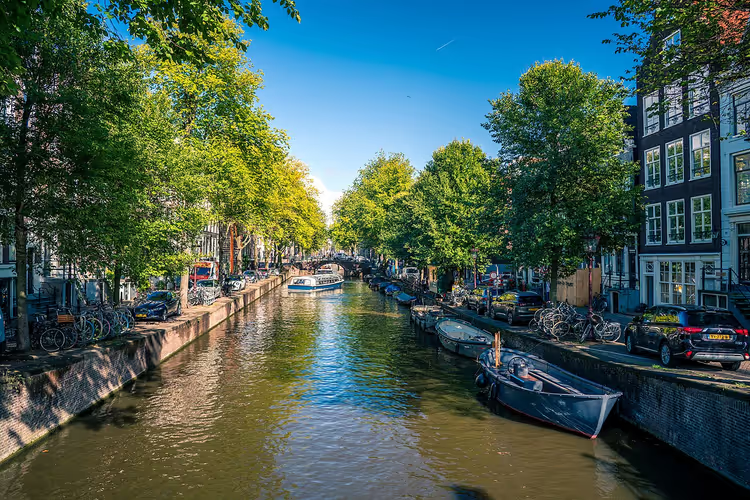 © Nan Palmero from San Antonio, TX, USA · CC BYPhoto: Nan Palmero from San Antonio, TX, USA, CC BY (https://creativecommons.org/licenses/by/2.0), Wikimedia Commons
The museum is not only about history. A separate section of the hall covers the first smoking blends and pipes. Further on, it discusses the use of cannabis in medicine, cosmetics, and cooking. Some products can be bought in the shop, but you cannot take them out of the Netherlands.
It is open daily and late into the evening, which is convenient after other museums. Check hours and tickets on the official website.
13. FOAM Photography Museum
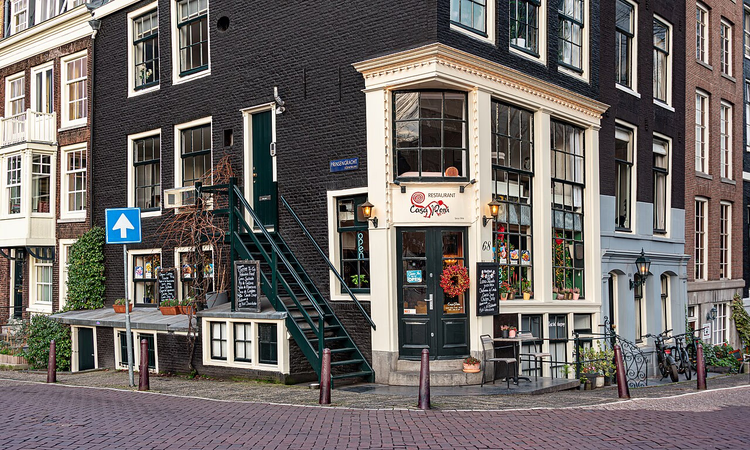 © Jorge Franganillo · CC BYPhoto: Jorge Franganillo, CC BY (https://creativecommons.org/licenses/by/4.0), Wikimedia Commons
FOAM occupies a canal-side mansion and is entirely dedicated to photography. Exhibitions change several times a year, so there is no permanent collection here: what you see depends on the season. Check the themes on the website in advance so you don't end up with a genre that isn't your thing.
It shows both documentary work and staged pieces by emerging artists. Sometimes an exhibition is built around a single series, and then the visit takes less than an hour.
On Thursdays and Fridays the museum is open late; on other days it closes earlier. Check time slots and tickets on the official website.
14. Museum Van Loon
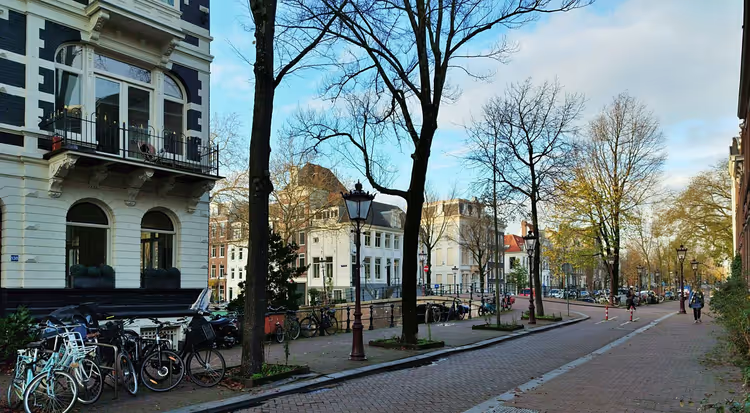
This canal-side mansion belonged to the wealthy family of Hendrik Van Loon, and the interior still holds clothing, furniture, porcelain, silver, and family portraits. Each room shows everyday life of the Dutch nobility rather than a display case of individual exhibits.
Behind the house is a hidden garden with a French-style carriage house. Concerts and receptions are held here, so sometimes the halls or garden are closed to regular visitors. Check the dates in advance on the museum website so you don't run into a private event.
It is open almost every day except holidays. Buy tickets online: there can be a line at the ticket office.
15. Tropical museum
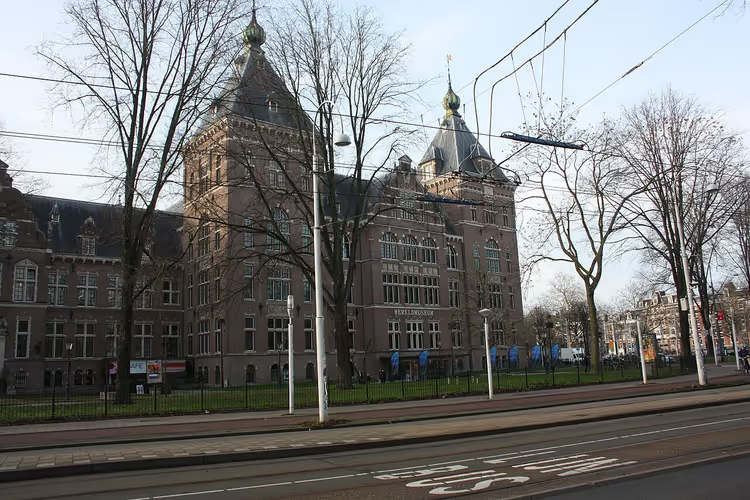 © Sneeuwvlakte · CC BY-SAPhoto: Sneeuwvlakte, CC BY-SA (https://creativecommons.org/licenses/by-sa/4.0), Wikimedia Commons
The name is misleading: there are no tropical plants or insects here. The museum is dedicated to anthropology and the peoples of Asia, Africa, and Latin America, whose lands were once colonies of the Netherlands. The collection is so large that it is spread across several halls, and seeing it takes at least half a day.
Masks, taxidermy, statues, costumes, a hall of musical instruments, and a shadow theater sit alongside interactive zones for children. Separate halls are devoted to music, crafts, and the daily life of the regions where the exhibits came from. Inside there is a cafe with a variety of cuisines and a shop, so taking a break is easy.
The museum is closed on Mondays. Check tickets and hours on the official website.
Tropenmuseum ticket on GetYourGuide
16. Stedelijk
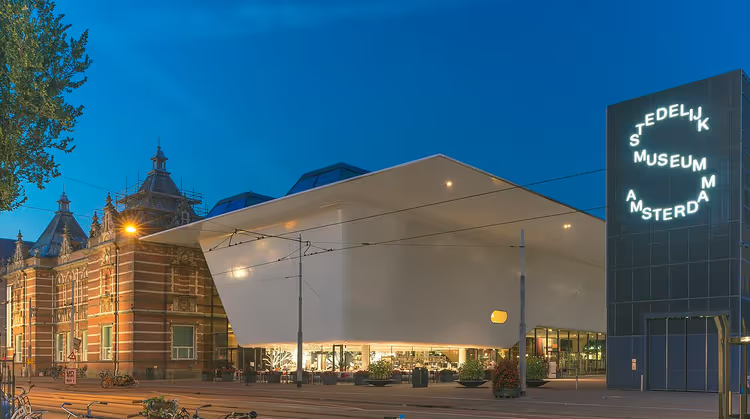 © John Lewis Marshall · CC BY-SAPhoto: John Lewis Marshall, CC BY-SA (https://creativecommons.org/licenses/by-sa/4.0), Wikimedia Commons
The Stedelijk collects art of the 20th century and today, and it is easy to get overwhelmed here. A separate hall is given to works by Kazimir Malevich, and visitors have polarizing reactions to them: some find them irritating, others find them fascinating. Nearby hang Picasso, Chagall, Matisse.
Temporary exhibitions bring abstraction, minimalism, and neoplasticism by Dutch artists. After viewing, you can calmly discuss what you saw at the cafe on the ground floor.
On Fridays the museum is open late; on other days it closes earlier. Check tickets and hours on the official website. If you are tired of the classics, start here.
17. Microbe museum
 © Nadine Ranger · CC BY-SAPhoto: Nadine Ranger, CC BY-SA (https://creativecommons.org/licenses/by-sa/4.0), Wikimedia Commons
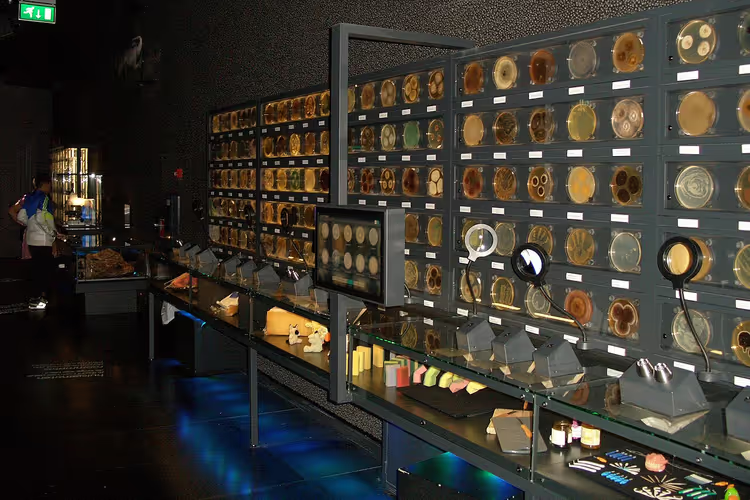
Micropia is located on the grounds of the Artis zoo, but it is dedicated to what the eye cannot see. The museum's laboratory is home to colonies of microorganisms that are monitored and fed, and you are shown how bacteria and fungi affect humans.
Part of the exhibition is interactive: a machine calculates how many microbes you "left behind" after a kiss, and a fingerprint analysis shows how quickly bacteria multiply even after using soap. On one table stand flasks with food of different ages, next to an ant farm with fungus.
The museum is open almost every day and late on weekends. Check tickets and hours on the official website. For children, this is one of the most visual spots in the city.
Skip-the-line Artis zoo ticket on GetYourGuide
Skip-the-line ticket to Micropia on GetYourGuide
18. Jewish Historical Museum
 © Johnbod · CC BY-SAPhoto: Johnbod, CC BY-SA (https://creativecommons.org/licenses/by-sa/3.0), Wikimedia Commons
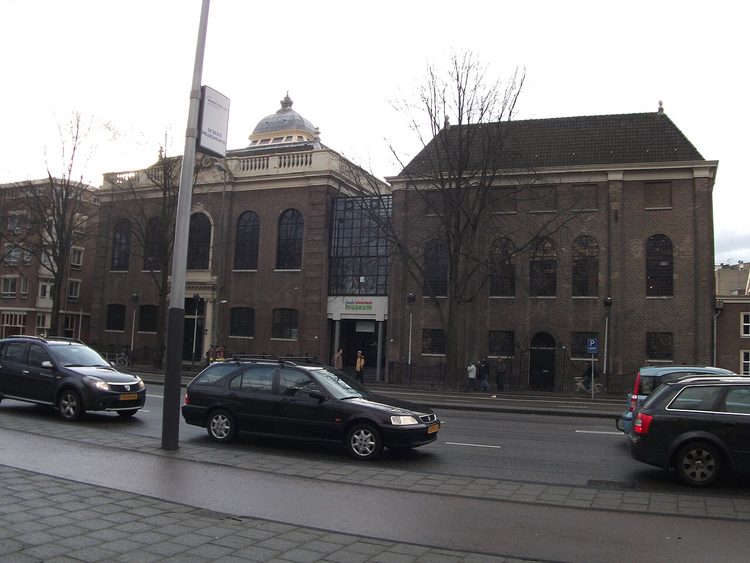
The museum tells the story of the Jewish community in the Netherlands, and much of the exhibition focuses on wartime persecution. Alongside it, you can see cultural objects from past centuries: handwritten scrolls, arks, paintings, and household items.
On weekends, they run activities for children: teaching Hebrew writing, preparing traditional dishes, and showing documentary films. The museum occupies a former synagogue complex, and the buildings themselves are already part of the exhibition. It belongs to the Jewish Cultural Quarter, so it is easy to combine with the neighboring venues.
It is open daily, but special entry and payment rules apply on Saturdays. Check hours and tickets on the museum website.
19. Allard Pierson Museum of Antiquities
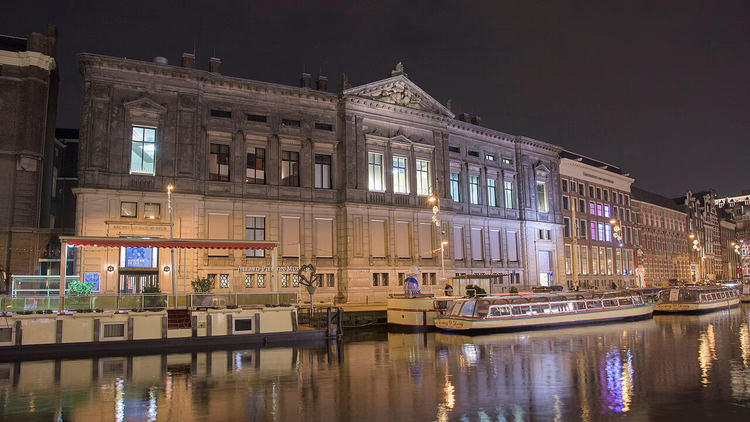
The museum grew out of the collection of Allard Pierson, who took part in expeditions and gathered finds from Egypt, the Roman Empire, and the Middle East. It houses mummies and sarcophagi, pottery, amulets, tools, and bronze objects.
 © Hnapel · CC BY-SAPhoto: Hnapel, CC BY-SA (https://creativecommons.org/licenses/by-sa/4.0), Wikimedia Commons
Some items predate written history, and they show how people lived before the rise of cities. For anyone interested in antiquity, this is a quiet alternative to the big museums, with no lines.
The museum is usually closed on Mondays and opens later on weekends. Check hours and tickets on the official website.
20. Torture Museum
The museum shows the dark side of medieval history: instruments of torture and execution used against the accused. Many of the tools are authentic: they were once actually used to carry out sentences. Next to the exhibits are plaques with explanations in several languages. Among the exhibits are the spiked "Witch's Chair," the "Iron Maiden," the rack, and the "Head Crusher" helmet. A separate display case covers water torture, which was used to extract confessions without leaving marks on the body.
It is not a sight for the faint-hearted, and it is not a place to bring children. On the other hand, the subject is presented honestly and without unnecessary dramatization, and the descriptions are available in several languages.
The attraction is open daily and closes late, so it is convenient to visit in the evening. Tickets are sold at the entrance, and check the exact hours on site.
21. Museum of the human body
 © Patrick Nouhailler's… · CC BY-SAPhoto: Patrick Nouhailler's…, CC BY-SA (https://creativecommons.org/licenses/by-sa/3.0), Wikimedia Commons
Here, anatomy is explained through the embalmed bodies of people who donated themselves to science during their lifetime. Some figures are frozen in motion, with the skin removed to reveal muscles and blood vessels. You will see a heart, a smoker's lungs, kidneys with a tumor, and skeletons.
Some exhibits show how smoking and disease change internal organs, and this has a strong effect on teenagers. Individual organs are designed as rooms you can enter: inside a stomach or an oral cavity. Light and sound effects add to the experience, so schoolchildren remember the material faster than from a textbook.
The museum is not for the sensitive, and people with young children should think it through beforehand. It is open Tuesday through Sunday. Check hours and tickets on the museum's website.
22. Our Lord in the Attic church
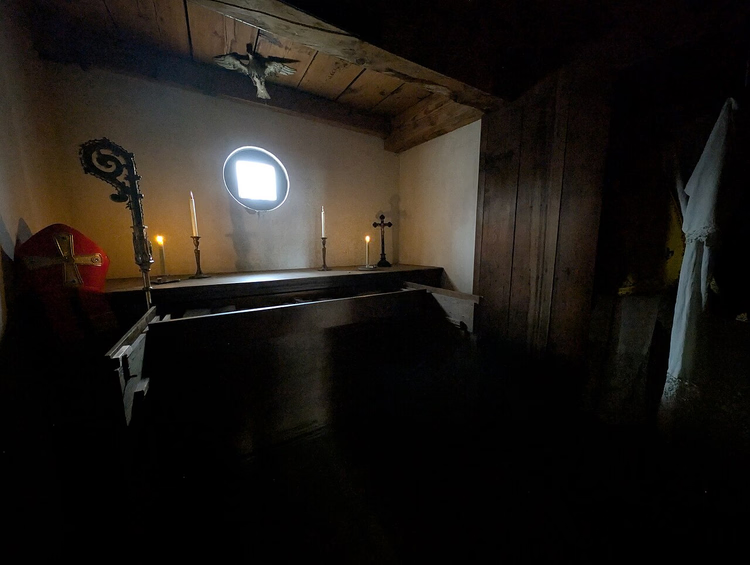
In the 17th century, Catholics in the Netherlands were forbidden from holding services openly, so wealthy citizens set up churches right in their homes. Merchant Jan Hartman built such a church across three attic floors, and from the outside the mansion gives nothing away.
Inside, the service hall, altar, organ, as well as a chapel and the priest's room have been preserved. The priest lived with the owner's family. The furniture, tableware, and decor have survived to this day because the new owners changed nothing.
The prayer hall was on the top floor, the family lived below, and icons and statues of saints hang above the altar. Locals called the house "Our Lord in the Attic." Without an audio guide, you will easily walk past the hidden staircase and the secret chapel.
The museum is open daily, but on weekends it opens later than on weekdays. Book time slots and tickets on the official website.
23. H'ART Museum on the Amstel
The museum on the Amstel changed its former name to H'ART Museum and shifted to temporary exhibitions from various collections. The Amstelhof building was originally built as a home for the elderly, and the inner courtyards with galleries have survived to this day. The mansion stands on the riverbank, and the location alone is worth a stroll.
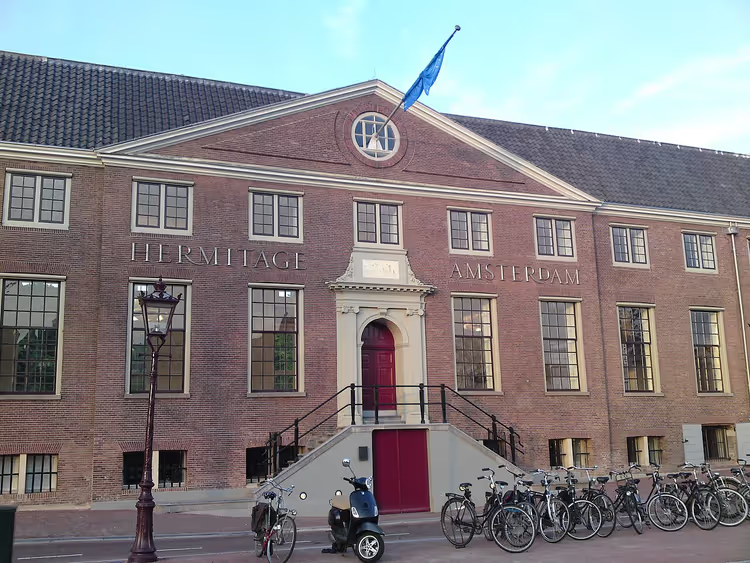 © Fentener van Vlissingen · CC BY-SAPhoto: Fentener van Vlissingen, CC BY-SA (https://creativecommons.org/licenses/by-sa/3.0), Wikimedia Commons
The schedule changes from exhibition to exhibition, so check in advance what is currently on display. In the past, the museum showed ceremonial costumes, jewelry, portraits, and documents, and some rooms housed shops, a restaurant, and children's activities.
Opening hours depend on the current exhibition. Check tickets and the schedule on the official website. Check the date: the museum may be closed between projects.
24. Tulip Museum
At one time, a tulip bulb cost more than gold and could feed a family, and this small museum on the canal tells that story. It displays live flowers of different varieties, paintings and photographs, as well as films about where the tulip craze came from.
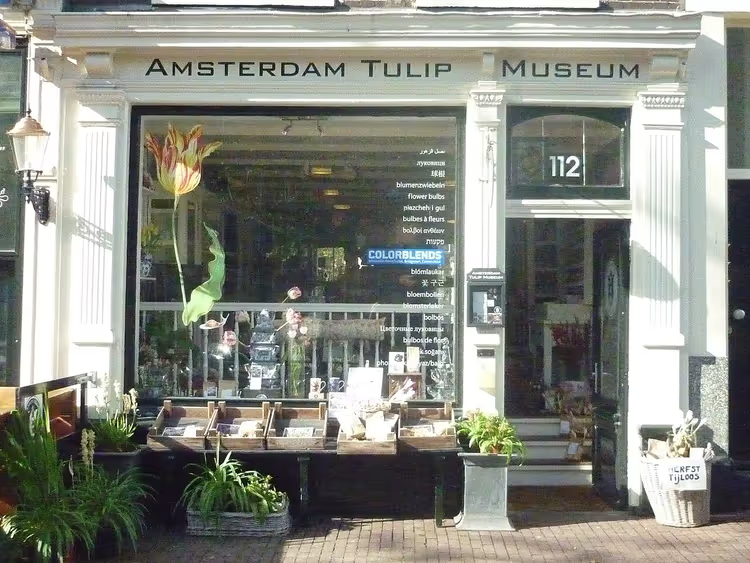 © Pvt pauline · CC BY-SAPhoto: Pvt pauline, CC BY-SA (https://creativecommons.org/licenses/by-sa/3.0), Wikimedia Commons
The displays explain why a bulb of a rare variety cost a fortune and how the tulip became a national symbol. The tour takes about an hour and includes a talk on how to care for them. At the end, there is a shop with tulip-themed items and souvenirs where you can buy seeds.
The museum is open daily during the day. Check hours and tickets on the official website. This is a good option for a rainy day in the center.
25. Cobra museum of modern art
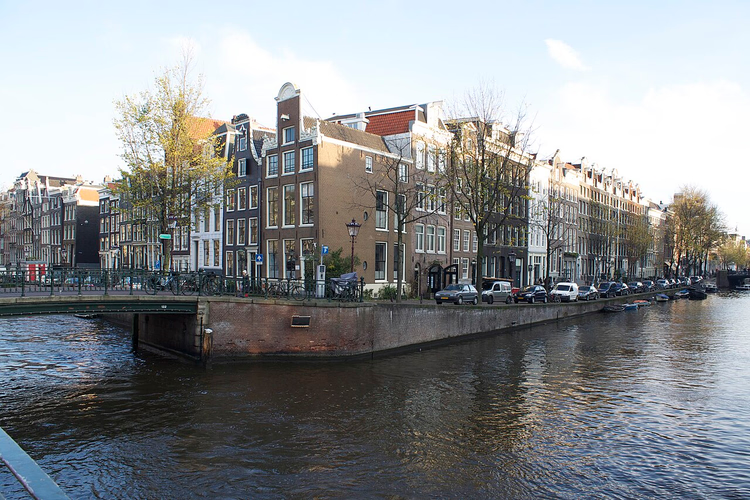 © Patrick Nouhailler's… · CC BY-SAPhoto: Patrick Nouhailler's…, CC BY-SA (https://creativecommons.org/licenses/by-sa/3.0), Wikimedia Commons
After the war, artists from Denmark, Belgium, and the Netherlands joined together in the CoBrA movement and set themselves against the dark art of that time. Their works are recognizable by bright colors and sweeping black lines, and the figures of animals and people are not immediately apparent.
The museum occupies a building in a suburb of Amsterdam and shows paintings by members of the movement, including Karel Appel. The collection is small, and a visit takes about an hour, so it is convenient to stop by on the way. The CoBrA movement lasted only a few years but managed to influence 20th-century European art. Besides Appel, the museum shows works by other members and temporary exhibitions by contemporary artists.
It is open Tuesday through Sunday. Check hours and tickets on the official website.
Amsterdam museums on the map
To avoid rushing around the city, mark the museums you need on the map and group them by neighborhood.
Museums of Amsterdam
Places on the map
- 1Van Gogh Museum Largest collection of Van Gogh's works, timed-entry tickets
- 2National Maritime Museum Former admiralty warehouse, ship models and a whale exhibit for kids
- 3Madame Tussauds Wax figures on Dam Square, a crime-history hall
- 4Museum Willet-Holthuysen Canal mansion with the furnishings of its former owners, a quiet museum
- 5Diamond Museum Exhibition on diamond cutting, with a workshop at the end
- 6Heineken Experience Old brewery, interactive tour and tasting
- 7Rembrandt House Museum The artist's house with a studio and a collection of etchings
- 8NEMO Science Museum Interactive science museum in a ship-shaped building, for kids
- 9Rijksmuseum The country's main museum, Rembrandt's 'The Night Watch'
- 10Museum of Bags and Purses Collection of bags and accessories from the Middle Ages to today
- 11Anne Frank House The Frank family's hiding place, Anne's original diary
- 12Hash Marihuana & Hemp Museum Pipes, seeds and the history of hemp from Ben Dronkers' collection
- 13Foam Photography Museum Canal mansion with rotating photography exhibitions
- 14Museum Van Loon Mansion of a wealthy family with a garden and coach house
- 15Tropenmuseum Anthropology of Asia, Africa and Latin America, former colonies
- 16Stedelijk Museum 20th-century art, a hall with Malevich, Picasso and Chagall
- 17Micropia Museum of microbes on the grounds of Artis Zoo
- 18Jewish Historical Museum History of the Dutch Jewish community, a former synagogue complex
- 19Allard Pierson Museum Finds from Egypt, Rome and the Middle East, mummies and sarcophagi
- 20Torture Museum Instruments of torture and execution from the Middle Ages
- 21Museum of the Human Body Embalmed bodies and anatomy, not for the faint of heart
- 22Our Lord in the Attic A hidden 17th-century Catholic church spanning three floors of a mansion
- 23H'ART Museum on the Amstel Temporary exhibitions in a former orphanage building on the Amstel
- 24Amsterdam Tulip Museum History of tulip mania and live flowers of various varieties
- 25Cobra Museum of Modern Art Paintings of the postwar CoBrA movement, works by Karel Appel
Tickets to most Amsterdam museums are sold with a fixed entry time, so it's easier to build your itinerary around the slots rather than the other way around.
Tours and tickets in Amsterdam
Guided tours, skip-the-line tickets and activities — most offers can be cancelled free of charge.
See offers on TiqetsThe widget loads once you give your consent.
Good to know before buying tickets
Almost all major Amsterdam museums operate on timed entry, so it's better to buy tickets online in advance. That way you pick a slot instead of standing in line at the ticket office. Go for the morning: by midday the line grows and the galleries get crowded.
Children often get in free, but the age cutoff depends on the museum, so check the terms when you buy. Teenagers sometimes have a separate rate, and in that case you'll need a document showing their date of birth.
If you're planning several museums and public transit trips, do the math on the I amsterdam city card: sometimes it's cheaper than individual tickets. Write down in advance which museums the card covers and how many you can realistically visit.
Some smaller museums close in the afternoon, so put the big collections in the morning and leave the compact ones for after lunch. Keep one day unbooked: in Amsterdam it's easy to get stuck in a single museum longer than you planned.
⁉️🤔 Frequently asked questions
How much time do you need for Amsterdam museums?
You can't get through the city's list even in a week, so pick three or four museums per trip. Major collections like the Rijksmuseum and the Van Gogh Museum each take half a day, while small houses and galleries like FOAM can be covered in an hour. Leave time for getting between neighborhoods.
Do you need to buy tickets in advance?
Yes, almost everywhere. The Van Gogh Museum, the Rijksmuseum, and the Anne Frank House operate on timed slots, and in high season the morning windows go first. The Anne Frank House sells tickets only online and well in advance. Small private museums like the Tulip Museum can be visited without a reservation.
Which Amsterdam museums are good with kids?
Interactive places work best for children: NEMO, Micropia, and the National Maritime Museum with its whale and sailing ship. The Tropenmuseum has play areas and a shadow theater, and at Madame Tussauds you're allowed to hug the figures. The Torture Museum and the body museum are better skipped with kids.
What should you see if you're into contemporary art?
Start with the Stedelijk: it has a Malevich room, Picasso, Chagall, and temporary exhibitions of abstraction and minimalism. Then head to the Cobra Museum, where works from the postwar CoBrA movement are on display. For photography, keep FOAM in your plan: its exhibitions change several times a year.
Which museums are open in the evening?
The Museum of Torture, the Hash Marihuana & Hemp Museum, and the Heineken Experience close later than the rest: you can stay almost until night. The Stedelijk and FOAM are open late on Fridays, and Micropia has longer hours at the end of the week. Other museums close in the afternoon, so put them in the morning and midday.
In short: what's worth booking
If you have one day in the city, go for the Rijksmuseum and the Van Gogh Museum: those are the two richest collections. With kids, choose NEMO and Micropia. For quiet, head to the Museum Van Loon or the attic church Ons' Lieve Heer op Solder. If you want contemporary art, your route runs through the Stedelijk and Cobra.
Tickets to Amsterdam museums are sold by time slot, and buying in advance is both cheaper and less stressful: see tickets on GetYourGuide. If you're planning a lot of trips, do the math on the I amsterdam city card. For accommodation near the center, look on Trip.com.

A small editorial team writing guides for independent travel. We travel ourselves, but we haven’t been everywhere, so we check prices, opening hours and how to get there against official sources.