
















10 Soups of the world: what to order and in which country to look
Soup exists in almost every cuisine in the world. For some nations it's a morning habit, for others a festive dish, and for still others a remedy for colds and hangovers. It's made from fish, meat, vegetables, seaweed, and even bird's nests, and served both hot and ice-cold.
We've gathered ten national soups from different countries. We'll show what matters most in each one, where to find an authentic version when traveling, and what to look for before ordering. Each dish is tied to the country where it's served most often.
Ad: this article contains affiliate links, we earn a commission if you book through them, at no extra cost to you.
How we put together the list of ten soups
💡 In short:
- Soup exists in every cuisine: from Vietnamese pho bo to Bulgarian shkembe chorba.
- Some dishes are eaten every day for breakfast, others only on holidays.
- Hungarikum Bisztró address: 09/2026, verified on the official Hungarikum Bisztró website.
We selected dishes based on three criteria: popularity in the country, accessibility for tourists, and a clear, understandable flavor. The list has no restaurant experiments that are hard to find in an ordinary city. There are also no dishes that would require you to travel to a specific region.
The table below will help you get oriented quickly. If you're in a hurry, start with it, then read the sections about the soups that interest you.
Soup | Country | Base | Where to find it |
|---|---|---|---|
Pho bo | Vietnam | beef and rice noodles | street cafes |
Palocleves | Hungary | lamb and paprika | Budapest restaurants |
Onion soup | France | onion, bread, and cheese | restaurants in France |
Gazpacho | Spain | tomatoes and vegetables | cafes in Andalusia |
Miso soup | Japan | miso, tofu, seaweed | breakfasts across the country |
Zurek | Poland | rye sourdough starter | Warsaw restaurants |
Chili con carne | Mexico | beef, beans, chili | taverns |
Lohikeitto | Finland | salmon and cream | Helsinki cafes |
Bird's nest soup | China | swiftlet nests | expensive restaurants |
Shkembe chorba | Bulgaria | lamb tripe | national restaurants |
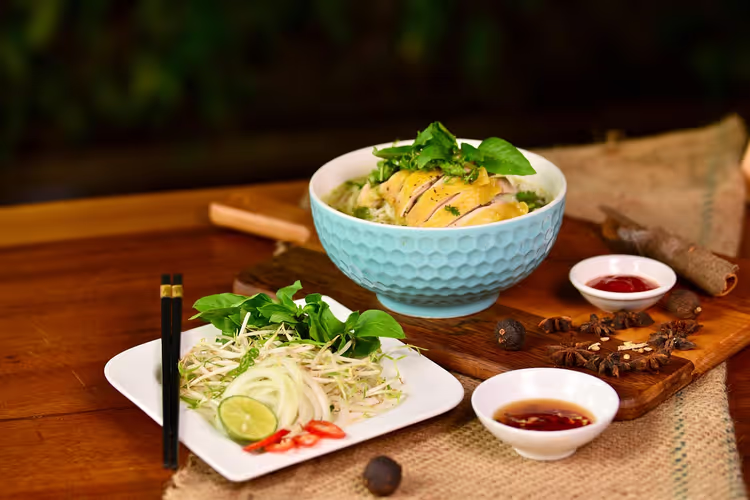
1. Pho bo (Vietnam)
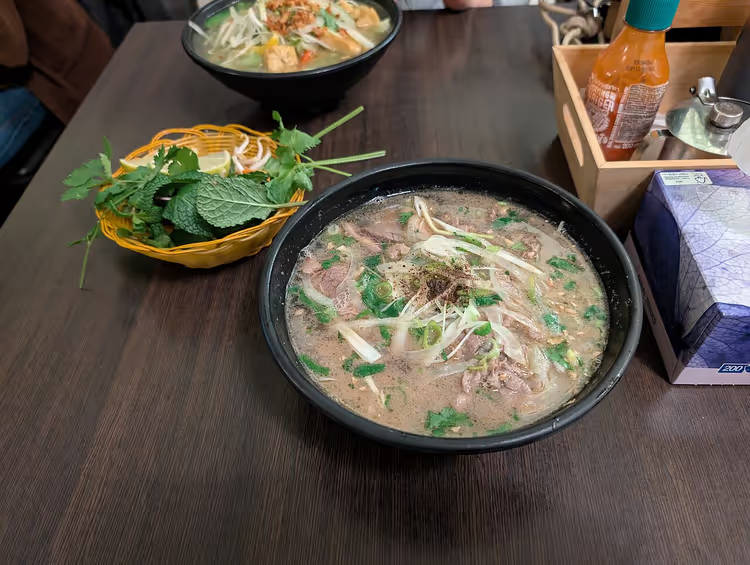
Pho bo (Pho bò) is a soup made from beef and rice noodles. The broth is simmered with cloves, cinnamon, and ginger, which gives it a spicy, rich flavor. Locals eat it for breakfast, and for a Vietnamese person it's as much of a habit as morning coffee is for you.
The main thing here isn't the meat, it's the broth. It's simmered for almost a full day, then ladled into bowls and topped with noodles and thin slices of beef. You add the herbs and spices yourself, so each portion turns out to your taste.
- Where to try it: look for street cafes that specialize only in pho bo. A sign of a good place: long metal tables and lots of locals at the same table.
- Cost: one of the most budget-friendly items on a street menu.
- Who it's for: for those who want to try an Asian soup without risk. The broth isn't spicy; you add the heat yourself.
- The catch: these cafes usually close by midday, so don't count on a late lunch.
2. Palocleves (Hungary)
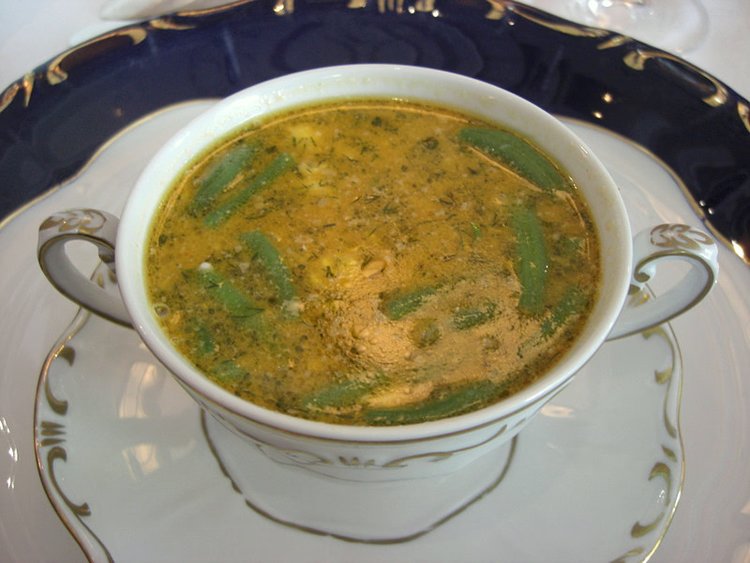 © dpotera · CC BYPhoto: dpotera, CC BY (https://creativecommons.org/licenses/by/2.0), Wikimedia Commons
Palocleves (Palócleves) is called Palóc soup. In appearance it's more like goulash than soup, and that's no accident: a Hungarian lunch rarely goes without goulash. Lamb, onion, and pepper are stewed for several hours, then combined with broth and cooked until done.
The final touch is a dressing of garlic, sour cream, flour, and dill. It makes the soup thick and very filling. Paprika, which the country calls "red gold," gives it color and aroma. Goulash and its variations are part of the national Hungarikum collection (according to the Hungarikum collection, 09/2026).
- Where to try it: in Budapest, that's Lanchid Brasserie, Hungarikum Bisztró, and For Sale Pub. The Hungarikum Bisztró address at 13 Steindl Imre utca is listed on the official website.
- Cost: mid-range for a Hungarian restaurant.
- Who it's for: for those who like hearty meat dishes and aren't afraid of paprika.
- The catch: the portion is so large that you'll hardly manage a second course afterward.
If you want to build a food route through the city, check out this gastronomic tour of Budapest.
3. Onion soup (France)
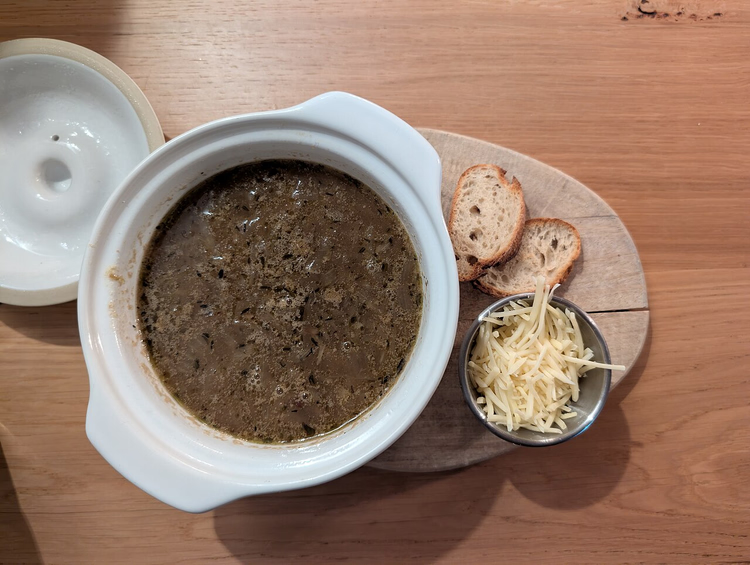
Onion soup is a classic of French cuisine. Lyon is considered the birthplace of the dish, and it used to be food for the poor. The word "soup" comes from the Latin "suppa," meaning a piece of bread dipped in gravy. Onion soup is a direct confirmation of that logic.
What sets the dish apart is the garlic crouton with melted cheese placed on top of each portion. If you don't like the taste of onion, try it anyway: with long cooking, it almost disappears. White wine and a little cognac are often added to the broth.
- Where to try it: the dish is made in almost any restaurant in France, so you don't need to hunt for a specific address.
- Cost: mid-range for a French bistro.
- Who it's for: for those who want a hearty hot soup on a cool day.
- Not for: those who categorically won't eat dishes with melted cheese.
4. Gazpacho (Spain)
 © E4024 · CC BY-SAPhoto: E4024, CC BY-SA (https://creativecommons.org/licenses/by-sa/4.0), Wikimedia Commons
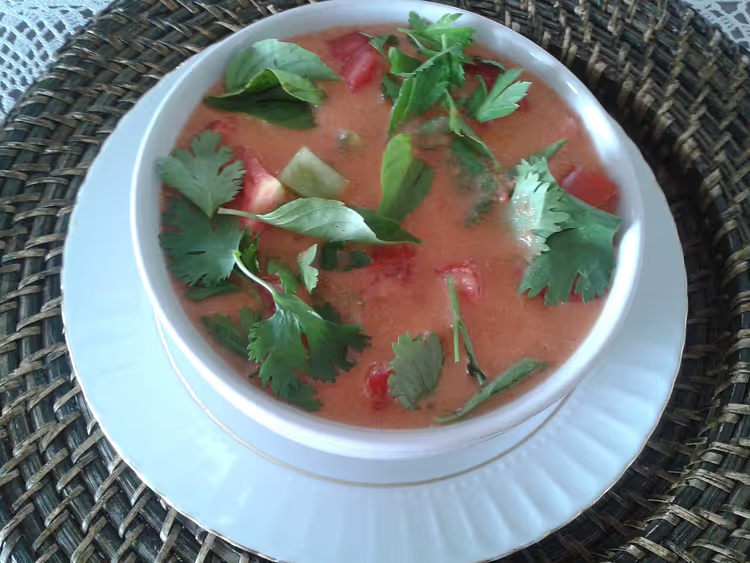
Gazpacho (Gazpacho) is a cold Spanish soup. Spaniards serve it not just cold, but very cold, to cool off from the summer heat. The dish comes from Andalusia, and its recipe is described on the official tourism portal of Spain (09/2026).
The base is pureed tomatoes, cucumbers, bell peppers, and pickled onions. Breadcrumbs are added for thickness, and before serving the soup is thinned with tomato juice or dry white wine. The key to the flavor is ripe tomatoes, so the dish turns out better in season.
- Where to try it: in almost any cafe in Spain, especially in summer.
- Cost: cheaper than most hot dishes on the menu.
- Who it's for: for those who don't want hot food in the heat.
- The catch: cold serving isn't for everyone, especially on a first try.
5. Miso soup (Japan)
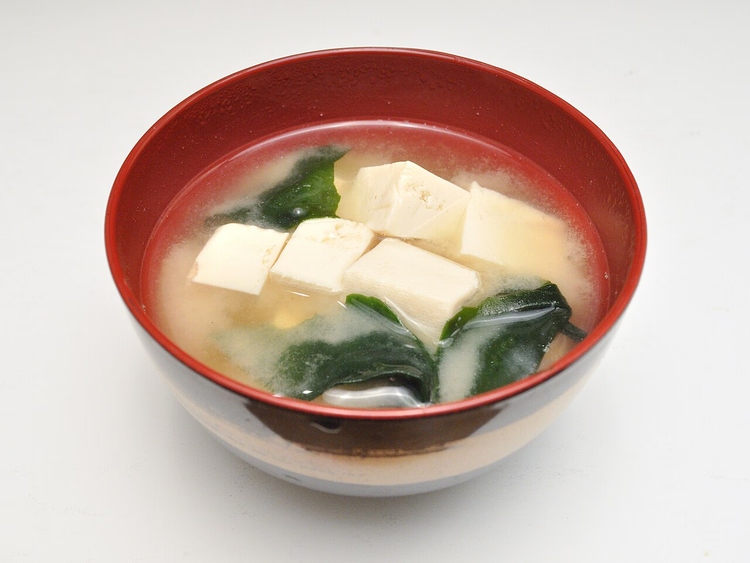
Miso soup (misoshiru) is eaten in Japan for breakfast, lunch, and dinner. For a Japanese person, it's not something exotic, it's a daily staple. The recipe rests on four things: miso paste made from soybeans, dried wakame seaweed, dashi fish broth, and tofu.
It cooks quickly, so it's easy to grab at any moment while traveling. Miso paste isn't boiled for long: it's dissolved in the hot broth at the very end so it doesn't lose its flavor. Tofu is cut into large slices and placed directly in the bowl.
- Where to try it: at almost any restaurant in Japan, most often at breakfast or as an addition to a set meal.
- Cost: one of the cheapest items on a Japanese menu.
- Who it's for: for those who want to try real Japanese cuisine without sushi and without spending much.
6. Żurek (Poland)
 © Kgbo · CC BY-SAPhoto: Kgbo, CC BY-SA (https://creativecommons.org/licenses/by-sa/4.0), Wikimedia Commons
Żurek is made with a rye sourdough starter. The starter is made from rye bread crusts, flour, garlic, allspice, and bay leaf. It needs a few days to develop the flavor and aroma of lightly salted pickles.
Then smoked sausages, carrots, potatoes, boiled eggs, and sour cream go into the broth. In Polish restaurants, żurek is often served in a hollowed-out loaf of bread instead of a bowl. It's beautiful and practical, and above all, very tasty.
- Where to try it: in Warsaw, there are many cafes serving national cuisine around the Old Town Market Square. In Krakow, the same portion will cost less.
- Cost: below average for a Polish restaurant.
- Who it's for: for those who want a soup with a tangy note and don't mind the taste of rye.
If you're interested in Polish gastronomy, look for food tours in Warsaw in the tour catalog.
7. Chili con carne (Mexico)
 © Carstor · CC BY-SAPhoto: Carstor, CC BY-SA (https://creativecommons.org/licenses/by-sa/2.5), Wikimedia Commons
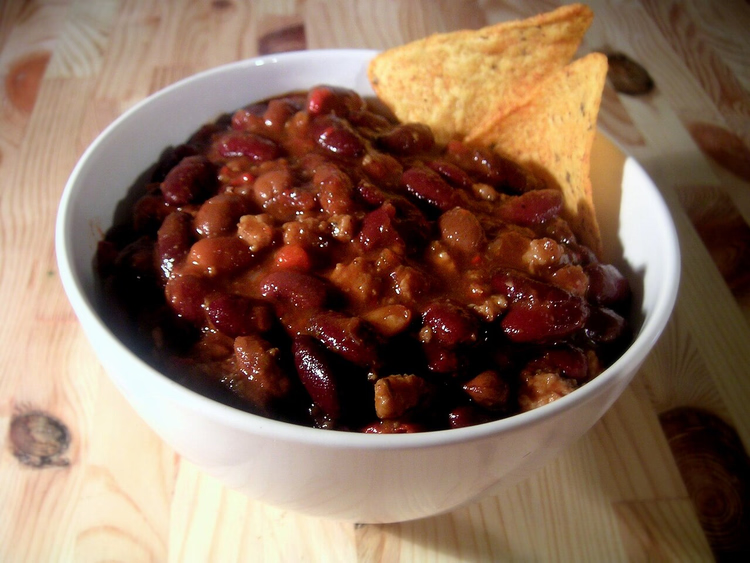
Chili con carne translates as "chili with meat." It's more of a thick stew than a soup: beef broth is combined with meat, red kidney beans, vegetables, tomato paste, and spices. The meat is ground, which gives the dish a dense texture.
Heat is the defining feature of Mexican cuisine, and here it takes center stage. A few spoonfuls and you'll feel the burn. There are plenty of variations: a vegetarian version, one with cheese and sour cream, and even one with chocolate.
- Where to try it: at taverns and Mexican restaurants.
- Price: mid-range for a Mexican restaurant.
- Who it's for: people who love spicy food.
- Not for: people with a sensitive stomach.
- The catch: the heat level is rarely adjustable, so at one place the dish is mild, while at another it's hard to finish.
8. Lohikeitto (Finland)
 © JIP · CC BY-SAPhoto: JIP, CC BY-SA (https://creativecommons.org/licenses/by-sa/4.0), Wikimedia Commons
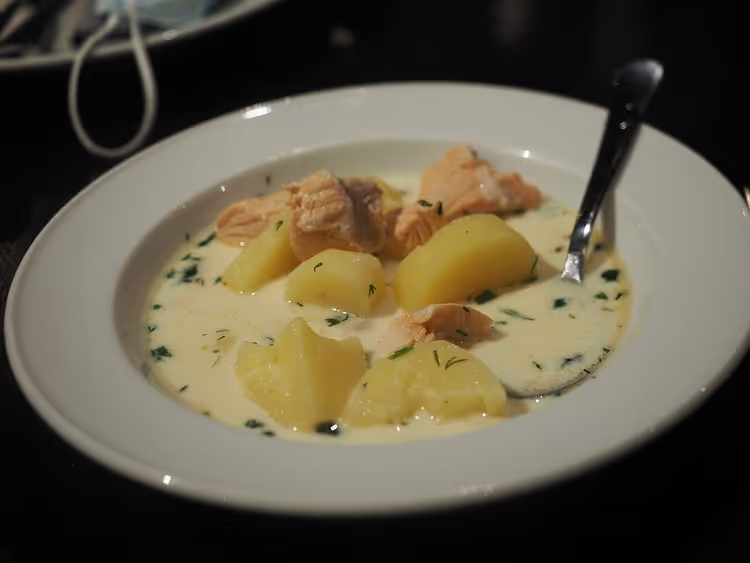
Lohikeitto is a Finnish soup with salmon and cream. Finns eat it on ordinary days, and tourists will find it in cafes and restaurants in Helsinki. It's simple to make: first you cook a fish broth, then near the end you stir in cream and add butter.
If you let the soup rest, the flavor becomes richer. There's also a more budget-friendly version called kalakeitto. It uses white fish instead of salmon and milk instead of cream.
- Where to try it: at cafes and restaurants in Helsinki, especially at lunchtime.
- Price: one of the most affordable ways to try salmon at a restaurant.
- Who it's for: people who are tired of meat soups and want a fish one.
- The catch: in Finland, even a bowl of soup costs more than in an average European country.
9. Bird's nest soup (China)
 © Unknown author · CC BY-SAPhoto: Unknown author, CC BY-SA (https://creativecommons.org/licenses/by-sa/2.0), Wikimedia Commons
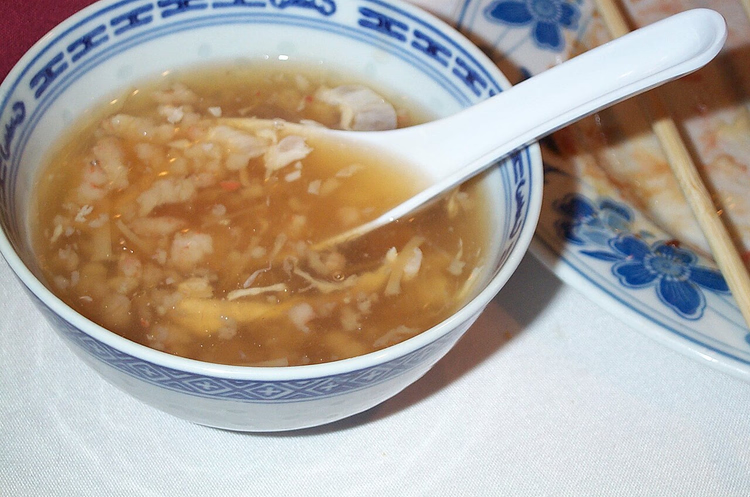
Bird's nest soup is one of the strangest and most expensive dishes in the world. The nests are built by swiftlets, and they have to be collected from cliffs. Harvesters climb rickety wooden ladders and risk their lives, which is why the raw ingredient is so expensive.
The harvest happens only a few times a year, and cleaning the nests takes a long time. The soup is made with chicken broth, and the finished portion is topped with scallions and ham. The cooked nests have a jelly-like texture, so not everyone enjoys the taste.
- Where to try it: at upscale Chinese restaurants, usually as a festive dish.
- Price: the highest on this list, so it's ordered for special occasions.
- Who it's for: people who collect unusual gastronomic experiences.
- The catch: the jelly-like texture isn't for everyone, and the price makes the dish inaccessible for an ordinary dinner.
10. Shkembe chorba (Bulgaria)
 © E4024 · CC BY-SAPhoto: E4024, CC BY-SA (https://creativecommons.org/licenses/by-sa/4.0), Wikimedia Commons
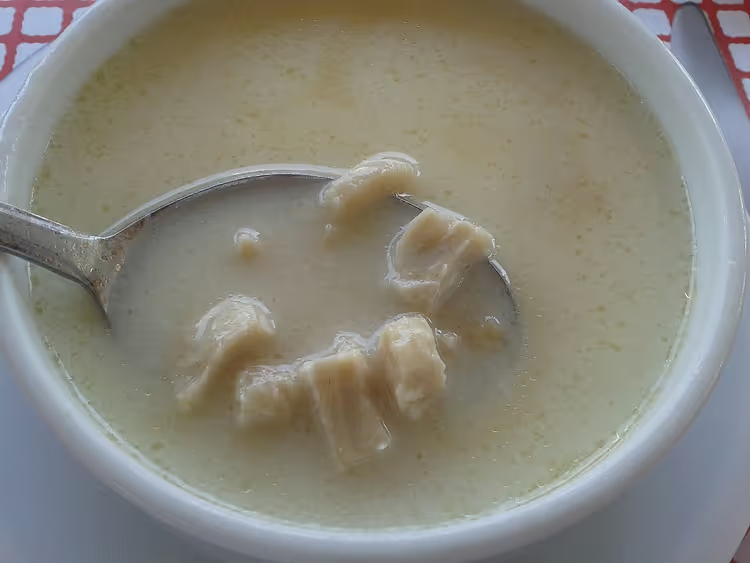
Shkembe chorba is on the menu of any traditional Bulgarian restaurant. It's made from lamb or beef tripe, and during cooking the smell is so strong that few people can handle making it at home. After several boils the smell goes away, and the tripe can be added to the soup.
The dish is spicy and hearty. In Bulgaria it's called a hangover soup and is served with cold beer. There's no middle ground with it: you either love it from the first spoonful or you can't eat it.
- Where to try it: at traditional Bulgarian restaurants, most often at lunch.
- Price: one of the most affordable items on a Bulgarian menu.
- Who it's for: people who want to try the country's cuisine without compromises.
- The catch: the strong smell during cooking and the sharp garlicky flavor aren't for everyone.
⁉️🤔 Frequently asked questions
Which soup on the list is the most expensive?
Bird's nest soup. The raw ingredient is collected from cliffs only a few times a year, and cleaning takes a long time, so the price is several times higher than the other dishes on the list. At restaurants it's usually ordered for special occasions rather than for an ordinary lunch.
Which soup helps with a hangover?
In Bulgaria, shkembe chorba is the go-to for this. The spicy tripe soup is served with cold beer and is considered a folk remedy after a long night out. The dish has a strong smell and a spicy flavor, so it's not for everyone, but it's ordered more often than others.
In short: what's worth booking
The soups on this list have one thing in common: they're made from simple ingredients, yet they stay with you for a long time. To choose, start with your own preferences and the city you're traveling to.
If you're trying Asian cuisine for the first time: start with pho bo. If you want to warm up: go for palocleves or lohikeitto. If you love spicy food: order chili con carne or shkembe chorba. If you're looking for something unusual: bird's nest soup. If you're going to Poland: zurek in a bread bowl is worth it.
Find food tours in these cities on GetYourGuide.

A small editorial team writing guides for independent travel. We travel ourselves, but we haven’t been everywhere, so we check prices, opening hours and how to get there against official sources.