
















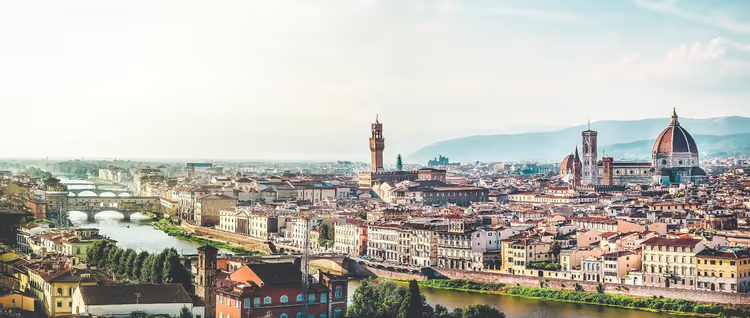
9 Reasons to choose Italy: cuisine, museums, visas and sea seasons
Italy fits Rome, the Alps, and Sicily into one trip. The country ranks first in the world by number of UNESCO World Heritage sites: about 60 monuments and natural areas (as of 09/2026, UNESCO). Add to that the cuisine, opera, fashion, and five seas.
A first trip can easily turn into a long list and unnecessary spending. We put together nine reasons to choose Italy and backed them up with numbers, seasons, and time slots. A ticket to the Vatican Museums online costs more than at the ticket office, but it saves time. On site, you will stand in line longer than you will spend inside.
💡 In short:
- First trip: Rome, Florence, Venice.
- Sea: from May to October, warm in July and August.
- Tickets: Colosseum and Vatican Museums by time slot only.
- Prices and opening hours: 09/2026, verified on the official Colosseum ticket office
Ad: this article contains affiliate links, we earn a commission if you book through them, at no extra cost to you.
1. Cuisine: pizza, pasta, and gelato
The national cuisine is on the short list of reasons people choose Italy even when they are indifferent to museums. You have probably tried pizza, pasta, gelato, and tiramisu at home, but in the country everything is different. Each region cooks its own way: in Naples pizza is baked in a wood-fired oven, in Rome people order artichokes, in Sicily sardines and raisins go into pasta. Menus in small towns are shorter, but they change every day. Use the morning for markets: by midday the best produce is gone. Drink coffee standing at the counter, where it is cheaper than at a table. Dinner in Italy starts late, so an empty dining room at seven in the evening should not surprise you.
- The catch: near the main monuments prices are higher and portions are smaller.
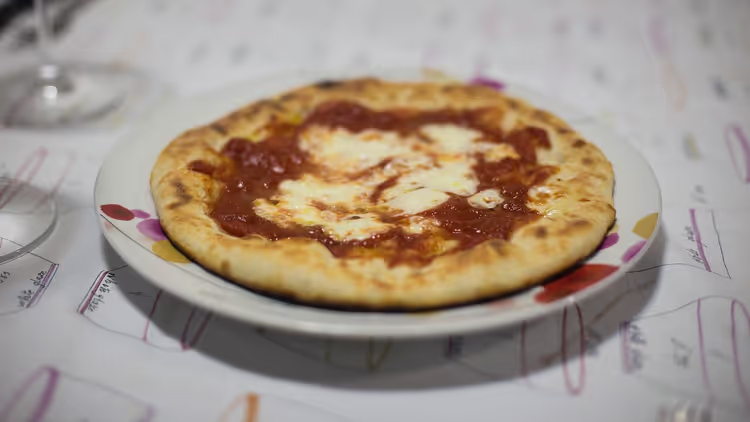 © N i c o l a from Fiumicino (Rome), Italy · CC BYPhoto: N i c o l a from Fiumicino (Rome), Italy, CC BY (https://creativecommons.org/licenses/by/2.0), Wikimedia Commons
2. Culture: museums, galleries, and frescoes
Italy is called the cradle of art for good reason: Raphael, Michelangelo, and Leonardo da Vinci all worked here. The Vatican Museums are open Monday through Saturday from 8:00 to 20:00, with last entry at 18:00 (verified 13.09.2026 on the official website). The museum is closed on Sundays, except the last Sunday of the month, when entry is free. Take the first time slot: by ten in the morning the Sistine Chapel fills up with tour groups. After that, your route depends on the city. In Florence, at the Uffizi Gallery you will see Botticelli's "The Birth of Venus"; in Naples, stop by the National Archaeological Museum with its ancient frescoes. Leave the "Mona Lisa" for Paris, it is not in Italy. If you do not want to stand in line, buy a time slot in advance: Vatican Museums tickets on Tiqets.
- The catch: in high season, morning time slots sell out weeks ahead.
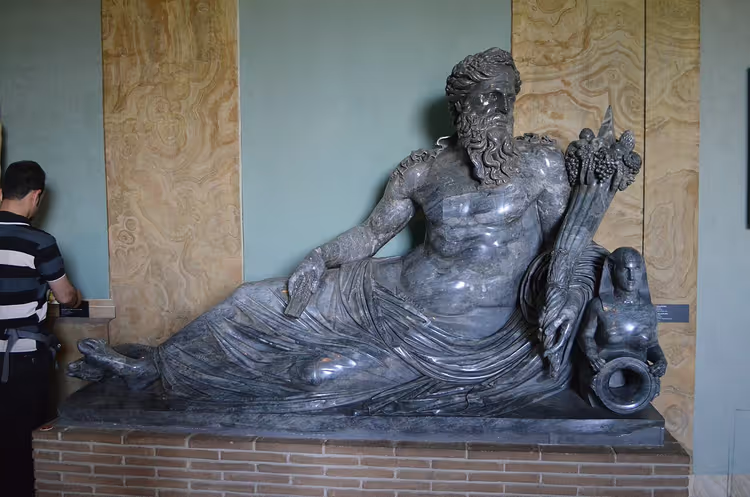 © Darafsh · CC BY-SAPhoto: Darafsh, CC BY-SA (https://creativecommons.org/licenses/by-sa/3.0), Wikimedia Commons
3. People: character and traditions
The Italian character works in a tourist's favor: people will answer you on the street, give you directions, and offer you coffee. Famous Italians include Titian, Dante Alighieri, Giorgio Armani, Miuccia Prada, and Enzo Ferrari. Ordinary residents are no less impressive than celebrities: friendliness here is passed down from generation to generation. On Sundays many families sit down for a long lunch, and restaurants at that time are full of locals, not just tourists. Your chances of a warm welcome are higher if you say a couple of words in Italian: "grazie" and "buongiorno" open doors. Traditions are respected by everyone, so religious holidays in the middle of the week are not uncommon here. Banks and small shops may be closed on such days.
- The catch: in August many family-run places close for vacation, and your options shrink.
4. Architecture: from the Colosseum to the Pantheon
Italy’s architectural heritage begins with antiquity. The Colosseum hosted gladiator fights, and the Pantheon has barely changed since the Roman Empire. A Colosseum ticket is valid for 24 hours and includes the Roman Forum with the Palatine Hill, so plan for half a day (as of 09/2026, Colosseum ticket office). Summer morning slots sell out in advance, so book two to three weeks ahead. Ancient monuments await you in other cities too. In Florence, see the Cathedral of Santa Maria del Fiore; in Venice, St. Mark’s Square; in Bologna, the porticoes. A guided tour is not mandatory, but with one you can access the arena’s underground areas and the upper tier: Colosseum tickets with a time slot on Tiqets.
- The catch: the Roman Forum has almost no shade, and summer heat can wreck your plans for the day.
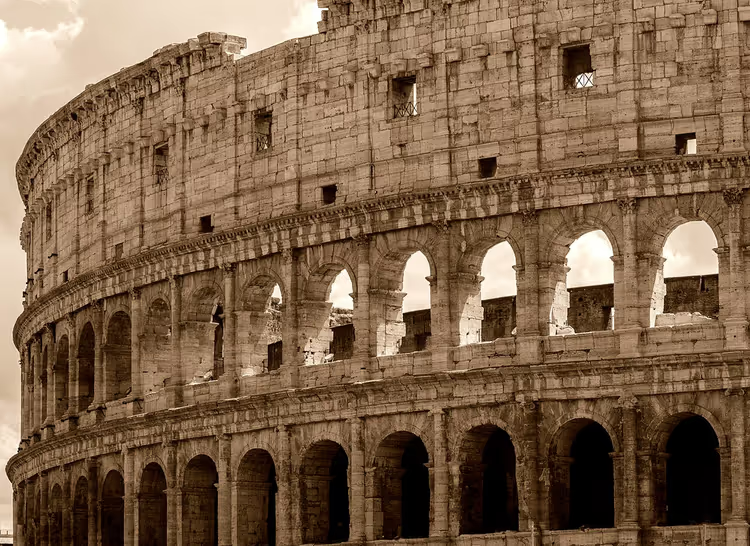 © Jon Gudorf Photography · CC BY-SAPhoto: Jon Gudorf Photography, CC BY-SA (https://creativecommons.org/licenses/by-sa/2.0), Wikimedia Commons
5. Visa: entry rules
EU citizens do not need a visa to travel to Italy, nor an ETIAS authorization. If you are traveling with companions who hold a passport from outside the EU, they may need a Schengen visa. For an adult applicant it costs €90 (as of 09/2026, Italy visa portal). Submit documents for companions well in advance: visa center slots go quickly, especially from May through September. Choose a travel insurance policy that fits your itinerary, and it is convenient to compare different policies ahead of time: compare insurance terms.
- The catch: for companions without an EU passport, applications are not processed quickly, so it is better not to buy their tickets until the visa is approved.
6. The sea: five coasts and the season
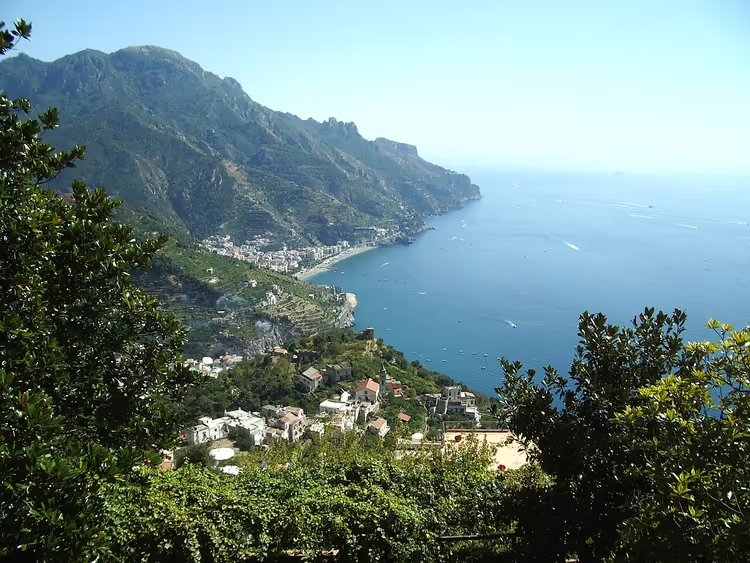
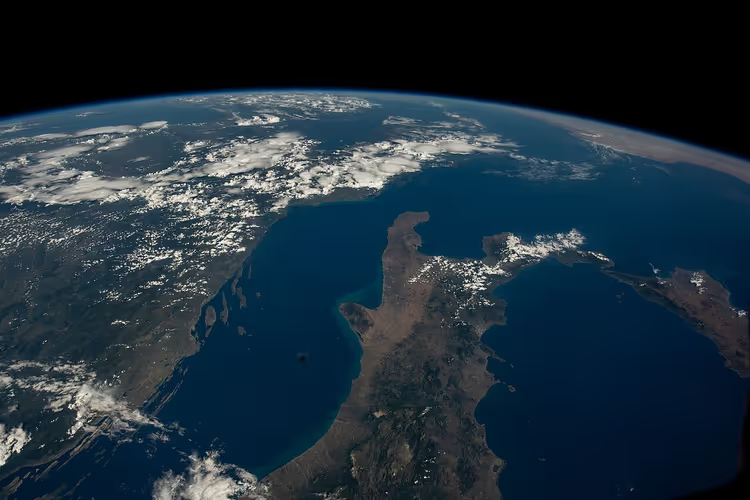
Italy’s shores are washed by the Ligurian, Tyrrhenian, Adriatic, Ionian, and Mediterranean Seas. You can swim here from late May, and after October the water becomes cold for most tourists. Each region suits a different scenario. The beaches of Liguria and Sicily are more often chosen by families, while the cliffs around Amalfi attract couples and groups of friends. If you are planning a week by the sea, book a coastal hotel as early as winter: hotels on the Amalfi Coast on Trip.com.
- The catch: in August the beaches are packed, and sun loungers are claimed from early morning.
 © Charlie Dave · CC BYPhoto: Charlie Dave, CC BY (https://creativecommons.org/licenses/by/2.0), Wikimedia Commons
7. Music: opera and Sanremo
Italian opera is older than most European theaters: its history dates back to the 16th century. La Scala in Milan opens its 2026/2027 season with the opera Otello, and the lineup includes thirteen opera titles and seven ballets (as of 09/2026, theater website). Luciano Pavarotti, Maria Callas, and Montserrat Caballé all sang on this stage. Music in Italy is not only theatrical: the Sanremo Festival introduces new names every year, and the band Måneskin brought the country a Eurovision win. Keep an eye on when ticket sales start and pick a weekday evening, when seat selection is better.
8. Fashion: brands and markets
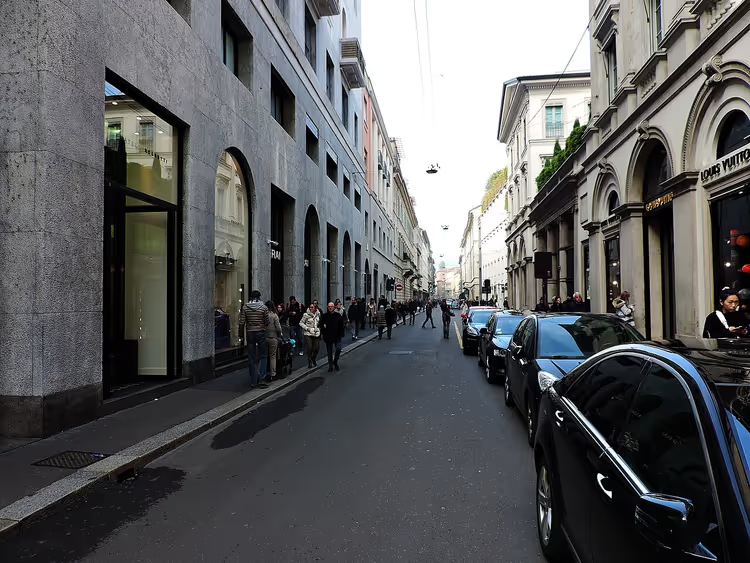
Fashion and Italy are directly linked: Prada, Gucci, Dolce&Gabbana, Versace, Valentino, and Armani all come from here. First-line boutiques are concentrated in Milan and Rome, while large outlets are located outside the city. If your budget is more modest, head to local markets: that's where people look for leather goods, shoes, jewelry, and vintage pieces. Bargain politely, but remember that boutiques don't give discounts. When shopping, choose everyday items, they pay for themselves faster than souvenirs.
 © Dimitris Kamaras from Athens, Greece · CC BYPhoto: Dimitris Kamaras from Athens, Greece, CC BY (https://creativecommons.org/licenses/by/2.0), Wikimedia Commons
9. Nature: the Alps, Tuscany, and the lakes
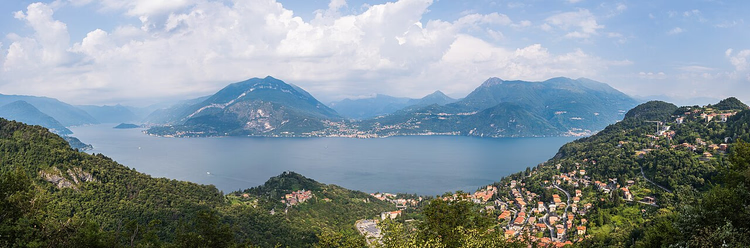
Italy's landscapes change within a couple of hours on the road: snow-capped Alps in the north, Tuscan vineyards in the center, volcanoes and cliffs of Sicily in the south. In the Alps, the ski season runs from December to March, and you don't have to go to an expensive resort. Tuscany is inconvenient to explore without a car, so book a rental in advance: car rental for a trip through Tuscany. Dedicate a day in the countryside to tastings: local wine and olive oil are sold right at the wineries. The Amalfi Coast, with its turquoise water and colorful towns, regularly makes travelers' top lists.
 © Diego Delso · CC BY-SAPhoto: Diego Delso, CC BY-SA (https://creativecommons.org/licenses/by-sa/4.0), Wikimedia Commons
If you want peace and quiet, choose Lake Como and Lake Garda: people book a villa or hotel there and stroll along the waterfronts. Sicily rounds out the list, its cliffs, historic buildings, and beaches deserve a separate trip.
- The catch: in the Alps during the off-season, some lifts are closed, check the schedule before heading out.
⁉️🤔 Frequently asked questions
How much money do you need for a trip to Italy?
Plan for two main expense categories: museum tickets and accommodation. Hotels in Rome and Venice are the most expensive: in high season they get booked months in advance.
When is the best time to go to the sea in Italy?
The sea warms up by late May and stays warm until around October. In July and August the coast is hot and crowded, so June or September make for a more relaxed trip.
Do I need a visa and what is ETIAS?
EU citizens need neither a visa nor an ETIAS authorization. ETIAS authorization will be required for citizens of visa-free countries outside the EU once the system goes live. As of September 2026, ETIAS is not in effect, and the launch is planned for the end of the year (as of 09/2026, official ETIAS page). The exact date will be announced in advance.
How much does it cost to enter the Colosseum and the Vatican Museums?
Colosseum: 18 € for a 24-hour ticket that includes the Roman Forum and the Palatine Hill (as of 09/2026, rates on the official website). Vatican Museums: 20 € at the ticket office and 25 € online. The museum is closed on Sundays, and the last Sunday of the month offers free entry for everyone.
What should you book in advance?
Book coastal hotels and places in central Rome in winter, and reserve Colosseum and Vatican time slots two to three weeks ahead. La Scala tickets sell out as soon as sales open, so sign up for the theater's reminders. Car rental in Tuscany is also worth arranging in advance: in summer the selection of cars shrinks.
In short: what to book
Nine reasons come together into one itinerary if you lock in tickets and accommodation ahead of time. Italy remains the world's top country for UNESCO sites, and it shows in every city. Pick the scenario that fits your vacation.
- If you have five to seven days and it's your first trip: Rome and Florence.
- If you have two weeks: add the Amalfi Coast or Sicily.
- If you're traveling with kids: Liguria and Lakes Como and Garda.
- If you want music and fashion: Milan and La Scala.
Compare options in advance and book what sells out first: browse tours and excursions on GetYourGuide.

A small editorial team writing guides for independent travel. We travel ourselves, but we haven’t been everywhere, so we check prices, opening hours and how to get there against official sources.