
















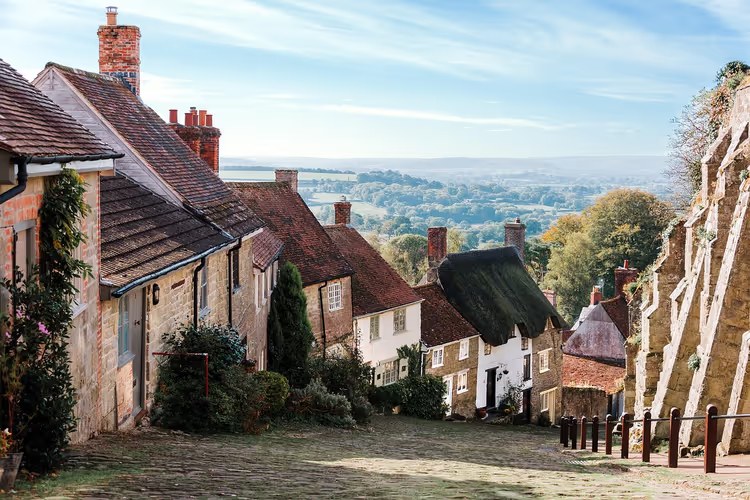
Eco vacation in Ryshkova: a night in a straw house and an hour from Chisinau
From Chisinau to Riscova it's about an hour's drive. Here you wake up to roosters, and breakfast grows in the garden behind the house.
Moldova rarely makes it onto summer destination lists, and that's a shame. In the village of Riscova, 27 km from the capital, the eco-community EcoVillage Moldova operates (as of 09/2026, EcoVillage Moldova overview). They build houses from straw and clay here, use no chemicals in the garden, and welcome guests year-round.
Let's take a closer look at what exactly awaits you in the village, how lodging works, and how to get here without a car.
Ad: this article contains affiliate links, we earn a commission through them at no extra cost to you.
What EcoVillage Moldova in Riscova is
💡 In short:
- Riscova is located in the Criuleni district, an hour's drive from Chisinau, near a bend in the Dniester River.
- You stay overnight in the center's straw house or in a room at a local family's home.
- The program includes workshops, a forest trail, and vegetarian cuisine.
- Accommodation and visiting rules: 09/2026, verified on the community's official website.
The EcoVillage Moldova community was founded in 2013, and it moved to Riscova a year later (according to ecovisio.org, 09/2026). The location was chosen near a bend in the Dniester, among the hills of the Criuleni district.
The property currently has two residential houses, a workshop, a horse shelter, and the EcoVisio training center. You stay in one of them or nearby, in a local family's home. All profits from guests and courses are invested in village projects (according to ecovillage.md, 09/2026).
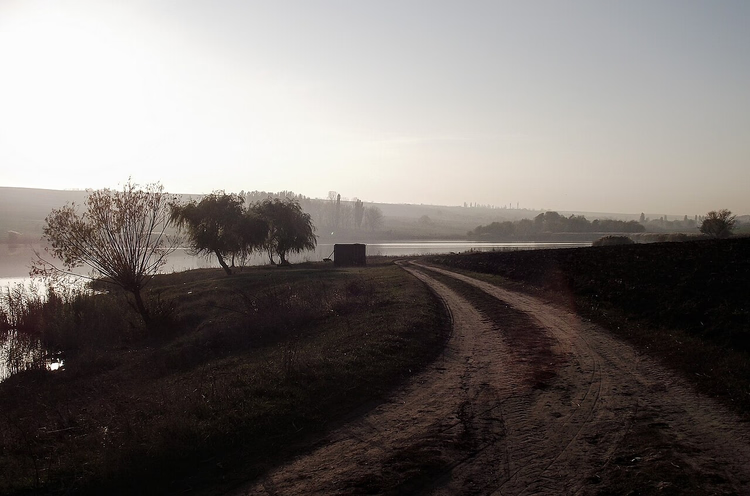 © Анатолий Зубанюк · CC BYPhoto: Анатолий Зубанюк, CC BY (https://creativecommons.org/licenses/by/3.0), Wikimedia Commons
A village without chemicals: milk, cottage cheese, and cows
Many people in Riscova keep cows. In the evening, the main street fills with the lowing of the herd: white-and-red cows make their own way home. When was the last time you tried warm milk straight from the bucket?
On the residents' household plots, everything is done the old-fashioned way. Natural farming, manure instead of mineral fertilizers, no chemical treatment. Colorado potato beetles, for example, are shaken off the bush into a bucket by habit.
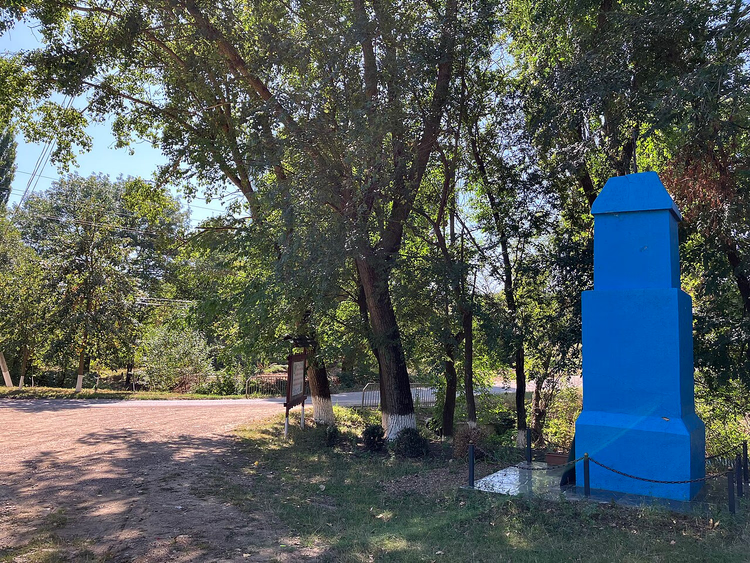
At breakfast you'll be served homemade cottage cheese, cheese, and butter. Neighbors in the village make jams, pickle vegetables, and sell all of it to the community's guests (according to the eco-village website, 09/2026).
EcoVisio Training Center: houses of straw and clay
The training center officially opened in October 2018 (as of 09/2026, EcoVisio official website). The buildings were constructed using only natural materials, with no plastic or chemical coatings. The techniques were borrowed from Moldovan farmers.
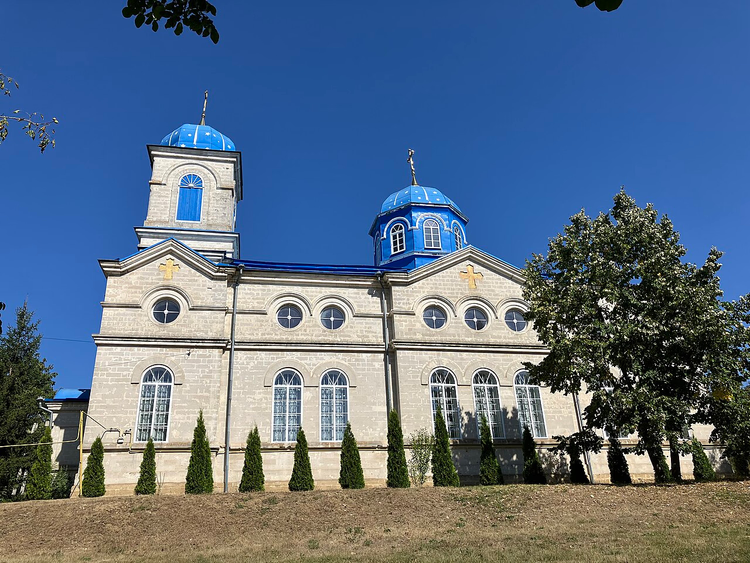
The walls are held together by straw and clay. The house called "Mushroom" is roofed with reeds, and the roof of the second building has a layer of soil on top. This "garden bed" absorbs heat during the day and keeps the interior cool. The center hosts groups and educational events of up to 60 people (as of 09/2026, EcoVisio Training Center).
Composting toilet: how it works without water
The eco toilet has a regular toilet bowl, but no sewage system. Below it sits a collection container. No water is connected here, as it is considered too precious a resource.
A full container is left to sit for two years. During that time, the contents turn into natural fertilizer, which then goes to the garden. After using the toilet, you add chopped hay.
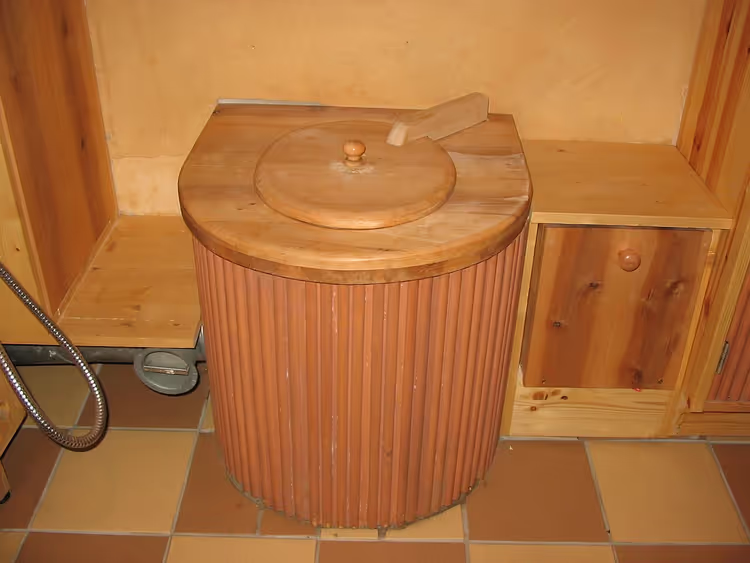 © SuSanA Secretariat · CC BYPhoto: SuSanA Secretariat, CC BY (https://creativecommons.org/licenses/by/2.0), Wikimedia Commons
Garden and vegetable patch: how to grow crops without chemicals
Staff and volunteers use their garden to show how to get a harvest without fighting nature. The logic is simple: don't wage war on the land, help it.
Each plant on its own bed? No. They plant companion plants that protect each other, such as garlic and strawberries. Weeds are also given space, as they create a micro-environment around the beds.
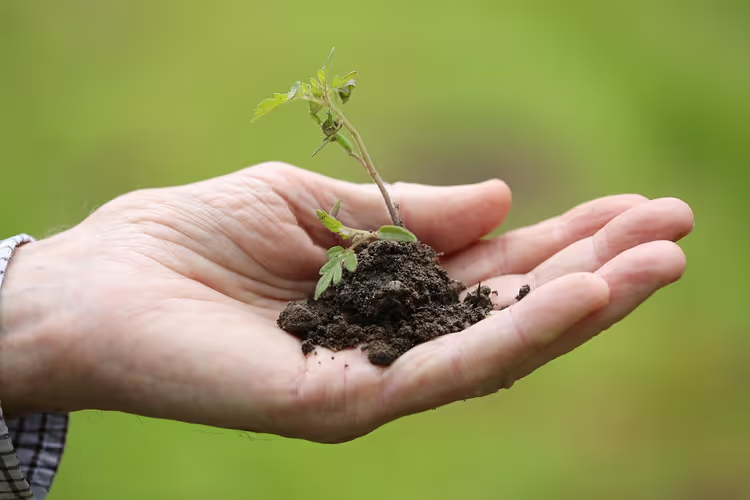
An important rule concerns layout. Don't divide your plot into a garden and a vegetable patch, combine them. If you abandon the beds in ten years, trees will remain in their place, not bare grass.
If you want to take the practice home, start with one bed and garlic between strawberry bushes.
Where to stay: center houses and rooms with locals
There are two ways to stay. First: rooms in the training center, in the residential house, and in the forest house on the grounds. Second: places in the homes of three local families, a 5-15 minute walk from the center (as of 09/2026, EcoVillage Moldova overview).
- Who it's for: groups, retreats, families, digital nomads.
- Not for: if you need a hotel with a pool and a meat menu.
- The catch: showers are shared between several rooms, the kitchen is meat-free and alcohol-free, and the forest house is open only in summer.
Question | How it is |
|---|---|
Lodging | Center rooms, residential house, forest house, local family homes |
Food | Vegetarian and vegan, no alcohol |
Showers | Shared, between several rooms |
Booking | Only in advance, arrivals are coordinated with the team |
Visits and group arrivals are arranged in advance, even if maps show a 24-hour schedule. Price and availability are confirmed at booking.
If you need a base in the city, check out hotels in Chișinău on Trip.com. From there it's an hour's drive to Rîșcova, so you can fit in both the city and the village.
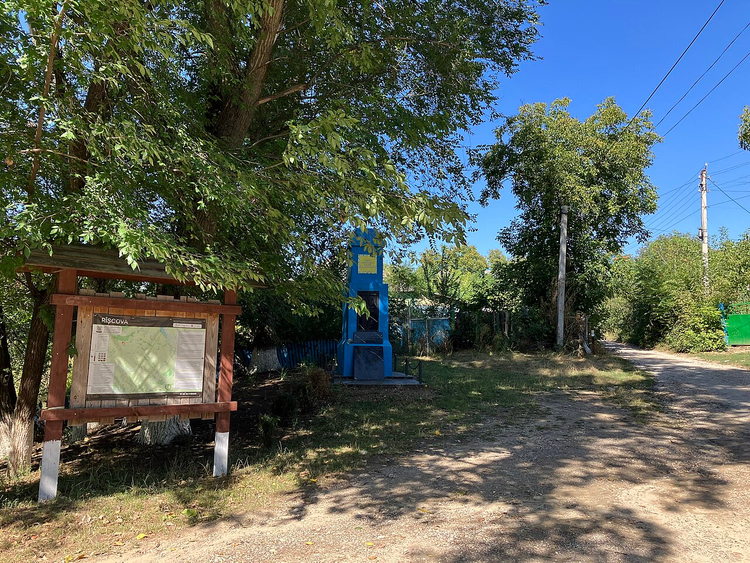
What to do: workshops, trails, and horses
During the day you'll be offered workshops on organic gardening, eco-building, herbal teas, and vegetarian cooking. There is a lecture hall, workshop spaces, and an equipped office for remote work.
Around the village there are marked forest and bicycle trails. The forest trail, about 5 km long, opened in summer 2019 and connects Rîșcova with the neighboring forests near Ivancea (as of 09/2026, EcoVillage on ecovisio.org). Walk it in the morning before it gets hot.
A horse shelter also lives here. In late 2018, the community took in four horses saved from a slaughterhouse (as of 09/2026, horse shelter on ecovisio.org). And in autumn, the village hosts the Toamna Cartofilor potato festival.
For excursions around the country, check out tours and excursions in Moldova in advance.
How to get there from Chisinau
Without a car, the route goes through Chisinau's Central Bus Station. The minibus takes about an hour, and from the stop in Riscova it's another 15 minutes on foot (as of 09/2026, EcoVillage Moldova review).
With a car, you don't depend on the minibus schedule. The straight-line distance from central Chisinau is about 27 km (as of 09/2026, EcoVillage Moldova review). With luggage and a family, it's more convenient to book a transfer from Chisinau airport: the price is fixed before the trip, and the driver waits with a sign in the arrivals hall.
Tours and tickets in Chisinau
Guided tours, skip-the-line tickets and activities — most offers can be cancelled free of charge.
See offers on KiwitaxiThe widget loads once you give your consent.
⁉️🤔 Frequently asked questions
Do I need a car to get to Riscova?
No. A minibus runs from Chisinau's Central Bus Station, taking about an hour. From the stop to the eco-center it's about a 15-minute walk through the village (as of 09/2026, EcoVillage Moldova review). With a child or a lot of luggage, a car or transfer is more convenient.
Can I come with children?
Yes, the center welcomes families. For kids there's a garden, animals, and plenty of open space. Two rooms in the education building are suitable for guests in wheelchairs. Coordinate the program for your group with the team in advance.
What do people eat in the community?
Only vegetarian and vegan dishes, no alcohol is served (as of 09/2026, EcoVillage Moldova review). The produce is mostly local, with some vegetables and greens coming from their own garden. Meat and fish are not prepared here, so keep that in mind when planning your trip.
How do I book accommodation?
Accommodation is paid, and the price and availability are confirmed only at the time of booking. See the ecovillage.md website for contacts and the booking form.
When is the best time to visit?
The best season for the village is late spring and early fall. In summer, Moldova is hot during the day, but the evenings are warm and quiet. The forest house operates only in the warm months; in winter, choose rooms in the education building.
In short: what's worth booking
If you want peace and nature: book a night in the forest house or in a local family's home. If you're traveling as a family: rooms near the garden and the gardening workshop. If you want to learn: courses in eco-building and organic farming. Book your transfer in advance, and the trip from Chisinau will take about an hour with no connections.
Book a night in the eco-village and come in the warm season: see tour options.

A small editorial team writing guides for independent travel. We travel ourselves, but we haven’t been everywhere, so we check prices, opening hours and how to get there against official sources.