
















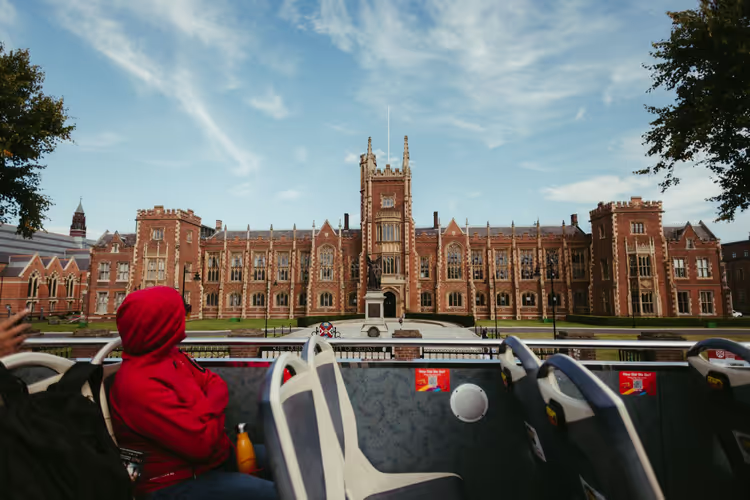
Bus tours in Europe: how to choose a route and pack your suitcase
Bus tour of Europe lets you see five or six cities in a single trip. The route is already put together, and the tour operator handles transfers and hotels.
Beginners usually picture something else: a stuffy cabin, sleeping in a seat, and someone else's suitcase under their feet. In reality, a tour like this runs on a schedule, and you can plan it in advance.
Below we break down how to choose a Europe itinerary, what to bring into the cabin, how an overnight transfer works, and what documents you need in 2026. We checked prices and rules in September 2026.
Ad: this article contains affiliate links, we earn a commission if you book through them, at no extra cost to you.
How a bus tour of Europe works
💡 In short:
- A classic tour follows a fixed route with a group and a guide.
- The base price covers the bus, hotels, and the guide's work, while tickets to museums and lunches are on you.
- Itineraries run from a few days to two or three weeks.
- Carriage and baggage rules: 09/2026, verified on the official FlixBus website.
A bus tour starts in one city and ends in the same place. Over several days you travel through several countries, find yourself in a new place every morning, and in the evening get back on the bus and head to the next stop on the route. In English such programs are called coach tours, in German Busrundreise.
Large operators publish schedules a season ahead. Europamundo assembles flexible routes and promises guaranteed departure dates (Europamundo), while Cosmos operates in the budget segment (Cosmos). Groups are usually 20-45 people, and your seat on the bus is yours for the whole route.
Each day follows the same pattern: a city and a tour in the morning, a transfer in the afternoon, a new hotel in the evening. A tour escort leads the group the entire way and leaves time for exploring on your own. Museum tickets and lunches are paid separately, and sometimes "dinners per the program" are included. Check that list before you buy.
How much a tour costs and what is included
The price depends on the route, the season, and the hotel class. The range is wide, so look not at the first number but at the list of what is included.
Usually included | You pay separately |
|---|---|
Bus and transfers between cities | Museum and observation deck tickets |
Accommodation in 3-4* hotels | Lunches and some dinners |
Tour escort's work | Personal expenses and souvenirs |
The base package almost always includes transport and overnight stays. Anything "optional" will be offered by the guide separately and at their own price. If you want an exact estimate, ask for the list of add-ons before booking.
Some operators sell tours without a flight to the starting city. In that case you book the journey to the first stop yourself, and you should factor that leg into your budget right away.
What to bring into the cabin and how to pack your suitcase
If you are traveling on your own with FlixBus, the baggage rules are simple. One piece of luggage in the hold is free: up to 79×51×30 cm and weighing up to 23 kg, plus a small carry-on in the cabin (FlixBus help). Check the exact numbers for your specific trip when you buy.
For a long route, pack two bags. Put everything you need in the cabin in the first one, and only what you need at the hotel in the second. That way you won't have to open your suitcase at every stop.
Bring a pillow, a blanket, water, and a light snack into the cabin. Choose comfortable shoes, and leave the formal outfit at home. Jeans and a T-shirt work for almost any city.
Don't overpack. You carry your heavy suitcase onto the bus yourself at every transfer. Bring wet wipes, medication, a charger, and a power bank.
Overnight transfer: how to sleep on the bus
Night services work well for independent travel without a group tour. They let you avoid losing a day to travel. FlixBus runs them between major cities, including routes to Paris, Berlin, and Amsterdam (FlixBus night bus). You will sleep in a seat with a reclining backrest, so bring a sleep mask and earplugs.
If you want a proper night's sleep, look for a dedicated operator. Twiliner offers business-class seats that recline into a bed, with trips starting at €165 (as of: 09/2026, Twiliner). That is more expensive than a regular night bus but cheaper than a sleeper berth on a train.
Choose your seat in advance. A window seat is quieter, and the middle of the cabin has less vibration. Get up before your morning stop so you don't ride past your city.
Documents and borders in 2026
For travel within the Schengen area, an EU citizen only needs an identity card or passport. No additional paperwork is required.
For visa-free entry from other countries, the ETIAS system is being prepared. The authorization is not active yet: according to the European Union, the launch is planned for late 2026, and the exact date will be announced in advance (ETIAS). Until the system starts, travelers enter with a passport.
Bring copies of your documents and medical insurance. This will help if you have to cut the trip short due to illness.
How to choose a route and save money
First look not at the price but at the route. Count how many hours you spend on the bus and how many cities you actually get to see. Five countries in a week sounds exciting, but two cities a day turns into a sprint through the sights.
Consider departing midweek. On weekdays groups are smaller and there are more open seats than on weekends. Aim for May, June, or September; they are calmer than July and August.
Book in advance. A couple of months out, the choice of bus seats and hotels is wider, and the price is usually lower. That is not a guarantee of a discount, but the chance of catching a better option is higher.
A longer tour covers more cities, but it also keeps you in the cabin longer. For a first trip, choose a 7-10 day program with two or three long transfers.
⁉️🤔 Frequently asked questions
How many days does a bus tour of Europe last?
Operator programs run from a few days to two or three weeks. For a first trip, a 7-10 day tour is comfortable; it doesn't wear you out with constant transfers. The shorter the route, the more time you have in each city.
Can you sleep on the bus and not pay for a hotel?
On a group tour you stay in hotels. You can sleep on the bus on independent night services like FlixBus. A seat with a reclining backrest is cheaper than a hotel, but comfort is lower. If sleep matters, pay extra for an operator with lie-flat seats or book a hotel and a daytime transfer.
What baggage can you take on a bus tour?
On a multi-day group tour, take one medium suitcase and a small bag for the cabin. FlixBus limits for independent trips are covered in the suitcase section.
Do you need a visa or ETIAS for a bus tour?
An EU citizen needs no visa or authorization; a passport or ID is enough. ETIAS is not active yet, and until the system launches, entry is by passport.
How is a bus tour cheaper than flying?
A flight only pays for the journey, while a tour already includes transfers and overnight stays. Plus a bus stops in small towns with no direct flights. On short routes, the ground option often works out cheaper than a plane plus a hotel.
In short: what to book
A bus tour of Europe suits those who want to see many cities without flights and extra hassle. All you have to do is choose a route, pack a light suitcase, and bring your documents.
If you have a week and it's your first time in Europe, take a route covering 3-4 cities. If you're traveling with a group, look at programs with flexible dates. If sleep on the road matters, choose night services with lie-flat seats.

A small editorial team writing guides for independent travel. We travel ourselves, but we haven’t been everywhere, so we check prices, opening hours and how to get there against official sources.