
















Dominican Republic by season: when to go and what to expect from the weather
The Dominican Republic looks like a country of endless summer. The average annual temperature here is around 27 °C (as of 09/2026, Dominican Republic climate overview). You can vacation here in any month, but the seasons differ significantly.
Some people book February for the whales and pay premium rates. Others choose August, save on the hotel, and get stifling heat with short downpours. Both options work if you understand what awaits you.
We broke down all four seasons: weather, events, hotel prices, and risks. Plus practicalities: money, safety, and hurricane season.
The main takeaway is this. For the beach and excursions, plan for December through April; for savings, go in May or June.
Ad: this article contains affiliate links, we earn a commission if you book through them, at no extra cost to you.
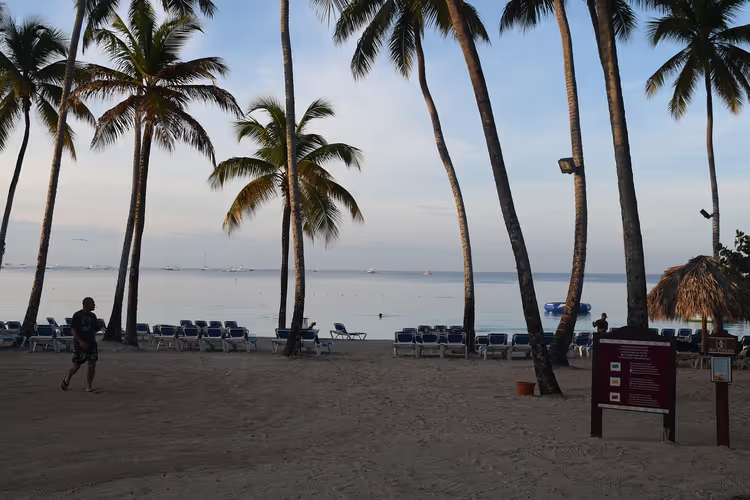
 © Fanny S Forsdik · CC BY-SAPhoto: Fanny S Forsdik, CC BY-SA (https://creativecommons.org/licenses/by-sa/3.0), Wikimedia Commons
How to read seasons in the Dominican Republic
💡 In short:
- The dry season runs from December through April: less rain, more tourists and higher prices.
- The wet season runs from May through November: humid, short downpours, cheaper hotels.
- Hurricane season officially runs from June 1 through November 30, peaking in September and October (as of 09/2026, hurricane season dates).
- Seasons and weather: as of 09/2026, according to the Dominican Republic tourism portal.
The division is simple, but the logic is worth understanding. In winter, North America and Europe fly here, so hotels are packed to capacity. In summer, the flow drops, and the same room costs noticeably less. The savings often outweigh the discomfort of humidity.
Consider the terrain too. The island of Hispaniola (Haiti) is large, and the microclimate changes even between neighboring resorts. The southeast is usually drier, the north coast windier. Before booking, check the forecast for your specific city, not for the country as a whole.
Winter: dry season and whales
Winter is considered the most popular period. Rain is rare, humidity is lower, and the sea is calm. Daytime temperatures reach 21-27 °C (as of 09/2026, tourism portal). On the north coast, evenings can be cool, so a light jacket won't hurt.
The main winter event involves whales. From mid-January through late March, humpback whales stay in Samaná Bay (as of 09/2026, the country's tourism portal). Around 300 animals are in the bay at any given time, so sightings are almost guaranteed. A boat trip takes half a day, usually starting early. Choose the morning: the sea is calmer and the light is softer for photos. You can compare options in the whale watching tour selection on GetYourGuide.
February offers the most sightings; in March the animals head north toward Greenland and Iceland. If whales are your main reason for the trip, plan for the first half of the season.
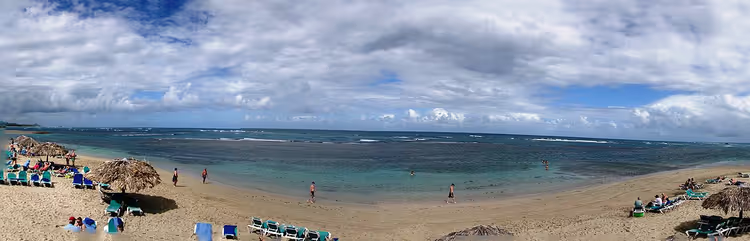
 © Laslovarga · CC BY-SAPhoto: Laslovarga, CC BY-SA (https://creativecommons.org/licenses/by-sa/4.0), Wikimedia Commons
If your budget is tight, look at Boca Chica. The resort is located near Santo Domingo and is considered one of the most affordable on the coast. The Caribbean Sea here is warmer and calmer than the Atlantic, making swimming comfortable even with children.
Winter is a good time to head to the mountains. The Cordillera Central offers real trekking, not just a walk over hills. There are no cable cars on the routes; you climb on foot and plan to spend the night at a camp or guesthouse. For many travelers, the mountains become the highlight of the trip.
Spring: carnival and wind
In March and April the weather stays dry, with temperatures near the upper end of the comfort zone. In May humidity rises, but hotel and excursion prices drop. This is a good compromise for those who dislike crowds.
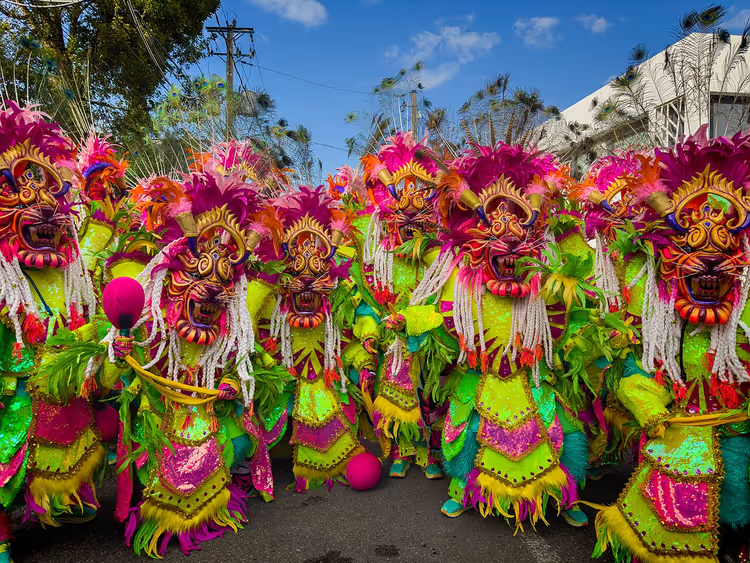
February in the country is considered carnival month. Parades take place in Santo Domingo, La Vega, Santiago, and Monte Cristi (as of 09/2026, carnival dates). The holiday is tied to Independence Day, so check the exact dates in advance.
Keep Holy Week before Easter in mind. Dominicans travel within the country, hotels get booked up in advance, and some businesses close. If you don't like crowded weekends, pick other dates.
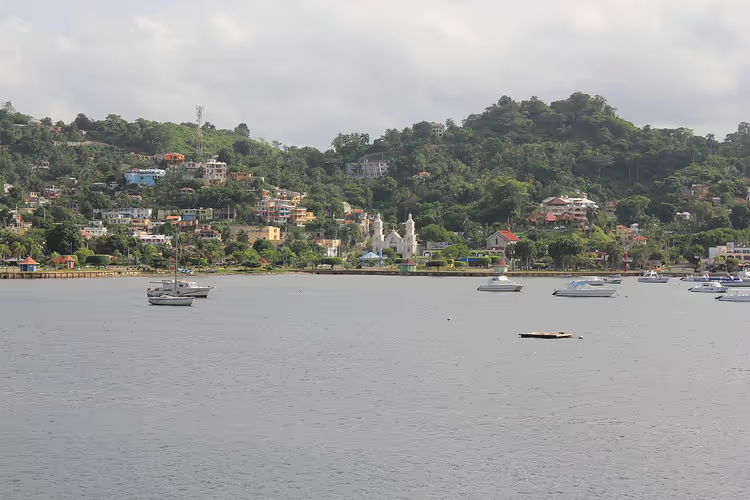
 © Sebas1990rd · CC BY-SAPhoto: Sebas1990rd, CC BY-SA (https://creativecommons.org/licenses/by-sa/4.0), Wikimedia Commons
In spring, it's easy to combine the beach and the cities. From Punta Cana you can realistically take a trip to Santo Domingo: the colonial quarter, the oldest cathedral in the Americas, the Malecón waterfront. The drive takes several hours, so leave early.
Summer: heat, downpours, and low prices
Summer marks the start of the wet season. Temperatures stay in the 27-30 °C range, and humidity is high (as of 09/2026, wet season weather). Rain is frequent but passes quickly: a heavy downpour can be over in half an hour. The wind on the coast is noticeable, and the sea is sometimes rough.
Summer with kids is harder; the mugginess and weather swings are tiring. On the plus side, hotels offer discounts, and hotel prices in Punta Cana on Trip.com are noticeably lower than in winter. Tours run year-round, so your itinerary doesn't suffer. In August, Cabo Engaño hosts a blue marlin tournament, and the port fills with sportfishing boats (as of 09/2026, August events calendar).
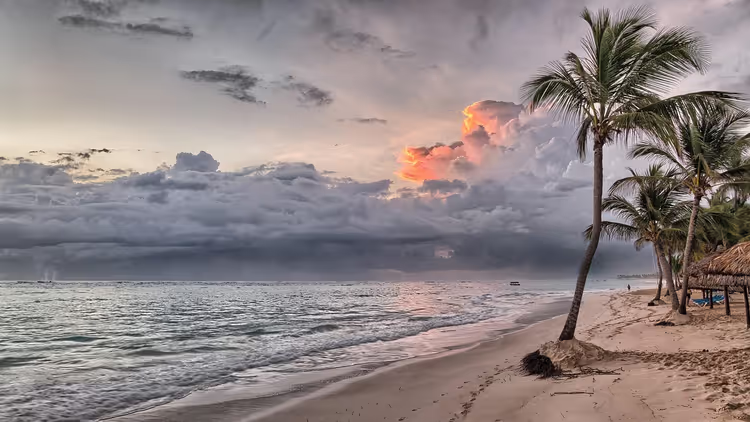
The Samaná Peninsula deserves a day of its own. This is where the national parks, a waterfall, coral reefs, and lagoons are concentrated. The largest park is called Los Haitises. Inside you'll find mangrove forests, caves with rock paintings, and bird colonies. On a boat through the channels, you can realistically see manatees.
Plan Samaná with an overnight stay. The drive from Punta Cana takes several hours, and in a single day you'll only see part of the park. Bring repellent: in the mangroves, mosquitoes are active all day.
Fall: marlin, prices, and hurricanes
September and October remain wet, rain is frequent, and the mugginess persists. November is considered the best month of fall: downpours are rare, and the heat eases off. By November, prices return to high levels, so booking early saves money.
Fall is a treat for fishing enthusiasts. Marlin season continues, and catches also include tuna and wahoo. The Cap Cana port in Punta Cana is considered one of the best bases for offshore fishing in the Atlantic. Local captains organize trips out to the ocean, and gear is usually included in the price.
Hurricane season peaks in September and October (as of 09/2026, tourist office data). Severe storms rarely hit the island, but the risk is worth keeping in mind. If you are traveling in the fall, compare insurance options in advance.
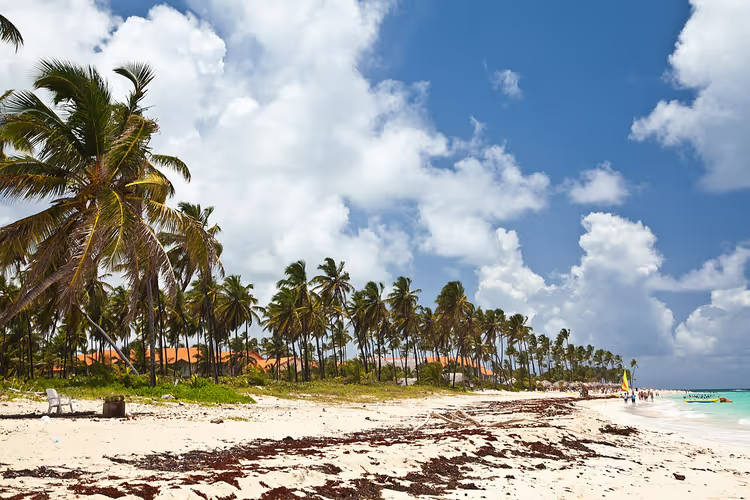 © Ben Kucinski from Beverly Hills, CA · CC BYPhoto: Ben Kucinski from Beverly Hills, CA, CC BY (https://creativecommons.org/licenses/by/2.0), Wikimedia Commons
What to know before you go
The national currency here is the Dominican peso, but dollars are accepted almost everywhere. Small bills come in handy for taxis, tips, and souvenirs. Cards work in hotels and large restaurants; in villages, cash is more reliable.
Resort areas are calm, but the rules are simple. At night, do not walk near the border with Haiti or in poor neighborhoods of large cities. Keep expensive jewelry and electronics in the safe or leave them at home.
Animals are less of a concern than people tend to think. There are no venomous snakes on the island, dangerous insects live deep in the jungle, and sharks stay far from the shore.
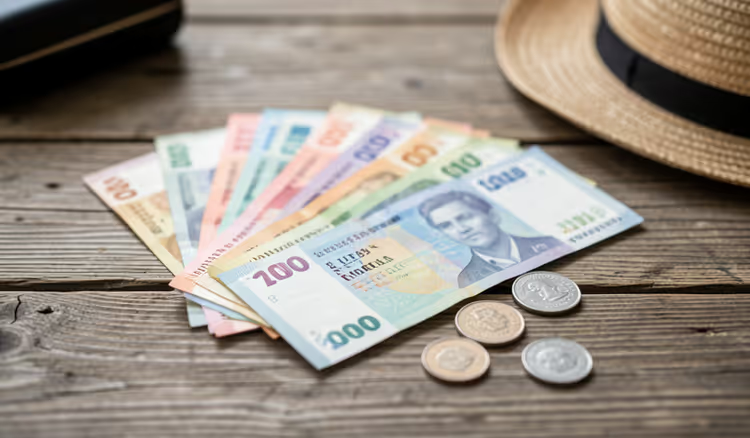 AIIllustrative image: AI-generated
Flights sell out quickly in high season, so finding tickets to the Dominican Republic on Kiwi.com is worth doing a couple of months ahead. That way you will still have options for both dates and price.
Weather by month
Period | Season | Weather | Tourists | Price |
|---|---|---|---|---|
December-April | dry | sunny, little rain | many | high |
May-June | transitional | hot and humid | moderate | moderate |
July-August | wet | muggy, short downpours | few | low |
September-October | wet | muggy, hurricane peak | few | low |
November | start of dry season | more comfortable, rain less frequent | growing | high |
We checked seasons and temperatures on 09/13/2026 in a seasonal overview on a tourism portal. The table helps you choose a period, but check the forecast for your specific city. Even in January, the north coast can have rainy days, and August can bring clear weeks. The difference between resorts is noticeable, so check the weather before you fly.
⁉️🤔 Frequently asked questions
When is the best time to go to the Dominican Republic for a beach vacation?
The dry season runs from December through April: less rain, calmer seas, and lower humidity (as of 09/2026, month-by-month calendar). This is the best period for the beach, diving, and excursions. Keep in mind that prices and hotel occupancy are at their highest during this time, so it is better to book several months in advance.
Can you go to the Dominican Republic during the rainy season?
Yes, many people do. In summer the rains are short and heavy, and the sun returns quickly. In return, hotels offer discounts and the flow of tourists drops. If you can handle the heat and humidity, the low season saves a noticeable part of your trip budget.
When can you see whales in the Dominican Republic?
Humpback whales come to Samana Bay from mid-January through late March (as of 09/2026, when humpback whales arrive).
How dangerous is hurricane season?
The season runs from June 1 through November 30, with the peak in September and October (as of 09/2026, hurricane season on the portal). Hurricanes rarely hit the island, but heavy rain and wind do occur. During these months it is worth getting insurance and keeping an eye on the weather forecast.
What should you bring to the Dominican Republic?
Bring insect repellent, sunscreen, a light jacket for the evenings, and cash in dollars.
In short: what to book
If you want the beach and minimal rain, choose December through April on the southeast coast of the country.
If you want to see whales, plan for February and book a hotel in Samana in advance.
If budget matters more than weather, go for May or June: prices are lower and the downpours are short.
Start with the hotel, then add excursions: find a tour on GetYourGuide.

A small editorial team writing guides for independent travel. We travel ourselves, but we haven’t been everywhere, so we check prices, opening hours and how to get there against official sources.