

















Hidden beach of love in Mexico: how to get there and when to go
The hidden beach in Mexico appeared after bombing. In the early 20th century, Mexico used the uninhabited Marieta Islands as a military testing ground. Bombs broke through the rocks, and the craters later filled with ocean water.
That is how a crater formed, with a sandy shore hidden inside it. Today it is called Playa del Amor, or the Beach of Love. It lies 7.9 km from Punta de Mita and is part of Islas Marietas National Park (according to Wikipedia).
You can only get inside by water and only at low tide. Below we break down how access works, what to see nearby, and when to go so you do not run into closed days.
How the Beach of Love appeared
💡 In short:
- The Marieta Islands are uninhabited, with no permanent residents.
- The Beach of Love is only accessible with a guide and a park permit.
- Entry and visiting rules: 09/2026, verified on the park website.
The Marieta Archipelago lies off the coast of the state of Nayarit, in Bahía de Banderas bay. The park includes two large islands, Isla Redonda and Isla Larga, and several small rocks (according to CONANP).
The islands were formed by volcanic activity and remained uninhabited for a long time: seabirds nested there, and schools of fish stayed in the coastal waters.
In the early 20th century, the Mexican government opened a military testing ground on the islands, and bombs were dropped from planes. The rocks became covered with deep craters, and the testing went on for decades and dramatically changed the shoreline.
One of the explosions broke through the top of a rock, and water and erosion did the rest. That is how an open crater with a sandy floor appeared, and it became the Beach of Love.
In the late 1960s, oceanographer Jacques-Yves Cousteau took an interest in the islands. He described the archipelago's rich marine life and launched an international campaign against the bombing. The testing stopped, and in 2005 the islands received national park status.
In 2008, the archipelago was recognized as a UNESCO biosphere reserve (according to Wikipedia). Today fishing and hunting are prohibited here, and that ban is enforced.
The islands are home to 44 plant and animal species (according to biologists). The restrictions also apply to tourists, so the visiting rules here are stricter than at an ordinary beach, and you should learn them in advance.
Why the beach has this name
There are two versions of how the Beach of Love got its name, and one of them was invented long before social media. A beautiful legend tells of a Mexican drug lord who would not let his daughter leave with a foreigner. The couple supposedly hid on a secluded shore, and their love story began there. There is no evidence for this version.
The second version is simpler and closer to reality. When travelers started posting photos of this unusual place on social media, the name Playa del Amor stuck. Literally translated, it means "Beach of Love."
The place also has a second name, Playa Escondida. Translated from Spanish, it means "hidden beach," and that name is more accurate. The shore is impossible to see from the water: rocks enclose it around the perimeter, and the entrance to the crater is open only from above.
The passage into the crater opens at low tide, and at high tide the water closes it off. If you want quiet, book a tour for opening time, because in high season spots for the day sell out in advance.
Who you can meet on the islands
The archipelago is part of a protected area, so fishing and hunting are prohibited here. The ban has brought the reefs back to life: schools of tropical fish once again gather around the islands, and corals are visible in the shallows.
Sea birds nest on the cliffs, including the brown booby, the laughing gull, and blue-footed boobies. The archipelago is considered the largest nesting colony for these species in the bay (according to El Universal).
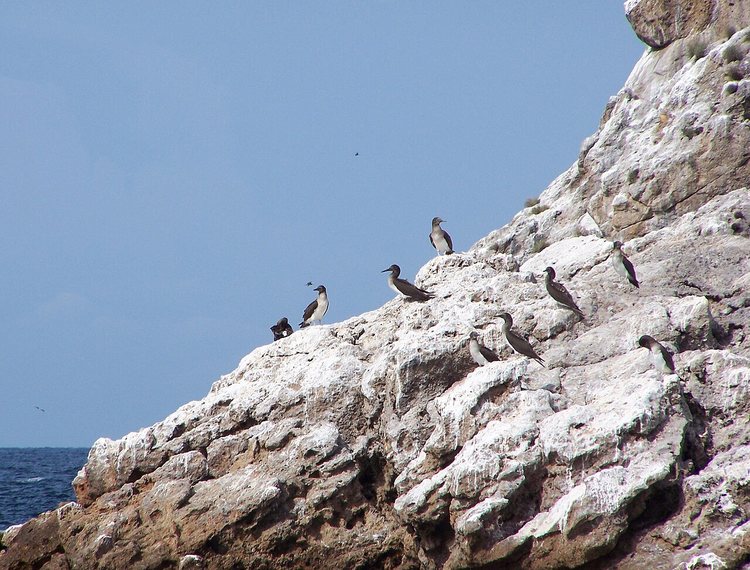 © Mark Tyra · CC BYPhoto: Mark Tyra, CC BY (https://creativecommons.org/licenses/by/2.0), Wikimedia Commons
In the winter months, humpback whales come near the islands, and from December through March they can be seen during boat trips. Olive ridley sea turtles, dolphins, and giant manta rays may appear near your boat.
What to do on the beach and around it
At the Hidden Beach, you simply swim and relax on the sand. The cliffs shelter the lagoon from waves, so the water here is calm and warm. The sand is light and fine, and the depth increases gradually.
Time on shore is limited. Groups are formed with 15 people, and you spend about 30 minutes at the beach (as of 03/2023, according to El Universal). Stay close to your guide: if the group runs late, entry for the next groups may be closed.
Safety rules here are strict: a life jacket and helmet are mandatory. You cannot bring a mask, snorkel, or fins onto the beach, so take them for snorkeling around the islands, not for the crater.
Snorkeling, kayaking, and stand-up paddleboarding are most often included in the tour program (according to El Universal). Confirm this in advance, because the set of activities varies among operators.
There are other spots around the archipelago as well. On Isla Larga lies Playa La Nopalera: a sandy shore against a cliff wall with cacti. Access is allowed only in calm water, so not every tour stops there.
Arches and small caves are visible in the cliffs. One of the fissures shoots water upward like a geyser. That sight is worth waiting for.
Bring a waterproof phone case and a quick-drying shirt. There is almost always spray on the boat. Leave sunscreen and a towel in your bag under the canopy.
How to get to the Hidden Beach
The most convenient way is via Puerto Vallarta, a large city with an international airport (PVR). From here it is about an hour by water to the islands, and from the resort of Punta de Mita the boat takes about 15 minutes (according to the park description).
Tours also depart from Nuevo Vallarta, Sayulita, La Cruz de Huanacaxtle, and Lo de Marcos (according to El Universal, 03/2023). Choose the departure point based on your hotel so you do not waste an extra hour on the road.
You cannot enter the crater on your own. You need a licensed operator with CONANP permission. The boat stops at the entrance, then you swim through a short tunnel or wade in.
Book the excursion in advance, because entry to the crater is limited during the season.
Access is not guaranteed. Tides and wind can close the passage, and the visitor limit may already be reached. Ask the operator in advance whether the Hidden Beach is included in the route and on which day.
The park is closed on Mondays and Tuesdays (according to El Universal). Plan your trip for the middle of the week and check the tide schedule for your date so you do not run into a closed entrance.
Hidden Beach on the map
The Marieta Islands are located in the waters of Nayarit, in Banderas Bay. The starting point for the route: the marina in Punta de Mita or the pier in Puerto Vallarta. Open the map in advance and save the location so you do not have to search for the pier in the dark.
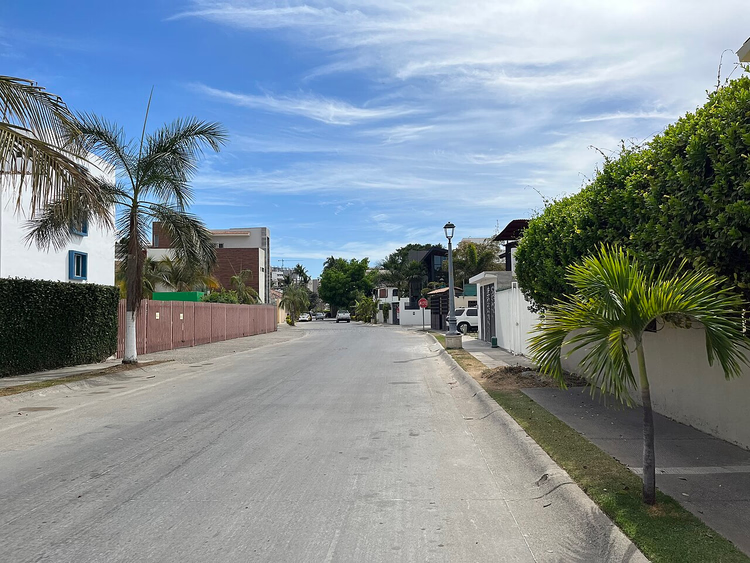 © Another Believer · CC BY-SAPhoto: Another Believer, CC BY-SA (https://creativecommons.org/licenses/by-sa/4.0), Wikimedia Commons
Hidden Beach in Mexico
Places on the map
- Hidden Beach (Playa del Amor) Beach inside a crater on the Marieta Islands, accessible only by water at low tide
If the map does not open in the embedded window, open the map in Google.
⁉️🤔 Frequently asked questions
Can you get to the Hidden Beach on your own?
No. Entry to the crater is allowed only with a licensed guide and a permit from the national park. Private boats are not granted access. That is why all visits are part of a tour that departs from the marina in Puerto Vallarta or Punta de Mita.
How many people are allowed on the beach per day?
The Hidden Beach has a limit of 116 people per day (as of El Universal). That is why tours that include entering the crater sell out in advance, especially in high season.
The calm season runs from November through May: no exhausting heat or heavy rains. From December through March, humpback whales come near the islands. In summer it rains and the sea is rougher more often, which causes boat trips to be canceled.
Do you need to know how to swim?
Yes, basic swimming skills are required. You reach the crater by swimming or wading, and along the way you walk through water. A life jacket is mandatory for everyone and is provided on the tour.
What should you bring?
Bring a waterproof phone case, a towel, sunscreen, and a dry t-shirt. Shoes with non-slip soles are useful near the rocks. Food and drinks are usually included in the tour, but confirm this when booking.
In short: what to book in advance
Lovers Beach is worth seeing from inside the crater, not only from the deck of a boat. If you are on a short trip, take a morning tour that includes a shore landing. If you only need snorkeling and whales, an island cruise will work.
Plan your visit for the middle of the week. Check the tide for your date and confirm with the operator that the crater is included in the route. Accept in advance that a day at the beach depends on water and weather.
Remember that the islands are part of a protected area. Stay on the trails, do not touch the coral, and take your trash with you. That way the beach will stay open for the next visitors.
Book a tour with a licensed operator in advance so you are not looking for a spot on your last day.

A small editorial team writing guides for independent travel. We travel ourselves, but we haven’t been everywhere, so we check prices, opening hours and how to get there against official sources.